
Trusted travel networking explained: Secure, affordable stays

SwappaHome Editorial Team
Home Exchange & Slow Travel Editorial
Trusted travel networking explained: Secure, affordable stays !Couple exploring home swap on tablet together > TL;DR: > > - Trusted travel networking...
Trusted travel networking explained: Secure, affordable stays
 Couple exploring home swap on tablet together
TL;DR:
- Trusted travel networking involves verified home exchanges and mutual reviews, not a single brand.
- These platforms can save travelers up to 90% on accommodation costs through community trust.
- Success relies on proactive profiles, clear communication, and genuine reciprocity among members.
If you've searched "trusted travel networking" hoping to find a single company or booking service, you're not alone. The phrase isn't a brand name or a government program. It's a description of a growing movement where homeowners and budget travelers exchange homes through verified, community-driven networks. Think of it as the sharing economy applied to accommodation, minus the hotel bills. This article breaks down exactly what trusted travel networking means in practice, how the most popular platforms operate, and whether this approach to travel is the right fit for you.
Table of Contents
- What does trusted travel networking really mean?
- How trusted home exchange networks work
- Comparing top trusted home swap networks
- Is trusted travel networking right for you?
- Our take: Why real trust, not just tech, makes or breaks the network
- Ready to try trusted home swapping?
- Frequently asked questions
Key Takeaways
| Point | Details |
|---|---|
| Not a single company | Trusted travel networking refers to secure home swap communities, not a specific brand. |
| Major savings potential | Homeowners and travelers can save up to 90 percent on lodging by joining trusted networks. |
| Trust is built by people | Technology helps, but proactive communication and reviews are key to safe exchanges. |
| Flexible platform options | Leading networks vary in costs, features, and community vibe, letting you pick the best fit. |
What does trusted travel networking really mean?
Let's start by defining exactly what trusted travel networking is and isn't.
First, a quick clarification: if you typed "trusted travel networking" into a search engine expecting a specific service or platform, no company by that exact name exists. What you likely found instead were references to Trusted Traveler Programs, which are government-run airport security initiatives like TSA PreCheck and Global Entry. Those are completely different. They're about expedited border screening, not accommodation.
So what does trusted travel networking actually mean in the world of home swapping? The phrase refers to a broader ecosystem of travel networks for home swapping, where verified homeowners open their doors to fellow members in exchange for the same courtesy. Trust is not just a nice word here. It's the entire operating system of these communities.
"The phrase likely refers to trusted networks or communities for home swapping and cultural exchange, where members build relationships over time through verified profiles, mutual reviews, and shared values."
What makes these networks function is a layered approach to trust, not just a single checkbox. Here are the core features most platforms use to build that trust:
- Verified identity: Members submit government-issued ID, and many platforms cross-reference social media or phone numbers.
- Two-way reviews: Both the host and the guest leave reviews after each stay, which creates accountability on both sides.
- Platform mediation: If disputes arise, the platform acts as a neutral third party to help resolve them.
- Insurance or damage protection: Many networks offer some form of property protection so hosts feel safe opening their homes.
- Profile depth: Detailed bios, photos, travel histories, and past reviews give members a real sense of who they're dealing with before saying yes.
This last point matters more than most people realize. You can read about someone's job, family, travel style, and previous swap reviews before you ever exchange a single message. That context builds genuine confidence, which is something you simply don't get when you book a faceless hotel room.
The reason why choose home swapping resonates so strongly with homeowners is that they already have something valuable: a property. Trusted travel networking lets them leverage that asset to travel affordably, without paying for accommodation on the other end. It's a straightforward value exchange, made safe through community accountability.
How trusted home exchange networks work
Now that you know what trusted travel networking is, let's go step-by-step through how these exchanges operate in practice.
The mechanics vary slightly from platform to platform, but the core model is consistent. You list your home, you earn credits or points when you host someone, and you spend those credits to stay in someone else's home. No cash changes hands for the actual accommodation.
The two main types of swaps:
There are reciprocal swaps, where you and another homeowner agree to exchange homes at the same time (you stay in their place while they stay in yours), and non-reciprocal swaps, where you host at one time and travel at a completely different time using credits you've earned. Platforms like HomeExchange call these "GuestPoints," while others use similar systems. Non-reciprocal swaps are especially popular because they remove the logistical challenge of finding someone who wants to be in your city at the exact same time you want to be in theirs.
What membership actually costs:
Membership fees vary widely. Platforms use membership fees as their primary revenue model. HomeExchange charges around $235 per year for unlimited swaps, while ThirdHome charges $295 per year plus an exchange fee of $495 to $1,995 per week depending on property tier. When you consider that a single hotel stay in a major city can cost $200 to $400 per night, the math becomes very clear very fast.
How to get started, step by step:
- Create a detailed profile with clear photos of your home, honest descriptions, and a personal bio.
- Browse available listings in your desired destination and send swap requests with personalized messages.
- Agree on dates, house rules, key handover logistics, and any other expectations in writing through the platform.
- Host your guest when it's their turn to visit your area, following the agreed-upon terms.
- Both parties leave honest reviews after the stay, which strengthens your reputation for future swaps.
Pro Tip: Your profile photo and home description are your first impression. Homes with bright, high-quality interior photos and warm, detailed bios receive significantly more swap requests than sparse profiles with low-quality images.
Safety is built into every layer of this process. Platforms require ID verification before any swap is confirmed. The accommodation exchange models that work best are the ones where both parties have strong review histories and have communicated clearly before arrival. Think of it like meeting a trusted mutual friend's contact. The background check has already happened, and both of you arrive with accountability.
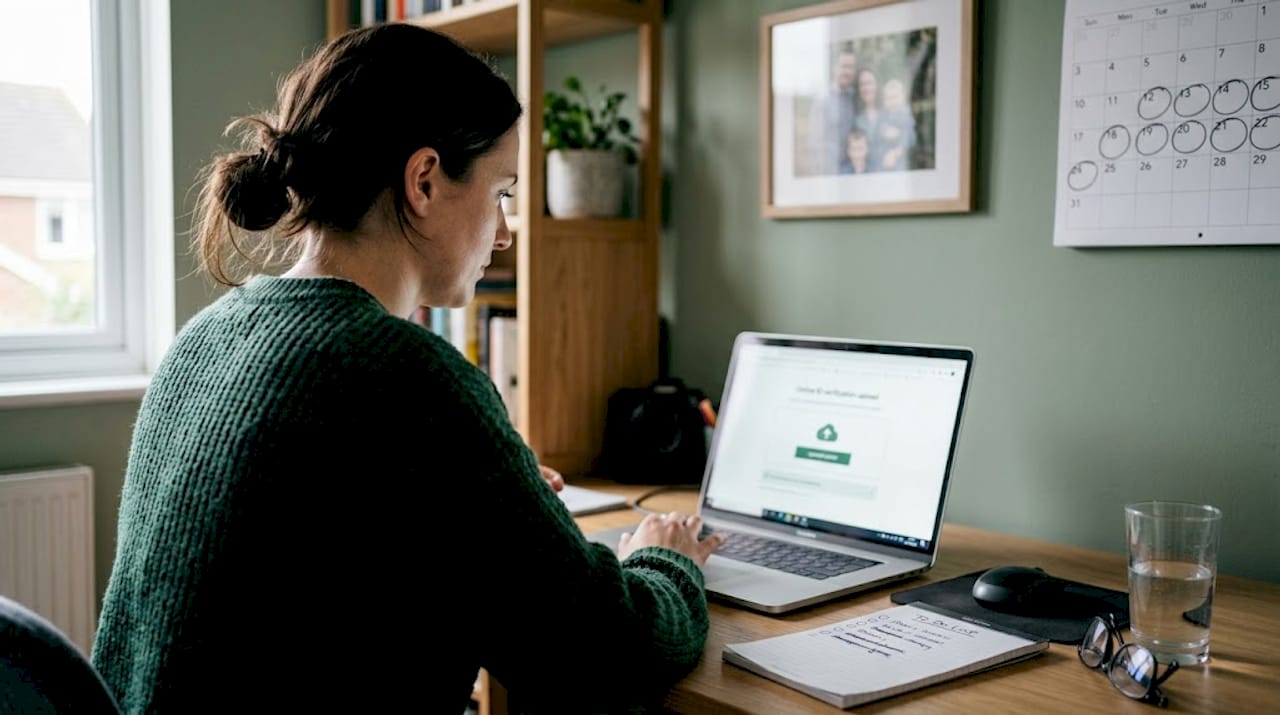 Woman verifying ID for home exchange platform
Practical swap logistics:
| Swap Type | Timing | Best For |
|---|---|---|
| Simultaneous reciprocal | Both travel at same time | Couples, fixed schedules |
| Non-simultaneous | Travel at different times | Flexible travelers |
| Points-based (non-reciprocal) | Host now, travel later | Solo travelers, retirees |
Many platforms also offer affordable home swapping tips within their member communities, including forums and member guides to help first-timers navigate their initial swap with confidence.
Comparing top trusted home swap networks
With the basics and mechanics in mind, let's see how leading networks stack up and what sets them apart.
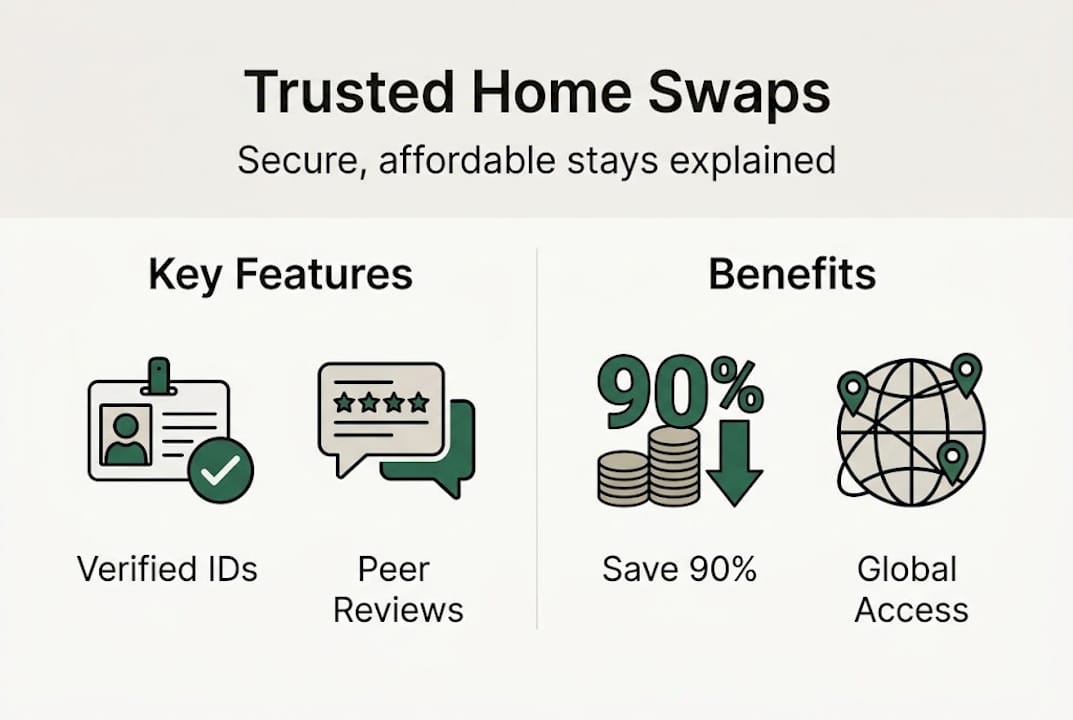 Infographic showing trusted home swap features and benefits
There are three major categories of trusted home exchange networks: mass-market platforms, luxury-focused clubs, and traditional long-standing networks. Each serves a different kind of traveler.
Comparison of leading platforms:
| Platform | Founded | Members/Properties | Annual Fee | Best For |
|---|---|---|---|---|
| HomeExchange | 1992 | 200k+ members | ~$235/year | Mainstream travelers |
| ThirdHome | 2010 | 30k properties, 100+ countries | $295 + exchange fee | Luxury homeowners |
| Intervac | 1953 | Long-established base | Lower, varies | Traditional exchangers |
| Swappahome | Growing | Verified global network | Credit-based | Budget-conscious travelers |
HomeExchange is the largest player, with over 200,000 members worldwide and a massive inventory of properties across nearly every continent. Its GuestPoints system gives members flexibility because you don't need to find a direct swap partner. You simply earn points when you host and spend them when you travel. The volume of listings means you'll almost always find something in your target destination.
ThirdHome targets a different audience entirely. With 30,000 properties in over 100 countries and more than 21,000 member reviews since its 2010 launch, it focuses on luxury properties worth $500,000 or more. If you own a high-end second home and want access to comparable properties globally, ThirdHome makes sense. But the additional per-week exchange fees make it less suitable for budget-focused travelers.
Intervac, founded in 1953, is the original home exchange network. It has a loyal, older membership base and a traditional approach. Fewer digital bells and whistles, but a deeply committed community of long-term members who understand and respect the exchange model.
When choosing a top home swapping network, consider these factors:
- Inventory size: Larger networks give you more destination options, which matters especially for popular travel periods.
- Credit system flexibility: Non-reciprocal credit systems are more forgiving for people with unpredictable schedules.
- Member verification standards: How thorough is the ID check? Are reviews public and detailed?
- Fee structure: Calculate total annual cost against the number of trips you plan, then compare to what hotels would cost.
- Community culture: Some platforms feel transactional; others feel genuinely social and community-driven.
Exploring affordable home swap options across multiple platforms before committing is a smart move, especially if you're new to the concept.
Is trusted travel networking right for you?
Finally, let's examine who these platforms fit best and what you should consider before taking the plunge.
Trusted home exchange networks are not for every traveler. But for the right person, they're transformative. Here's how to figure out which side of that line you fall on.
Who benefits most:
Homeowners with flexible travel dates get the most out of these networks. The more flexible you are, the more swap opportunities open up. Retirees, remote workers, and anyone who isn't locked into school holidays or fixed office schedules tend to have the richest experience because they can say yes to a wider range of dates.
Budget-conscious travelers who want more than a bare-bones hostel bunk also find tremendous value here. Instead of a generic hotel room, you get a fully equipped home, often in a real neighborhood rather than a tourist strip. You wake up to a coffee maker, a kitchen stocked with local spices, and sometimes a note from your host recommending their favorite spots around town. That kind of cultural exchange benefit is genuinely priceless.
The real savings:
Home swap members can save up to 90% on accommodation costs compared to hotels or vacation rentals. If you travel three weeks per year and would otherwise spend $200 per night on accommodation, that's $4,200 in potential savings annually, minus your membership fee. The numbers are hard to argue with.
Honest limitations:
Success relies on proactive profiles and consistent communication. According to home swap community feedback, smaller platforms often have a warmer community vibe but significantly less inventory than HomeExchange, which can limit your destination choices. You need to be comfortable reaching out to strangers, following up on requests, and communicating clearly about your home and expectations.
There's also an upfront trust barrier. The first time you hand your keys to someone you've only met through a screen, it feels strange. That discomfort fades quickly after your first successful swap, but it's real and worth acknowledging.
Steps to get started:
- Research two or three platforms and compare their membership models and inventory in your target destinations.
- List your home with professional-quality photos and a detailed, honest description of the space and neighborhood.
- Start by sending personalized swap requests, not template messages. Mention specific things you noticed in their listing.
- Accept your first hosting request from a member with strong reviews to build your own review history quickly.
- After your first stay, leave a detailed review. Good reviews are the currency of this community.
Pro Tip: Check the home swapping vs rentals comparison before your first listing to understand exactly how much you stand to save depending on your travel style and frequency.
If you want a fuller picture of how these savings stack up globally, the cost-effective travel explained breakdown is worth reading before you commit to any single platform.
Our take: Why real trust, not just tech, makes or breaks the network
Here's our unfiltered view after tracing what really makes these communities thrive.
Every home swap platform will tell you they use AI matching, verified IDs, and smart algorithms. And those tools matter. But the platforms that produce the most satisfied members are the ones where people show up fully, not just their profiles.
Trust in these communities is built through real actions: the host who leaves a handwritten note with restaurant recommendations, the guest who replaces the coffee they used and leaves the kitchen cleaner than they found it, the member who follows up after a stay to say thank you. None of that is automated.
What surprises most newcomers is how much the quality of their swap experience depends on their own behavior, not the platform's rules. We've seen beautiful homes get mediocre reviews because the host was unresponsive. We've also seen modest apartments become legendary in a community because the host was genuinely warm and helpful.
The common myth is that a stricter platform means a safer swap. Reality is more nuanced. A platform with 200,000 members is only as trustworthy as the individual members in it. If you approach affordable global travel through home swapping with a mindset of genuine reciprocity, you'll find your community fast. If you treat it like a transaction, you'll struggle to build the reputation that unlocks the best homes.
Ready to try trusted home swapping?
When you're ready for secure, affordable adventure, here's how you can get started.
Swappahome is built around exactly the kind of verified, community-first model this article describes. Members list their homes, earn credits for hosting, and use those credits to stay in verified homes across the globe. One credit equals one free night, and new members receive starter credits to begin their first swap without waiting.
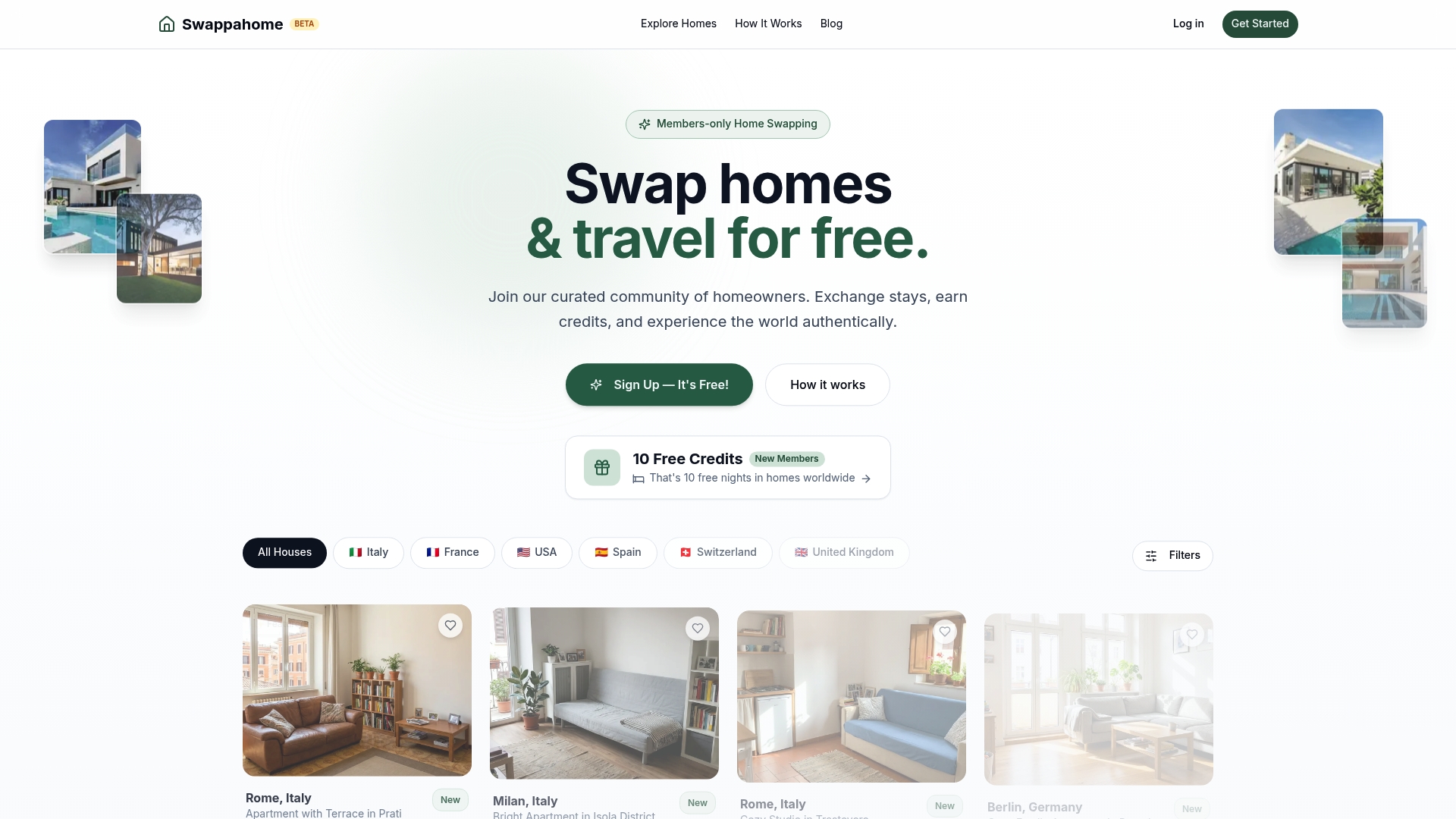 https://swappahome.com
Whether you're a homeowner looking to put your property to work or a traveler tired of paying premium prices for impersonal hotel rooms, Swappahome gives you a practical, people-first alternative. Browse the full home swap listings to see what's available in your dream destination, and discover how straightforward it is to start exchanging homes with a global community of verified, like-minded travelers.
Frequently asked questions
Is there a company called 'Trusted Travel Networking'?
No, "trusted travel networking" is not a specific company or platform. As no single service by that name was found in searches, the phrase describes a category of verified home swapping and hospitality exchange communities.
How much can I save with trusted home exchange networks?
Travelers can save up to 90% on accommodation costs compared to hotels or vacation rentals when exchanging homes through verified, trusted networks.
What safety features do top travel networking platforms provide?
Most leading platforms include verified profiles and ID checks, two-way peer reviews, platform-mediated dispute resolution, and property insurance or damage protection.
Can I join more than one trusted home exchange network?
Yes, many homeowners use multiple platforms simultaneously to maximize their destination options. Community feedback suggests HomeExchange offers the most volume, while smaller networks provide a tighter community experience worth joining alongside larger platforms.
Recommended
- Travel Community Membership: Unlocking Affordable Stays | SwappaHome Blog
- Exchange-Based Travel: Unlocking Authentic, Affordable Stays | SwappaHome Blog
- How community-led travel platforms unlock affordable adventures | SwappaHome Blog
- Credit-Based Travel: Unlocking Affordable Stays Worldwide | SwappaHome Blog

Published by
SwappaHome
SwappaHome Editorial Team
Home Exchange & Slow Travel Editorial
The SwappaHome Editorial Team brings together travel research, home-exchange community insights, and platform data to produce practical guides for first-time and experienced home swappers. Every article cites real platforms, current market rates, and verifiable city-level facts so readers can make informed decisions without guessing.
Ready to try home swapping?
Join SwappaHome and start traveling by exchanging homes. Get 7 free credits when you sign up!