
10 best digital nomad visa countries for 2025

SwappaHome Editorial Team
Home Exchange & Slow Travel Editorial
Key Takeaways Choosing the right location for remote work requires evaluating visa accessibility, local tax structures, and overall quality of life. The…
Key Takeaways
Choosing the right location for remote work requires evaluating visa accessibility, local tax structures, and overall quality of life. The following points summarize the most viable options for remote professionals today:
- Portugal remains a staple for nomads due to its favorable climate and established remote work infrastructure.
- Spain has recently modernized its immigration framework to accommodate long-term remote workers seeking coastal or urban lifestyles.
- Costa Rica offers a scenic nature-focused environment that pairs well with tax-advantaged residence permits for qualified earners.
- Greece balances traditional Mediterranean charm with simplified digital nomad visa requirements that appeal to European-based travelers.
- Estonia maintains its lead as a tech-forward hub, offering a pioneering digital residency model designed specifically for entrepreneurs.
1. Portugal
Portugal has consistently held its status as a top-tier destination for remote workers, and for good reason. The country offers a blend of reliable infrastructure, a warm climate, and extensive social networks that make settling in straightforward for foreigners. With several visa pathways available, including the D7 passive income visa and the dedicated nomad permit, you can tailor your application to your specific work situation.
Navigating the bureaucratic landscape often feels manageable compared to other EU neighbors, provided you maintain your documentation early. Many professionals gravitate toward Lisbon or Porto, yet the interior regions are increasingly becoming hubs for those seeking a lower cost of living while retaining high-speed internet connectivity. The country is effectively a gateway to the European market, making it an excellent base for cross-continental travel.
Living here means embracing the local "fado" rhythm while staying productive in modern shared workspaces. Whether you are finding temporary housing through SwappaHome or browsing property listings for a longer-term stay, you will likely find that the local community is welcoming to international professionals. The cultural shift is minimal for those coming from other Western countries, making the transition remarkably smooth as you establish your workspace.
2. Spain
Spain has recently entered the competition for remote workers with a dedicated visa that effectively welcomes digital residents from around the world. The mediterranean coastline and vibrant interior cities provide an incredible canvas for individuals who manage their own schedules. Unlike traditional visitor permits, the specific nomad visa allows long-term legal status for those who can prove income from sources outside of Spain.
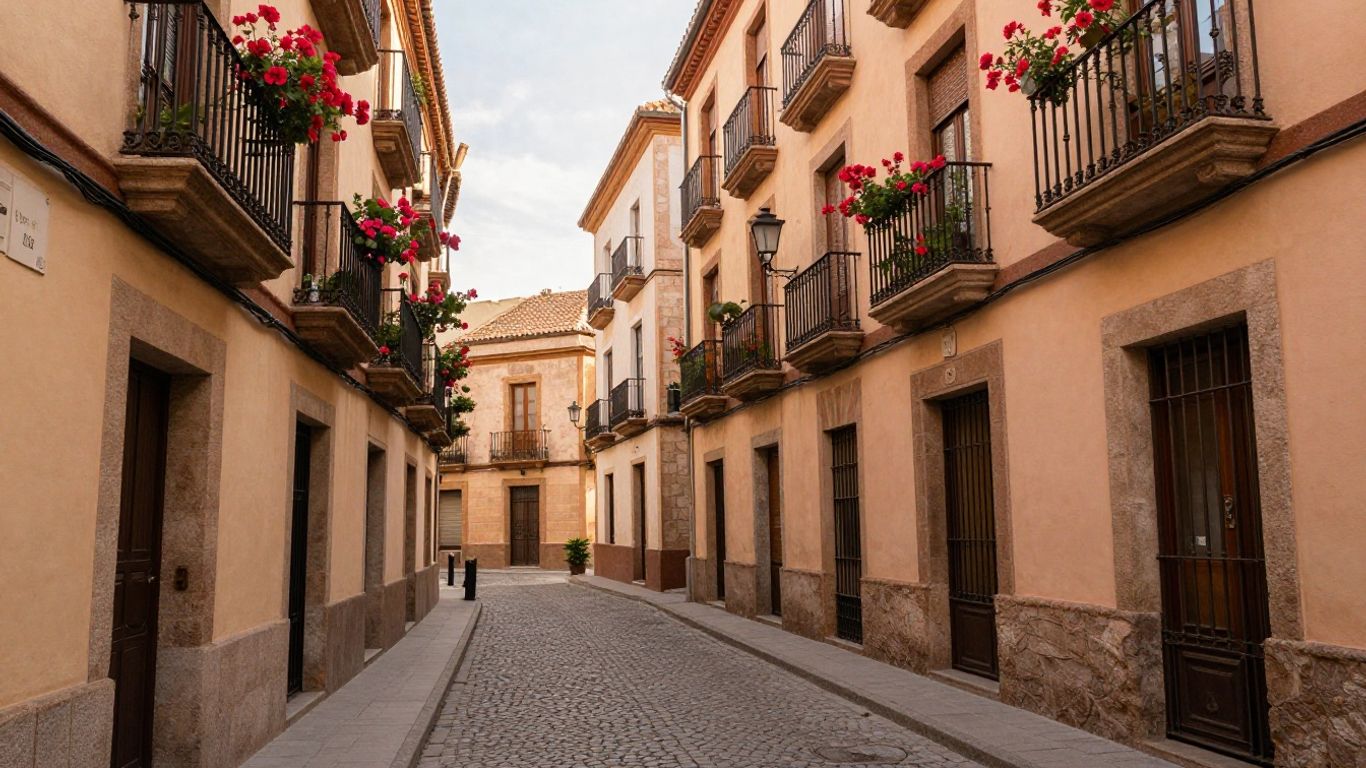 A sunlit street in a Spanish city
Finding a home in Spain can be handled through a SwappaHome platform to ensure you have a dedicated workspace from your first day of arrival. The combination of high-speed fiber internet and a moderate cost of living ensures that your quality of life remains high. Local customs, such as taking long afternoon breaks, encourage a healthy work-life balance that is difficult to sustain in high-pressure urban centers.
The administrative procedures in Spain require patience and local support, but the benefits are undeniable. Once settled, you can enjoy rich gastronomic experiences, a world-class health system, and easy connections to other parts of Europe. Most professionals find that aligning their arrival with regional festivals or quiet off-peak seasons allows for the best blend of productivity and exploration.
3. Costa Rica
Costa Rica has carved out a niche as a premium location for remote professionals who prioritize environmental accessibility and a slower pace. The "Pura Vida" lifestyle is more than a slogan here; it represents a commitment to wellness and nature that can be restorative after months of intense work cycles. The nomad permit is straightforward, catering to those who earn their living entirely through digital channels.
| Feature | Benefit for Nomads |
|---|---|
| Tax Policy | Foreign-sourced income is generally exempt |
| Internet Speed | High-speed fiber available in tourist hubs |
| Visa Duration | Renewable permits for extended stays |
This specific regulatory environment makes financial planning transparent for international travelers. By avoiding the complexities of local tax burdens on passive earnings, you are free to focus on your projects. The infrastructure in regions like Santa Teresa and Guanacaste ensures that you never fall out of touch while being mere steps away from world-class surfing and hiking.
While the cost of living in coastal areas can mirror that of major cities, the trade-off is an unparalleled connection to the environment. Whether you are working from a balcony overlooking the jungle canopy or a modern café in San Jose, the country offers unique settings that enhance creativity. Successful nomads are those who balance this environment with a disciplined routine, ensuring their output remains consistent with their career goals.
4. Greece
Greece provides a captivating backdrop for remote work, combining ancient history with a modern digital nomad permit that attracts thousands each year. The visa allows for a long-term stay, provided you meet the required minimum monthly income. Many workers settle into the islands during the warmer months or stay in Athens, which serves as a vibrant urban anchor year-round.
Connectivity is no longer an issue, even in more remote locations, due to government investments in island infrastructure. Beyond the office hours, the lifestyle revolves around local tavernas, clear Aegean waters, and a social calendar rooted in historical gatherings. This ease of living makes it an attractive alternative for those looking to stretch their professional experience in a place that values interpersonal connection.
Managing your stay effectively means choosing locations that remain accessible during the off-season. Athens provides the best reliability for those who need to guarantee stable power and high-speed internet during harsh weather or peak busy periods. Most individuals find that their daily routine becomes more sustainable here, aided by the Mediterranean diet and the abundance of open, walkable public spaces.
5. Estonia
Estonia is the pioneer of modern digital administration, offering a unique residency program that speaks directly to the needs of the global professional. The country’s digital infrastructure is perhaps the most advanced in Europe, making it an easy choice for those who want their paperwork done online. You are not just visiting as a guest; you are entering a digital ecosystem built to support remote operations.
The capital, Tallinn, is a compact city that packs a significant technological punch with its medieval charm. Here, you will find modern co-working spaces and a community of peers who are similarly focused on efficiency and modern business agility. The tax structure is designed to be competitive, which is a significant factor for freelancers who want to manage their revenue effectively without excessive local complications.
Engaging with Estonia means becoming comfortable with online services, as almost all interactions with the government occur via digital portals. This transparency appeals to many who are tired of manual filing and in-person interviews at traditional government offices. It is an ideal spot for those who seek to build a business or career within an environment that rewards digital literacy and forward-thinking management.
6. Croatia
Croatia has gained significant popularity by offering an intuitive nomad visa that welcomes those who wish to spend a year or more on the Adriatic coast. The visual appeal of cities like Split and Dubrovnik is undeniable, but it is the practical logistics that keep people coming back. The visa is clearly structured, making it accessible even for those who are new to the world of international remote work.
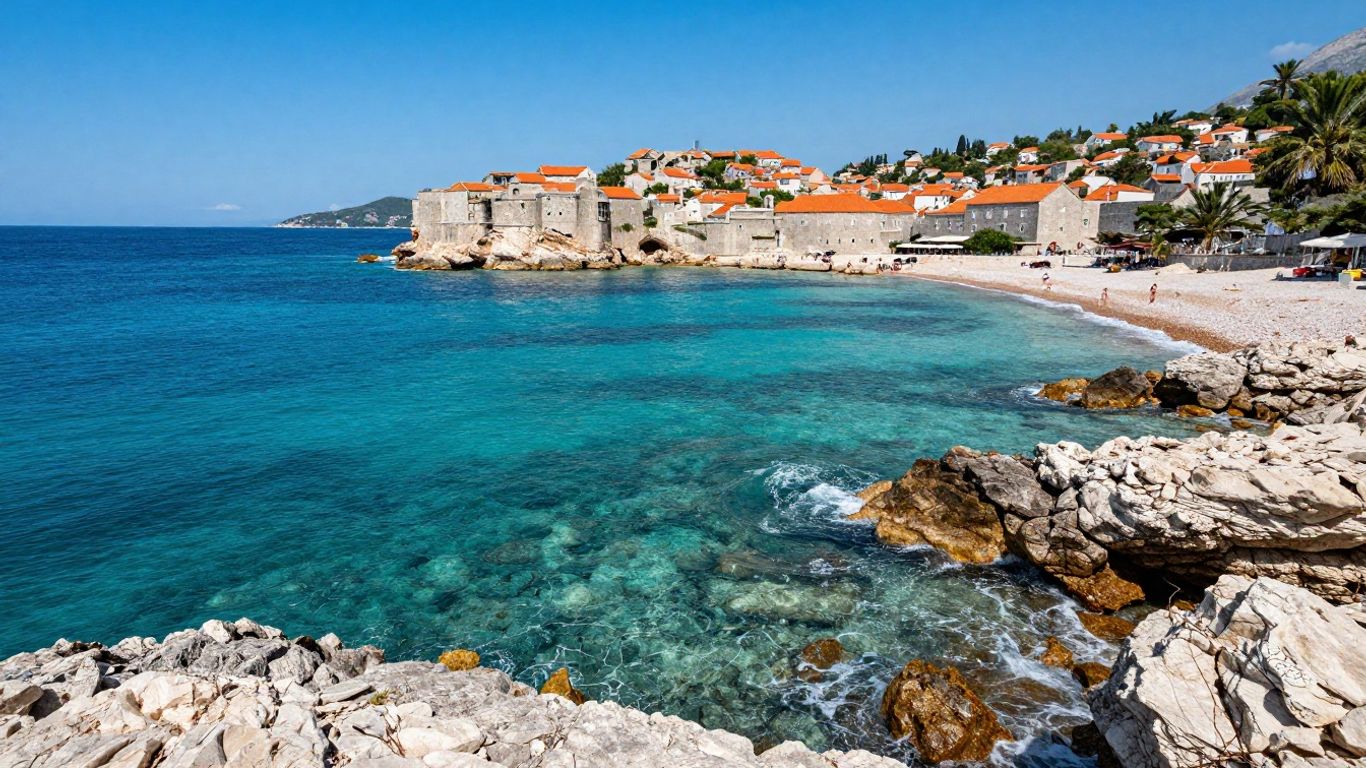 A view of the Adriatic coastline
Infrastructure improvements near the coast have made remote life feasible, ensuring that you can maintain reliable connections during the peak season. Most nomads report that the local community in major coastal cities is quite supportive, with a growing number of English-speaking cafes that cater to digital workers. It is a fantastic place for those who want to mix their workweek with weekend exploration of national parks.
Living in Croatia also allows you to tap into the regional travel network, providing affordable and quick access to neighboring Balkan states. This connectivity expands your reach significantly, allowing you to maximize the value of your base in the region. By keeping your workspace organized and respecting the local rhythms of the historic centers, you can craft a long-term residency that feels both stable and adventurous.
7. Hungary
Hungary balances central European history with a modern digital nomad permit that makes it an affordable hub. The "White Card" allows remote workers to legally reside in the country while performing duties for foreign entities. Budapest stands as a massive draw, providing a density of coffee shops, co-working facilities, and cultural events that satisfy any professional need.
To make the most of your stay in Hungary, keep the following priorities in mind:
- Build relationships with local digital nomad communities for workspace tips.
- Research the best neighborhoods for fiber optic internet before signing leases.
- Utilize the public transit network to reduce daily commute times.
- Engage in local language classes to navigate daily life more authentically.
These steps ensure that your time in the city is productive rather than being consumed by basic logistics. Budapest is widely considered an excellent value, allowing you to secure high-quality housing while keeping your broader personal budget intact. The blend of bathhouse culture, ruins bars, and grand boulevard living creates a unique workday rhythm that balances focus with necessary relaxation.
8. Malta
Malta offers a sun-soaked environment with a digital nomad presence that continues to grow. Its small size makes it incredibly easy to navigate, and the English-speaking orientation of the professional sector is a massive benefit for international workers. The residency permit is straightforward, allowing you to live comfortably while benefiting from a regulatory framework that understands the modern work era.
The archipelago features various environments, from the busy, industrious streets of Valletta to the quieter, more scenic coastal towns. Whether you are looking for a bustling urban vibe or a quiet place by the sea, you can find a dedicated space that suits your focus. Reliability of services is high, and the weather remains generally mild throughout the year, which is a major draw for northern Europeans.
When choosing your base here, consider the density of your neighborhood. Being close to transit hubs ensures you can move around the island as needed while staying connected to the social life that develops in the evenings. Most visitors find that integrating into the local life is simple, facilitated by a culture that has long accommodated international workers in various professional capacities.
9. Mexico
Mexico continues to attract a vast number of remote workers who are drawn to its diversity, affordability, and close proximity to the Americas. The temporary resident visa serves as a gateway for those who can prove sufficient income, providing a stable path for long-term residency. From the beaches of the Caribbean to the high-altitude vibrancy of Mexico City, the variety on offer is unmatched.
Infrastructure varies from region to region, making it essential to target specific hubs if you want a guaranteed fiber optic connection. Many remote workers thrive in places like Mexico City or Puerto Vallarta, where shared office spaces are common and the social scene for international nomads is established. The ability to live well for a modest investment allows for high-end experiences that would be prohibitively expensive elsewhere.
Successfully managing your stay in Mexico requires good judgment regarding your living arrangements and security. Choosing areas with established digital populations can provide the social safety net and workspace amenities necessary to maintain your schedule. By balancing the local culture with personal professional requirements, you can find a sustainable way of living that combines high productivity with constant cultural inspiration.
10. Colombia
Colombia has become a major destination in South America, bolstered by its welcoming digital nomad visa and a reputation for energetic urban environments. Cities like Medellin have transformed into global hubs for remote work, characterized by affordable living costs and pleasant spring-like weather. The regulatory environment is simple, making it feasible to settle in and begin working within weeks of arrival.
Connecting with other travelers is effortless in Colombia, as the country hosts an active community of global professionals engaged in everything from software development to creative arts. The wide availability of workspaces ensures that you have access to everything needed for remote productivity. While it is important to stay aware of surroundings in certain districts, the main commercial and residential areas are well-monitored and user-friendly.
For those who seek to broaden their professional horizons, Colombia provides a unique lens through which to view international trade and collaboration. The pace of life is energetic, and the food culture is diverse, providing a stimulating atmosphere for those who work best when their environment is dynamic. As you integrate into your neighborhood, you will find that the local focus on innovation and hospitality keeps you constantly moving forward.
Conclusion
Choosing from the many available digital nomad visa countries for 2025 comes down to balancing your personal life goals with the practical requirements of your specific profession. Whether you prefer the Mediterranean shores of Europe, the tech-forward hubs of the Baltics, or the affordable vibrancy of Latin America, there is an official permit waiting to turn your global travel aspirations into a sustainable daily routine.
Frequently Asked Questions
How does a digital nomad visa differ from a tourist visa?
A digital nomad visa provides legal status to reside in a country for an extended period, whereas a tourist visa is typically limited to short-term stays with strict prohibitions on working locally.
Do I need to pay local taxes if I have a digital nomad visa?
Tax obligations vary significantly by country; some exempt you from local income tax on foreign-sourced earnings, while others may require you to file locally depending on your stay duration.
Can I bring my family members with me on a nomad visa?
Many countries with digital nomad programs allow you to include spouses and dependents on your application, though you must usually prove higher minimum income requirements to support them.
What are the main requirements for these visas?
Most common requirements include a valid passport, proof of consistent remote income meeting a minimum threshold, valid travel insurance, and in some cases, proof of accommodation.
How long can I generally stay on a digital nomad visa?
While specific durations depend on the national policy, the standard permit generally lasts for 12 months with the option to renew for an additional or extended period.
Is it easy to find co-working spaces in these countries?
Yes, the majority of countries that actively recruit digital nomads have robust urban infrastructures with dedicated co-working hubs equipped with reliable internet and professional amenities.
How should I handle health insurance when moving abroad?
Applicants are almost always required to provide proof of comprehensive health insurance that covers their stay, and many expats opt for international policies designed specifically for remote working lifestyles.

Published by
SwappaHome
SwappaHome Editorial Team
Home Exchange & Slow Travel Editorial
The SwappaHome Editorial Team brings together travel research, home-exchange community insights, and platform data to produce practical guides for first-time and experienced home swappers. Every article cites real platforms, current market rates, and verifiable city-level facts so readers can make informed decisions without guessing.
Ready to try home swapping?
Join SwappaHome and start traveling by exchanging homes. Get 7 free credits when you sign up!