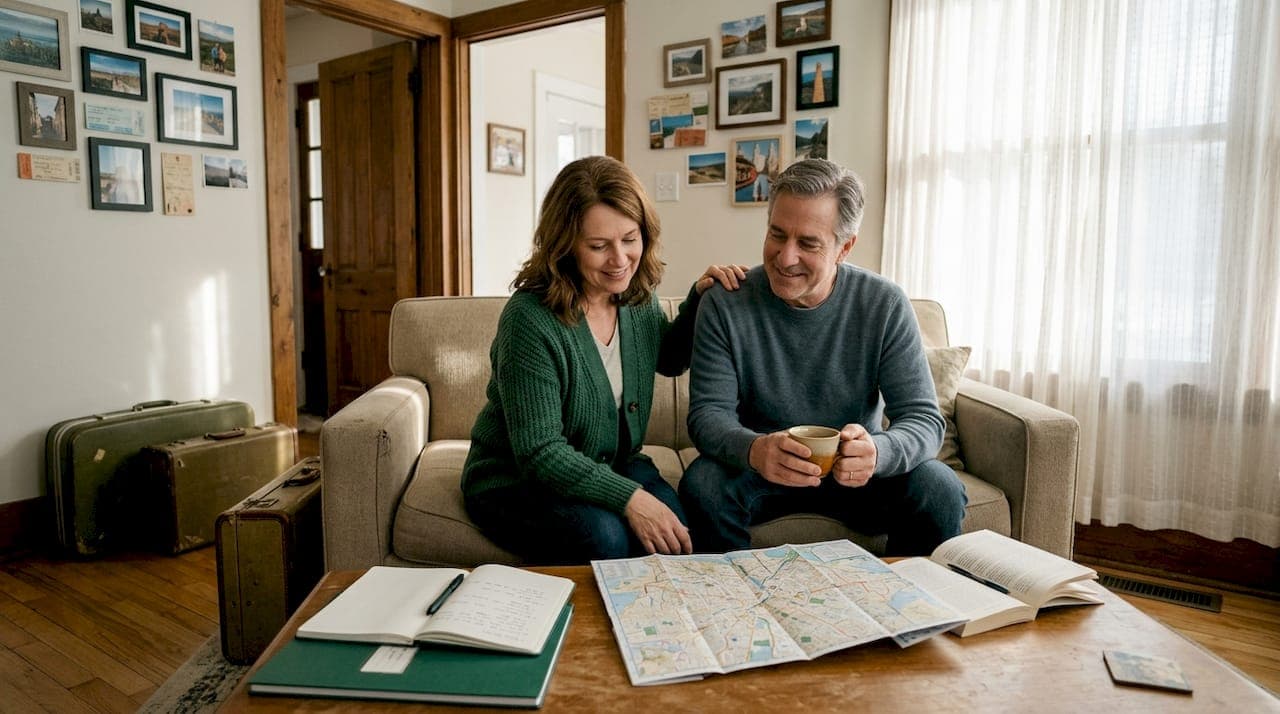
10 tips for authentic cultural exchange through home swapping

SwappaHome Editorial Team
Home Exchange & Slow Travel Editorial
10 tips for authentic cultural exchange through home swapping !Couple discussing cultural exchange in cozy living room > TL;DR: > > - Authentic...
10 tips for authentic cultural exchange through home swapping
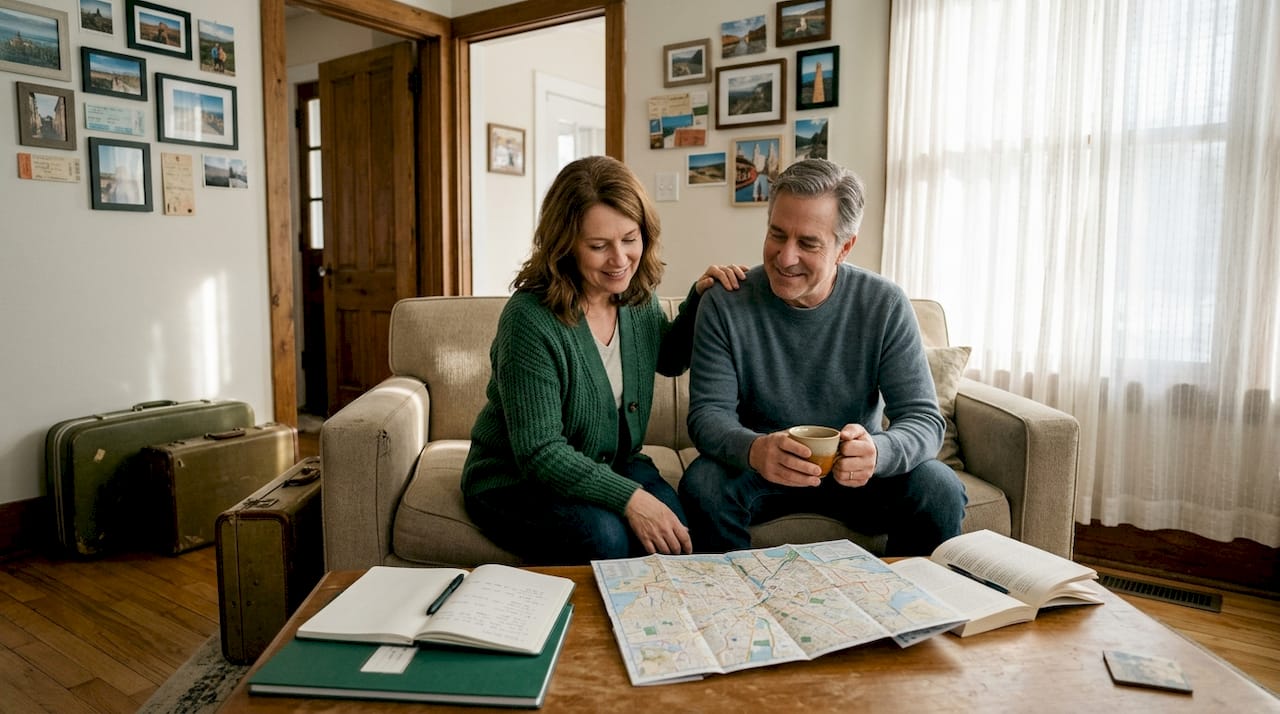 Couple discussing cultural exchange in cozy living room
TL;DR:
- Authentic cultural immersion during home swaps requires intentionality, such as setting clear learning goals and engaging in local routines. Focusing on daily, repetitive activities and respectful etiquette fosters deeper connections than prominent tourist attractions. The key to meaningful exchange lies in curiosity, slow exploration, and embracing the neighborhood's natural rhythm rather than overplanning activities.
Most travelers return home with photos of landmarks they half-remember and meals they ate in tourist districts. Real cultural immersion is harder to find than most travel blogs admit. Home swapping removes one massive barrier — the cost of accommodation — but it does not automatically hand you an authentic experience. That requires intention. The good news is that a handful of well-tested strategies can completely change how deeply you connect with a place, its people, and its everyday rhythms during a home exchange stay.
Table of Contents
- Define your cultural learning objectives
- Prioritize daily routines over 'tourist attractions'
- Master cultural etiquette and respectful guest behavior
- Communicate clearly: set expectations and stay flexible
- Adapt to local context: routines, community, and integration
- Our perspective: the most overlooked factor in home swap immersion
- Start your most meaningful trip yet with Swappahome
- Frequently asked questions
Key Takeaways
| Point | Details |
|---|---|
| Set clear objectives | Decide which cultural aspects you want to focus on before your trip for deeper immersion. |
| Engage in daily life | Opt for everyday routines and local events over tourist attractions to live as locals do. |
| Respect local etiquette | Research and follow cultural norms to avoid misunderstandings and build genuine relationships. |
| Communicate openly | Discuss rules and expectations with your host beforehand to ensure a smooth, comfortable stay. |
| Adapt and participate | Be flexible and willing to join community rhythms for truly authentic cultural exchange. |
Define your cultural learning objectives
Before diving into specific behaviors, it is important to decide what aspects of culture you genuinely want to immerse in during your stay. Without clear objectives, even the best home swap can feel like an expensive vacation rental with a lot of unfamiliar appliances.
Think of your cultural goals as a compass. They do not restrict your trip; they focus it. According to HomeExchange's swap guide, defining learning goals such as language practice, cuisine exploration, arts engagement, or understanding everyday local routines is one of the most consistently recommended starting points for meaningful exchanges. When you know what you want to learn, you stop treating every moment as optional.
Here are some examples of specific, actionable cultural goals travelers set before a home swap:
- Language: Practice conversational phrases at the local market or coffee shop every morning.
- Cuisine: Cook at least three meals using ingredients from the neighborhood grocery store, not the tourist supermarket.
- Arts and crafts: Attend one local gallery opening, community theater performance, or craft workshop.
- Daily routines: Follow the local schedule for meals, errands, and leisure rather than your home-country habits.
- Community participation: Join one recurring neighborhood event like a morning walk group or a weekly outdoor market.
Once you have your goals written down, use them to filter your booking choices. A host near a coastal fishing village is a great fit if local food traditions are your priority. A city center apartment with an active neighborhood café scene is better if language practice is your goal. The step-by-step cultural exchange guide at Swappahome walks through how to align your home swap selection with specific immersion goals.
Pro Tip: Write down exactly 2 to 3 cultural goals before you send your first message to a potential host. Share them in your introduction. Hosts love knowing what you are genuinely curious about, and many will go out of their way to point you toward experiences that match what you care about most. Personalized travel immersion consistently produces stronger memories and more meaningful connections than open-ended tourism.
Prioritize daily routines over 'tourist attractions'
With clear objectives, the next step is choosing how to spend your time in ways that foster real immersion. Here is a truth most travel content skips: the magic is almost never at the famous landmark. It is at the fruit stall the host visits every Thursday, the corner café where regulars sit for two hours over one espresso, or the Sunday market that does not appear on any travel app.
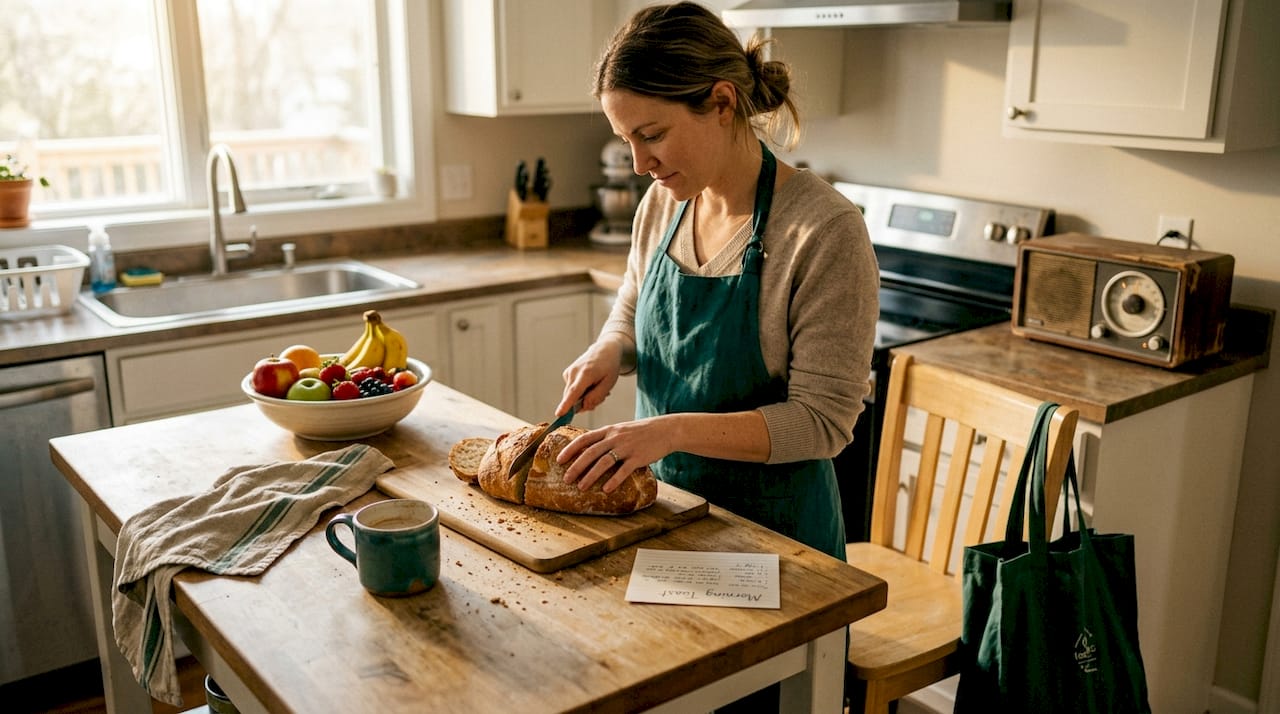 Woman making breakfast in home kitchen
HomeExchange's research on reciprocal stays found that travelers who aimed for shared day-to-day experiences such as local markets, repeated neighborhood routines, and meals achieved far deeper cultural understanding than those following a tourist checklist. This makes intuitive sense. Routines reveal values. Watching how a community shops, eats, and spends leisure time tells you more about its culture in a week than any museum visit.
Some highly effective routine-based activities include:
- Visiting the same neighborhood café or bakery two or three mornings in a row so that staff begin to recognize you.
- Shopping at the local produce market rather than a chain grocery store, and asking vendors about seasonal specialties.
- Taking evening walks at the time locals typically do, not at midday when tourists are out.
- Eating meals at local mealtimes, which vary dramatically by country and region.
- Attending a neighborhood gathering, church service, community sports event, or language café that recurs weekly.
"Follow the hosts' real routines and make those an active part of the exchange rhythm. The most impactful experiences come from repetition and familiarity, not novelty."
The cultural immersion case study from Vancouver on Swappahome illustrates exactly this point. Guests who spent time in local coffee shop culture and visited the same farmers market more than once described their experience as significantly more meaningful than guests who packed their schedule with landmarks and day trips. Explore why local experiences matter for a deeper look at the psychology behind this pattern.
Master cultural etiquette and respectful guest behavior
Authenticity also means blending in and being respectful. Here is how to make sure you are a welcome guest and not a cultural outsider.
Getting cultural etiquette right is not about becoming invisible; it is about showing enough respect and curiosity that local people feel comfortable around you. Remitly's cultural etiquette tips recommend using respectful guest behaviors as a baseline that includes learning local norms before arrival, observing before jumping in, avoiding stereotypes or unfair comparisons between cultures, and following posted rules such as photography restrictions. These are not just polite gestures; they are signals that you are genuinely there to learn.
Here is a practical numbered framework to follow:
- Research before you land. Spend 30 minutes reading about the social norms of the specific region you are visiting, not just the country. Urban and rural etiquette can differ significantly.
- Observe first, participate second. When you encounter a new social ritual, such as a greeting custom or a mealtime practice, watch what others do before joining in.
- Avoid comparisons. Saying "back home we do it differently" rarely lands well. Curiosity is welcomed; judgment is not.
- Ask permission. Before photographing a home, a neighbor's garden, a religious site, or even a street scene, ask. The answer will almost always be yes, but asking matters.
- Adapt your dress and demeanor. Pay attention to how people around you dress and adjust accordingly, especially in religious or ceremonially significant spaces.
- Follow posted and stated rules. If the host's handbook says shoes off at the door, that is not a suggestion.
- Say thank you in the local language. Even one phrase shows effort and earns goodwill instantly.
Pro Tip: Dress to fit your host's lifestyle, not your own assumptions about what the destination should look like. If your host is a casual coastal community, overpacking formal wear sends a signal that you are not really paying attention to the culture you are visiting.
Check out these home swap etiquette tips and the essential etiquette checklist at Swappahome for a more complete breakdown. For destination-specific guidance, respectful engagement tips offer good examples of how etiquette applies in specific local contexts.
Communicate clearly: set expectations and stay flexible
Knowing what to expect — and making your expectations known — removes the guesswork for both guest and host.
One of the most consistent findings across home swap research is that misunderstandings rarely come from bad intentions. They come from assumptions. You assume the host knows you want to use the bicycle. The host assumes you know the trash goes out on Tuesday. Neither assumption gets communicated, and friction builds from nothing.
According to house swapping research, successful exchanges consistently emphasize setting expectations around access instructions, house quirks and rules, and logistics well before arrival. That same research highlights that clear access instructions with photos and a simple house handbook dramatically reduce the most common friction points.
Here is a practical table of common misunderstandings and how upfront communication prevents them:
| Common misunderstanding | Root cause | How to prevent it |
|---|---|---|
| Guest uses wrong trash bins | No written instructions | Include a labeled photo in the house guide |
| Noise complaint from neighbors | Guest unaware of quiet hours | State specific quiet hours in the welcome message |
| Appliance confusion | Unfamiliar model or language | Short video walk-through sent before arrival |
| Unexpected guests | No stated house rules | Explicitly confirm guest-only policy in writing |
| Parking dispute | Ambiguous parking spot rules | Mark the spot on a map with a photo |
| Checkout time mix-up | No confirmed departure time | Confirm the date and time in writing at least 48 hours before |
Before hosting or traveling, use the hosting preparation steps and the exchange planning checklist at Swappahome to build a thorough pre-trip communication routine.
Adapt to local context: routines, community, and integration
Once communication is clear, the real value surfaces when you adapt yourself to the local environment and integrate at the community level.
Here is something that surprises most first-time home swappers: what counts as "local immersion" in one destination looks completely different in another. Research on cultural integration in Colombia found that consistent engagement in weekend routines, particularly community gatherings, outdoor activities, and neighborhood social events, was the single strongest predictor of how deeply foreigners felt integrated into local culture. But the specific routines varied enormously by neighborhood, not just by city.
This means one framework does not fit all. Ask your host directly: "What do the locals around here do on a typical Saturday morning?" That single question will give you more useful guidance than three hours of travel blog research.
Some approaches to community-level integration that work across most destinations include:
- Joining a volunteer morning at a local park, school, or community garden.
- Attending a recurring neighborhood café or community board event.
- Taking a local cooking class taught in the host's language, not a tourist version.
- Participating in a sports or fitness activity that locals do, whether it is a morning run, a beach volleyball game, or a group cycle.
Here is a comparison of tourist activities versus local routines to help you evaluate how you are spending your time:
| Activity | Tourist approach | Local routine approach | Immersion value |
|---|---|---|---|
| Eating out | Restaurant recommended on travel apps | Neighborhood spot locals visit weekly | High |
| Sightseeing | Famous landmarks with guided tours | Neighborhood walks with no agenda | Medium to high |
| Shopping | Souvenir markets and malls | Weekly farmers market or local shops | High |
| Entertainment | Tourist performances | Community events, local sports, street festivals | Very high |
| Transportation | Tourist shuttles and taxis | Public transit or cycling like residents | High |
For more inspiration, see how Swappahome members organize local travel experiences around community integration rather than sightseeing. And for a broader perspective, the piece on exploring cities like a local makes a compelling case for why slowing down and repeating experiences in the same local spots creates the strongest travel memories.
Our perspective: the most overlooked factor in home swap immersion
After seeing thousands of home exchanges happen through platforms like Swappahome, one pattern stands out clearly. The travelers who walk away feeling genuinely changed by their experience are almost never the ones who planned the most activities. They are the ones who planned the fewest and left the most room to follow what the neighborhood was already doing.
This runs against the instinct most of us bring to travel planning. We overplan because we are afraid of wasting time. But real cultural immersion is not efficient. It is slow, sometimes boring, often surprising, and built from repetition. Sitting at the same café table twice and being recognized by the barista is worth more than visiting ten highly rated restaurants.
The uncomfortable truth is that a home swap is only as culturally rich as the mindset you bring to it. The home itself is just a door into a neighborhood. Walking through it with genuine curiosity — not a schedule — is what separates a forgettable rental experience from a trip that genuinely changes how you see the world.
We also think the goal of cultural immersion is somewhat undersold in the home swapping conversation. Most content focuses on the cost savings, which are real and meaningful. But the deeper value is access: access to a real kitchen, a real neighborhood, and sometimes a real relationship with the people whose home you are living in. That is something no hotel can offer at any price.
Start your most meaningful trip yet with Swappahome
If you are ready to move past surface-level travel and into experiences that actually stay with you, home swapping is one of the most powerful tools available.
 https://swappahome.com
Swappahome is a members-only platform built specifically for homeowners who want verified, trusted exchanges with people who share the same values around authentic travel. Every member is verified, every listing is real, and the credit-based system means one credit equals one free night — no money changes hands. New members receive free starting credits so your first cultural exchange experience is closer than you think. List your home, earn credits, and start planning a stay that goes far deeper than any guided tour ever could.
Frequently asked questions
How do I politely ask my host about household rules without offending?
Frame your questions as curiosity and appreciation, such as asking "What should I know to fit in well and respect your home routine?" According to host-family guidance, inviting open questions about routines and expectations builds trust and avoids misunderstandings far more effectively than guessing.
What daily activities help travelers integrate quickly?
Repeated café visits, market shopping, and joining weekend local events are among the fastest routes to cultural integration. Research on weekend routines highlights attending regular community activities, language exchange events, and following local daily rhythms as the strongest integration accelerators.
What if I accidentally break a social or house rule?
Apologize sincerely, acknowledge that you are still learning, and ask your host how to handle it better going forward. Host-family communication research consistently shows that checking in, listening without interrupting, and resolving misunderstandings through honest conversation preserves the relationship better than avoiding the topic.
Can home swapping help with language learning or only culture?
Home swapping supports both. Many guests and hosts actively use their exchanges for language and skills practice, making the exchange a living classroom where language learning happens naturally through daily interaction rather than structured study.
Recommended

Published by
SwappaHome
SwappaHome Editorial Team
Home Exchange & Slow Travel Editorial
The SwappaHome Editorial Team brings together travel research, home-exchange community insights, and platform data to produce practical guides for first-time and experienced home swappers. Every article cites real platforms, current market rates, and verifiable city-level facts so readers can make informed decisions without guessing.
Ready to try home swapping?
Join SwappaHome and start traveling by exchanging homes. Get 7 free credits when you sign up!