Affordable Travel Exchange: Save Big on Every Trip

SwappaHome Editorial Team
Home Exchange & Slow Travel Editorial
Affordable Travel Exchange: Save Big on Every Trip !Woman planning home swap travel at table > TL;DR: > > - Affordable travel exchange allows...
Affordable Travel Exchange: Save Big on Every Trip
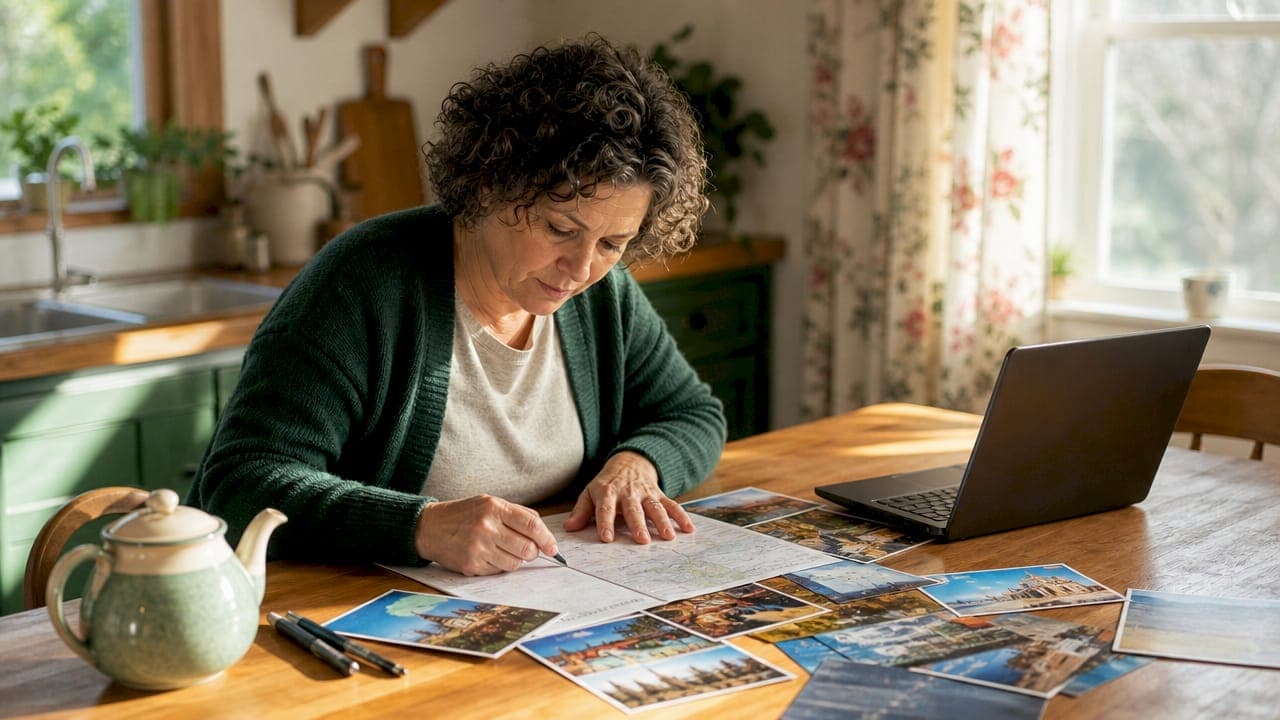
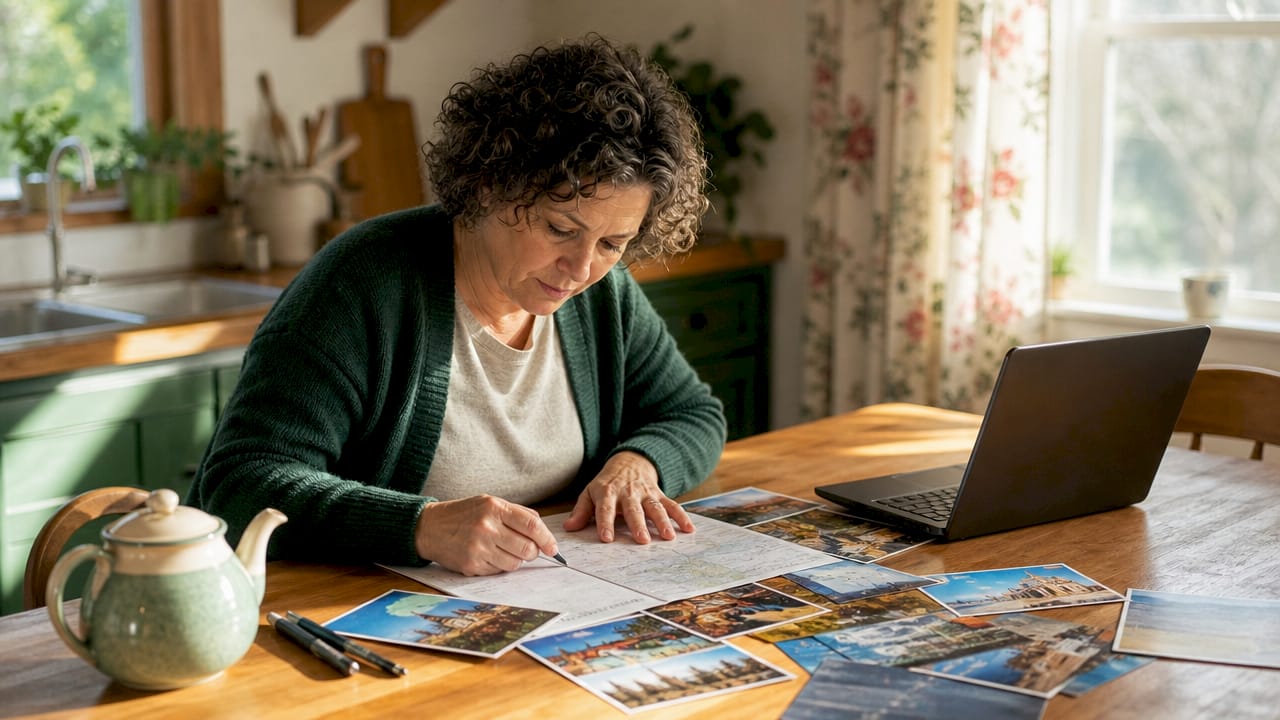 Woman planning home swap travel at table
TL;DR:
- Affordable travel exchange allows travelers to swap homes, skills, or services to eliminate accommodation expenses entirely. Most platforms, like HomeExchange and Swappahome, provide verified networks with significant savings potential, sometimes up to $2,000 per week, compared to hotel costs. Effective preparation, verification, and understanding platform protections are essential for maximizing cost savings and ensuring a smooth experience.
Affordable travel exchange is the practice of swapping your home, skills, or services with another traveler to eliminate accommodation costs entirely. Home swapping, the most recognized form of this practice, lets verified homeowners stay in each other's properties for free, with platforms like HomeExchange, Kiwi House Swap, and Worldpackers making the process structured and safe. Studies show home swap savings can reach $2,000 per week compared to hotels. That number alone makes travel exchange programs worth understanding before you book your next trip.
 Hands exchanging keys over coffee table indoors
1. What is an affordable travel exchange and how does it work?
A travel exchange, known in the industry as a home swap or home exchange, is a reciprocal arrangement where two parties agree to use each other's properties, either simultaneously or at different times using a points system. The core mechanic is simple: you list your home, a verified member stays there, and you earn credits to spend at any other listed property. No money changes hands for accommodation.
The two main swap models are simultaneous swaps, where both parties travel at the same time, and non-simultaneous swaps, where one party stays first and the other redeems credits later. Non-simultaneous swaps are more popular because they remove the scheduling pressure of coordinating exact travel dates. Platforms like HomeExchange built their entire model around this flexibility, which is why they have grown into one of the largest home swap networks globally.
Beyond home swapping, work-for-stay programs like Worldpackers represent a second category of affordable travel exchange. You contribute four to six hours of work per day at a hostel, farm, or community project, and receive free lodging in return. This model suits travelers who do not own property but still want to cut accommodation costs dramatically.
2. Top travel exchange programs and what they offer
Choosing the right platform determines how much you save and how smoothly your exchange goes. Here is a breakdown of the leading options.
- HomeExchange operates on a points model. Members pay $235 annually and earn points each time a guest stays in their home. Those points are redeemed for stays anywhere in the network. HomeExchange also includes damage and theft protection as part of membership, which sets it apart from cheaper alternatives.
- Kiwi House Swap targets the New Zealand market with a $99 annual membership. Verification is required, but the platform does not include damage or theft insurance, so members carry more personal risk.
- Worldpackers charges between $49 and $109 per year for access to volunteer host listings worldwide. Members work in exchange for accommodation, making it the best option for travelers without a home to offer.
- Facebook groups like "House Sitting New Zealand," which has over 70,000 members, facilitate informal swaps with zero membership fees. The trade-off is less vetting and no platform protections.
- Swappahome operates as a members-only network of verified homeowners globally, using a one-credit-per-night system. New members receive free starter credits, making it one of the most accessible entry points for first-time exchangers.
Pro Tip: Before committing to any platform, check whether your home qualifies. Most programs require that you own or have long-term control of the property. Renters should confirm their lease allows short-term guests before listing.
Understanding the points system mechanics on each platform helps you calculate how many nights you can realistically earn before your first trip.
3. How much do these programs cost and what savings can you expect?
The honest answer is that affordable travel exchange is not completely free. Annual membership fees, travel insurance, and flights are real costs. What you eliminate is the single largest travel expense: accommodation.
| Program | Annual Fee | Insurance Included | Estimated Weekly Savings |
|---|---|---|---|
| HomeExchange | $235 | Yes (damage + theft) | Up to $2,000 |
| Kiwi House Swap | $99 | No | Up to $2,000 |
| Worldpackers | $49–$109 | No | Varies by location |
| Facebook groups | Free | No | Varies |
| Swappahome | Low annual fee | Varies | Significant |
HomeExchange members report savings of $2,000 per week compared to equivalent hotel stays. That means a single one-week trip can pay back years of membership fees. For a family traveling to Paris or Tokyo, where hotel costs routinely exceed $300 per night, the math becomes even more compelling.
Budgeting for exchanges must also account for platform protection differences. A $99 membership with no insurance is not automatically the better deal if a guest damages your property and you have no recourse.
Pro Tip: Calculate your break-even point before joining. Divide the annual membership fee by the average nightly hotel rate in your target destination. If you plan to travel for more nights than that number, the membership pays for itself.
4. Strategies to maximize your cheap travel exchange experience
Getting the most from a home swap requires preparation before, during, and after each exchange. The travelers who consistently report the best experiences follow a clear set of practices.
- Verify your exchange partner thoroughly. Review their profile history, read guest feedback, and video call before confirming. Platforms like HomeExchange provide verification badges, but a direct conversation adds a layer of personal trust that no algorithm replaces.
- Write a detailed swap agreement. Outline check-in and check-out times, house rules, pet policies, and any off-limits areas. Clear expectations prevent the majority of disputes.
- Consult your home insurer before your first swap. Many insurers treat swap guests as non-paying visitors, which typically means accidental damage is covered under your existing policy. Confirming this in writing protects you if something goes wrong.
- Use a no-foreign-transaction-fee card. Cards like Chase Sapphire Preferred eliminate the 2 to 3 percent fee charged on every international purchase. Schwab and Fidelity debit cards also reimburse ATM fees globally, which adds up quickly on longer trips.
- Order foreign currency before you travel. Banks like Bank of America and Citi offer better exchange rates than airport kiosks, with service fees as low as $5 for orders under $1,000. Airport currency desks routinely charge margins of 10 percent or more.
- Use flexible scheduling to unlock more options. Travelers who can move their dates by one or two weeks access significantly more listings. Most platforms show higher availability in shoulder seasons, which also means lower flight costs.
- Join local Facebook groups for zero-fee swaps. For domestic or regional travel, informal groups can connect you with homeowners who prefer a personal arrangement over a platform fee.
Review the travel planning checklist for homeowners before your first swap to avoid common first-timer mistakes.
5. How home swaps compare to Airbnb, hotels, and rentals
The clearest way to evaluate affordable travel deals is to compare total weekly costs across accommodation types. Home swapping wins on price in almost every destination, but the trade-offs are real.
| Accommodation Type | Avg. Weekly Cost | Booking Flexibility | Cultural Immersion | Upfront Commitment |
|---|---|---|---|---|
| Home swap (platform) | $0–$50 | Moderate | High | Annual membership |
| Airbnb | $700–$2,500+ | High | Moderate | None |
| Hotel | $1,000–$3,000+ | High | Low | None |
| Vacation rental | $800–$2,000+ | Moderate | Low to moderate | None |
The difference between home swapping and Airbnb goes beyond price. A home swap gives you a fully equipped kitchen, a neighborhood grocery store, and the kind of local knowledge that no hotel concierge can replicate. You get the host's restaurant recommendations, their bike, and sometimes their car. Airbnb offers convenience and no reciprocal obligation, but you pay for that convenience every night.
The main limitation of home swapping is availability. You cannot always find a swap in the exact city you want during the exact week you need. This is why experienced exchangers plan three to six months ahead and keep their own listings detailed and appealing. A well-photographed, accurately described home attracts more swap requests and gives you more choices in return.
For travelers who want budget options beyond swapping, guides on finding budget apartments can supplement your accommodation strategy when a swap is not available in your target destination.
Key takeaways
Affordable travel exchange programs eliminate accommodation costs by replacing cash payments with reciprocal home access or service contributions, making them the most cost-effective lodging strategy for homeowners who travel regularly.
| Point | Details |
|---|---|
| Savings potential | Home swaps can save up to $2,000 per week compared to equivalent hotel stays. |
| Platform costs vary | Fees range from free (Facebook groups) to $235 annually (HomeExchange), with protection coverage varying accordingly. |
| Insurance matters | Always consult your home insurer before swapping; many policies cover accidental damage by non-paying guests. |
| Preparation drives success | Detailed listings, verified partners, and clear swap agreements prevent most disputes. |
| Financial strategy counts | No-fee travel cards and pre-ordered foreign currency reduce hidden costs on every international trip. |
Why I think most travelers underestimate home swapping
Most people dismiss home swapping because they assume it requires perfect timing and a lot of trust in strangers. I understand that instinct. But after seeing how these exchanges actually work in practice, the hesitation usually comes from unfamiliarity rather than genuine risk.
The platforms that have built verification systems and damage protection have removed the biggest barriers. What remains is the mental shift from "I am letting a stranger into my home" to "I am hosting a verified member of a community I also belong to." That reframing changes everything.
The cultural value is also consistently underrated. Staying in someone's actual home, in their neighborhood, with their local knowledge, produces a completely different trip than a hotel stay. You eat where residents eat. You walk routes tourists never find. That experience is not a side benefit of cheap travel exchange. For many people, it becomes the main reason they keep doing it.
My honest advice for first-timers: start with a short domestic swap before attempting an international one. The lower stakes let you learn the process, refine your listing, and build the profile history that attracts better international offers later. Platforms like Swappahome make this easier with starter credits that let you book your first stay before you have built up a full exchange history.
— Swappa
Start your first home swap with Swappahome
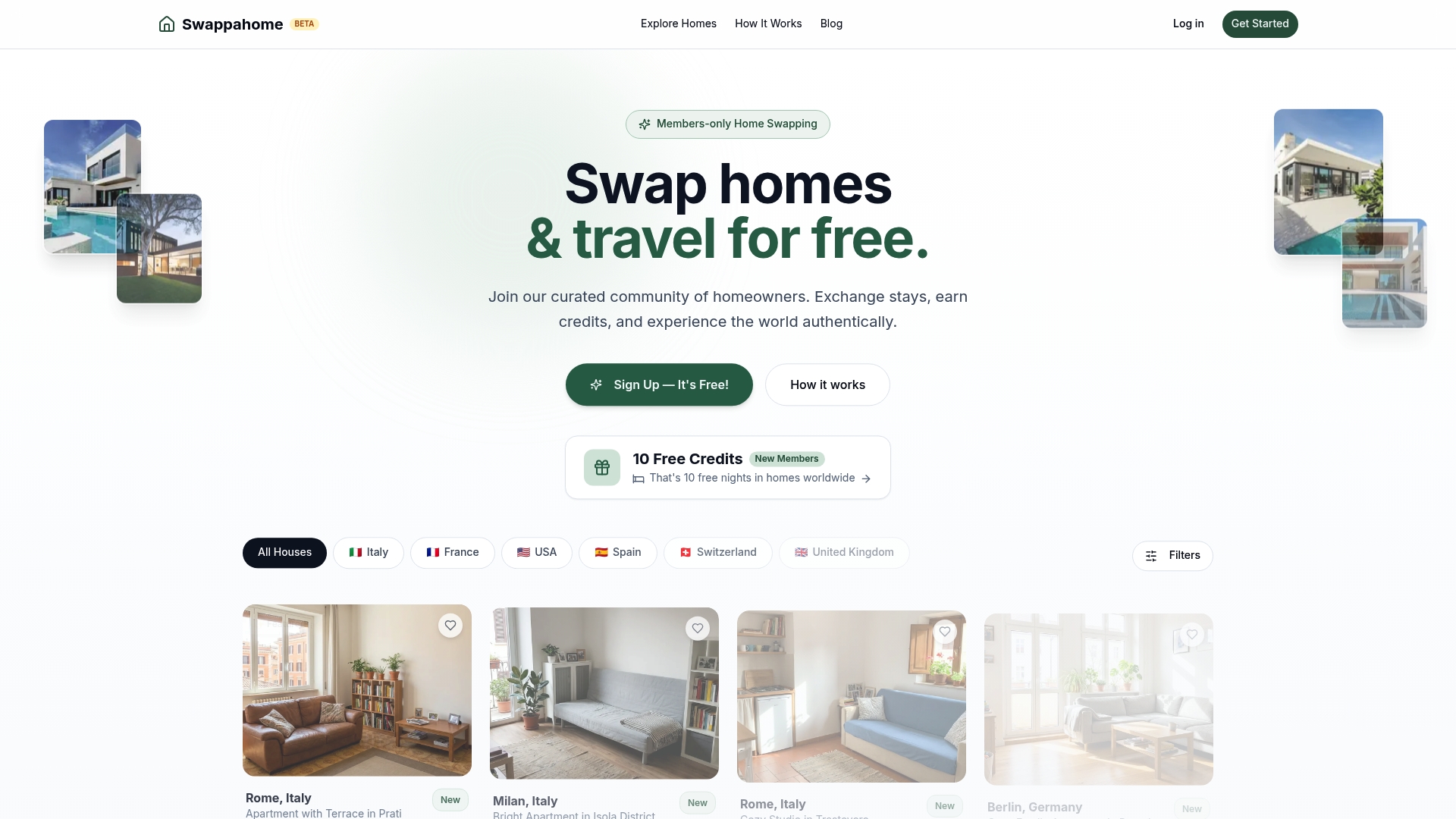
Swappahome is a members-only home exchange platform built for verified homeowners who want to travel without paying for accommodation. The platform uses a one-credit-per-night system, meaning every night you host earns you a free night somewhere else in the network.
 https://swappahome.com
New members receive free starter credits, so you can browse available homes and book your first stay before you have hosted anyone. Listings span dozens of countries, and the verification process keeps the community trustworthy. If you are ready to cut your biggest travel expense to near zero, join Swappahome and list your home today. Your next trip could cost you nothing in accommodation.
FAQ
What is a travel exchange program?
A travel exchange program is a system where travelers swap homes, skills, or services to access free or low-cost accommodation. The most common form is home swapping, where verified homeowners stay in each other's properties using a points or reciprocal system.
How much can I save with a home swap?
HomeExchange members report savings of up to $2,000 per week compared to hotel costs. A single trip can recover multiple years of annual membership fees.
Do I need to own a home to participate in travel exchange?
Homeownership is required for most home swap platforms, but Worldpackers and similar work-for-stay programs accept non-homeowners who contribute volunteer work in exchange for free lodging.
Is my home covered by insurance during a swap?
Many home insurers treat swap guests as non-paying visitors, which typically includes accidental damage coverage. You should confirm this with your insurer in writing before your first exchange.
What is the cheapest way to start a travel exchange?
Facebook groups like "House Sitting New Zealand" offer free informal swaps with no membership fees. For a structured, protected experience, platforms like Swappahome offer low entry costs with starter credits for new members.
Recommended

Published by
SwappaHome
SwappaHome Editorial Team
Home Exchange & Slow Travel Editorial
The SwappaHome Editorial Team brings together travel research, home-exchange community insights, and platform data to produce practical guides for first-time and experienced home swappers. Every article cites real platforms, current market rates, and verifiable city-level facts so readers can make informed decisions without guessing.
Ready to try home swapping?
Join SwappaHome and start traveling by exchanging homes. Get 7 free credits when you sign up!