Cultural exchange examples for travelers & homeowners

SwappaHome Editorial Team
Home Exchange & Slow Travel Editorial
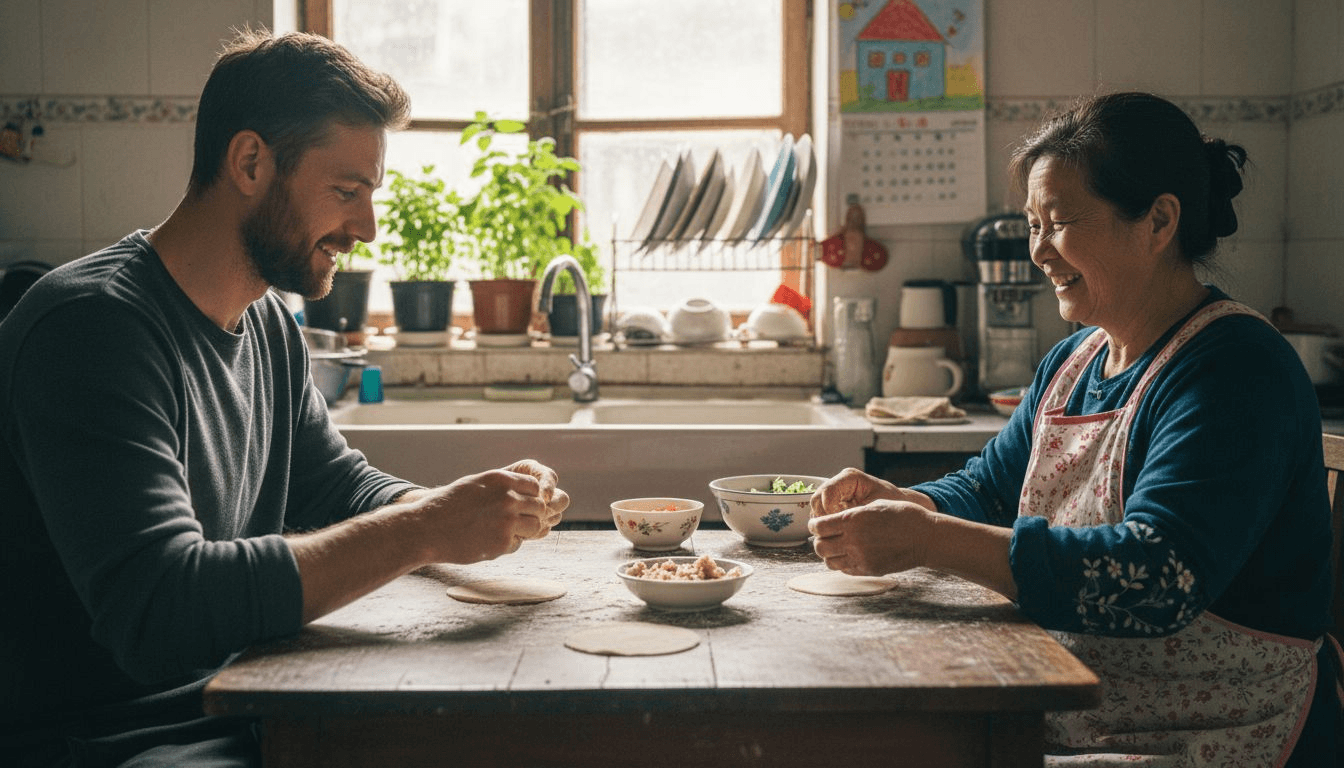
Cultural exchange examples for travelers & homeowners !Traveler and host making dumplings together Finding authentic cultural exchange opportunities...
Cultural exchange examples for travelers & homeowners
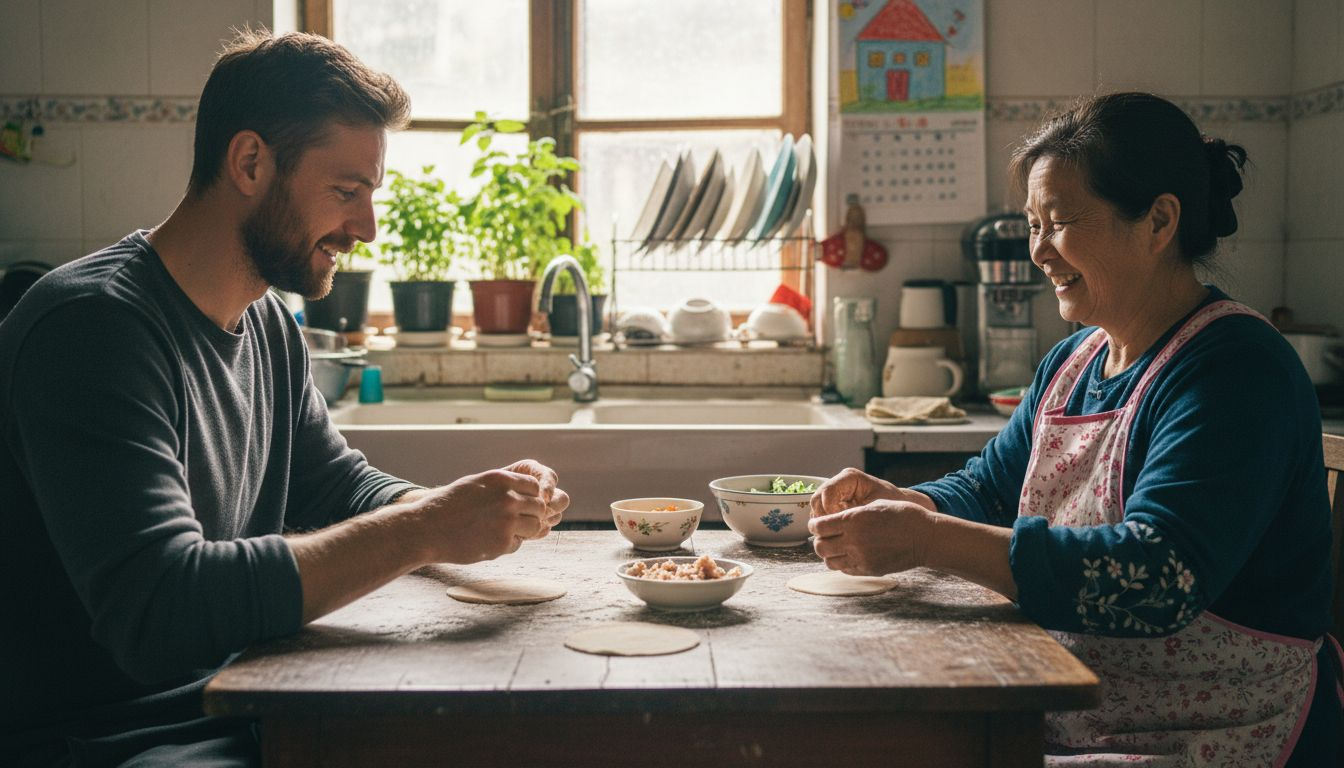 Traveler and host making dumplings together
Finding authentic cultural exchange opportunities that are both affordable and meaningful can feel like searching for a hidden gem. Many travelers and homeowners want immersive experiences that go beyond typical tourism, yet struggle to find concrete examples that fit their budget. Home swapping and similar approaches solve this challenge by offering budget-friendly paths to genuine cultural immersion. This article provides practical examples tailored to travelers and home exchangers, making cultural exchange accessible and actionable for anyone seeking deeper connections abroad.
Table of Contents
- How To Choose The Right Cultural Exchange Experience
- Food Sharing And Communal Meals
- Language Immersion Through Home Stays
- Art And Craft Collaborations
- Technology And Skill Sharing
- Safety, Verification, And Trust In Home Swapping
- Comparing Types Of Cultural Exchange Experiences
- Choosing The Best Cultural Exchange For You
- Discover Authentic Cultural Exchange With Swappahome
Key takeaways
| Point | Details |
|---|---|
| Cultural exchange includes food sharing, language immersion, art collaborations, and skill sharing | These activities create emotional connections and cognitive growth through hands-on participation. |
| Home swapping reduces accommodation costs, enabling longer immersive stays | Eliminating lodging expenses allows travelers to invest more time and resources into cultural activities. |
| Verification platforms enhance trust and deepen cultural connection | Verified profiles and community reviews create safe environments for authentic interaction. |
| Different exchange types vary in cost, engagement, and benefits | Food sharing emphasizes emotional bonds, language immersion accelerates cognitive understanding, and art collaborations preserve heritage. |
| Choosing the right exchange depends on goals, budget, and desired cultural depth | Matching your priorities with available options maximizes satisfaction and cultural learning. |
How to choose the right cultural exchange experience
Selecting a cultural exchange starts with understanding what matters most to you. Authenticity and depth of engagement top the list for travelers seeking meaningful connections rather than superficial tourist experiences. Budget and accessibility matter equally, especially for those who want extended stays without breaking the bank.
Safety and verification reduce risks while increasing satisfaction. Verified member platforms create environments where trust flourishes, allowing both hosts and guests to open up culturally. Language and skill exchange opportunities add another layer, transforming passive visits into active learning experiences. Reciprocity between host and guest strengthens these ties, as both parties contribute and receive value.
Consider these factors when evaluating options:
- Cultural depth: How immersive and authentic is the experience?
- Cost and duration: Does it fit your budget for the length of stay you want?
- Safety protocols: Are hosts and guests verified through trusted systems?
- Mutual benefit: Do both parties gain cultural knowledge or skills?
- Ease of participation: How accessible is the exchange for your skill level?
Understanding the role of trust in home exchanges helps you prioritize platforms that emphasize community standards and member accountability.
Pro Tip: Start with shorter exchanges to test comfort levels before committing to longer cultural immersion stays.
Food sharing and communal meals
Food connects people across cultures more powerfully than almost any other medium. Sharing meals and cooking together creates immediate emotional bonds that transcend language barriers. Home swapping travelers engage 40% more with local communities than traditional hotel guests, and communal dining plays a central role in this increased engagement.
Guests who join hosts in preparing local dishes gain hands-on knowledge of ingredients, techniques, and family traditions passed down through generations. This active participation fosters empathy and mutual respect. One traveler might learn to make fresh pasta in Italy while teaching their host how to prepare authentic Mexican tamales, creating a two-way cultural bridge.
Home swaps enable these authentic communal dining experiences naturally. Unlike hotels where meals happen in isolation, home exchanges place you in residential neighborhoods where hosts can invite you into their culinary routines. Markets become classrooms, kitchens transform into cultural laboratories, and dinner tables turn into forums for storytelling and connection.
Key benefits of food-centered cultural exchange:
- Universal accessibility: Everyone eats, making food the most inclusive exchange form
- Emotional connection: Shared meals trigger oxytocin release, building trust and warmth
- Cultural storytelling: Recipes carry history, family narratives, and regional identity
- Skill development: Cooking techniques translate into practical abilities you can recreate at home
Explore more about food and culture exchange in home swapping contexts to see how meals become gateways to deeper cultural understanding.
Pro Tip: Ask your host about regional specialties before arrival and offer to bring ingredients from your home country to create fusion cooking experiences.
Language immersion through home stays
Long-term home swapping creates ideal conditions for language acquisition. Immersion in real-life contexts accelerates learning far beyond what classroom study can achieve. You absorb vocabulary through necessity, practice pronunciation in low-pressure environments, and develop cultural fluency alongside linguistic skills.
Extended home swaps provide the repetition and consistency needed for language retention. Daily interactions with neighbors, shopkeepers, and your exchange partner build conversational confidence. You learn idioms, slang, and regional dialects that textbooks never teach. Mistakes become learning opportunities rather than embarrassments when you're embedded in a supportive community.
Conversational exchanges between guests and hosts enhance this learning exponentially. Morning coffee chats, evening debriefs, and casual kitchen conversations create hundreds of micro-learning moments. Your host becomes an informal language tutor, correcting pronunciation gently and explaining cultural context behind phrases.
Language skills unlock broader cultural appreciation. Understanding jokes, following local news, and reading street signs independently transform your relationship with a place. You shift from observer to participant, engaging with communities on their terms rather than through translation apps.
Benefits of language immersion in home swaps:
- Contextual learning: Vocabulary sticks when attached to real experiences and emotions
- Cultural nuance: Language carries values, humor, and social norms you grasp through usage
- Confidence building: Daily practice in safe environments reduces anxiety about making mistakes
- Long-term retention: Immersive experiences create stronger neural pathways than rote memorization
Discover how language immersion in home swapping creates authentic learning environments that accelerate fluency and cultural understanding.
Art and craft collaborations
Co-creating traditional crafts with hosts preserves cultural heritage while fostering creative dialogue. 30% of cultural exchange participants engage in artistic or craft collaborations during stays, promoting cultural dialogue and preservation. These hands-on experiences connect you to centuries-old traditions and the artisans who keep them alive.
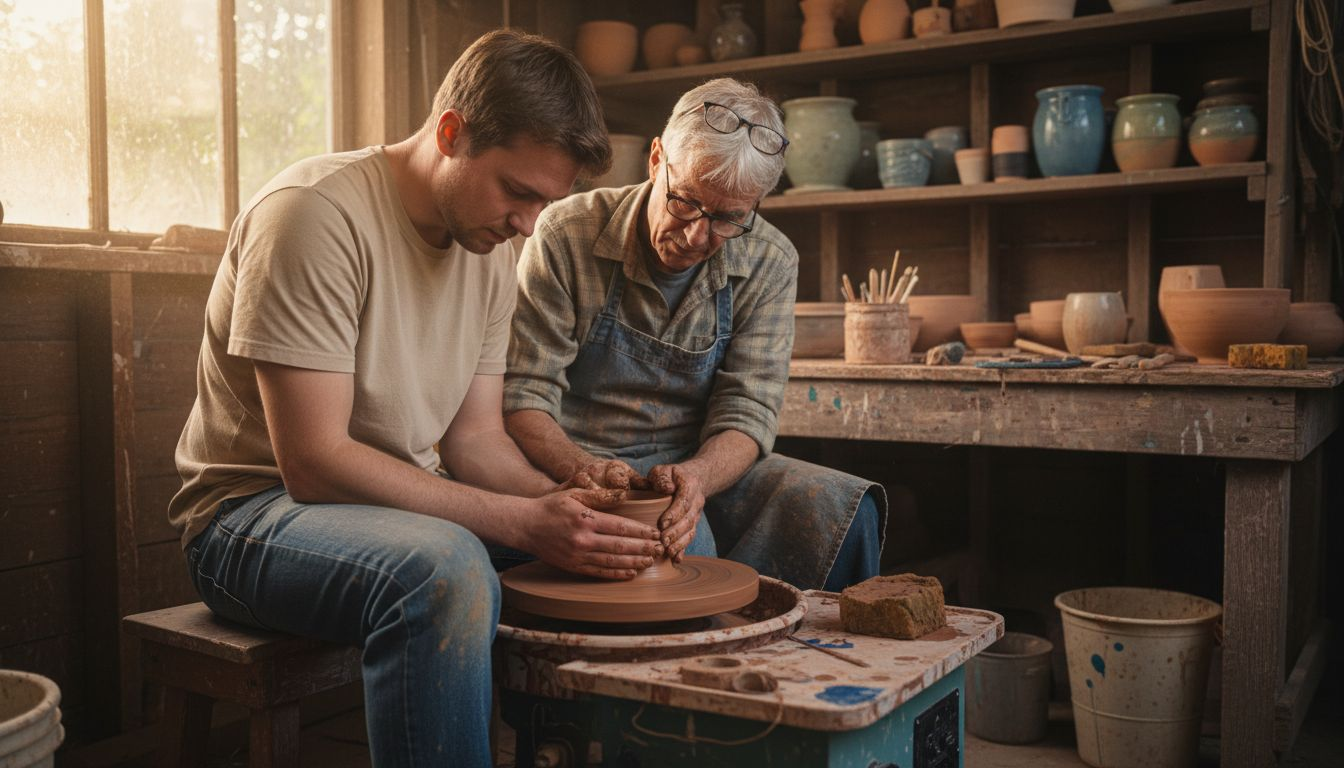 Guest and host shaping pottery at wheel
Guests might learn pottery techniques passed through generations, weave textiles using traditional looms, or paint in regional folk art styles. The process matters as much as the product. Through making, you understand the patience, precision, and cultural significance embedded in each craft.
Engagement in community arts enriches exchanges beyond one-on-one interactions. Attending local workshops, visiting artist cooperatives, or participating in public art projects connects you to broader creative networks. You meet multiple community members, each offering unique perspectives on how art reflects and shapes cultural identity.
Mutual learning through skill sharing nurtures cultural respect. When guests teach hosts about their own artistic traditions, exchanges become truly reciprocal. A Japanese guest might introduce origami while learning Spanish mosaic techniques, creating a balanced cultural dialogue.
Advantages of art-based cultural exchange:
- Tangible memories: Completed crafts serve as meaningful souvenirs with personal stories
- Intergenerational connection: Traditional crafts often link you to elder artisans and their wisdom
- Creative expression: Art transcends language, allowing communication through visual and tactile means
- Heritage preservation: Your participation helps sustain endangered craft traditions
Learn about art collaborations in home swaps and how creative activities deepen cultural understanding during exchanges.
"When I learned to make pottery with my host in Oaxaca, I wasn't just shaping clay. I was connecting to generations of artisans who used these same techniques to tell their stories."
Explore the importance of craftsmanship in home decor and cultural preservation to understand why these traditional skills matter.
Technology and skill sharing
Exchanging technological know-how and hobby skills during swaps creates dynamic cultural dialogue with mutual benefits. Modern technology bridges generational and cultural gaps, while skill sharing fosters professional and personal growth. These exchanges feel particularly relevant in 2026, as remote work and digital nomadism make home swapping increasingly popular among professionals.
Skill sessions might include photography tutorials, coding lessons, digital marketing workshops, or music production techniques. A graphic designer from Berlin might teach their Barcelona host advanced photo editing while learning Spanish guitar fundamentals in return. Both parties gain marketable skills and cultural insight simultaneously.
Networking opportunities arise naturally through these exchanges. Hosts often introduce guests to local professional communities, creating connections that extend beyond the swap. You might attend meetups, coworking sessions, or industry events, expanding your professional network internationally.
Popular skill exchanges among travelers and hosts:
- Digital skills: Web design, social media strategy, content creation, video editing
- Creative abilities: Photography, music, writing, graphic design
- Practical knowledge: Gardening, home repair, cooking, language tutoring
- Professional expertise: Business consulting, marketing advice, financial planning
These exchanges appeal strongly to hobbyists and professionals seeking growth. The informal learning environment removes pressure while maintaining focus. You learn at your own pace, ask questions freely, and apply knowledge immediately.
Find comprehensive guidance on technology and skill sharing in home swaps to maximize the professional and personal benefits of cultural exchange.
Safety, verification, and trust in home swapping
Safety protocols and member verification enable authentic cultural exchanges by reducing risks and increasing trust. Verified member platforms increase cultural satisfaction by fostering trust and safety, which facilitates open cultural sharing. Without trust, travelers remain guarded, limiting the depth of cultural connection possible.
Verification platforms carefully screen members, checking identities, property ownership, and references. This vetting process creates communities where members feel secure enough to open their homes and lives to strangers. Trust enables more open cultural exchange, as both parties relax their defenses and engage authentically.
Credit and review systems add additional safety layers. Swappahome's credit and verification system reduces exchange risks and boosts cultural exchange authenticity by creating accountability. Members build reputations through successful swaps, incentivizing positive behavior and respectful cultural engagement.
Verified exchanges promote better cultural connections because participants invest in the community. When your reputation matters, you treat hosts' homes and cultures with respect. This mutual accountability creates environments where cultural exchange flourishes naturally.
Essential safety elements in cultural exchange platforms:
- Identity verification: Government ID checks and phone number confirmation
- Property verification: Photos, ownership documents, and address confirmation
- Community reviews: Transparent feedback from previous exchange partners
- Secure messaging: Protected communication channels before and during swaps
- Support systems: 24/7 assistance for resolving issues or concerns
Consult the comprehensive home swapping safety guide and home swap verification checklist to ensure safe and enriching cultural exchanges.
Pro Tip: Read multiple reviews from previous guests before committing to an exchange, paying attention to comments about cultural hospitality and communication style.
Comparing types of cultural exchange experiences
Different cultural exchange types offer varying benefits in emotional connection, cognitive growth, cost, and accessibility. Understanding these differences helps you select experiences aligned with your goals and resources. Home swapping reduces accommodation costs by up to 100%, enabling longer stays and deeper cultural immersion than conventional travel allows.
| Exchange Type | Emotional Impact | Cognitive Growth | Cost | Time Required | Accessibility |
|---|---|---|---|---|---|
| Food Sharing | Very High | Moderate | Low | 2-4 hours | Universal |
| Language Immersion | High | Very High | Free | Ongoing/Daily | Moderate |
| Art Collaborations | High | High | Low to Moderate | 4-8 hours | Moderate |
| Technology/Skill Sharing | Moderate | Very High | Free | 2-6 hours | Moderate to High |
| Combined Home Swap | Very High | Very High | Very Low | Days to Weeks | High |
Food sharing scores highest on emotional connection because meals trigger neurological responses tied to bonding and trust. The act of breaking bread together creates immediate intimacy across cultural divides. Costs remain minimal, requiring only ingredients and a few hours of shared time.
Language immersion accelerates cognitive understanding more than other exchange types. Your brain builds new neural pathways, enhancing memory, problem-solving, and cultural empathy. The time investment is ongoing but integrates naturally into daily life during home swaps.
Art collaborations preserve heritage while engaging creative faculties. They offer balanced emotional and cognitive benefits, though require moderate time commitments for meaningful skill development. Costs vary based on materials and workshop fees.
Technology and skill sharing excel at cognitive growth and professional development. These exchanges feel more structured than others, appealing to goal-oriented travelers seeking tangible abilities. The accessibility depends on your existing skill level and the complexity of knowledge being shared.
Key comparison insights:
- Best for emotional connection: Food sharing and combined home swaps
- Best for language learning: Language immersion through extended stays
- Best for heritage preservation: Art and craft collaborations
- Best for professional growth: Technology and skill sharing sessions
- Most cost-effective: Combined home swaps eliminate accommodation costs entirely
Explore home swapping benefits comparison to understand how home exchanges maximize cultural immersion while minimizing environmental and financial costs.
Choosing the best cultural exchange for you
Applying this knowledge requires matching exchange types to your personal goals, budget, and available time. Home swapping maximizes immersion by combining multiple exchange forms, housing, food sharing, language practice, and skill exchange under one umbrella. This integration creates richer experiences than pursuing each element separately.
Start by clarifying your primary cultural immersion goals. Do you want language fluency, creative skills, culinary knowledge, or general cultural understanding? Your answer determines which exchange types deserve priority.
Leverage home swaps for longer, affordable stays. Eliminating accommodation costs lets you extend trips from weeks to months, dramatically increasing cultural absorption. The savings fund cooking classes, art workshops, and other enrichment activities that deepen immersion.
Balance your budget with time and engagement preferences. Some travelers prefer intensive short-term experiences, while others thrive in gradual long-term immersion. Neither approach is superior; alignment with your learning style matters most.
Follow these steps to select your ideal cultural exchange:
- Define your cultural learning objectives: Language, cuisine, arts, professional skills, or broad cultural literacy
- Assess your budget and time availability: Calculate how long you can travel and what you can invest
- Research verified home swapping platforms: Prioritize those with strong safety protocols and community reviews
- Identify destinations with desired cultural elements: Match locations to your learning goals
- Contact potential hosts about cultural exchange interests: Discuss mutual learning opportunities before committing
- Plan supplementary local experiences: Book cooking classes, craft workshops, or language cafes in advance
- Prepare reciprocal offerings: Bring ingredients, skills, or cultural artifacts to share with hosts
Discover best cultural exchange picks and solo travel home exchange tips for personalized guidance on maximizing cultural immersion through home swapping.
Discover authentic cultural exchange with Swappahome
Ready to transform your travel into genuine cultural exchange? Swappahome connects you with verified homeowners worldwide who share your passion for authentic immersion. The platform eliminates accommodation costs, letting you invest savings into enriching cultural activities during extended stays.
 https://swappahome.com
Swappahome's simple credit system makes exchanges straightforward. Host travelers in your home to earn credits, then spend those credits staying in members' homes globally. Every exchange is backed by verification, reviews, and community standards that prioritize safety and cultural respect. Join thousands of travelers discovering that the best cultural exchanges happen when you swap homes, not just visit destinations.
Explore the Swappahome home swapping platform, browse home swap listings in your dream destinations, and learn how Swappahome works to start your cultural exchange journey today.
FAQ
What is an example of cultural exchange in home swapping?
Guests and hosts share traditional meals together, cooking family recipes and discussing culinary heritage. They might also participate in language exchanges, teaching each other phrases while exploring local neighborhoods. Some swaps include collaborative craft projects where both parties learn traditional art forms from each other's cultures. These activities transform accommodation into cultural immersion experiences that create lasting connections.
How does home swapping make cultural exchange affordable?
Accommodation costs are eliminated or reduced to nearly zero, representing the largest expense for most travelers. Eliminating lodging expenses saves up to 100% of typical hotel costs, freeing funds for cultural activities like cooking classes, museum visits, and local workshops. These savings enable longer stays, which deepen cultural understanding through sustained community engagement rather than rushed tourism.
What safety measures ensure trustworthy cultural exchanges?
Verified member profiles and comprehensive reviews boost trust by confirming identities and property ownership before exchanges occur. Credit systems and community safeguards create accountability, incentivizing respectful behavior and cultural sensitivity. Platforms like Swappahome maintain detailed safety protocols including identity verification, secure messaging, and 24/7 support systems that protect both hosts and guests throughout the exchange process.
Which cultural exchange type offers the deepest immersion?
Combined home swaps provide the deepest immersion by integrating multiple exchange forms simultaneously. You experience language practice through daily host interactions, food sharing through communal meals, and skill exchanges through collaborative projects, all while living as a temporary local resident. This comprehensive approach creates richer cultural understanding than single-activity exchanges because you engage with culture across multiple dimensions throughout your stay.
Can solo travelers participate safely in cultural exchanges?
Solo travelers thrive in verified home swapping communities that prioritize safety and clear communication. Many platforms offer identity verification, secure payment systems, and transparent reviews that help solo travelers assess hosts before committing. Solo exchanges often lead to closer host relationships and deeper cultural conversations, as single travelers integrate more easily into host families' daily routines and social activities.
Recommended

Published by
SwappaHome
SwappaHome Editorial Team
Home Exchange & Slow Travel Editorial
The SwappaHome Editorial Team brings together travel research, home-exchange community insights, and platform data to produce practical guides for first-time and experienced home swappers. Every article cites real platforms, current market rates, and verifiable city-level facts so readers can make informed decisions without guessing.
Ready to try home swapping?
Join SwappaHome and start traveling by exchanging homes. Get 7 free credits when you sign up!