Discover authentic travel: immersive experiences beyond tourist traps

SwappaHome Editorial Team
Home Exchange & Slow Travel Editorial
Discover authentic travel: immersive experiences beyond tourist traps !Woman chatting with vendor at local market Most people assume that buying a...
Discover authentic travel: immersive experiences beyond tourist traps
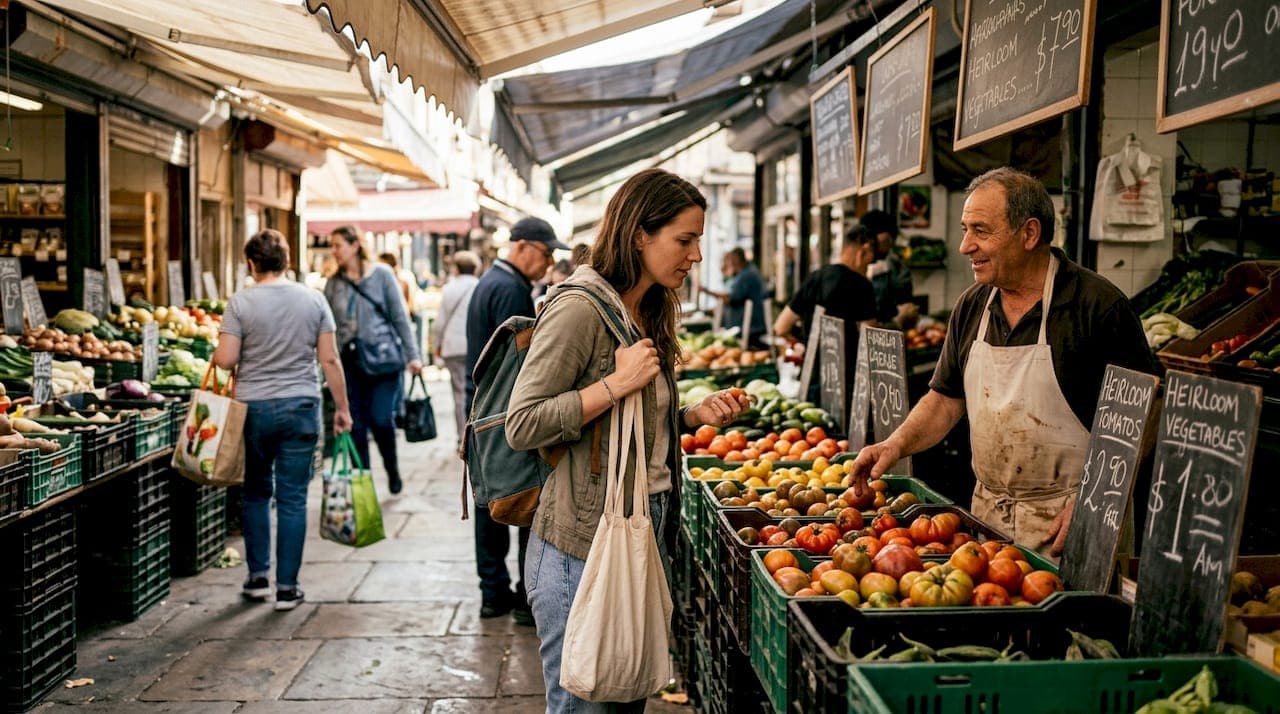
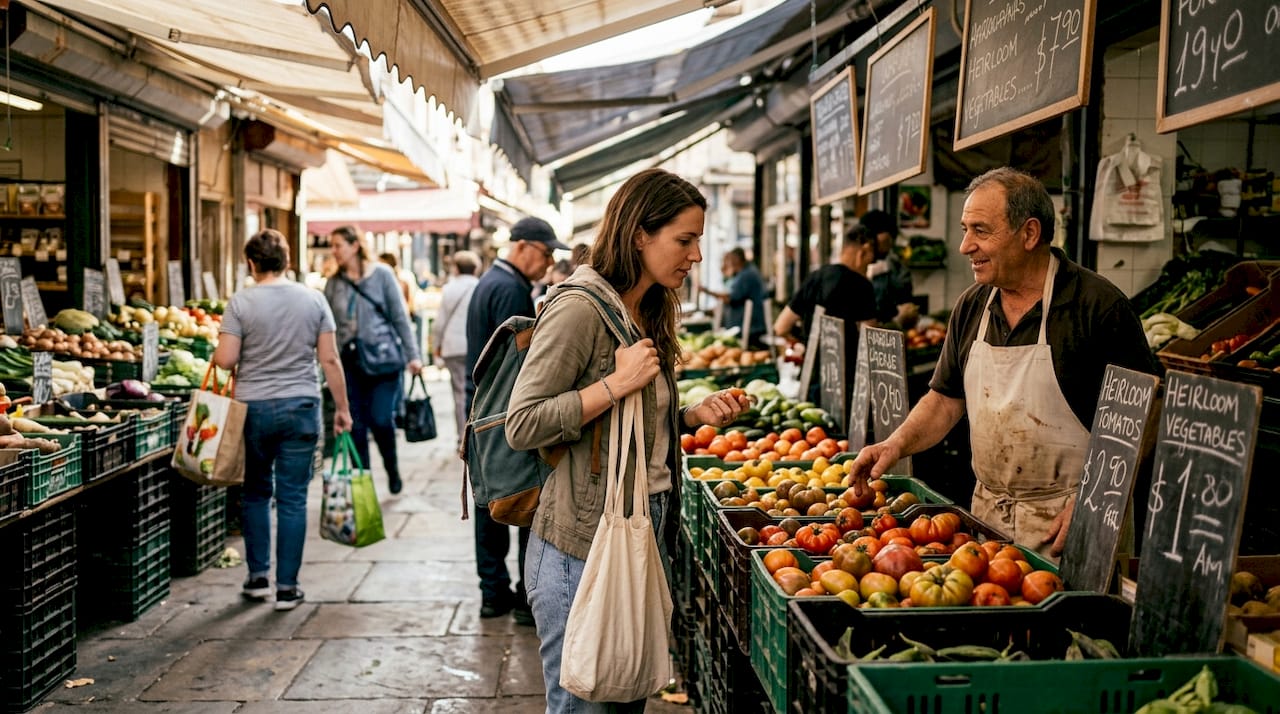 Woman chatting with vendor at local market
Most people assume that buying a plane ticket and visiting a new country automatically makes their trip authentic. It doesn't. There's a real difference between seeing a place and actually experiencing it. Authentic travel is about genuine connection, not just checking landmarks off a list. This guide breaks down what authentic travel truly means, why it matters more than ever in 2026, and how practical approaches like home exchange can help you move beyond surface-level sightseeing into something far more meaningful and memorable.
Table of Contents
- Defining authentic travel
- Core elements and methods of authentic travel
- Why authenticity matters: Economic, social, and environmental impacts
- Navigating the gray areas: Challenges and ethical considerations
- How to find your authentic travel experience
- The real key to authentic travel: Mindful intention, not a checklist
- Ready to swap homes for authentic travel?
- Frequently asked questions
Key Takeaways
| Point | Details |
|---|---|
| Seek genuine experiences | Authentic travel is about meaningful engagement with local culture and daily life. |
| Choose mindful methods | Home exchange and slow travel offer accessible ways to immerse deeply while reducing your impact. |
| Watch for ethical pitfalls | Not all 'authentic' experiences are real—choose community-based, responsible options. |
| Benefit locals and yourself | Authentic travel supports host communities and gives you richer memories than staying on the tourist path. |
Defining authentic travel
The word "authentic" gets thrown around constantly in travel marketing. Every resort promises it. Every tour operator claims it. But most of what gets sold as authentic is actually a polished version of what tourists expect to see, not what locals actually live.
So what does genuine authenticity look like? As one travel writer puts it:
"Authentic travel is seeking genuine, culturally rich experiences rooted in the true essence of a destination, involving connections with local people, traditions, and daily life beyond tourist attractions."
That definition cuts through the noise. It's not about age or tradition. A brand-new neighborhood market can be just as authentic as a centuries-old cathedral, as long as it reflects real, unperformed daily life. The key word is unperformed.
Here's where most travelers get tripped up. They confuse novelty with authenticity. Riding an elephant in a tourist park feels exotic, but it's staged for consumption. Sharing a meal with a local family in their kitchen? That's authentic, even if the food is simple.
Common misconceptions about authentic travel include:
- Old equals authentic. Not necessarily. Modern urban culture can be deeply genuine.
- Remote equals authentic. Crowds don't automatically ruin authenticity; your mindset does.
- Expensive experiences are more real. Budget travel often gets you closer to local life.
- Tourist areas are always fake. Some popular sites are genuinely meaningful to local communities.
What authenticity actually looks like in practice is quieter and less photogenic than the Instagram version. It's noticing how people commute, what they eat for breakfast, how they greet strangers. It's the unscripted moments, a spontaneous conversation at a bus stop, a neighbor inviting you in for coffee, a local festival that wasn't listed in any guidebook.
Authentic travel requires you to slow down, pay attention, and resist the urge to consume experiences like items on a shopping list. It's a posture, not an itinerary.
Core elements and methods of authentic travel
Understanding authenticity is one thing. Building it into your actual trip is another. Here's a direct comparison of how traditional and authentic travel approaches differ:
| Approach | Traditional tourism | Authentic travel |
|---|---|---|
| Accommodation | Hotels, resorts | Home exchanges, homestays |
| Food | Tourist restaurants | Local markets, home cooking |
| Navigation | Guided tours | Self-directed exploration |
| Interaction | Transactional | Relational, community-based |
| Pace | Fast, packed itinerary | Slow, flexible, present |
Key methodologies for authentic travel include slow travel, staying in homestays or home exchanges, eating local food, learning basic language, off-the-beaten-path exploration, and genuine interactions with locals. These aren't just nice ideas. They're the actual mechanisms that shift your experience from tourist to participant.
Here's a simple numbered framework to get started:
- Choose your base wisely. Stay in a residential neighborhood, not a hotel district.
- Eat where locals eat. Skip places with picture menus outside and tourist reviews.
- Learn ten words. Greetings, thank you, please. That's enough to open doors.
- Build in unscheduled time. Leave room for the unexpected.
- Engage with cultural exchange travel. Seek out community-based experiences over packaged tours.
- Reflect daily. Ask yourself what you actually learned about how people live here.
Home exchange is one of the most powerful tools in this framework. When you stay in someone's actual home, you're surrounded by their books, their kitchen tools, their neighborhood rhythms. You shop at their grocery store. You meet their neighbors. That context is irreplaceable.
The connection between slow travel and home swapping is especially strong. Staying longer in one place, in a real home, forces you to settle in rather than rush through.
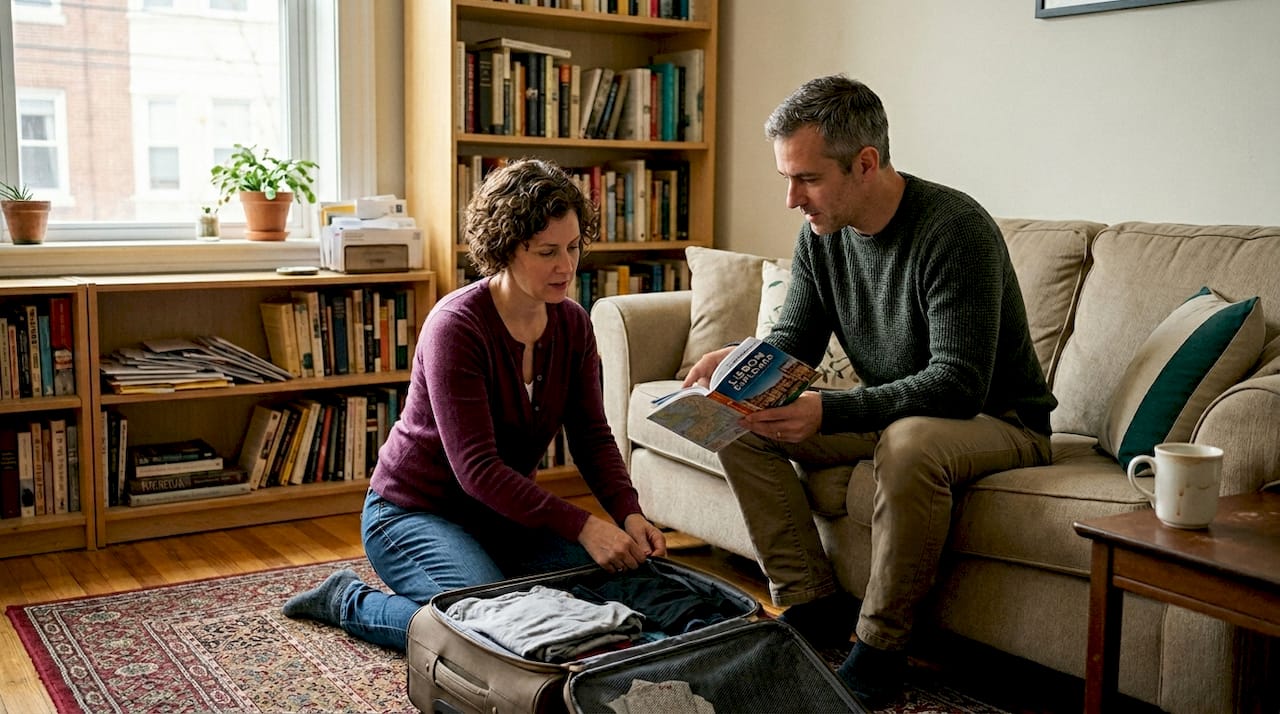 Couple unpacking in cozy lived-in apartment
Pro Tip: Learn just a few words in the local language before you arrive. Even a mispronounced "thank you" signals respect and curiosity. Locals notice, and it consistently leads to warmer, more genuine interactions than any tour guide can arrange.
Why authenticity matters: Economic, social, and environmental impacts
Authentic travel isn't just a personal preference. It has real consequences for destinations, communities, and the planet.
Global tourism reached 1.4 to 1.5 billion international arrivals in 2024 to 2025, with overtourism concentrating demand in top sites. The result is that a handful of famous places absorb enormous pressure while thousands of equally rich destinations go unvisited.
Here's how the two approaches compare in their broader impact:
| Impact area | Mainstream tourism | Authentic travel |
|---|---|---|
| Economic distribution | Concentrated in tourist zones | Spread across local businesses |
| Cultural impact | Can dilute or commodify culture | Supports preservation and pride |
| Environmental footprint | High resource use (hotels, flights) | Lower via home exchange, slower pace |
| Community benefit | Often minimal | Direct, through local spending |
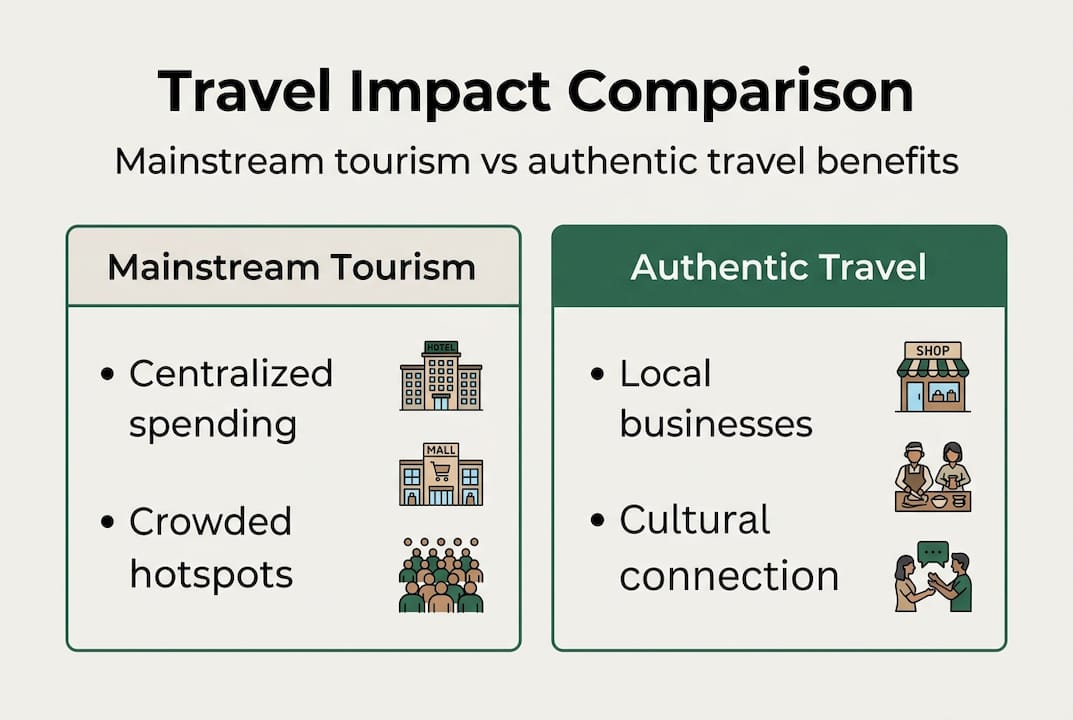 Infographic comparing tourism impact areas
Authentic travel disperses tourism's benefits in ways that matter. When you stay in a residential area, you spend money at local shops, hire local guides, and support small restaurants. That money circulates in the community rather than flowing to international hotel chains.
Home exchange reduces environmental impact by repurposing existing homes, avoiding hotel resource use, and supports budget travel with near-zero accommodation costs for longer, more immersive stays. That's not a small thing. Hotels are resource-intensive. A home that's already standing and furnished has a fraction of the footprint.
Authentic travel also benefits local communities in specific ways:
- Keeps spending within the local economy
- Creates genuine cultural exchange rather than performance
- Reduces pressure on overcrowded tourist sites
- Encourages travelers to visit lesser-known areas
- Supports Dutch cultural immersion and similar residential experiences in cities worldwide
The environmental and social case for authentic travel is strong. But the personal case is equally compelling. Travelers consistently report that their most memorable experiences weren't the famous landmarks. They were the unexpected human moments.
Navigating the gray areas: Challenges and ethical considerations
Authentic travel has enormous value, but it's not without complications. The biggest challenge? Authenticity is subjective and hard to pin down; age or tradition does not always equal authenticity, and tourists seeking it can commodify or dilute genuine culture.
This is the uncomfortable paradox. The more people seek authentic experiences, the more likely those experiences are to become staged for the seekers. A neighborhood that was genuinely local five years ago can become a tourist attraction simply because travel bloggers kept writing about it.
Common pitfalls to watch for:
- Staged villages built specifically to look "traditional" for tourists
- Poverty tourism that turns hardship into spectacle without community benefit
- Over-visited neighborhoods that have lost their residential character
- Experiences marketed as local that are actually run by outside operators
- Voluntourism that prioritizes the traveler's feelings over actual community needs
Some staged authenticity examples illustrate how well-meaning tourism can cause real harm when it prioritizes the traveler's experience over community wellbeing.
As one cultural travel researcher notes:
"The pursuit of authenticity by the masses can stage or erode the very thing being sought. The solution isn't to stop seeking it, but to seek it differently."
So how do you navigate this? Use verified, community-based platforms. Ask who actually benefits from the experience you're paying for. Spend more time in fewer places. Avoid experiences that require locals to perform their culture for your camera.
Pro Tip: Before booking any "authentic local experience," ask whether the money goes directly to the community or to a third-party operator. That single question filters out a surprising number of exploitative offerings.
How to find your authentic travel experience
With a clear-eyed view of the challenges, here's how to actually build authentic moments into your next trip.
Step-by-step framework:
- Research the residential reality. Before you go, read local blogs and forums, not just travel guides.
- Choose accommodation in a real neighborhood. Home exchange is the gold standard here.
- Set an intention, not an agenda. Decide what kind of connection you want, not just what you want to see.
- Engage with daily rhythms. Visit a local market in the morning. Use public transit. Sit in a park.
- Reflect and adapt. At the end of each day, ask what surprised you. Follow that curiosity.
- Leave space for reciprocity. Share something about your own home and culture in return.
Home exchange specifically opens doors that hotels simply can't:
- You have a kitchen, so you shop and cook like a local
- Neighbors know the house and will often share tips and invitations
- You stay longer because it's affordable, and longer stays mean deeper understanding
- Near-zero accommodation costs free up budget for local experiences instead of room rates
For city-specific inspiration, the Seattle home swapping guide shows how a home exchange in a residential neighborhood opens up a completely different city than the tourist version. Similarly, a New York home exchange puts you in actual borough life, not midtown.
Pro Tip: Start with a destination that feels slightly familiar. Your first home exchange doesn't need to be the most exotic place on your list. Building confidence with the format in a comfortable context makes your second and third trips far richer.
The real key to authentic travel: Mindful intention, not a checklist
Here's something most travel articles won't tell you: you can follow every tip in this guide and still miss the point. Authentic travel isn't a trophy. It's not something you achieve by completing a list of local activities.
The paradox of authenticity is real. When masses pursue it, they can stage or erode the very thing they're seeking. The solution is mindful, slow approaches like home swaps that prioritize reciprocity over consumption.
What actually makes travel authentic is your intention. Are you there to consume or to connect? Are you present or are you performing presence for social media? Meaningful connections aren't bought. They're built through small, repeated acts of curiosity and respect.
Home exchange embeds reciprocity into the structure of travel itself. You offer your home. Someone offers theirs. That mutual vulnerability creates a foundation for genuine connection before you even arrive. It's not a transaction. It's a relationship. And that shift in dynamic changes everything about how you experience a place.
Ready to swap homes for authentic travel?
If this article has shifted how you think about travel, the next step is practical. Home exchange is one of the most accessible ways to move from tourist to participant, and it costs far less than you'd expect.
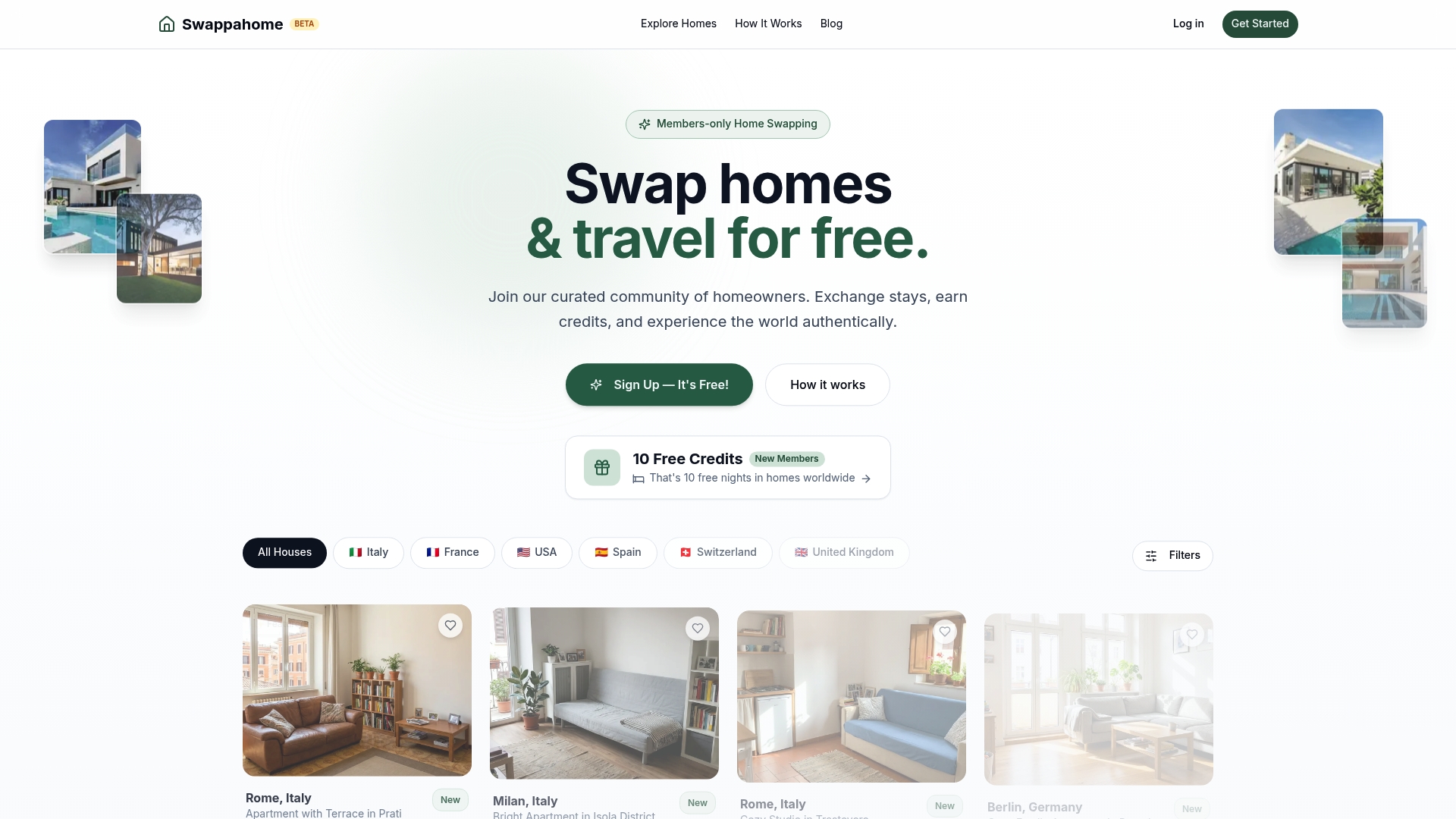 https://swappahome.com
Swappahome is a verified home exchange platform built for travelers who want more than a hotel room. List your home, earn credits, and use them to stay in real homes around the world, with no nightly fees. New members receive free credits to get started. Whether you're drawn to a quiet residential street in Europe or a vibrant city neighborhood in South America, you can find a home swap that puts you right in the middle of local life. That's where authentic travel actually begins.
Frequently asked questions
What does authentic travel really mean?
Authentic travel means seeking genuine, culturally rich experiences rooted in the true essence of a destination, prioritizing real local interactions over staged tourist attractions.
Is home exchange a good way to experience authentic travel?
Yes. Home exchange places you in a real residential setting, and near-zero accommodation costs allow for longer, more immersive stays that hotels simply can't replicate.
What are the risks of seeking authentic travel?
Some experiences marketed as authentic are staged or commodified, so using verified platforms and prioritizing community-based stays is the best way to avoid harm.
How does authentic travel help local communities?
By dispersing tourism demand to residential areas, authentic travel supports local economies, reduces pressure on overcrowded sites, and helps preserve genuine cultural life.
Recommended
- Exchange-Based Travel: Unlocking Authentic, Affordable Stays | SwappaHome Blog
- What Is Experiential Travel—Why It Matters for Homeowners | SwappaHome Blog
- How community-led travel platforms unlock affordable adventures | SwappaHome Blog
- Travel Without Money Exchange: Unlocking Authentic Stays | SwappaHome Blog

Published by
SwappaHome
SwappaHome Editorial Team
Home Exchange & Slow Travel Editorial
The SwappaHome Editorial Team brings together travel research, home-exchange community insights, and platform data to produce practical guides for first-time and experienced home swappers. Every article cites real platforms, current market rates, and verifiable city-level facts so readers can make informed decisions without guessing.
Ready to try home swapping?
Join SwappaHome and start traveling by exchanging homes. Get 7 free credits when you sign up!