
Embrace the Freedom: A Guide to Thriving as a Working Nomad in 2026

SwappaHome Editorial Team
Home Exchange & Slow Travel Editorial
Thinking about becoming a working nomad? It's a big step, but with the right approach, it can be incredibly fulfilling. Here are the main things to remember as…
Thinking about becoming a working nomad? It's a big step, but with the right approach, it can be incredibly fulfilling. Here are the main things to remember as you plan your new life on the road.
Key Takeaways
- Plan your destinations carefully, considering things like internet speed and cost of living.
- Set up a reliable remote workspace, whether it's a dedicated spot at home or a co-working space abroad.
- Understand visa rules and legal requirements for the countries you plan to visit.
- Develop a solid budget and manage your money wisely, including banking and currency exchange.
- Prioritize your health, both physical and mental, and build a support system to stay connected.
Embracing the Working Nomad Lifestyle
Understanding the Rise of Working Nomads
The idea of working from anywhere isn't exactly new, but it's really taken off, especially with how things have changed in the last few years. More and more people are ditching the traditional office setup to work remotely, and a big chunk of them are choosing to travel while they do it. This isn't just for freelancers anymore; companies are getting on board too, realizing that a distributed team can be just as effective, if not more so. It's a shift that's reshaping how we think about careers and life in general. The digital nomad movement is no longer a fringe trend; it's a significant part of the modern workforce.
It's pretty amazing how technology has made this possible. Reliable internet, cloud-based tools, and video conferencing mean you can be productive no matter where you are. Plus, there's a growing community of people doing this, sharing tips and experiences, which makes it less daunting for newcomers. If you're curious about this way of life, checking out resources on digital nomad lifestyles can give you a good starting point.
Key Benefits of the Working Nomad Path
So, why are so many people jumping on this bandwagon? The benefits are pretty compelling. For starters, there's the obvious freedom. You get to design your own schedule and choose your own environment. Imagine working from a beach in Thailand one month and a cozy cabin in the mountains the next. It's a way to see the world without putting your career on hold.
Beyond the travel aspect, there's a real boost to personal growth. You learn to adapt, problem-solve, and become more independent. You're constantly exposed to new cultures, new people, and new ways of doing things, which can really broaden your perspective. It's also a fantastic way to save money, especially if you're smart about where you go and how you live. For instance, using home exchange networks can drastically cut down on accommodation costs, allowing you to stretch your budget further and experience places more authentically.
Here are some of the top perks:
- Unparalleled Freedom: Design your work and life around your desires, not a fixed location.
- Personal Growth: Develop resilience, adaptability, and a broader worldview.
- Cultural Immersion: Experience different ways of life firsthand.
- Cost Savings: Potentially lower living expenses and reduced accommodation costs through methods like home swapping.
- Work-Life Integration: Blend professional responsibilities with personal exploration.
Dispelling Common Myths About Working Nomads
There are a lot of misconceptions out there about being a working nomad. People sometimes picture it as a permanent vacation, which is far from the truth. It requires discipline, planning, and a lot of hard work. You're still responsible for deadlines, client calls, and maintaining your professional output, often with fewer creature comforts than you'd have at home.
Another myth is that it's only for tech-savvy young people. While technology is key, the lifestyle is adaptable to many professions and age groups. You don't need to be a coding genius to work remotely from a different country. Many people find success in fields like writing, marketing, customer support, and consulting. It's more about having a remote-friendly job and the right mindset.
Let's clear up a few common myths:
- Myth: It's a perpetual vacation.
Reality: It's a lifestyle that requires significant self-discipline and a structured work routine. - Myth: You need to be a tech wizard.
Reality: While tech-savviness helps, many professions are compatible with remote work, and basic digital literacy is often sufficient. - Myth: It's incredibly expensive.
Reality: With smart budgeting and strategies like home swapping, it can be surprisingly affordable, often cheaper than living in a major city.
The reality is that the working nomad lifestyle is a deliberate choice to integrate work and travel, demanding a unique blend of professional dedication and personal adaptability. It's about creating a sustainable rhythm that allows for both productivity and exploration, rather than simply escaping responsibilities.
Essential Preparations for Working Nomads
Getting ready to hit the road as a working nomad isn't just about packing a suitcase. It involves some thoughtful planning to make sure your work stays on track and your travels are smooth. Think of it as setting up your mobile office and home base all at once.
Choosing Your First Destination Wisely
Picking where to start is a big deal. You want somewhere that offers a good balance of work-friendly infrastructure and interesting things to do. Consider factors like cost of living, internet speed, and local culture. Some places are already set up for remote workers, with co-working spaces and communities. Others might be more off the beaten path, offering a unique experience but requiring more self-sufficiency. It's worth looking into places that have a good reputation for welcoming digital nomads, like Turin or Lisbon.
Here are a few things to think about when picking your first spot:
- Internet Reliability: This is non-negotiable. Check reviews and forums for real-world internet speeds. You don't want to be stuck with slow connections when you have a video call.
- Cost of Living: Your money will go further in some places than others. Research local prices for accommodation, food, and transportation.
- Visa Requirements: Make sure you understand the entry and stay regulations for your nationality. Some countries offer specific digital nomad visas, while others require you to enter on a tourist visa.
- Time Zone: Consider how the local time zone will affect your work. If you need to sync up with a team in a specific region, a big time difference can be challenging.
The initial choice of destination sets the tone for your entire nomadic journey. A well-researched first stop can make the transition much easier and more enjoyable.
Setting Up Your Remote Workspace
Your workspace is wherever you are, so making it functional is key. This means more than just a laptop. Think about ergonomics, lighting, and minimizing distractions. Even a small, dedicated corner can make a difference.
- Portable Equipment: Invest in a lightweight laptop, a comfortable external keyboard and mouse, and noise-canceling headphones. A portable monitor can also be a game-changer for productivity.
- Connectivity: Beyond reliable Wi-Fi, consider a mobile hotspot or a local SIM card with a good data plan as a backup. This is especially important if you're traveling to areas where internet access might be spotty.
- Ergonomics: Prolonged sitting can be tough. Look for ways to set up your workspace to support good posture. This might involve a portable laptop stand or finding cafes with comfortable seating.
Navigating Visas and Legalities
This part can feel a bit like homework, but it's super important. Different countries have different rules about how long you can stay and whether you can work while you're there. Some places are making it easier for remote workers with special visas.
- Research Visa Options: Look into tourist visas, digital nomad visas, and any other permits that might apply to your situation. Websites like Home Exchange often have resources or links to help you figure this out for various destinations.
- Understand Tax Implications: Depending on how long you stay in a country and your home country's laws, you might have tax obligations. It's wise to get some advice on this before you leave.
- Keep Documents Organized: Have digital and physical copies of your passport, visas, insurance, and any other important documents. Store them securely.
Mastering Remote Work on the Go
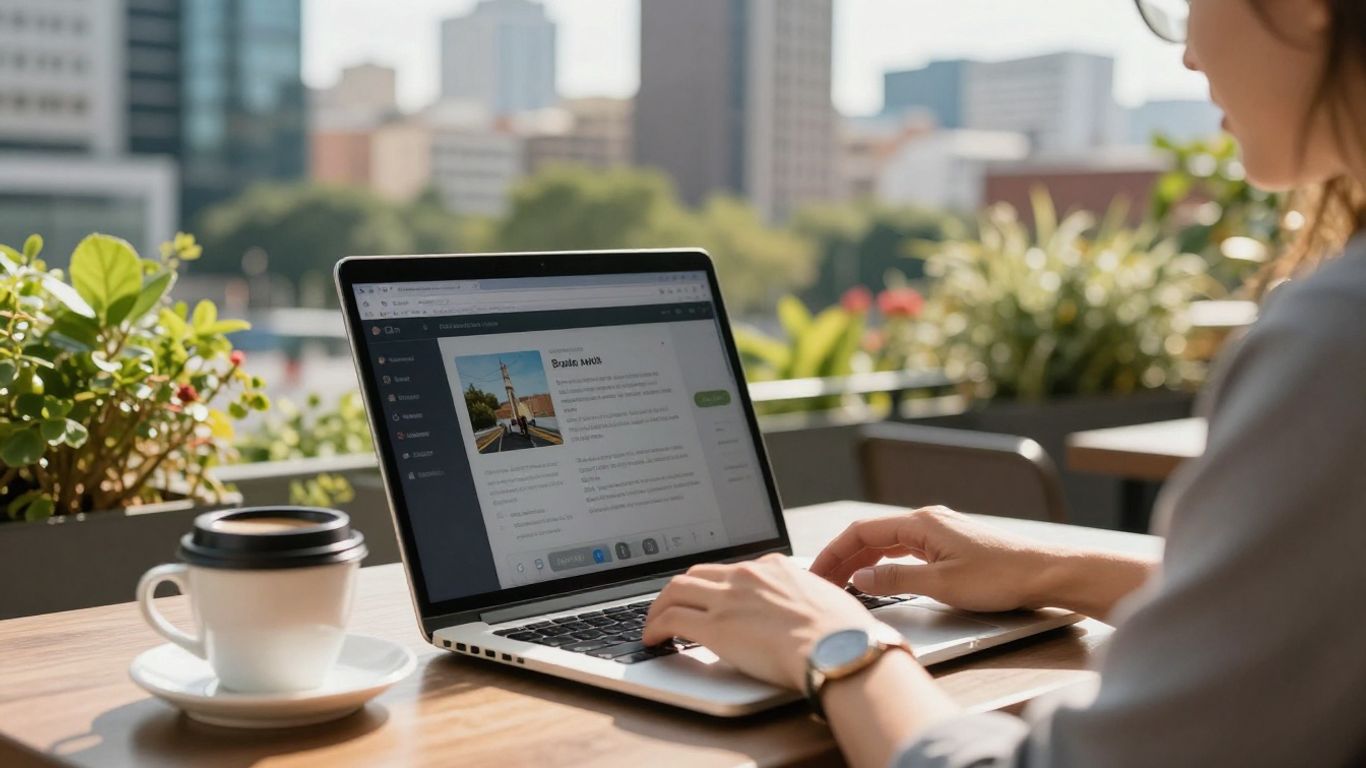 Working nomad using a laptop in a scenic outdoor cafe.
Working remotely while traveling isn't just about having a laptop and a Wi-Fi connection; it's about building a sustainable rhythm that allows you to be productive no matter where you are. Juggling different time zones, finding reliable internet, and staying focused can be a challenge, but with the right strategies, you can make it work. The key is to create structure within the freedom.
Maintaining Productivity Across Time Zones
Working across different time zones requires a bit of planning and communication. It's not always easy, but it's definitely doable. You'll need to be upfront with your colleagues or clients about your availability and be prepared to adjust your schedule. Sometimes this means early mornings, other times it might be late evenings. The goal is to find a balance that works for everyone involved.
Here are a few ways to manage:
- Schedule overlap: Identify a few hours each day where you and your team or clients can be online simultaneously. This is prime time for quick chats, urgent questions, and collaborative tasks.
- Asynchronous communication: Get really good at communicating without needing an immediate response. Use detailed emails, project management tools, and shared documents so everyone can catch up on their own time.
- Set clear expectations: Let people know when you'll be offline and when they can expect a response. This manages expectations and reduces stress for everyone.
- Time zone converter tools: Keep one handy! There are plenty of free apps and websites that can help you quickly figure out meeting times.
Leveraging Technology for Seamless Work
Technology is your best friend as a working nomad. From staying connected to managing your projects, the right tools make a huge difference. Think about what you absolutely need to get your job done and then find the most reliable and portable versions of those tools.
- Reliable Internet: This is non-negotiable. Look for accommodations that specifically mention good Wi-Fi, or have a backup plan like a mobile hotspot or local SIM card. Some travelers find home swapping to be a great way to secure reliable internet in a real home.
- Communication Platforms: Tools like Slack, Zoom, Microsoft Teams, and Google Meet are standard for remote teams. Make sure you're comfortable using them and have a good headset for clear calls.
- Project Management Software: Trello, Asana, Monday.com – whatever your team uses, make sure you can access and update it easily from anywhere.
- Cloud Storage: Google Drive, Dropbox, OneDrive – keep your files accessible and backed up.
- VPN (Virtual Private Network): For security, especially when using public Wi-Fi, a VPN is a must.
Building a Sustainable Work Routine
Creating a routine, even when you're constantly moving, is vital for productivity and well-being. It helps create a sense of normalcy and prevents burnout. It doesn't have to be rigid, but having some anchors in your day can be incredibly helpful.
Consider these elements:
- Dedicated Workspace: Even if it's just a corner of your Airbnb or a specific café, try to have a place where you go to work. This helps mentally separate work time from leisure time.
- Work Hours: Decide on your core working hours, keeping time zones in mind. Stick to them as much as possible.
- Breaks: Schedule short breaks throughout the day, just like you would in an office. Get up, stretch, walk around. It helps maintain focus.
- End-of-Day Ritual: Have a clear way to signal the end of your workday. This could be closing your laptop, tidying your workspace, or going for a walk.
The biggest mistake people make is thinking that because they're not in a traditional office, they don't need structure. But structure is what allows you to actually enjoy the freedom. Without it, you can end up working all the time or not getting anything done, and neither is good.
Remember, mastering remote work on the go is an ongoing process. Be flexible, learn from your experiences, and don't be afraid to adjust your approach as you go. The world is your office, and with the right setup, it can be a very productive one. For more on how to make this lifestyle work, check out remote work statistics to understand the landscape.
Financial Strategies for Working Nomads
The freedom to work from anywhere comes with a set of financial puzzles. Whether you’re swapping homes in Europe, snagging the cheapest flights, or just trying to keep your banking drama to a minimum, a little planning goes a long way. Here’s how real nomads keep their finances healthy while wandering the world in 2026.
Budgeting for a Mobile Lifestyle
Living out of a suitcase can look cheap from the outside, but unplanned expenses can wreck your plans fast. A good digital nomad budget doesn’t just list monthly rent; it covers a mix of short stays, emergency costs, and travel splurges.
Here are practical steps for building a nomad-friendly budget:
- Start with core categories: accommodation, transportation, food, connectivity, insurance, and workspace.
- Add an emergency fund equal to one flight home plus two weeks’ living costs.
- Review memberships or subscriptions tied to things like coworking spaces or global home swapping—often, these shave hundreds off living expenses.
| Category | Average Monthly (USD) | Notes |
|---|---|---|
| Accommodation | $0–$900 | Home swap can mean $0 |
| Food | $300–$700 | Cook at home, shop local |
| Workspace/WiFi | $50–$150 | Coworking/cafe fees |
| Transportation | $100–$400 | Mix public transit, flights |
| Insurance | $40–$100 | Global or nomad plan |
| Emergency Reserve | Variable | At least $1,500 suggested |
You’ll second-guess the need for an emergency stash—until you suddenly need it. It’s the closest thing to peace of mind a working nomad can buy.
Smart Banking and Currency Exchange
Very few things are as annoying as paying hidden fees or being locked out of your money. Proactive digital banking is a huge step toward avoiding both headaches and surprises wherever you roam.
- Use banks that support global accounts without punishing ATM fees.
- Keep at least one backup card and make sure it’s at a different bank in case of fraud or technical issues.
- Set up real-time spending alerts for every account.
- Rely on borderless accounts or digital wallets to dodge currency conversion traps.
A detailed breakdown of money management challenges—and smart solutions—can be found in this remote work banking guide.
Maximizing Income Streams
A single paycheck doesn’t always stretch as far as you hope, especially with travel cravings and unstable work contracts. Spreading out your income sources is both a financial safety net and a ticket to more adventure.
Ways digital nomads diversify income:
- Freelancing in your core skill area (design, writing, programming, etc.)
- Building products—think online courses or simple digital goods
- Remote part-time gigs (customer support, teaching, virtual assistance)
- Passive income from asset sharing, like renting out your own home on exchange platforms
If you’re working from countries with different tax systems or currencies, look for region-specific tips in guides like this expat financial adviser’s playbook.
Finding three active income streams—even if they’re small—offers stability when one dries up. The mix makes things less scary.
All these strategies boil down to one big truth: staying financially nimble means you can actually say yes to the next opportunity, not just worry about the last bill.
Health and Well-being on the Road
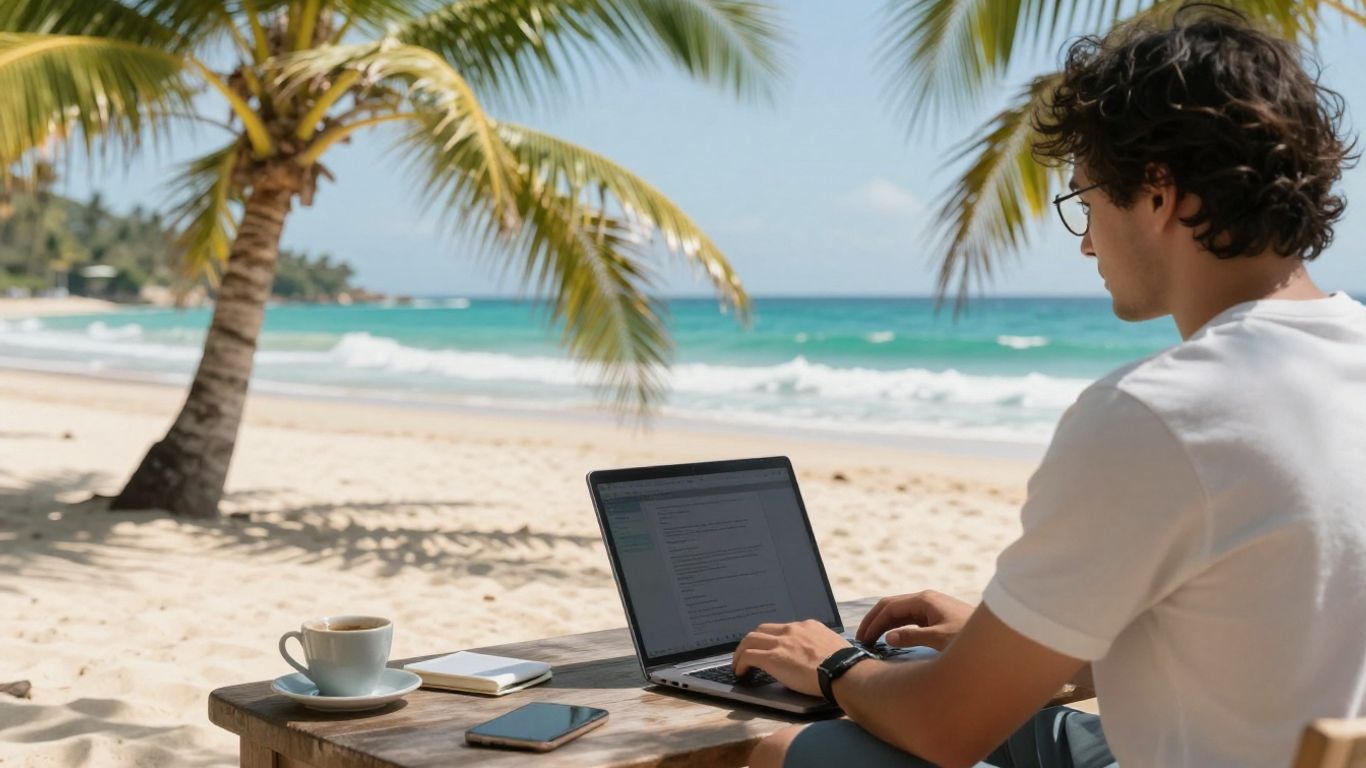 Working nomad on a beach with laptop.
Being a working nomad is awesome, but let's be real, it can also be a bit much sometimes. You're in new places all the time, maybe not sleeping in your own bed, and trying to keep up with work. It’s super important to look after yourself, both body and mind. Think of it like maintaining your gear; if your tools aren't in good shape, nothing else works right.
Prioritizing Physical Health
Staying healthy when you're constantly moving means being a bit more intentional. You can't just rely on your usual routine because, well, there isn't one!
- Find Local Movement: Look for parks, walking trails, or even local gyms. Many places offer drop-in rates. Sometimes just a good walk around a new neighborhood is enough to get the blood flowing.
- Eat Smart: It's easy to grab whatever's quick, but try to find local markets or grocery stores. Cooking even a few meals yourself can make a huge difference. Plus, trying local produce is part of the adventure!
- Hydration is Key: Seriously, carry a water bottle. Dehydration sneaks up on you, especially in different climates, and it messes with your energy and focus.
- Sleep Hygiene: This is a big one. Try to stick to a somewhat regular sleep schedule, even if your work hours are all over the place. Make your temporary space as sleep-friendly as possible – dark, quiet, and cool.
Nurturing Mental Well-being
This is where things can get tricky. Being away from your usual support system and dealing with constant change can take a toll. It's okay to feel overwhelmed, and it's important to have strategies to cope.
- Mindfulness Moments: Even five minutes of deep breathing or just observing your surroundings without judgment can help ground you.
- Stay Connected: Schedule regular video calls with friends and family back home. It helps combat loneliness and keeps those important bonds strong.
- Set Boundaries: It's easy to let work bleed into every aspect of your life when your 'office' is everywhere. Decide when you're 'off' and stick to it.
- Journaling: Jotting down your thoughts, experiences, or even just your to-do list can be a great way to process things and stay organized.
The constant novelty of being a working nomad is exciting, but it can also be draining. Recognizing when you need a break, a quiet afternoon, or just a familiar comfort food is a sign of self-awareness, not weakness. Prioritizing your mental state allows you to actually enjoy the freedom and experiences that this lifestyle offers.
Building a Support Network
While you might be traveling solo, you don't have to be alone. Building a community, even a temporary one, is vital.
- Co-working Spaces: These are great not just for reliable Wi-Fi but also for meeting other remote workers. You might find people who understand exactly what you're going through.
- Local Meetups: Look for groups related to your hobbies or interests. Whether it's a language exchange, a hiking club, or a book group, these are fantastic ways to connect with locals and other travelers.
- Online Communities: There are tons of online groups for digital nomads and working travelers. They can be a source of advice, support, and even potential travel buddies. You can find great tips on home exchanges that often lead to meeting like-minded people.
- Be Open: Strike up conversations with people you meet – baristas, shop owners, fellow travelers. You never know where a connection might lead.
Integrating into Local Cultures
Authentic Cultural Immersion
So, you're out there, working remotely, seeing the world. That's awesome. But are you just seeing it, or are you actually experiencing it? It's easy to get stuck in a digital nomad bubble, hitting the same cafes with other remote workers, or just sticking to the tourist spots. To really get the most out of your time abroad, you've got to make an effort to connect with the local scene. This means stepping outside your comfort zone a bit.
Think about it: instead of just grabbing a quick bite at a place that caters to tourists, try finding a market where locals shop for their groceries. Maybe take a cooking class that uses regional ingredients. It's not just about the food, though that's a big plus. It's about understanding how people live, what they value, and how their day-to-day life unfolds. This kind of genuine interaction is what transforms a trip from a vacation into a real experience.
Here are a few ideas to get you started:
- Learn a few basic phrases: Even a simple "hello" and "thank you" in the local language can go a long way. People appreciate the effort.
- Attend local events: Look for festivals, community gatherings, or even just local sports matches. It's a great way to see people in their element.
- Use home swapping: Instead of a sterile hotel, staying in someone's home puts you right in a neighborhood. You'll naturally shop where they shop and get a feel for the local rhythm. It's a fantastic way to explore global food and culture.
When you're living in a local's home, you're not just a visitor; you're a temporary resident. This shift in perspective encourages a deeper respect for the place and its people. You start to notice the small things – the way neighbors greet each other, the timing of the afternoon quiet, the local baker's routine. These observations build a richer picture than any guidebook could provide.
Building Community Abroad
Being a working nomad can sometimes feel a bit lonely, right? You're in a new place, maybe you don't know anyone. Building connections is super important for your well-being and for getting a real feel for your surroundings. It's not just about finding other nomads, though that can be helpful too. It's about integrating with the people who actually live there.
How do you do that? Well, it starts with being open and approachable. If you're staying in a place long-term, try to become a regular at a local coffee shop or a small eatery. Strike up conversations, even if there's a language barrier. Sometimes a smile and a shared moment are all you need. Joining local clubs or groups based on your hobbies can also be a great way to meet people. Whether it's a hiking group, a book club, or a volunteer organization, shared interests are a natural bridge.
Consider these approaches:
- Volunteer your time: Find a local cause you care about and offer your help. It's a direct way to contribute and meet people who are invested in the community.
- Use community-led platforms: Websites and apps that connect travelers with locals or other travelers who are focused on authentic experiences can be goldmines. These platforms often prioritize genuine interaction over transactional tourism. You can find great resources for participating in local activities.
- Be a good neighbor: If you're in a longer-term rental or a home swap, make an effort to connect with your immediate neighbors. A friendly wave, an offer to help with something small, or even just a brief chat can make a big difference.
Responsible Travel Practices
As we travel and work remotely, it's easy to forget that we're guests in someone else's home country. Being a responsible traveler isn't just about following rules; it's about being mindful of your impact on the environment, the local economy, and the culture.
This means making conscious choices. For example, when you're shopping, try to buy from local artisans and small businesses rather than large chains or souvenir shops that might be importing goods. Think about your waste – can you reduce your plastic use? Can you conserve water and energy in your accommodation? These small actions add up.
Here’s a quick rundown of what to keep in mind:
- Respect local customs and traditions: Do your homework before you go. Understand dress codes, social etiquette, and any cultural sensitivities. What might be normal at home could be offensive elsewhere.
- Support the local economy: Prioritize spending your money at locally owned businesses. Eat at local restaurants, shop at local markets, and hire local guides if you choose to take tours.
- Minimize your environmental footprint: Be mindful of your resource consumption. Use public transport when possible, avoid single-use plastics, and be respectful of natural environments.
Being a responsible traveler means leaving a place as good as, or better than, you found it. It's about contributing positively to the communities you visit, not just taking from them. This approach not only benefits the destination but also enriches your own travel experience, leading to more meaningful connections and a deeper appreciation for the world.
Conclusion
Stepping into the life of a working nomad is more than just a job change; it's a lifestyle shift. It opens up a world of possibilities, allowing you to see new places, meet different people, and grow in ways you might not have imagined. While it comes with its own set of challenges, the freedom and experiences it offers are truly rewarding. By preparing well, staying organized, and embracing the journey, you can absolutely thrive as a working nomad. So, pack your bags, log in, and start exploring. Your adventure awaits!
Frequently Asked Questions
What exactly is a working nomad?
A working nomad is someone who works remotely, meaning they can do their job from anywhere with an internet connection. They often travel to different places, living and working there for a while before moving on. Think of it as having a job that lets you explore the world.
Is it hard to find places with good internet?
It can be, but it's getting easier. Many cities and towns now cater to remote workers, offering good Wi-Fi in cafes, co-working spaces, and accommodations. It's smart to research internet speeds before you book your stay, though. Some places are better than others for staying connected.
How do working nomads make money?
They usually work in jobs that don't require them to be in a specific office. This could be anything from software development, writing, graphic design, online marketing, customer support, or even running their own online business. The key is that the work can be done from a laptop.
Do I need special visas to be a working nomad?
Yes, often you do. Many countries have specific 'digital nomad visas' now, which allow remote workers to stay for longer periods legally. Just visiting on a tourist visa might not be enough if you plan to work for an extended time. Always check the rules for each country you want to visit.
What if I get lonely or homesick?
That's a common worry! Building a support network is important. You can do this by joining local expat or nomad groups, using co-working spaces to meet people, or staying in touch with friends and family back home through video calls. Finding a community, even a temporary one, makes a big difference.
Is it expensive to live as a working nomad?
It really depends on where you go. Some places are very affordable, like parts of Southeast Asia or Eastern Europe, which can make your money go further. Other popular spots can be quite pricey. Smart budgeting and choosing your destinations wisely are key to keeping costs down.

Published by
SwappaHome
SwappaHome Editorial Team
Home Exchange & Slow Travel Editorial
The SwappaHome Editorial Team brings together travel research, home-exchange community insights, and platform data to produce practical guides for first-time and experienced home swappers. Every article cites real platforms, current market rates, and verifiable city-level facts so readers can make informed decisions without guessing.
Ready to try home swapping?
Join SwappaHome and start traveling by exchanging homes. Get 7 free credits when you sign up!