Home swapping: How peer-to-peer travel transforms trips

SwappaHome Editorial Team
Home Exchange & Slow Travel Editorial
Home swapping: How peer-to-peer travel transforms trips !Woman researching home swapping online in apartment > TL;DR: > > - Peer-to-peer travel...
Home swapping: How peer-to-peer travel transforms trips
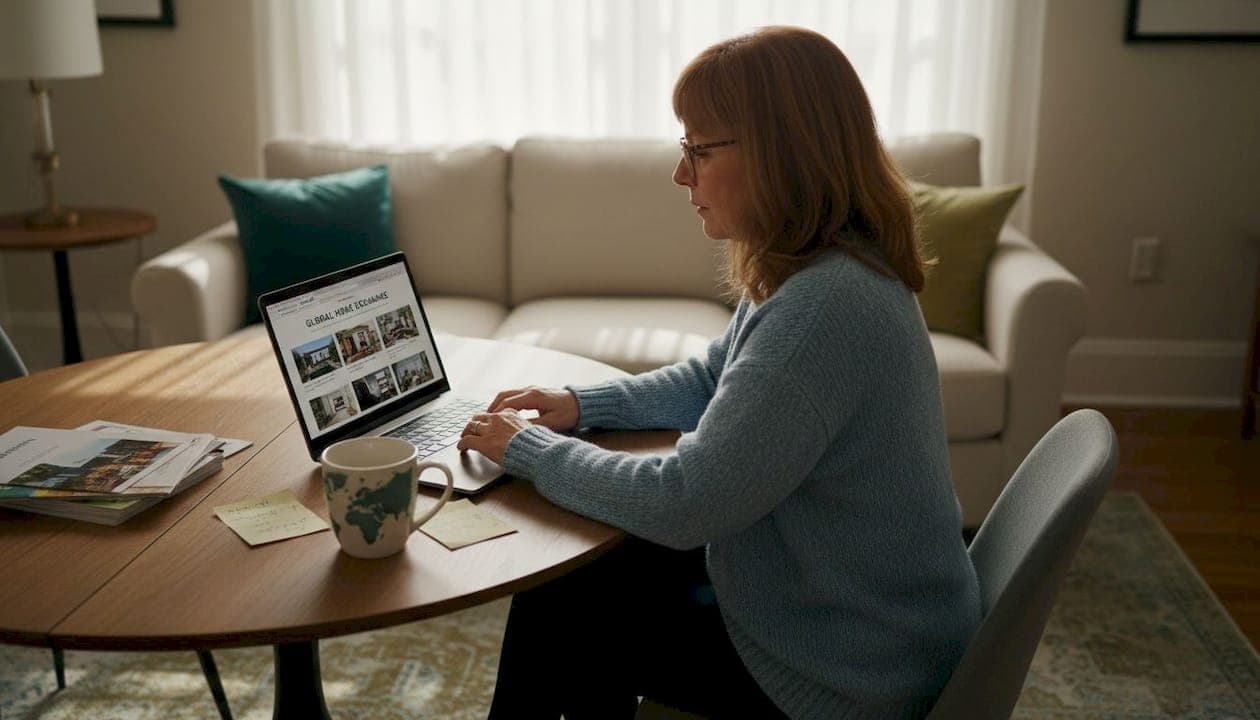
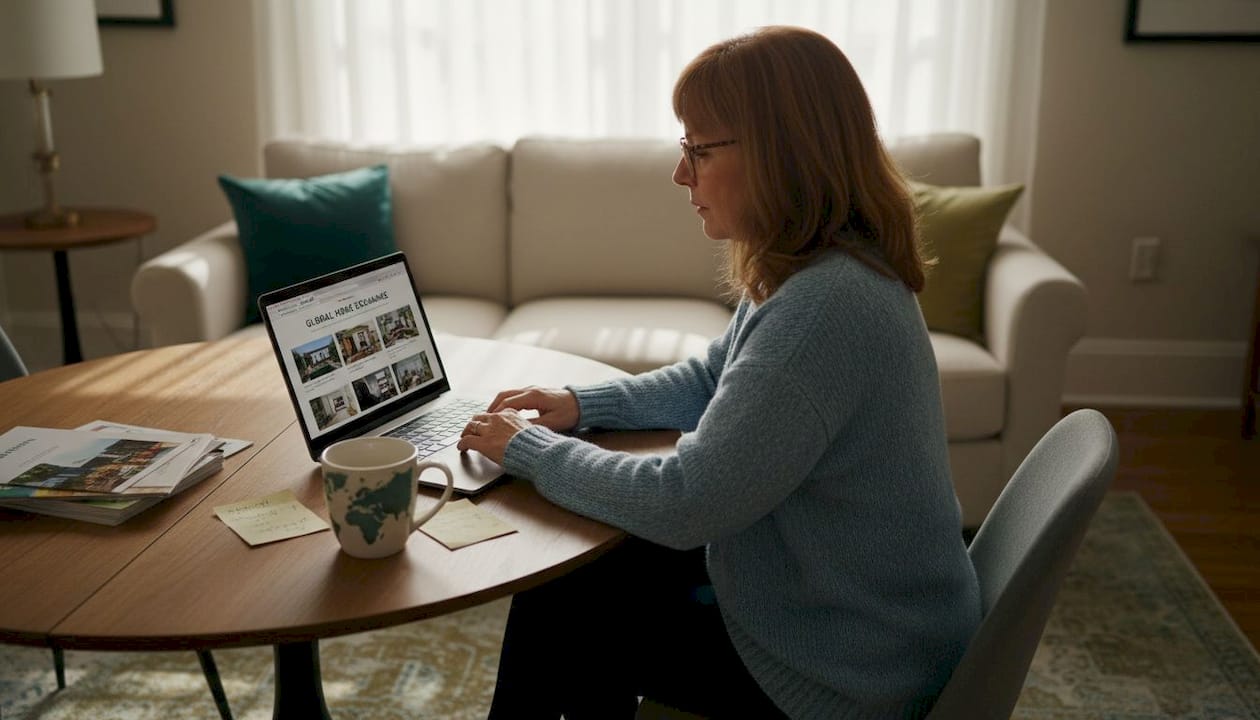 Woman researching home swapping online in apartment
TL;DR:
- Peer-to-peer travel involves trusting strangers to exchange homes directly, fostering cultural immersion.
- Successful swaps rely on clear communication, vetting partners, and setting expectations to ensure safety.
- It offers significant savings and authentic local experiences compared to hotels and rentals.
Thousands of travelers have quietly abandoned the hotel booking screen in favor of something far more interesting: swapping homes directly with strangers who become friends. Peer-to-peer travel isn't just a way to cut costs, though the savings are real and significant. It's a fundamentally different way to experience a destination, one where you wake up in a real neighborhood, shop at local markets, and live a life that feels nothing like a tourist itinerary. This article breaks down exactly how it works, why it's growing fast, and what you need to know before your first swap.
Table of Contents
- Understanding peer-to-peer travel: Beyond cheap accommodation
- How does peer-to-peer home swapping work?
- Peer-to-peer travel vs. hotels and rentals: What's the real difference?
- What homeowners and travelers need to know: Insurance and safety
- Top benefits of peer-to-peer travel for cultural explorers
- The uncomfortable truth about peer-to-peer travel (and why it's worth it)
- Start your peer-to-peer travel journey with confidence
- Frequently asked questions
Key Takeaways
| Point | Details |
|---|---|
| Peer travel isn’t just about cost | It’s about cultural immersion and real connections that hotels can’t match. |
| Trust and communication matter | Successful swaps rely on honest dialogue, reviews, and clear agreements. |
| Insurance requires extra attention | Always check with your provider before inviting guests into your home. |
| Local living delivers unique rewards | Experiencing neighborhoods as a resident, not just a tourist, is a top reason for choosing peer-to-peer travel. |
| Start small and build confidence | Begin with a simple swap or short stay to learn the ropes and build comfort. |
Understanding peer-to-peer travel: Beyond cheap accommodation
Peer-to-peer travel, in the simplest terms, means connecting directly with other travelers rather than booking through a commercial operator. In the home accommodation context, peer-to-peer travel typically means staying in other people's homes through reciprocity rather than booking hotels or paying cash rent. That distinction matters more than most people realize.
When you book a hotel, money flows in one direction: your wallet to a corporation. Peer-to-peer travel flips that entirely. The core exchange is trust, time, and space rather than cash. Home swapping is the original version of this model. You open your home to another traveler, and they open theirs to you. No nightly rate, no checkout checkout fees, no surprises on your credit card statement.
Modern platforms have refined this further. Instead of requiring a simultaneous direct swap, many now use credit or points systems. You earn credits when someone stays in your home, and you spend those credits to stay somewhere else in the network. This flexibility means you're not locked into "you stay at mine while I stay at yours" at exactly the same time.
What truly separates peer-to-peer travel from commercial alternatives is platform-mediated sharing between peers: the mechanics involve reciprocity, direct communication, and trust systems like reviews and member vetting, with cultural immersion as a core motivation rather than an afterthought.
Key things that make peer-to-peer travel distinct:
- No landlord or host acting as a business. Your partner is a fellow homeowner, not an investor managing dozens of listings.
- Reciprocity is built in. Whether through direct swaps or credits, the relationship is mutual by design.
- Vetting and reviews replace star ratings. Trust comes from real member feedback, not marketing copy.
- The motivation is connection. Most people join because they want to explore the world and meet real people, not just find a cheap bed.
"The best peer-to-peer travel experiences don't feel transactional at all. They feel like borrowing a friend's apartment in Paris or Tokyo, because in many ways, that's exactly what they are."
Understanding this model helps explain why it appeals to a very different kind of traveler than hotels or even short-term rentals do. To see how it compares specifically to platforms like Airbnb, home swapping vs Airbnb offers a clear side-by-side look at the real differences in cost and experience.
How does peer-to-peer home swapping work?
Now that you know what peer-to-peer travel means, let's get practical about the platforms and mechanics you'll actually use. The process is straightforward once you've done it once, but knowing the steps upfront removes the mystery and the hesitation.
Here's how a typical home swap unfolds from start to finish:
- List your home. Create a profile on a platform like Swappahome. Include photos, your home's amenities, your location, and the dates you're available. The more detail you add, the more confident potential swap partners will feel.
- Browse listings. Search by destination, dates, and home type. Most platforms let you filter by verified members, home size, and available credits.
- Send or receive a swap request. Either you reach out to a homeowner whose listing interests you, or someone contacts you about yours. This is where the conversation begins.
- Communicate directly. Home swap communication is one of the most important steps. You'll discuss dates, house rules, pets, parking, key handoff, and anything specific about either home. Think of it as a friendly but clear conversation between neighbors.
- Agree on expectations. Both parties confirm what's included: Wi-Fi access, laundry use, kitchen access, whether plants need watering or a cat needs feeding.
- Confirm the swap. The platform records the agreement, and credits are allocated if using a points system.
- Enjoy your stay and leave honest feedback. Reviews help the whole community make better decisions.
Trust-building and coordination between peers is central to how this works. Communication, reviews, and agreed expectations aren't just nice to have; they're the backbone of every successful swap.
 Host preparing welcome folder for home swap guest
Pro Tip: Before your swap begins, create a simple "home guide" document for your guest. Include Wi-Fi passwords, appliance quirks, nearby grocery stores, your favorite local restaurant, and emergency contacts. This small effort transforms the experience and almost always earns you a glowing review.
Etiquette matters just as much as logistics. Home swap etiquette covers the unwritten rules that experienced swappers live by, from respecting personal spaces to leaving the home cleaner than you found it. Following them ensures both parties walk away wanting to do it again.
Peer-to-peer travel vs. hotels and rentals: What's the real difference?
Understanding the mechanics is key, but it's just as important to know why people choose peer-to-peer swaps instead of more traditional options. The differences go deeper than price.
| Category | Peer-to-peer home swap | Hotel | Short-term rental |
|---|---|---|---|
| Cost | Free (credits or direct swap) | $150 to $400+ per night | $80 to $300+ per night plus fees |
| Cultural immersion | Very high | Low | Medium |
| Personal connection | High (direct with owner) | None | Low to medium |
| Space and privacy | Full home | Single room | Varies |
| Local knowledge | Built-in from host | Front desk only | Rare |
| Flexibility | Moderate (planning needed) | High | Medium |
| Anonymity of host | None (vetted member) | N/A | Often high |
The numbers tell part of the story, but the experience tells the rest. Home swapping vs hotel comparisons consistently show that the savings are most dramatic for families and longer stays, where hotel bills compound quickly.
Home swapping through peer-to-peer platforms is positioned as enabling cultural immersion and local-life experiences that standardized hotel stays simply cannot offer. Walking to the same bakery your host walks to every Sunday morning is a fundamentally different experience than a continental breakfast buffet.
Key advantages of peer-to-peer travel over alternatives:
- Full living space. A kitchen means you can cook local ingredients. A living room means evenings feel relaxed, not cramped.
- Real neighborhood access. You're not in a tourist zone. You're where actual people live.
- No hidden fees. No resort fee, cleaning charge, or service markup at checkout.
- Insider tips. Your swap partner usually leaves notes, recommendations, or even contacts who can help you enjoy the area as a local would.
For families especially, the math is undeniable. Family savings with home exchange can reach thousands of dollars per trip when you factor in the cost of multiple hotel rooms, room service, and eating out for every single meal.
"Staying in someone's home isn't just more affordable. It's more human."
Rentals like those found on commercial platforms sit somewhere in the middle. You get a full space, but the host is often absent and operating a business. The relationship is transactional. Home swapping vs rentals breaks down the real cost difference in detail, including platform fees that quietly add up.
What homeowners and travelers need to know: Insurance and safety
With the excitement of peer-to-peer travel, it's easy to overlook a critical practical step: insurance. This is where homeowners need to pause and think carefully before listing their property.
Insurance coverage for home swaps is a practical edge case: some policies may be contingent on who is occupying the home and how, so homeowners are advised to check coverage and notify their insurer before agreeing to any swap.
| Insurance concern | What to ask your insurer |
|---|---|
| Guest definition | Does your policy cover guests who are not paying tenants? |
| Unoccupied periods | Are you covered if the home sits empty between swaps? |
| Liability | Who is liable if a guest is injured on your property? |
| Theft and damage | Does your policy cover theft by a known guest? |
| Contents coverage | Are personal items covered during a swap? |
Pro Tip: Call your insurer before you finalize your first swap request. Ask specifically whether hosting a non-paying guest through a home exchange platform affects your coverage. Many insurers are familiar with the question and can add a simple rider to your policy if needed.
Beyond insurance, home swap insurance advice outlines practical steps you can take to protect yourself, including documenting your home's condition before and after every swap with time-stamped photos.
Other key safety practices include:
- Vet every partner. Use only platforms with verified member profiles and real reviews.
- Set clear house rules in writing. Smoking policies, pet rules, off-limits rooms, and checkout procedures should all be confirmed before anyone arrives.
- Secure valuables. Lock away jewelry, important documents, and irreplaceable items in a dedicated storage space.
- Keep communication on-platform. This creates a record that platforms can reference if any dispute arises.
- Share emergency contacts. Both parties should know who to call if something goes wrong with an appliance, a pipe, or a lock.
Safety in peer-to-peer travel is less about eliminating all risk and more about managing it intelligently. The same common sense you'd apply to any trusted guest applies here, just with a bit more structure.
Top benefits of peer-to-peer travel for cultural explorers
After learning how to sidestep the pitfalls, these advantages make peer-to-peer travel one of the most rewarding choices for the open-minded adventurer.
The experience of living like a local rather than a tourist is the benefit that travelers talk about most. When you stay in someone's actual home, in their actual neighborhood, you absorb a culture in ways that no tour bus can replicate.
Key benefits of peer-to-peer home swapping:
- Deep cultural immersion. You shop where locals shop, walk where locals walk, and eat where locals eat. Your understanding of a place goes beyond the guidebook.
- Significant real-world savings. For a two-week family trip, eliminating accommodation costs can free up $2,000 to $5,000 or more for experiences, food, and exploration.
- Genuine human connection. Many swap partners exchange messages before and after the trip. Some become long-term friends who visit again and again.
- Unique, warm spaces. Real homes have personality. You might stay in a converted farmhouse in Tuscany, a mid-century home in New Mexico, or a cozy apartment steps from the Eiffel Tower.
- Insider knowledge baked in. Most homeowners leave a guide to their neighborhood: the hidden gem restaurant, the Saturday farmers market, the shortcut through the park.
Pro Tip: After your swap, send your partner a short thank-you message with one specific thing you loved about their home or neighborhood. It costs nothing, builds goodwill, and often sparks an ongoing friendship that leads to future swaps.
To start exploring the how home swapping works model and see real listings from verified homeowners worldwide, you don't need to commit to anything immediately. Simply browsing gives you a clear sense of what's possible.
The uncomfortable truth about peer-to-peer travel (and why it's worth it)
Here's what most articles about home swapping won't tell you plainly: you are temporarily handing over your home to strangers. That's the deal. No amount of platform vetting fully removes that reality, and pretending otherwise does new members a disservice.
From a homeowner's perspective, the key nuance is that you are temporarily transferring control of your home to another household, so the edge cases are legal and insurance fit, safety readiness, and partner-selection quality, not just booking convenience.
What this means in practice is that your preparation matters far more than any platform's guarantee. The members who thrive in peer-to-peer travel networks are the ones who communicate clearly, set expectations without apology, and vet their swap partners the same way they'd vet anyone they trust with something valuable.
The encouraging reality is that most swappers report overwhelmingly positive experiences. Why? Because the selection effect is powerful. People who join home swapping platforms are self-selected for trust and reciprocity. They're homeowners with something real to offer and something real to protect. They're not anonymous renters; they're members of a community with skin in the game.
We've seen this pattern repeatedly: the travelers who hesitate most before their first swap tend to become the most enthusiastic advocates afterward. The worry is real but manageable. The reward, staying in a beautiful home in a city you love without paying hotel prices, while knowing your own home is being cared for by someone with the same values, is something you genuinely cannot replicate any other way.
Explore home swap options and see for yourself what the community looks like. The diversity of homes, destinations, and members available might surprise you. Peer-to-peer travel works because people make it work, and most of them are a lot like you.
Start your peer-to-peer travel journey with confidence
If this article has sparked your curiosity, the best next step is a simple one: take a look at what's already out there waiting for you.
 https://swappahome.com
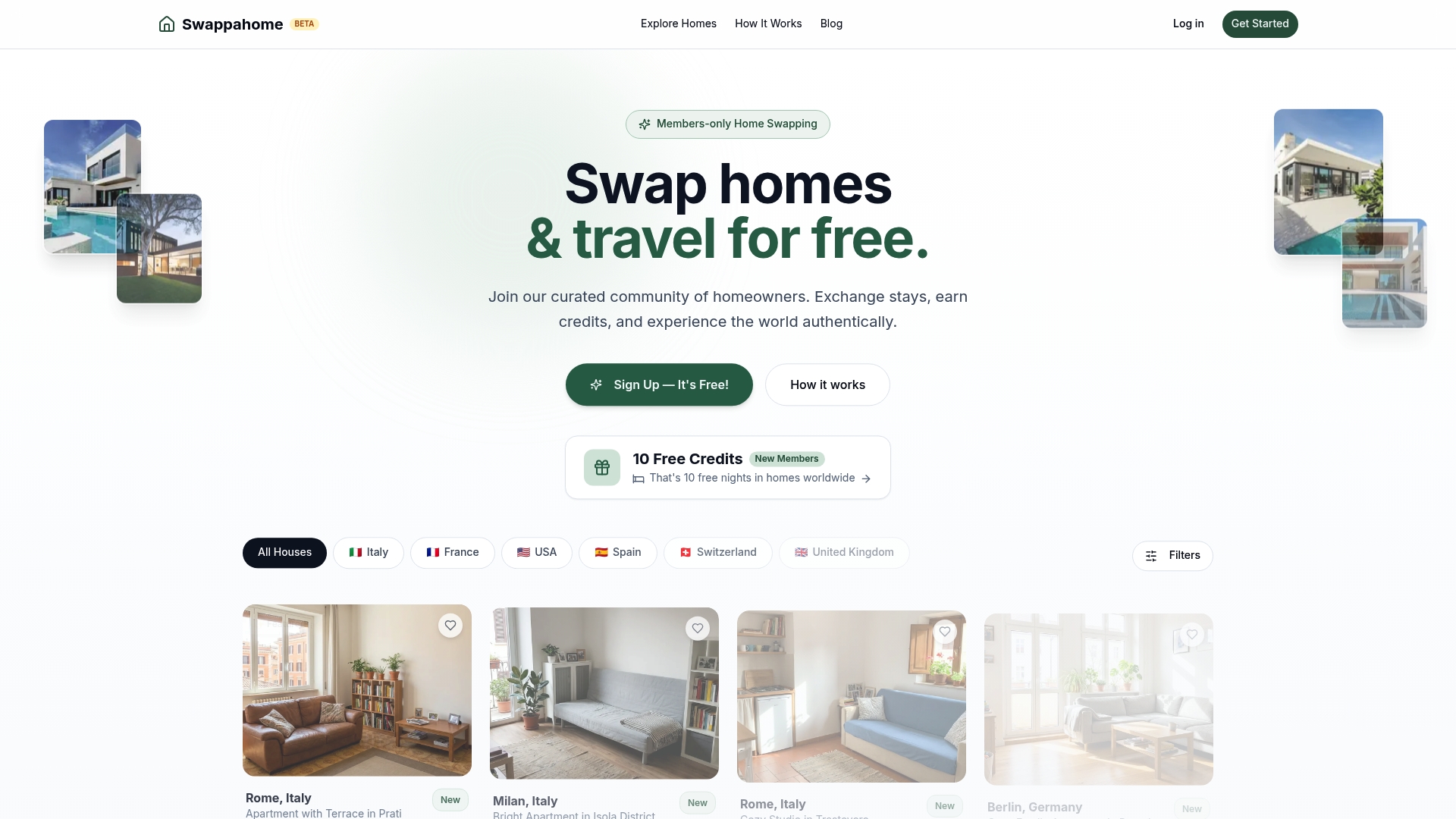
Join Swappahome and connect with a global network of verified homeowners who are ready to swap. Swappahome's point-based system is straightforward: one credit equals one free night, and new members start with free credits to get the ball rolling. You can list your home, browse the full collection of available properties across dozens of countries, and send your first swap request without any monetary transaction involved. When you're ready to see what destinations are available right now, browse available home swaps and filter by location, dates, and home type. Your next adventure is already listed.
Frequently asked questions
How do I know if my home insurance covers a home swap?
Contact your insurer directly before confirming any swap, since coverage may depend on who stays in your home and for how long. Ask specifically about non-paying guest coverage and any liability implications.
What's the difference between peer-to-peer travel and staying in an Airbnb?
Peer-to-peer home travel uses reciprocity rather than cash payment, while Airbnb involves paying a host who is often operating as a commercial rental business and won't be staying at your home in return.
Can I swap homes if I don't own my home?
Some platforms allow renters to participate in home swaps, but you'll need explicit written approval from your landlord and should review your lease terms carefully before listing your rental.
How safe is home swapping compared to traditional hotels?
Trust-building, reviews, and clear expectations are central to how home swapping works, making it safe for most participants who use reputable, member-verified platforms and communicate thoroughly beforehand.
What are some tips for a successful first swap?
Communicate openly with your partner before the swap, write a clear home guide for your guest, document your home's condition with photos, and follow the etiquette guidelines provided by your platform for the smoothest possible experience.
Recommended

Published by
SwappaHome
SwappaHome Editorial Team
Home Exchange & Slow Travel Editorial
The SwappaHome Editorial Team brings together travel research, home-exchange community insights, and platform data to produce practical guides for first-time and experienced home swappers. Every article cites real platforms, current market rates, and verifiable city-level facts so readers can make informed decisions without guessing.
Ready to try home swapping?
Join SwappaHome and start traveling by exchanging homes. Get 7 free credits when you sign up!