
How to plan a New Orleans vacation: a practical guide

SwappaHome Editorial Team
Home Exchange & Slow Travel Editorial
Key Takeaways A good New Orleans trip leaves room for both plans and surprises. Start with your dates and budget, then shape each day around the neighborhoods…
Key Takeaways
A good New Orleans trip leaves room for both plans and surprises. Start with your dates and budget, then shape each day around the neighborhoods and experiences you most want to enjoy.
- Compare seasonal weather, crowds, events, and hotel prices before choosing dates.
- Build an itinerary around a few neighborhoods instead of trying to see everything at once.
- Choose a place to stay based on location, transport, fees, and the kind of trip you want.
- Make space for music, museums, local food, and time outside the busiest areas.
- Plan for transportation, heat, and flexible spending as well as lodging and meals.
Choose the best time to visit
The best dates for a New Orleans trip depend on what you value most: comfortable walking weather, major events, or a quieter and potentially less expensive stay. The city’s calendar can shape the feel of a visit as much as the weather does. Before booking, compare your preferred dates with event schedules and lodging prices, then decide which trade-offs are worth it.
Compare weather and seasonal crowds
Spring and fall are popular times to explore on foot, with event calendars and visitor numbers often influencing how busy particular weekends feel. Winter can bring a different pace, while summer means preparing for heat and humidity. Conditions vary from day to day, so check a forecast close to departure rather than building every plan around a seasonal average.
A quick seasonal comparison can help narrow your options. Treat it as a starting point, not a promise about what the weather or crowds will be like on your exact dates.
| Season | What to consider | Planning approach |
|---|---|---|
| Winter | Cooler spells and holiday travel periods | Pack layers and check event dates |
| Spring | Popular travel dates and a lively calendar | Reserve lodging ahead when dates are fixed |
| Summer | Heat, humidity, and afternoon rain | Plan indoor breaks and flexible outings |
| Fall | Event weekends and changing weather | Compare dates and keep plans adaptable |
Once you have a season in mind, look at the specific week you might travel. A major event can make one weekend feel quite different from the next.
Weigh festival season against hotel prices
Festivals can bring a special energy to the city, but they may also mean busier streets and higher lodging costs. If a particular event is the reason for your trip, build the itinerary around it and book early. If it is not essential, compare nearby dates; shifting your arrival by a few days can make it easier to find a room that suits your budget.
Consider summer heat and hurricane season
Summer plans call for a slower rhythm: spend the hottest part of the day indoors when you can, carry water, and avoid packing too many outdoor activities back-to-back. Atlantic hurricane season runs from June through November, so travelers during those months should keep an eye on forecasts and understand their booking policies. Flexible plans are useful in any season, but especially when weather may change quickly.
Book early for major events
Once your travel dates are set, check whether a festival, holiday, or other large event overlaps with your stay. Book a place to sleep and any must-do activities early, then leave less essential plans open. The official New Orleans visitor guide is one place to check for event ideas and neighborhood inspiration as you put dates on the calendar.
Build an itinerary that fits your trip
A satisfying New Orleans itinerary is less about ticking off every landmark than giving each day a clear shape. Choose a few priorities, group nearby places together, and allow time to pause for a meal, a band, or an unexpected detour. Even a first-time visitor can find a comfortable pace by treating the French Quarter as one part of the city, not the whole trip.
 French Quarter balconies above a lively shaded street
Plan a first visit around the French Quarter
The French Quarter makes a natural starting point because its streets, architecture, restaurants, and landmarks can fill several hours without needing a tightly timed route. Pick a couple of places you especially want to see, then explore nearby blocks at an unhurried pace. For more ideas to shape a first day, this guide to New Orleans sights and experiences ranges from the Quarter to music and river outings.
Add time for the Garden District and Uptown
Set aside another part of the day—or a separate day—for the Garden District and Uptown. The change in scenery is part of the appeal: historic homes, leafy streets, and a different rhythm from the central visitor areas. Leave time to walk and take breaks rather than treating the neighborhood as a quick stop between attractions.
Balance famous attractions with unplanned exploring
A schedule with one or two anchors per day is often easier to enjoy than a string of reservations. You might plan a museum visit in the morning and a meal later, then let the hours between them unfold. A few useful anchors can keep a short trip from feeling scattered:
- Choose one neighborhood or area to explore each day.
- Reserve tickets or tables only for your highest-priority plans.
- Leave a gap for a café stop, rest, or spontaneous music.
- Keep one alternative in mind in case weather changes.
That little bit of open space makes it easier to follow your curiosity without feeling as though the rest of the day has fallen behind. It also gives you room to slow down when the heat or a long walk catches up with you.
Adjust your schedule for a weekend or weeklong stay
On a weekend visit, focus on a few experiences close to one another and resist the urge to cross town repeatedly. With a week, you can spread out neighborhood visits, add a museum or excursion, and revisit a favorite place at a different time of day. Either way, plan around your energy as well as the map; a full day followed by a late night can make the next morning feel short.
Pick the right neighborhood and place to stay
Where you stay influences how easily you move through the city and how your evenings feel. Think first about what you want nearby—restaurants, nightlife, transit, or a quieter street—then compare actual lodging options. A central location can be convenient, but it is not automatically the best fit for every traveler or every budget.
Compare the French Quarter, CBD, and Warehouse District
The French Quarter puts visitors close to many well-known sights and dining options, while the CBD and Warehouse District offer different central bases with their own mix of hotels, restaurants, and attractions. Consider what you want to reach on foot and how much nighttime activity you are comfortable having nearby. Looking at a map alongside recent property details can tell you more than a neighborhood label alone.
Consider the Garden District for a quieter base
If a calmer setting appeals to you, compare lodging in the Garden District with central options and check how you would get to your planned stops. For travelers curious about staying in a home rather than a hotel, home exchange opportunities in New Orleans are described by SwappaHome alongside neighborhood information and local tips. Its separate New Orleans page notes that no verified homes are listed yet, so check current availability before making plans around an exchange.
Check transit access and late-night transportation
Before booking, look at how you will get back after dinner or a music show, not just how you will reach the first stop of the day. Check nearby streetcar and bus routes, and decide when walking or a rideshare makes more sense. A place that works well for daytime sightseeing may require a little extra planning for a late return.
Look beyond nightly rates to fees and parking
Compare the total cost of a stay, including taxes, cleaning or service fees, and parking if you expect to drive. Ask what is included and review cancellation terms before paying. The listed nightly rate is useful for comparing options, but the full bill is what belongs in your trip budget.
Explore New Orleans beyond the main sights
The city rewards visitors who venture beyond the best-known stops. Music, museums, local markets, and neighborhood streets each offer a different way to spend an afternoon, and you do not need to cram them all into one visit. Choose a few that match your interests, then keep enough room in the schedule to enjoy them at your own pace.
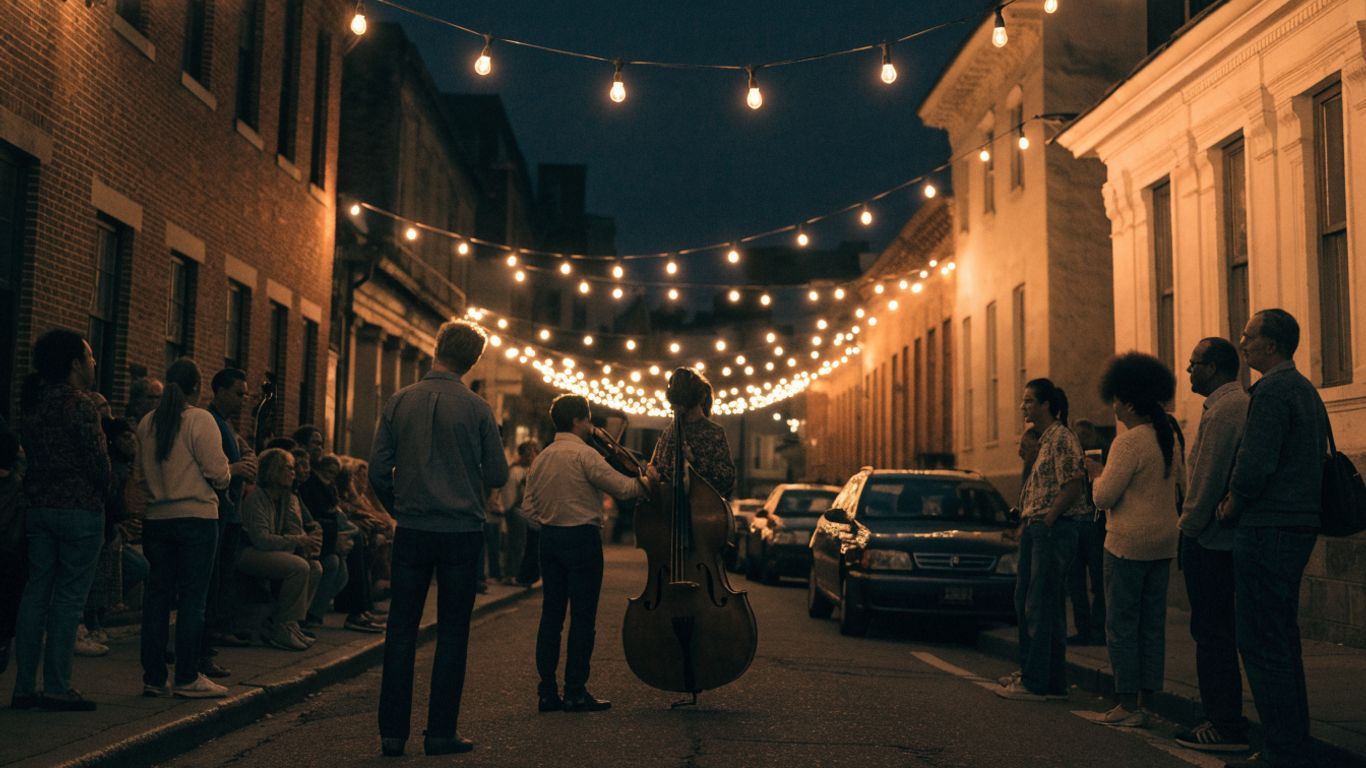 New Orleans street musicians beneath warm evening lights
Discover live music on Frenchmen Street
Frenchmen Street is a natural place to look for live music, with venues and performances that can make an evening feel distinct from a daytime sightseeing route. Check current schedules, think about what time you want to head out, and decide how you will get back to where you are staying. You can make the night a main event or simply stop in for a set after dinner.
Visit museums, historic sites, and local markets
Choose museums and historic sites that speak to your interests rather than trying to cover every subject. A market visit can add a more casual stop to a day of planned sightseeing, especially when you want to browse, snack, or take a break. Check opening hours and any admission details before setting out, since schedules can change.
Choose a guided walking or neighborhood tour
A guided walk can help you make sense of a neighborhood’s layout and history, particularly early in a trip. Compare tour length, meeting point, group size, and what the route covers before booking. If you prefer to wander independently, use a tour as a starting point for deciding which streets or sites you would like to revisit.
Make time for a bayou or Mississippi River excursion
An excursion on the water or into a bayou landscape offers a change of pace from city streets. Check the departure location, duration, weather policy, and transportation needs before committing. A river outing may fit neatly into a shorter visit, while a bayou trip can take a larger share of the day; either is best treated as a planned outing rather than a last-minute add-on.
Plan what to eat and drink
Food is part of the pleasure of spending time in New Orleans, but meals do not all need to be elaborate or booked weeks in advance. Decide which dishes and restaurants are priorities, then leave room for a bakery, café, or casual neighborhood meal along the way. A little planning helps you enjoy the city’s food without letting every hour revolve around reservations.
Try New Orleans classics such as gumbo and po’boys
If you are eager to try local classics, start with dishes that appeal to you rather than turning the meal into a checklist. Gumbo and po’boys are familiar starting points, and menus across the city offer plenty of other choices. Ask about ingredients or portion sizes when needed, and go where the meal fits naturally into the day.
Make reservations for popular restaurants
Reserve ahead for restaurants that are central to your plans, especially if you are visiting on a busy weekend or during a major event. Keep the rest of your meals flexible so a delayed outing does not disrupt the whole day. Check the restaurant’s current hours and reservation policy before you go.
Explore cafés, bakeries, and casual neighborhood spots
A bakery or café can be a welcome stop between sights, and casual neighborhood places make it easier to eat without planning every detail. Look for options near the area you are already exploring, then give yourself permission to linger. These smaller pauses often make an itinerary feel like time spent in a city rather than a sequence of attractions.
Check menus and policies before visiting bars
Before heading out, look up current hours, menus, age requirements, and payment or entry policies. If you have dietary needs, check whether the venue can accommodate them rather than assuming from a short menu description. Decide how you will get back in advance, particularly if you plan to stay out late.
Set a realistic budget and get around
A practical budget accounts for more than flights and hotel nights. Add meals, admissions, local transportation, and a little breathing room for an unplanned show or a longer ride across town. Then consider which costs are fixed and which can shift, so you can make choices without making the trip feel overly constrained.
Estimate costs for lodging, meals, and attractions
Start by pricing lodging for your exact dates, then estimate meals and activities based on the kind of days you expect to have. Include taxes, fees, transportation, and any reservations that require advance payment. SwappaHome also publishes budget-friendly home exchange tips; treat home exchange as one option to investigate, not a guaranteed saving, and compare the full costs and current availability with other places to stay.
Decide whether a rental car is worth the expense
A rental car may be useful if your plans include destinations beyond the areas you can comfortably reach by foot or transit, but it adds rental, fuel, and parking costs. If most of your itinerary is within the city, compare those expenses with transit and rideshare options before booking. Consider where you will park overnight as well as what it costs to rent the vehicle.
Use streetcars, buses, rideshares, and walking
Different modes work for different legs of a trip. Check routes and service details as you plan, and leave extra time when you are unfamiliar with the system or traveling during a busy period. Walking is convenient for compact areas, while a bus, streetcar, or rideshare can help connect neighborhoods when the distance or weather makes it less appealing to walk.
Follow practical safety and heat precautions
Keep an eye on your surroundings, secure your belongings, and choose well-lit routes when heading back at night. In warm weather, carry water, take shade breaks, and scale back outdoor plans if the heat feels draining. Small practical choices—comfortable shoes, a charged phone, and a plan for the ride home—can make a full day out feel much easier.
Conclusion
A memorable New Orleans vacation does not require a packed schedule. Choose dates that suit your priorities, stay somewhere that makes sense for the way you want to explore, and leave room for food, music, and the small discoveries that happen between planned stops.
Frequently Asked Questions
How many days should I spend in New Orleans?
A weekend can cover a few central sights and meals, while a week gives you more time for different neighborhoods, museums, music, and an excursion. Choose the length that lets you explore at a comfortable pace.
What is the best time of year to visit New Orleans?
It depends on your priorities. Compare seasonal weather, event dates, crowd levels, and lodging prices for your specific travel dates before deciding.
Is the French Quarter a good place to stay?
It can be a convenient base for visitors who want to be near many central sights and dining options. Compare noise, cost, and transportation with other neighborhoods before booking.
Do I need a rental car in New Orleans?
Not necessarily. If your plans are mostly within the city, walking, public transit, and rideshares may be enough; compare the cost and convenience with your actual itinerary.
What should I pack for a New Orleans trip?
Pack comfortable walking shoes and clothing suited to the forecast. In hot weather, bring items that help you manage sun and heat, and consider a light layer for indoor spaces or cooler days.
Should I make restaurant reservations in advance?
Reserve for the places that are important to your trip, especially on busy dates. Keep some meals flexible so you can follow your day’s plans without rushing.
Is summer a good time to visit New Orleans?
It can be, if you are prepared for heat and humidity and keep your plans adaptable. Check weather updates and booking policies, and build indoor breaks into days with outdoor activities.

Published by
SwappaHome
SwappaHome Editorial Team
Home Exchange & Slow Travel Editorial
The SwappaHome Editorial Team brings together travel research, home-exchange community insights, and platform data to produce practical guides for first-time and experienced home swappers. Every article cites real platforms, current market rates, and verifiable city-level facts so readers can make informed decisions without guessing.
Ready to try home swapping?
Join SwappaHome and start traveling by exchanging homes. Get 7 free credits when you sign up!