
How to plan a vacation: A step-by-step guide to a smoother trip

SwappaHome Editorial Team
Home Exchange & Slow Travel Editorial
Key Takeaways A smoother vacation starts with a few clear choices, then benefits from room to adapt. Use these steps to shape a trip around your time, budget,…
Key Takeaways
A smoother vacation starts with a few clear choices, then benefits from room to adapt. Use these steps to shape a trip around your time, budget, and travel style.
- Decide what you want from the trip before choosing where to go.
- Estimate the major costs and set aside an emergency buffer.
- Compare destinations, dates, and travel time as a group of trade-offs.
- Keep bookings organized and build a flexible itinerary.
- Prepare essentials ahead of time, then adjust calmly as you travel.
Set your vacation goals and budget
A good plan begins with what you hope to get out of the time away, not with a stack of reservations. Think about how much time you have, what you can comfortably spend, and who needs to be part of the decisions. Those answers can help you narrow your options without turning planning into another job. The meaning and history of the vacation can be a useful reminder that time away is meant to provide a break, not a packed schedule.
Decide what you want from the trip
Start with the feeling you want to bring home: rested, curious, connected, or ready for a little adventure. Then choose a few priorities that fit that intention, such as spending time outdoors, visiting museums, or sharing relaxed meals. You do not need to plan every hour to make those priorities real. A short list of hopes gives you a way to compare options later and a clear planning anchor when appealing ideas compete for your time.
Estimate major costs before choosing a destination
Before you fall for a particular itinerary, sketch out the biggest likely expenses: transportation, lodging, meals, activities, and getting around once you arrive. Prices vary by destination and season, so use rough estimates first and refine them as your options narrow. If you're comparing different places to stay, include fees and likely meal costs rather than looking at the nightly rate alone. SwappaHome publishes budget-friendly travel guidance that includes home-exchange ideas, which may help you think through the accommodation part of your estimate.
A simple comparison can make the trade-offs easier to see. These figures are categories to research, not set prices; use your own dates and destination when filling them in.
| Cost category | What to estimate | Questions to ask |
|---|---|---|
| Transportation | Tickets, fuel, parking, or transfers | Are there extra baggage or change fees? |
| Lodging | Nightly rate and required fees | Is the location convenient for your plans? |
| Food | Meals, snacks, and groceries | Will you eat out every day or cook sometimes? |
| Activities | Admission, tours, and equipment | Which experiences need advance reservations? |
Once you have a rough total, compare it with the amount you can spend without adding stress. The goal is not to predict every dollar; it is to notice early if one option is likely to crowd out the rest of the trip.
Set a daily spending limit and emergency buffer
A trip budget is easier to use when it has a daily guide, but the number should leave room for uneven costs. Some days involve tickets or a long ride, while others are mostly a walk and a meal. Set aside an emergency buffer for an unexpected change, such as a missed connection or an urgent purchase, and treat that money as unavailable for ordinary plans. A little flexibility here can keep a small surprise from taking over the vacation.
Choose who is traveling and what everyone needs
Traveling together works best when people share their needs before bookings begin. Talk about pace, mobility, sleep, food preferences, and how much unplanned time each person enjoys. If children, older relatives, or a friend with specific access needs are coming, those details can influence both lodging and transport. Agreeing on a few non-negotiables early helps everyone feel considered, even when the group has different ideas about the perfect day.
Choose a destination and travel dates
Once you know what matters and what you can spend, you can look for destinations that make sense for this particular trip. A place that sounds wonderful in the abstract may not suit a short break, a tight budget, or the kind of pace you want. Compare more than the headline attractions: consider the season, how you will get there, and what daily life might feel like once you arrive. SwappaHome offers seasonal destination guides that can help spark ideas about timing and the character of a place.
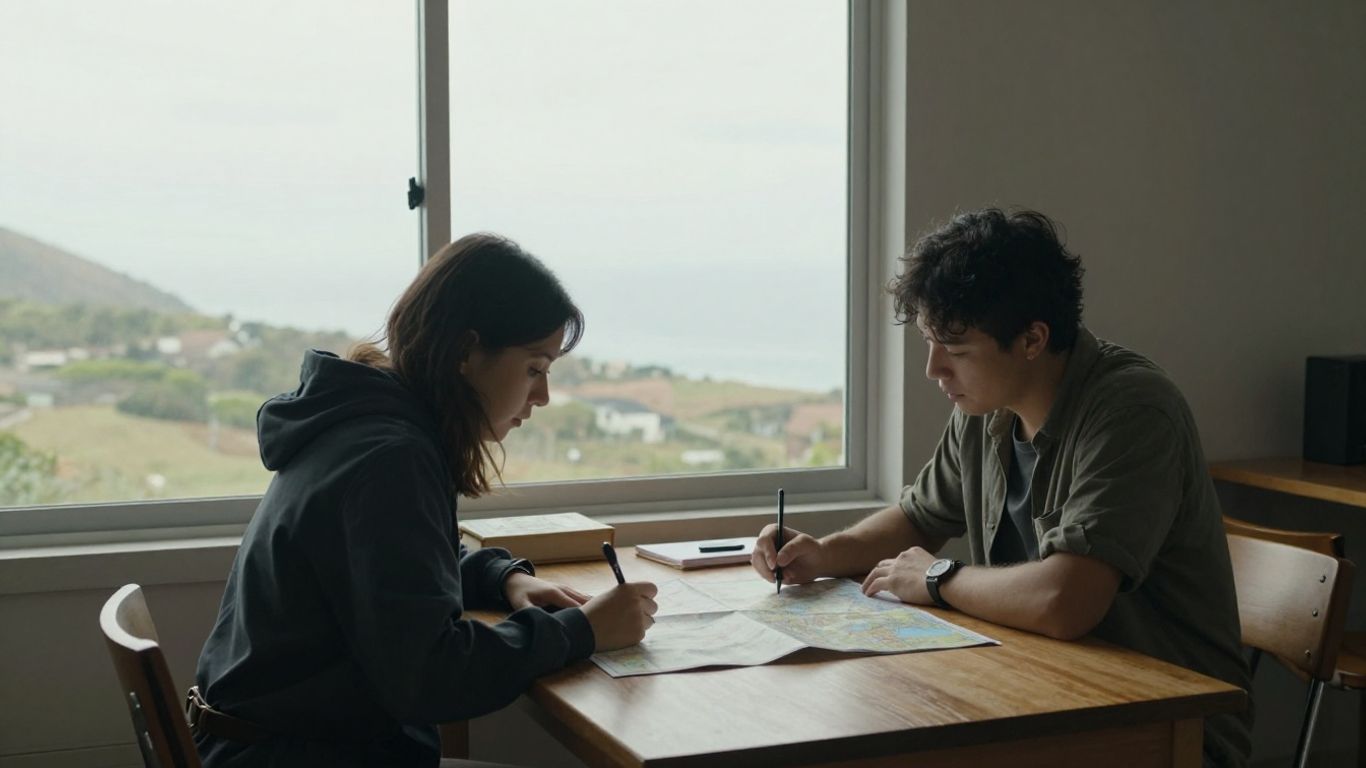 Travelers planning a scenic vacation destination
Match destinations to your interests and travel style
Make a shortlist based on the experiences you actually want, rather than trying to choose the most impressive-sounding place. A city may suit a trip built around food, museums, and easy transit; a rural stay may fit better if quiet walks and open space are the point. Consider whether you like moving between several stops or settling into one place. For solo trips, family travel, or a slow-paced getaway, home-exchange travel ideas can offer another perspective on how a stay may shape the experience.
Compare weather, seasons, and local events
A destination can feel quite different across the year, so look beyond average temperatures. Check daylight, rain, seasonal closures, and whether a local festival or school holiday is likely to affect prices and crowds. An event might be the reason to go, or it might make a quieter week a better fit. If you have fixed dates, compare what will be happening then; if your dates can move, use seasonality as one more way to find the right balance.
Check entry requirements and travel advisories
Before paying for a trip, confirm the entry rules for your nationality and the places on your route. Passport validity, visas, transit rules, and health documentation can differ, and requirements may change. Check current information from official government sources and the relevant destination authorities rather than relying on an old post or a secondhand summary. Keep a note of what you checked and when, then revisit it closer to departure.
Weigh travel time against the length of your vacation
A faraway destination may still be worthwhile, but the journey should fit the amount of time you have. Count the door-to-door travel time, including airport transfers, layovers, and the first night when you may be tired. For a short break, a closer place can leave more hours for the experience itself. On a longer vacation, a more involved route may feel manageable, especially if you avoid packing too many stops into the same trip.
Book transportation and accommodations
With a destination and dates in mind, compare the full trip rather than booking each piece in isolation. A cheap ticket may involve an awkward arrival time, while a convenient place to stay can reduce daily transit. Look at the cost, location, and flexibility together, then save the details in one place. A guide from SwappaHome explains how home exchange works, another option travelers may consider when comparing accommodation arrangements.
Compare flights, trains, and driving options
Compare routes based on total time, cost, and how comfortable they are for your group. Include airport or station transfers, parking, fuel, baggage, and any overnight stop you may need. A direct flight is not always the easiest choice if the airport is far from where you plan to stay, and driving may be less convenient when parking is limited. Choose the option that makes the whole journey workable, not just the first leg.
Choose a neighborhood that fits your plans
A well-placed stay can make ordinary parts of a trip feel easier. Map your likely activities, transit connections, grocery options, and the route from your arrival point before choosing a neighborhood. You may prefer to be near the main sights, or you may welcome a calmer area and a short ride into town. Read recent accommodation details carefully, and check whether the location suits your group's routines as well as your sightseeing plans.
Review cancellation policies and total fees
Before you confirm, look at the full price and the rules that apply if your plans change. Check cancellation deadlines, deposits, taxes, cleaning charges, baggage costs, and any other required fees. A lower initial price can become less attractive if it comes with strict terms or extra costs. Save a copy of the policy alongside the booking so you can find it quickly if you need to make a decision later.
Keep booking details and confirmations together
Once reservations are made, gather the details in a shared folder or a simple travel document. Keep the information easy to access offline, especially when arriving in a new place or moving between connections. It helps to include the following essentials:
- Transportation dates, departure times, and confirmation numbers
- Accommodation addresses, check-in instructions, and contact details
- Reservation windows and tickets for booked activities
- Copies of key policies and receipts
A tidy record makes it easier to answer practical questions without searching through email on the go. Share the relevant details with the people traveling with you, and keep a backup that is available if your phone battery runs low.
Build a flexible vacation itinerary
An itinerary gives the trip shape, but it should not become a test you have to pass. Begin with the experiences you care about most, then leave space for the ordinary pleasures that make a place memorable: a long breakfast, a neighborhood walk, or an unexpected recommendation. You can make a rough plan before departure and still change it once you see how the days feel. A useful schedule is a guide, not a contract.
 Open travel journal beside a map and camera
Group activities by location to reduce travel time
Look at a map and arrange nearby activities on the same day where that feels natural. This can prevent the trip from becoming a series of long crossings between neighborhoods, especially if you are traveling with children or have limited time. Leave some breathing room between stops for meals, transit, and simply getting oriented. A plan that respects distance usually feels better than one that tries to fit every favorite into a single afternoon.
Reserve popular attractions and experiences early
Some activities have limited entry times or sell out during busy periods, so decide which ones matter enough to reserve ahead. Check the official venue or operator for current hours, ticket rules, and arrival instructions. Keep fixed reservations to a manageable number so the rest of the trip can flex around weather, energy, and discoveries. A few well-chosen commitments are often more satisfying than a calendar filled from morning to night.
Leave room for rest and spontaneous plans
Build in pauses rather than assuming everyone will want to keep moving all day. A slower morning or an open afternoon can help the group recover and make room for a chance encounter or local suggestion. If you are traveling with others, agree on when it is fine to split up and how you will reconnect. That kind of flexibility makes the itinerary more useful, not less planned.
Create backup options for bad weather or closures
For each important outdoor plan, think of one alternative that works if the weather turns or a venue is closed. Keep the backup nearby if possible, so a change does not create a long detour. Indoor markets, galleries, cafés, or a relaxed day at your accommodation may suit different trips; choose alternatives that match your interests rather than adding activities just to fill time. Check opening hours again as the date approaches, since schedules can change.
Prepare for a smooth departure
The last few days before leaving are easier when practical details have already been handled. Work through documents, health needs, packing, and home arrangements in small steps instead of trying to remember everything on departure morning. Keep the requirements for your route in view, because even a short trip can involve details that take time to replace or resolve. A calm departure starts with knowing what you need and where it is.
Check passports, visas, and required documents
Check expiration dates and entry requirements for every destination and transit point on your route. Make sure names on bookings match the documents you will use, and store copies separately from the originals. If a visa or other authorization is required, allow time for processing and follow the relevant official instructions. A final review shortly before departure can catch a missed detail while there is still time to address it.
Arrange travel insurance and necessary medications
Consider whether travel insurance suits your route, activities, and personal circumstances, and read the policy details rather than relying on a short summary. Check how to reach the insurer if you need assistance and what documentation may be required. Refill necessary medications before leaving, pack them in their original containers when practical, and check whether any rules apply where you are going. For health questions specific to you, consult a qualified medical professional before the trip.
Pack for the climate, activities, and local customs
Pack from the forecast and your actual itinerary, not from the idea that you might need something for every possibility. Comfortable shoes, layers, and a small number of versatile outfits can work across many trips, while special activities may call for specific gear. Consider local customs when choosing clothing for religious sites or formal settings. A short final check of chargers, glasses, and everyday essentials can prevent a last-minute scramble.
Plan for pets, home security, and bills while away
Make arrangements for pets and plants well before your departure, and leave clear instructions with anyone helping. Secure doors and windows, pause deliveries if needed, and ask a trusted person to keep an eye on the home. Set bills to be paid on time, or make a plan to handle them remotely. These small tasks are easy to overlook, but taking care of them lets you leave with fewer loose ends.
Manage your vacation while you travel
Once the trip begins, the best plan is one you can adjust without feeling that the whole vacation has gone wrong. Keep an eye on practical details, but resist checking every decision against a rigid schedule. A little organization can make it easier to respond to delays, changes in energy, or a place you unexpectedly want to explore. Leave room to experience the trip as it unfolds.
Track spending and keep essential documents accessible
Check your spending occasionally against the budget you set, allowing for days that cost more and others that cost less. Keep essential documents and reservation details accessible, with secure digital copies and a backup where practical. If something changes, note new costs or confirmation details as they happen. A quick, regular check-in is usually enough to help you stay informed without making money management the focus of every day.
Use local transit, maps, and connectivity tools
Before heading out, check the route, service hours, and payment options for local transit. Download maps or important details for offline use if your connection may be unreliable, and make sure you have a practical way to contact your group. Ask locally when a route or custom is unclear; a little help can save time and confusion. Reliable basics make it easier to wander without feeling unprepared.
Adjust plans when delays or unexpected changes arise
When something goes off schedule, pause long enough to understand what can still be changed. Check official updates, contact the relevant provider, and decide which parts of the day matter most to preserve. You may need to skip a stop, shift a reservation, or simply take a longer break. A changed plan is not necessarily a ruined day; often it is just a different version of the trip.
Respect local communities, customs, and natural spaces
Travel more thoughtfully by learning basic local expectations and following guidance at cultural sites and in public spaces. Ask before photographing people, keep noise in mind in residential areas, and follow posted rules on trails or near wildlife. Support local businesses when it fits your plans, and avoid leaving waste behind. Small choices like these help make a visit more considerate for both residents and other travelers.
Conclusion
A smoother vacation comes from thoughtful choices made early and enough flexibility to let the trip breathe. Set priorities, budget realistically, prepare the essentials, and leave room for the moments you could not have planned in advance.
Frequently Asked Questions
How far in advance should I plan a vacation?
Start as soon as you know your likely dates and budget, especially if you need time for documents, popular bookings, or coordinating with other travelers. The right lead time depends on the destination and season, so check the details that matter most first.
How do I plan a vacation on a budget?
Estimate transportation, lodging, meals, and activities before committing, then compare the total with what you can comfortably spend. Choose a daily guide and keep a separate buffer for unexpected costs.
What should I decide before choosing a destination?
Clarify your priorities, travel dates, budget range, trip length, and who is going. Those basics help you judge whether a destination fits the vacation you want, not just whether it sounds appealing.
How many activities should I put in a vacation itinerary?
Plan around a few priorities each day and leave space for meals, transit, rest, and unplanned discoveries. The right number depends on the pace you enjoy and how far apart the activities are.
When should I book transportation and accommodations?
Book once your dates and essential plans are firm enough to compare options, while allowing time to review fees and cancellation terms. For busy seasons or limited-capacity experiences, check availability early.
What should I check before leaving for an international trip?
Review passport validity, visa and transit requirements, current travel advisories, health needs, and your reservation details. Use official sources for entry rules and confirm the information again as departure approaches.
How can I make a vacation less stressful?
Keep essential details organized, avoid scheduling every hour, and prepare a backup for plans that depend on weather or opening hours. When something changes, focus on the next practical decision rather than trying to preserve the original schedule at all costs.

Published by
SwappaHome
SwappaHome Editorial Team
Home Exchange & Slow Travel Editorial
The SwappaHome Editorial Team brings together travel research, home-exchange community insights, and platform data to produce practical guides for first-time and experienced home swappers. Every article cites real platforms, current market rates, and verifiable city-level facts so readers can make informed decisions without guessing.
Ready to try home swapping?
Join SwappaHome and start traveling by exchanging homes. Get 7 free credits when you sign up!