
Japan digital nomad visa: The ultimate guide for remote workers

SwappaHome Editorial Team
Home Exchange & Slow Travel Editorial
Key Takeaways Transitioning to life as a remote worker in Japan is a unique opportunity, provided you navigate the specific regulatory framework set by the…
Key Takeaways
Transitioning to life as a remote worker in Japan is a unique opportunity, provided you navigate the specific regulatory framework set by the government. This guide outlines everything you need to know to make your move a success.
- The visa allows a six-month stay for remote workers from eligible countries.
- You must provide proof of a minimum annual income of 10 million JPY.
- This visa does not lead to permanent residency and is non-renewable.
- Applicants must possess valid private medical insurance with specific coverage levels.
- Strategic planning for housing and banking is essential for a productive stay.
Understanding the Japan digital nomad visa
Japan’s long-awaited immigration policy now accommodates those looking to integrate professional work with the rich, historical tapestry of Japanese culture. This initiative helps remote professionals bypass the restrictions of standard tourist stays, offering a more stable and authorized environment for longer durations. For many, it represents the first official path to living in the country while performing full-time remote roles for foreign-based employers. By securing this digital nomad visa, visitors can immerse themselves in cities ranging from Tokyo to Kyoto without the constant pressure of limited tourist entry timelines.
Purpose and scope of the visa
The primary objective of this program is to foster cultural exchange by enabling skilled international professionals to reside in Japan. It explicitly targets individuals whose employment is tied to organizations located outside of Japan, prohibiting any local employment during the stay. Participants are expected to leverage the country's world-class connectivity and infrastructure to maintain their output while exploring the unique local lifestyle, which is a major draw for those who typically rely on Japan Digital Nomad Visa resources for planning their relocation.
Duration of stay and renewal limitations
Currently, successful applicants are granted a period of stay not exceeding six months. It is important to realize that this specific status is intentionally restrictive; no extensions are permitted under the current guidelines. Furthermore, individuals cannot apply for a renewal of the same visa while remaining in Japan. If you wish to return under the same status, you must depart and remain outside the country for a period of six months before becoming eligible to apply again, as this visa is not a pathway to permanent residency.
Key differences between the digital nomad visa and standard tourist visas
While a standard tourist visa suffices for brief vacations and sightseeing, it never permits remote work activities or extended residence. The new permit treats foreign remote workers as residents rather than mere temporary visitors, creating a professional legal status. This distinction is critical because it mandates compliance with specific documentation, financial disclosures, and insurance obligations that go far beyond the requirements of a typical passport-based entry permit.
Eligibility requirements for applicants
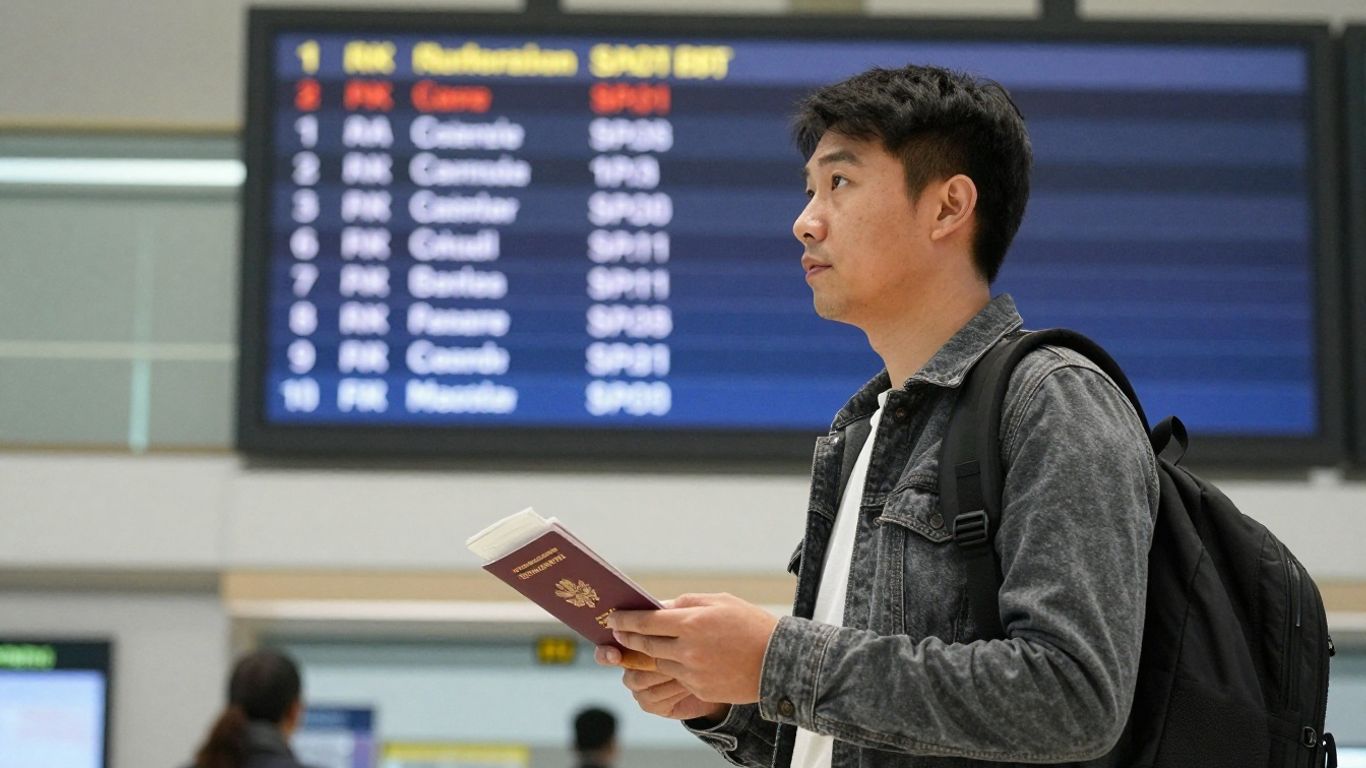 Applicants research travel requirements for entering Japan
The criteria for this program are defined to ensure that all participants are fully established professionals who can support themselves throughout their stay. Qualification hinges on proving that your professional life is entirely independent of the Japanese economy. Before starting, experts suggest you assess these key eligibility factors to confirm your profile matches the current standards.
- Hold citizenship from a country with a reciprocal visa waiver or specific tax treaty arrangement.
- Provide bank statements showing consistent income for the past twelve months.
- Maintain a fully remote employment agreement that explicitly permits working from Japan.
- Ensure your total income satisfies the government-defined annual threshold.
Income thresholds and financial benchmarks
Applicants are expected to demonstrate an annual income of at least 10 million JPY. This bench mark is calculated to ensure that your financial status is robust enough to cover the higher costs of living in major Japanese cities, keeping you independent of any local financial assistance systems. Financial documentation must be thorough, precise, and current at the time of application to avoid delays.
Defining qualifying remote work and employment types
This visa is strictly for individuals who are employed by companies based outside of Japan or who operate as freelancers for international clients. You are effectively acting as an external consultant or employee stationed in Japan, and you cannot accept any form of payment from Japanese firms or entities. Your contract or proof of business must state that you are operating fully through electronic means, relying on internet connectivity as your primary channel for delivery.
Mandatory health insurance and medical coverage standards
Medical security is a non-negotiable component of your application, and regulators are stringent regarding this requirement. You are required to provide proof of private health insurance coverage amounting to at least 10 million JPY for potential medical expenses. This safeguards you against the consequences of unexpected health events and ensures that access to Japan's healthcare system does not become a burden on local services.
Required documentation and application process
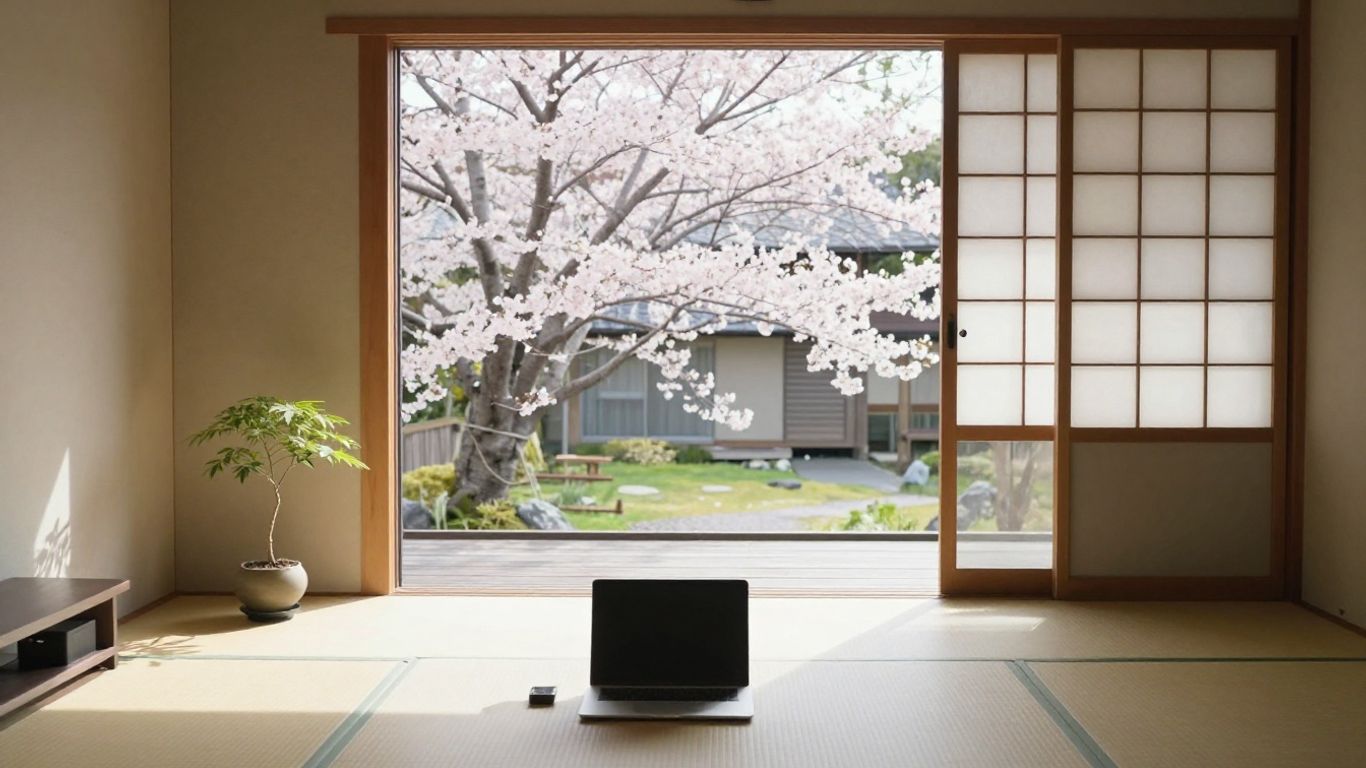 A workspace setup inside a cozy Japanese apartment
Gathering the correct paperwork is an extensive part of the process, and following the official requirements is mandatory for approval. The complexity of documentation means that consistency between your tax forms and your employment contracts is vital to prove your long-term commitment to a remote work lifestyle.
| Document Category | Requirement Detail | Verification Status |
|---|---|---|
| Tax Records | Recent filings confirming income | Verified |
| Employment Contract | Signed, stating remote allowance | Verified |
| Health Coverage | Certificate of 10M JPY policy | Verified |
After finalizing these forms, the application is typically processed through the nearest embassy or consulate. This system ensures that every applicant is screened against national security and public interest standards before they ever land in the country.
Where and how to submit your application
Applications move through the formal diplomatic channels of Japan’s foreign office. You generally submit your materials at the Japanese consulate or embassy within your home country or the country of your current residence. The process often involves a pre-screening phase where you verify your status before submitting your official petition for residency.
Essential documents including tax forms and employment contracts
Your portfolio must include comprehensive evidence of a stable, long-term employment arrangement. Tax forms serve as the ground truth for your income, and they must show a verifiable record of a consistent Digital Nomad Visa salary. Ensure your employment contract clarifies the remote working arrangements, as Japanese officials may seek confirmation of your ability to perform tasks globally.
Handling translation and official document authentication
Any document not presented in Japanese or English must be accompanied by a certified legal translation. Official document authentication is essential; if your tax forms or contracts are not clearly marked or verified by an appropriate authority, they may be rejected by the consular representative. Professionals advise using accredited services to prevent errors during the verification workflow.
Financial and tax implications for digital nomads
Individuals settling into the country must reconcile their financial activities with the local laws of the land. While you are working remotely, the length of your stay may trigger specific local administrative obligations if you are not careful about your residency status. For this reason, many workers find it necessary to consult with professional tax advisors who specialize in international movement.
Reporting income and local tax obligations in Japan
Although holders of this visa are meant to be temporary residents, they should prepare for standard reporting of their financial situation if their stay overlaps with tax assessment periods. It is essential for professional success to keep all your books in perfect order, as Japan maintains strict standards regarding any income generated and held while within its borders. Mismanagement of these reporting duties could significantly impact your future ability to visit or enter the country.
Understanding tax treaty considerations for foreign nationals
Japan has established tax treaties with various nations to prevent the double taxation of income for global professionals. You should verify your home country’s specific treaty details, as these dictate whether your remote paycheck is subject to Japanese income assessment. Proactively identifying these treaties allows you to manage your withholdings and avoid unexpected debt before you arrive.
Managing banking and payment solutions while working abroad
Accessing your funds efficiently requires planning before you leave your home base. Local banks might hesitate to open accounts for visa holders with short-term status, so maintaining an international account with low foreign exchange fees is often the best strategy. Use reliable global services to ensure that your home income translates smoothly into Japanese yen without losing value through high transactional overheads.
Living in Japan as a remote worker
Finding a balanced life requires local knowledge and the right tools for effective, day-to-day productivity. SwappaHome matches remote workers with WiFi-equipped homes and dedicated workspaces, providing a stable environment to focus on projects that might otherwise struggle in generic lodging. By prioritizing your physical workspace, you ensure that the high quality of your output remains consistent despite the geographic change.
Strategies for finding short-term housing and workspaces
You will find that the traditional property market in Japan is quite rigid, so look toward modern, flexible platforms for your accommodation. It is often wise to seek out services that focus on fully furnished properties to avoid the high upfront costs of decorating or setting up a standard residential space. Many nomads thrive in homes that offer pre-tested fiber-optic connections, which are crucial for high-quality video conferencing.
Leveraging local infrastructure and co-working culture
Japan possesses an incredible array of co-working spaces and quiet cafes, especially in urban centers like Tokyo and Osaka. These environments offer more than just a desk; they provide a community of professionals and allow you to separate your workspace from your personal life. Engaging with these spaces is a great way to experience the home exchange lifestyle, meeting locals in a natural, collaborative setting.
Staying compliant with visa terms and local regulations throughout your stay
Always maintain a copy of your visa approval nearby and be aware of your residency dates. Compliance is not just about rules; it is about respecting the culture that has granted you entry for work purposes. Should you find yourself needing to leave abruptly or change your situation, notify the relevant immigration authority promptly to keep your record clean for any future applications.
Conclusion
Embarking on a work journey in Japan offers an unparalleled blend of professional continuity and deep cultural experience, provided you adhere to the regulatory benchmarks designed for the program. By carefully securing insurance, proving your income eligibility, and utilizing tools like SwappaHome for your logistical needs, you can enjoy a productive six-month residency in one of the world's most fascinating nations.
Frequently Asked Questions
Can I extend my digital nomad visa while in Japan?
No, the current policy does not allow for extensions; you must leave the country at the end of your six-month term.
Are my spouse and children allowed to accompany me?
Yes, the program allows for the inclusion of spouses and children under a specific dependent visa status that mirrors your duration of stay.
What happens if I lose my remote job while in Japan?
Because the visa is tied to your remote employment, losing your job complicates your status, and you may be required to depart the country as you are no longer meeting the active employment eligibility criteria.
Is the application process entirely online?
While some preliminary checks may be done electronically, the submission and stamping of your passport typically require interaction with a physical Japanese embassy or consulate.
Can I earn local Japanese currency during my stay?
No, you are strictly prohibited from engaging in any employment that pays you via a Japanese entity, even if you are providing remote services to them.
Do I need to be a permanent resident of my current country?
You must prove that you have legal work status in your home country, which helps verify that you are a legitimate remote employee rather than a tourist attempting to bypass standard immigration.
How often can I re-apply for this visa?
You are eligible for a new application once you have lived outside of Japan for at least six consecutive months following your previous departure.

Published by
SwappaHome
SwappaHome Editorial Team
Home Exchange & Slow Travel Editorial
The SwappaHome Editorial Team brings together travel research, home-exchange community insights, and platform data to produce practical guides for first-time and experienced home swappers. Every article cites real platforms, current market rates, and verifiable city-level facts so readers can make informed decisions without guessing.
Ready to try home swapping?
Join SwappaHome and start traveling by exchanging homes. Get 7 free credits when you sign up!