
Organize Long-Term Home Exchanges: Save $12K+ Authentically

SwappaHome Editorial Team
Home Exchange & Slow Travel Editorial
Organize Long-Term Home Exchanges: Save $12K+ Authentically !Two couples exchanging keys in living room Finding affordable long-term travel...
Organize Long-Term Home Exchanges: Save $12K+ Authentically
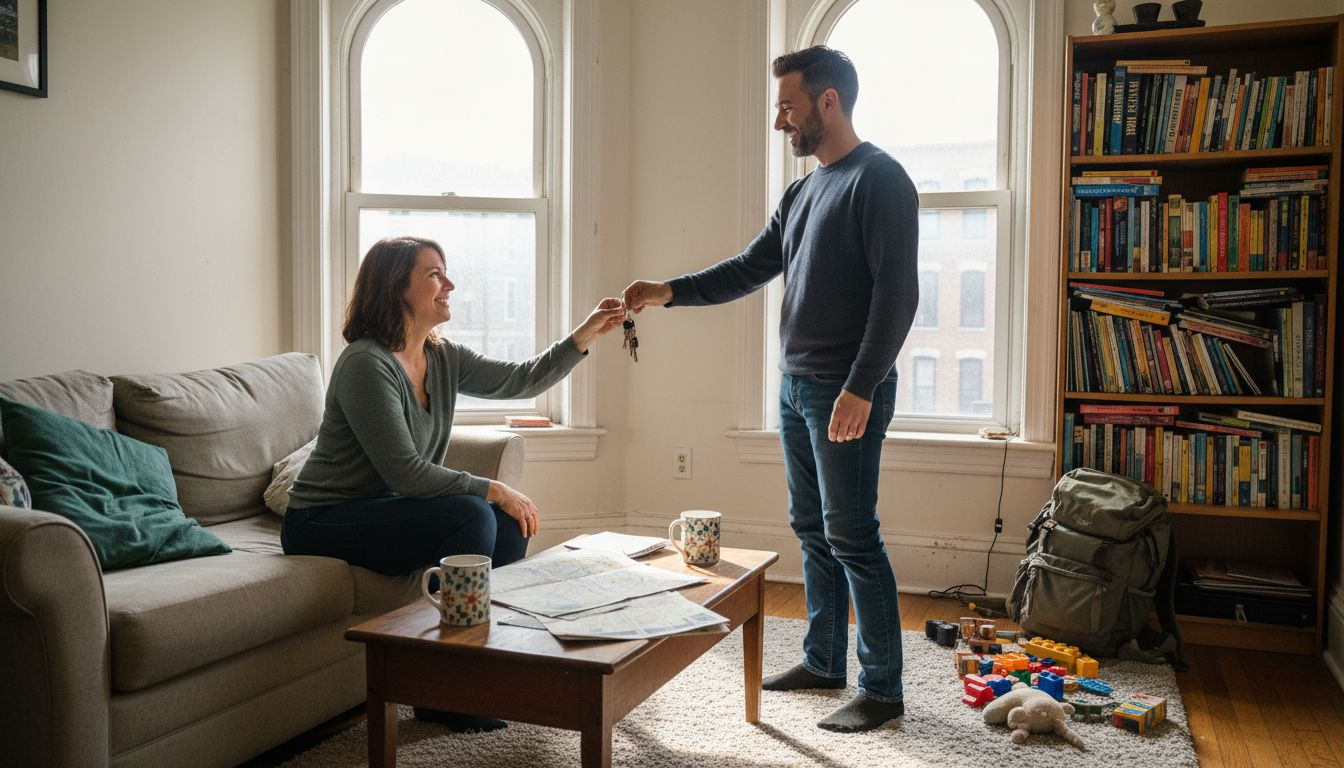 Two couples exchanging keys in living room
Finding affordable long-term travel accommodation that feels authentic is nearly impossible. Hotels drain budgets fast, and rentals often lack the local flavor you crave. Long-term home exchanges solve both problems by letting you swap homes with verified members for 30+ days, saving thousands while immersing yourself in genuine community life. This guide walks you through the complete process from preparation to execution.
Table of Contents
- Understanding Long-Term Home Exchange
- Preparation Prerequisites Before You Start
- Finding and Selecting Exchange Partners
- Communication and Finalizing the Exchange Agreement
- Common Mistakes and How to Troubleshoot
- Expected Outcomes and Benefits
- Safety and Trust Considerations
- Alternative Exchange Approaches and Tradeoffs
- Discover Seamless Long-Term Home Exchanges With SwappaHome
- Frequently Asked Questions About Organizing Long-Term Home Exchanges
Key Takeaways
| Point | Details |
|---|---|
| Definition and Duration | Long-term home exchange typically involves swapping homes for 30 days or more, allowing travelers to truly settle into the local community and culture. |
| Cost Savings Potential | Long-term home exchanges can save travelers over $12,000 in accommodation for a three-month stay. |
| Planning Timeline | Planning 6-18 months ahead and preparing a detailed home profile with photos and clear rules is crucial for successful exchanges. |
| Trust and Safety | Verifying member identities and reviews, using local contacts, and following platform safety guidelines are essential for safe home exchanges. |
| Exchange Models | Simultaneous swaps require matching exact dates and build higher trust while non-simultaneous allow flexibility but use credit systems. |
Understanding Long-Term Home Exchange
Long-term home exchange means swapping your home with another verified member for 30 days or more. This extended duration transforms you from tourist to temporary resident, giving you time to explore neighborhoods, shop at local markets, and build genuine connections.
The financial benefits are massive. Accommodation typically represents 30-40% of travel costs, and eliminating this expense frees up money for experiences, dining, and exploration. A three-month exchange can save you over $12,000 compared to renting or hotel stays.
Beyond savings, you gain authentic cultural immersion. You live where locals live, not in tourist districts. You navigate daily routines, discover hidden cafes, and experience the rhythm of community life. Many exchangers report forming lasting friendships and gaining insights no guidebook provides.
Successful long-term exchanges happen when both parties approach the arrangement with clear communication and mutual respect:
- Retirees exploring new regions for extended periods
- Remote workers combining professional duties with cultural exploration
- Families seeking immersive educational experiences for children
- Sabbatical takers living abroad while maintaining home ownership
"The beauty of long-term exchange is you stop being a visitor and start being a neighbor. You understand the local bus schedule, know which bakery makes the best bread, and wave to familiar faces on morning walks."
This depth of experience creates memories and connections that brief vacations cannot match. You return home with a genuine understanding of another culture and often a network of friends across the globe.
Preparation Prerequisites Before You Start
Successful long-term exchanges require thorough preparation months before your travel dates. Starting early gives you time to find ideal matches and build trust with potential partners.
First, join a trusted home exchange platform with verified members. Look for services that screen participants, verify identities, and maintain active communities. Platforms with dedicated long-term exchanger groups provide valuable resources and connection opportunities.
Next, create a detailed home listing that showcases your space authentically:
- Take 15-20 high-quality photos showing every room, outdoor spaces, and neighborhood features
- Write honest descriptions of amenities, quirks, and local attractions
- List clear house rules covering pets, smoking, guest policies, and maintenance expectations
- Specify available dates with flexibility ranges
- Include information about transportation, parking, and essential services nearby
Timing matters enormously. Planning 6-18 months ahead increases your chances of finding compatible partners significantly. Popular destinations and peak seasons require even longer lead times. Starting early also allows multiple conversations with potential partners before committing.
Prepare your home physically well before the exchange:
- Deep clean every space and declutter personal items
- Create a detailed home manual covering appliances, utilities, wifi, emergency contacts, and local recommendations
- Arrange mail forwarding or have a trusted local friend collect important correspondence
- Set up automatic bill payments to avoid missed deadlines
- Prepare a welcome basket with essentials like coffee, tea, and local treats
Research visa requirements early. Some countries allow tourist visits up to 90 days without special permission, while others require specific visas for extended stays. Processing times vary widely, so investigate requirements at least six months before your planned exchange.
Pro Tip: Join platform community groups specifically for long-term exchangers. Members share valuable advice about preparation, partner selection, and troubleshooting common challenges you would not discover alone.
Finding and Selecting Exchange Partners
Finding the right partner makes the difference between a stressful experience and a transformative one. Use platform search tools strategically to identify compatible matches.
 Woman completing home exchange profile online
Start with filters focusing on long-term availability. Many platforms let you search by minimum stay duration, travel dates, and location preferences. Narrow results to members actively seeking 30+ day exchanges rather than those primarily offering short stays.
Prioritize partners with flexible schedules. Retirees, remote workers, academics on sabbatical, and location-independent professionals typically offer more date flexibility than those with rigid vacation allowances. This flexibility makes coordination easier and reduces scheduling stress.
Join and participate actively in long-term exchanger community groups. These groups facilitate introductions, allow you to showcase your home, and help you learn from experienced members. Regular participation builds your reputation and increases visibility to potential partners.
When evaluating profiles, look for these compatibility indicators:
- Detailed listings with quality photos and thorough descriptions
- Active platform participation and positive reviews from previous exchanges
- Similar home care standards and lifestyle expectations
- Clear communication style and responsiveness to inquiries
- Shared interests or life circumstances that suggest mutual understanding
Initiate contact with personalized messages. Reference specific details from their listing that appeal to you and explain why your home might suit their needs. Generic messages rarely generate responses.
Pro Tip: Consider partners in locations slightly off typical tourist paths. These members often receive fewer exchange requests despite offering wonderful experiences, making them more available and enthusiastic about hosting.
Ask substantive questions early to gauge compatibility. Inquire about their motivations for long-term exchange, previous experience, and specific expectations. Partners who respond thoughtfully and ask reciprocal questions demonstrate the communication quality you need for successful exchanges.
Communication and Finalizing the Exchange Agreement
Clear communication prevents misunderstandings and builds the trust essential for long-term exchanges. Start conversations early and maintain regular contact throughout planning.
Discuss dates precisely. Clarify exact arrival and departure times, key handover procedures, and flexibility ranges if unexpected circumstances require adjustments. Confirm timezone references to avoid confusion with international partners.
Align on house rules and expectations explicitly:
- Guest policies (can you host visitors or have friends stay overnight?)
- Pet care responsibilities if applicable
- Plant watering and garden maintenance
- Cleaning standards and departure expectations
- Utility usage norms and any cost-sharing arrangements
- Vehicle use if cars are part of the exchange
Appoint local contacts for both parties. Designate a trusted neighbor, friend, or property manager who can handle emergencies, answer questions, and provide support if issues arise. Share complete contact information for these individuals.
Document everything in writing when possible. While formal contracts are uncommon in home exchange, detailed email confirmations covering dates, responsibilities, and agreements protect both parties. Many platforms provide agreement templates you can customize.
Maintain communication frequency appropriate to the timeline. Three to six months before the exchange, monthly check-ins work well. As dates approach, increase to bi-weekly or weekly conversations. During the exchange, quick weekly messages confirm everything runs smoothly and address minor issues before they escalate.
Share comprehensive home information at least one month before arrival. Your home manual should cover everything from quirky door locks to recommended doctors and veterinarians. The more detail you provide, the more comfortable your exchange partner feels.
Plan your arrival and departure carefully. If possible, overlap by a day to meet in person, demonstrate home systems, and transfer keys personally. If schedules prevent overlap, arrange key exchange through your local contact and schedule a video call for the virtual home tour.
Common Mistakes and How to Troubleshoot
Even experienced exchangers encounter challenges. Recognizing common pitfalls helps you avoid them entirely.
-
Starting too late. Planning less than six months in advance severely limits your options and forces rushed decisions. Popular destinations book quickly for long-term stays. Solution: Begin searching 12-18 months ahead for peak seasons and 6-12 months for flexible timing.
-
Vague communication. Assumptions about house rules, cleanliness standards, or responsibilities cause most exchange conflicts. Solution: Over-communicate expectations. Use video calls to walk through your home virtually and discuss potential concerns directly.
-
Neglecting logistics. Forgetting to arrange mail forwarding, missing bill payments, or failing to research visa requirements creates unnecessary stress. Solution: Create a comprehensive checklist three months before departure covering all administrative tasks.
-
Ignoring red flags. Partners who communicate poorly during planning rarely improve during the exchange. Solution: Trust your instincts. If someone seems difficult or unresponsive before the exchange, politely decline and continue searching.
-
Skipping safety protocols. Failing to verify member identities or check reviews risks security and trust. Solution: Always verify platform membership status, read all available reviews, and conduct video calls before finalizing arrangements.
-
Setting unrealistic expectations. Expecting hotel-level service or perfection from another person's home guarantees disappointment. Solution: Approach exchanges with flexibility and appreciation for the opportunity rather than demanding standards.
Pro Tip: Create a problem-solving protocol before departure. Agree with your partner on how you will handle minor issues (contact each other first) versus emergencies (contact local representative immediately). Knowing the process reduces anxiety if challenges arise.
When problems occur during an exchange, address them promptly and constructively. Document issues with photos if needed, communicate calmly with your partner, and involve platform support if resolution proves difficult. Most challenges stem from miscommunication rather than bad intentions.
Expected Outcomes and Benefits
Long-term home exchanges deliver concrete financial savings and intangible cultural benefits that justify the planning effort.
The cost advantage is substantial. Compare these typical accommodation costs for a three-month stay:
| Accommodation Type | Estimated 3-Month Cost | Savings vs. Exchange |
|---|---|---|
| Home Exchange | $0-500 (platform fees) | Baseline |
| Budget Hotel | $9,000-15,000 | $8,500-14,500 |
| Vacation Rental | $12,000-20,000 | $11,500-19,500 |
| Extended Stay Hotel | $10,000-18,000 | $9,500-17,500 |
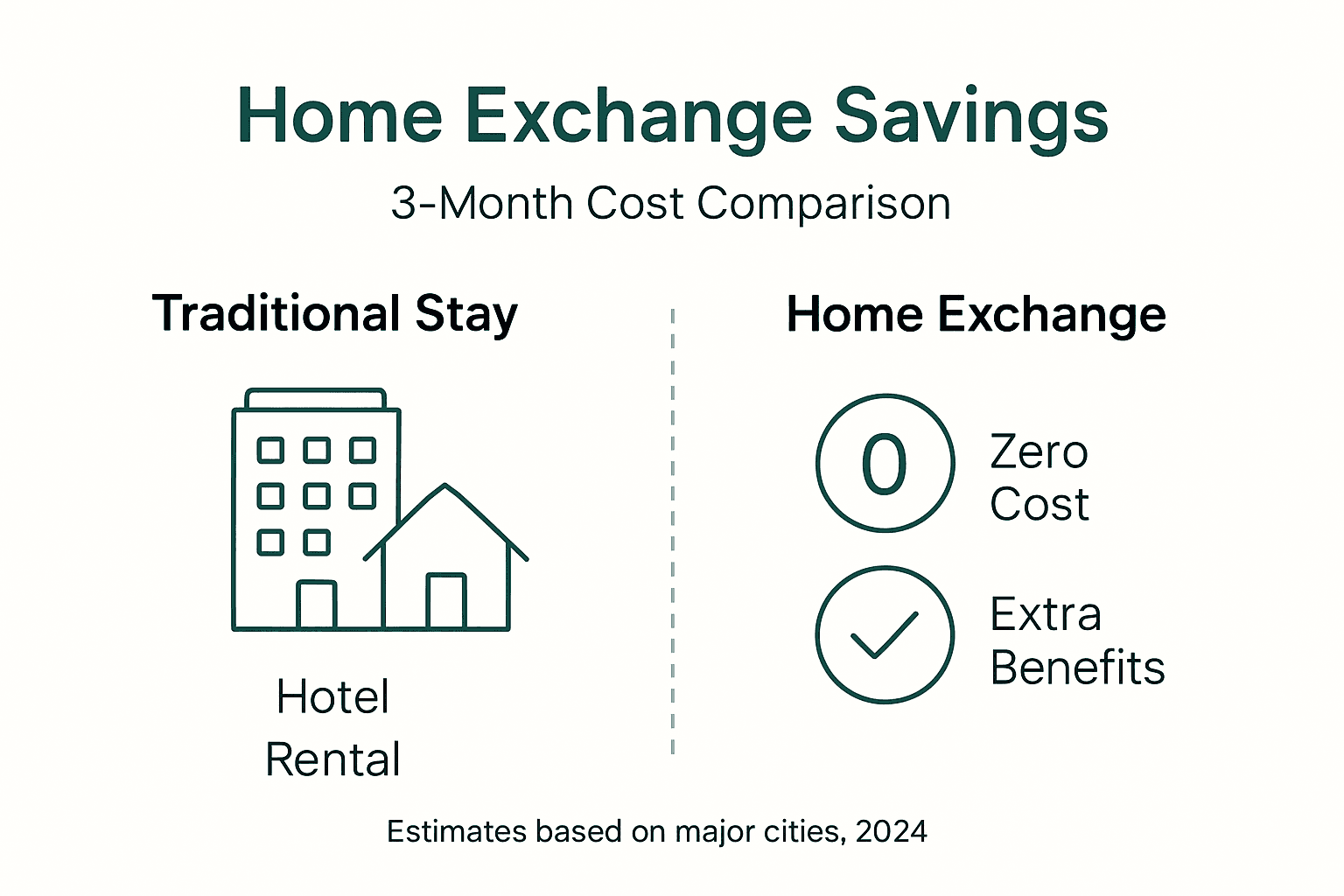 Home exchange versus traditional travel costs infographic
Savings exceeding $12,000 for three months represent real money you can redirect toward experiences, dining, local activities, or future travel. For families or couples, these savings multiply dramatically.
Beyond finances, cultural immersion provides value no hotel can match. Living in residential neighborhoods connects you with authentic local life:
- Shopping at neighborhood markets and forming relationships with vendors
- Discovering local festivals and community events tourists miss
- Understanding daily rhythms and regional customs through lived experience
- Building genuine friendships with neighbors and your exchange partner's social network
You join a global community of over 46,000 verified exchangers who share your values of cultural exchange and sustainable travel. This network opens doors to future exchanges worldwide and creates lasting international connections.
Long-term exchanges prove feasible for stays ranging from one month to nearly a year. The flexibility lets you design experiences matching your goals whether you seek a month-long cultural deep dive, a summer abroad with children, or a six-month sabbatical exploration.
Many exchangers report unexpected benefits like improved language skills, expanded worldviews, and renewed appreciation for their own communities after experiencing life elsewhere. The personal growth from extended cultural immersion exceeds typical vacation outcomes significantly.
Safety and Trust Considerations
Trust forms the foundation of successful home exchanges. Take concrete steps to build confidence and manage risks effectively.
Verify platform membership and review histories thoroughly. Check that potential partners have completed identity verification, read all available reviews from previous exchanges, and look for consistent positive feedback. Members with extensive exchange histories and detailed profiles typically prove more reliable.
Conduct video calls before finalizing arrangements. Virtual meetings let you assess communication compatibility, ask detailed questions about their home and expectations, and get a sense of their personality. Most trustworthy exchangers welcome opportunities to connect personally.
Designate and introduce local contacts early. These trusted individuals provide essential backup if problems arise:
- Someone who can access your home in emergencies
- A person familiar with your home systems and local services
- An intermediary who can facilitate communication if direct contact becomes difficult
- A local resource for your exchange partner's questions
Maintain open communication throughout the exchange. Regular check-ins demonstrate mutual respect and create opportunities to address small concerns before they grow. Quick messages confirming everything runs smoothly build confidence for both parties.
Follow platform safety guidelines meticulously. These protocols exist because they work. Never conduct exchanges outside platform systems, always document agreements in writing, and use platform messaging for important communications to maintain records.
"Trust in home exchange builds gradually through consistent, transparent communication. When both parties prioritize clear dialogue and mutual respect, safety concerns diminish naturally."
Secure valuables and personal documents before departure. While exchangers respect your home, reducing temptation and protecting privacy benefits everyone. Store important items in a locked closet or off-site storage.
Consider home exchange insurance for added peace of mind. Some platforms offer coverage options, and certain homeowner policies extend protection to exchange situations. Verify your coverage and discuss insurance with your partner to ensure both homes have appropriate protection.
Alternative Exchange Approaches and Tradeoffs
Two primary models serve long-term exchangers, each with distinct advantages and considerations. Understanding both helps you choose the approach matching your flexibility and preferences.
Simultaneous exchanges require matching exact dates. You occupy your partner's home while they stay in yours, creating natural accountability and trust. This model works best when both parties have flexible schedules and can coordinate timing.
Advantages of simultaneous exchanges:
- Higher trust since both homes are occupied simultaneously
- No credit or point systems needed
- Simpler logistics with direct reciprocal arrangements
- Reduced security concerns about vacant homes
Challenges include finding partners with compatible timing and locations that match your interests. The coordination requires more planning but delivers clearer expectations.
Non-simultaneous exchanges allow timing flexibility through credit or point systems. You host at one time and use earned credits to stay elsewhere later. This model suits those with rigid work schedules or specific destination requirements.
| Feature | Simultaneous Exchange | Non-Simultaneous Exchange |
|---|---|---|
| Date Flexibility | Low (must match dates) | High (host and travel separately) |
| Trust Dynamics | Higher (mutual occupancy) | Moderate (platform-mediated) |
| Partner Pool | Smaller (matching required) | Larger (timing independent) |
| Complexity | Lower (direct swap) | Higher (credit management) |
| Best For | Flexible schedules | Fixed vacation periods |
Consider your personal circumstances when choosing. If you have flexible timing and value simplicity, pursue simultaneous exchanges. If work constraints or specific destination requirements limit flexibility, non-simultaneous arrangements expand your options.
Some platforms support both models, letting you adapt your approach based on each specific opportunity. Starting with shorter simultaneous exchanges builds experience and trust before attempting more complex non-simultaneous arrangements.
Discover Seamless Long-Term Home Exchanges with SwappaHome
Ready to transform how you experience extended travel? SwappaHome connects you with verified homeowners worldwide who share your passion for authentic cultural exchange and cost-effective travel.
Our platform specializes in facilitating meaningful home exchanges that go beyond accommodation to create genuine connections. Access detailed listings from thousands of members, use intuitive search tools to find ideal matches, and benefit from a simple credit system that makes non-simultaneous exchanges straightforward.
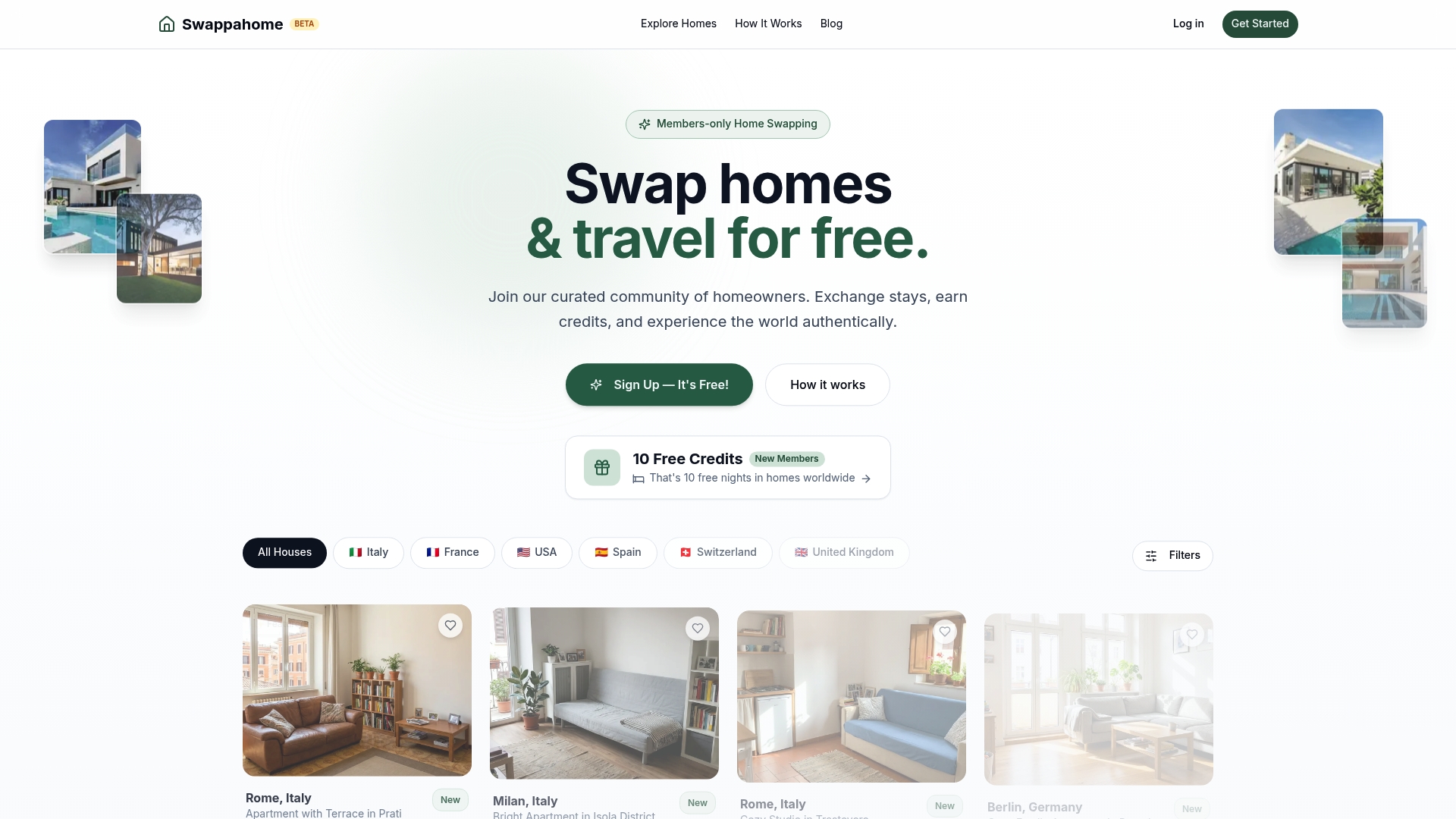 https://swappahome.com
Join a community built on trust where identity verification, member reviews, and clear communication protocols ensure safety and peace of mind. Whether you seek a month in Mediterranean Europe, a summer exploring Asian cultures, or a winter in South American cities, SwappaHome connects you with partners who make extended stays possible.
Start your long-term exchange journey today with free initial credits and access to our global network of adventurous homeowners.
Frequently Asked Questions About Organizing Long-Term Home Exchanges
How far in advance should I plan a long-term home exchange?
Start planning 12-18 months ahead for popular destinations during peak seasons and 6-12 months for flexible timing. This lead time gives you adequate opportunity to find compatible partners, build trust through extended communication, and handle logistics like visa applications. Early planning also provides backup options if initial arrangements fall through.
What are the best ways to build trust with exchange partners?
Conduct video calls to meet virtually and assess communication compatibility directly. Share detailed information about your home honestly including any quirks or limitations. Provide references from previous exchanges or community members who can vouch for your reliability. Maintain consistent communication throughout the planning process and respond promptly to questions.
How do I handle mail and bills during a long-term exchange?
Set up automatic bill payments for all utilities, mortgages, and recurring expenses before departure. Arrange mail forwarding to a trusted friend or family member who can scan important documents. Consider using digital billing statements exclusively to minimize physical mail. Provide your exchange partner with emergency contact information for your local representative who can handle unexpected issues.
Can remote workers benefit from long-term home exchanges?
Absolutely. Remote workers represent ideal exchange partners because they can travel for extended periods while maintaining income. Verify reliable internet connectivity before finalizing exchanges and discuss workspace availability with your partner. Many digital nomads use long-term exchanges to explore new regions affordably while continuing professional work.
What safety checks should I perform before confirming an exchange?
Verify the partner completed platform identity verification and review their exchange history thoroughly. Conduct video tours of both homes to confirm listings match reality. Check that they have positive reviews from previous exchanges. Confirm they have designated a local contact person. Review platform safety guidelines together and discuss emergency protocols explicitly before finalizing arrangements.
Recommended
- Long-Term Home Exchange: Complete Guide to Extended Stays | SwappaHome
- Home Exchange Savings: Real Numbers From 40+ Swaps | 2024 Guide
- Exchanging Homes Internationally: True Cost Savings | SwappaHome Blog
- Why Join a Home Exchange Community: Real Value Unpacked | SwappaHome Blog
- 7 smart ways to save on cruises for modern travelers
- Why Guest Houses Over Hotels – Authentic, Affordable Choice

Published by
SwappaHome
SwappaHome Editorial Team
Home Exchange & Slow Travel Editorial
The SwappaHome Editorial Team brings together travel research, home-exchange community insights, and platform data to produce practical guides for first-time and experienced home swappers. Every article cites real platforms, current market rates, and verifiable city-level facts so readers can make informed decisions without guessing.
Ready to try home swapping?
Join SwappaHome and start traveling by exchanging homes. Get 7 free credits when you sign up!