
How to Prepare Your Home for a Swap: The Complete Checklist That Actually Works

SwappaHome Editorial Team
Home Exchange & Slow Travel Editorial
Learn exactly how to prepare your home for a swap with this tested checklist covering cleaning, safety, guest essentials, and the personal touches that earn 5-star reviews.
The night before my first home swap guest arrived, I found myself on hands and knees at 11 PM, scrubbing grout between bathroom tiles like my life depended on it. What had I gotten myself into?
Seven years and more than 40 swaps later, I can tell you this: preparing your home for a swap absolutely does not require midnight panic cleaning. It just requires a system—one I've refined through plenty of trial and error so you don't have to.
Here's my frustration with most home swap prep advice. It's either insultingly obvious ("clean your house!") or so exhaustive you'd need a week off work to implement it. What I've put together over dozens of exchanges is something different: a practical checklist covering what guests actually need, skipping what they don't, and—crucially—won't leave you exhausted before your own trip even begins.
 Bright, welcoming living room with fresh flowers on a coffee table, plush throw blankets on a mid-ce
Why This Matters More Than You'd Think
Real talk: how you prepare your home directly shapes your reviews, your platform reputation, and the quality of swaps you'll land in the future. I learned this lesson during my third exchange when a lovely couple from Copenhagen mentioned—very politely, bless them—that they couldn't figure out my coffee maker.
They spent their first San Francisco morning drinking instant.
Instant coffee. In San Francisco. I still cringe thinking about it.
The thing is, preparation goes way beyond cleanliness. It's about crafting an experience where guests feel genuinely welcomed, properly informed, and comfortable enough to actually relax. Nail this, and you get glowing reviews. Those reviews build your reputation on SwappaHome's community rating system. And that reputation? It's your ticket to that converted barn in Tuscany or the apartment overlooking the Seine.
You're not just lending someone your space. You're giving them the gift of feeling at home somewhere entirely new. That's the whole magic of this.
The Deep Clean: What Actually Deserves Your Energy
Let me save you from my grout-scrubbing fate. Some things guests genuinely notice. Others? They couldn't care less.
High-Priority Areas
The bathroom is non-negotiable. I don't care if everything else has a light dust layer—the bathroom needs to sparkle. Toilet, shower, sink, mirror. And if your shower curtain liner is looking tired, replace it. A new one runs maybe $8-15 at Target and makes a disproportionate difference.
Kitchen comes next. Clear those countertops completely, then wipe everything down. Clean inside the microwave—everyone forgets this until they actually open it. Empty and wipe down the refrigerator, and I mean really empty it. Nothing screams "afterthought" like guests discovering your three-week-old pad thai lurking in the back.
Bedding is where I invest serious effort. Fresh sheets, obviously. But also think about pillows—I keep two sets, one firm and one soft, because nothing ruins sleep faster than the wrong pillow. Make the bed hotel-style: tight corners, decorative pillows if you've got them, maybe a folded throw at the foot.
What You Can Actually Skip
The inside of your oven, unless it's visibly horrifying. Tops of door frames. That closet you've been meaning to organize for three years—just keep it closed. Behind the couch.
Guests aren't conducting white-glove inspections. They're on vacation.
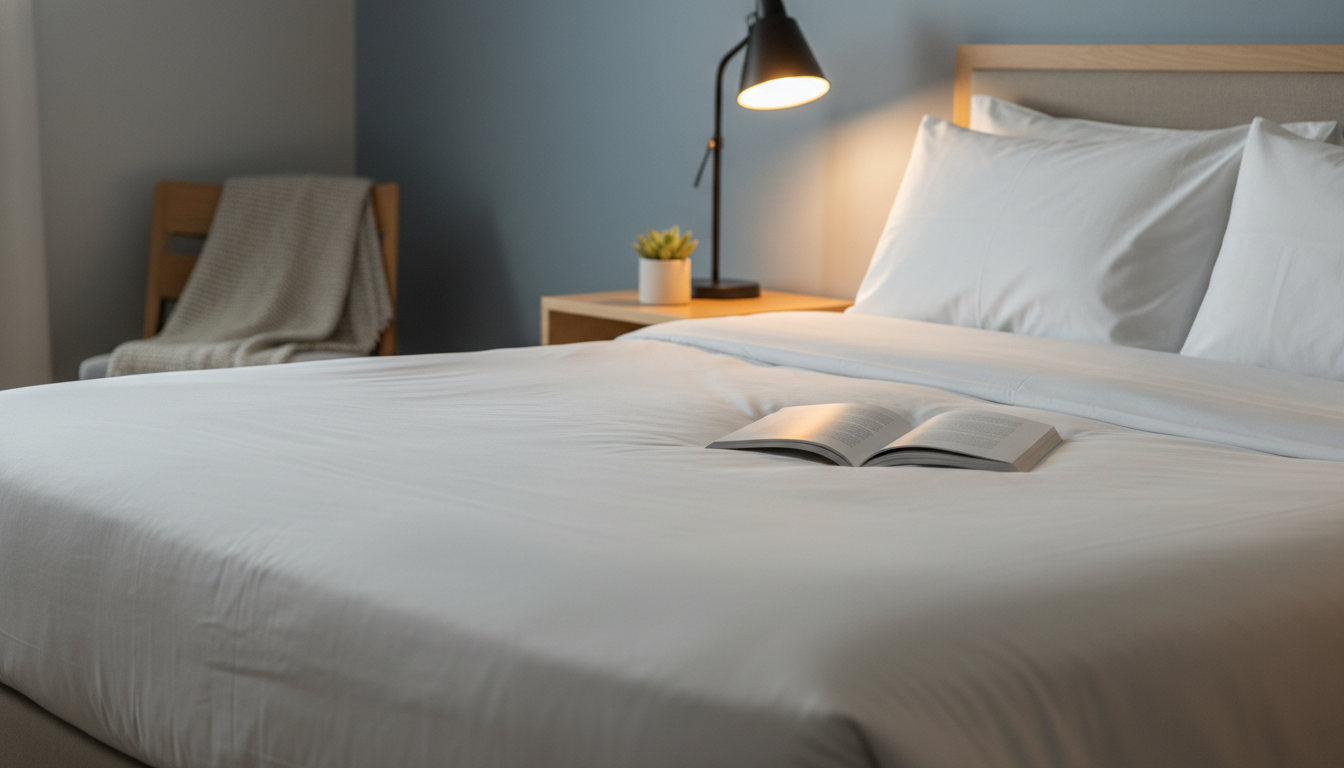 Close-up of crisp white hotel-style bedding on a queen bed with a small succulent on the nightstand
Decluttering: Finding the Sweet Spot
This is where people swing to extremes. You don't need to transform your home into a sterile Airbnb—honestly, part of home swapping's charm is staying somewhere that feels genuinely lived-in. But you do need to create space for guests to exist.
Clear These Completely
Your guests need room to unpack. I aim for at least one empty dresser drawer per person and roughly two feet of hanging closet space. Bathroom counter should be cleared except for hand soap. Empty at least one kitchen cabinet for groceries—I usually clear two pantry shelves and a fridge section.
Nightstands should have nothing but a lamp and maybe a clock. People need somewhere for their phone, book, water glass, midnight snack. Give them that surface.
What About Your Stuff?
I keep one closet as my "personal lockup"—important documents, jewelry, anything sentimental, and my more embarrassing book collection all go there. A simple combination lock (about $12 on Amazon) secures it, and I mention this in my welcome guide. No one's ever been offended. Most guests actually appreciate knowing their own valuables have a secure spot too.
Photos can stay. Books stay on shelves. Art stays on walls. These things make your home feel like a home rather than a rental unit. Just remove anything you'd be devastated to lose.
One thing I always handle: mail. I set up a temporary USPS hold (free and easy online) and ask a neighbor to grab packages. Nothing makes guests more uncomfortable than watching your bills and credit card offers pile up on the doormat.
The Guest Essentials Kit
After years of swapping, I've developed what I call my "first 24 hours" philosophy. Your guests will arrive tired, possibly jet-lagged, probably hungry, definitely wanting a shower. Everything they need for that first day should be ready and obvious.
Bathroom
Fresh towels—at least two per person, plus hand towels and a bath mat. I also leave a small basket with travel-size toiletries: shampoo, conditioner, body wash, toothpaste. Not because I assume my guests can't pack properly, but because luggage gets lost, things get forgotten, and having these basics means they don't have to hunt down a CVS at 10 PM.
A decent toiletry basket runs about $15-20 at TJ Maxx or Target. Worth every penny.
Kitchen
I leave what I call a "welcome pantry": coffee (both whole bean and ground—people have opinions), tea, sugar, salt, pepper, olive oil, and some non-perishable snacks. Some hosts leave wine or local treats, which is lovely but not required.
Make sure you have cooking basics: a sharp knife (so many homes have only dull knives—a personal pet peeve), cutting board, decent pan, pot, basic utensils. You don't need Williams Sonoma levels of equipment, but guests should be able to make a simple meal.
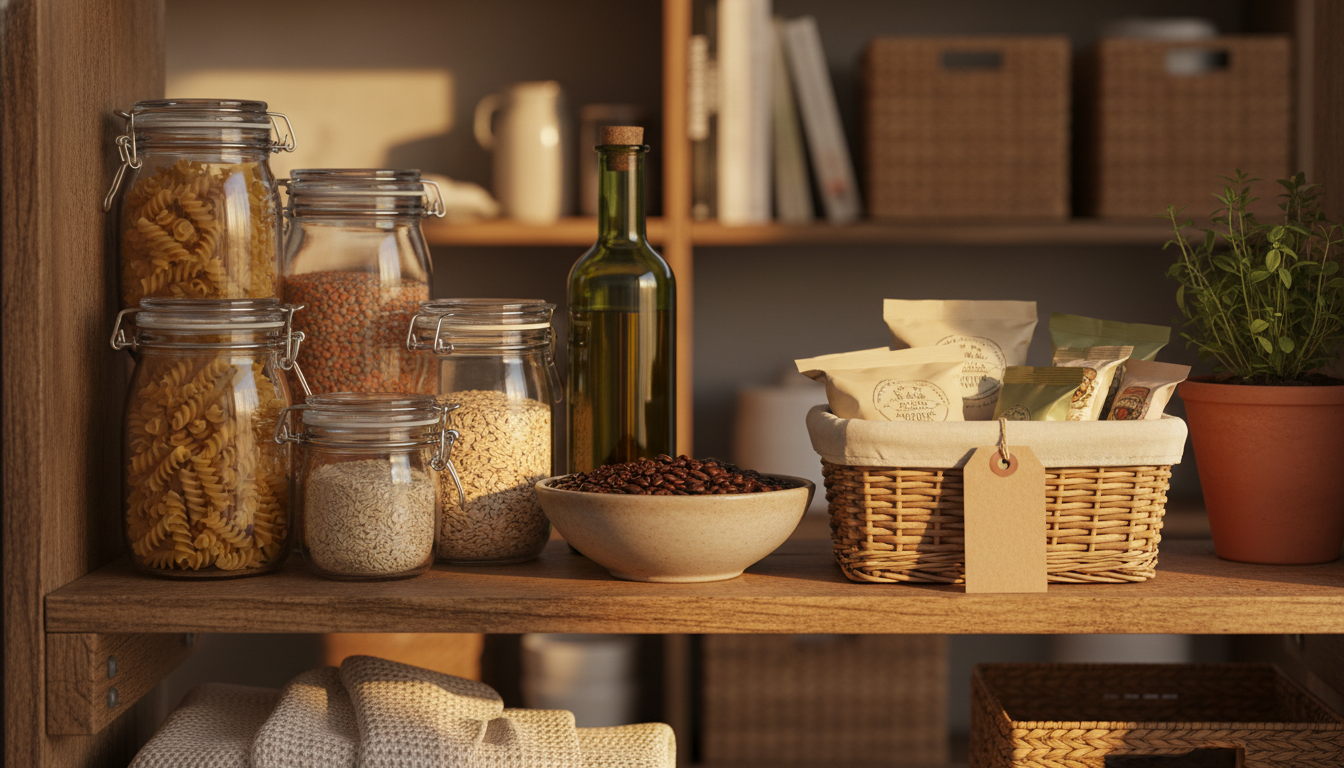 Organized kitchen pantry shelf with labeled jars, olive oil, coffee beans, and a small wicker basket
The Welcome Guide That People Actually Read
I've encountered 47-page welcome guides. I've also seen Post-it notes with just the WiFi password. Neither works.
Mine is a single laminated page (front and back) plus a small folder with extras. The laminated page covers:
The essentials: WiFi network and password in large font—this is what everyone hunts for first. The address (guests always need this for delivery apps). My contact info.
How things work: One-sentence explanations for anything non-obvious. My Nest thermostat gets a note: "turn the dial to adjust temperature." My garbage disposal has a weird switch. My TV requires two remotes. These tiny details prevent 90% of guest questions.
Emergency info: Circuit breaker location, water shutoff, nearest hospital (UCSF is 0.8 miles away), and a note that 911 works for emergencies.
The folder contains restaurant recommendations (about 10 with price ranges), a neighborhood map I've marked up with favorite spots, and transit info.
Technology: The Instructions That Save Everyone's Sanity
I'm convinced half of all home swap frustrations stem from technology confusion. Your smart TV that feels intuitive to you? Incomprehensible to someone who's never touched a Roku. Your European washing machine with 47 settings? A complete mystery.
Simple Instruction Cards
I made small laminated cards for every piece of technology in my home. They live right next to whatever device they explain. Each includes:
- A photo of the device
- 3-5 bullet points for basic operation
- What to do if something goes wrong
My TV card reads: "Press red button on black remote to turn on TV. Press home button on white remote to see apps. Netflix and Hulu are logged in. If screen is black, check that TV input is set to 'HDMI 1'."
Creating these took maybe two hours initially. I've updated them twice in seven years. The reduction in mid-trip "how do I watch Netflix?" messages has been worth it many times over.
Appliances to Address
Washing machine and dryer (recommended settings, where detergent goes), dishwasher (especially if it has quirks), coffee maker (I have both a Chemex and drip machine—both get instructions), thermostat, and any smart home devices. If you have a Roomba, let guests know when it runs so they're not startled by a sudden whirring at 2 AM.
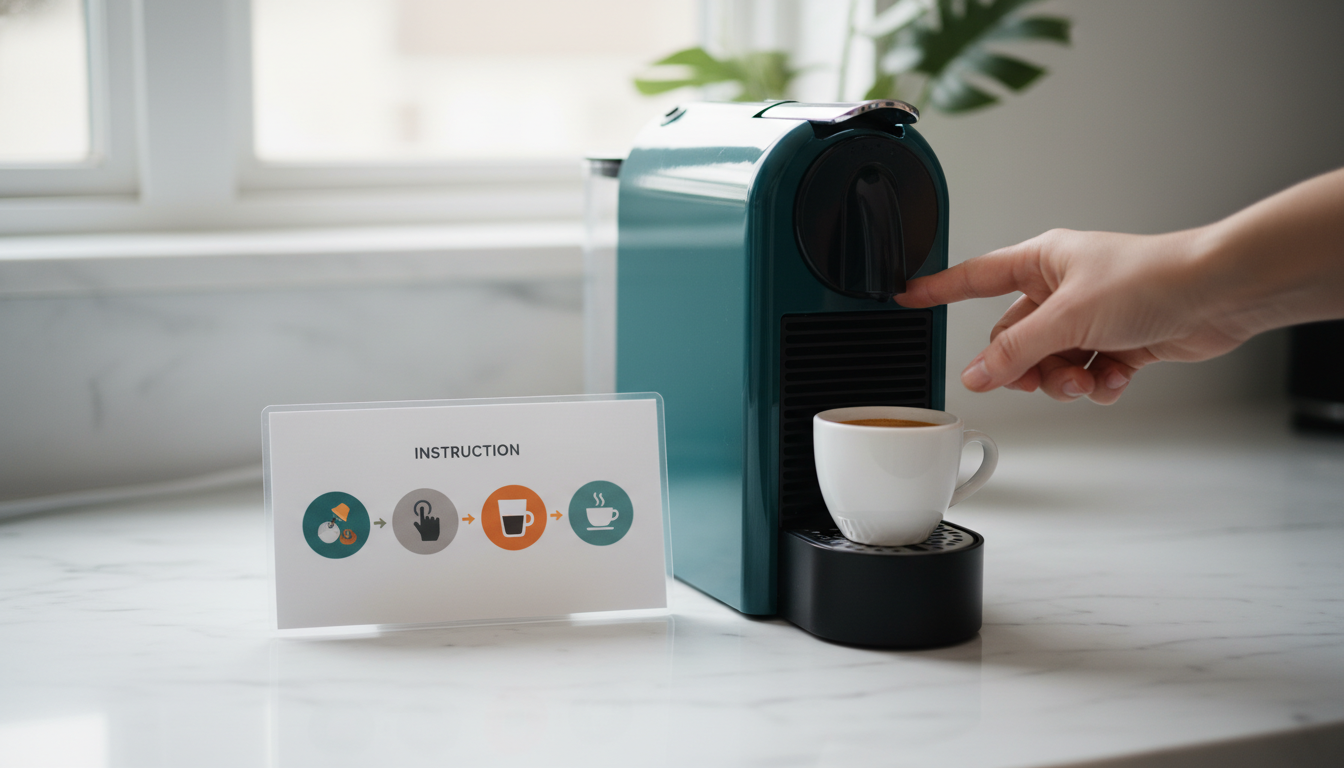 Simple laminated instruction card next to a Nespresso machine showing step-by-step brewing instructi
Safety and Security
Let's address the elephant in the room. Home swapping means letting strangers stay in your home. This understandably makes people nervous. Here's how I approach it—both for guest safety and my own peace of mind.
Before the Swap
Use SwappaHome's verification system. It exists for good reason. I only accept requests from verified members, and I always have a video chat or phone call before confirming. This isn't about suspicion—it's about building a relationship. By arrival time, we've usually exchanged several messages and had at least one real conversation. They feel like acquaintances, not strangers.
Something important: consider getting your own travel and home insurance for potential issues. SwappaHome connects members but doesn't provide damage protection or insurance coverage. I have a standard homeowner's policy with a rider covering short-term guests—cost me about $50 extra per year. Some members also get travel insurance covering their belongings while staying elsewhere. Peace of mind is worth the investment.
Guest Safety Essentials
Test your smoke and carbon monoxide detectors before each swap. Have a fire extinguisher that isn't expired (check the gauge). If you have a security system, either disable it or provide crystal-clear instructions—nothing's worse than triggering an alarm at 2 AM.
I leave a small first aid kit in an obvious spot: bandages, pain relievers, antacids, antihistamines. Basic stuff, but appreciated when needed.
Securing Valuables
Beyond my locked closet, I do a mental walkthrough: is there anything here that would devastate me if damaged or lost? Family heirlooms go to a friend's house. Important documents go in a safety deposit box. Expensive electronics I'm not leaving for guests get stored elsewhere.
This might sound paranoid, but it's actually freeing. Once I've secured anything irreplaceable, I can genuinely relax. And in 40+ exchanges? I've never had a single theft or intentional damage issue. People who choose home swapping tend to respect others' spaces because they want theirs respected too.
The Final Walkthrough: My 30-Minute Routine
The day before guests arrive, I walk through everything. Takes about half an hour and catches anything I've missed.
Room by Room
Entryway: Keys in obvious spot (small bowl by the door), welcome guide visible, shoes and coats cleared.
Living room: Remotes on coffee table, throw blankets folded, dead plants removed (this has happened more than once), windows clean enough to see the view.
Kitchen: Counters clear, dishwasher empty, clean dish towels out, garbage empty, welcome pantry stocked.
Bedroom: Fresh bedding, nightstands clear, closet space available, extra blankets visible on a closet shelf.
Bathroom: Fresh towels hung, toiletry basket out, toilet paper stocked (at least 4 extra rolls under the sink), surfaces wiped.
The Smell Test
This sounds silly, but: what does your home smell like? We become nose-blind to our own spaces. I open windows for an hour before leaving, even in winter. Some people use subtle diffusers, but be careful with strong scents—what smells lovely to you might overwhelm guests.
Pet owners need extra attention here. Vacuum thoroughly, wash pet bedding, consider enzyme cleaner for any spots. Not everyone appreciates eau de golden retriever.
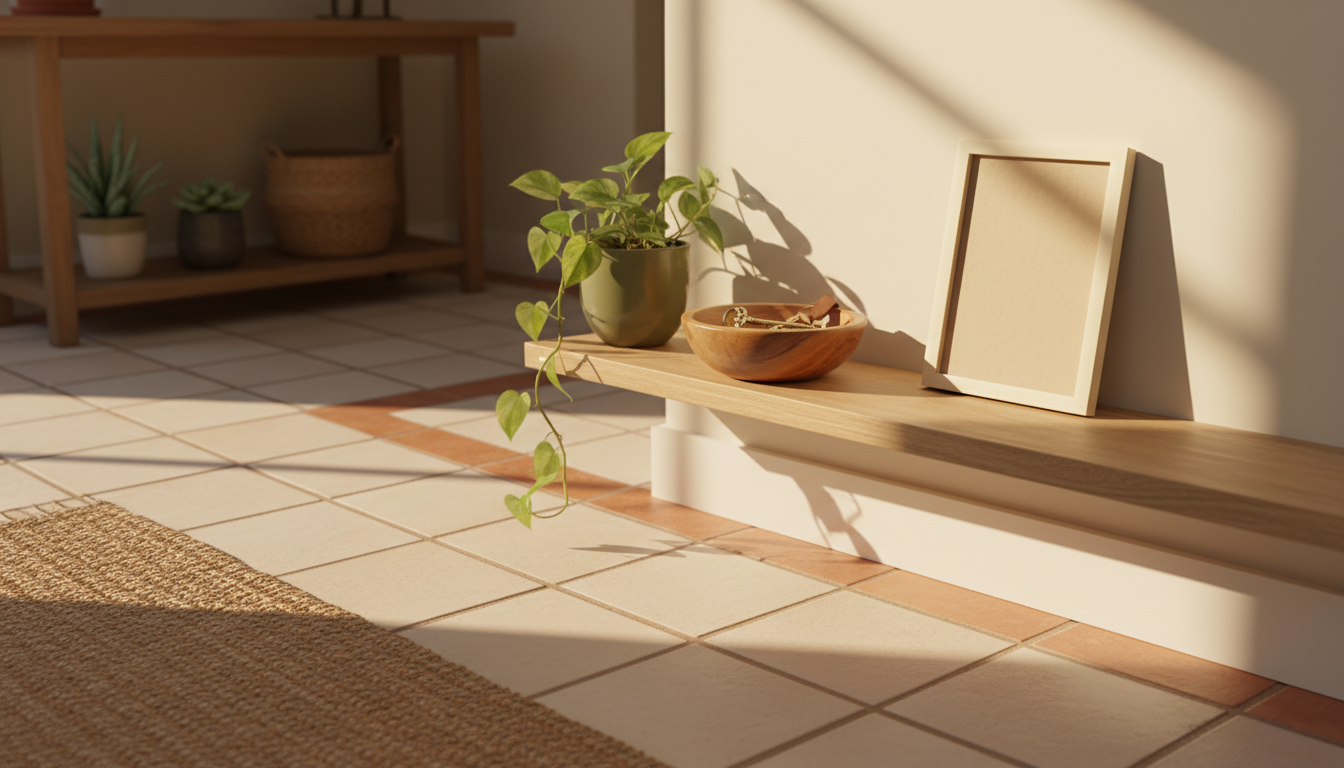 Bright entryway with a small wooden bowl containing house keys, a potted plant, and a framed welcome
Special Situations
Pets
Some swaps include pet care—this can actually attract animal lovers who can't have pets at home. If you're leaving pets, prepare a detailed care guide: feeding schedule, vet contact, medications, behavioral quirks ("Max barks at the mailman but he's harmless"), emergency contacts.
Leave more supplies than you think necessary. Cat goes through one bag of food every two weeks? Leave three.
Plants
I have about 15 houseplants, and they're part of the deal. I created a simple watering schedule with photos of each plant and water requirements. Most guests actually enjoy this—it makes them feel like they're caring for a home, not just occupying space.
Parking
If you have a spot, make sure it's clearly identified. Street parking requiring permits? Leave the permit somewhere obvious with instructions. In a city where guests won't need a car? Include transit info—nearest stops, how to buy tickets, useful apps.
I leave my Clipper card loaded with about $20. Guests appreciate not having to figure out the fare system on day one.
Pre-Arrival Communication
About a week before, I send a message covering:
- Exact arrival instructions ("Building code is #4521. Elevator to floor 3, turn left, unit 307.")
- Key location (I use a lockbox with a code)
- Check-in flexibility ("I'll be gone by noon, place ready by 2 PM")
- My contact info and time zone (crucial for international swaps)
- Anything time-sensitive ("The farmers market is Saturday morning—don't miss it!")
I also ask about questions or special needs. Allergies? Arriving late and need late-night restaurant recommendations? Traveling with a baby and need crib suggestions? This is the time to sort it out.
The Touches That Earn Five Stars
Everything above gets you to "good." Here's what pushes you to "exceptional."
A handwritten welcome note. Doesn't need to be long. "Welcome to San Francisco! I hope you love the apartment as much as I do. The morning light in the living room is magical—enjoy your coffee there. —Maya" Thirty seconds to write. Guests mention it in reviews constantly.
Actually local recommendations. Not "visit Fisherman's Wharf" but "the best burrito in the Mission is at La Taqueria, cash only, get the carnitas." Not "see the Golden Gate Bridge" but "walk across at sunset, start from the Presidio side, bring a jacket because it's always windy."
Something showing you thought about them. Traveling with kids? Leave a few board games out. Celebrating an anniversary? A small bottle of champagne. From a country with strong coffee culture? Make sure your coffee setup is excellent.
A small local gift. I leave Dandelion Chocolate (San Francisco bean-to-bar) for guests. About $10, specifically local, consumable so they don't have to pack it. Other ideas: local honey, neighborhood roaster coffee, artisanal snacks.
When Things Go Wrong
Even with perfect preparation, things happen. WiFi goes down. Pipe leaks. Neighbors throw a party until 3 AM.
My approach: be reachable, responsive, and solution-oriented. I keep my phone on and check messages twice daily during swaps, even across time zones. If something breaks, my welcome guide includes a handyman's number and I'll authorize repairs remotely.
For issues between members, SwappaHome's messaging keeps records of all communication—helpful for any misunderstandings. The community aspect means most people want to resolve things amicably. Nobody wants a negative review.
I've had exactly two "issues" in seven years: a guest who accidentally broke a wine glass (replaced before I returned) and my building's elevator breaking (completely beyond anyone's control—I apologized profusely and sent a gift card). Neither became drama because we communicated openly and assumed good intentions.
The Quick Reference Checklist
Here's everything condensed. Print this and walk through your home with it.
One week before:
- Deep clean bathroom and kitchen
- Wash all bedding and towels
- Clear closet and drawer space
- Remove/secure valuables and documents
- Test smoke/CO detectors
- Update welcome guide if needed
- Send arrival instructions
Day before:
- Final room-by-room walkthrough
- Empty garbage and recycling
- Stock welcome pantry
- Put out fresh towels and toiletries
- Check tech instruction cards
- Air out space
- Leave keys in designated spot
Day of:
- Fresh sheets on bed
- Welcome note and any gifts out
- Final smell check
- Take photos for your records
- Send "all ready!" message
Frequently Asked Questions
How far in advance should I prepare?
Start deep cleaning about a week before, focusing on bathrooms and kitchens first. Final touches—fresh sheets, welcome note, stocking the pantry—happen the day before. This prevents last-minute panic while keeping everything fresh for arrival.
What should I remove?
Important documents, irreplaceable items, expensive jewelry, anything with sentimental value you'd be devastated to lose. A locked closet works well. You don't need to remove all personal touches—photos and books make your space feel welcoming.
Do I need to provide toiletries?
Not strictly required, but it significantly improves guest experience and reviews. A small basket with travel-size basics costs $15-20 and helps guests dealing with luggage delays or forgotten items.
How do I handle security concerns?
Use SwappaHome's verification system and have a video chat before confirming. Secure valuables in a locked closet or off-site. Consider a home insurance rider for short-term guests (typically around $50/year). The community is remarkably trustworthy, but preparation provides peace of mind.
What if something breaks?
Stay reachable and respond promptly. Leave a handyman's contact in your welcome guide for emergencies. Most issues resolve easily with good communication—in 40+ swaps, I've only had minor incidents that guests handled responsibly.
That converted barn in Tuscany I mentioned? The host had prepared it so thoughtfully—fresh pasta in the kitchen, a hand-drawn map of the olive groves, instructions for the wood-fired pizza oven—that I felt like a welcomed friend, not some stranger borrowing space.
That's the feeling you're creating when you prepare your home well. The effort comes back threefold: in glowing reviews, in better future swap offers, and in the simple satisfaction of knowing you've given someone an authentic experience of your corner of the world.
Now go make your home guest-ready. You've got this.

Published by
SwappaHome
SwappaHome Editorial Team
Home Exchange & Slow Travel Editorial
The SwappaHome Editorial Team brings together travel research, home-exchange community insights, and platform data to produce practical guides for first-time and experienced home swappers. Every article cites real platforms, current market rates, and verifiable city-level facts so readers can make informed decisions without guessing.
Ready to try home swapping?
Join SwappaHome and start traveling by exchanging homes. Get 7 free credits when you sign up!
Related articles
How to Extend or Modify a Home Swap Mid-Stay: The Complete Flexibility Guide
Need to extend your home swap or change dates mid-trip? Here's exactly how to negotiate changes, handle credits, and keep both parties happy.

How to Visit Bali for Free with Home Exchange: The Complete 2026 Guide
Skip the $150/night villas. Home exchange in Bali lets you stay in Ubud rice field houses and Seminyak beach pads for zero accommodation cost. Here's exactly how.
How to Vet Home Swap Guests: 12 Red Flags Every Host Should Know
Learn how to vet home swap guests before handing over your keys. Spot the 12 red flags experienced hosts watch for—and protect your home with confidence.