
Family Home Swap in Seattle: The Complete Kid-Friendly Guide for 2024

SwappaHome Editorial Team
Home Exchange & Slow Travel Editorial
Planning a family home swap in Seattle? Get insider tips on kid-friendly neighborhoods, what to stock for visiting families, and how to make your swap stress-free.
My daughter was three when we did our first family home swap in Seattle. We'd flown in from San Francisco, exhausted from a delayed flight, and I remember standing in the doorway of this Ballard bungalow at 11 PM, watching her discover a basket of toys the host family had left out. Stuffed orcas. A well-loved copy of Goodnight Moon. A tiny rain jacket hanging on a kid-sized hook by the door.
That moment—that thoughtfulness—changed how I think about traveling with kids.
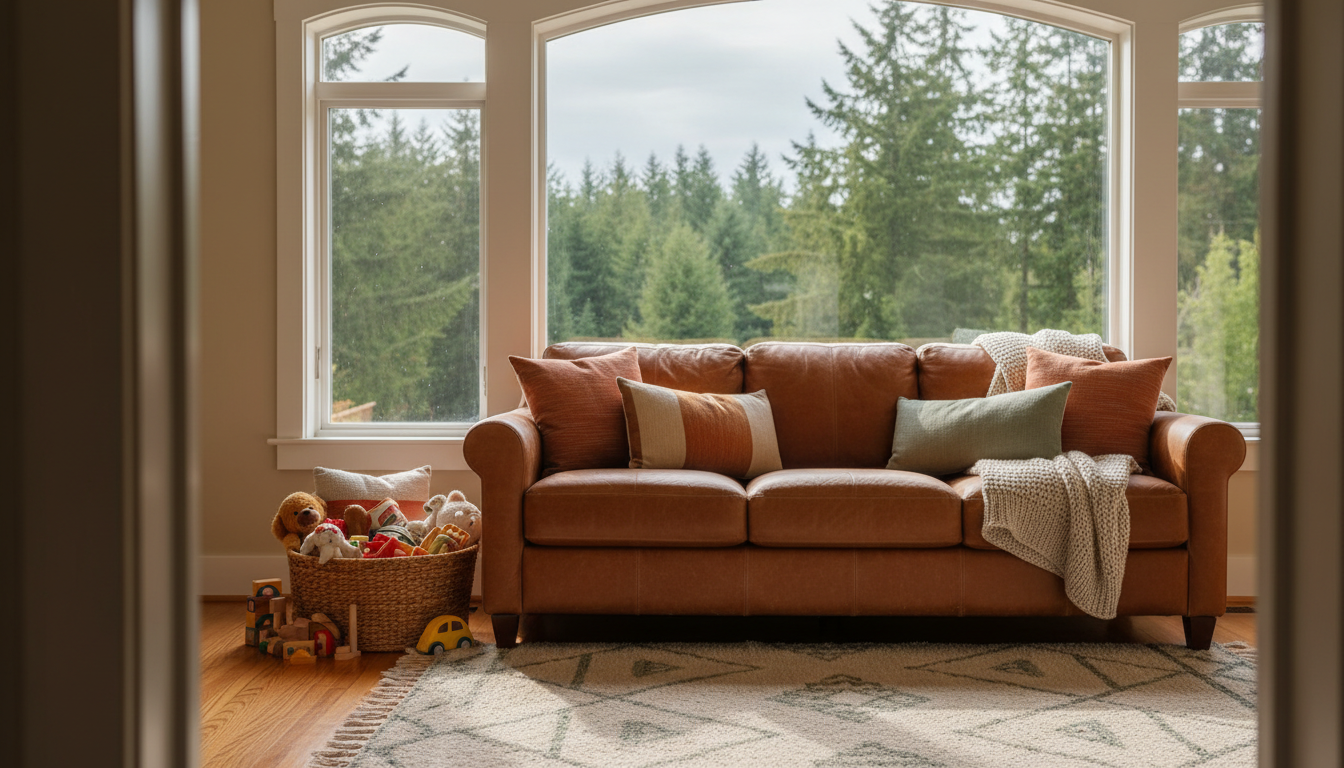 A cozy Seattle bungalow living room with large windows showing evergreen trees outside, a basket of
Seven years and countless swaps later, here's what I know for certain: Seattle is one of the best cities in the country for a family home swap. The neighborhoods are walkable. The locals genuinely like kids. And there's this culture of outdoor adventure that means most homes come equipped with hiking boots in every size and handwritten notes about the best tide pool spots.
But traveling with kids requires different planning than going solo. Kids need consistency. They need snacks at weird hours. They need that one specific cup or the world ends. So let me share everything I wish I'd known before that first Seattle swap—and everything I've figured out since.
Why Seattle Works So Well for Families
I've done family swaps in a lot of cities. Paris was magical but exhausting. New York was thrilling but expensive even with free accommodation. Tokyo was incredible but the jet lag nearly broke us.
Seattle? Seattle is the sweet spot.
The city operates on what I call "kid time." Restaurants open early and close at reasonable hours. Nobody gives you side-eye when your toddler melts down at Pike Place Market. The rain means indoor activities are abundant and genuinely good—not afterthought "kids' corners" but actual world-class museums designed for tiny humans.
Here's the thing about Seattle families: they tend to have well-equipped homes. Maybe it's the tech money, maybe it's the outdoorsy culture, but I've found Seattle swaps consistently have the gear you need. Hiking backpacks with kid carriers. Rain boots lined up by the door. Kitchens stocked with actual food, not just decorative olive oil.
The cost savings matter too. A family-friendly hotel in Seattle runs $250-400/night for a room where everyone's on top of each other. A vacation rental with enough space? $300-500/night easy. With a home swap through SwappaHome, you're spending 1 credit per night regardless of whether it's a studio or a four-bedroom house with a backyard. For a two-week trip, that's potentially $4,000-7,000 you're not spending on accommodation.
That money goes a lot further at the Seattle Aquarium gift shop, trust me.
Seattle Neighborhoods: Where to Actually Stay
Not all Seattle neighborhoods work equally well with kids. I've stayed in six different areas over the years, and I have strong opinions.
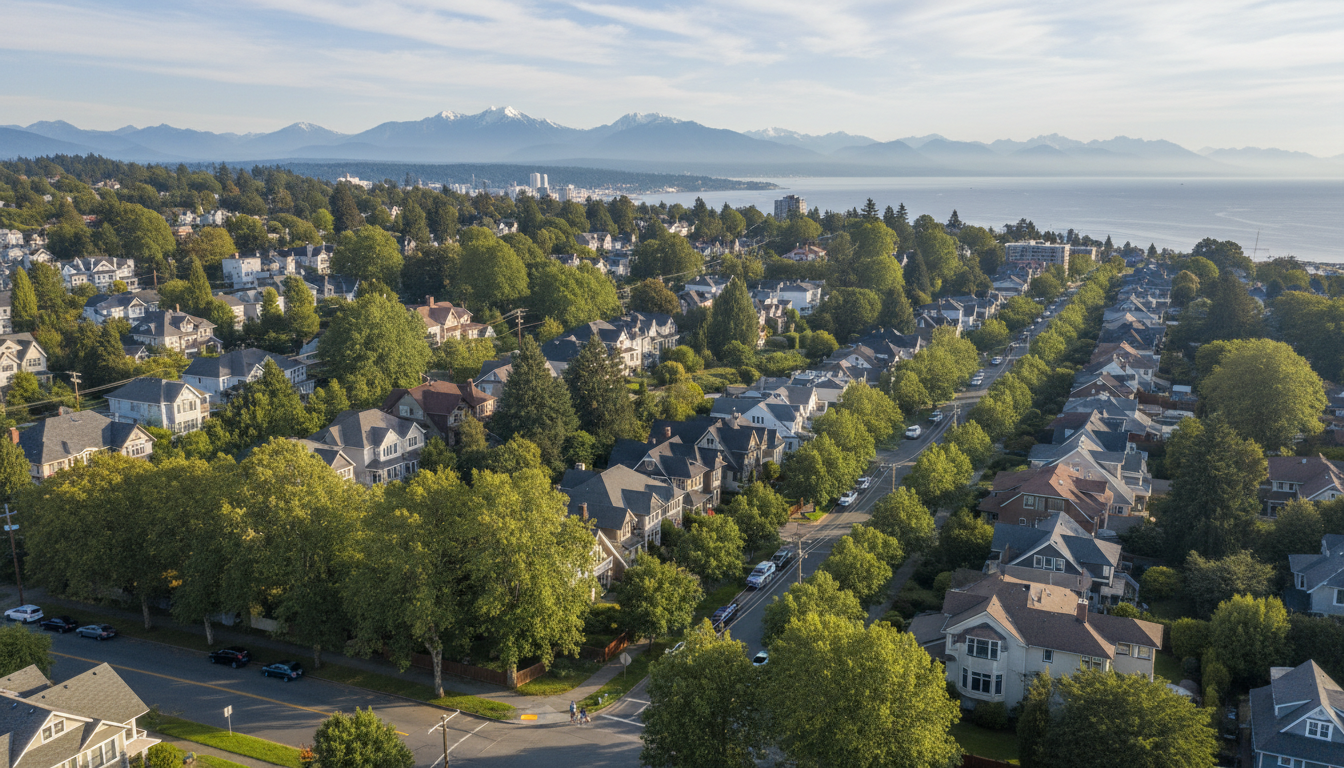 Aerial view of Seattles Ballard neighborhood showing tree-lined streets, craftsman homes, and the di
Ballard: My Top Pick
Ballard is where I'd live if I moved to Seattle tomorrow. It's a former Scandinavian fishing village that's evolved into this perfect mix of family-friendly and actually interesting. The main drag along Ballard Avenue has ice cream shops next to craft breweries—many of which are surprisingly kid-welcoming during daytime hours. Golden Gardens Park is a 15-minute walk from most Ballard homes and has the best beach access in the city.
The homes here tend to be craftsman bungalows with actual yards—rare in Seattle. Expect 2-3 bedrooms, often with a finished basement that works great as a kid zone. Many families in Ballard have boats or kayaks, which sometimes come with the swap if you ask nicely.
Walkability for families: 8/10. You can reach groceries, restaurants, and parks on foot, though you'll want a car for the big attractions.
Fremont: Quirky and Kid-Approved
Fremont calls itself "the center of the universe" and has a giant troll statue under a bridge. My kids were obsessed. The neighborhood has a whimsical, artsy vibe that appeals to imaginative children—there's a rocket ship on a building, a statue of Lenin (long story), and a dinosaur topiary garden.
The Sunday market is one of the best in the city for families. Food stalls, street performers, enough space for kids to run around without you having a heart attack. Homes here are a mix of older craftsmans and newer townhouses. Slightly more urban than Ballard, slightly less parking.
Walkability for families: 7/10. Hilly in parts, which matters when you're pushing a stroller.
Green Lake: For the Active Crew
If your kids need to run—like, really run—Green Lake is your neighborhood. The lake has a 2.8-mile path perfect for bikes, scooters, and that weird phase where your kid only wants to move via hopping. There's a community center with a pool, playgrounds scattered around, and a wading pool that's free in summer.
Homes around Green Lake tend to be larger and more suburban-feeling. Good for families who want space but might feel sleepy if you're used to urban energy. The tradeoff is you're likely to find homes with dedicated kids' rooms already set up.
Walkability for families: 6/10. Great for the lake loop, but you'll drive for most other activities.
Capitol Hill: Probably Not (But Maybe)
I'm including Capitol Hill because someone always asks. It's Seattle's most vibrant, diverse, nightlife-heavy neighborhood. During the day, it's actually pretty family-friendly—Cal Anderson Park is excellent, and the restaurants are top-tier. But the homes tend to be apartments or condos without much kid space, and the neighborhood really comes alive after your kids' bedtime.
That said, I did a swap here once with my then-7-year-old, and she still talks about the "rainbow crosswalks" and the bookstore cat at Elliott Bay Book Company. So maybe I'm being too cautious.
Walkability for families: 9/10 for adults, 5/10 with small children (lots of hills, lots of stimulation).
Finding the Right Swap for Your Family
Finding a swap is one thing. Finding a swap that works for your specific family is another.
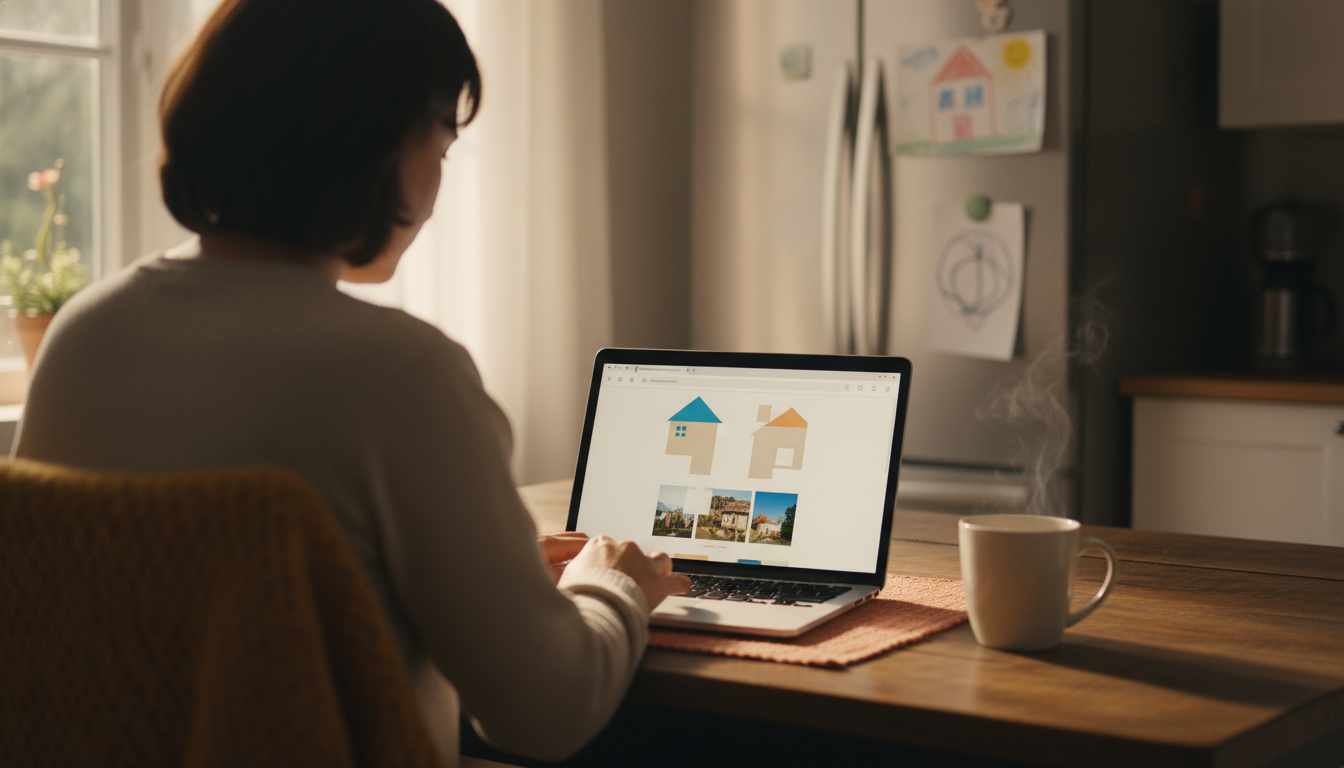 A parent browsing SwappaHome listings on a laptop at a kitchen table, with a childs drawing visible
When I'm searching on SwappaHome, I filter first by neighborhood, then by bedrooms. But the real vetting happens in the listing details and the messaging.
Here's what I look for in listing photos: kid stuff in the background. A high chair tucked in a corner. A yard with a swing set. These visual cues tell me this is a family home, not a child-free sanctuary where my kids will be the first humans under 4 feet tall to enter.
In the description, I look for any mention of their kids' ages. "Our children are 5 and 8" tells me the toys, books, and setup will be age-appropriate for my crew. "We have a teenager" might mean a trampoline but no crib.
In my initial message, I'm upfront: "We're a family of four with kids ages 4 and 7. They're generally well-behaved but definitely leave evidence of their existence. Is your home set up for young children, and is there anything we should know about kid-proofing or off-limits areas?"
The responses tell me everything. Enthusiastic, detailed replies about where the toys are and which park is closest? Great match. Hesitant, brief responses with lots of caveats about fragile items? Probably not the right fit—and that's okay.
Questions Worth Asking Before You Confirm
I've developed a standard list over the years:
- What sleeping arrangements work best for kids?
- Is the kitchen stocked with kid-friendly basics, or should we plan to shop immediately?
- Are there any areas of the home or yard that are off-limits or require extra caution?
- What's the parking situation?
- Do you have recommendations for pediatricians or urgent care, just in case?
- What are your kids' favorite local spots?
That last question is gold. Local parents know which playground has the good swings, which library branch does the best story time, and which restaurant has crayons that aren't broken.
Preparing Your Home for Your Guests
So you've found your Seattle swap. Now you need to prepare your own home for whoever's coming—possibly another family with kids.
This is where people either overcomplicate things or under-prepare. Let me share what actually matters.
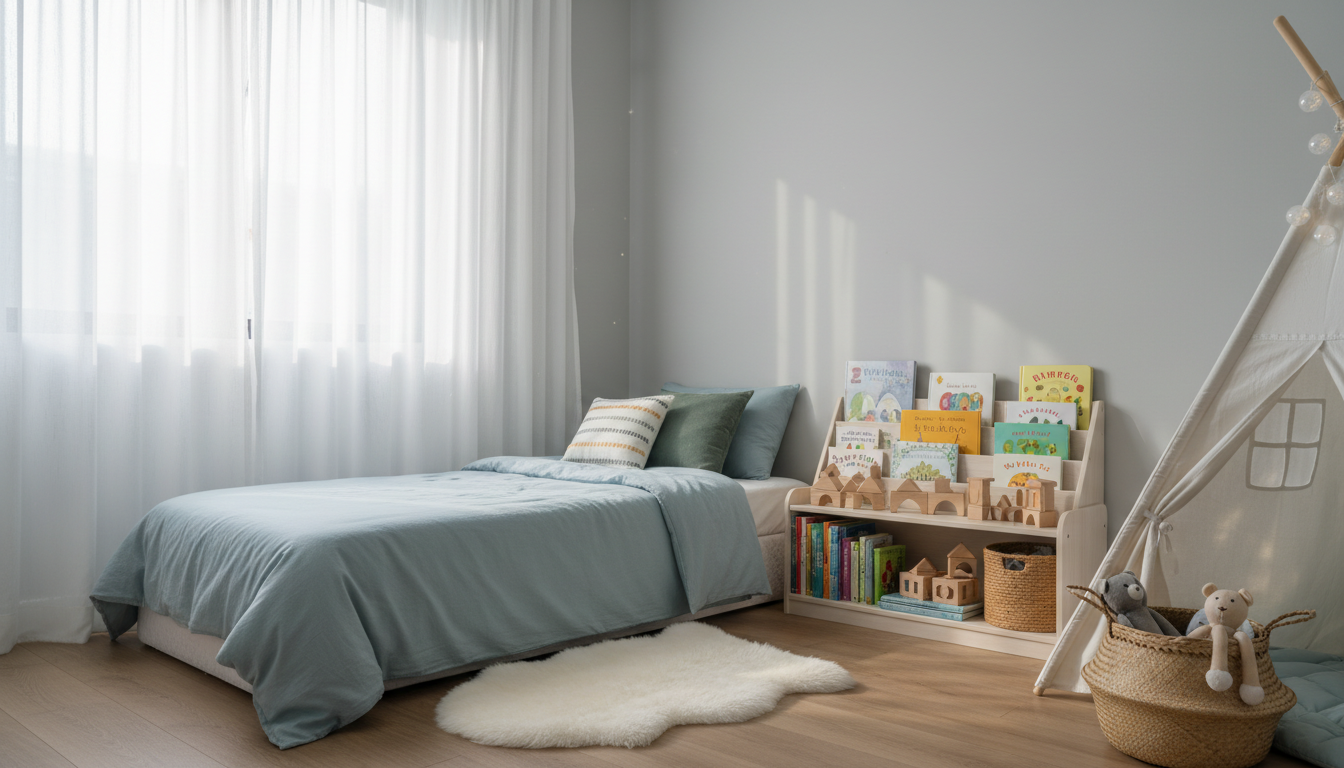 A bright, organized childrens bedroom with a neatly made bed, a bookshelf with childrens books, and
The Non-Negotiables
Safety first. If you have a pool, make sure the fence locks work and leave clear instructions. Secure heavy furniture to walls if it could tip. Put cleaning supplies and medications somewhere truly inaccessible, not just "high up." I once arrived at a swap where the previous family had left prescription meds on the kitchen counter. Not great.
Clean like someone's judging you. Because they kind of are. I do a deep clean before every swap—baseboards, inside the fridge, under couch cushions where goldfish crackers go to die. First impressions matter, and families notice grime in ways solo travelers might not.
Stock the basics. Toilet paper, paper towels, dish soap, laundry detergent, a few trash bags. For families, I also leave: a pack of diapers in a common size, some basic snacks (crackers, applesauce pouches, granola bars), and a fresh gallon of milk. It costs maybe $30 and saves an exhausted family from having to find a grocery store at 10 PM.
The Extras That Make You a Five-Star Host
A welcome basket for kids. Doesn't have to be expensive. Dollar store coloring books, a few crayons, maybe a small stuffed animal or toy car. I include a handwritten note addressed to the kids by name—I ask in advance. My daughter still has the stuffed Space Needle from our first Seattle swap.
A family guidebook. I keep a binder with our family's recommendations: the playground with the best slides, the bakery with the giant cookies, the library branch with the fish tank. I update it before each swap with seasonal activities.
Gear, clearly labeled. If you have a jogging stroller, a baby carrier, beach toys, or kid bikes, let your guests know they're welcome to use them. I put a note on our garage door listing what's available.
Entertainment for rainy days. Board games, puzzles, a DVD collection (yes, some of us still have those), video game consoles with age-appropriate games. Seattle families especially appreciate this because—spoiler—it rains.
What to Put Away
You don't need to childproof your entire home. But I do recommend locking away or removing genuinely fragile items, clearing one shelf in the fridge and pantry for guest food, putting away personal documents and valuables, and removing anything that could be a choking hazard for toddlers.
I also leave a note: "We've tried to make our home family-friendly, but please use your judgment about what's appropriate for your kids' ages. We trust you!"
What to Actually Do in Seattle with Kids
Now for the fun part.
 A family silhouetted against the giant floor-to-ceiling windows of the Seattle Aquarium, watching fi
Rainy Day Essentials (You Will Need These)
Seattle Children's Museum ($14/person, free for under 1) — Located in Seattle Center, this is a solid 2-3 hours of entertainment for kids under 8. The "global village" area where kids can "shop" in a pretend grocery store kept my daughter busy for an embarrassing amount of time.
Museum of Pop Culture ($30 adult, $19 kids 5-17) — Not technically a kids' museum, but the interactive music exhibits and sci-fi collections are surprisingly kid-friendly. The Sound Lab where you can play instruments is a hit.
Seattle Aquarium ($35 adult, $25 kids 4-12) — Pricey, but the underwater dome where fish swim overhead is worth it. Go early on weekdays to avoid school groups.
Pacific Science Center ($26 adult, $19 kids 3-12) — Hands-on science exhibits, a planetarium, usually a special exhibition. The butterfly house is magical but has an extra fee.
Seattle Public Library - Central Branch (free) — I know, a library. But this one is architecturally stunning, has an incredible children's section, and hosts free story times. Plus: free. And dry.
When the Sun Comes Out
Discovery Park — Seattle's largest park with trails through forests to a lighthouse on the beach. The 2.8-mile loop trail is doable with kids 5+; younger ones do better with the shorter beach trail. Bring layers—it's always windier at the lighthouse than you expect.
Woodland Park Zoo ($25 adult, $17 kids 3-12) — One of the better zoos I've been to with kids. The African savanna exhibit and indoor tropical rainforest are highlights. The carousel is an extra $3 but worth it to end on a high note.
Alki Beach — Seattle's answer to a California beach, minus the warm water. Kids love the sandy stretch, and there's a water taxi back to downtown that makes for a fun adventure. Get fish and chips at Spud Fish & Chips—cash only, about $15 for a kids' portion.
Pike Place Market — Yes, it's touristy. Yes, it's crowded. But kids love watching the fish throwers, and there's a tiny park at the north end where they can run off energy. Skip the original Starbucks line with kids; get better coffee at Ghost Alley Espresso with zero wait.
Hiram M. Chittenden Locks — Watch boats move between Puget Sound and Lake Washington. There's a fish ladder where you can see salmon swimming upstream—seasonal, best in late summer. Free, educational, and weirdly mesmerizing.
Hidden Gems Most Tourists Miss
The Center for Wooden Boats (free to visit, boat rentals $35-55/hour) — On Lake Union, this working museum lets kids see boat building in action. On Sundays, they offer free public boat rides—first come, first served, absolutely worth getting there early.
Carkeek Park — North of Ballard, this park has a pedestrian bridge over train tracks to the beach. Kids lose their minds when a train passes underneath. The playground is excellent, and the beach has great tide pools at low tide.
Agua Verde Café & Paddle Club — Rent kayaks ($20/hour for a double) and paddle around Portage Bay, then eat tacos at the café. Kids 5+ can usually handle the front seat of a double kayak. Life jackets provided in all sizes.
The Logistics: Getting Around, Eating, Weather
Getting Around
Seattle traffic is genuinely terrible. I'm not being dramatic. If you're renting a car—and with kids, you probably should—budget extra time for everything and avoid I-5 between 7-9 AM and 4-7 PM.
That said, some neighborhoods are very doable without a car. If your swap is in Ballard, Fremont, or Capitol Hill, you can walk to plenty and use rideshares for the rest. The Link Light Rail goes from the airport to downtown and is stroller-friendly.
If you're bringing car seats, ask your swap family if they have any you can borrow. Many Seattle families have extras or are happy to leave theirs installed. This saved us from lugging our convertible seat through three airports.
Food and Groceries
PCC Community Markets is the local organic chain—pricey but excellent prepared foods. QFC and Safeway are standard. Trader Joe's locations are scattered around.
Kid-friendly restaurants that don't feel like kid restaurants: Biscuit Bitch (yes, that's the real name—amazing biscuits, $12-15 per adult), Paseo (Caribbean sandwiches, messy but incredible, $14-16), Molly Moon's (local ice cream, $5-7 per scoop), and Ivar's Fish Bar (classic fish and chips with seagulls to feed, $15-20).
Weather Reality Check
Seattle's rain is real but overblown. It rains frequently but usually lightly—more mist than downpour. You need rain jackets for everyone (not umbrellas—locals don't use them), waterproof shoes, and layers upon layers. Mornings are cold, afternoons can be warm, evenings get cold again.
Best weather is July through September. June is "Juneuary"—often still gray. October can be gorgeous but unpredictable.
When Things Go Wrong
Real talk: things can go wrong during a family home swap. Kids break things. Appliances malfunction. Someone gets sick.
If your kids break something: Message your hosts immediately. Be honest, apologize, offer to replace it. Most families with kids understand that accidents happen. I've had to replace a lamp and a set of dishes over seven years—both times, the hosts were gracious about it.
If something in the home breaks: Document it with photos, message your hosts, don't try to fix it yourself unless it's truly minor. For major issues, your hosts should be able to direct you to their usual repair people.
If someone gets sick: This is why I ask about pediatricians in advance. Seattle Children's Urgent Care in Ballard and Laurelhurst are both excellent. For emergencies, Seattle Children's Hospital is world-class.
If the swap isn't as described: Message the hosts. Communication solves most problems. The one time this happened to me—construction noise the listing didn't mention—the hosts apologized and gave us recommendations for places to escape during noisy hours.
One note: SwappaHome connects you with other members, but you're responsible for working things out directly. Consider getting travel insurance or a home insurance rider before your trip. I use a policy that covers rental properties, and it gives me peace of mind.
Why We Keep Coming Back
That first Seattle swap, the one in Ballard with the basket of toys and the tiny rain jacket—we went back to that same family's home two years later. Our kids had grown, but the magic hadn't faded. We knew which drawer had the coloring supplies. We had a favorite booth at the neighborhood café. We felt, for a week, like we lived there.
That's what a family home swap gives you that no hotel can: a sense of belonging somewhere new. Your kids make memories in a real home, not a sterile room. They have a yard to play in, a kitchen to make pancakes in, a neighborhood to explore.
If you're considering your first family swap, Seattle is a forgiving place to start. The families here are welcoming, the city is genuinely kid-friendly, and there's enough to do that you'll already be planning your return trip by day three.
And if you're on SwappaHome looking for your next adventure, maybe I'll see your listing pop up. My family's always looking for our next home away from home.
Frequently Asked Questions
Is a family home swap in Seattle safe for kids?
Family home swaps in Seattle are generally very safe when you communicate clearly with your hosts beforehand. Ask about childproofing, pool fences, and any hazards. Read reviews from other families who've stayed there. The SwappaHome community includes many families who understand kid safety needs and prepare their homes accordingly.
How much can families save with a Seattle home swap versus hotels?
Families typically save $2,500-5,000 on a two-week Seattle trip by home swapping instead of booking hotels or vacation rentals. Family-friendly Seattle hotels average $250-400/night, while vacation rentals with enough space run $300-500/night. With SwappaHome's credit system, you spend 1 credit per night regardless of home size.
What should I pack for a family home swap in Seattle?
Pack rain jackets (not umbrellas) for everyone, waterproof shoes, and layers for changing weather. Bring your kids' must-have comfort items—special blankets, favorite cups—since these are hard to replicate. Leave bulky gear like strollers and car seats at home if your host family can lend theirs.
What's the best time of year for a family home swap in Seattle?
July through September offers the best weather for families, with warm days, minimal rain, and long daylight hours perfect for outdoor activities. School schedules make summer swaps popular, so book early. October can be beautiful but unpredictable, while November through March means more indoor activity planning.
How do I find family-friendly home swap listings in Seattle?
On SwappaHome, search Seattle and filter by number of bedrooms, then look for visual cues in listing photos—toys, high chairs, yards with play equipment. Read descriptions for mentions of the hosts' children and their ages. Message potential hosts directly to ask about kid-friendliness and what gear they can provide.

Published by
SwappaHome
SwappaHome Editorial Team
Home Exchange & Slow Travel Editorial
The SwappaHome Editorial Team brings together travel research, home-exchange community insights, and platform data to produce practical guides for first-time and experienced home swappers. Every article cites real platforms, current market rates, and verifiable city-level facts so readers can make informed decisions without guessing.
Ready to try home swapping?
Join SwappaHome and start traveling by exchanging homes. Get 7 free credits when you sign up!
Related articles
How to Extend or Modify a Home Swap Mid-Stay: The Complete Flexibility Guide
Need to extend your home swap or change dates mid-trip? Here's exactly how to negotiate changes, handle credits, and keep both parties happy.

How to Visit Bali for Free with Home Exchange: The Complete 2026 Guide
Skip the $150/night villas. Home exchange in Bali lets you stay in Ubud rice field houses and Seminyak beach pads for zero accommodation cost. Here's exactly how.
How to Vet Home Swap Guests: 12 Red Flags Every Host Should Know
Learn how to vet home swap guests before handing over your keys. Spot the 12 red flags experienced hosts watch for—and protect your home with confidence.