
The complete guide to being a digital nomad in the Philippines

SwappaHome Editorial Team
Home Exchange & Slow Travel Editorial
Key Takeaways Transitioning to a location-independent life in this archipelago requires preparation beyond standard travel planning. These five points…
Key Takeaways
Transitioning to a location-independent life in this archipelago requires preparation beyond standard travel planning. These five points highlight how to navigate the regional complexity effectively.
- The Philippines offers immense natural beauty but demands patience with infrastructure.
- Visa extensions are currently the primary method for long-term stays.
- Strategic destination selection is essential for reliable high-speed internet access.
- Utilizing local neighborhood knowledge helps manage daily costs effectively.
- Community-based networks and local coworking spaces provide critical social and professional support.
Navigating visa options for digital nomads in the Philippines
Understanding the tourist visa extension process
Most visitors can enter the country on a visa-waiver program, which serves as a manageable starting point for those new to the archipelago. You will generally receive an initial 30 or 59-day permit, allowing you to settle in and evaluate your long-term plans without immediate pressure. The extension process is straightforward, requiring visits to the Bureau of Immigration before your current visa expires, though frequent extensions can eventually necessitate specific considerations.
Current landscape of digital nomad visa initiatives
The formal arrival of dedicated visa programs is shifting how professionals view their stay in the region. Recent policy updates have begun to acknowledge the long-term presence of remote workers, creating pathways for those who need more stability than standard tourist renewals provide. Staying informed on the latest government orders regarding these permits is vital for maintaining legal compliance throughout your stay.
Essential documentation for long-term stays
Properly organizing your paperwork is a prerequisite for keeping your status valid, especially as you navigate various renewal phases. You will typically need to maintain proof of sufficient funds held outside the country, along with a confirmed return or onward flight booking for initial arrival. Keeping these items in a physical folder remains a highly effective organizational strategy for interacting with local immigration officials during your stay.
Managing entry requirements and local regulations
Staying within the legal framework requires careful attention to the specific conditions attached to your visitor status, which prohibits local employment. You must ensure your activities align with national regulations, treating your presence as a guest rather than a permanent resident. Adhering to these guidelines helps maintain positive relations with the immigration authorities who oversee the digital nomad philippines scene.
Top destinations for remote work in the Philippines
 Diverse tropical work settings
Living in Makati and BGC for urban convenience and amenities
These central business districts offer the closest experience to a traditional western metropolitan hub, complete with reliable fiber connectivity and high-rise living. The infrastructure here is designed for corporate professionals, meaning you can find plenty of amenities within walking distance of your apartment. Many nomads find SwappaHome listings in these areas particularly helpful for securing high-quality, long-term housing that includes essential work-from-home setups.
The beach and surf lifestyle in Siargao
This island destination represents the classic remote work dream, where quiet mornings at the beach transition into productive afternoons. While the connection can be variable, the community of like-minded workers is strong and supportive. It is an ideal spot if your focus involves balancing surf culture with a reduced pace of life.
Finding balance in the tech and culture hubs of Cebu
Cebu acts as a bridge between the intense pace of the capital and the relaxed islands of the south. It draws individuals who prioritize access to major transport links without sacrifice to recreation, such as nearby diving or inland excursions. You will find that the local pace allows for a healthier blend of professional output and weekend exploration.
Quiet productivity spots in Dumaguete and Palawan
If your priority is a distraction-free environment, these smaller hubs offer serene conditions that favor deep work. While these regions depend more on local systems, the quiet ambiance and lower population density create a unique, productive atmosphere. It is a fantastic choice for those looking to avoid the noise of massive city centers.
Internet reliability and infrastructure essentials
Tips for verifying local fiber internet speeds
Reliability varies significantly between neighborhoods, making it crucial to test your prospective connection before committing to a long-term lease. You should prioritize buildings that utilize dedicated fiber-optic lines rather than relying on shared residential bandwidth. Always request a speed test from your prospective host to confirm the upload capabilities necessary for video meetings.
Best mobile provider networks for hotspots
The local cellular infrastructure is the backbone of connectivity for those moving between islands. Carrying a dual-SIM phone with both major network providers allows you to pivot instantly if one signal drops in a remote area. Developing a secondary plan using these mobile networks ensures you never lose access during critical project moments.
Strategies for working from dedicated coworking spaces
Joining a professional hub is the most effective way to eliminate connectivity anxiety, as these locations are purpose-built for consistent server performance. Many SwappaHome users find that choosing accommodation near these hubs helps maintain a professional boundary between their home life and their working responsibilities. The following table summarizes typical service tiers found in these hubs:
| Facility Type | Average WiFi Speed | Prime Benefit |
|---|---|---|
| Private Co-working Hub | 50-100 Mbps | Redundant Power |
| Café Workspace | 10-25 Mbps | Social Atmosphere |
| Residential Rental | 10-50 Mbps | Privacy |
Using these facilities helps you avoid service hiccups often found in purely residential structures.
Mitigating risks of power and connectivity outages
Even with a robust plan, temporary outages occasionally occur due to extreme weather, requiring a proactive stance on backup solutions. You should always carry a high-capacity power bank and rely on localized hotspot plans if your primary line fails. Keeping a list of nearby cafes with generator-backed power provides an extra layer of security during unpredictable weather events.
Mastering the cost of living and local budget
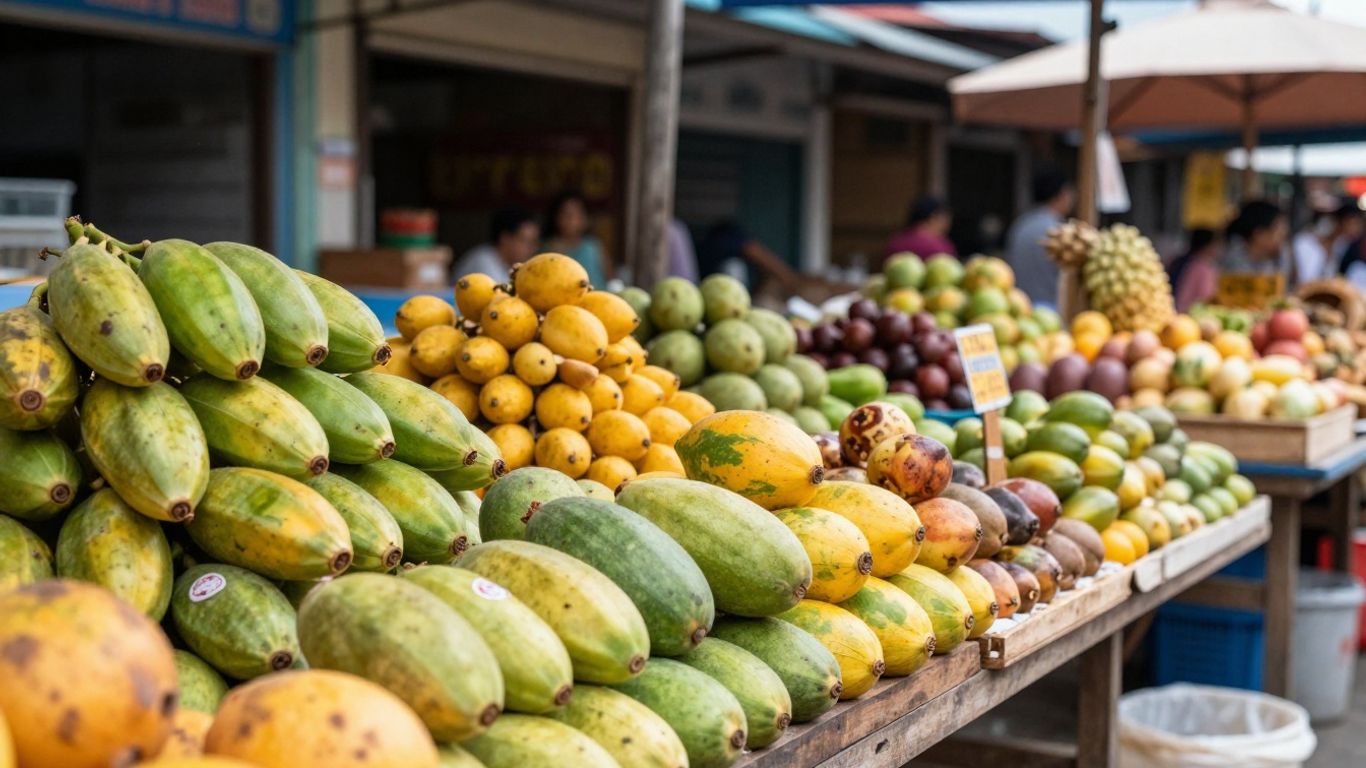 Lush coastal living spaces
Average monthly expenses for a comfortable remote lifestyle
Living comfortably can range significantly, but focusing on local market pricing rather than Westernized imports helps maintain a manageable budget. Most nomads find that groceries, utilities, and dining out cost a fraction of what they might expect in Europe or North America. By using a SwappaHome credit system, you can effectively bypass expensive hotel fees and allocate your funds toward experiences.
Strategies for finding affordable long-term housing
Securing affordable accommodation is often about identifying local neighborhoods that sit just outside the primary tourist zones. You will generally avoid significant markups by engaging directly with long-term rental listings rather than short-term platforms designed for vacationers. Look for the following signs when evaluating potential rentals:
- Proximity to public transit routes that offer regular service.
- Inclusion of basic utilities like water and electricity in the rent.
- Presence of a reliable manager or landlord who speaks fluent English.
- Neighborhoods with access to local street markets for fresh produce.
These elements indicate a more sustainable living arrangement for a multi-month stay.
Balancing local "carinderia" meals with westernized cafe costs
Local eateries provide a fantastic way to stretch your budget while experiencing authentic flavors, though you might occasionally want the comfort of a familiar cafe scene. Alternating between these choices allows you to keep your food expenses low without feeling deprived of modern conveniences. This mix is key to adapting to the local lifestyle on a professional budget.
Managing cash flow, ATM fees, and digital payments
Navigating currency exchange and local banking requires a clear system to avoid unnecessary transaction costs. Carrying a local debit card with lower withdrawal fees is a wise move, as many ATMs charge flat rates for foreign cards. Most major cities now accept digital payment apps, which are becoming the standard way to handle daily transactions without needing large amounts of liquid cash.
Networking, coworking, and social culture
Benefits of joining established local coworking hubs
These hubs serve as the primary nodes for the nomadic community, offering more than just desk space. You will find that these environments naturally foster collaboration and mentorship among residents. They serve as the heartbeat of the local scene, allowing you to integrate into the professional diaspora quickly.
How to connect with existing Filipino nomad communities
Digital spaces are your first stop, but real-world connections are where the most valuable advice is shared. Actively participating in local meetups often reveals insights into the best local internet deals or hidden spots for accommodation. This active approach turns a solitary remote role into a truly social and engaging professional experience.
Balancing remote work schedules with local social events
Managing your time zone requirements against local social gatherings involves careful planning. You might work odd hours to align with an overseas team, leaving your mornings free for community interactions. Success in this environment often comes from designating specific hours for tasks while remaining flexible for social connectivity.
Building a healthy work-life balance on the islands
Maintaining your health in a tropical region involves more than just keeping up with work; it requires embracing the rhythm of the environment. Integrating outdoor activities like hiking or swimming helps offset the potential stress of a remote digital role. True balance is found when your professional output feels secondary to the enrichment gained from living among the islands.
Practical tips for internal travel and logistics
Navigating domestic air travel and island-hopping ferries
Domestic travel requires patience and advanced planning, particularly when crossing multiple islands in a single journey. You will often find low-cost carriers for flight paths, while ferries are the reliable, though slower, option for island-hopping. Booking these in advance is heavily advised to avoid shortages, especially during peak holiday periods.
Selecting the right months to avoid peak typhoon seasons
Understanding the regional weather patterns is essential for maintaining a stable work environment. You should plan your primary stay during the drier months to ensure consistent access to power and internet, which suffer during intense monsoon weather. Researching the local climate calendar helps ensure your travel does not coincide with the most volatile storms of the year.
Essential gear for a tropical remote work setup
Your equipment must be resilient enough to handle humidity and potential power instability. A protective case for your laptop and a surge protector are non-negotiable items for any work bag. Keeping your gear in a waterproof sleeve also protects your work investment from unpredictable tropical showers.
Health and safety considerations for long-term stays
Maintaining health starts with reliable insurance and awareness of local medical facilities in your specific region. You should keep a small kit of essential supplies, as specific medications can be difficult to find in remote island locations. Always prioritize hydration and sun protection, as the tropical climate can be intense for those not acclimated to the high heat.
Conclusion
Embracing life as a digital nomad in the Philippines requires a blend of flexibility and careful logistical planning. From selecting the right island to understanding the nuances of visa renewals and infrastructure limitations, your success hinges on adapting to the local pace. By focusing on sustainable community building and respecting the regional rhythm, you can create a truly rewarding and productive lifestyle in this diverse archipelago, turning your remote work journey into an enduring, life-changing adventure.
Frequently Asked Questions
Is it easy to find internet access throughout the islands?
Internet access is generally reliable in urban centers like Makati or Cebu, but it can be spotty in remote island locations. Carrying a portable mobile hotspot with a local SIM card is the most reliable way to stay connected while traveling between destinations.
What is the most cost-effective way to manage accommodation?
Long-term stays are significantly more affordable when you rent local apartments or use home exchange networks that prioritize living like a local. This approach avoids daily hotel premiums and provides more space.
Do I need a special visa to live and work as a digital nomad?
Currently, most remote workers utilize the standard tourist entry system with regular extensions, as formal digital nomad visas are only beginning to roll out. You must review the current immigration requirements for your nationality before your departure.
Is it necessary to speak the local language?
English is widely spoken and serves as an official language in business and personal interactions. You will find that navigating daily life, government offices, and local shops is very comfortable for English-speaking travelers.
What are the best methods for staying safe while traveling?
Maintain awareness of your surroundings and keep your digital work equipment secured, especially in crowded urban spaces. Staying in reputable areas and registering with your local consulate provides an extra layer of helpful support during extended stays.
How should I manage my cash while living in the country?
Using a local debit card at major bank ATMs is the most common and efficient way to obtain cash. While digital mobile payments are gaining traction in cities, having a small amount of liquid currency is essential when visiting smaller islands or local markets.
When is the best time to avoid major weather disruptions?
The period from November through April is generally favored for its drier weather and stable conditions. Scheduling your stay during this window helps minimize risks associated with the heavy monsoon and typhoon seasons.

Published by
SwappaHome
SwappaHome Editorial Team
Home Exchange & Slow Travel Editorial
The SwappaHome Editorial Team brings together travel research, home-exchange community insights, and platform data to produce practical guides for first-time and experienced home swappers. Every article cites real platforms, current market rates, and verifiable city-level facts so readers can make informed decisions without guessing.
Ready to try home swapping?
Join SwappaHome and start traveling by exchanging homes. Get 7 free credits when you sign up!