
The ultimate guide to finding cheap Delta airline tickets

SwappaHome Editorial Team
Home Exchange & Slow Travel Editorial
Key Takeaways Securing affordable flight options requires a blend of strategic planning and digital tool utilization. These essential points will help you…
Key Takeaways
Securing affordable flight options requires a blend of strategic planning and digital tool utilization. These essential points will help you navigate the booking process more efficiently:
- Monitor airfare trends well before your intended departure date.
- Utilize flexible date calendars to identify lower-priced travel days.
- Leverage loyalty programs to offset the total ticket price.
- Set up automated notifications to react quickly to price adjustments.
- Verify all fare rules regarding changes and cancellations before purchase.
Understanding Delta’s pricing structure
Navigating airline pricing involves recognizing how availability shifts based on demand and carrier policies. Delta Air Lines employs a sophisticated system to adjust costs in real-time, matching traveler interest with seat capacity. By grasping these underlying mechanics, you can better anticipate cost fluctuations and find cheap delta airline tickets with greater consistency. Understanding the logic behind these movements remains the most significant advantage for the everyday traveler.
Dynamic pricing and fare classes
Revenue management systems frequently update fare buckets based on the velocity of bookings for a specific flight. As seats in lower price categories sell out, the system automatically shifts to the next available tier. This means that two people on the same flight might pay vastly different amounts depending on when they purchased their tickets.
Impact of booking time on ticket cost
Booking too early can sometimes result in higher prices if the carrier has not yet released their most competitive fare buckets. Conversely, waiting until the last minute often leads to premiums as capacity decreases. The sweet spot usually exists within a specific window that balances typical demand patterns for your chosen route.
Differences between Basic Economy and Main Cabin
Understanding the distinction between these tiers is essential for total trip value. While Basic Economy provides entry-level pricing, it often restricts seat selection and flexibility compared to Main Cabin offerings. Delta Air Lines provides varying policies for these experiences, which can influence your final travel costs significantly.
Timing your booking for maximum savings
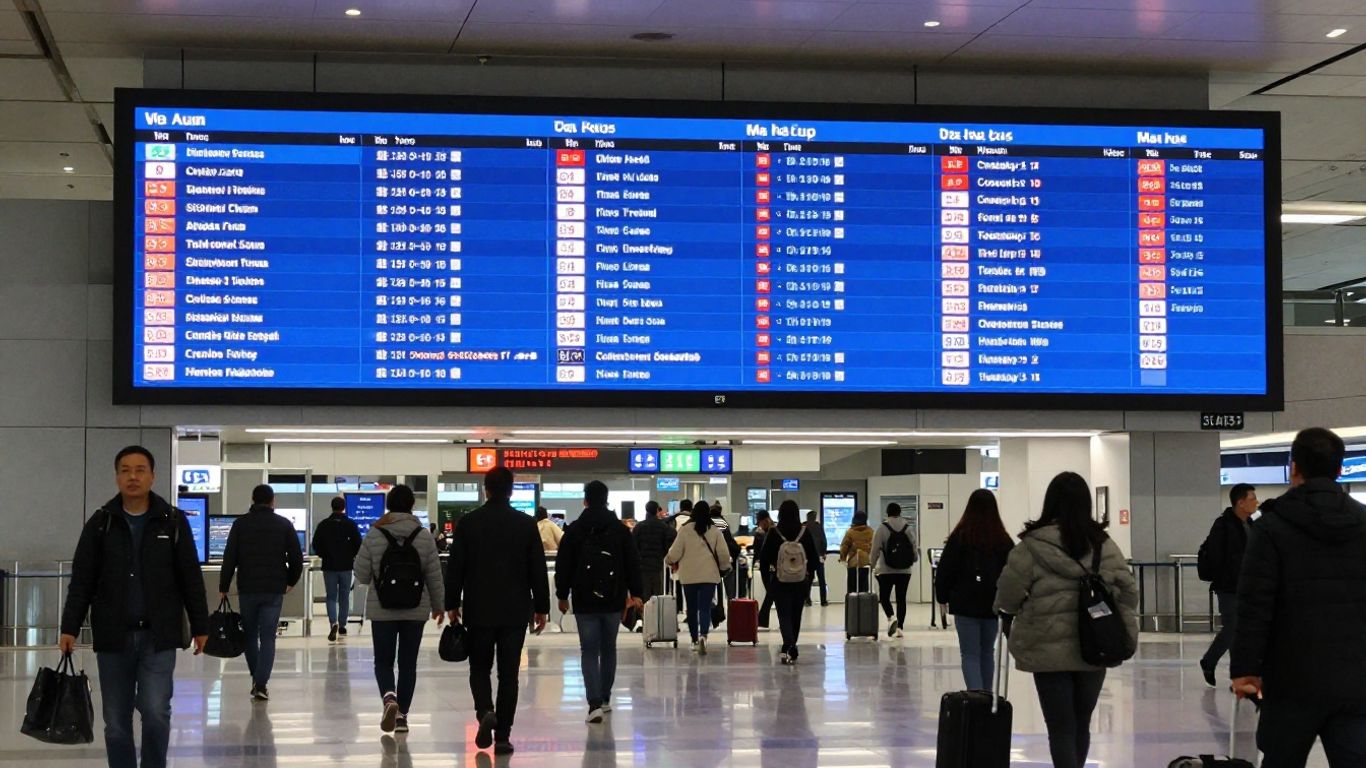 Travelers checking digital flight boards
Finding the right moment to finalize a reservation involves monitoring seasonal shifts and airline inventory cycles. Committing to a flight several weeks in advance typically yields more reliable results than impulsive booking. By remaining flexible with your travel dates, you can often shift your itinerary slightly to avoid peak pricing surges. Maintaining a disciplined approach to your search timing is vital for long-term fiscal success.
Determining the optimal booking window for domestic flights
Most domestic itineraries reach their lowest price points between three and eight weeks prior to travel. Comparing price windows allows you to visualize potential savings over an extended period.
| Booking Period | Average Price Trend | Strategy |
|---|---|---|
| 3+ Months Out | Steady Moderate | Monitor only |
| 6 Weeks Out | Target Low | Potential buy |
| 1-2 Weeks Out | High Surge | Avoid if possible |
Tracking these trends helps you identify when your chosen route is likely to be at its lowest point.
Utilizing flexible date search tools
Using comprehensive search tools allows you to scan entire months for the least expensive paths to your destination. You might discover that shifting your departure by a single day results in substantial reductions, especially when flying mid-week.
Planning travel during off-peak seasons
Adjusting your travel calendar to align with lower demand periods remains an effective lever for savings. Consider these timing strategies:
- Travel during the shoulder season between major holidays.
- Choose Tuesday or Wednesday departures rather than weekends.
- Research destination-specific events to avoid spikes in local accommodation demand.
- Target winter months for traditionally popular summer locales.
Shifting your plans away from major travel peaks acts as a natural buffer against inflated ticket costs.
Leveraging Delta SkyMiles and elite status
 Pilot checking flight path on digital tablet
Maximizing loyalty programs requires a clear understanding of how to pair points with upcoming travel needs. Delta SkyMiles offers ways to reduce out-of-pocket expenses by applying accrued miles to eligible flights. By keeping a close eye on your account, you can transform frequent travel into meaningful discounts. These programs are designed to reward sustained engagement rather than one-off purchases.
Using miles for award travel to reduce out-of-pocket costs
Award travel allows you to exchange your hard-earned miles for flight segments, effectively lowering the cash price of your itinerary. It is wise to pay attention to seasonal award availability, as some dates offer significantly better value for your points than others. KAYAK provides insights into understanding such cabin classes as you prepare to use your miles.
Earning bonus miles through partner credit cards
Strategic use of co-branded credit cards can accelerate your earning potential on everyday purchases. When these cards are used for travel-related expenses, the accumulation of points provides a robust mechanism to offset future airfare costs.
Strategies for stacking status perks with promotional fares
Even when booking reduced-price tickets, your existing status within an airline program can provide added benefits like priority boarding or complimentary upgrades. These secondary perks increase the total value of each flight, making lower fare classes feel significantly more comfortable. Stacking these benefits ensures you gain as much from your travel as possible.
Tools and alerts for tracking price drops
Monitoring routes for price adjustments requires the right technology to ensure you react before fares rise again. Automated systems act as your eyes in the marketplace, sending updates directly to your digital devices. Utilizing multiple sources for your search allows you to paint a full picture of current market pricing.
Setting up automated price alerts for specific routes
By registering for notifications on popular travel sites, you can track specific routes without manually re-entering your search criteria. This approach ensures you are notified the moment a favorable price adjustment occurs, giving you the edge in booking.
Comparing regional fares on third-party aggregators
Using aggregators can broaden your perspective on available regional routes and price points. Sometimes checking Skyscanner results reveals alternate airports that are significantly cheaper than major hubs.
Evaluating the benefits of booking directly on the airline website
While aggregators are excellent for discovery, finalizing your purchase directly with the carrier often simplifies the management of your reservation. Having a direct line to support and clearer policy application is an important factor when you are dealing with complex itinerary changes.
Advanced tactics for secondary savings
Finding hidden value often involves thinking beyond the simple point-to-point booking model. When you look at your itinerary through a wider lens, you can often find ways to optimize the cost structure of your trip. These deeper strategies require more effort but can lead to meaningful financial outcomes for frequent flyers.
Booking multi-city routes for better value
Sometimes, breaking a trip into smaller segments or utilizing multi-city search functions can reveal cheaper fare combinations than a standard round-trip. This is particularly effective when you are traveling to multiple urban centers and want to avoid backtracking.
Repricing existing non-refundable tickets when fares drop
In the event that you purchase a ticket and the price subsequently decreases, checking the rebooking policy is essential. NerdWallet discusses how understanding these specific airline rules can help you recoup value if your original route experiences a significant shift.
Applying corporate discounts or membership organization codes
Many travelers forget to investigate whether they have access to special rates through their employer or professional associations. Checking for these hidden options can take seconds but might result in substantial savings on standard published fares.
Conclusion
Mastering the art of finding budget-friendly flights comes down to patience, constant monitoring, and savvy use of available programs. By integrating these strategies into your routine, you can consistently secure better prices for your travel without compromising on your core preferences. Stay vigilant with your alerts, remain flexible with your dates, and keep your loyalty rewards active to ensure your future adventures are as affordable as they are fulfilling.
Frequently Asked Questions
How far in advance should I look for flights?
For most domestic routes, starting your search roughly 6 to 8 weeks before your planned trip provides the best balance between availability and cost.
Can I always trust flight search alerts?
While alerts are a fantastic way to stay informed, they should be viewed as one part of a larger plan rather than an automated solution that replaces your own research.
Why do prices change throughout the day?
Fare systems use complex algorithms that account for real-time demand, meaning prices can shift as frequently as every few hours based on how many tickets are sold.
Are there specific days of the week that are cheaper?
Flights departing on Tuesdays and Wednesdays are often less expensive because they generally see lower travel demand compared to weekends and holidays.
Should I always book domestic flights round-trip?
Not necessarily, as checking one-way fares for each leg of your trip might reveal combinations that are more cost-effective than a standard round-trip ticket.
Will I always get a better deal booking directly?
Direct booking provides more transparency, but aggregators are useful for comparing several different airlines at once to see the broad market view before you finalize.
How are baggage fees calculated?
Baggage fees are typically determined by the route you are flying, the class of ticket you purchased, and your status within the airline loyalty program.

Published by
SwappaHome
SwappaHome Editorial Team
Home Exchange & Slow Travel Editorial
The SwappaHome Editorial Team brings together travel research, home-exchange community insights, and platform data to produce practical guides for first-time and experienced home swappers. Every article cites real platforms, current market rates, and verifiable city-level facts so readers can make informed decisions without guessing.
Ready to try home swapping?
Join SwappaHome and start traveling by exchanging homes. Get 7 free credits when you sign up!