
Vacation family guide: How to plan a trip everyone will enjoy

SwappaHome Editorial Team
Home Exchange & Slow Travel Editorial
Key Takeaways A family trip feels easier when the plan reflects the people taking it, not an imaginary perfect itinerary. Start with a few practical choices,…
Key Takeaways
A family trip feels easier when the plan reflects the people taking it, not an imaginary perfect itinerary. Start with a few practical choices, then leave room for the days to unfold.
- Choose a destination that suits your children’s ages, interests, and travel tolerance.
- Estimate the big costs first, then keep a cushion for the extras.
- Pick lodging for its location, layout, and everyday conveniences.
- Plan a few highlights each day, with downtime and a backup option.
- Make travel smoother by preparing children and keeping essentials handy.
Choose a destination that fits your family
The right destination is less about ticking off famous sights and more about how your family likes to spend a day. Consider the pace, the journey, and whether there are enough different things to enjoy without trying to do everything. A vacation family plan works best when it leaves space for both the children’s interests and the adults’ idea of a good break.
Match the destination to your children’s ages and interests
A place that delights a toddler may feel slow to a teenager, while a packed sightseeing schedule can be a lot for little legs. Think about what your children enjoy at home, then look for an easy-to-find version of that interest on the trip: nature, animals, swimming, hands-on museums, or simply room to explore. For broad inspiration, browse family trip ideas across beaches, parks, cities, and other kinds of destinations, then narrow the options to what feels realistic for your crew.
Weigh travel time against the length of your stay
A long journey can be worthwhile for a longer holiday, but it may take up too much of a short break. Look beyond flight or drive time and account for airport transfers, rest stops, time changes, and the first day when everyone is settling in. If the trip is only a few days, a closer destination can leave more time for actually enjoying it.
Look for activities that appeal to more than one generation
A shared activity can make a family trip feel like a family trip, rather than several separate vacations happening in the same place. Look for a mix of low-key options: a walk with interesting stops, a beach or pool, a scenic ride, or a market where everyone can choose a snack. The California vacation ideas offer one way to explore how a destination can combine different kinds of outings; the useful lesson is to choose variety that fits your family, not to cram it all into one day.
Set a realistic budget
A workable budget gives you choices without turning every decision into a negotiation. Start by estimating the major costs, then decide which comforts matter most to your family. SwappaHome describes family home exchange as a way to make travel more affordable and comfortable, so it may be worth comparing that option with your other lodging plans.
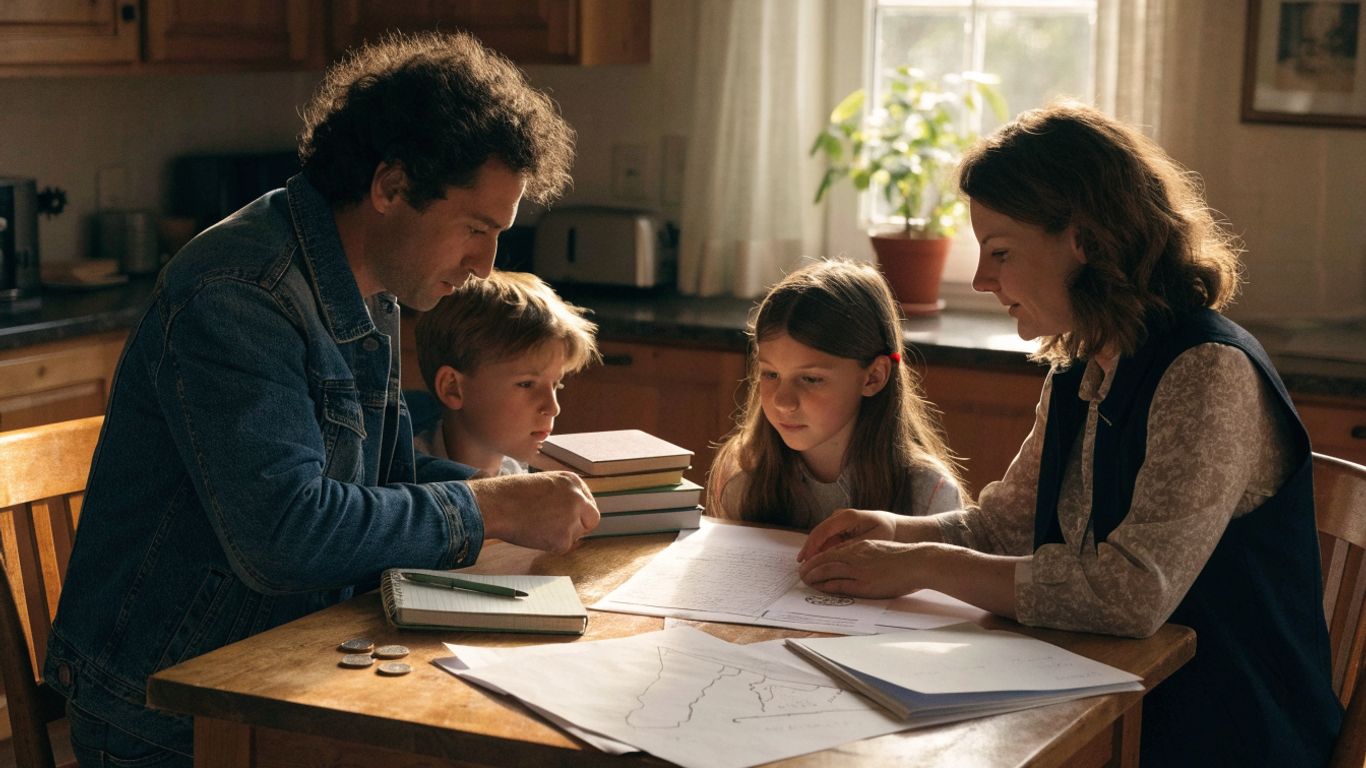 Parents and children reviewing a trip budget together
Estimate transportation, lodging, food, and activity costs
Write down the largest expenses first, using a range when prices are still uncertain. A simple comparison can make the trade-offs clearer before you book anything. Treat the figures as planning estimates, not promises; dates, location, and family size can change the total substantially.
| Cost area | What to include | Planning question |
|---|---|---|
| Transportation | Flights, fuel, transit, parking | What will it cost to get around, not just get there? |
| Lodging | Nightly rate, fees, taxes | Are there extra costs beyond the advertised rate? |
| Food | Meals, snacks, groceries | Which meals will you eat out, and which can be simple? |
| Activities | Tickets, tours, rentals | Which experiences are worth booking in advance? |
Once you have a rough total, compare it with what you can comfortably spend. If a more convenient place to stay reduces transport costs or makes simple meals easier, include that in the comparison rather than judging by the nightly rate alone.
Decide where to save and where to spend more
Choose a small number of things that would genuinely improve the trip, such as a convenient location or an activity the whole family is excited about. Save on the parts that matter less to you, perhaps by packing lunches or choosing one special outing instead of several paid attractions. SwappaHome’s family home exchange information describes home swapping as an affordable, comfortable option for families; compare its fit with your own budget and preferences rather than assuming every trip will cost less.
Plan for extras and unexpected expenses
Even a careful estimate can miss small costs that add up: local transit, an extra meal, forgotten sun protection, or a change in plans. Set aside a modest cushion so a minor surprise does not force a stressful choice between essentials. It also helps to decide in advance which costs are optional, making it easier to adjust without feeling that the trip has gone wrong.
Pick the right place to stay
Lodging affects the rhythm of every day, from how easily everyone gets out the door to whether the evening feels restful. Compare the total experience, including location and room setup, instead of focusing only on price or a list of amenities. A family home exchange can be another option to consider: SwappaHome describes family stays with spacious homes and practical features such as kitchens, depending on the destination and available homes.
Compare hotels, rentals, and family resorts
Each type of stay suits a different trip. A hotel may keep things simple, a rental may provide more room to spread out, and a resort may put some activities close at hand. Check what is actually included and what your family will use; a feature sounds less valuable if it adds cost but does not make the days easier.
Check for practical amenities like kitchens and laundry
A kitchen can make breakfast and snacks simpler, while laundry access can help when you are away for more than a few days or traveling with young children. Check whether these amenities are in the accommodation itself, shared, or available for an additional fee. SwappaHome’s family exchange information includes homes with kitchens, making that a practical detail to look for when comparing possible stays.
Consider location, room layout, and quiet time
A good location can save time and make it easier to return for a break between outings. Look closely at sleeping arrangements, too: separate bedrooms, enough beds, and a place to sit after children are asleep can matter more than a stylish photo. Before booking, consider the likely noise level and whether the layout gives everyone a little room to recharge.
Build an itinerary with room to breathe
A good itinerary makes the trip feel considered without making every hour feel claimed. Choose what matters most, then allow for meals, travel between places, and the slower pace that often comes with children. Planning for fewer activities can mean having more energy for the ones you do choose.
 Family enjoying a relaxed afternoon during a trip
Choose a few must-do activities for each day
Pick a highlight or two that the family would be disappointed to miss, and treat the rest as flexible. Group nearby activities together where possible, rather than crossing town several times in one day. This gives the plans a clear shape while leaving room for a longer lunch, an unexpected discovery, or a change of mind.
Balance active outings with downtime
A busy morning followed by a quiet afternoon can work better than a string of high-energy attractions. Leave time to rest at your accommodation, play at a nearby park, or do nothing in particular; that slower stretch is often when children recover their patience. For planning inspiration and practical advice, the SwappaHome blog covers travel planning, road trips, and getaway ideas.
Keep a backup plan for bad weather or changes
A backup does not need to be an elaborate second itinerary. Pick one or two indoor options, or a low-effort activity near where you are staying, and keep them in mind if the weather turns or someone needs a quieter day. Think of the plan as a safety net, not another set of obligations.
Make travel days easier
Travel days tend to go better when the basics are within reach and expectations are simple. Children may be excited one moment and tired the next, so build in a little patience around transitions. Preparation cannot prevent every delay, but it can make the ordinary waiting less fraught.
Pack essentials for the trip and the destination
Pack for the journey as well as the weather and activities at your destination. A light layer, any needed medication, and a change of clothes in a carry-on or day bag can be useful if luggage is delayed or a spill happens. Keep the main bags manageable; it is easier to find what you need when the essentials are not buried at the bottom.
Prepare children for schedules, transitions, and delays
Explain the broad shape of the travel day in language that suits each child: when you will leave, what the next stop is, and what might take longer than expected. If plans change, a calm update can help them adjust instead of wondering what is happening. Avoid promising exact timings when you cannot control queues or traffic.
Keep snacks, entertainment, and key documents accessible
A small, easy-to-reach bag can take care of the most common needs without unpacking everything. Before leaving home, make sure each person’s essentials are where an adult can find them quickly.
- Pack familiar snacks and a refillable water bottle.
- Bring a book, small game, or downloaded entertainment.
- Keep travel documents and booking details together.
- Add wipes, tissues, and any regular medication.
A little organization up front can prevent a small problem from taking over the journey. Recheck the bag before each leg, especially when you have changed cars, trains, or seats.
Help everyone enjoy the vacation
Not every person will love every part of the trip, and that is normal. A few shared expectations can reduce friction, while small choices help children feel included. Keep the plan responsive: a good day is not necessarily the one that follows the schedule exactly.
Give children age-appropriate choices
Offer choices that are both real and manageable, such as which of two outings to do first or what snack to bring along. Younger children may need a choice between two options, while older kids can help research an activity or choose a meal. Involving them in small decisions can make it easier for everyone to feel that the holiday belongs to them, too.
Set expectations for screen time, spending, and routines
Talk through the basics before you travel: when screens are useful, how treats or souvenirs will work, and which parts of the usual routine you want to keep. The rules do not need to be identical to home, but children usually do better when they understand what to expect. A predictable bedtime or quiet moment may be worth keeping, especially after a full day out.
Adapt plans when energy levels or interests change
Pay attention when enthusiasm fades, even if the next activity is already booked. Sometimes a shorter visit, a snack break, or a change of pace is enough; other times it is better to drop an activity altogether. Letting the day shift is not wasted planning—it is how you make the trip suit the family you have with you.
Conclusion
A vacation everyone enjoys does not require a perfect itinerary or a destination with something for every minute. Choose what fits your family, spend thoughtfully, and leave enough space for rest and surprises. The memories that last may come from the plans you made—or from the unhurried moments you left open.
Frequently Asked Questions
How do I choose a vacation destination for my family?
Start with your children’s ages and interests, how long you have, and how much travel time feels manageable. Then look for a destination with a few activities that different family members can enjoy.
How far in advance should I plan a family vacation?
It depends on the destination, travel dates, and whether you need specific lodging or tickets. Start early enough to compare options and reserve anything essential, while keeping some activities flexible.
What is a reasonable budget for a family trip?
There is no single amount that works for every family. Estimate transportation, lodging, food, and activities based on your own dates and preferences, then add a cushion for unexpected expenses.
How can I save money on a family vacation?
Choose the expenses that matter most to your family and look for savings elsewhere, such as preparing some meals or choosing fewer paid activities. Compare the full cost of options rather than relying on one headline price.
Is a hotel or a vacation rental better for a family?
Either can work. Consider location, room layout, cost, and amenities such as a kitchen or laundry, then choose what supports your family’s routine and the kind of trip you are taking.
How many activities should I plan each day?
A few planned highlights are usually easier to manage than a packed schedule. Leave time for meals, travel, breaks, and the possibility that an activity takes longer than expected.
What should I pack for a family travel day?
Keep snacks, water, a change of clothes, any needed medication, entertainment, and important travel documents accessible. Adjust the bag to the length of the journey and the needs of your children.

Published by
SwappaHome
SwappaHome Editorial Team
Home Exchange & Slow Travel Editorial
The SwappaHome Editorial Team brings together travel research, home-exchange community insights, and platform data to produce practical guides for first-time and experienced home swappers. Every article cites real platforms, current market rates, and verifiable city-level facts so readers can make informed decisions without guessing.
Ready to try home swapping?
Join SwappaHome and start traveling by exchanging homes. Get 7 free credits when you sign up!