What Are Curated Homes and Why They Matter

SwappaHome Editorial Team
Home Exchange & Slow Travel Editorial
What Are Curated Homes and Why They Matter !Woman arranging books in curated living room > TL;DR: > > - A curated home reflects intentional choices...
What Are Curated Homes and Why They Matter
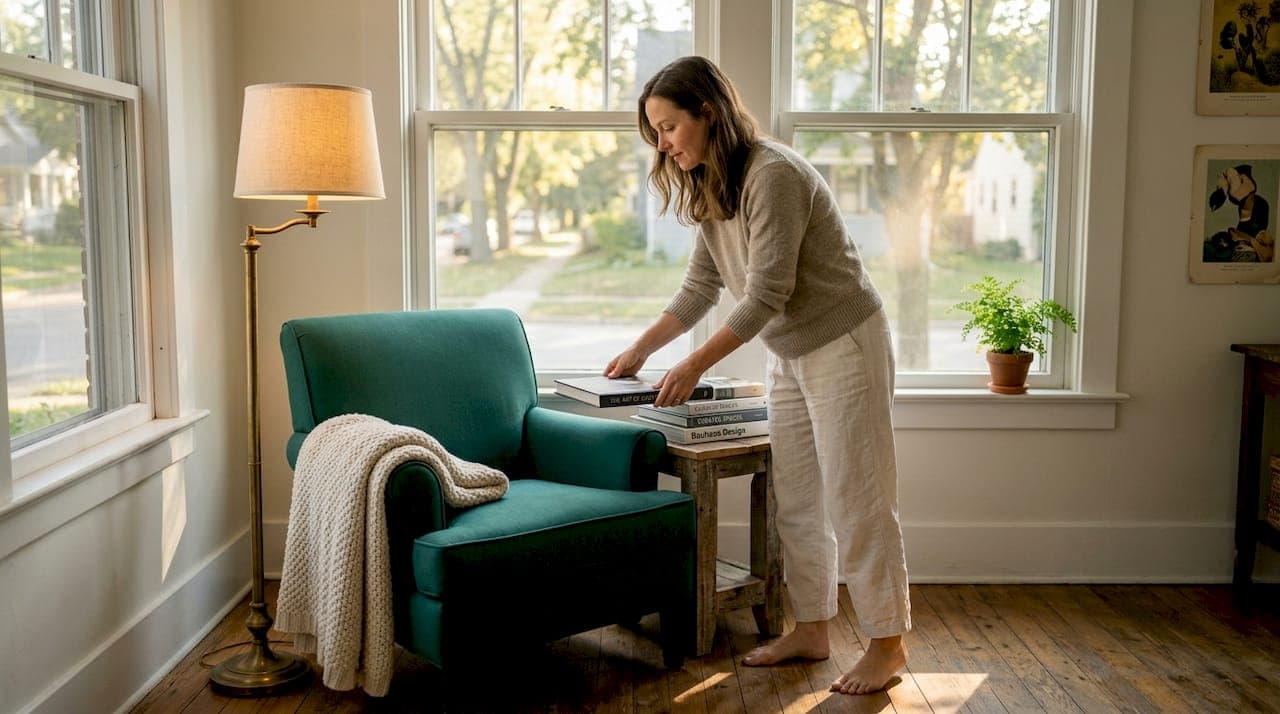
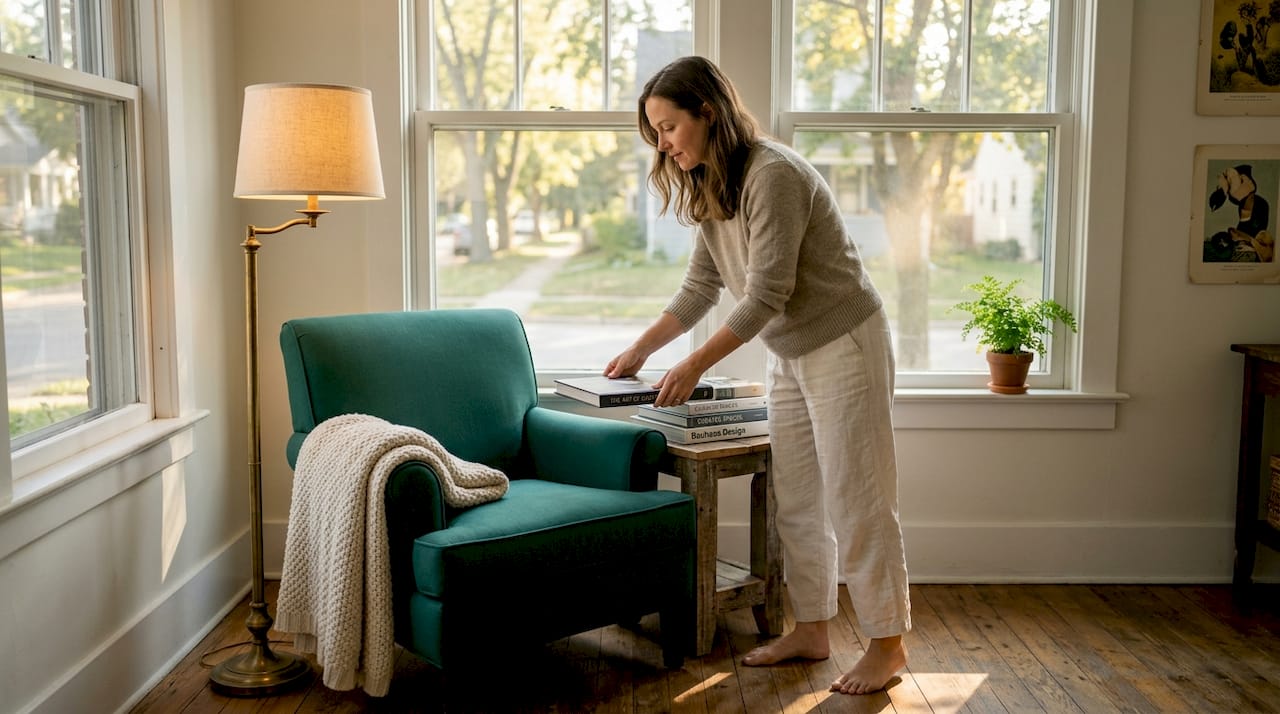 Woman arranging books in curated living room
TL;DR:
- A curated home reflects intentional choices that prioritize personal meaning and function over aesthetics or trends.
- This approach reduces decision fatigue, enhances emotional authenticity, and creates a genuine sanctuary.
- It requires ongoing editing and self-awareness to shape a space that truly aligns with one's values and lifestyle.
Most people hear "curated home" and picture a perfectly staged Instagram living room, all white linen and matching throw pillows. That's not what curated homes are. A curated home is an intentional living environment where every item serves a purpose or carries personal meaning, not just visual weight. It's a meaningful distinction with real consequences for how you feel inside your own four walls. This article breaks down the definition, the genuine benefits of curated homes, the styles worth knowing, and practical steps to create one that actually works for your life.
Table of Contents
- Key Takeaways
- What are curated homes, really?
- Real benefits of curated homes
- Popular curated interior styles
- How to curate a home, step by step
- My take on what curation in home decor actually means
- Explore curated homes through Swappahome
- FAQ
Key Takeaways
| Point | Details |
|---|---|
| Curation is intentionality | A curated home prioritizes personal meaning and function over aesthetics or trend-chasing. |
| Mental clarity is a real benefit | Fewer, better-chosen possessions reduce daily decision fatigue and lower stress in the home. |
| Style follows values | Curated interior styles vary widely; what matters is alignment with how you actually live. |
| Editing is ongoing | Curation is a continuous practice of reassessing what belongs, not a one-time declutter session. |
| Anyone can start today | Begin by clarifying your lifestyle values, then audit one room at a time before touching decor. |
What are curated homes, really?
The word "curated" gets overused. Coffee shops curate playlists. Brands curate Instagram feeds. But in the context of homes, curation has a precise meaning that goes much deeper than good taste.
A curated home is one where every item is intentionally selected for its purpose or personal meaning, not just because it looked nice in a store or came with the apartment. The practice is sometimes called "fewer, better decisions," and it has measurable effects on mental stress levels. When you're not surrounded by things that have no reason to be there, your brain stops processing them as unresolved background noise.
Here's how a curated home differs from a styled or decorated one:
- Styled homes are arranged for visual appeal, often by someone else's rules about what looks current or polished.
- Decorated homes are filled with things the owner likes but without a guiding logic about what stays or goes.
- Curated homes are shaped by an ongoing process of editing. If an object doesn't earn its place functionally or emotionally, it doesn't stay.
The difference shows up in how a space feels, not just how it looks. Curated homes tell a story where there's intentionality and personal history behind each choice, which is exactly what creates a sense of authenticity and rootedness that styled spaces rarely achieve.
"Curated interior style is less about accumulation and more about thoughtful editing and emotional connection." — The Organised Curator
Curation is also a lifestyle, not a project. You don't curate a home once and consider it done. It's a living process of asking what still belongs as your life changes.
Real benefits of curated homes
The advantages of curated home design go well beyond good aesthetics. They touch your mental health, your daily energy, and your sense of self.
The clearest benefit is reduced decision fatigue. Every object in a home makes a small claim on your attention. Intentional ownership streamlines choices, reducing the low-grade cognitive load of managing stuff you didn't consciously choose. Fewer possessions with clear purposes means fewer micro-decisions each day, from "where did I put that" to "which coat do I actually want to wear."
There's also a deeper emotional benefit. Authenticity in home design comes from congruence with your real values and emotional needs, not from following what's trending on design platforms. When your home reflects who you actually are rather than who you thought you should be, it functions as a genuine sanctuary. That's a different experience than a home that looks expensive but feels hollow.
For families specifically, curated homes reduce friction. Fewer items that don't belong means easier cleanup, less conflict over lost or misplaced things, and physical spaces that support how your family actually spends time.
 Family cleaning in a curated kitchen
Pro Tip: Before buying anything for your home, ask two questions: Does this serve a function I need? or Does this carry meaning that matters to me? If the answer to both is no, leave it on the shelf.
Research describes curated living as an energy practice rather than a design trend. That framing matters. It shifts the goal from creating a beautiful room to creating a space that actively supports the life happening inside it.
Popular curated interior styles
Curation doesn't belong to one aesthetic. You can curate a maximalist home just as thoughtfully as a minimalist one. What makes a style "curated" is the intentionality behind the choices, not the number of objects on the shelf.
That said, some styles lend themselves especially well to the principles of home curation. Here's a look at three popular approaches:
| Style | Core characteristics | Best suited for |
|---|---|---|
| Modern minimalist | Neutral palette, clean lines, negative space, hidden storage | People who prefer calm, order, and simplicity |
| Eclectic | Mixing old and new, layered textures, personal objects and travel finds | People with wide-ranging interests and visual curiosity |
| Classic/traditional | Quality over quantity, custom millwork, durable materials, timeless forms | People who value permanence, craft, and architectural detail |
Regardless of style, curated homes share certain physical characteristics. Architectural integrity plays a foundational role. Designers consistently invest in built-in shelving, quality flooring, and custom millwork because these elements create a permanent sense of cohesion that furniture and decor alone can't achieve.
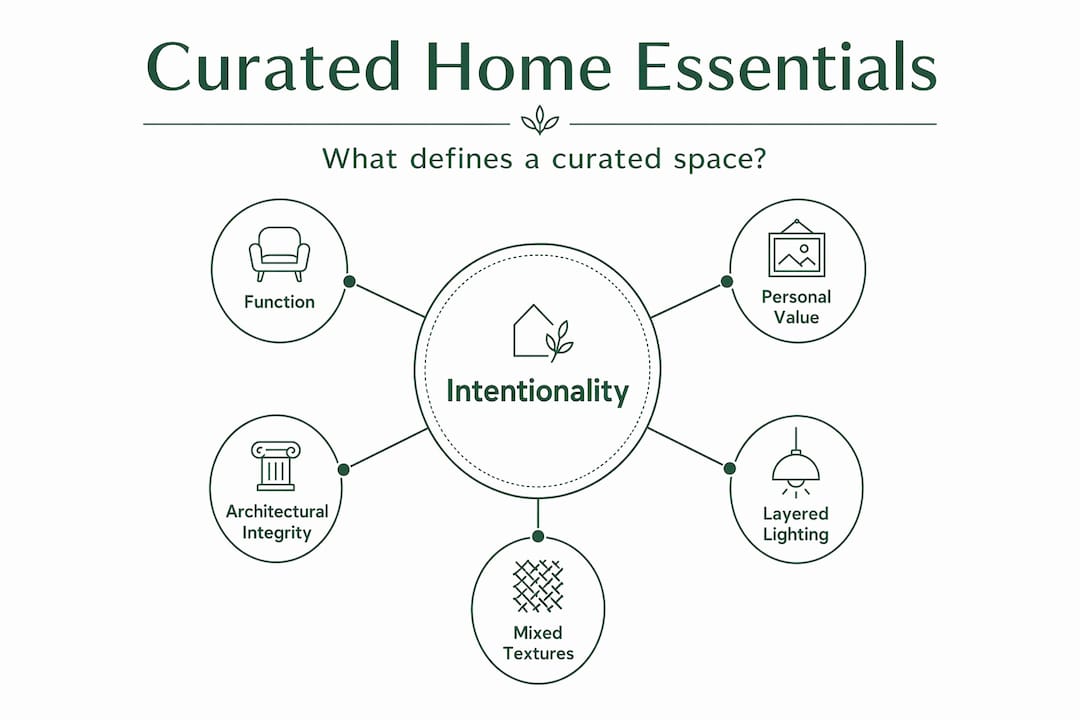 Hierarchy infographic of curated home essentials
Lighting is another unsung pillar of curated home design. Layered lighting and visual continuity, like consistent flooring throughout a floor plan, create a native visual language that connects each room. When you hide the visual noise behind cabinetry doors and let light do the work of defining mood, the result feels effortlessly calm.
The details matter too. Mixing materials and textures, like rough linen against a smooth oak shelf or a metallic floor accent beside a matte wall, adds depth and a subtle sense of luxury without overwhelming the space. The key is restraint. Each layered element should add to the story, not compete for attention.
How to curate a home, step by step
Learning how to curate a home starts with something most design articles skip: understanding yourself before touching anything in the room.
-
Clarify your values and lifestyle needs. What do you actually do in each room? How does your family spend time at home? Write it down. This becomes your filter for every future decision.
-
Audit what you already own. Go room by room. Ask whether each item serves a real function or holds genuine meaning. Be honest. Sentiment is valid but must be weighed against how much space it consumes.
-
Edit before you add. Most curated home transformations require subtracting first. Remove what doesn't belong before thinking about what to bring in. This creates the negative space that makes a room feel considered.
-
Design for function first. Function before aesthetics is a core principle of professional curators. Hidden cabinetry, smart storage, and clear surface areas allow the meaningful objects to stand out rather than compete with clutter.
-
Invest in the right permanent elements. Quality flooring, built-in shelving, and good lighting are worth prioritizing. They set the foundation that makes everything else look intentional.
-
Schedule regular editing sessions. A curated home doesn't maintain itself. Ongoing curation prevents clutter from rebuilding silently over time. Set a reminder each season to reassess what's earning its place.
Pro Tip: The biggest pitfall in creating personalized home spaces is buying things you love in isolation. A beautiful object that doesn't connect to anything else in the room creates visual noise, not curation. Always consider context before acquiring.
A curated home built from the inside out, shaped by real values rather than external trends, will feel authentically yours in a way that no styled or trend-driven space can replicate. That's the real reward.
My take on what curation in home decor actually means
I've noticed something that most design content gets quietly wrong about curated homes. The conversation focuses almost entirely on what things look like and almost never on what they feel like to live inside of. That's backwards.
I've seen beautifully photographed curated spaces that, the moment you spend an hour in them, feel cold and performative. They were curated for an audience rather than for the person living there. The home stopped being a sanctuary and became a set. That's the trap of treating curation as an aesthetic exercise.
What actually works, in my experience, is approaching curation as a form of self-awareness. You have to know what you need from your home emotionally, not just functionally. Some people need a visually quiet space to decompress. Others need warmth, color, and layered texture to feel alive and engaged. Neither answer is wrong, but neither can be answered by looking at design trends.
The most resonant curated homes I've encountered reflect authentic experiential living, where the space tells the story of a real life being fully lived. That's harder than it sounds. It requires honesty about who you are, willingness to let go of things you're supposed to love but don't, and patience with the process.
Curation, done right, is not a design project. It's an identity practice. And it never really ends.
— Swappa
Explore curated homes through Swappahome
 https://swappahome.com
If understanding curated homes has made you curious about experiencing them beyond your own walls, Swappahome offers exactly that. Home swapping lets you stay in thoughtfully owned, personally meaningful homes around the world, not hotel rooms designed for no one in particular. Every home in the Swappahome listings belongs to a real homeowner who has shaped that space around their life. That's the closest you can get to understanding what curation feels like in practice, across different cultures, climates, and design sensibilities. Join Swappahome to earn free nights and discover what living inside someone else's curated space can teach you about your own.
FAQ
What does "curated home" mean?
A curated home is a living space where each item is intentionally chosen for its function or personal meaning rather than accumulated by chance. It differs from a decorated home by prioritizing editing and ongoing intentionality over visual accumulation.
What are the main benefits of curated homes?
Curated homes reduce decision fatigue, lower daily stress, and create a sense of genuine sanctuary by surrounding residents with only what serves or matters to them. Families also benefit from reduced clutter-related friction and better daily organization.
What curated interior styles are most common?
The most recognized curated interior styles include modern minimalist, eclectic, and classic or traditional. Each differs visually, but all share a commitment to intentional selection and editing rather than accumulation.
How do I start curating my home?
Start by clarifying your lifestyle values and how you actually use each room, then audit and edit what you already own before adding anything new. Function and personal meaning should guide every decision.
How is a curated home different from a staged or styled one?
A staged or styled home is arranged for visual appeal, often by someone else's aesthetic rules. A curated home is shaped by the resident's real values and ongoing editing, making it feel authentic rather than performative.
Recommended

Published by
SwappaHome
SwappaHome Editorial Team
Home Exchange & Slow Travel Editorial
The SwappaHome Editorial Team brings together travel research, home-exchange community insights, and platform data to produce practical guides for first-time and experienced home swappers. Every article cites real platforms, current market rates, and verifiable city-level facts so readers can make informed decisions without guessing.
Ready to try home swapping?
Join SwappaHome and start traveling by exchanging homes. Get 7 free credits when you sign up!