Your Authentic Travel Planning Guide for Real Experiences

SwappaHome Editorial Team
Home Exchange & Slow Travel Editorial
Your Authentic Travel Planning Guide for Real Experiences !Woman planning authentic travel at kitchen table > TL;DR: > > - Authentic travel...
Your Authentic Travel Planning Guide for Real Experiences
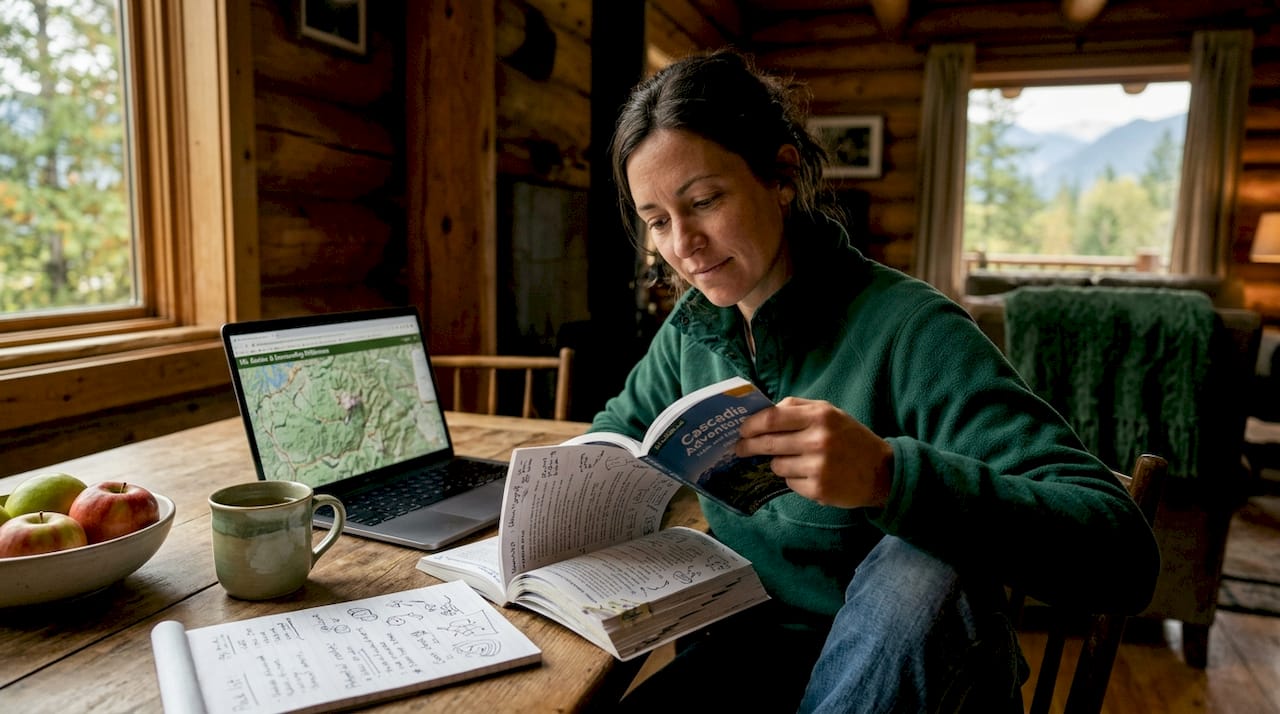 Woman planning authentic travel at kitchen table
TL;DR:
- Authentic travel prioritizes local neighborhoods, routines, and genuine community connections over sightseeing.
- Slowing down and building extended stays in residential areas fosters cultural immersion, reduces costs, and enhances well-being.
Most travelers come home with a camera full of landmarks and a nagging sense that they missed the actual place. The authentic travel planning guide you need isn't about longer bucket lists. It's about slowing down, choosing depth over volume, and building trips around real local life rather than curated tourist corridors. This guide walks you through every stage: the mindset shift, the practical planning, the budgeting, and the on-the-ground execution that turns a vacation into a genuine cultural experience without draining your savings account.
Table of Contents
- Key takeaways
- Your authentic travel planning guide starts with mindset
- How to build local itineraries and choose authentic stays
- Smart budgeting for cultural travel experiences
- Executing genuine cultural exchange on the ground
- Checking whether your plan actually delivers authenticity
- My honest take on authentic travel planning
- Start your most authentic trip with Swappahome
- FAQ
Key takeaways
| Point | Details |
|---|---|
| Slow travel saves money | Staying longer in one place cuts costs by 20–40% compared to fast-paced itineraries. |
| Base location matters | Choosing residential neighborhoods over tourist centers unlocks local rhythms and cheaper options. |
| Home swapping delivers authenticity | Staying in someone's actual home gives you kitchen access, local context, and zero accommodation costs. |
| Budget with purpose | Allocate 35–45% of budget to lodging, 20–30% to food, and keep a 5–10% contingency fund. |
| Build in unscheduled time | Leaving 30–40% of each day open allows spontaneous connections that planned tours cannot replicate. |
Your authentic travel planning guide starts with mindset
Before you open a single booking app, the most important shift is understanding what you're actually optimizing for. Most conventional travel planning optimizes for coverage. How many cities? How many sights? Authentic travel planning optimizes for depth. How well did you understand one neighborhood? Did you talk to anyone who actually lives there?
The philosophy behind this is called slow travel, and it has concrete benefits beyond the philosophical. Research confirms that slow travel costs 20–40% less than fast travel, largely because weekly apartment rates and cooking your own meals replace nightly hotel costs and restaurant dependency. A mid-range couple slow traveling Europe for 10 days spends roughly $2,200 to $3,000, compared to $3,200 to $4,200 on a fast-paced equivalent trip.
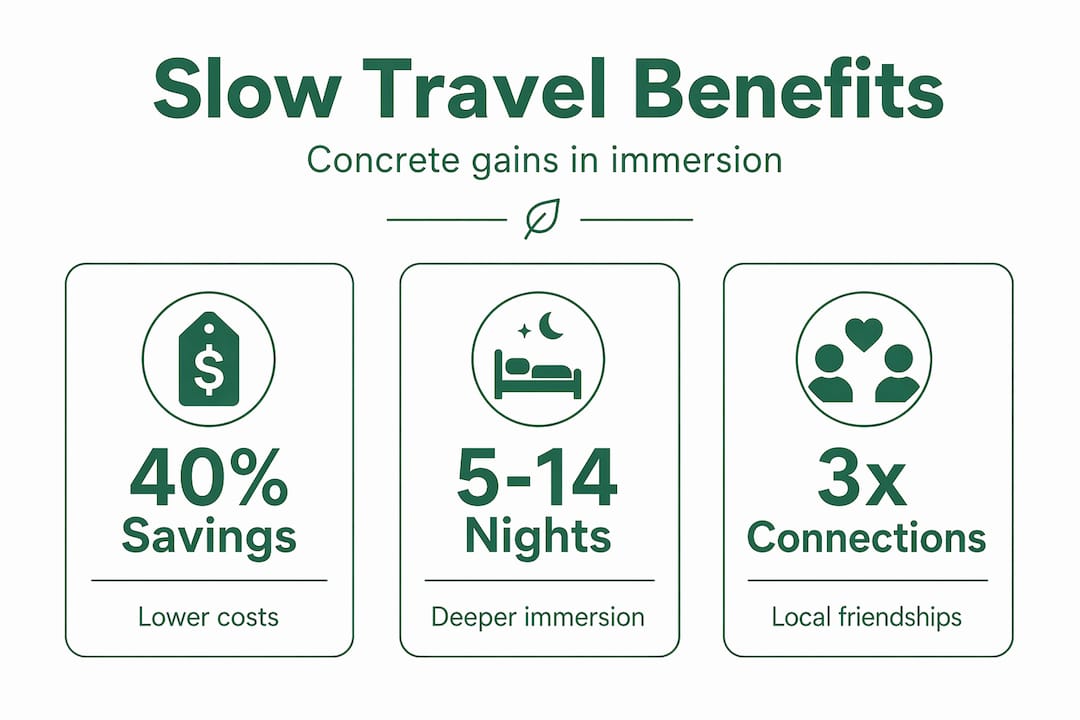 Infographic highlighting benefits of slow travel
The mental health case is just as strong. Replacing flights with rail and staying put for extended periods reduces cortisol levels and cuts carbon emissions by up to 90%. You arrive less frazzled and leave more connected.
Here's how to reframe your priorities before planning begins:
- Move your goal from "seeing" to "understanding." Swap the checklist of sights for a question: what does daily life look like here for someone who isn't a tourist?
- Research residential neighborhoods, not tourist zones. Forums like Reddit's r/solotravel and city-specific Facebook expat groups surface genuine local neighborhoods that guidebooks ignore.
- Identify community touchpoints early. Weekly markets, neighborhood cafes, community centers, and local sports clubs are where real life happens.
- Set a realistic budget before you fall in love with a destination. Knowing your numbers upfront prevents the trap of booking flights before accounting for lodging, food, and transport.
Pro Tip: Before finalizing any destination, spend 30 minutes reading the local city subreddit or a neighborhood-specific Facebook group. The complaints, recommendations, and questions from residents will tell you more about authentic local life than any travel blog.
For a broader look at how authentic stays deepen experiences, the connection between accommodation choice and cultural immersion is well documented. Where you sleep shapes everything else.
How to build local itineraries and choose authentic stays
The single most consequential decision in any authentic trip is where you base yourself. A hotel in the old town puts you surrounded by other tourists. An apartment in a residential district puts you next to a morning market, a neighborhood bakery, and people who actually have somewhere to be.
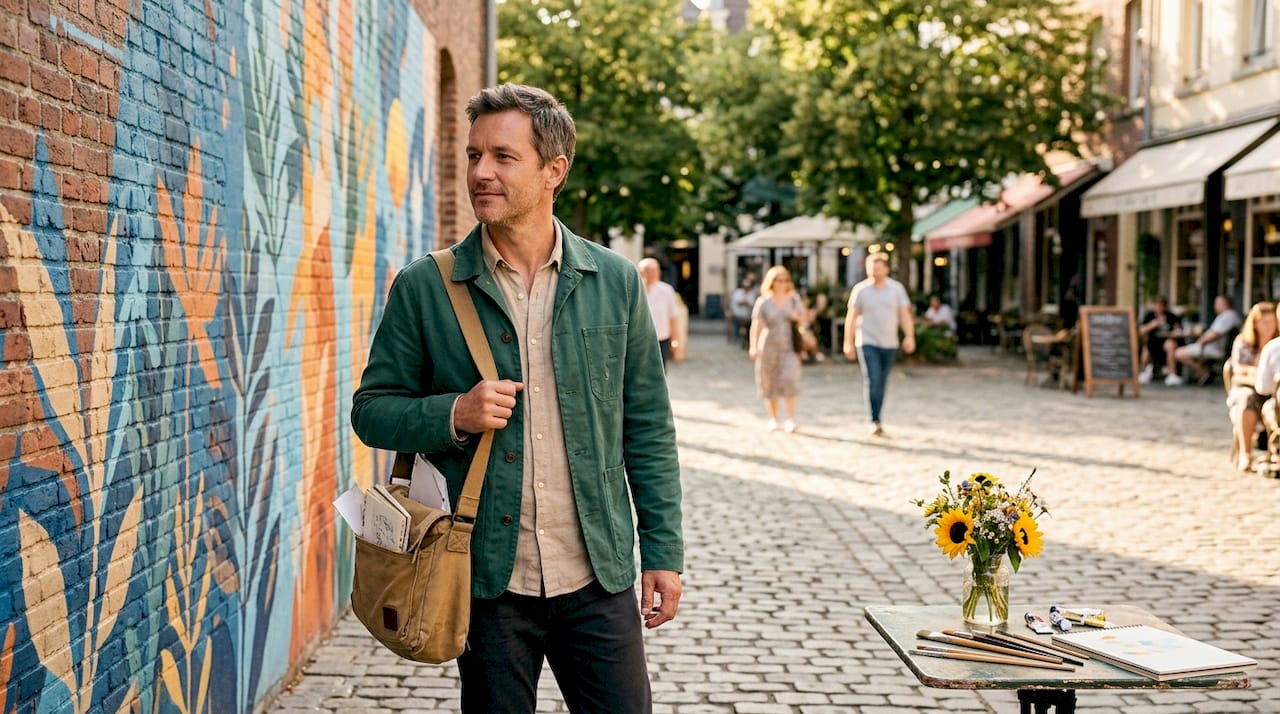 Traveler exploring authentic neighborhood street
Experienced travelers recommend spending 60–70% of your time on local routines and reserving only 30–40% for active exploration. Minimum meaningful stays clock in at 5 nights, with 7 to 14 nights recommended for genuine cultural immersion. This isn't laziness. It's strategy.
Follow these steps when building your local itineraries:
- Choose your base neighborhood before anything else. Look for areas with a mix of local shops, transit access, and residential density. Avoid zones where the majority of ground-floor businesses cater exclusively to tourists.
- Book for longer than you think you need. Longer stays open up serious savings. A 7 to 13 night stay typically earns a 10–15% discount. Fourteen to 27 nights gets you 20–30% off. Stays of 28 to 89 nights can bring 30–45% in reductions.
- Explore home swapping as your primary accommodation strategy. Staying in someone's actual home in a residential neighborhood, complete with a kitchen, a washing machine, and a bookshelf full of local recommendations, is the fastest route to genuine immersion. Swappahome's home swapping and slow travel model is built exactly around this principle.
- Plan one or two anchor activities per day, maximum. Leave the rest open. The best moments of authentic travel are rarely the ones you scheduled.
- Build your daily rhythm around local infrastructure. Morning market runs, afternoon coffee at a neighborhood spot, and evening walks through residential streets teach you more about a place than any guided tour.
| Accommodation type | Authentic immersion | Budget friendliness | Kitchen access |
|---|---|---|---|
| Tourist zone hotel | Low | Low | Rarely |
| Vacation rental (tourist area) | Medium | Medium | Often |
| Residential apartment rental | High | High | Usually |
| Home swap (Swappahome) | Very high | Very high (free nights) | Always |
| Village agro-tourism stay | Very high | Medium | Often |
Pro Tip: When negotiating a longer stay, offer upfront payment or a staged deposit schedule. Hosts respond far more favorably to guaranteed income than to a discount request alone, and you'll lock in better rates as a result.
Smart budgeting for cultural travel experiences
Numbers first. A solid budget for authentic travel typically breaks down as 35–45% on lodging, 20–30% on food, 10–15% on transport, and 10–20% on activities, with a 5–10% contingency set aside. That contingency is not optional. It's the buffer that lets you say yes to the unexpected.
The "two cheap, one nice" meal strategy works well for food budgeting. Two meals cooked at home or bought from a local market stall, plus one sit-down meal at a locally owned restaurant, keeps costs manageable while still delivering real food culture. This approach also naturally steers you away from tourist trap restaurants that charge three times the local rate for half the authenticity.
Key strategies for keeping your budget intact without losing experience quality:
- Cook at home at least once per day. Shopping at a local market is both cheaper and more immersive than eating out for every meal.
- Use apps like Trail Wallet or a shared spreadsheet for group trips to track daily spending against your budget in real time, not after the fact.
- Avoid convenience taxes. These are the small charges that accumulate: airport transfers, tourist-area coffee, booking fees on last-minute activities. Plan ahead and they mostly disappear.
- Travel in groups of 6 to 10 when possible. Groups optimize negotiation power while staying intimate enough for a genuine experience. Accommodation costs split cleanly, and bulk discounts on cooking supplies add up.
Pro Tip: Assign a "Chief Explorer" in any group trip. One person researches and curates the day's local options, which prevents the decision fatigue that leads groups to default to the nearest tourist restaurant. Rotating the role keeps everyone engaged and leverages different people's local research skills.
For detailed numbers on where home swapping fits into your travel budget savings, the math is convincing. Free accommodation nights effectively shift your entire lodging budget toward longer stays, better food, and richer activities.
Executing genuine cultural exchange on the ground
Planning gets you to the starting line. What happens after you arrive determines whether the trip is genuinely memorable or just well-organized.
The most reliable way to meet locals is to show up somewhere repeatedly. Repeated visits to the same cafes, markets, and routes build recognition that opens conversations. A barista who sees you three mornings in a row will tell you things no travel guide ever would.
- Take a class, not a tour. Cooking classes, language lessons, pottery workshops, and local sports clubs put you in genuine learning relationships with residents rather than passive observation of their culture.
- Volunteer locally and carefully. Community-based tourism and volunteering can be deeply rewarding or deeply exploitative. Genuine operators show itemized fees and transparent community benefit-sharing. If a program is vague about where the money goes, walk away.
- Learn ten words in the local language. Not a full phrase book. Just ten words, used consistently. The goodwill this generates is disproportionate to the effort.
- Let your host guide your itinerary. Whether you're staying in a home swap or a long-term rental, the person who lives there knows which spots are genuine and which ones have been taken over by tourist pricing.
- Leave unscheduled mornings in your week. Some of the richest cultural travel experiences happen when you follow curiosity without a plan: a street festival you stumbled onto, a neighborhood you wandered into by mistake.
Village-based experiences, including agro-tourism stays and surf culture communities like those found in authentic Portuguese coastal villages, are worth seeking out specifically because they operate outside the tourist economy. The agro-tourism and village-based activities that happen on the outskirts of tourist hubs tend to deliver the most genuine cultural exchanges.
Checking whether your plan actually delivers authenticity
Before you finalize any itinerary, run it through a quick self-audit. This step is where good authentic travel planning separates itself from well-intentioned trips that still end up feeling shallow.
- Count how many of your planned activities involve other tourists as the primary audience. If the answer is most of them, restructure.
- Check your accommodation location on a map. Is it in a zone that primarily exists for visitors, or does it sit inside a functioning residential neighborhood?
- Review your daily schedule for unscheduled time. If every hour is accounted for, you've built a tourist itinerary, not an immersive one.
- Look for local connection points in your plan. At least one recurring locale (a market, a cafe, a park) should appear multiple days in a row.
- Ask yourself if you can cook one meal per day. Kitchen access is both a budget indicator and an immersion indicator. If your accommodation doesn't allow it, reconsider.
"Travel is not about collecting places. It's about collecting understanding. The slower you move, the more you take in." This idea applies as much to planning as it does to the trip itself. A well-verified itinerary with deliberate gaps will outperform a packed schedule every time.
When you return, reflecting on budget travel trends and what actually worked gives you a sharper foundation for the next trip. Authentic travel is a practice, not a destination.
My honest take on authentic travel planning
I've watched travelers spend months planning trips that checked every box and still came home feeling like they'd seen a postcard version of the world. The problem isn't effort. It's the metrics they used.
Most people optimize for the number of places visited. What actually drives satisfaction is the number of genuine connections made. A week in one neighborhood where you know the baker's name beats two weeks hopping between Instagram-famous spots with no real anchor.
The part travelers don't anticipate is the discomfort of unscheduled time. Slow travel asks you to sit with boredom occasionally, to not have a plan, to let the place come to you. That discomfort is exactly where the interesting stuff happens. The conversation that starts because you're sitting at the same table for the third day in a row. The shortcut a neighbor shows you because they've seen you get lost twice.
Community-based tourism is worth mentioning here too. When it's done ethically, it genuinely supports local employment and development in ways that standard tourism cannot touch. But it requires due diligence. Demand transparency before you book.
My real advice is this: plan enough to feel secure, then leave room to be surprised. The best trips I've heard about were defined by what wasn't on the itinerary.
— Swappa
Start your most authentic trip with Swappahome
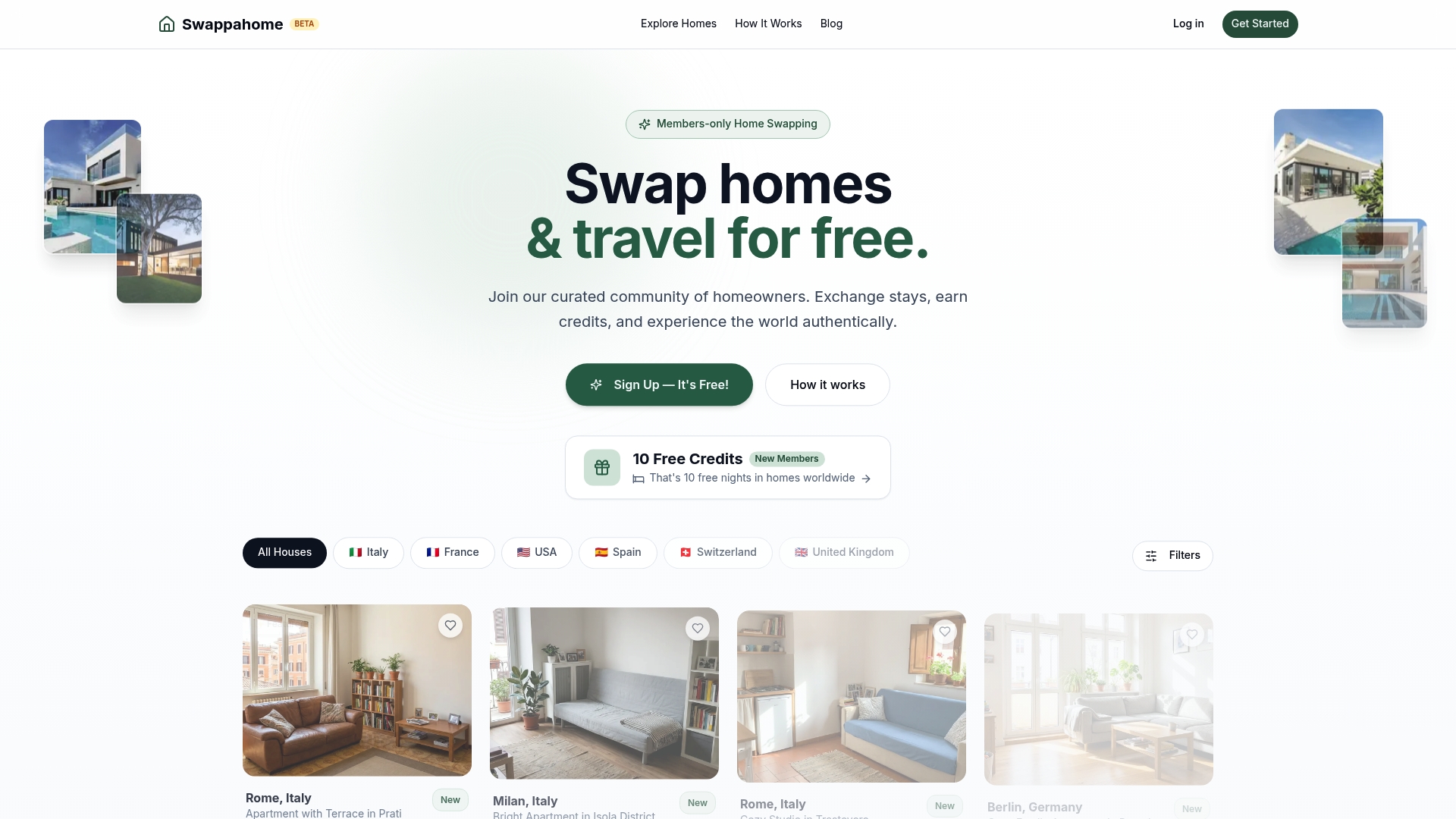 https://swappahome.com
If this guide gave you a framework for thinking about authentic travel differently, Swappahome gives you the tools to execute it. The platform connects verified homeowners globally through a credit-based system: list your home, earn credits, and use them to stay in other members' homes for free. One credit equals one free night in a real home, in a real neighborhood, with a kitchen and a local context that no hotel room can replicate.
Browse verified home exchange listings across dozens of countries, or explore food and culture home swap experiences curated for travelers who want immersion over convenience. New members receive free credits to get started. Join Swappahome and make your next trip the one you actually remember.
FAQ
What makes a travel plan "authentic"?
An authentic travel plan prioritizes local neighborhoods, routines, and genuine community connections over tourist attractions. It typically includes flexible scheduling, residential accommodation, and repeated visits to local spots rather than one-time sightseeing.
How long should I stay in one place for cultural immersion?
Experienced travelers recommend a minimum of 5 nights, with 7 to 14 nights being the sweet spot for meaningful cultural immersion. Longer stays also unlock significant accommodation discounts.
How does home swapping help with authentic travel?
Home swapping places you in a real residential neighborhood with full kitchen access and often a local host's personal recommendations. It eliminates accommodation costs entirely and naturally positions you inside local daily life rather than tourist infrastructure.
What's the best budget strategy for authentic trips?
Allocate 35–45% of your budget to lodging, 20–30% to food using the two-cheap-one-nice meal method, and reserve 5–10% as a contingency. Cooking at home and negotiating longer stays are the two highest-impact cost reductions.
How do I avoid tourist traps while planning?
Research residential neighborhoods using local forums and expat groups before booking. Choose accommodation with kitchen access outside tourist zones, build unscheduled time into your itinerary, and prioritize recurring local spots over one-time attraction visits.
Recommended

Published by
SwappaHome
SwappaHome Editorial Team
Home Exchange & Slow Travel Editorial
The SwappaHome Editorial Team brings together travel research, home-exchange community insights, and platform data to produce practical guides for first-time and experienced home swappers. Every article cites real platforms, current market rates, and verifiable city-level facts so readers can make informed decisions without guessing.
Ready to try home swapping?
Join SwappaHome and start traveling by exchanging homes. Get 7 free credits when you sign up!