
Your Ultimate Guide to Finding the Perfect Package for Hawaii Vacation

SwappaHome Editorial Team
Home Exchange & Slow Travel Editorial
To help you plan your perfect Hawaiian getaway, here are the most important things to remember when looking for a package for Hawaii vacation. These points…
To help you plan your perfect Hawaiian getaway, here are the most important things to remember when looking for a package for Hawaii vacation. These points will guide you from start to finish.
Key Takeaways
- Choose a reliable travel agency and carefully check what's included in your package.
- Book your accommodation and flights well in advance to secure the best rates and spots.
- Plan your island itinerary and book popular tours or activities ahead of time.
- Set a realistic budget and timeline for booking to take advantage of deals.
- Pack light with essentials for tropical weather, but include layers for higher elevations.
Choosing Your Ideal Hawaii Vacation Package
So, you're dreaming of Hawaii? Awesome! But before you start picturing yourself on a sandy beach, let's talk about how to actually get there without breaking the bank or ending up in a place that's not quite right. Picking the right vacation package is kind of a big deal, and it sets the tone for your whole trip. It's not just about booking a flight and a hotel; it's about finding a bundle that fits what you want to do and see.
Researching Reliable Travel Agencies
When you're looking for a package, the first thing you'll probably do is check out travel agencies. It's smart to do a little digging here. You don't want to hand over your hard-earned cash to just anyone. Look for companies that have been around for a while and have good reviews. A reputable agency will be upfront about what's included and won't try to hide any fees. Think of them as your guide to the islands; you want a guide you can trust. Some popular ones can help you sort through all the options, making the process way less stressful.
Understanding Package Inclusions
This is where you really need to pay attention. What exactly is in that "package"? Sometimes it's just flights and a basic hotel, other times it includes airport transfers, tours, and even meals. You'll want to make a list of what's important to you. Do you need a rental car included? Are you hoping for some guided excursions? Knowing this helps you compare apples to apples when looking at different deals. Don't just assume; ask questions! It's better to be clear now than surprised later.
Here's a quick rundown of common inclusions:
- Flights
- Accommodation (hotel, condo, etc.)
- Airport transfers
- Rental car
- Tours and activities
- Some meals
Comparing Different Travel Companies
Once you know what you're looking for, start shopping around. Different companies will have different deals, and sometimes the same basic package can vary quite a bit in price. Look at a few different providers to see who offers the best value for what you need. Don't forget to check out seasonal home exchange opportunities if that's something you're interested in, as it can be a great way to save on accommodation.
It's easy to get caught up in the excitement of booking a Hawaiian vacation, but taking a little extra time to research and compare your options can save you a lot of hassle and money down the road. Think of it as part of the adventure!
Remember, the goal is to find a package that makes your Hawaiian dream trip a reality without any unwanted surprises.
Selecting the Perfect Hawaiian Accommodation
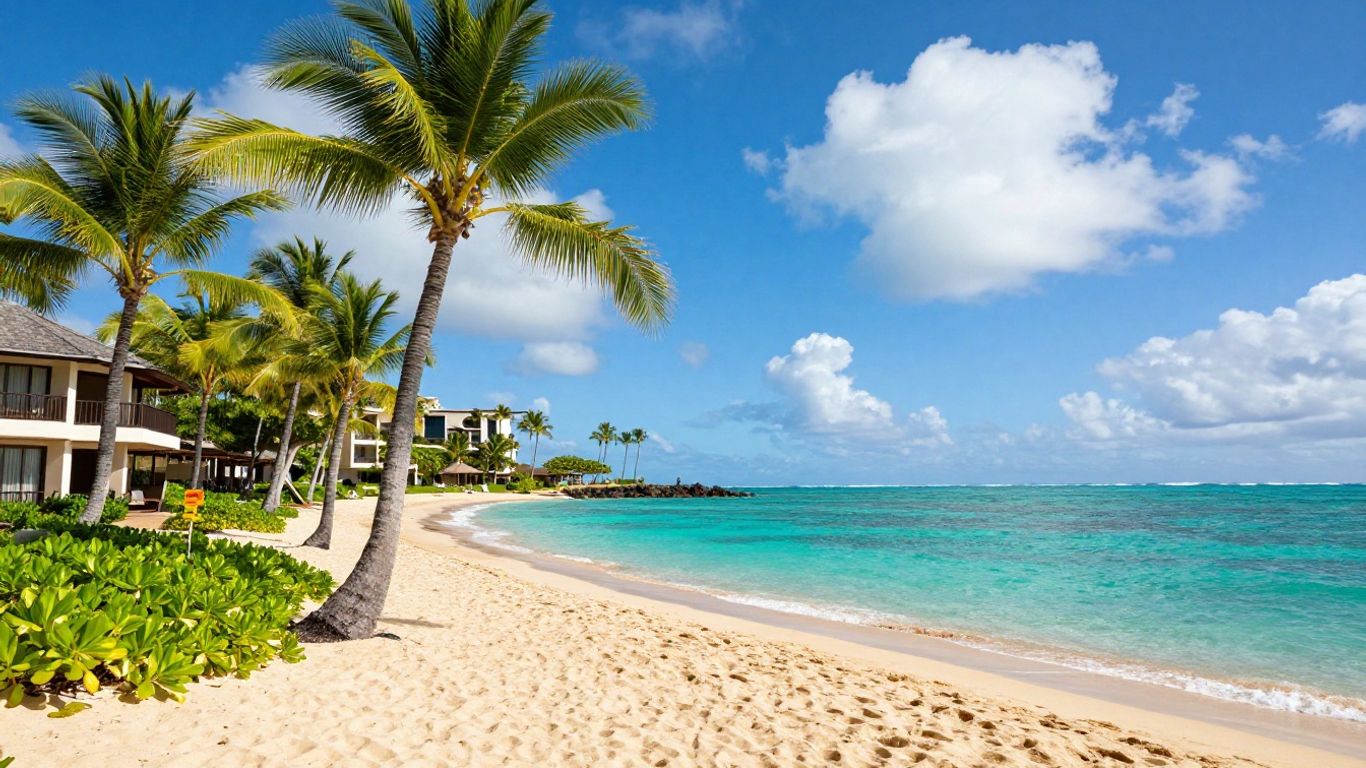 Beautiful Hawaiian beach with palm trees and resort.
Finding the right place to stay is a big part of making your Hawaii trip awesome. It's not just about having a roof over your head; it's about where you'll be relaxing after a day of exploring, and sometimes, it's even where you'll spend a good chunk of your time. So, let's talk about how to pick the best spot for you.
Evaluating Hotel Options and Amenities
Hotels are often the go-to for many travelers, and for good reason. They come in all shapes and sizes, from big resorts with tons of activities to smaller, boutique places that feel more personal. When you're looking at hotels, think about what's important to you. Do you need a pool? Free breakfast? Maybe a gym? It's also smart to check out reviews from other guests. They can give you the real scoop on things like cleanliness, noise levels, and how friendly the staff is. Sometimes, booking directly through the hotel's website can get you better rates or special perks, but always compare it with what travel agencies might offer. You might find a great deal on a package that includes your hotel.
Considering Condominiums and Vacation Homes
If you're looking for a bit more space or a more home-like feel, condos and vacation homes are fantastic options. Condos often give you a kitchen, which can save you a lot of money on food if you plan on cooking some meals. Plus, they're great if you're traveling with family or a group and want separate bedrooms. Vacation homes, like houses or villas, offer even more privacy and space. These are especially good for longer stays. When looking at these, think about the location – are you close to the beach, shops, or restaurants? Also, check what's included. Some might have laundry facilities, private lanais, or even access to shared pools and BBQ areas. Websites that list rentals can be a good place to start your search, and remember to read the house rules carefully, just like any good host would provide clear information about the property.
Booking Accommodations in Advance
Hawaii is a popular spot, and good places to stay, especially the ones with great locations or unique features, get booked up fast. Booking your accommodation well ahead of time is usually the smartest move. This is particularly true if you're traveling during peak seasons, like holidays or summer break. Getting in early not only means you'll have more choices, but you'll often snag better prices too. Many places offer early bird discounts or special packages if you book months in advance. It also takes a load off your mind knowing this big piece of your trip is sorted, leaving you more time to plan the fun stuff. It's a good idea to have a rough idea of your travel dates and budget before you start looking, so you can narrow down your options quickly.
Here's a quick rundown of things to consider:
- Budget: How much can you comfortably spend per night?
- Location: Beachfront? Near town? Secluded?
- Amenities: Pool, kitchen, Wi-Fi, parking, air conditioning?
- Type: Hotel, condo, vacation rental, resort?
- Reviews: What do past guests say?
Picking the right accommodation sets the tone for your entire vacation. It's worth spending a little extra time to find a place that truly fits your travel style and needs, whether that's a bustling resort or a quiet beachfront condo.
Planning Your Hawaiian Itinerary and Activities
So, you've got your flights and a place to stay sorted. Awesome! Now comes the really fun part: figuring out what you're actually going to do in paradise. Hawaii isn't just one big beach; it's a collection of islands, each with its own vibe and unique attractions. Figuring out what you want to experience before you go will make your trip so much smoother.
Identifying Must-Do Activities and Attractions
Think about what kind of vacation you're after. Are you all about lounging on the sand with a good book? Or are you more of an adventure seeker, eager to hike volcanoes and snorkel with sea turtles? Hawaii offers a bit of everything. You might want to jot down a list of things that catch your eye. This could include iconic spots like Pearl Harbor on Oahu, the Road to Hana on Maui, or Volcanoes National Park on the Big Island. Don't forget the simple pleasures, too – watching a sunset, trying local food, or just exploring a new town.
Researching Island-Specific Experiences
Each island has its own personality. Oahu is known for its bustling Waikiki and historical sites. Maui offers stunning beaches and the scenic drive of the Road to Hana. The Big Island is famous for its active volcanoes and diverse landscapes, from black sand beaches to coffee farms. Kauai, the "Garden Isle," is all about dramatic cliffs and lush rainforests. Lanai and Molokai offer a more laid-back, less-traveled experience. Knowing this helps you pick which islands to visit and what to expect when you get there. You can find a lot of great information on island activities.
Making Reservations for Tours and Excursions
Once you have a general idea of what you want to do, it's a good time to start booking. Some popular tours and activities, especially those with limited spots or specific times, can fill up months in advance. This is particularly true for things like helicopter tours, popular luaus, or guided hikes in national parks. Booking ahead means you won't miss out on the experiences you've dreamed about. It also helps you create a more realistic schedule and avoid spending precious vacation time waiting in lines or trying to figure things out on the fly. For a more detailed look at planning, this resource has fifteen essential details.
Planning ahead doesn't mean you have to schedule every single minute. It's about making sure the big things you really want to do are secured, leaving room for spontaneous discoveries and relaxation. A good balance is key to a truly enjoyable trip.
Budgeting and Timing Your Hawaii Vacation
Okay, let's talk about the nitty-gritty: money and when to go. Planning a trip to Hawaii can feel like a big undertaking, and figuring out the costs upfront is super important. Getting a handle on your budget early on will save you a lot of stress later. It's not just about the big stuff like flights and hotels; you've got to think about food, activities, and even those little souvenirs you'll want to bring back.
Calculating Accommodation and Food Costs
When you're looking at where to stay, prices can really vary. A fancy resort on Maui is going to cost a lot more than a condo rental on Kauai. It's a good idea to get a rough idea of what you're willing to spend per night. Don't forget to factor in taxes and any resort fees that might pop up. For food, Hawaii can be pricey, especially if you plan on eating out for every meal. Think about how often you'll want to dine at restaurants versus grabbing groceries and making some of your own meals, especially if you're in a condo with a kitchen. This can make a big difference in your overall spending.
Here’s a quick way to think about daily food costs:
- Budget-friendly: $50 - $75 per person (think food trucks, local plate lunches, grocery store snacks)
- Mid-range: $75 - $150 per person (mix of casual restaurants and some nicer meals)
- Splurge: $150+ per person (fine dining, tasting menus, cocktails)
Setting a Timeline for Bookings
When you decide to book things can seriously impact the price you pay. Generally, the earlier you book, the better. This is especially true for flights and popular accommodations. Waiting until the last minute often means paying more, and you might miss out on your first choices altogether. Think about booking your flights and main lodging about six months to a year in advance, particularly if you're traveling during peak times. This gives you time to pay things off gradually, too. You can often find great deals on flights to Hawaii if you're flexible with your dates.
Here’s a general booking timeline to consider:
- 10-12 Months Out: Start researching and book your accommodation and flights, especially if you're traveling during holidays or peak seasons.
- 6-9 Months Out: Book any must-do tours or popular activities that tend to sell out.
- 3-5 Months Out: Reserve rental cars and make dinner reservations for any high-demand restaurants.
- 1-2 Months Out: Finalize any remaining bookings and confirm all your reservations.
Identifying Optimal Travel Seasons for Deals
Hawaii is a year-round destination, but some times are definitely more expensive than others. If you're looking to save some money, consider traveling during the shoulder seasons. These are the periods just before or after the peak tourist times. You'll often find lower prices on flights and hotels, and the islands will be a bit less crowded.
- Spring (Mid-April to Mid-June): After the winter rush and before the summer vacationers arrive. The weather is usually fantastic.
- Fall (September to Mid-December, excluding Thanksgiving week): This is another sweet spot. The weather is still warm, and you can snag some good deals before the Christmas holiday crowds.
Avoid traveling during major holidays like Christmas and New Year's, and also during February and June, as these are typically the busiest and most expensive months. Planning around these times can lead to significant savings.
When you're planning your trip, remember that Hawaii has different microclimates. Even on the same island, you might find vastly different weather conditions. Researching the specific climate of the island and region you're visiting will help you pack appropriately and plan activities that suit the conditions.
If you're open to different travel arrangements, exploring options like home exchanges could also be a way to manage costs, especially for longer stays. You might find interesting opportunities for traveling in 2025-2026 that fit your budget.
Securing Flights and Transportation
Getting to and around the Hawaiian Islands involves a couple of key steps: booking your flights and figuring out how you'll get from place to place once you're there. It might seem like a lot, but breaking it down makes it much simpler.
Comparing Airfare Options
When you're looking for flights, it's easy to get overwhelmed by all the choices. The trick is to look beyond just the price tag. Consider the total travel time, including any layovers. Sometimes, a slightly more expensive flight with a shorter layover can save you a lot of hassle. Also, think about which airport makes the most sense for your island destination. For example, flying into Honolulu (HNL) on Oahu is different from flying into Kahului (OGG) on Maui or Kona (KOA) on the Big Island. Each island has its main airport, and sometimes smaller ones too, so do a little digging to see what works best for your specific plans.
Here's a quick way to compare:
- Cost: Obviously, you want a good deal.
- Duration: How long is the entire trip from departure to arrival?
- Layover Times: Are they short and sweet, or long enough to grab a meal and stretch your legs?
- Airline: Do you have loyalty points or a preferred airline?
Booking Flights Strategically
Timing is everything when it comes to snagging good flight deals. Generally, booking a few months in advance is a good bet, but it's not a hard and fast rule. Keep an eye on prices and be ready to book when you see something that fits your budget. Sometimes, booking on a Tuesday or Wednesday can yield better prices, though this varies. Don't forget to check different travel sites and even the airline's own website directly. You might find a better deal by booking directly with the airline, or sometimes a travel agency can bundle it with other parts of your trip. If you're flexible with your travel dates, you might find cheaper fares during the shoulder seasons, which are typically spring and fall. This can also mean fewer crowds, which is a nice bonus.
Planning your trip during the spring (mid-April to mid-June) or fall (September to mid-December) can often lead to better rates on both flights and accommodations. These periods usually fall outside of major school holidays and peak tourist seasons, making them ideal for finding deals and enjoying a more relaxed experience.
Exploring Local Transportation
Once you land, you'll need to get around. For shorter stays or if you plan to stick to one resort area, public buses might be an option on some islands, though they aren't always the most convenient. If you're planning to explore multiple towns or different parts of an island, a rental car is usually the way to go. Booking your rental car in advance is highly recommended, especially during busy travel times. Rental car availability can be limited, and prices can skyrocket if you wait too long. Some people also opt for ride-sharing services or taxis for shorter trips, but these can add up quickly. If you're looking for a more unique way to see the islands, consider local shuttles or even guided tours that include transportation. For those who enjoy a more laid-back approach and are staying in one place, many resorts offer shuttle services to nearby attractions or beaches. If you're interested in home exchange for a more local feel, you might find that having a car is more important for exploring, but some areas are quite walkable. Check out home swapping options for a different travel style.
Packing Essentials for Your Hawaiian Getaway
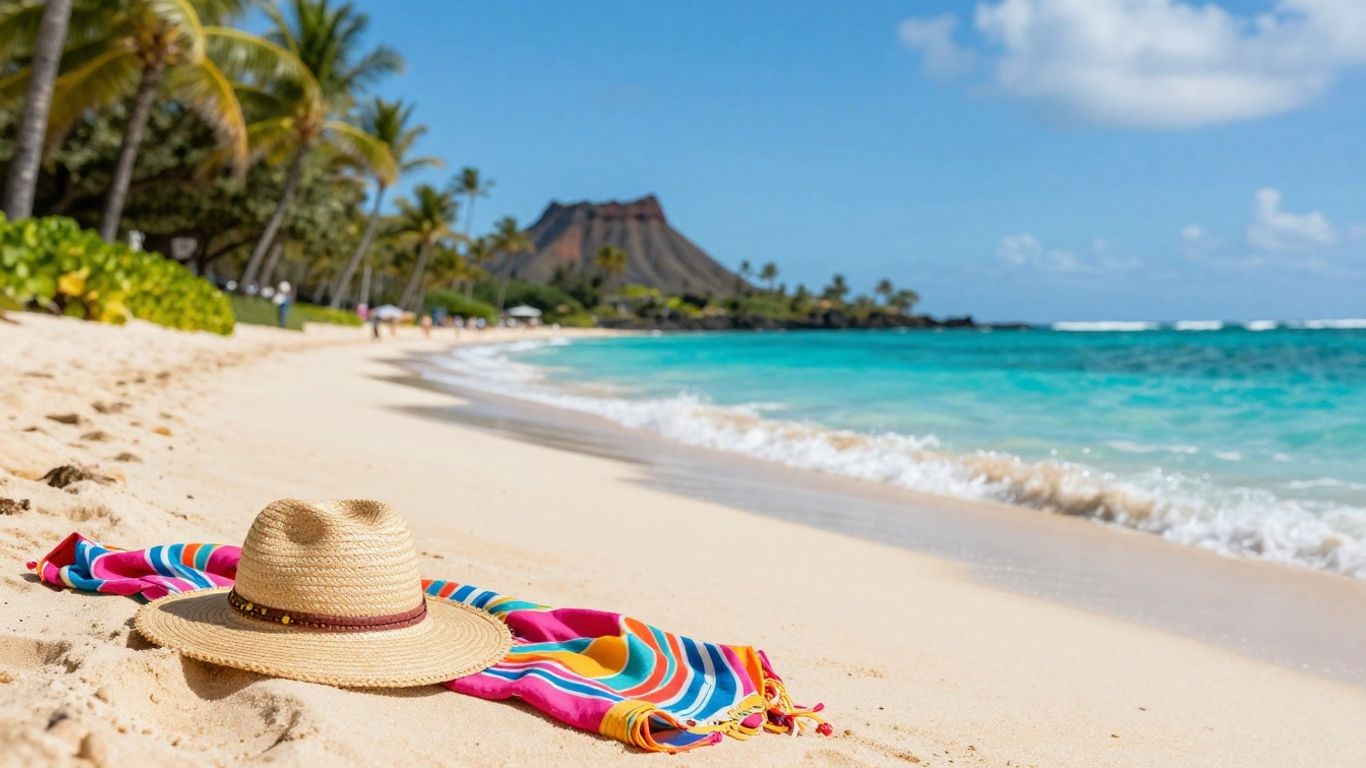 Hawaii beach with palm trees, waves, sarong, and hat.
Alright, let's talk about what to actually bring with you to Hawaii. You don't want to overpack, but you also don't want to be caught without something you really need. The key is to pack light and smart, focusing on comfort and the tropical environment.
Clothing for Tropical Climates
When you think Hawaii, think breezy and comfortable. Most of your wardrobe will likely consist of casual wear. Think about what you'll be doing – mostly beach time, exploring towns, and maybe a nice dinner out. You'll want items that are easy to wear and don't take up too much space. For those cooler evenings or if you plan on visiting higher elevations like Haleakala on Maui or Mauna Kea on the Big Island, a light jacket or sweater is a good idea. Rain is also pretty common in the tropics, so a light rain jacket is a smart addition.
Here's a quick rundown of clothing items to consider:
- Swimsuits (bring at least two so one can dry)
- Shorts and skirts
- T-shirts and tank tops
- A few casual dresses or nice tops for evenings
- Lightweight pants or capris
- A light sweater or jacket for cooler evenings or higher altitudes
- A light rain jacket
- Underwear and socks
Footwear for Various Activities
When it comes to shoes, less is definitely more for a Hawaii trip. You'll probably live in your flip-flops or sandals. If you plan on doing any hiking or more active excursions, then a pair of comfortable walking shoes or trainers would be wise. Otherwise, stick to a maximum of two or three pairs. Seriously, you won't need much more than that. A pair of sandals that can double for beach wear and casual outings is a great space-saver. If you have a nicer pair of sandals or flats for dinner, that's usually sufficient.
- Flip-flops or sandals (your go-to pair)
- Comfortable walking shoes or sneakers (if planning hikes or lots of walking)
- Optional: Dressier sandals or flats for evenings
Essential Accessories for Sun and Water
Don't forget the items that will make your time in the sun and water much more enjoyable and safe. Sun protection is super important, so pack plenty of sunscreen, a wide-brimmed hat, and sunglasses. A reusable water bottle is also a good idea to stay hydrated and reduce plastic waste. If you plan on taking photos near or in the water, a waterproof phone case is a lifesaver. It's also a good idea to pack a small backpack or beach bag for your daily excursions.
- Sunscreen (reef-safe is recommended)
- After-sun lotion or aloe vera
- Wide-brimmed hat
- Sunglasses
- Reusable water bottle
- Waterproof phone case with a lanyard
- Beach bag or small backpack
- Insect repellent
- Any personal medications
Remember to leave some extra space in your luggage for souvenirs! Hawaii has some great shopping, and you'll want to bring back a few treasures. Consider packing a foldable duffel bag if you anticipate doing a lot of shopping. You can find a great packing list to help you get started.
Ensuring a Safe and Memorable Trip
So, you've picked out your perfect package, booked your flights, and maybe even started dreaming about those beaches. That's awesome! But before you completely switch into vacation mode, let's chat about making sure your Hawaiian adventure is not just fun, but also safe and smooth sailing. It’s all about being prepared so you can truly relax and soak it all in.
Essential Safety Tips Before Departure
Getting ready to head out is the perfect time to tick off a few safety boxes. It might seem like a drag when you're eager to go, but trust me, a little prep work goes a long way. Think of these as your pre-trip checklist for peace of mind.
- Travel Protection: While your regular health insurance might cover some things, it's wise to look into travel insurance. It can help out if your trip gets unexpectedly canceled, delayed, or if something goes wrong with your luggage. It's a good idea to check out comprehensive travel insurance options.
- Document Copies: Make digital and physical copies of your important documents like your ID, passport, and any booking confirmations. Keep them separate from the originals.
- Emergency Contacts: Have a list of emergency contacts readily available, both on your phone and perhaps a small card in your wallet.
- Local Laws and Customs: Take a few minutes to read up on local laws and customs. Hawaii has a unique culture, and showing respect is always appreciated.
Understanding Local Customs
Hawaii is a special place, and understanding a bit about the local culture can really enrich your experience. The Aloha Spirit is real, and it's about kindness, respect, and living in harmony. Simple things like learning a few Hawaiian words (like 'Mahalo' for thank you) can make a difference. Be mindful of the 'aina (land) – don't leave trash behind, and respect natural and cultural sites. It's about leaving places as beautiful as you found them.
Being aware of your surroundings is always a good idea, no matter where you travel. Hawaii is generally very safe for tourists, but like anywhere, it's smart to be cautious, especially in crowded areas or when exploring less-trafficked spots.
Preparing for Unexpected Situations
Sometimes, things don't go exactly as planned, and that's okay. Hawaii is known for its beautiful weather, but it can also be unpredictable. You might encounter sudden rain showers or strong ocean currents. It's also good to be aware of potential natural events like volcanic activity or wildfires, though these are usually well-managed and communicated by local authorities. Having a small stash of cash for small purchases or emergencies is also handy, as not every place takes cards. And don't forget basic first-aid items in your day bag – a few bandages and some antiseptic wipes can be lifesavers for minor scrapes.
| Item | Why it's helpful |
|---|---|
| Sunscreen & Hat | Protects against strong tropical sun |
| Reusable Water Bottle | Stay hydrated and reduce plastic waste |
| Basic First-Aid Kit | For minor cuts, scrapes, or insect bites |
| Cash | For small vendors, tips, or places without card readers |
| Copies of Documents | Backup in case originals are lost or stolen |
Conclusion
Planning your dream Hawaii vacation doesn't have to be a headache. By following these tips, you can find the perfect package, book great accommodations, and plan an itinerary filled with amazing experiences. Remember to book early, especially for flights and popular activities, to get the best deals and ensure availability. Pack smart, stay safe, and get ready to soak up the Aloha spirit for an unforgettable trip!
Frequently Asked Questions
What's the best way to find a good Hawaii vacation package?
Start by looking at well-known travel agencies. Check out what they include in their packages, like hotels, flights, and activities. Comparing different companies will help you find the best deal for what you want.
How far in advance should I book my Hawaii trip?
It's a good idea to book your Hawaii vacation about six months to a year ahead of time. This helps you get the best prices on flights and hotels, and you won't miss out on popular tours or activities that might sell out.
Should I book a hotel, condo, or vacation home?
It really depends on what you like! Hotels are easy, condos can give you more space and a kitchen, and vacation homes are great for privacy. If you're staying for a while or traveling with family, a condo or home might be a better fit.
What kind of activities should I plan for?
Hawaii has so much to offer! Think about what you love – beaches, hiking, culture, or food. Each island has its own vibe. Oahu is busy with lots to do, while islands like Lanai offer quiet. Book popular tours like Pearl Harbor or luaus early.
When is the cheapest time to visit Hawaii?
You can often find better prices on flights and places to stay during the spring (mid-April to mid-June) and fall (September to mid-December). Avoid major holidays and summer if you're looking for the best deals.
What are some must-have items to pack for Hawaii?
Pack light, tropical clothes like shorts, t-shirts, and swimsuits. Don't forget sunscreen, a hat, and sunglasses! If you plan to visit high mountains, bring a jacket. A waterproof phone case is also super handy for beach photos.

Published by
SwappaHome
SwappaHome Editorial Team
Home Exchange & Slow Travel Editorial
The SwappaHome Editorial Team brings together travel research, home-exchange community insights, and platform data to produce practical guides for first-time and experienced home swappers. Every article cites real platforms, current market rates, and verifiable city-level facts so readers can make informed decisions without guessing.
Ready to try home swapping?
Join SwappaHome and start traveling by exchanging homes. Get 7 free credits when you sign up!