Best Neighbourhoods Home Exchange in Denmark
Live in the areas locals actually love.
1 matching home in Denmark
Denmark's neighbourhoods reveal themselves slowly, rewarding travellers who settle in long enough to find their local bakery and preferred cycling route. From the harbour-side enclaves of Copenhagen where old warehouses have become design studios, to the half-timbered streets of Ribe where medieval layouts still dictate daily rhythms, each district carries its own micro-culture. Staying in a residential neighbourhood means shopping at the same butcher the locals trust, discovering which playground has the best climbing structures, and learning that Danes really do leave their prams outside cafés. You'll notice how quickly a postal code shapes daily life—the difference between a canal-side Christianshavn morning and a Vesterbro evening is more than geography.
Why Denmark works for best neighbourhoods
Homes, not hotel rooms
Live in a real Denmark home — kitchen, balcony, neighbourhood rhythm — instead of a generic hotel room.
Fair by design
1 credit = 1 night. Every home is worth the same. No bidding, no haggling, no price surges.
Curated for best neighbourhoods
We prioritise wifi — the kind of homes that actually fit the travel style.
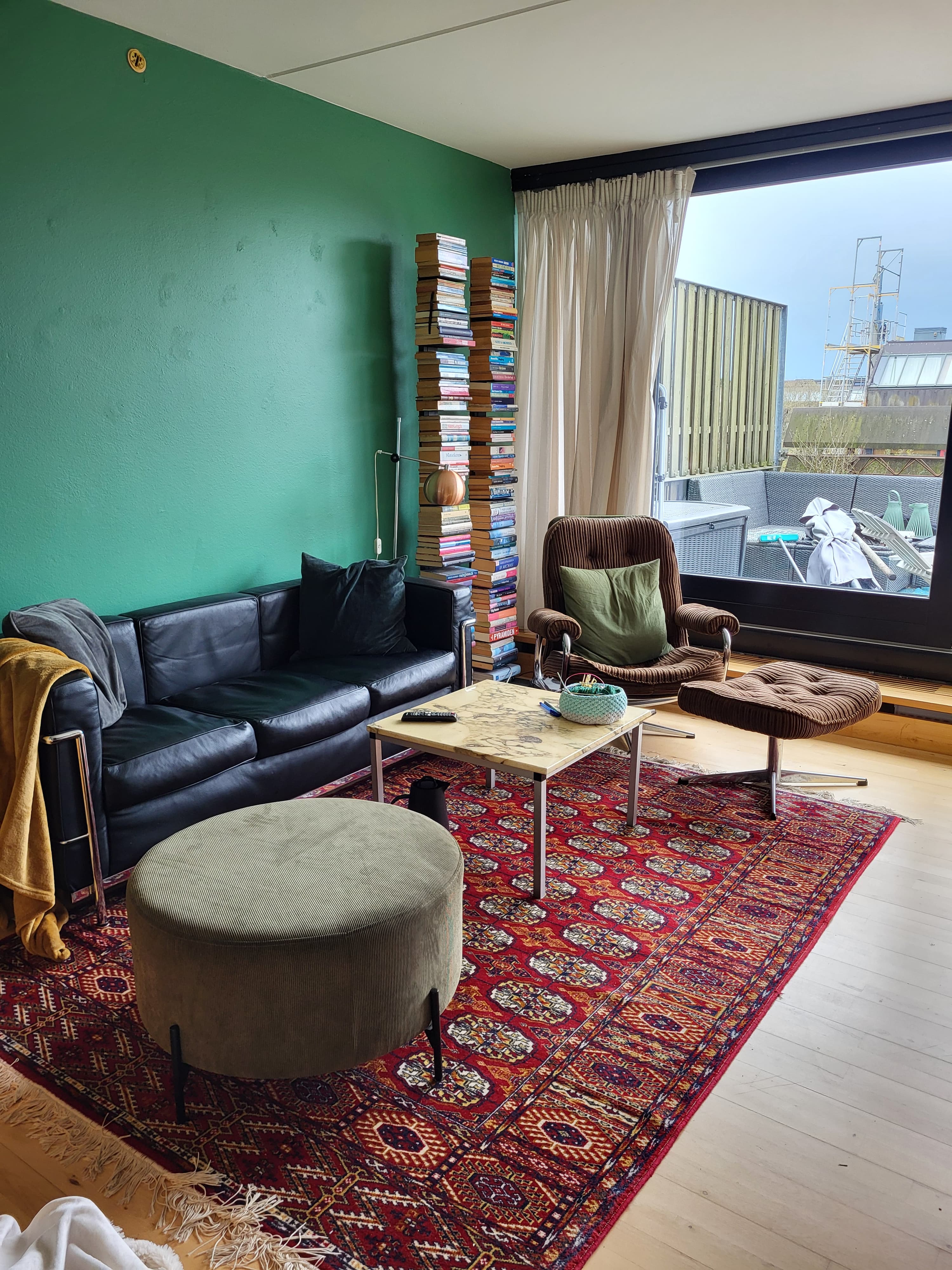
Matching homes in Denmark
Guides for best neighbourhoods in Denmark

Home Swap in Rome: Where to Find the Best Properties for Your Italian Exchange
Discover where to find the best home swap properties in Rome—from Trastevere's cobblestone charm to Testaccio's local authenticity. Real neighborhoods, real advice.

Home Swap in Bangkok: Where to Find the Best Properties for Free Stays
Discover where to find the best home swap properties in Bangkok—from riverside condos in Charoen Krung to family homes in Ari. Real neighborhoods, real savings.

Home Swap in Cambridge: Your Complete Guide to the Best Properties and Neighborhoods
Discover the best home swap properties in Cambridge, from historic townhouses near King's College to cozy cottages in Grantchester. Local tips included.

Algarve Neighborhood Guide for Home Swappers: From Trendy Lagos to Traditional Tavira
Discover the best Algarve neighborhoods for home exchange—from surf-town vibes in Lagos to authentic fishing villages in the east. Your insider guide to Portugal's sun-drenched coast.

Taipei Neighborhoods for Home Swappers: Your Complete Guide from Trendy Xinyi to Traditional Dadaocheng
Discover the best Taipei neighborhoods for home exchange—from hipster cafés in Zhongshan to century-old temples in Wanhua. A local-tested guide to finding your perfect swap.
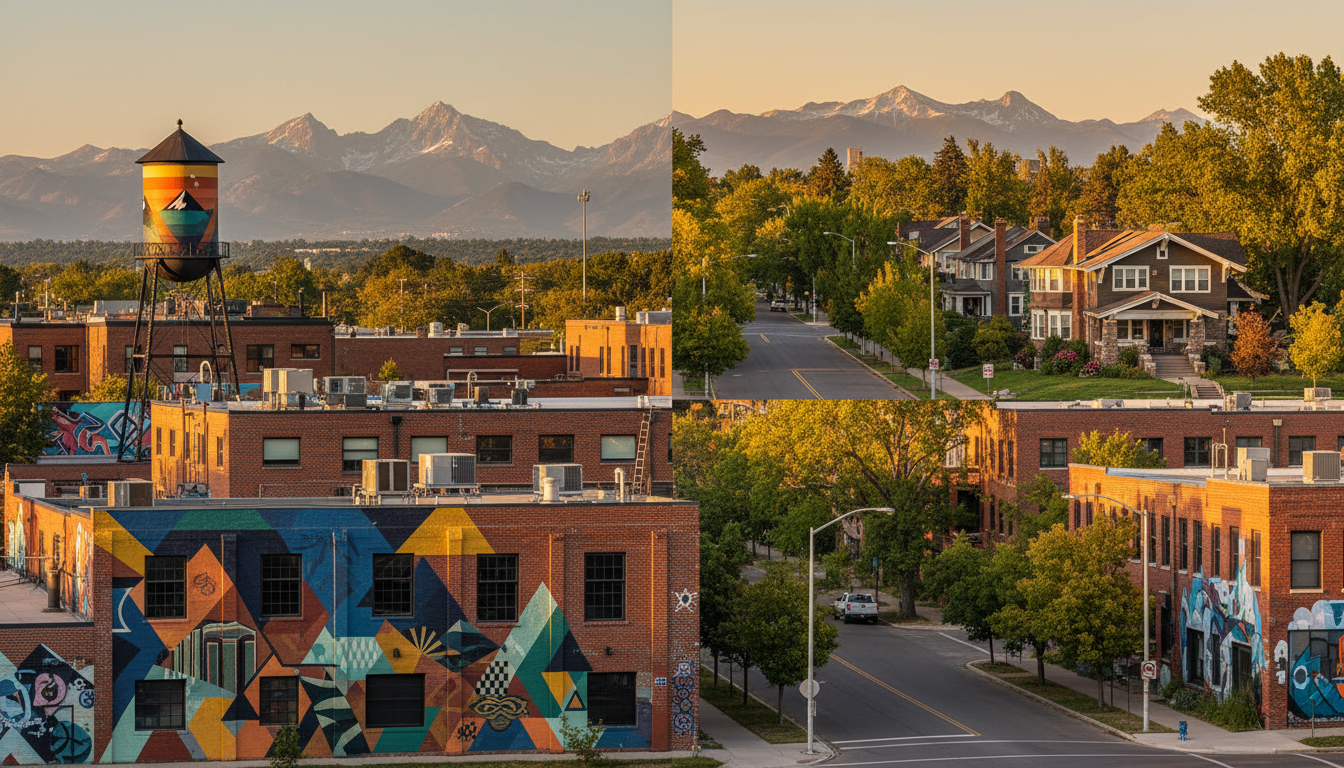
Denver Neighborhoods for Home Swap: Your Complete Guide from RiNo to Wash Park
Discover the best Denver neighborhoods for home swap stays—from artsy RiNo to family-friendly Wash Park. Local tips, costs, and insider secrets from 7 years of swapping.
Frequently asked questions
How does home exchange on SwappaHome work?
You list your home, then swap into work-ready places worldwide. Hosting earns 1 credit per night; spending a credit books 1 night anywhere in the network. No money changes hands between members. Join with LinkedIn — that's how we know you're a real person.
Is it safe to swap homes with strangers?
Everyone joins with LinkedIn, so you meet people with real names and professional profiles — not anonymous accounts. All conversations stay inside SwappaHome. Homes are reviewed before they go live, and after each stay guests and hosts leave mutual reviews. For extra peace of mind, we recommend a video call before you confirm a swap.
Do I need to swap directly with the same person?
No. SwappaHome uses a credit system, not direct 1-to-1 swaps. You can host a family from Berlin and use the credits you earn to stay with a completely different host in Tokyo six months later. It makes travel dates, destinations and group sizes much easier to match.
Can I join if I don't own a home?
Yes — you can earn credits by hosting in a spare room, a long-term rental (if your lease allows guests) or by gifting/receiving credits from other members. You can also buy a starter pack if you want to travel before you host. Listing your primary home is the most common path, but it's not the only one.
How many homes are available for exchange in Denmark?
Right now there are 1 verified home available for exchange in Denmark. The list you see on this page is pulled live, so it stays in sync as new members join the community.
What kind of homes can I expect to find in Denmark?
The current Denmark catalog includes apartment. You can filter by property type, number of bedrooms and amenities directly on the listings page — and because this information comes straight from the database, it reflects what's actually available today, not a generic description.
What makes Danish neighbourhoods feel different from typical tourist areas?
Danish residential districts operate on trust and routine. You'll see unlocked bikes, honour-system farm stalls, and a quiet social contract about noise and shared spaces. Most neighbourhoods have a local brugsforening (co-op), a beloved konditori, and a distinct rhythm—early risers in family areas, late-night energy in student quarters. Streets are designed for cycling first, so you'll naturally adopt the local pace. The famous hygge isn't staged for visitors; it's in the Tuesday evening choir practice at the community house and the way neighbours actually use their shared courtyards.