
10 best places for vacation in 2026 for unforgettable getaways

SwappaHome Editorial Team
Home Exchange & Slow Travel Editorial
Key Takeaways The best places for vacation in 2026 span warm beaches, ancient cities, mountain landscapes, and high-energy urban escapes. The right choice…
Key Takeaways
The best places for vacation in 2026 span warm beaches, ancient cities, mountain landscapes, and high-energy urban escapes. The right choice depends less on a universal ranking than on the kind of experience you want to bring home.
- Maui and Bali suit travelers seeking water, warmth, and restorative downtime.
- Paris, Rome, and Tokyo pair memorable food with deep cultural experiences.
- Costa Rica, Banff, and Queenstown are ideal for active outdoor trips.
- New York City delivers museums, performances, neighborhoods, and famous sights.
- Santorini offers a slower island rhythm, dramatic views, and time by the sea.
1. Maui, Hawaii, for beaches and outdoor adventures
Maui makes an easy case for a classic island vacation, with beaches that range from broad golden stretches to quieter coves. The landscape changes quickly as you drive, moving from palm-lined coast to volcanic slopes and lush valleys. It is a destination that rewards both a carefully planned itinerary and a few unhurried mornings.
Spend time in the water, but leave room for the island’s inland scenery. Snorkeling, kayaking, and whale watching are natural choices in season, while the road toward Hana brings waterfalls, rainforest, and winding coastal views. Sunrise or sunset at Haleakalā can add a memorable sense of scale to the trip.
Maui works particularly well for travelers who want variety without changing hotels every few days. Choose a base near the activities you care about most, allow extra time for drives, and treat local food as part of the experience rather than an afterthought. A little flexibility makes the island feel more spacious.
2. Paris, France, for culture, food, and romance
Paris is at its best when the schedule has room for wandering. A morning might begin with a museum, continue through a market or leafy garden, and end at a small restaurant where dinner stretches pleasantly late. The city’s grand landmarks matter, but its ordinary streets often provide the moments that stay with you.
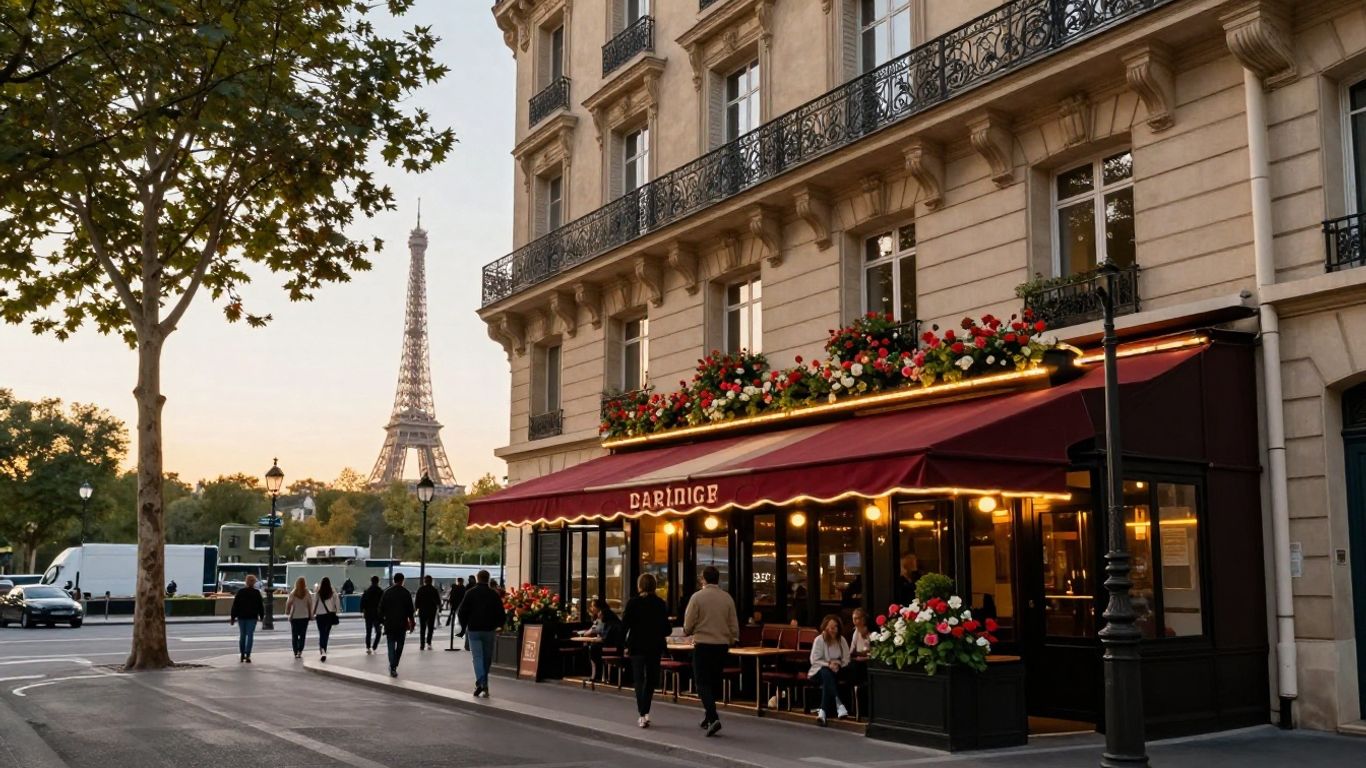 Paris street with café and historic architecture
Art lovers can build entire days around galleries and collections, while first-time visitors may prefer a balance of famous monuments and neighborhood walks. The Seine, Montmartre, the Marais, and the Latin Quarter each offer a different texture, and the city’s cafés make natural pauses between stops. For couples, a slower pace usually feels more romantic than trying to cover every landmark.
Accommodation can shape the mood of a Paris visit, especially if you want a residential setting rather than a purely hotel-centered stay. A guide to romantic city getaways can help frame the practical side of planning a couples’ trip, from choosing a neighborhood to allowing time for everyday local life. Paris is most rewarding when the itinerary leaves some room for surprise.
3. Tokyo, Japan, for modern attractions and traditional experiences
Tokyo can feel enormous at first, yet its neighborhoods make the city surprisingly navigable. Glass towers, quiet shrines, crowded crossings, tiny bars, and carefully designed shops can all appear within a single day. The contrast is not a gimmick; it is the rhythm of the city.
Begin with a few anchors, such as Shibuya, Asakusa, the Imperial Palace area, or a major museum, then explore outward on foot. Traditional experiences might include a temple visit, a tea-focused stop, or an early trip to a market, while modern Tokyo offers design, fashion, gaming, and dazzling observation decks. Eating well does not require a formal plan, since ramen counters, izakayas, bakeries, and convenience stores all have their place.
Tokyo is easier to enjoy when you resist the temptation to cross the whole city repeatedly. Group activities by neighborhood and leave a quieter evening after a busy day. The result is a trip that feels layered rather than rushed, with old and new experiences naturally sharing the same itinerary.
4. Costa Rica for nature, wildlife, and adventure
Costa Rica is a strong choice for travelers who want active days and abundant natural scenery. Rainforest, cloud forest, volcanoes, and Pacific or Caribbean coastline create a remarkable range within one country. Even a short trip can combine wildlife encounters with time outdoors.
A thoughtful route might include a national park, a hot-spring area, and a beach town, though travel times deserve more attention than a map suggests. Look for sloths, monkeys, tropical birds, and other wildlife with a knowledgeable guide, and keep expectations respectful: animals are wild, and sightings are never guaranteed. Zip lines, rafting, hiking, and surfing add excitement without requiring every day to be extreme.
The best Costa Rican itineraries build in recovery time. Roads and weather can slow a journey, while humid hikes are more tiring than they look on paper. Choose fewer regions, pack for sudden rain, and let the natural setting set the pace instead of treating every stop as a checklist.
5. Rome, Italy, for history and world-class cuisine
Rome is a city where history appears in layers rather than isolated attractions. Ancient ruins, Renaissance churches, lively piazzas, and modern neighborhoods sit close enough to connect on foot, though the heat and crowds can make a slower plan more comfortable. Every turn seems to offer another reason to pause.
Reserve major archaeological sites ahead when possible, then balance them with less structured time. The Colosseum, Roman Forum, Pantheon, and Vatican Museums can anchor a first visit, while Trastevere, Testaccio, and quieter lanes reveal a more everyday side of the city. Early starts are useful for popular sights and leave the late afternoon open for a long meal.
Food is not merely a reward after sightseeing; it is one of Rome’s central ways of experiencing place. Try local pasta dishes, seasonal vegetables, gelato, and neighborhood bakeries without expecting every meal to be elaborate. Travelers planning a longer Italian stay may also appreciate Italy travel bases that make it easier to think about living locally between major sightseeing days.
6. Banff, Canada, for mountain scenery and outdoor activities
Banff offers the kind of scenery that can make an ordinary drive feel like an event. Turquoise lakes, sharp peaks, evergreen forests, and broad valleys create a powerful backdrop for hiking and quiet observation. The town itself is convenient, but the real draw is the surrounding national park.
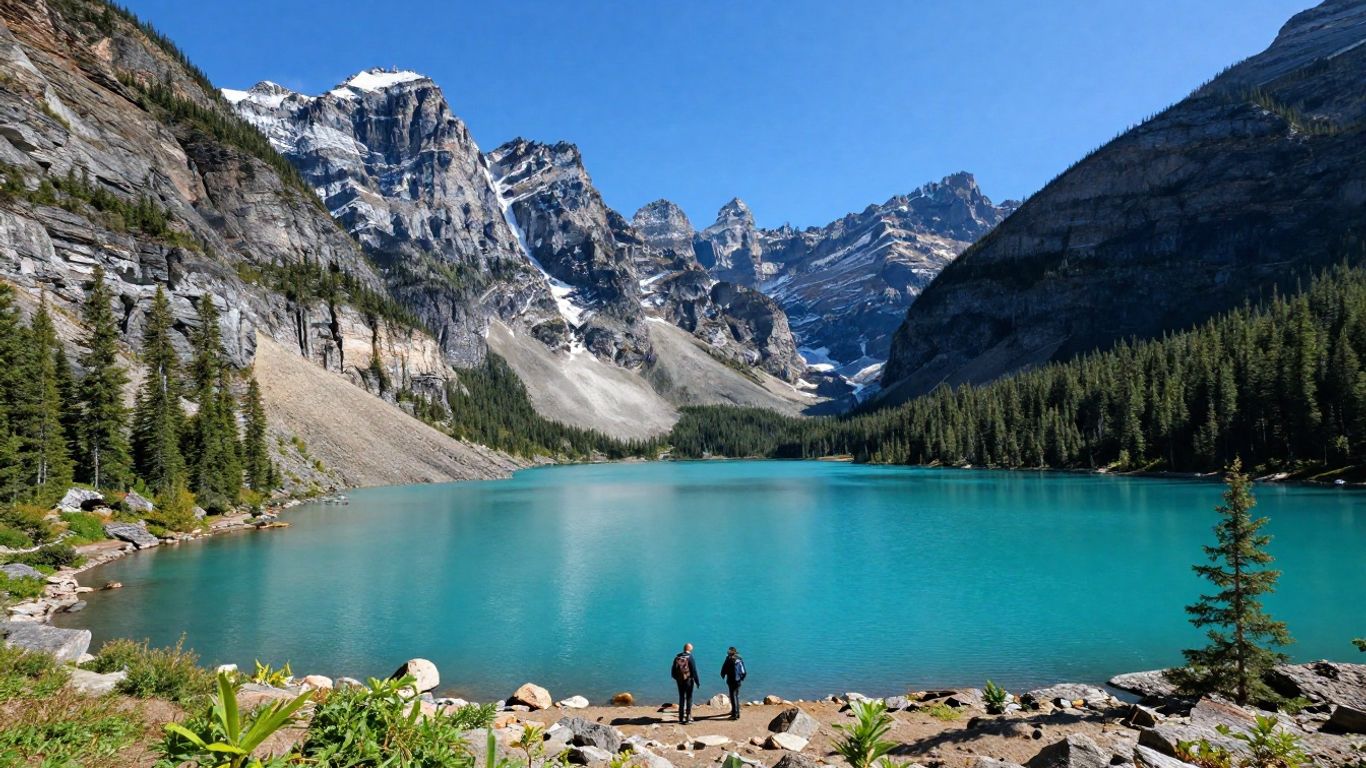 Turquoise alpine lake beneath Canadian Rockies
Plan around the season and your comfort level. Summer brings long hiking days and busy roads, while winter opens opportunities for skiing, snowshoeing, and crisp mountain walks. Lake Louise, Moraine Lake, and the Icefields Parkway are famous for good reason, but nearby trails and less crowded viewpoints can offer a more peaceful experience.
A Banff trip benefits from practical preparation: check trail conditions, carry layers, and understand wildlife guidance before heading out. Parking restrictions and shuttle systems may affect the day’s route, so flexibility matters. When the logistics are handled early, there is more attention left for the stillness, scale, and changing light of the Rockies.
7. Bali, Indonesia, for tropical relaxation and wellness
Bali brings together beaches, rice terraces, temples, creative communities, and a long-established wellness culture. Its different areas can feel almost like separate destinations, from the lively southern coast to the greener landscapes around Ubud and the quieter eastern shore. Choosing a base carefully is one of the most important decisions.
Some travelers come for surf and beach clubs, while others prefer yoga, spa treatments, cooking classes, or long walks through village and rice-field landscapes. Temple visits are most meaningful when approached with appropriate clothing and respect for local customs. A few days inland can provide a useful contrast to time beside the sea.
Traffic can make short distances surprisingly slow, so avoid building an itinerary around constant transfers. Seek out locally owned restaurants and small creative businesses, and leave open space between scheduled activities. Bali feels more generous when the trip is allowed to unfold rather than compressed into a sequence of photo stops.
8. New York City, New York, for entertainment and iconic sights
New York City has an almost unfair range of things to do, from Broadway and major museums to neighborhood restaurants and small music venues. The city’s most famous sights are worth seeing, but they are only one part of its appeal. A good visit alternates between planned highlights and aimless exploration.
Walk through Central Park, take in a museum, look across the skyline from a high vantage point, and spend an evening in a neighborhood that was not on the original list. Manhattan is the obvious starting point, yet Brooklyn, Queens, and the Bronx add food, parks, art, and local character. Public transit makes it possible to cover a great deal, though walking often reveals the most interesting details.
Because the city can be expensive, decide which experiences deserve advance reservations and which can stay spontaneous. A Broadway show or special dinner may shape an evening, while a deli lunch and a long neighborhood walk can keep the day relaxed. For broader planning inspiration, this USA destination guide offers another way to think about the country’s regional variety.
9. Santorini, Greece, for coastal views and island escapes
Santorini is famous for cliffside villages and blue-water views, but the island offers more than postcard scenery. Volcanic beaches, vineyards, archaeological sites, and small inland roads give the trip a little more depth. The caldera remains the centerpiece, especially when evening light reaches the whitewashed buildings.
Stay near the villages if sunset walks and restaurant access matter most, or choose a quieter area for more space and less foot traffic. Boat trips can reveal the volcanic landscape from the water, while a visit to Akrotiri or a vineyard adds context beyond the main viewpoints. Comfortable shoes are useful on steep lanes and uneven paths.
Santorini is best approached with realistic expectations about crowds, prices, and summer heat. Book popular restaurants and rooms early, but keep at least one day loose enough for swimming, reading, or a slow lunch. The island becomes more peaceful when you step away from the busiest viewpoint at the busiest hour.
10. Queenstown, New Zealand, for thrilling outdoor experiences
Queenstown is built for travelers who like their scenery with a little adrenaline. Mountains rise around Lake Wakatipu, and the town provides easy access to hiking, boating, skiing, and aerial adventures. Even visitors who skip the most intense activities will find plenty of dramatic landscapes.
Choose from bungee jumping, jet boating, paragliding, mountain biking, or guided walks, depending on your appetite for risk and the season. Day trips to Glenorchy, nearby wineries, or alpine trails offer a slower counterpoint to the headline activities. Weather can change quickly, so a flexible schedule is more useful than a packed one.
Give yourself enough time to enjoy Queenstown beyond the activity booking. The lakefront, cafés, restaurants, and surrounding viewpoints create a satisfying rhythm after a demanding day outdoors. For a trip that combines excitement and rest, alternate big excursions with mornings that begin without an alarm.
Conclusion
The best vacation is the one that matches your energy, interests, budget, and available time. Whether you choose an island, a historic capital, a mountain town, or a fast-moving city, thoughtful pacing will do more for the experience than an overloaded itinerary. Pick the destination that makes you curious, then leave enough room to notice what happens between the major attractions.
Frequently Asked Questions
What makes a destination one of the best places for vacation?
A strong destination offers experiences that fit your interests, practical access, comfortable timing, and enough variety to keep the trip engaging without making it exhausting.
Which destination is best for a relaxing beach vacation?
Maui, Bali, and Santorini all offer coastal settings, though they suit different travelers. Consider whether you want water sports, wellness, dramatic scenery, nightlife, or a quieter pace.
Which destination is best for families?
Maui, Banff, and Costa Rica can work well for families because they offer outdoor activities across different ability levels. Choose a base that limits long transfers and provides convenient food and lodging options.
When should I book a 2026 vacation?
Book flights and accommodations earlier for peak summer, major festivals, and destinations with limited rooms. Shoulder seasons can offer better availability, milder weather, and a calmer atmosphere.
How can I avoid an overly busy itinerary?
Choose one or two priorities per day, group nearby activities, and schedule unplanned time. A slower plan usually leaves more room for local food, unexpected discoveries, and rest.
Which destinations are best for adventure travel?
Costa Rica, Banff, and Queenstown are especially suited to hiking, water activities, wildlife experiences, and other outdoor pursuits. Match the destination to your preferred intensity and fitness level.
How do I choose between a city trip and a nature trip?
Think about what you want your days to feel like. Cities offer museums, food, performances, and neighborhood exploration, while nature-focused trips provide space, scenery, physical activity, and a quieter rhythm.

Published by
SwappaHome
SwappaHome Editorial Team
Home Exchange & Slow Travel Editorial
The SwappaHome Editorial Team brings together travel research, home-exchange community insights, and platform data to produce practical guides for first-time and experienced home swappers. Every article cites real platforms, current market rates, and verifiable city-level facts so readers can make informed decisions without guessing.
Ready to try home swapping?
Join SwappaHome and start traveling by exchanging homes. Get 7 free credits when you sign up!