
10 best vacation destinations in the United States for every traveler

SwappaHome Editorial Team
Home Exchange & Slow Travel Editorial
Key Takeaways The best vacation destinations in the United States cover every kind of trip, from energetic city breaks to quiet time in the wilderness. The…
Key Takeaways
The best vacation destinations in the United States cover every kind of trip, from energetic city breaks to quiet time in the wilderness. The right choice depends less on a universal ranking than on the pace, scenery, and experiences you want.
- New York City and New Orleans suit travelers who want food, music, history, and lively neighborhoods.
- Orlando and San Diego make easy choices for families and mixed-age groups.
- Grand Canyon, Yellowstone, and Glacier National Park offer unforgettable landscapes and outdoor adventure.
- Maui is ideal for a slower coastal escape with beaches, scenic drives, and island culture.
- Washington, D.C., and Nashville reward travelers who enjoy museums, music, and American history.
1. New York City, New York
New York City is one of the most versatile vacation destinations in the United States. A single day can include a museum in Manhattan, a walk through Brooklyn, and dinner in Queens, with entirely different moods between each stop. It is fast, crowded, expensive in places, and still remarkably easy to shape around your interests.
First-time visitors often start with familiar landmarks such as Central Park, the Statue of Liberty, and the bright theater district. On a longer stay, leave room for neighborhood wandering: browse independent shops in the West Village, eat across Chinatown, or spend an afternoon among galleries and parks in Brooklyn. The city rewards curiosity more than a rigid schedule.
Where you stay changes the feel of the trip, so compare neighborhoods rather than choosing only by hotel price. This New York home exchange guide is another useful planning resource for travelers interested in experiencing the city beyond a conventional tourist base. Subway travel, comfortable shoes, and a willingness to change plans are usually more valuable than an overpacked itinerary.
2. Orlando, Florida
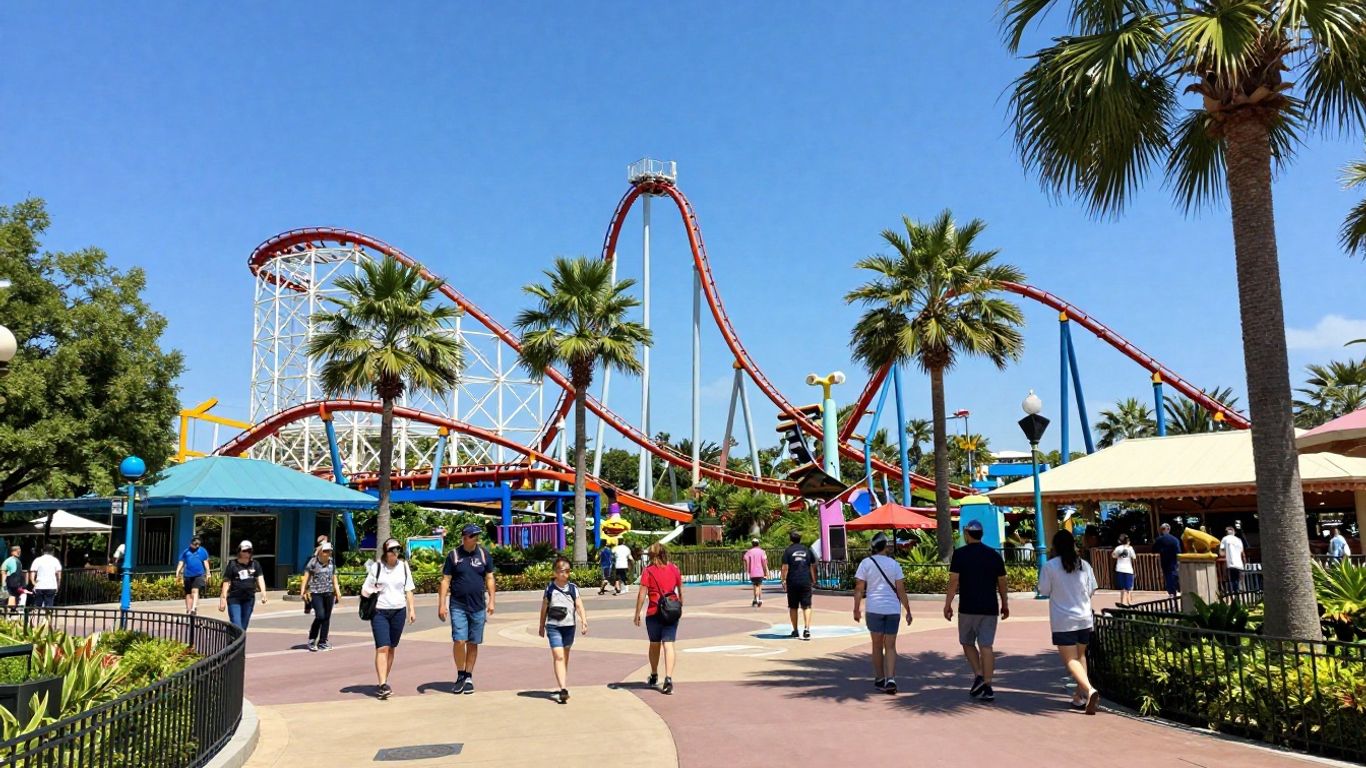
Orlando is built for families, but it is not limited to them. Its theme parks provide days of structured entertainment, while nearby attractions, warm weather, and plentiful restaurants make it easy to keep different ages happy. Travelers who prefer a quieter rhythm can also use the city as a base for nature areas and Central Florida day trips.
 Colorful Orlando theme park under Florida sunshine
A successful Orlando visit usually depends on pacing. Choose a manageable number of major attractions, schedule breaks during the hottest part of the day, and allow at least one flexible morning for sleeping late or using the hotel pool. Families looking for more room and kitchen access may also find that a home-style stay changes the trip from a sequence of long park days into a more comfortable holiday.
Orlando works especially well when expectations are discussed before arrival. Some travelers want rides and shows, others want shopping or golf, and children may need downtime sooner than adults expect. Build the plan around shared priorities, then keep a little unplanned space so the vacation does not feel like a second school schedule.
3. Grand Canyon National Park, Arizona
The Grand Canyon is best approached as a place to absorb gradually rather than rush through for one photograph. At the rim, the scale can be difficult to process: layered rock, distant cliffs, and changing light stretch far beyond the first viewpoint. Sunrise and late afternoon often bring softer color and a welcome break from the strongest heat.
Different rims create different experiences, and the South Rim is the most accessible choice for many first visits. Short walks along the rim can be surprisingly rewarding, while longer hikes require careful preparation for heat, elevation changes, and the demanding return climb. Visitors should carry water, protect themselves from the sun, and resist judging the difficulty of the ascent by the ease of the descent.
The park suits couples, families with older children, photographers, and travelers who simply want a dramatic natural pause. Consider spending more than one night if possible, because the canyon feels different in morning haze, midday clarity, and evening shadow. A slower visit also leaves time for ranger programs and quieter viewpoints away from the busiest overlooks.
4. Yellowstone National Park, Wyoming
Yellowstone combines geysers, hot springs, waterfalls, forests, and wide-open valleys in a landscape that can feel almost unreal. It is a strong choice for travelers who want variety without leaving one enormous park, though distances between areas can make driving part of the experience. Wildlife sightings are possible throughout the park, but they should always happen from a safe distance.
Old Faithful and the surrounding thermal basin are natural starting points, yet the park becomes more memorable when visitors explore beyond its most famous stop. Boardwalks protect fragile geothermal ground and offer close views of vivid pools and steaming vents. Elsewhere, valleys and lakes create opportunities for scenic drives, short walks, and patient wildlife watching.
Season, road access, and lodging availability matter greatly here. A useful trip plan groups nearby sights together instead of zigzagging across the park each day. Travelers seeking additional inspiration can browse this guide to unusual US destinations, especially when they want to pair a national park journey with lesser-known landscapes and towns.
5. Maui, Hawaii
Maui offers an appealing balance of beaches, mountain scenery, small-town stops, and long stretches of calm. Some visitors spend most of their time near the coast, while others build the trip around the Road to Hana or the high elevations of Haleakalā. The island can feel restful without becoming dull, especially when the itinerary alternates active mornings with unhurried afternoons.
Beach time is only one part of the experience. Snorkeling, local food, botanical gardens, and scenic overlooks reveal different sides of the island, while early starts can make popular roads and viewpoints feel more manageable. Ocean conditions change, so follow local guidance and choose swimming areas carefully rather than assuming every beautiful beach is equally gentle.
Maui is also a place where respectful travel matters. Support local businesses, follow trail and beach rules, and avoid disturbing wildlife or removing natural materials. For travelers who want to live more locally during an island stay, this Honolulu home exchange information offers a related perspective on neighborhood-based accommodation in Hawaii.
6. New Orleans, Louisiana
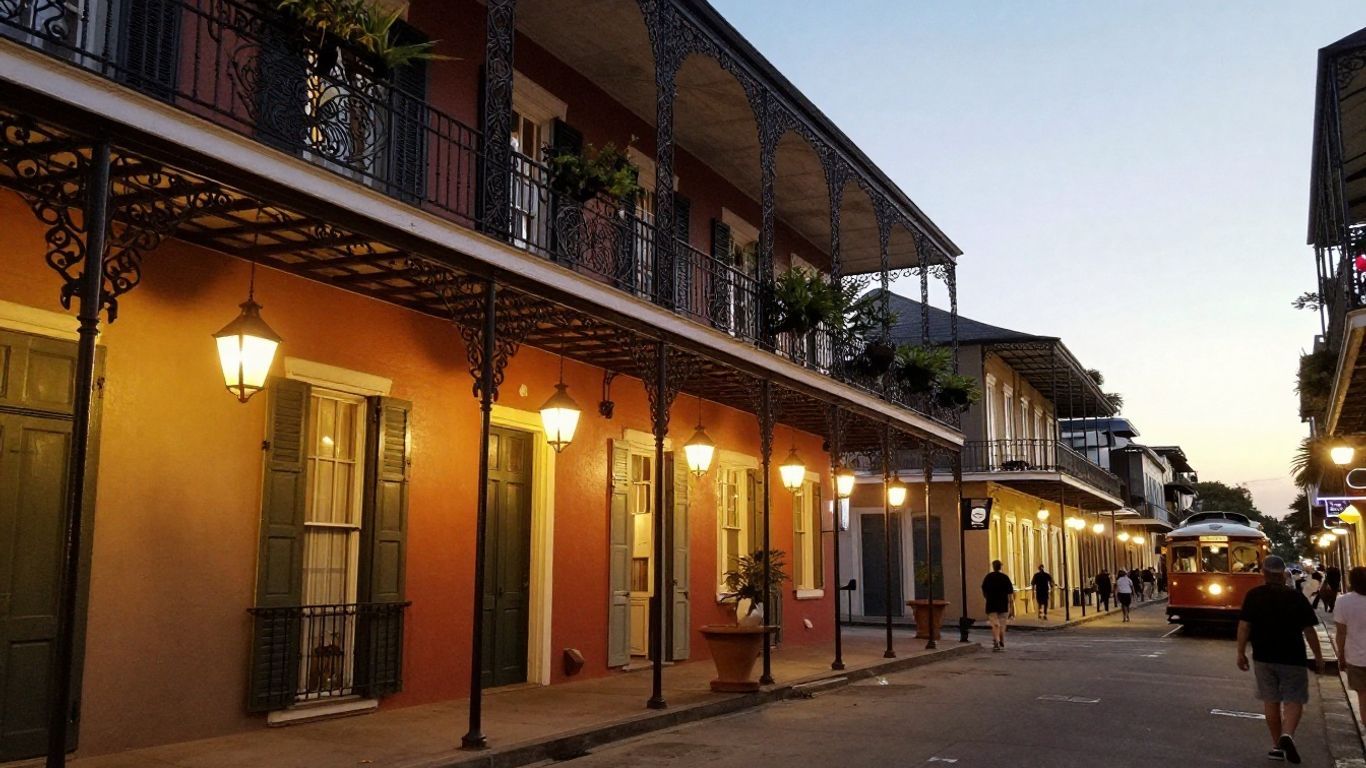
New Orleans is one of the most distinctive vacation destinations in the United States, shaped by music, food, architecture, and layered cultural traditions. The French Quarter is the obvious introduction, but the city becomes richer when you move beyond Bourbon Street. Garden District porches, neighborhood cafés, live-music rooms, and street parades each reveal a different tempo.
 New Orleans street with balconies and evening lights
Food can easily anchor the itinerary. Try classic dishes such as gumbo, po’boys, and beignets, then make room for seafood, Creole cooking, and neighborhood restaurants that do not fit neatly into one category. Music is just as central: jazz, brass bands, blues, and modern local acts can turn an ordinary walk into a memorable part of the trip.
Plan around the weather and the kind of nights you enjoy. Summer can be hot and humid, while festival periods bring energy as well as larger crowds and higher demand. A good visit leaves space for unplanned music, a slow meal, and the occasional streetcar ride with nowhere urgent to be.
7. San Diego, California
San Diego is an easygoing coastal destination with enough range for a full vacation. Beaches, parks, museums, neighborhoods, and a strong food scene are all close enough to combine without spending every day in traffic. Its mild climate makes outdoor plans appealing in much of the year, though ocean water can be cooler than visitors expect.
La Jolla is a natural choice for coastal scenery, while Balboa Park brings gardens, museums, and Spanish-influenced architecture into the center of the itinerary. Coronado offers a different atmosphere, and neighborhoods such as North Park and Little Italy provide good options for meals and evening walks. Families can mix beach time with the zoo or waterfront attractions without making the schedule too complicated.
San Diego also works well as a flexible trip. One day might be active and outdoorsy, another devoted to food and culture, and a third spent doing almost nothing beyond watching the water. That balance makes it a particularly comfortable choice for groups whose ideal vacations do not look exactly alike.
8. Washington, D.C.
Washington, D.C., is a rewarding destination for travelers who like museums, public spaces, and history woven into the city itself. Many of the major institutions are free, which helps families and budget-conscious visitors spend more on meals or a longer stay. The National Mall provides an obvious framework, but it is only the beginning of the city.
The Smithsonian museums can fill several days on their own, so choose a few rather than trying to see everything. The National Museum of African American History and Culture, the National Air and Space Museum, and the National Museum of American History offer distinct perspectives, while the monuments are especially atmospheric in the early morning or after sunset. Neighborhoods such as Georgetown, Capitol Hill, and Adams Morgan add restaurants and local character.
Public transportation makes a car unnecessary for much of the visit, although comfortable shoes remain essential. Check museum hours and timed-entry requirements before leaving home, then build in quiet stretches between major sites. D.C. is at its best when the trip allows time to read, reflect, and notice details instead of treating every stop as a quick photo opportunity.
9. Nashville, Tennessee
Nashville is known worldwide for country music, yet the city offers more than stages and recording studios. Live performances fill honky-tonks, intimate clubs, theaters, and outdoor venues, creating a music culture that feels active from afternoon through late evening. Food, design, and a growing collection of museums give nonmusicians plenty to enjoy as well.
Broadway is the most recognizable starting point, but it should not define the entire visit. Explore neighborhoods such as East Nashville, 12 South, and Germantown for cafés, boutiques, murals, and restaurants with a more residential feel. The Country Music Hall of Fame and Museum adds context to the songs and performers heard throughout the city.
Nashville is a good choice for a weekend with friends, a couples’ trip, or a solo traveler who enjoys being around conversation and sound. Wear comfortable shoes, expect late nights if live music is central to the plan, and reserve popular restaurants in advance. The best evenings often come from following a promising melody rather than chasing a perfect checklist.
10. Glacier National Park, Montana
Glacier National Park is a destination for travelers drawn to alpine scenery, clear lakes, and long days outdoors. Mountain roads, forested valleys, and sharp peaks create a sense of scale that changes with every bend. It is spectacular, but the experience depends heavily on weather, seasonal access, and physical readiness.
Going-to-the-Sun Road is the park’s signature route, though scenic pullouts can become busy during peak periods. Hiking options range from relatively gentle lakeside walks to demanding routes with steep elevation gain, so choose according to conditions rather than ambition. Pack layers, water, and food, and check current trail and road information before setting out.
The park is especially satisfying for visitors who enjoy early mornings and unhurried observation. Watch the light move across the ridges, listen for birds in the trees, and leave room for a day that changes because of rain or wildlife. Glacier does not need constant activity to feel full; sometimes the most memorable part is simply standing still.
Conclusion
From bright city streets and musical neighborhoods to beaches, museums, and immense national parks, these vacation destinations united states travelers choose offer many ways to spend a few memorable days. Pick the place that matches your preferred pace, plan around the season, and leave enough room for the unscripted moments that often become the stories you bring home.
Frequently Asked Questions
What is the best vacation destination in the United States?
There is no single best choice for everyone. New York City suits culture and nightlife, Maui favors a slower coastal escape, and the national parks work well for travelers who want scenery and outdoor time.
Which destination is best for families?
Orlando is an obvious family favorite because it combines major attractions with many accommodation and dining choices. San Diego and Washington, D.C., are also strong options for families with different interests.
What is a good destination for a national park trip?
Grand Canyon, Yellowstone, and Glacier National Park each offer a distinct experience. Choose the Grand Canyon for dramatic geology, Yellowstone for geothermal features and wildlife, or Glacier for alpine roads and hiking.
When should I visit these destinations?
Timing depends on the destination and your priorities. Summer is popular for northern national parks, spring and fall can be comfortable in many cities, and winter may offer smaller crowds in some warm-weather locations.
Which destinations are best for food and music?
New Orleans is especially strong for Creole and Cajun traditions alongside jazz and brass music. Nashville is ideal for live music, while New York City offers extraordinary variety across cuisines and neighborhoods.
Can I visit these places without renting a car?
Yes, particularly in New York City, Washington, D.C., and much of San Diego. A car is more useful in Maui and the national parks, where sights are spread out and public transportation is limited.
How can I make a vacation more affordable?
Travel during shoulder seasons, compare neighborhoods, reserve major activities early, and mix paid attractions with free parks, walks, and museums. Staying somewhere with a kitchen can also reduce meal costs on longer trips.

Published by
SwappaHome
SwappaHome Editorial Team
Home Exchange & Slow Travel Editorial
The SwappaHome Editorial Team brings together travel research, home-exchange community insights, and platform data to produce practical guides for first-time and experienced home swappers. Every article cites real platforms, current market rates, and verifiable city-level facts so readers can make informed decisions without guessing.
Ready to try home swapping?
Join SwappaHome and start traveling by exchanging homes. Get 7 free credits when you sign up!