
How to choose a vacation destination: 8 steps for a trip you’ll love

SwappaHome Editorial Team
Home Exchange & Slow Travel Editorial
Key Takeaways Choosing a vacation destination becomes easier when you decide what matters before comparing places. Start with your priorities, then test each…
Key Takeaways
Choosing a vacation destination becomes easier when you decide what matters before comparing places. Start with your priorities, then test each destination against your budget, timing, travel group, and practical needs.
- Define the kind of experience you want to have.
- Set a budget that includes everyday and unexpected costs.
- Consider the needs, energy, and expectations of everyone traveling.
- Check timing, entry rules, health concerns, and local transportation.
- Compare a short list rather than trying to evaluate the whole world.
Define what you want from the trip
The best destination is not necessarily the most famous one. It is the place that fits the experience you actually want, within the time and energy you have available. Before opening a map or browsing photos, describe the trip in a few plain words. That short description will give your research a useful direction.
Choose between relaxation, adventure, culture, and entertainment
Begin with the mood of the trip. A quiet beach stay, a hiking holiday, a museum-filled city break, and a nightlife weekend all ask different things of a destination. You can combine them, but choose one or two as your main themes so every decision does not become a compromise.
A destination that looks perfect for adventure may feel tiring if you really need rest. Likewise, a resort built around relaxation may disappoint someone hoping to explore historic neighborhoods every day. Name your top priority, then identify one secondary interest that would make the trip feel rounded.
Decide whether you want a familiar or unfamiliar experience
Some trips are most enjoyable when the logistics feel easy and the surroundings feel reassuring. Others are memorable because they take you outside your routines. Think about whether you want a place where you already understand the food, language, and transport, or whether learning as you go is part of the appeal.
There is no virtue in choosing the unfamiliar option if it creates constant stress. A new destination can still be approached gently through a short stay, a well-connected city, or a planned first few days. Familiarity and discovery are not opposites; the right balance depends on your confidence and capacity.
Match the destination to your travel style
Your travel style includes more than the activities you enjoy. It covers how early you wake up, how much planning you tolerate, whether you prefer a central base or a rural setting, and how comfortable you are changing plans. A destination should suit the way you move through a day, not only the attractions in its guidebooks.
If you like unhurried mornings, a place that requires long transfers for every activity may frustrate you. If you enjoy full days, a compact destination with varied neighborhoods may be a better fit than an isolated retreat. For more inspiration, browse these expert travel planning guides while keeping your own habits at the center of the decision.
Identify the memories you want to create
Try imagining the final evening of the trip. What would make you say, “That was exactly what I needed”? It might be sharing meals with relatives, swimming somewhere beautiful, wandering without a schedule, or finally seeing a landscape you have dreamed about.
This exercise turns vague excitement into useful criteria. It also helps when several destinations look equally attractive: choose the one that makes your desired memories easiest to create, rather than the one with the longest list of sights.
Set a realistic vacation budget
A destination can be affordable in theory and expensive in practice. Transportation, lodging, meals, admissions, transfers, and small daily purchases quickly add up, especially when exchange rates or busy seasons are involved. Build the budget before falling in love with a particular itinerary, and treat it as a guide rather than a punishment.
 Couple reviewing vacation costs beside travel maps
Estimate transportation and accommodation costs
Start with the two costs that usually shape the trip most: getting there and sleeping there. Compare the full journey, not just the headline airfare. A cheaper flight with a long transfer, extra baggage fees, or an overnight connection may not be the better value.
For accommodation, compare like with like. Location, kitchen access, parking, cleaning fees, and cancellation terms can change the real price. SwappaHome exchanges can be one accommodation option to research when a home-based stay suits your plans and you want to compare alternatives to conventional lodging.
Account for food, activities, and local transportation
Make a rough daily estimate for meals, coffee, attractions, taxis, public transport, and occasional treats. Even a simple range is more useful than leaving these costs blank. Consider whether your destination encourages expensive day trips or whether many of your preferred activities are free or low-cost.
A practical budget often works best when divided into clear categories. For example, you might estimate:
- Daily food and drinks
- Local transportation and airport transfers
- Paid activities and entrance fees
- Shopping, tips, and small conveniences
Once these categories are visible, you can adjust the trip without abandoning it. Perhaps you keep the dates but choose a simpler room, or retain the accommodation and reduce the number of paid excursions.
Compare high-season and low-season prices
Seasonality affects more than room rates. Flights, restaurant availability, crowds, weather, and activity schedules can all shift. Search the same destination across several possible weeks and compare the overall experience, not only the cheapest number.
A quieter season may offer better value, but it can also bring shorter opening hours or less reliable weather. Conversely, peak season may cost more while making certain experiences easier to arrange. The right choice is the one whose trade-offs you can accept.
Leave room for emergencies and unexpected expenses
Set aside money for a missed connection, a medical visit, replacement luggage, a weather-related change, or simply a day when convenience matters more than thrift. The amount will vary with the destination and trip length, but the principle is consistent: do not spend the entire budget before leaving home.
A reserve also makes the trip feel less fragile. If something goes wrong, you can solve the immediate problem first instead of turning every decision into a financial calculation.
Consider who you are traveling with
A destination that suits one traveler may be difficult for a group. Couples, families, friends, and multigenerational groups bring different expectations about comfort, cost, activity, and independence. Discuss those differences early, while there is still time to choose a place that works for everyone.
Balance different interests and energy levels
List the interests that genuinely matter to each person, then look for overlap. One traveler may want beaches while another prefers history; one may be ready for a dawn excursion while another needs a slow morning. A destination with varied neighborhoods and activities usually gives a group more room to separate and reconnect.
Do not try to give every preference equal space every day. Rotating priorities can feel fairer: one person chooses the morning activity, another picks dinner, and everyone gets some time for their preferred pace.
Plan around children, older adults, or accessibility needs
Travel with children or older adults often works better when basic comfort is treated as a planning requirement. Check walking distances, lift access, bathroom availability, shade, rest stops, meal timing, and the ease of returning to the accommodation.
Accessibility should be assessed specifically rather than assumed from broad labels. Contact providers when details are unclear, and confirm whether transport, entrances, bedrooms, and bathrooms match the needs of the people traveling.
Discuss expectations about pace and free time
Before booking, agree on how full the days should be. Some people enjoy a carefully planned itinerary; others need open space to wander, nap, or change their minds. A shared expectation about pace prevents a beautiful destination from becoming a series of negotiations.
Build in recovery time after arrival and between demanding activities. A trip with fewer plans can feel richer when everyone has enough energy to enjoy them.
Decide how much privacy or group time everyone needs
Accommodation affects the group dynamic as much as the destination does. Separate bedrooms, a common living area, a kitchen, or access to outdoor space can make shared travel more comfortable. Talk honestly about whether people want to spend every evening together or have permission to make separate plans.
That conversation may feel overly practical, but it protects relationships. A little independence often makes group time more enjoyable.
Choose the best time to visit
Dates shape the character and cost of a destination. Weather, school calendars, festivals, daylight, and local closures may matter as much as the attractions themselves. Compare several windows if you can, and decide which seasonal compromise best supports the trip you described at the start.
Compare weather, crowds, and seasonal conditions
Look beyond average temperatures. Rain patterns, humidity, wildfire risk, storms, snow, and daylight can change what a destination feels like on the ground. Crowd levels also affect the rhythm of a visit, from restaurant reservations to the amount of time spent waiting.
A shoulder season can sometimes provide a middle path between peak prices and off-season limitations. Still, check current conditions for the specific region rather than relying on a country-wide average.
Check holidays, festivals, and major local events
An event may be the reason to visit or the reason to choose different dates. Festivals can bring color and energy, but also higher prices, packed transport, and limited accommodation. Public holidays may affect opening hours and local services.
Confirm dates through current official sources when possible. If an event is central to your plans, reserve essential parts of the trip early and allow extra time for movement.
Consider work, school, and personal scheduling
A theoretically perfect week is not useful if it requires constant work messages or creates a difficult return home. Account for travel recovery, school breaks, deadlines, and personal commitments. The easiest trip to enjoy is often the one that leaves a little breathing room before and after it.
If dates are fixed, let that constraint guide the destination rather than treating it as a problem to overcome. Plenty of places can work when the other criteria are chosen sensibly.
Understand how the season affects available activities
Some activities are seasonal, weather-dependent, or offered only on certain days. Check whether the experiences you care about will actually be operating during your visit. This is especially useful for outdoor excursions, wildlife viewing, swimming, mountain routes, and regional transport.
Keep one or two alternatives in mind. A destination becomes more appealing when it offers a satisfying visit even if the headline activity is unavailable.
Evaluate practical travel requirements
A destination may match your dreams and still be a poor fit once the logistics are clear. Entry rules, connections, ground transport, language, payment methods, and internet access can affect both cost and stress. Do this research before booking nonrefundable arrangements.
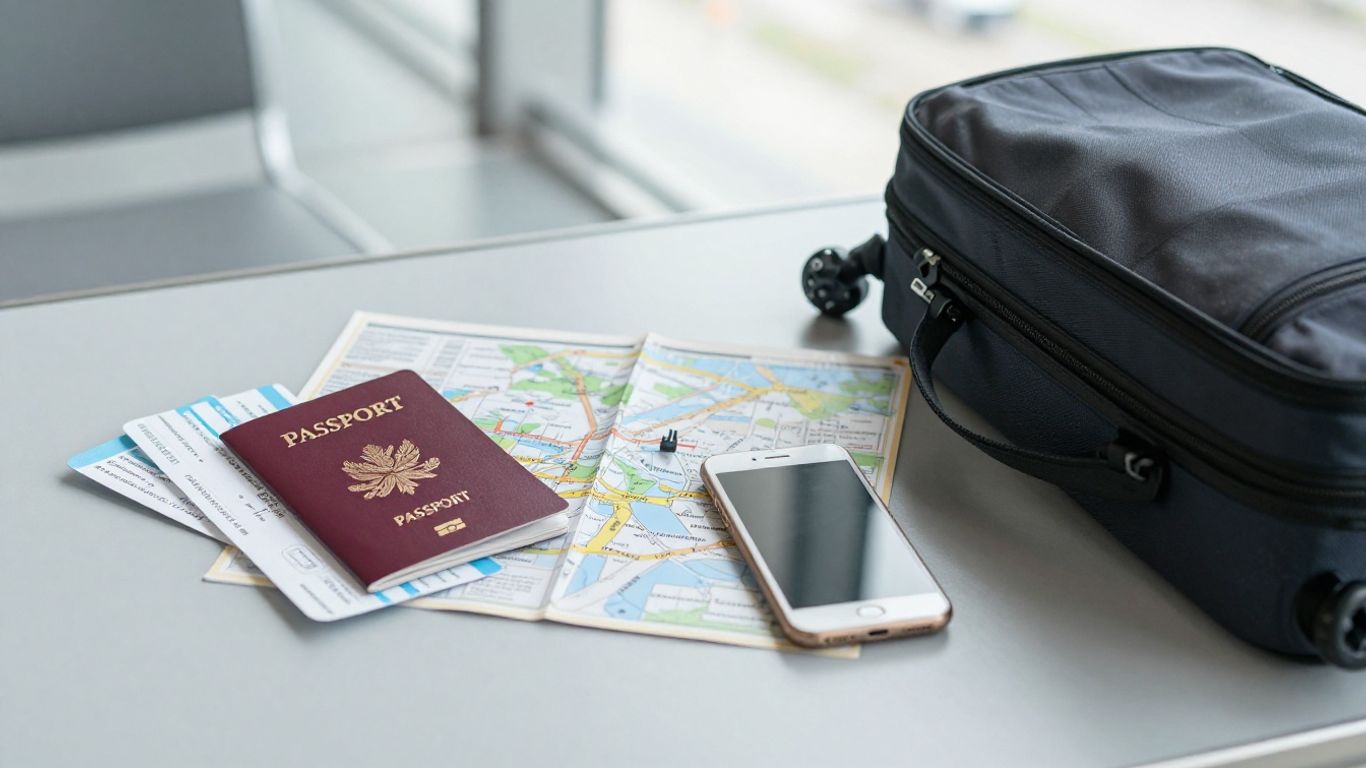 Traveler checking routes and entry documents at airport
Check visa, passport, and entry requirements
Review passport validity, visa rules, transit requirements, permits, and any digital forms required for your nationality. Use official government or consular sources and check again close to departure, since requirements can change.
Keep digital and physical copies of essential documents, but do not assume a screenshot replaces an official document. If you are traveling with children or under a different residency status, check those rules separately.
Compare flight routes and travel times
Look at total door-to-door time rather than flight duration alone. A direct route may justify a higher fare for a short trip, while a longer connection may be reasonable for an extended stay. Consider arrival time too: reaching an unfamiliar place late at night can add friction.
The best route is the one that fits your budget and leaves you capable of enjoying the first day. A nominal saving is less useful if it costs a full day of energy.
Research transportation within the destination
Check how you will move between the airport, accommodation, neighborhoods, and planned excursions. Reliable public transportation may make a central location worthwhile, while limited connections may favor a car or a smaller itinerary.
Look at transfer times, accessibility, payment methods, and service frequency. SwappaHome offers city guides with neighborhood insights, which can help you think about location and local living when comparing possible bases.
Consider language, currency, and connectivity
Learn how widely your language is used, how payments are normally made, and whether your phone will work without expensive roaming charges. Download maps, save key addresses offline, and understand how you will access money if a card fails.
These details rarely determine a destination by themselves, but they can decide whether the trip feels relaxed or unnecessarily complicated.
Research safety, health, and accessibility
Responsible planning is not about eliminating every risk. It is about understanding the conditions you may face and preparing for the ones that are reasonably foreseeable. Check reliable, current information instead of letting either fear or glossy travel content make the decision for you.
Review travel advisories and common local risks
Read official travel advisories and research ordinary local concerns such as pickpocketing, traffic, extreme weather, scams, or difficult terrain. Notice which areas and situations are mentioned, rather than treating a whole destination as uniformly safe or unsafe.
Save emergency numbers and the address of your accommodation. Share your general itinerary with someone at home, especially for independent or remote travel.
Check vaccination, insurance, and health requirements
Ask a qualified healthcare professional about health precautions well before departure. Check entry-related requirements, prescription rules, travel insurance coverage, and whether your policy includes evacuation or activities you plan to undertake.
Carry medication in appropriate packaging and keep a record of prescriptions. A small amount of preparation can prevent a manageable health issue from becoming a major disruption.
Evaluate healthcare access and emergency services
Consider how quickly you could reach a clinic, hospital, pharmacy, or emergency service from your likely accommodation. Remote destinations may be wonderful, but they require more attention to transport, supplies, and contingency planning.
If anyone in the group has a continuing medical need, confirm that local services and medications are available before committing. This is a practical suitability test, not an afterthought.
Look for accessibility features that match your needs
Search for specific details about sidewalks, public transport, building access, beaches, trails, bathrooms, and accommodation layouts. User photos and direct questions can fill gaps left by general descriptions, but verify critical details with the provider.
Accessibility needs vary widely, so avoid relying on a single rating or label. The destination should work for the actual traveler, on the actual itinerary you expect to follow.
Compare destinations using clear criteria
Once you know your priorities, stop collecting endless ideas and create a manageable shortlist. Comparing a few realistic options reduces decision fatigue and makes trade-offs visible. The goal is not to prove that one place is perfect; it is to find the best fit for this particular trip.
Create a shortlist of three to five destinations
Choose three to five places that meet your nonnegotiables. Include at least one familiar option and, if you want novelty, one destination that stretches you a little. More than five usually creates noise unless the trip is still at a very early stage.
Write one sentence explaining why each option survived the first filter. If you cannot explain its fit, remove it and give your attention to the stronger candidates.
Score each option for cost, weather, activities, and convenience
A simple scoring table can make an emotional decision clearer without pretending travel is purely mathematical. Use a scale you understand, such as one to five, and give more weight to criteria that matter most to you.
| Destination | Cost | Weather fit | Activities | Convenience |
|---|---|---|---|---|
| Option A | 4 | 5 | 4 | 3 |
| Option B | 5 | 3 | 4 | 5 |
| Option C | 3 | 4 | 5 | 4 |
The numbers are prompts for discussion, not a verdict. If one option scores lower but excites everyone, investigate why; the table may reveal a cost or logistics issue that can be solved.
Read current reviews from travelers with similar priorities
Look for recent accounts from people traveling in a similar season, with a similar budget and group. A review from a solo backpacker may not answer the questions of a family with a stroller, while a luxury itinerary may tell you little about a modest trip.
Pay attention to repeated observations rather than one dramatic opinion. Reviews are most useful when they help you test a specific concern, such as noise, transport, accessibility, or realistic journey times.
Use destination finders and planning tools carefully
Quizzes and destination finders can surface ideas you would not otherwise consider, but they are starting points. For example, a destination finder can help filter places by interests and categories, while your own budget and schedule determine whether those suggestions work in practice.
Set a research limit so planning does not become a substitute for deciding. Once an option meets your essential criteria, move from inspiration to verification and booking.
Make the final decision and build a flexible plan
A decision becomes easier when you accept that every destination has trade-offs. Choose the place that satisfies the most important needs, not the one that wins every category. Then make a plan with enough structure to protect the experiences you care about and enough space to let the trip breathe.
Identify the destination with the best overall fit
Review your shortlist and ask which destination you would choose if you could stop researching now. Notice both the score and your reaction to it. If the answer changes every time you read another article, return to your original priorities instead of adding more options.
You can also set a decision deadline. A clear point at which research ends prevents small uncertainties from taking over the entire process.
Reserve essential flights and accommodations first
Book the parts that are likely to sell out or rise in price, especially transport and a suitable place to stay. Check cancellation policies, arrival instructions, taxes, and the practical details that were easy to overlook during the exciting part of planning.
Home exchange can also be part of a broader accommodation comparison. SwappaHome describes home exchange opportunities for couples, including intimate stays and savings compared with hotels; whether it fits depends on your group, dates, and comfort with that style of travel.
Plan priority activities without overbooking your schedule
Choose the few experiences you would genuinely regret missing and reserve them when necessary. Leave unplanned time around them for meals, rest, weather, and simple discoveries. A full itinerary may look satisfying on paper but can make every delay feel like a failure.
Think in terms of anchors rather than a minute-by-minute schedule. One meaningful plan per day is often enough to give a trip shape.
Create backup options for weather or unexpected changes
For each important outdoor or time-sensitive plan, identify an indoor or lower-effort alternative. Save flexible restaurant choices, nearby neighborhoods, and transport options before you need them. You do not have to plan a second vacation; a short list of substitutes is enough.
The final plan should help you travel with confidence, not bind you to an impossible sequence. Flexibility is part of choosing well because real conditions will always be slightly different from the brochure.
Conclusion
Learning how to choose a vacation destination is less about finding a universally perfect place and more about matching a destination to your priorities, people, budget, timing, and practical realities. Narrow the field, compare honestly, and leave room for change. The destination that fits your real life will usually create a better trip than the one that merely looks impressive from a distance.
Frequently Asked Questions
How many destinations should I compare?
Three to five destinations is usually enough for a useful comparison. A shorter list keeps trade-offs visible and reduces the chance that endless research delays the decision.
What should I prioritize when choosing a destination?
Start with your nonnegotiables, such as budget, dates, safety, accessibility, or a specific type of experience. Then compare secondary preferences like food, nightlife, scenery, and sightseeing.
How far in advance should I choose a vacation destination?
Choose early enough to check entry requirements and secure essential transportation or accommodation, especially for peak travel periods. The ideal timing depends on the destination, season, trip length, and flexibility of your dates.
Is it better to travel in high season or low season?
Neither is always better. High season may offer more reliable weather and activities, while low season can bring lower prices and fewer crowds; compare the trade-offs against your priorities.
How can I choose a destination for a group trip?
Discuss each traveler’s priorities, budget, energy level, dietary needs, and preferred amount of free time. Select a destination with enough variety for people to enjoy some activities separately.
How do I avoid spending too much on vacation?
Set a total budget before booking, estimate daily costs, compare seasons, and keep an emergency reserve. Consider the full cost of transport, lodging, meals, activities, fees, and local travel.
What should I do if two destinations seem equally good?
Use a simple scorecard, then ask which place better matches the memories you want to create. If the practical fit is similar, choose the option that creates more excitement or offers the easier booking conditions.

Published by
SwappaHome
SwappaHome Editorial Team
Home Exchange & Slow Travel Editorial
The SwappaHome Editorial Team brings together travel research, home-exchange community insights, and platform data to produce practical guides for first-time and experienced home swappers. Every article cites real platforms, current market rates, and verifiable city-level facts so readers can make informed decisions without guessing.
Ready to try home swapping?
Join SwappaHome and start traveling by exchanging homes. Get 7 free credits when you sign up!