
10 cheapest vacation spots in the Caribbean

SwappaHome Editorial Team
Home Exchange & Slow Travel Editorial
Key Takeaways Planning an affordable island getaway is entirely possible with the right approach and careful destination selection. These tips will help you…
Key Takeaways
Planning an affordable island getaway is entirely possible with the right approach and careful destination selection. These tips will help you enjoy the sun without overspending:
- Visit during the shoulder season to avoid peak-season price hikes on flights and resorts.
- Consider destinations like the Dominican Republic and Cuba for naturally lower living costs.
- Use local public transportation instead of private shuttles to significantly reduce your daily expenses.
- Look for islands where natural attractions, such as free public beaches and hiking trails, are the main event.
- Prioritize local street food markets and small grocers over tourist-centric resort dining to save money.
1. Dominican Republic
The Dominican Republic often tops the list for travelers seeking the cheapest vacation in caribbean thanks to a massive inventory of all-inclusive resorts and accessible flight connections. You can find incredible deals by booking in the shoulder seasons, specifically during late spring or deep into the autumn months. Because of its size, the island offers a high degree of competition between hospitality providers, which keeps prices lower compared to smaller, more exclusive islands.
Beyond the budget-friendly resorts, the country offers a rich variety of natural beauty that doesn't cost a dime to enjoy. Exploring the north coast, for instance, allows you to visit pristine beaches and hidden waterfalls with minimal entrance fees. Renting a car or utilizing the extensive coach networks that link major cities is a practical way to keep your transportation budget in check while seeing more of the interior landscape.
Dining on the island is a culinary adventure that serves every budget if you know where to look. While luxury oceanfront establishments remain pricey, local "comedores" serving traditional dishes like mangu and fried plantains provide authentic, hearty meals for a fraction of the cost. By choosing these local spots, you get a genuine taste of culture while ensuring your funds stretch much further for the duration of your stay.
2. Jamaica
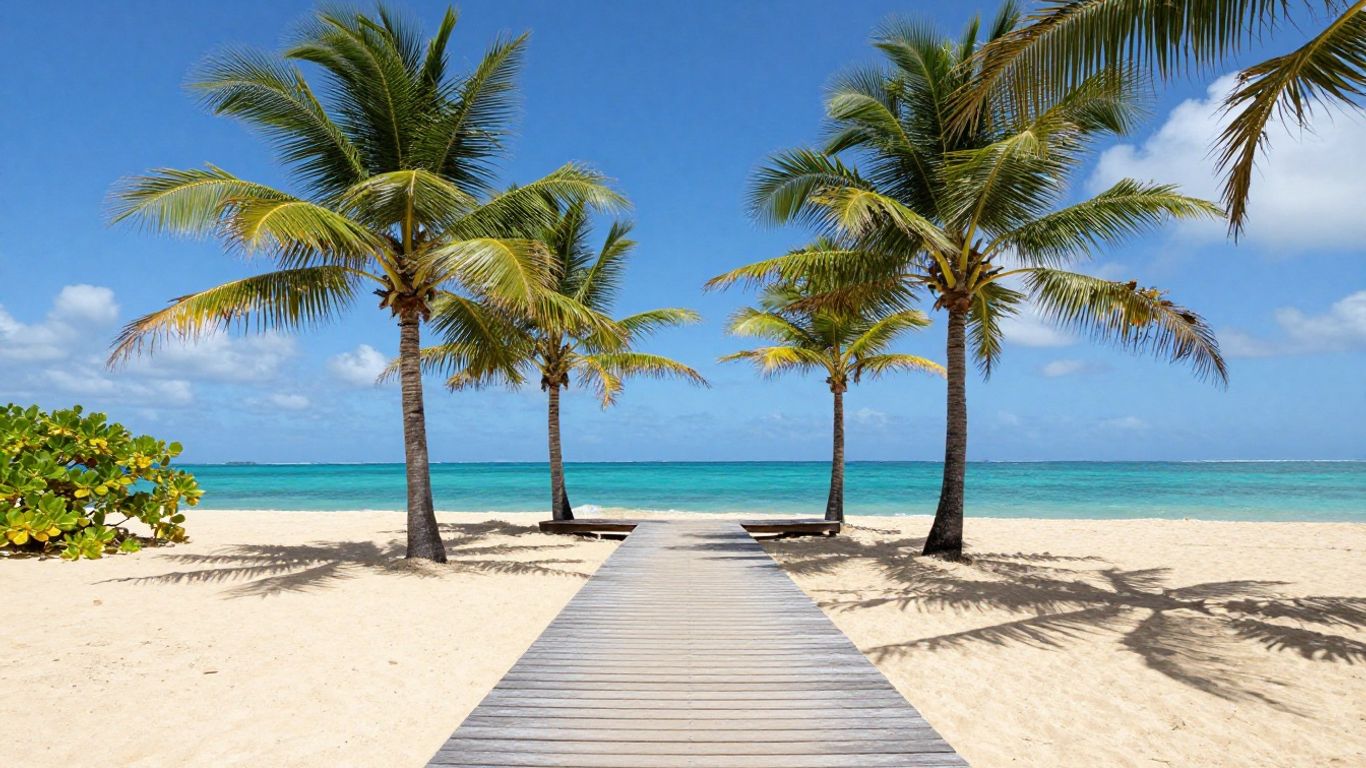 Jamaican beach landscape
Jamaica is a classic destination that balances world-class tourism with accessible pockets for the savvy adventurer. While famous for high-end villas, the island is filled with local guesthouses and smaller eco-lodges that offer a more grounded experience. Planning your visit to coincide with off-peak months allows you to leverage the best Caribbean vacation packages available on the market for cost-conscious travelers.
Getting around the island is part of the fun if you swap expensive taxis for the local route taxi system. This is a common way for residents to move between parishes and provides a perfect look at local life while saving you significant money compared to private transfers. You will find that engaging with these everyday systems is much more cost-effective than relying on tour-desk arrangements.
To manage your budget while there, consider these strategies for your daily activities:
- Purchase fresh fruit and snacks at local roadside stands rather than hotel gift shops.
- Visit public beaches like those found in Negril, which offer stunning sunset views for free.
- Take advantage of local craft markets where vendors appreciate honest negotiation.
- Use communal buses to travel between major towns rather than renting private vehicles.
After balancing your transportation and dining like a local, you might be surprised by how much you have left for unique excursions. Many of the most memorable unforgettable things to do in Jamaica involve natural wonders like the Blue Mountains or hidden swimming holes that require only a small entry fee compared to guided group tours.
3. Puerto Rico
Puerto Rico offers a distinct advantage for travelers from the United States, as no passport is required and many major hubs offer budget-friendly direct flights. The island features a blend of historic charm in San Juan and rugged wilderness in the central mountains, giving you two distinct vibes in a single trip. You can easily moderate your spending by alternating between vibrant city explorations and hiking adventures.
For those who love city life, exploring Old San Juan is an excellent way to spend time without spending much money, as the historic forts and charming streets are free to walk. Once you move outside the capital, the cost of living drops significantly, especially in towns located along the western coast. These smaller locales rely on local hospitality and are perfect for finding a more relaxed, neighborhood-style vacation.
Natural attractions like the bioluminescent bays and the El Yunque National Forest are highlights that remain relatively affordable if accessed independently. While some areas have designated tours, many trails are open to the public for a nominal permit fee. This accessibility makes it a premier destination for those who want to see the wonders of the Caribbean while keeping their travel funds under strict control.
4. Cuba
Cuba is a unique destination where your money goes surprisingly far, provided you focus on the local economy rather than international chains. Staying in "casas particulares," which are private homestays hosted by local residents, is the gold standard for budget travel on the island. These stays provide intimate, authentic insights into daily reality while being significantly cheaper than large, state-run hotel blocks.
Transportation is another area where costs can be managed effectively if you avoid luxury, air-conditioned tour buses. Using the Viazul bus system or local connections helps keep your travel budget predictable. Because the island's landscape is preserved in a way that feels timeless, you save money simply by observing street life, architecture, and the incredible classic car culture that fills the plazas.
Food and drink reflect the island's resource-focused lifestyle, emphasizing local produce and market finds. Street food options like pizza, sandwiches, and fresh juices are widely available and extremely affordable. By leaning into these local habits, you minimize your daily spending, allowing more room in your budget for cultural experiences like music, dance, and history tours that truly define a trip to Cuba.
5. Curaçao
Curaçao is a gem of the southern Caribbean that feels like a slice of Europe transported to the tropics, offering a high-quality experience without the overwhelming price tags found in exclusive private resorts. The island is known for its incredible snorkeling and diving sites, many of which can be accessed for free just by walking off the beach. Investing in your own snorkel gear before you go is a smart move that pays for itself in just two days.
Staying on local property, perhaps through home exchanges, can provide a great base of operations. The island is relatively compact, meaning you can navigate well with a rental car, making it easy to visit different beaches and coastal sights without needing an expensive tour. The infrastructure is well-developed, ensuring that finding affordable groceries and dining options is straightforward for any traveler.
When exploring the capital of Willemstad, look for the local markets where you can find fresh produce and affordable fish dishes near the floating bridge. The vibrant architecture and public art make walking tours a great activity that doesn't cost anything. By mixing beach days with town strolls, travelers can easily keep their costs low while fully immersing themselves in the island’s unique Afro-Caribbean culture.
6. Grenada
 Lush tropical forest trail
Grenada, often called the Spice Isle, offers a lush and incredibly authentic experience for travelers who prioritize nature over big-city thrills. You will find that simple cabin stays or local guest houses are far more common here than massive, high-price hotel complexes. Hiking the varied terrain, from waterfalls tucked into inner-island forests to pristine beaches, is the primary activity and is mostly free.
For those who prefer a more structured itinerary, it is useful to reference a seasonal travel guide to ensure you avoid the high-cost festive peaks. During the shoulder months, you can secure much better rates on accommodation and car rentals. If you are looking for specific advice, you might find that affordable travel for retirees and couples includes staying a bit further from the main beach town of Grand Anse, where rent remains lower.
Consider this breakdown of typical costs for an independent traveler in Grenada:
| Expense Category | Daily Budget (Approx) |
|---|---|
| Local Guesthouse | $50 - $70 |
| Public Transport | $5 - $10 |
| Authentic Meals | $20 - $35 |
These figures allow for a comfortable trip without overextending. By focusing on local transport instead of tours and dining at informal eateries, you can easily experience the magic of the island while managing a budget. This approach turns an expensive tropical getaway into a very attainable reality.
7. Barbados
Barbados has a reputation for being upscale, but it is entirely possible to visit on a budget if you focus on the southern coast or inner neighborhoods away from the high-end luxury sprawl. Local rum shops, which serve as community hubs and affordable bars, are essential stops for anybody looking to save on dining and experience real social life. These locations offer simple, hearty plate lunches for very reasonable prices.
Public beaches such as Dover Beach or Bathsheba are beautiful, free to enter, and offer surf, sand, and ocean views that rival any private hotel access. Engaging with the bus system is, again, the smartest way to navigate; it is reliable, safe, and captures the vibrancy of the island as you travel between parishes. Frequent bus routes ensure you can see most of the major attractions without needing a costly rental car.
When looking for accommodations, focus on studio apartments that allow you to prepare your own meals. Buying groceries at the main markets instead of convenience stores saves money immediately. By balancing free beach days with visits to historic sites that charge minimal fees, you can enjoy all that Barbados offers while keeping a close eye on your spending.
8. Saint Kitts and Nevis
Saint Kitts and Nevis provides a quieter, more intimate atmosphere where the cost of entry is lower than in more commercialized neighboring islands. Because the island is smaller and less developed in terms of massive resorts, there is a strong inclination toward local homestays or small inns. This environment encourages visitors to slow down and embrace a more natural way of life.
Walking the perimeter of the capital and visiting historic sites like Brimstone Hill Fortress requires only an entrance fee, which is a small price for such vast historical access. The trails around the volcanoes are excellent for those interested in hiking, providing hours of activity for free. By staying in smaller towns away from the main cruise ports, you can avoid the inflated prices of the tourist hubs.
To make your dollar stretch, consider dining at small local cafes that specialize in island staples. Since fish is freshly caught, you can often find high-quality seafood at local market stalls for significantly less than restaurant rates. Embracing the local grocery store experience is also a great way to handle snacks and drinks, further reducing your daily expenditure.
9. Belize
Belize stands out as a unique bridge between Caribbean vibes and Latin American prices, making it a compelling spot for budget-conscious travelers. While popular for its reef and offshore islands, staying on the mainland allows you to explore jungles, ruins, and local towns without the markup of a private island resort. Many budget travelers find that buses and local transport offer a genuine connection to the country’s diverse culture.
For those who love adventure, the Maya ruins are significant highlights that remain relatively inexpensive to visit. You don't necessarily need a high-end guided group for every excursion; many public sites are easily explored with a modest ticket. Integrating these adventure days with relaxing time on public beaches allows for a perfect, affordable mix of activities.
Belizean food, influenced by its diverse heritage, is diverse and affordable, featuring plenty of rice, beans, and fresh ingredients. Local stands that specialize in fry jacks or pupusas provide delicious, filling meals for very little money. By focusing on these kinds of dining options and choosing locally-owned lodges, your investment goes into the community rather than international hotel chains.
10. Trinidad and Tobago
Trinidad and Tobago is arguably one of the best value-for-money destinations in the region, primarily because it is not as heavily focused on mass-market tourism as other islands. Trinidad offers a rich, bustling cultural scene filled with street food, music, and festivals, while Tobago provides the quintessential Caribbean beach experience. By splitting your time between the two, you get two distinct island flavors.
In Trinidad, make sure to try local street staples like doubles, which are a legendary, cheap, and delicious breakfast wrap. This type of consumption is the norm for locals, keeping your food costs extremely low. For transport, efficient highway buses connect the major areas of Trinidad, making travel between sites very cheap compared to island-hopping by plane.
Tobago offers beautiful beaches that are largely open to the public without hotel barriers. If you seek Caribbean getaway experiences that feel authentic and cost-efficient, focusing on locally-shared accommodation is the right path. This dual-island destination rewards curiosity and independent exploration with lower prices and a much more personal travel experience than the typical resort vacation.
Conclusion
Finding an affordable getaway in the Caribbean is not about compromising on quality but about being intentional with your choices. By leaning into local transport, seasonal timing, independent exploration, and community-based dining, you can stretch your budget to experience the best this vibrant region has to offer. Whether your focus is on the lush forests of the interior or the turquoise waters of the coast, a thoughtful approach ensures that you get the most value out of every dollar while creating memories that will last much longer than your vacation.
Frequently Asked Questions
When is the best time of year to visit on a budget?
Visiting during the shoulder season, specifically late spring or early autumn, is widely considered the best way to secure lower prices on flights and accommodation while still enjoying manageable weather.
How can I save money on ground transportation?
Using local public buses and route taxis is the most effective way to save on transit costs compared to relying on private airport shuttles or daily car rentals.
Is it safer to stick to all-inclusive resorts for budget travel?
Resorts can be expensive, and they often limit your experience by keeping you on a single property; instead, finding local guest houses allows for a more authentic and often more affordable trip.
Should I buy food at local markets?
Yes, shopping at local street markets and grocery stores ensures you have affordable options for meals and snacks, which significantly reduces the cost of eating out in tourist-heavy zones.
Are there free activities to do in the Caribbean?
Many islands feature natural attractions, including public hiking trails, waterfalls, and white sand beaches, that do not require an entrance fee, providing endless free entertainment.
Is it cheaper to book flights well in advance?
While early booking is often recommended, watching for last-minute deals during the off-season can also yield significant savings for travelers who are flexible with their dates and destinations.
How do I identify safe and affordable local neighborhoods?
Researching local forums and engaging with neighborhood guides before you arrive can help you identify areas that are popular with residents for a more authentic, lower-cost stay away from hotel zones.

Published by
SwappaHome
SwappaHome Editorial Team
Home Exchange & Slow Travel Editorial
The SwappaHome Editorial Team brings together travel research, home-exchange community insights, and platform data to produce practical guides for first-time and experienced home swappers. Every article cites real platforms, current market rates, and verifiable city-level facts so readers can make informed decisions without guessing.
Ready to try home swapping?
Join SwappaHome and start traveling by exchanging homes. Get 7 free credits when you sign up!