
Booking flights international: A complete guide to finding the best deals

SwappaHome Editorial Team
Home Exchange & Slow Travel Editorial
Key Takeaways Planning international travel involves balancing costs and convenience. This guide helps you navigate the complexities of airfare to find the…
Key Takeaways
Planning international travel involves balancing costs and convenience. This guide helps you navigate the complexities of airfare to find the best possible value for your next big trip.
- Start monitoring prices several months before your planned departure date.
- Utilize flexible date search features to identify the cheapest departure days.
- Carefully evaluate if the base fare includes essential services like checked luggage.
- Consider direct bookings for better protection during flight changes or delays.
- Always review the baggage and cancellation policies of every ticket you purchase.
Understanding international flight pricing models
International flight pricing relies on a sophisticated mix of supply and demand factors that update in real-time. Airlines adjust these costs based on historical data, seat availability, and competitor activity. Understanding these mechanics is essential for anyone interested in booking flights international effectively.
How dynamic pricing algorithms impact cost
Sophisticated algorithms track search trends to predict your willingness to pay and adjust prices accordingly. These systems often monitor individual browser activity to ensure the pricing reflects real-time demand. A sudden spike in interest for a specific route can cause the automated system to increase fares immediately, as the software anticipates imminent sales.
Premium cabin versus economy fare structures
Fare structures vary significantly between classes, moving beyond just seat size and legroom to include different baggage limits and refund flexibility. Economy fares are typically non-refundable and restrictive, while premium classes include perks like lounge access and early boarding. It is wise to verify which benefits are included before choosing, as specific tickets might lock you into rigid travel plans.
Differences between full-service and low-cost carriers
Selecting a carrier requires an assessment of your total travel needs versus the advertised ticket price. Full-service airlines include more amenities in the initial booking, whereas low-cost carriers often unbundle services. The comparative table below outlines the basic differences to help you determine the total expected fare.
| Category | Full-Service Airline | Low-Cost Carrier |
|---|---|---|
| Meals | Generally included | Usually for purchase |
| Baggage | Often one checked item | Fees apply for all |
| Flexibility | Higher change allowance | Often strictly non-refundable |
Reviewing these operational differences ensures you do not encounter unexpected costs after the initial purchase. A low-cost ticket might seem cheaper initially, but add-ons often negate these savings.
Timing your flight search for maximum savings
 A traveler searching for planes on a laptop
Timing remains a critical component of travel budgeting, as the cost of tickets fluctuates heavily based on the calendar. Airlines release inventory strategically, and finding the sweet spot between early-bird booking and last-minute deals takes practice. Proactive monitoring consistently provides a better outlook compared to impulse purchasing during expensive peak hours.
The ideal booking window for international routes
Most international routes display the most competitive pricing when booked between two and six months in advance. Booking too early often fails to yield significant discounts, while waiting until the final month almost guarantees premium pricing. Staying aware of this window allows you to capture standard market rates rather than inflated late-booking fares.
Utilizing flexible date search tools
Many booking platforms now offer calendar views that highlight the cheapest days to fly across an entire month. This feature is particularly useful for travelers with adjustable vacation times. By shifting your trip by even forty-eight hours, you can often find significant savings on cross-continental flight routes.
Avoiding peak season and holiday surcharges
Peak travel times—such as major summer holidays and winter school breaks—are almost always accompanied by significant surcharges on airfare. Airlines capitalize on the high volume of leisure travelers who have little room for schedule adjustments during these periods. Remaining flexible enough to travel just outside of these windows will protect your total trip budget from unnecessary inflation.
Navigating comparison engines and airline direct bookings
Choosing the right environment to search for tickets can influence how easily you find the best rates. While some tools provide a broad view of the market, others simplify the booking process for post-purchase support. Balancing your need for transparency with the need for convenience is the primary goal here.
Benefits of using third-party aggregators
Third-party platforms empower travelers by pulling data from dozens of airlines into a single, organized interface. Using a tool like Google Flights allows you to compare multiple routes and durations side-by-side without visiting individual provider pages. This consolidation saves massive amounts of time during the initial research phase.
Advantages of booking directly with the airline
Booking directly with the carrier simplifies communication if your plans change or if you encounter unexpected flight disruptions. When an itinerary is held directly on an airline's official system, they typically prioritize that passenger for modifications over bookings made through intermediaries. This direct line of communication is a primary advantage for managing complex long-haul flights.
Evaluating customer service and cancellation policies
Before confirming any booking, you must read the fine print regarding cancellation and change fees. Some tickets are sold as non-refundable but may grant you airline credit if you cancel within specific time frames. Ensuring that these terms align with your travel security requirements is vital to preventing financial loss.
Managing complex international itineraries
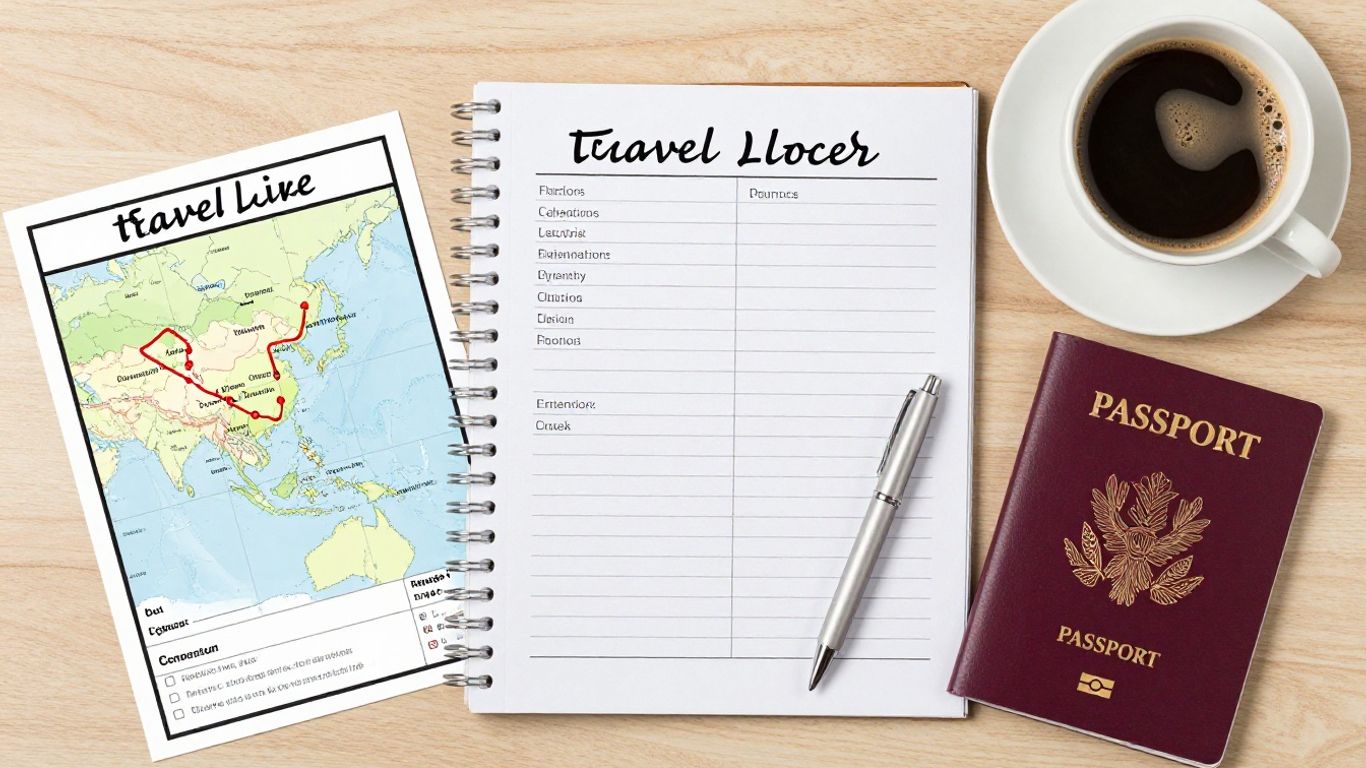 An organized planner for vacation travel
Complex itineraries, such as those requiring multiple stops or unique transfers, require higher levels of organization to manage successfully. Whether you are using SwappaHome to find local stay options or coordinating flights across different continents, having a clear plan is important. Careful planning mitigates the stress that typically accompanies long-distance multi-leg travel.
Strategies for efficient multi-city trip planning
Planning a multi-city route requires you to view your journey as a series of connected blocks rather than a singular event. Start from the furthest destination and work backward toward your starting point to identify logical flight paths. This approach minimizes backtracking and can often lead to more efficient route optimization by highlighting potential hub connections.
Minimizing risks during layovers and self-transfers
Self-transfers, where you book separate segments on your own, carry significant risks of missed connections. To manage this safely, follow these tips:
- Allow at least four hours between flights when you need to recheck luggage.
- Ensure your first flight has a high on-time performance record.
- Stay within the same airport during your connection window.
- Research if you require a transit visa for your technical stopover.
Taking these steps helps ensure your transition between flights happens without major schedule disruptions or lost luggage.
Dealing with open-jaw ticket arrangements
Open-jaw tickets allow you to fly into one city and depart from another, which can be a game-changer for those traversing across large regions. These arrangements reduce the need to double back to your starting destination, essentially saving you a full day of travel. Such tickets are often priced as a return, which remains cost-effective compared to buying two individual one-way fares.
Minimizing hidden costs and travel fees
Many travelers discover too late that their base fare represents only a portion of the total cost. Hidden fees for extras like seat selection or baggage can quickly turn a budget flight into an expensive ordeal. Identifying these costs upfront allows you to select the ticket that actually makes sense for your budget.
Baggage allowance and excess weight rules
Every airline has specific rules regarding dimensions and weight limits for both carry-on and checked items. Exceeding these limits at the gate leads to exorbitant fees that significantly outweigh the savings of a low-cost fare. Double-checking your ticket classification is essential, as the same flight can have wildly different baggage rules depending on whether you purchased a basic or standard economy fare.
Seat selection and upgrade pitfalls
Selecting a specific seat often involves an additional cost, either during the booking process or at check-in. If you have no preference, it is usually better to wait for automated assignment, as airlines rarely split families if they are on the same booking record. However, if you require specific features like extra legroom, be prepared to pay higher fees during the initial checkout phase.
Currency conversion and foreign transaction fees
When booking flights on international websites, the displayed currency might differ from the currency associated with your local bank account. If your credit card charges international fees, you could pay a percentage on the total ticket cost. Using a card that offers no foreign transaction fees keeps your final costs predictable and avoids bank-added surcharges.
Protecting your international flight investment
Travelers should always be aware of the protections available to them in the event of an unexpected change to their flight plans. Insurance and regulation serve as your primary defense against unavoidable disruptions. Thoroughly understanding these options helps you maintain peace of mind while globe-trotting.
Understanding international airline compensation regulations
Depending on the route and the airline's home base, you may be entitled to significant compensation for delays and cancellations. For example, flights departing from or arriving in certain jurisdictions have strict rules governing passenger rights after a disruption. Familiarizing yourself with these regulations can help you secure the restitution you are legally owed.
Choosing the right travel insurance policy
While optional, travel insurance can act as a crucial safety net if an emergency forces you to cancel your plans. Look for policies that provide coverage for non-refundable expenses, as well as protections for trip delays or medical emergencies abroad. Choosing a policy that aligns with your specific itinerary provides reliable coverage for your investment.
Knowing your consumer rights in the event of major disruptions
When service is terminated or significantly delayed, you have the right to request a refund or rebooking on the earliest available flight. The airline is often obligated to provide essential care during extended waits. For deeper insights into navigating these events, watch this helpful summary:
Understanding these rights ensures you are not stranded without options if a flight is canceled or significantly delayed by the airline.
Conclusion
Navigating the world of international airfare requires a bit of research and a commitment to understanding your ticket conditions. By timing your bookings wisely, comparing available options using Skyscanner, and knowing your protections, you can secure reliable flights while keeping your overall travel costs manageable and stress-free.
Frequently Asked Questions
How far in advance should I book my international flight?
The ideal booking window is typically three to six months prior to departure; booking earlier gives you access to a wider selection of flights, while waiting until the final weeks often leads to higher prices.
Do prices for international flights always increase the closer I get to the departure date?
While prices generally rise closer to the travel date, airlines occasionally release last-minute deals if a specific flight remains empty, though this approach is risky and not recommended for travelers on a tight schedule.
Are there specific days of the week that are cheaper for flying internationally?
Mid-week flights—specifically those on Tuesdays and Wednesdays—often offer lower pricing than weekend departures, as fewer leisure travelers book these times, encouraging airlines to reduce fares to fill seats.
What should I do if my flight itinerary is significantly changed by the airline?
You generally have the right to accept the new itinerary, request an alternative routing, or ask for a full refund depending on the length of the change and the airline's specific policies for that route.
Should I always choose the cheapest fare available?
The cheapest fare is often restricted, lacking options for baggage or refunds; you should weigh the cost savings against the potential for high fees if you need to check bags or make adjustments to your travel dates.
Do I need travel insurance for every international trip?
While insurance is not mandatory for a ticket, it is highly recommended to protect your finances against unexpected cancellations, medical emergencies, or significant delays that fall outside of airline compensation rules.
Can I use a VPN to find cheaper international flight prices?
Using a VPN might show different localized prices; however, results vary significantly and are not guaranteed to provide cheaper rates, as airlines and aggregators use multiple factors beyond your location to determine fare availability.

Published by
SwappaHome
SwappaHome Editorial Team
Home Exchange & Slow Travel Editorial
The SwappaHome Editorial Team brings together travel research, home-exchange community insights, and platform data to produce practical guides for first-time and experienced home swappers. Every article cites real platforms, current market rates, and verifiable city-level facts so readers can make informed decisions without guessing.
Ready to try home swapping?
Join SwappaHome and start traveling by exchanging homes. Get 7 free credits when you sign up!