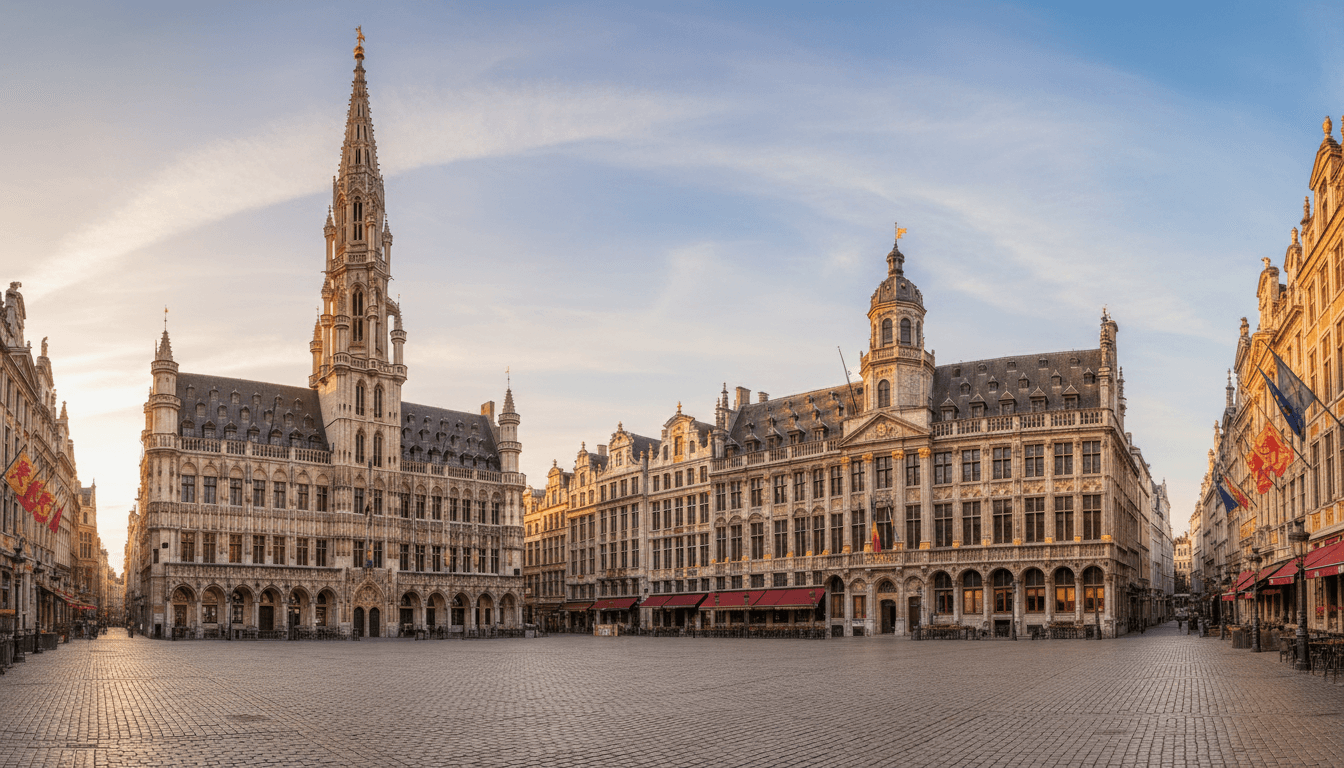
Budget Travel to Brussels: Why Home Swapping Beats Every Other Option
Maya Chen
Travel Writer & Home Exchange Expert
Discover how budget travel to Brussels becomes effortless with home swapping. Save €150+ per night while living like a local in Europe's quirky capital.
Budget Travel to Brussels: Why Home Swapping Beats Every Other Option
I almost didn't go to Brussels. The hotel prices had me convinced I'd need to remortgage my soul—€180 per night for a cramped room near Gare du Midi that reviewers described as "functional but depressing." Then I remembered: budget travel to Brussels doesn't have to mean suffering. It means being smarter than the average tourist.
That's when I opened SwappaHome and found a two-bedroom apartment in Ixelles with a balcony overlooking a Saturday market. Cost? Zero euros. Well, technically one credit per night—but I'd earned those credits hosting a lovely couple from Melbourne the month before.
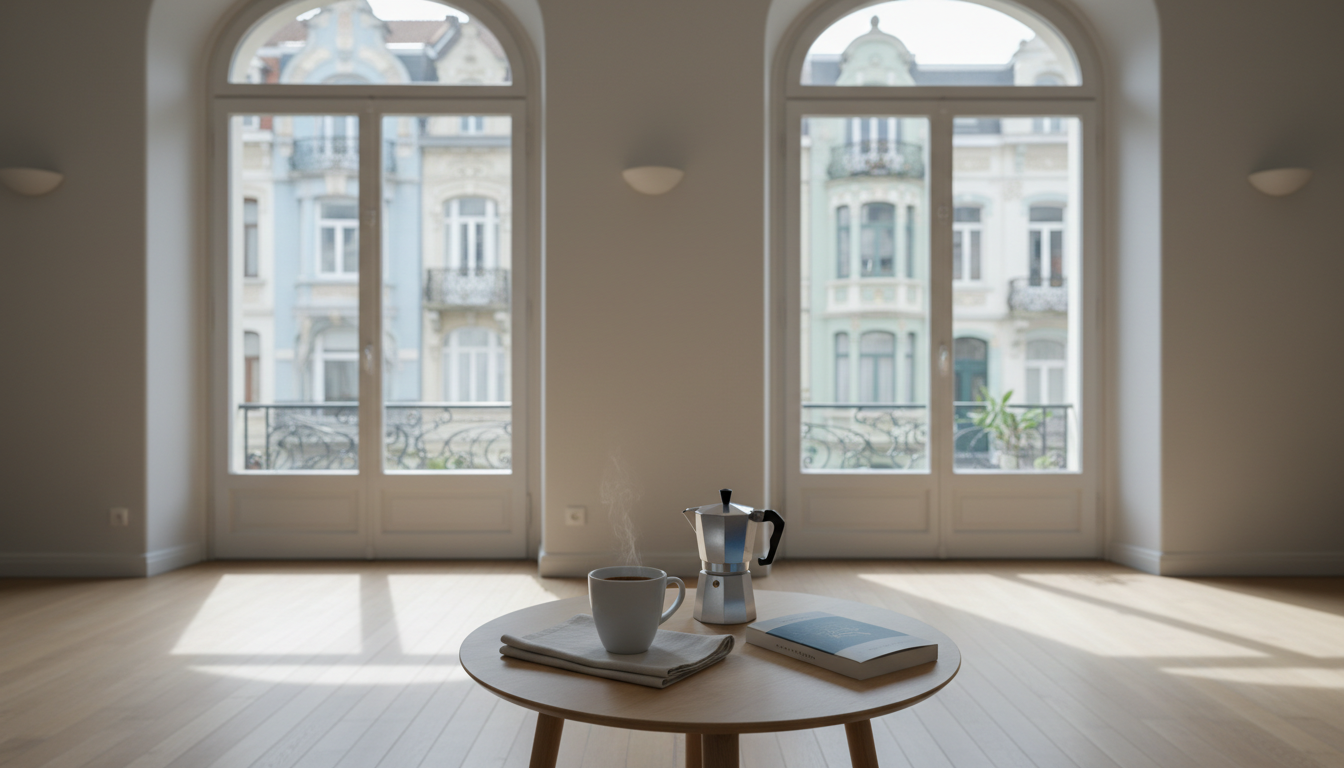 Morning light streaming through tall windows of a Brussels apartment, wooden floors, coffee on a sma
Here's the thing about Brussels—it has this weird reputation. People think it's just bureaucrats shuffling between EU buildings, maybe some chocolate shops for the tourists. They're missing the point entirely.
This is where you can eat the world's best frites for €3. Where you stumble into an Art Nouveau masterpiece on a random Tuesday because nobody bothered to put it in a guidebook. Where you drink Trappist beer in a 400-year-old café and the bartender doesn't bat an eye when you order your third. The only thing standing between most travelers and this experience? Accommodation costs. And that's exactly where home swapping changes everything.
Why Budget Travel to Brussels Gets Expensive (And How to Fix It)
Let me be honest with you: Brussels accommodation prices have gone slightly insane. The average hotel room in the city center runs between €140-220 per night. Airbnbs? They've crept up too—a decent one-bedroom in a good neighborhood now averages €95-130 nightly, plus those cleaning fees that somehow always surprise you at checkout.
I tracked my expenses during a traditional trip to Brussels back in 2019. Seven nights in a "budget" hotel near Grand Place: $1,247 USD. That's not including the overpriced breakfast buffet I kept buying because my room didn't have a kitchen. Add another $180 for sad croissants and weak coffee.
Now compare that to my home swap trip last October. Seven nights in a gorgeous apartment in Saint-Gilles: zero accommodation cost. I made my own Belgian waffles every morning using my host's waffle iron—she'd left instructions and a bag of pearl sugar on the counter. I bought groceries at the Parvis de Saint-Gilles market. Total food cost for the week: around $95.
The math isn't complicated. Home swapping for budget travel to Brussels can save you $1,000+ on a single week-long trip.
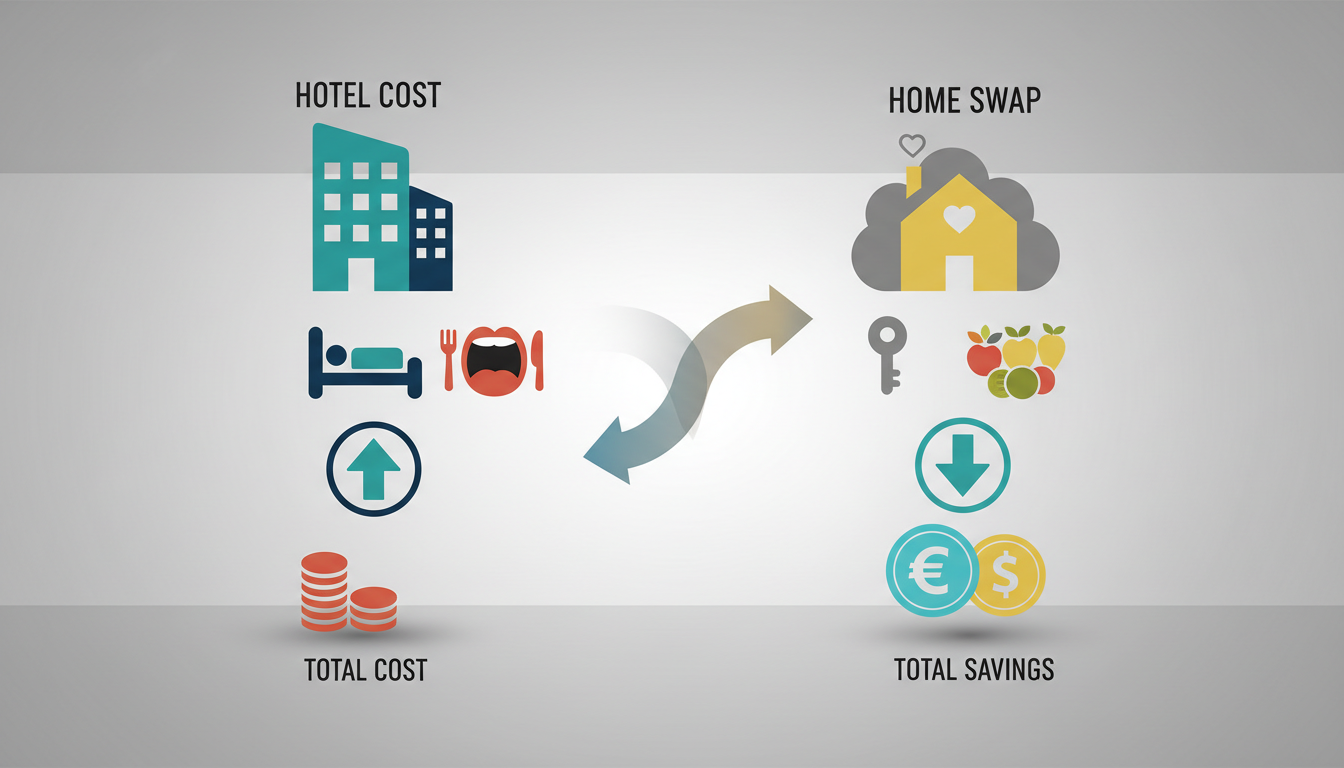 Comparison infographic showing hotel costs vs home swap costs in Brussels over 7 nights, with icons
But here's what the spreadsheets don't capture: the feeling of having a home base. A place where you can retreat after hours of walking on cobblestones. A kitchen where you can reheat those leftover stoofvlees from the restaurant that gave you too much food. A couch where you can collapse and watch Belgian TV—which is surprisingly entertaining, by the way.
How Home Swapping Actually Works for Brussels Trips
I get this question constantly, so let me break it down.
SwappaHome uses a credit system. You earn credits by hosting travelers in your home—always 1 credit per night, regardless of whether you have a studio apartment or a five-bedroom house. You spend credits to book stays—again, always 1 credit per night, whether you're staying in a cozy flat or a spacious townhouse. New members start with 10 free credits. That's 10 nights of accommodation anywhere in the world, including Brussels.
The beauty of this system? You don't need to find someone who wants to swap directly with you. Host a family from Tokyo in your place, then use those credits for a week in Brussels. The flexibility is what makes it work for real travelers with real schedules.
When I search for Brussels on SwappaHome, I typically find 40-60 active listings. Apartments in trendy Ixelles. Townhouses in leafy Uccle. Quirky lofts in up-and-coming Molenbeek. Even a converted artist's studio in Les Marolles that I'm still dreaming about.
Best Brussels Neighborhoods for Home Exchange Stays
Not all Brussels neighborhoods are created equal—especially for budget travelers who want to actually experience the city rather than just photograph it.
Saint-Gilles: The Sweet Spot
This is where I'd point any first-time Brussels visitor doing a home swap. Saint-Gilles sits just south of the city center, close enough to walk to Grand Place in 20 minutes but far enough to feel like a real neighborhood.
The Parvis de Saint-Gilles hosts one of Brussels' best markets every Sunday morning. North African spices, Portuguese pastries, Belgian cheeses, produce that actually tastes like something. My host's apartment was a five-minute walk from the Parvis, and I went three times during my week there. Couldn't help myself.
Rent in Saint-Gilles runs about 30% cheaper than the city center, which means home exchange listings here tend to be larger and better-equipped. Think actual kitchens, not kitchenettes. Washing machines. Balconies where you can drink your morning coffee and pretend you live here.
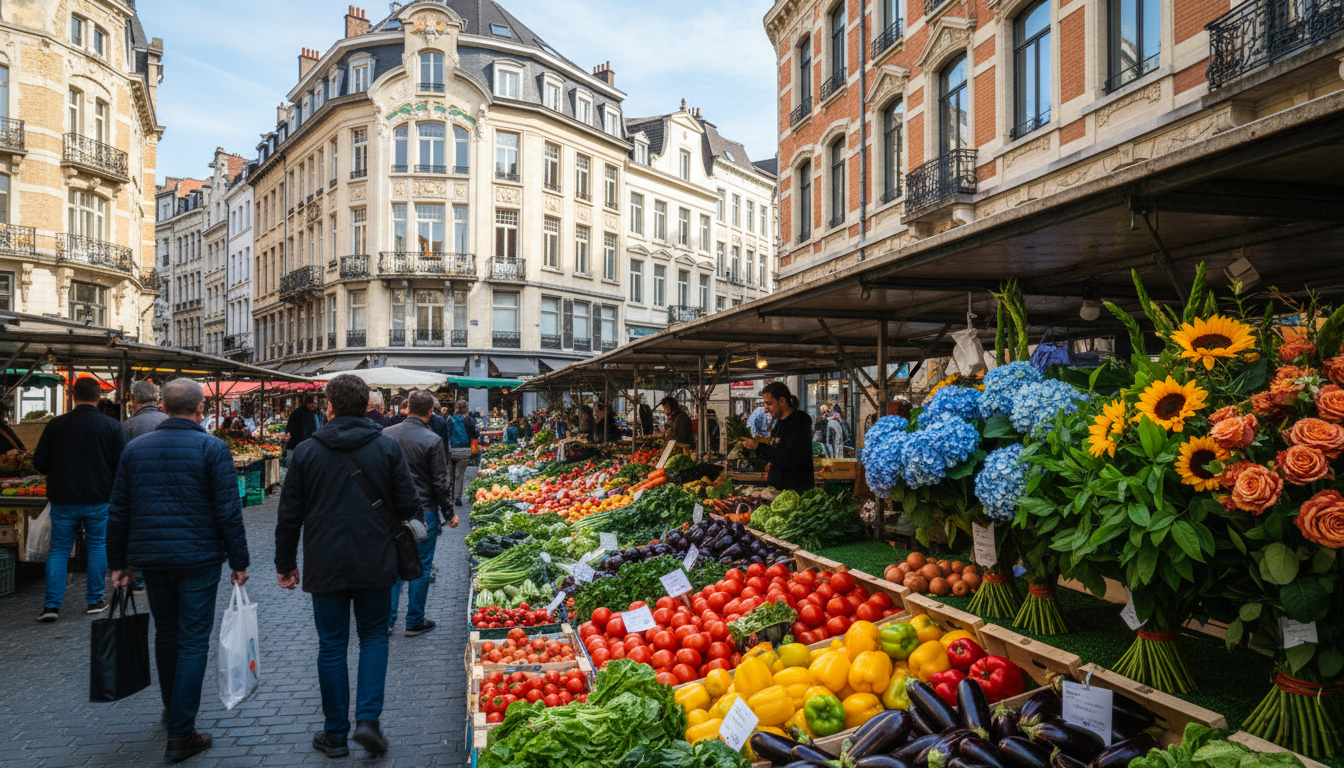 Sunday morning at Parvis de Saint-Gilles market, vendors selling fresh produce and flowers, locals c
Ixelles: For the Café Culture Lovers
Ixelles is where young professionals and artists have colonized the beautiful 19th-century buildings. The neighborhood splits into two distinct vibes: the area around Place Flagey feels artsy and international, while the streets near Porte de Namur are more traditionally Belgian.
I did a home swap here during my first Brussels trip, and I still remember the corner café where I'd get my morning coffee. Café Belga on Place Flagey—a former radio building converted into a sprawling terrace where everyone from students to retirees gathers. A café crème costs about €3.50, and you can sit there for hours without anyone bothering you. I tested this theory extensively.
Home swaps in Ixelles often come with the bonus of being near the Matonge quarter, Brussels' Congolese neighborhood. The food there—specifically the grilled fish and fufu at places like Inzia—is some of the best and most affordable in the city. A full meal runs about €12-15.
Les Marolles: The Authentic Choice
If you want Brussels at its most authentically weird, Les Marolles is your neighborhood. This is the old working-class district, home to the famous Jeu de Balle flea market and some of the city's best unpretentious restaurants.
The architecture here is scruffier than in the posher neighborhoods, but that's part of the charm. Vintage shops, second-hand bookstores, bars where a Jupiler beer costs €2.50 instead of €5.
Home swaps in Les Marolles tend to be in older buildings—exposed brick, slightly creaky floors, character you can't manufacture. I stayed in a converted attic space here once. Waking up to the sound of the flea market setting up below my window? Genuinely magical.
Schaerbeek: The Insider Pick
Most tourists never make it to Schaerbeek, which is exactly why I love it. This neighborhood in the northeast has some of Brussels' most spectacular Art Nouveau architecture—entire streets of ornate facades that don't appear in any guidebook.
The area around Place Colignon feels like a village within the city. There's a fantastic Turkish bakery on Rue Royale Sainte-Marie where I'd get fresh simit for €1. The Vietnamese restaurant Pho Viet on Chaussée de Haecht serves massive bowls of pho for €11.
Home swaps in Schaerbeek are often in those Art Nouveau buildings I mentioned. Stained glass windows. Original tile floors. Fireplaces that still work. The kind of places that would cost €300+ per night as boutique hotels.
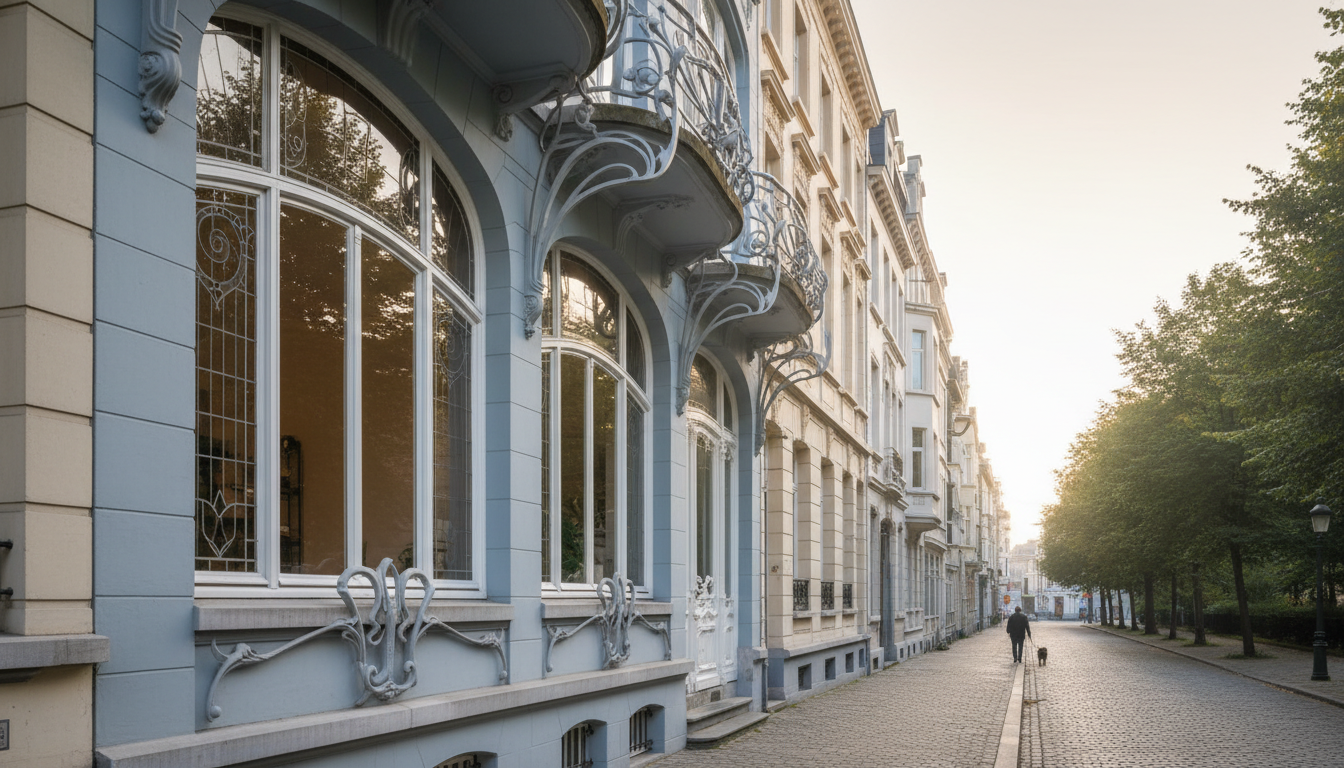 Art Nouveau building facade in Schaerbeek with ornate ironwork balconies, morning light, quiet resid
What Budget Travel to Brussels Actually Costs (With Home Swapping)
Let me give you a realistic daily budget breakdown based on my last trip. This assumes you're staying in a home swap and cooking some of your own meals.
Transportation: Brussels has excellent public transit. A 10-trip MOBIB card costs €16 (about $17.50 USD). That'll cover most of a week if you're also willing to walk—and you should be. The city center is remarkably compact. You can cross it in 30 minutes on foot.
Food: Here's where home swapping really shines. With a kitchen, you can do breakfast and some dinners at home. Budget around €8-12 per day for groceries. Eating out for lunch? A sandwich at a frituur with frites runs €7-10. A sit-down dinner at a good local restaurant: €20-35.
Attractions: Many of Brussels' best experiences are free. Walking the Grand Place, exploring the Art Nouveau neighborhoods, wandering the flea markets—no entrance fee required. The Magritte Museum is €10. The Musical Instruments Museum (MIM) is €10 and absolutely worth it for the rooftop café alone. Comic strip murals scattered throughout the city? Free, and honestly more fun to hunt down than most paid attractions.
Beer: Let's be real—you're going to drink Belgian beer. Budget €4-6 per beer at a café, or €2-3 if you buy bottles at a supermarket and drink them on your home swap balcony. No judgment here.
My realistic daily budget with home swapping: €45-65 ($49-71 USD). Without home swapping, add €100-150 for accommodation. The difference is staggering.
Practical Tips for Your Brussels Home Swap
After multiple home exchanges in Brussels, I've learned a few things the hard way so you don't have to.
Timing Matters
Brussels gets busy during EU summit weeks and major conventions. Check the European Council calendar before booking—when world leaders descend, even home swap hosts sometimes need their places back. The best times for budget travel to Brussels are late spring (May-June) and early fall (September-October). Weather is mild, crowds are manageable, home swap availability is high.
Communication is Everything
Belgians tend to be direct communicators, which I appreciate. When messaging potential hosts on SwappaHome, be specific about your needs. Mention if you're traveling with a partner. Ask about the kitchen setup if cooking is important to you. Inquire about neighborhood parking if you're driving.
I always ask for restaurant recommendations too. Locals know which places are tourist traps—anything on Rue des Bouchers, honestly—and which hidden gems serve the real stuff.
The Language Thing
Brussels is officially bilingual—French and Dutch—but in practice, most residents speak French, and almost everyone under 40 speaks English. Your home swap host will likely leave instructions in English, but it doesn't hurt to learn a few French phrases. "Bonjour" and "merci" go a long way.
Grocery Shopping Strategy
Delhaize and Carrefour are the main supermarket chains. For budget shopping, look for Colruyt or Aldi. But honestly? The neighborhood markets are where you'll find the best produce and prices. Saturday morning at Place du Châtelain in Ixelles is my favorite—get there early.
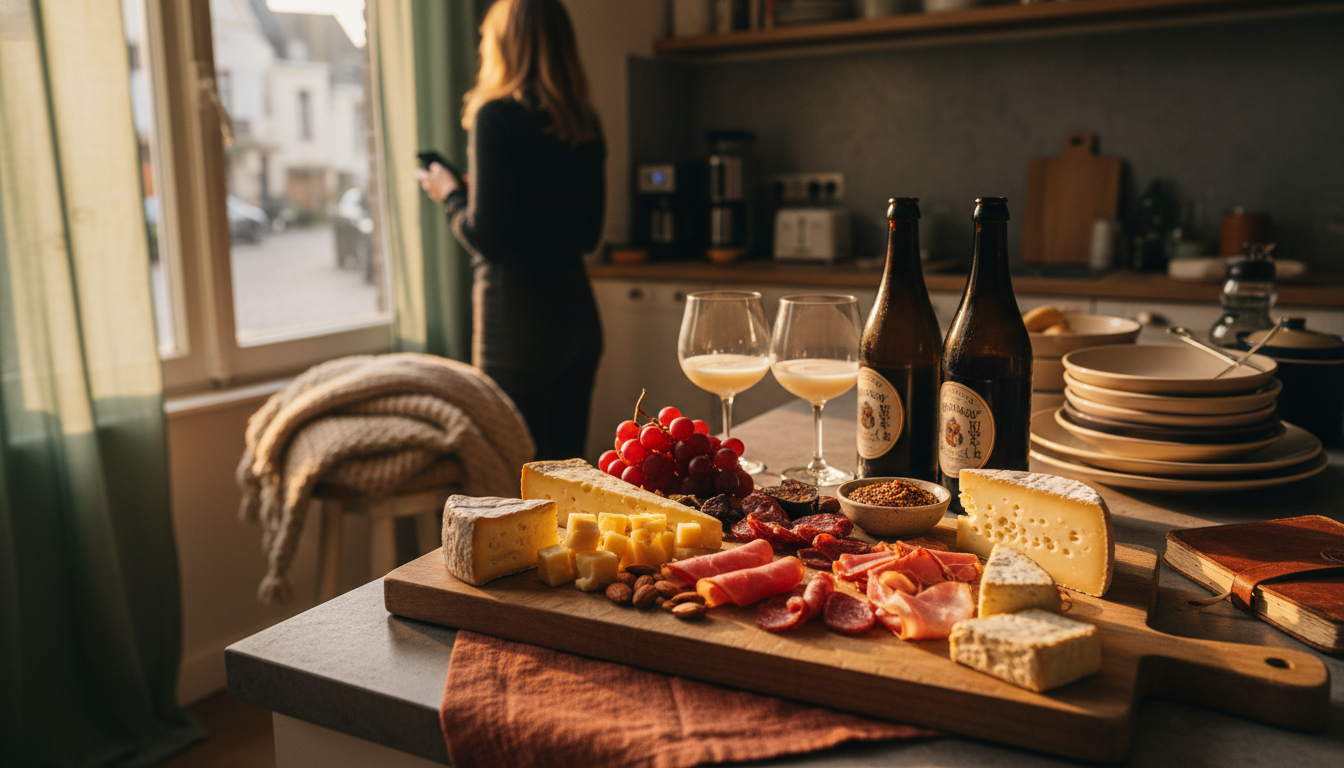 Cheese and charcuterie spread on a wooden cutting board in a Brussels apartment kitchen, Belgian bee
Beyond the Basics: Making the Most of Your Brussels Home Swap
Having a home base changes how you travel. You're not rushing to see everything because you're paying €200 per night and need to justify it. You can take a slow morning. You can come back for an afternoon nap. You can cook dinner and save the fancy restaurant for when you actually want to go, not because you have no other option.
Some of my best Brussels memories happened in the apartments themselves. Making Belgian waffles at 10 PM because I'd bought pearl sugar at the market and couldn't wait. Reading on a balcony while rain pattered on the awning. Having a video call with friends while drinking a Chimay I'd picked up at the corner store.
This is what budget travel to Brussels should feel like. Not penny-pinching in a hostel dorm, not splurging on a hotel you can't really afford, but living—actually living—in one of Europe's most underrated cities.
Day Trip Possibilities (Because Home Swapping Gives You Flexibility)
With the money you save on accommodation, you can actually afford to explore beyond Brussels. The train system here is excellent.
Bruges: 1 hour by train, €15 round trip. Yes, it's touristy. Go anyway. Just avoid the weekend crowds if possible.
Ghent: 35 minutes by train, €10 round trip. Honestly, I prefer Ghent to Bruges. It's a real university city with better food and fewer tour groups clogging the streets.
Antwerp: 45 minutes by train, €12 round trip. Fashion, diamonds, and the best shopping in Belgium.
Leuven: 25 minutes by train, €8 round trip. A gorgeous university town with the oldest botanical garden in Belgium and excellent beer culture.
When you're doing a home swap, you can leave early, come back late, and not worry about checkout times or luggage storage. You have a home to return to.
The Trust Factor: Why Home Swapping Works
I know what you're thinking. "But Maya, you're letting strangers stay in your home. And staying in theirs. Isn't that... weird?"
Seven years ago, I thought the same thing. Then I did my first swap—a month in a Lisbon apartment while a Portuguese family stayed in my San Francisco place—and everything changed.
Here's what makes it work: mutual accountability. On SwappaHome, members review each other after every stay. That review history builds trust. When I'm considering a swap, I read reviews carefully. Has this person been a good guest? A good host? Do they communicate clearly?
The platform also offers identity verification, so you know the person you're exchanging with is who they say they are. And the messaging system lets you get to know potential swap partners before committing.
Real talk—I recommend getting your own travel insurance that covers home stays, just for peace of mind. SwappaHome connects you with other members, but any insurance or damage coverage is something you arrange yourself. Most home swap veterans I know have a basic policy that covers their belongings when traveling.
But in 40+ swaps, I've never had a serious issue. The community polices itself. People who don't respect others' homes don't last long—their reviews reflect it, and they stop getting accepted for swaps.
Getting Started: Your First Brussels Home Swap
If you're new to home swapping, Brussels is an excellent city to start. The SwappaHome community here is active, with hosts who are experienced and welcoming.
First step: Create your profile and list your own home. Be honest about what you're offering. Take good photos. Mention the neighborhood highlights. New members get 10 free credits, so you can book a Brussels stay before you've even hosted anyone.
Second step: Start browsing Brussels listings. Filter by neighborhood if you have a preference. Read the descriptions carefully—hosts often include local tips that are worth their weight in gold.
Third step: Send a message introducing yourself. Mention why you're visiting Brussels, how long you're hoping to stay, a bit about your travel style. I always mention that I'm a quiet guest who respects house rules. It helps.
Fourth step: Once accepted, coordinate arrival details. Most hosts will leave keys with a neighbor or in a lockbox. Some prefer to meet you in person. Either way, clear communication makes everything smooth.
The Bigger Picture: Why This Matters
Budget travel to Brussels isn't just about saving money—though that's certainly nice. It's about traveling differently. It's about having experiences that package tourists never get.
When you stay in someone's home, you shop at their neighborhood market. You drink at their local café. You see the city through their eyes, even if you never meet them in person. The guidebook they left on the shelf, the restaurant menus in the kitchen drawer, the note about which bakery has the best pain au chocolat—these details transform a trip.
I've been to Brussels four times now. I could probably navigate Saint-Gilles blindfolded. I have a favorite stool at a bar in Les Marolles. I know that the frites at Maison Antoine are worth the wait, but the ones at Frituur Tabora are almost as good with no line.
This kind of knowledge comes from time. And time in a city only becomes affordable when you're not hemorrhaging money on accommodation.
Home swapping made Brussels accessible to me. It can do the same for you.
So here's my challenge: pick a week. Open SwappaHome. Search for Brussels. See what's available.
That apartment in Ixelles with the balcony? Someone's going to book it. The townhouse in Saint-Gilles near the market? It won't stay available forever.
Budget travel to Brussels is waiting. Your waffle iron is warming up. The only question is whether you're ready to stop overpaying and start actually living in one of Europe's most delightfully weird cities.
I think you are.
Frequently Asked Questions
Is home swapping in Brussels safe for first-time exchangers?
Home swapping in Brussels is generally very safe, especially through platforms like SwappaHome that offer identity verification and member reviews. The community self-regulates through honest feedback, and experienced hosts often provide detailed instructions. I recommend reading reviews carefully and communicating thoroughly with your host before confirming. Consider getting personal travel insurance for extra peace of mind.
How much money can I save with home swapping versus hotels in Brussels?
Budget travel to Brussels with home swapping typically saves €100-180 per night compared to hotels. Over a week-long trip, that's €700-1,260 ($765-1,380 USD) in savings. Add kitchen access for home-cooked meals, and total trip savings can exceed $1,000. The SwappaHome credit system means accommodation costs nothing beyond credits you've earned by hosting.
What neighborhoods in Brussels are best for home exchange stays?
Saint-Gilles and Ixelles offer the best combination of location, local character, and home swap availability. Saint-Gilles has excellent markets and is walkable to the center. Ixelles provides great café culture near Place Flagey. For Art Nouveau architecture, try Schaerbeek. Les Marolles suits travelers wanting authentic, working-class Brussels with flea markets and affordable restaurants.
Do I need to speak French for a home swap in Brussels?
No, English is widely spoken in Brussels, especially among younger residents and in tourist areas. Most home swap hosts leave instructions in English. However, learning basic French phrases like "bonjour," "merci," and "s'il vous plaît" is appreciated. Your host's neighborhood recommendations and written guides will typically be in English or easily translatable.
When is the best time for budget travel to Brussels?
May-June and September-October offer ideal conditions for budget travel to Brussels. Weather is mild, tourist crowds are smaller than summer, and home swap availability is high. Avoid EU summit weeks when accommodation demand spikes. Winter (November-February) brings Christmas markets but colder weather. Check the European Council calendar before booking to avoid busy political periods.
40+
Swaps
25
Countries
7
Years
About Maya Chen
Travel Writer & Home Exchange Expert
Maya is a travel writer with over 7 years of experience in the home swapping world. Originally from Vancouver and now based in San Francisco, she has completed more than 40 home exchanges across 25 countries. Her passion for "slow" and authentic travel led her to discover that true luxury lies in living like a local, not a tourist.
Ready to try home swapping?
Join SwappaHome and start traveling by exchanging homes. Get 10 free credits when you sign up!
Related articles

Lyon Home Exchange: Your Complete Guide to France's Hidden Gem for Home Swapping
Discover why Lyon home exchange is booming among savvy travelers. From Croix-Rousse to Presqu'île, find the best neighborhoods and insider tips for your swap.

Zurich Bucket List: 47 Unforgettable Experiences to Enjoy During Your Home Swap
Discover the ultimate Zurich bucket list for home swappers—from secret swimming spots to fondue rituals locals actually do. Save thousands while living like a true Zürcher.
Dublin Home Exchange Utilities Guide: WiFi, Heating & Everything Your Guests Need
Master Dublin home exchange utilities—from dodgy WiFi fixes to heating quirks. Practical tips from 7 years of swapping homes across Ireland.