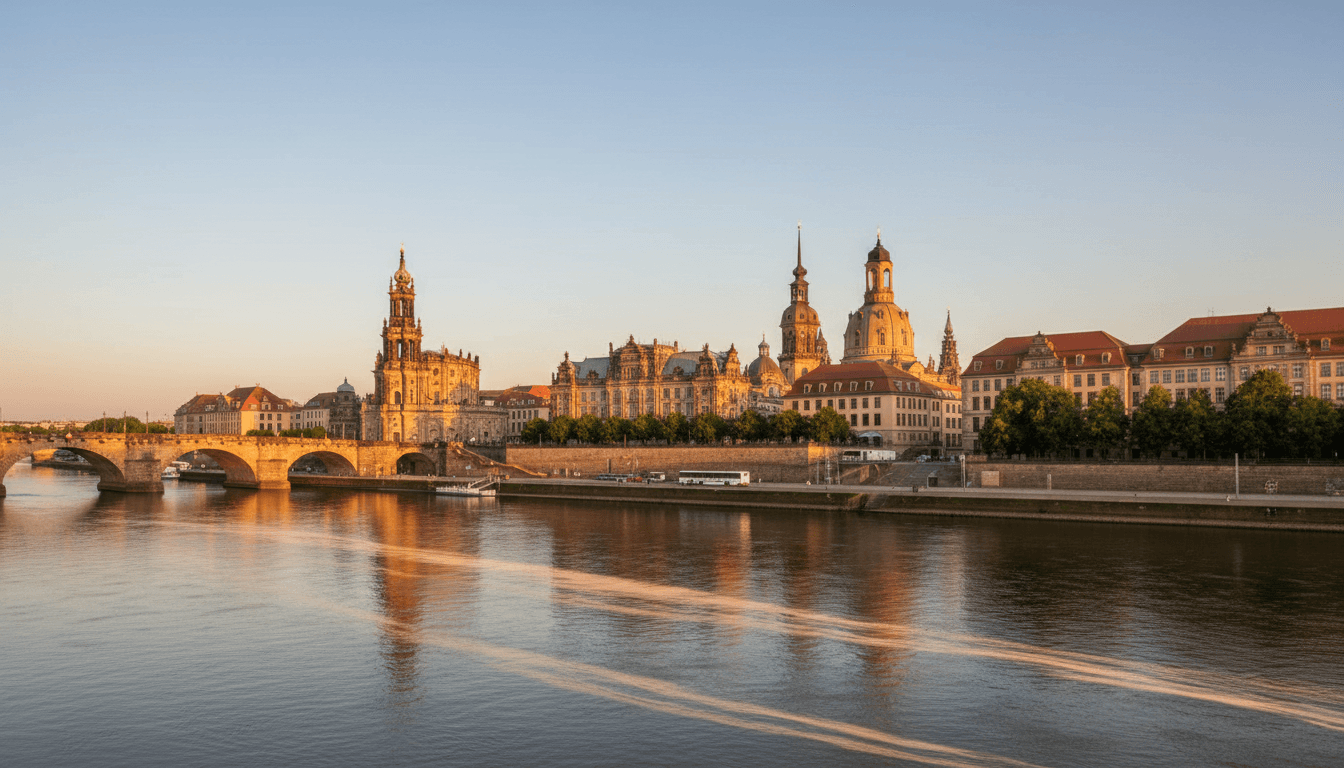
Dresden for Remote Workers: Finding Home Exchanges with Perfect Workspaces

SwappaHome Editorial Team
Home Exchange & Slow Travel Editorial
Discover why Dresden is becoming a remote work hotspot and how to find home exchanges with dedicated workspaces in this underrated German city.
I wasn't supposed to fall for Dresden.
My original plan was Leipzig—hipper, more international, the obvious choice for a month of remote work in eastern Germany. But a last-minute home exchange opportunity landed me in a renovated Gründerzeit apartment in Dresden's Neustadt district, and three weeks later? I was genuinely sad to leave.
Here's the thing about Dresden for remote workers: it's one of Europe's best-kept secrets, and I'm convinced it's about to have its moment. The city offers something increasingly rare—genuine affordability, world-class infrastructure, and enough cultural depth to keep you exploring on weekends. All without the digital nomad crowds that have transformed Lisbon and Barcelona into laptop-warrior theme parks.
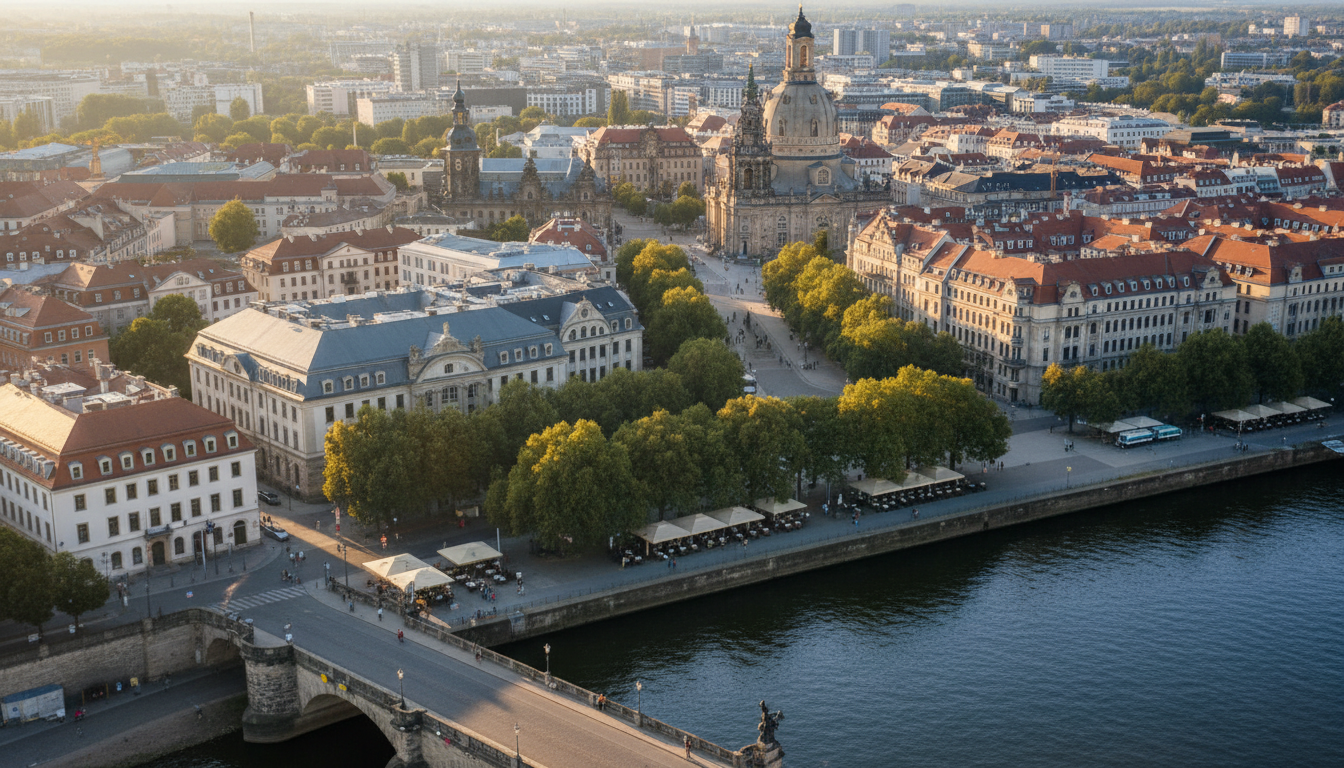 aerial view of Dresdens Neustadt district at golden hour, showing the mix of baroque architecture an
Why Dresden Works for Remote Workers (and Why Nobody's Talking About It)
What surprised me most? Dresden has faster average internet speeds than Berlin. I'm not making that up. The city invested heavily in fiber infrastructure over the past decade, and most residential buildings in central neighborhoods now offer connections between 100-500 Mbps. My home exchange apartment in Äußere Neustadt had 250 Mbps—faster than my setup back in San Francisco.
But speed is just the baseline.
What makes Dresden genuinely excellent for remote work is the cost-to-quality ratio. A specialty coffee that would run you $7 in Brooklyn costs €3.50 here. A restaurant lunch with a drink? Maybe €12-15 ($13-16 USD). And unlike cheaper destinations where affordability comes with infrastructure headaches, Dresden operates with German precision. Trains run on time. The tap water is excellent. Power outages are basically unheard of.
The timezone works beautifully too. At UTC+1 (or UTC+2 during summer), you get overlap with both US East Coast morning meetings and Asian afternoon calls. I managed my US clients from 3-7 PM local time and had entire mornings free to explore the Zwinger Palace or bike along the Elbe.
Finding Home Exchanges in Dresden with Dedicated Workspaces
Now, here's where I need to get specific—because "workspace" means wildly different things to different remote workers. Some people can hammer out a full workday from a kitchen table. I am not one of those people. I need a proper desk, a decent chair, and ideally a door I can close when I'm on video calls.
When I'm searching for home exchanges with workspaces in Dresden—or anywhere, really—I've developed a system. First, I scan listing photos for evidence of an actual desk setup. Not a decorative writing desk with a vase of flowers on it. A real workspace with a monitor, external keyboard, or at minimum, a proper office chair.
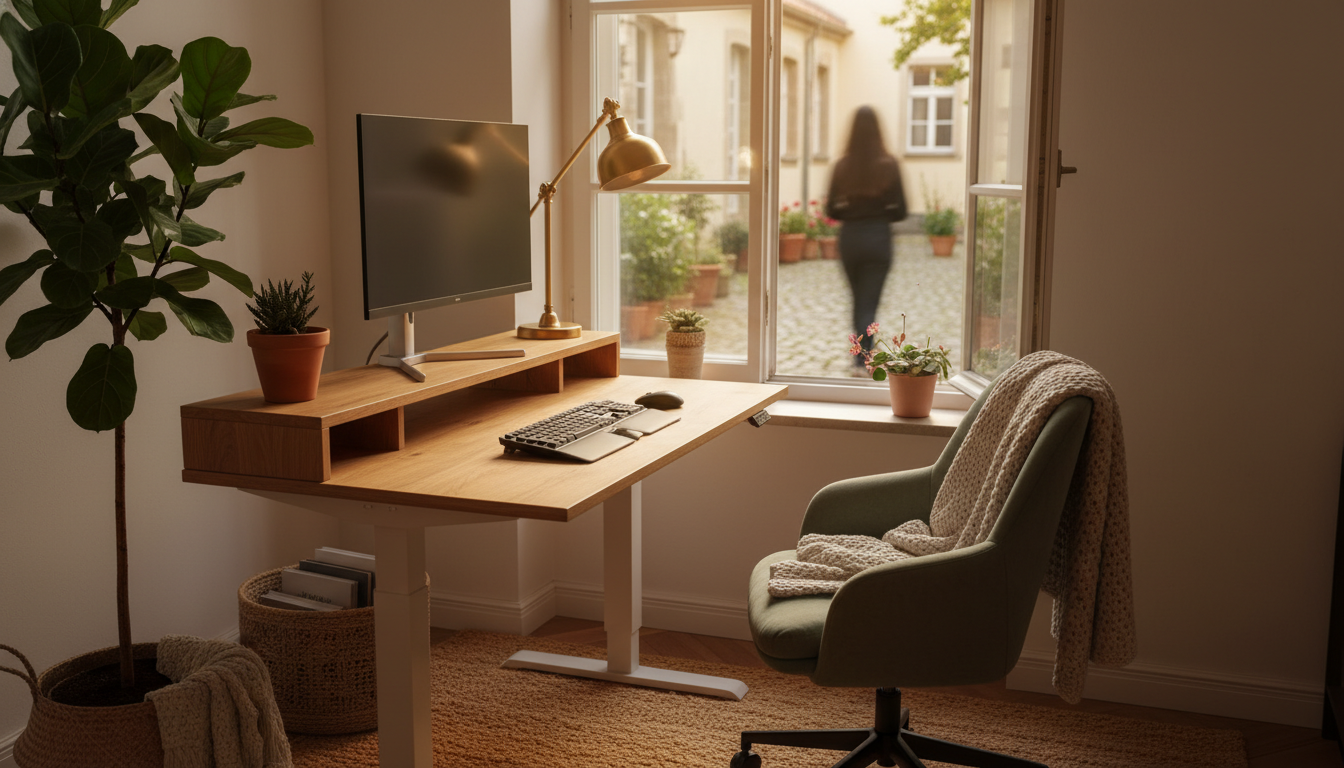 bright home office corner in a Dresden apartment, showing a standing desk setup near a large window
On SwappaHome, I always message potential hosts directly before booking. My standard questions: What's the internet speed? (Ask for a speed test screenshot if they're not sure.) Is there a dedicated workspace, or would I be working from shared spaces? What's the chair situation? (This sounds neurotic, but eight hours in a bad chair will wreck your back.) How's the natural light in the work area? Any noise issues during typical work hours?
Dresden hosts tend to be refreshingly direct in their responses. German communication style, I guess. One host sent me a detailed floor plan with the workspace highlighted and a photo of her router's admin panel showing speed stats. I booked immediately.
Best Dresden Neighborhoods for Remote Work Home Exchanges
Not all Dresden neighborhoods are created equal for remote workers. After my own stay and extensive conversations with local digital nomads, here's my honest breakdown.
Äußere Neustadt: The Sweet Spot
This is where I stayed, and I'd go back in a heartbeat.
Äußere Neustadt (Outer New Town) is Dresden's creative district—think independent bookshops, third-wave coffee roasters, and the kind of restaurants where the menu changes based on what looked good at the market that morning. For remote workers, it hits the trifecta: excellent café culture for those days you want to work outside your apartment, quiet residential streets for focused home-office days, and walkable access to everything. The Alaunpark is perfect for midday breaks, and the neighborhood has multiple coworking spaces if you want occasional community.
Home exchange availability here is solid. Many apartments are in beautifully restored Gründerzeit buildings from the late 1800s—high ceilings, tall windows, those gorgeous original wood floors. Rents are still reasonable by German standards, so you'll find young professionals and creative types whose apartments genuinely reflect how they live, not investor-owned vacation rentals.
Innere Neustadt: Central but Pricier
Innere Neustadt sits between the Altstadt (Old Town) and Äußere Neustadt. It's more polished—think boutique shops and upscale restaurants rather than dive bars and vintage stores. The architecture is stunning, with some of Dresden's best-preserved baroque buildings.
For remote work, it's convenient but slightly less ideal. The streets can get tourist-heavy, especially near the Goldener Reiter statue and Hauptstraße. Cafés exist, but they skew more toward quick espresso stops than laptop-friendly hangouts. That said, if you find a home exchange with a proper workspace here, you'll have easy walking access to both the historic center and the livelier Neustadt scene.
Striesen: The Quiet Productivity Zone
I almost didn't include Striesen because it's not particularly exciting.
And that's exactly why it works.
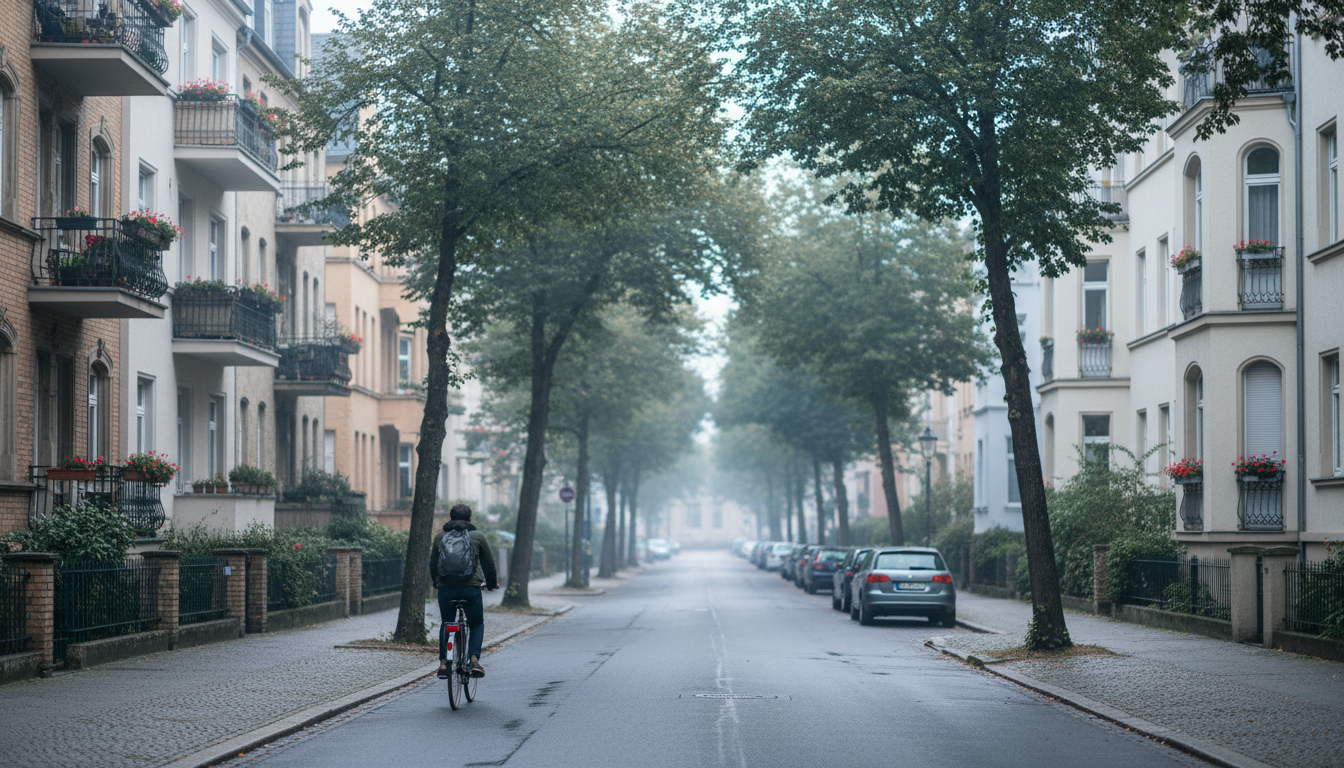 peaceful residential street in Dresdens Striesen neighborhood, showing characteristic early 20th cen
This residential neighborhood east of the city center is where Dresden families and professionals actually live. Tree-lined streets, quiet cafés, excellent bakeries, zero tourist infrastructure. If you need to absolutely lock in and produce during your stay—finishing a book, launching a product, surviving a brutal project deadline—Striesen delivers. The neighborhood has solid transport links (tram lines 4 and 10 connect you to the center in 15 minutes), and you'll find home exchanges in spacious apartments with actual home offices. Many Striesen residents work for Dresden's tech and research sectors, so dedicated workspaces are common.
Blasewitz and Loschwitz: The Premium Option
These villa neighborhoods along the Elbe offer Dresden's most upscale home exchange opportunities. We're talking actual houses with gardens, river views, and the kind of home offices that belong in design magazines. The famous "Blue Wonder" bridge connects Blasewitz to Loschwitz, and the whole area feels like a prosperous small town rather than part of a major city.
The catch? Limited café culture and you'll need a bike or car to reach the livelier parts of Dresden. But if you're doing a longer stay—say, a month or more—and you want space, quiet, and a proper separation between work and leisure, these neighborhoods deliver.
Setting Up Your Dresden Remote Work Routine
I'm a creature of habit when I travel for work. Without routines, I either overwork (guilt about "wasting" the trip) or underwork (too many tempting distractions). Dresden's rhythm helped me find balance faster than most cities.
My typical day started at Café Oswaldz in Neustadt around 8 AM. Strong coffee, a quiet corner, and about two hours of focused writing before the space filled up. Then I'd walk back to my home exchange apartment for video calls and collaborative work—the kind of stuff that needs reliable internet and privacy.
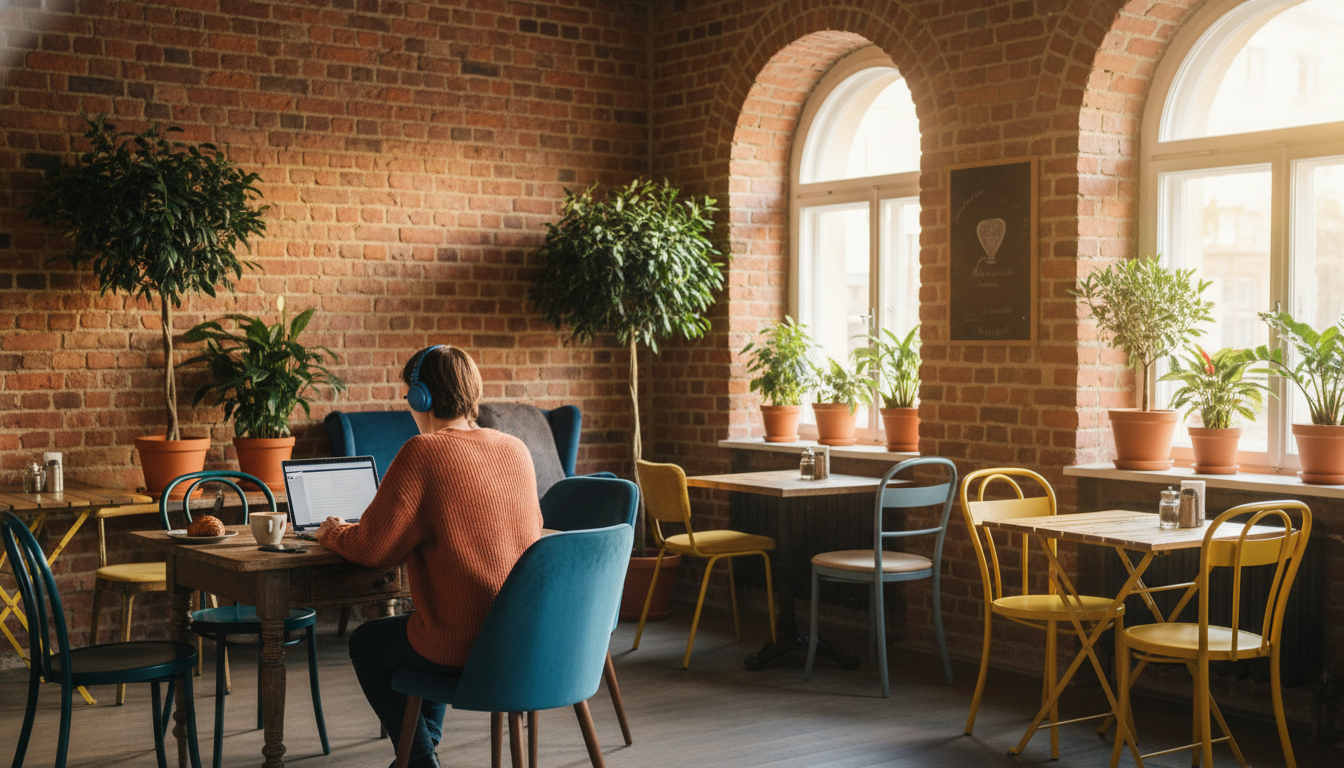 interior of a Dresden caf with exposed brick walls, mismatched vintage furniture, and morning light
Afternoons were flexible. Sometimes I'd relocate to the Sächsische Landesbibliothek (the state library) near the university campus. It's one of Europe's most beautiful modern libraries, and the reading rooms have that productive hush that makes deep work feel natural. Other days, I'd take a long lunch break, explore a museum, and work a later evening shift.
The key insight: Dresden doesn't pressure you to be constantly "on" the way cities like New York or London do. The pace is gentler. I found myself more productive precisely because I wasn't fighting the city's energy.
Practical Tech Setup for Your Dresden Home Exchange
Before my trip, I worried about the usual stuff: power adapters, VPN needs, mobile data. Here's what actually mattered.
Germany uses Type F power outlets (the round two-pin European standard). Bring a universal adapter or pick one up at any electronics store for under €10. My apartment had USB charging ports built into the power strips, which was a nice surprise.
For mobile data, I bought a prepaid SIM from Aldi Talk at a local Aldi supermarket. €15 got me a month of unlimited calls and 12GB of data—more than enough for backup connectivity. The process took maybe 20 minutes including identity verification (bring your passport). VPN-wise, I didn't encounter any significant restrictions. German internet is refreshingly open compared to some countries. I kept my VPN on for client work and US streaming services, but it was never necessary for basic browsing or communication.
One thing I wish I'd known: German apartments often have separate hot and cold water taps in older buildings, and the heating systems can be confusing if you've never dealt with European radiators. My host left detailed instructions, but I still spent my first evening Googling "how to turn on German radiator."
The Social Side: Meeting Other Remote Workers in Dresden
I'll be honest—Dresden isn't Bali. You won't find dedicated digital nomad communities with weekly meetups and Slack channels.
But that's part of the appeal.
The remote workers here are mostly locals or longer-term residents, not people hopping through on a visa run. The coworking scene is small but quality. Kantine in Neustadt operates more like a creative studio than a traditional coworking space—lots of designers, developers, and freelancers who've been there for years. A day pass runs about €15 ($16 USD), and the monthly rate is around €200 ($215 USD). The community is welcoming if you make an effort, but don't expect forced networking events.
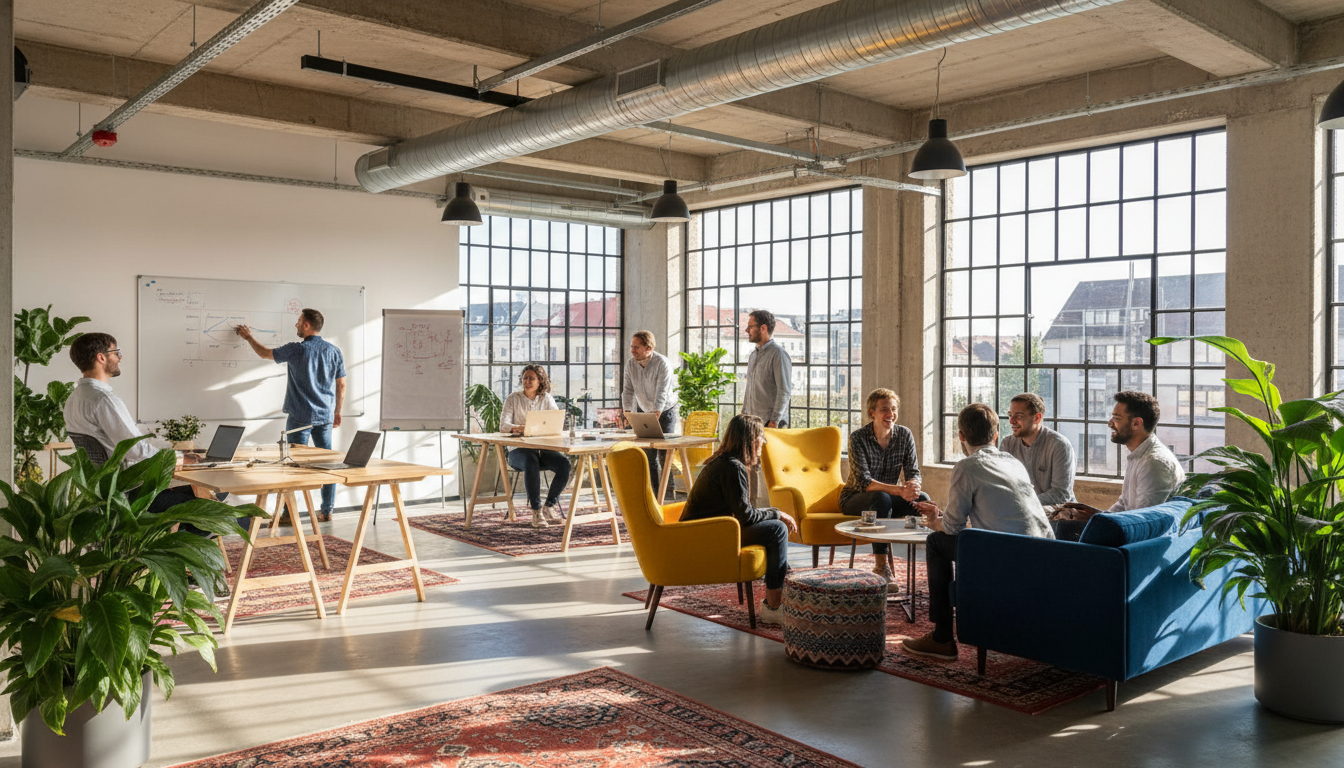 diverse group of people working together at a Dresden coworking space, with exposed ductwork, large
I met most of my Dresden connections through Meetup.com language exchanges and a weekly running group that gathered in Großer Garten park. Low-key, organic, the way social connections should happen.
Weekend Adventures Within Reach
One massive advantage of basing yourself in Dresden: the day trip options are exceptional. I worked Monday through Thursday most weeks and explored Friday through Sunday.
Saxon Switzerland National Park sits just 45 minutes by S-Bahn. The sandstone formations are otherworldly—think dramatic rock pillars, forest-covered plateaus, and hiking trails that range from gentle walks to genuine scrambles. I went three times during my stay and barely scratched the surface. Leipzig is an hour by train (€20-30 round trip depending on booking time). Prague is two hours. Berlin is two hours. You could spend months doing weekend trips and never repeat a destination.
My favorite discovery was Meissen, a small town 30 minutes from Dresden famous for its porcelain. I went expecting a quick museum visit and ended up spending the whole day wandering the medieval old town, eating cake at a riverside café, and buying a ridiculously impractical hand-painted teacup I'll probably never use.
What to Look for in Dresden Home Exchange Listings
After my experience, I've refined my criteria for remote work home exchanges in Dresden specifically.
The workspace question is non-negotiable. But beyond that, I look for apartments with balconies or access to a courtyard. Dresden summers are glorious, and being able to step outside for a five-minute break without leaving your building makes a real difference during long work days.
I also prioritize listings that mention the specific neighborhood, not just "Dresden." Hosts who describe their area in detail—the bakery around the corner, the tram stop they use, the park where they walk their dog—tend to be more engaged and helpful throughout the exchange.
On SwappaHome, I always check how recently the host has been active and read their reviews carefully. Dresden's home exchange community is smaller than major tourist cities, so hosts tend to be genuinely invested in the experience rather than treating it as a side hustle.
The Honest Downsides (Because Every City Has Them)
I'd be doing you a disservice if I painted Dresden as perfect. It's not.
The winters are gray. Like, really gray. November through February can feel relentlessly overcast, and if you're coming from somewhere sunny, the adjustment is real. Seasonal affective lamps are popular here for a reason.
English proficiency is lower than in Berlin or Munich. Most younger people speak it well, but daily transactions—grocery shopping, dealing with bureaucracy, asking for directions—often require basic German or creative gesturing. I found this charming, but if you need everything to be frictionless, it might frustrate you.
The nightlife is... fine. Neustadt has bars and clubs, but Dresden isn't a party city. If vibrant nightlife is important to your travel experience, you'll probably find it underwhelming.
And finally, Dresden's history is complex. The city was devastated by Allied bombing in 1945, and that trauma still echoes through local memory. Some visitors find the rebuilt historic center feels overly polished, almost like a stage set. I actually appreciated the reconstruction as a testament to resilience, but it's worth knowing that the "old" buildings are mostly 20th-century recreations.
Making Your Dresden Home Exchange Work
My three weeks in Dresden taught me something I keep relearning: the best remote work destinations aren't necessarily the most famous ones. They're the places where daily life is pleasant enough that work doesn't feel like an escape, and interesting enough that you're motivated to finish your tasks and go explore.
Dresden hits that balance.
The home exchange I found through SwappaHome—a sunny two-bedroom with a dedicated office nook, fast internet, and a host who left me a handwritten list of her favorite neighborhood spots—made the experience seamless. I earned credits by hosting a German couple at my San Francisco apartment, then used them for this Dresden stay. No money changed hands, no complicated logistics, just two households trusting each other to take care of their spaces.
If you're considering Dresden for your next remote work stint, my advice is simple: don't overthink it. Find a home exchange with a proper workspace, book a month (shorter stays don't give you time to find your rhythm), and let the city reveal itself slowly. The baroque architecture and world-class museums are obvious draws, but the real magic is in the quieter moments—morning fog over the Elbe, the first sip of coffee at your new neighborhood café, the satisfaction of closing your laptop knowing you've done good work in a place that feels genuinely yours.
Dresden's waiting. And honestly? It's not going to stay this undiscovered forever.
Frequently Asked Questions
Is Dresden good for remote workers?
Dresden is excellent for remote workers, offering fast fiber internet (100-500 Mbps in most central apartments), affordable living costs (roughly 40% cheaper than Berlin), and a productive atmosphere without digital nomad crowds. The city's strong café culture, reliable infrastructure, and central European timezone make it ideal for balancing focused work with quality of life.
How much does it cost to live in Dresden as a remote worker?
Remote workers can live comfortably in Dresden on €1,500-2,000 ($1,600-2,150 USD) per month, including accommodation, food, transport, and entertainment. With home exchange through SwappaHome, accommodation costs drop to zero (just 1 credit per night), making monthly expenses as low as €800-1,000 ($860-1,075 USD) for everything else.
What internet speed can I expect in Dresden apartments?
Most Dresden apartments in central neighborhoods offer 100-250 Mbps fiber connections, with some buildings reaching 500 Mbps or higher. The city invested heavily in fiber infrastructure, making it one of Germany's best-connected cities. Always confirm speeds with your home exchange host before booking.
Which Dresden neighborhood is best for remote workers?
Äußere Neustadt is the best Dresden neighborhood for remote workers, combining laptop-friendly cafés, quiet residential streets, fast internet infrastructure, and walkable access to restaurants, parks, and cultural venues. Striesen offers a quieter alternative for those prioritizing maximum productivity over social opportunities.
Can I find home exchanges with dedicated workspaces in Dresden?
Yes, Dresden's home exchange market includes many apartments with dedicated workspaces, particularly in Neustadt, Striesen, and Blasewitz. Many Dresden residents work in tech, research, and creative industries, so home offices are common. On SwappaHome, filter for listings mentioning workspace amenities and message hosts directly to confirm setup details.

Published by
SwappaHome
SwappaHome Editorial Team
Home Exchange & Slow Travel Editorial
The SwappaHome Editorial Team brings together travel research, home-exchange community insights, and platform data to produce practical guides for first-time and experienced home swappers. Every article cites real platforms, current market rates, and verifiable city-level facts so readers can make informed decisions without guessing.
Ready to try home swapping?
Join SwappaHome and start traveling by exchanging homes. Get 7 free credits when you sign up!
Related articles
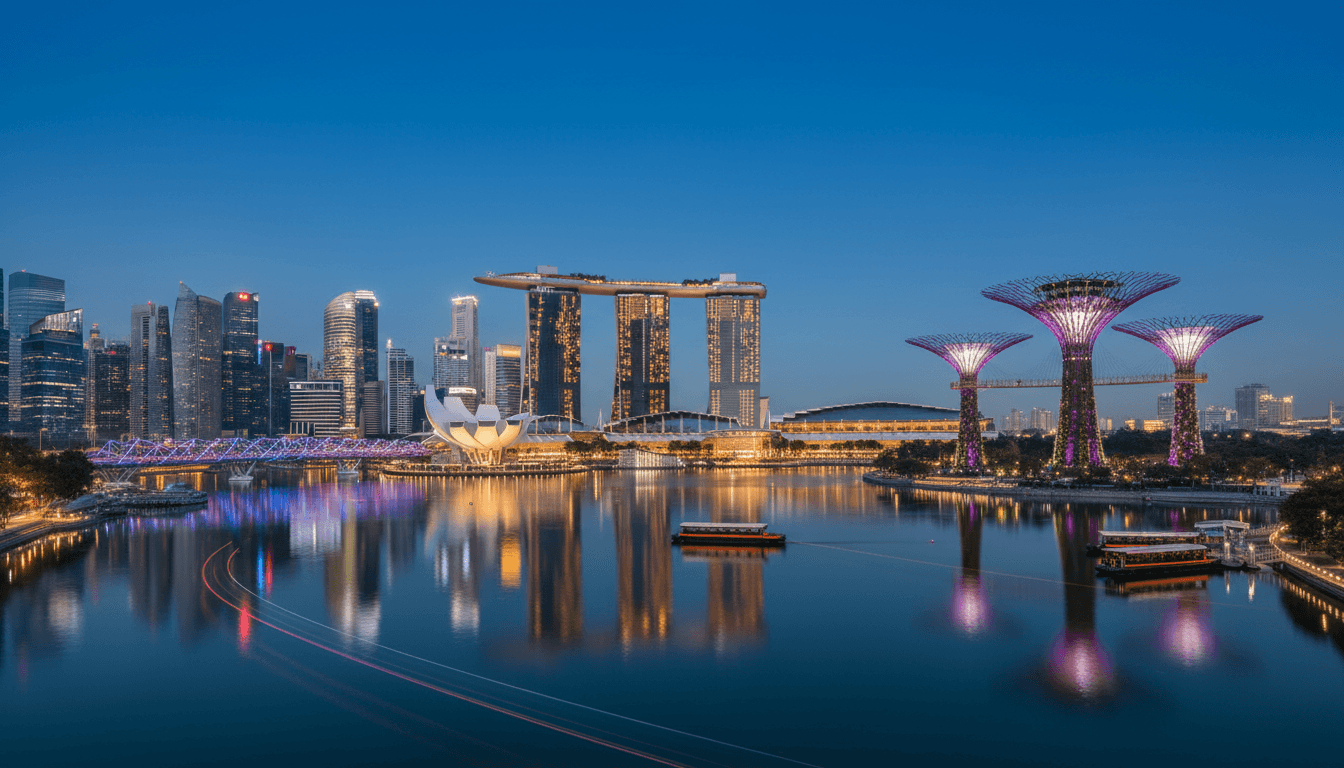
Bachelor and Bachelorette Parties in Singapore: The Complete Home Swap Group Guide for 2026
Planning a bachelor or bachelorette party in Singapore? Discover how home swapping lets groups of 6-12 stay together in luxury condos, saving thousands while partying in Marina Bay.
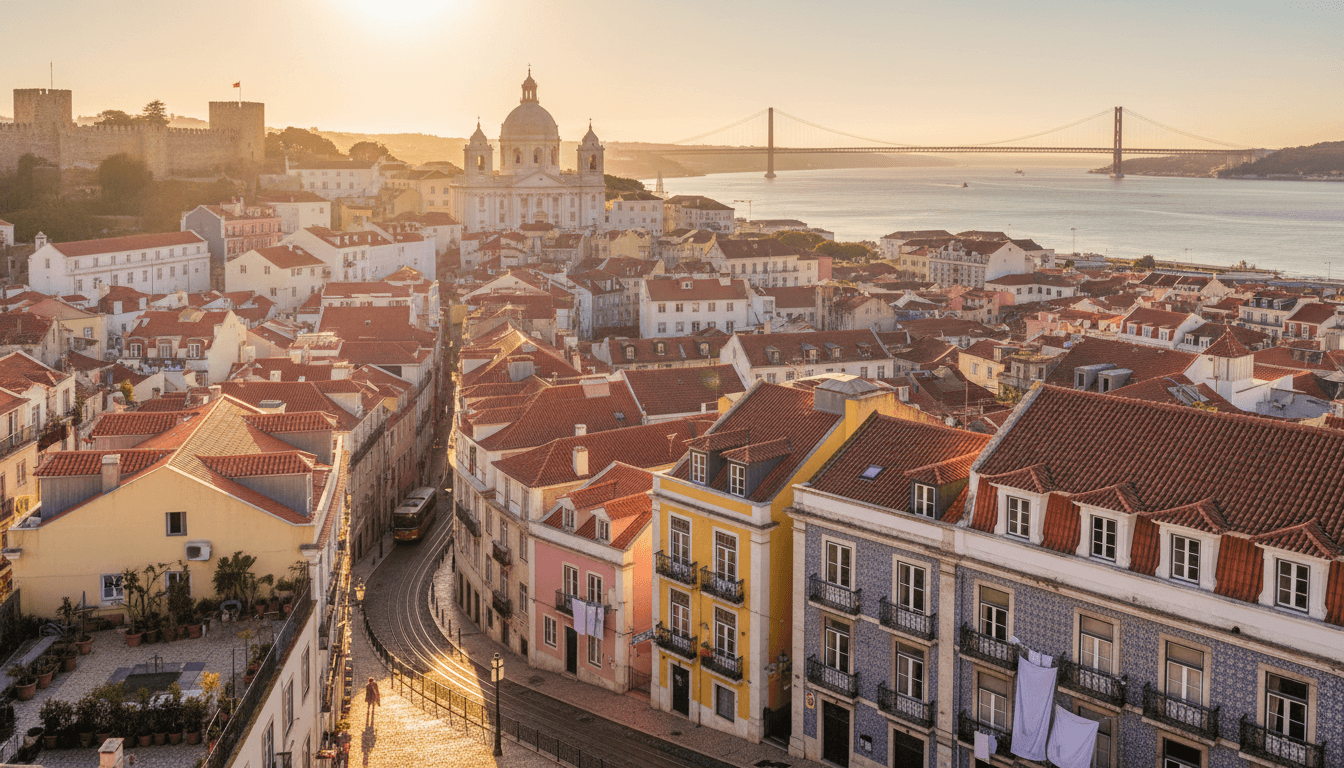
Cycling in Lisbon: 7 Home Swap Bike Tour Itineraries for Every Rider
Discover the best cycling routes in Lisbon with these home swap bike tour itineraries—from waterfront paths to hilltop adventures, all starting from your borrowed home.
Graduation Trip to Barcelona: How Home Swapping Gives New Graduates the Ultimate Celebration
Planning a graduation trip to Barcelona? Discover how home swapping lets new graduates explore Spain's most vibrant city without the hostel crowds or hotel costs.