Family Home Exchanges in Verona: The Complete Guide to Space, Safety, and Unforgettable Adventures

SwappaHome Editorial Team
Home Exchange & Slow Travel Editorial
Discover the best family home exchanges in Verona with insider tips on kid-friendly neighborhoods, safety essentials, and how to turn Shakespeare's city into your family's Italian adventure.
My seven-year-old daughter announced she was Juliet approximately forty-seven times during our week in Verona. By day three, my son had fashioned a sword from a baguette and was challenging every statue to a duel. This is what happens when you do a family home exchange in Verona—Shakespeare becomes dinner conversation, and gelato becomes a legitimate food group.
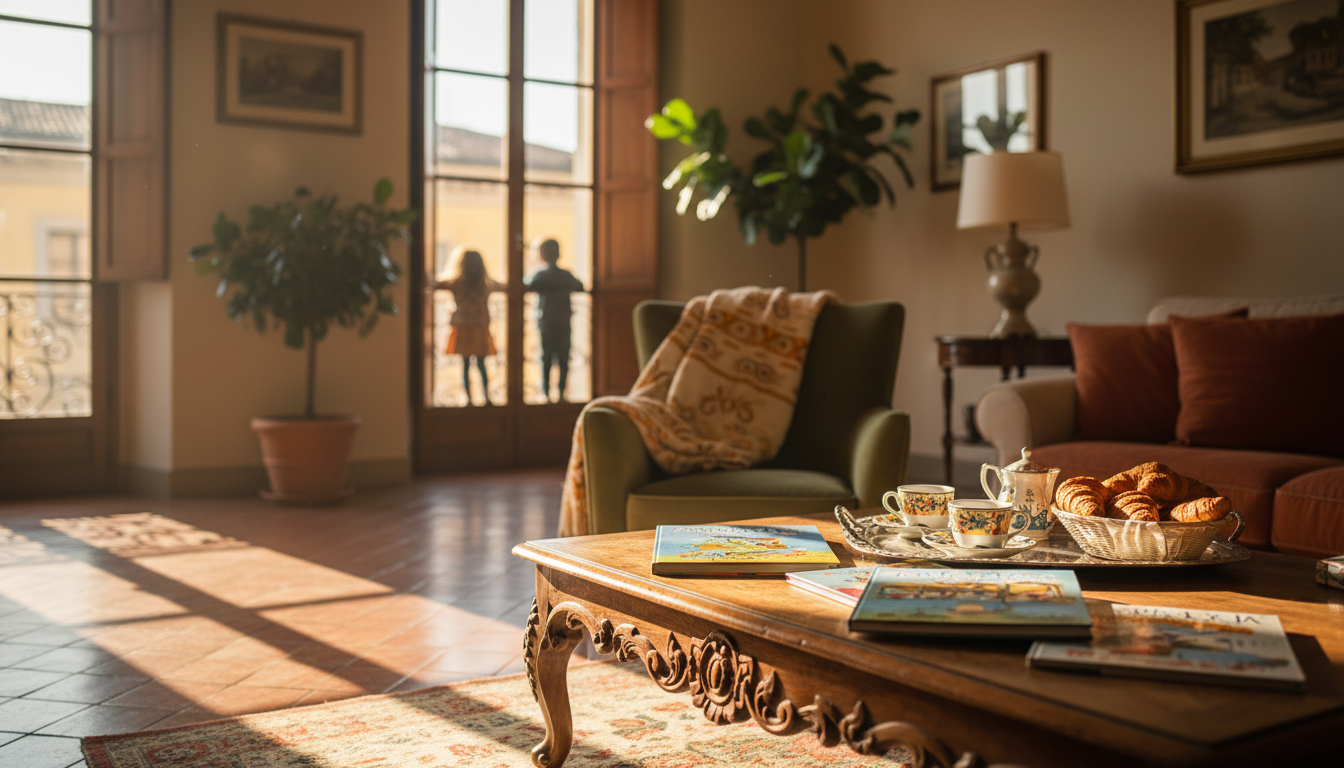
That trip changed how I think about traveling with kids. We weren't rushing through a hotel lobby hoping the children wouldn't knock over something expensive. We were living in a three-bedroom apartment near Piazza delle Erbe, cooking pasta in a real kitchen, and letting the kids run barefoot on terracotta tiles that had seen centuries of Italian family life. Family home exchanges in Verona offer something hotels simply can't: the space to breathe, the safety of residential neighborhoods, and the kind of authentic experiences that turn a vacation into core memories.
 Morning light streaming through shuttered windows into a spacious Verona apartment living room, chil
Why Verona is Perfect for Family Home Exchanges
Here's what surprised me about Verona: it's not just Romeo and Juliet's city. It's a place where families actually live—where kids play soccer in piazzas after school, where nonnas push strollers along the Adige River at sunset. Unlike Venice (gorgeous but exhausting with children) or Rome (overwhelming in July), Verona operates at a pace that doesn't require you to mainline espresso just to survive.
The historic center is compact—about 2 kilometers across—which means little legs can actually handle the walking. There are playgrounds tucked behind medieval churches. The Arena, that spectacular Roman amphitheater, hosts summer opera performances where kids under 10 get in free. And yes, my daughter stayed awake for the entire Aida, though she kept asking why everyone was singing instead of talking.
But the real magic? Verona hasn't been overtaken by tourism the way other Italian cities have. The neighborhoods where locals live—Veronetta, San Zeno, Borgo Trento—still feel like actual neighborhoods. When you do a home exchange here, you're not staying in a tourist zone. You're borrowing someone's life for a week.
Best Neighborhoods for Family Home Exchanges in Verona
Choosing the right neighborhood can make or break a family trip. I've stayed in three different areas of Verona over the years, and each offers something distinct.
San Zeno: My Top Pick for Families with Young Kids
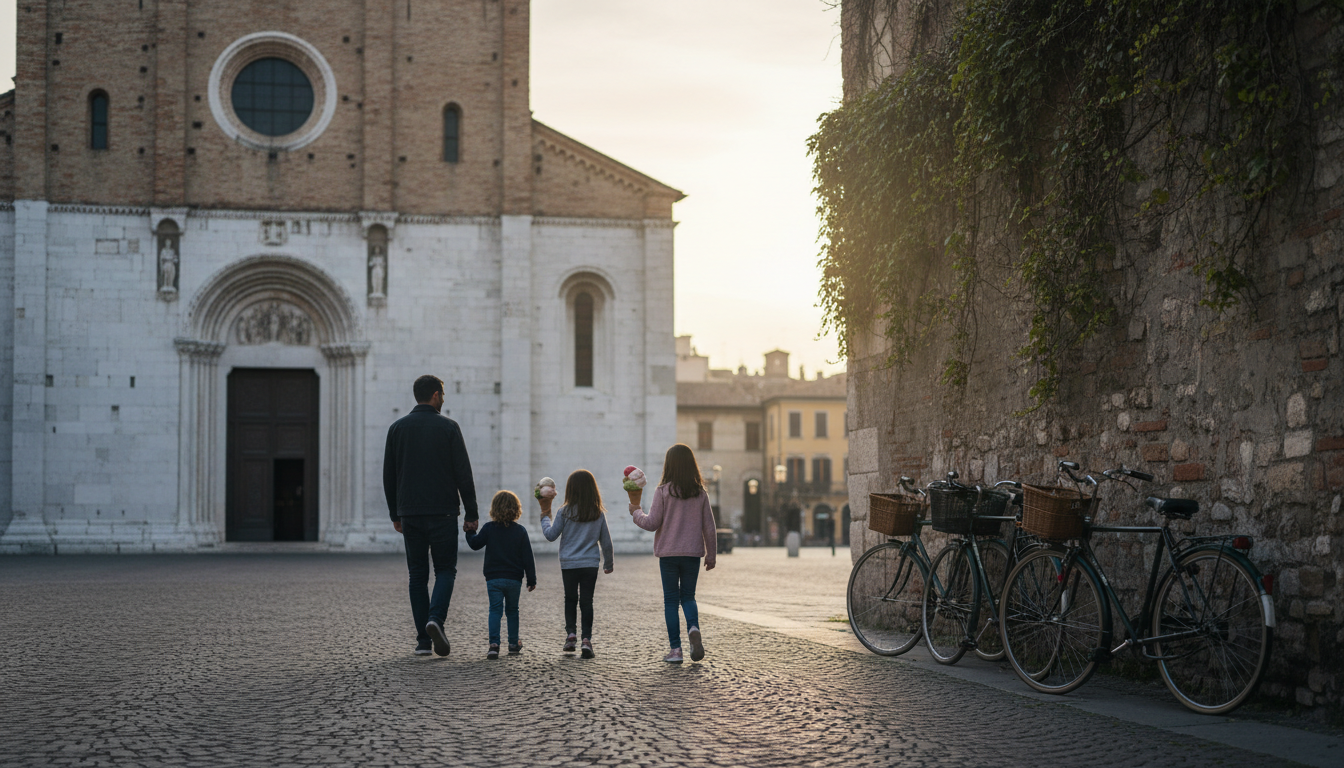
San Zeno sits just west of the historic center, anchored by the stunning Basilica of San Zeno Maggiore—the church where Romeo and Juliet supposedly got married, if you're keeping score. The neighborhood is residential, quiet after 9 PM, and absolutely loaded with family-friendly features.
 The Romanesque facade of San Zeno Basilica at golden hour, a family walking across the piazza with g
The Saturday market in Piazza San Zeno is legendary. Fresh produce, cheese vendors who'll let your kids sample everything, and enough toys and trinkets to keep children entertained while you hunt for that perfect bottle of Valpolicella. There's a playground near the church that locals actually use, which means your kids will end up playing with Italian children and learning words like "palla" (ball) and "aspetta" (wait).
Home exchange options here tend toward larger apartments—many are in converted historic buildings with high ceilings and thick walls. Translation: your kids can be loud without disturbing neighbors. Expect 2-3 bedroom apartments to be the norm. The walk to the Arena takes about 15 minutes, mostly along pedestrian streets.
If you were renting, similar apartments go for €150-200/night ($165-220) on vacation rental sites. With SwappaHome's credit system, you're spending 1 credit per night regardless of the apartment's size or location—which is honestly wild when you think about what family-sized accommodation costs in peak season.
Veronetta: Best for Families with Tweens and Teens
Cross the Ponte Pietra—that gorgeous Roman bridge that somehow survived World War II bombing—and you're in Veronetta. This is university territory, which means the vibe skews younger, the restaurants stay open later, and there's an energy that older kids respond to.
I'd recommend Veronetta for families with children 10 and up. The streets are narrower, the hills steeper (great for burning off teenage energy, less great for strollers), and the neighborhood has a slightly edgier feel that younger children might find overwhelming. But for a 13-year-old who thinks they're too cool for family vacations? Veronetta delivers.
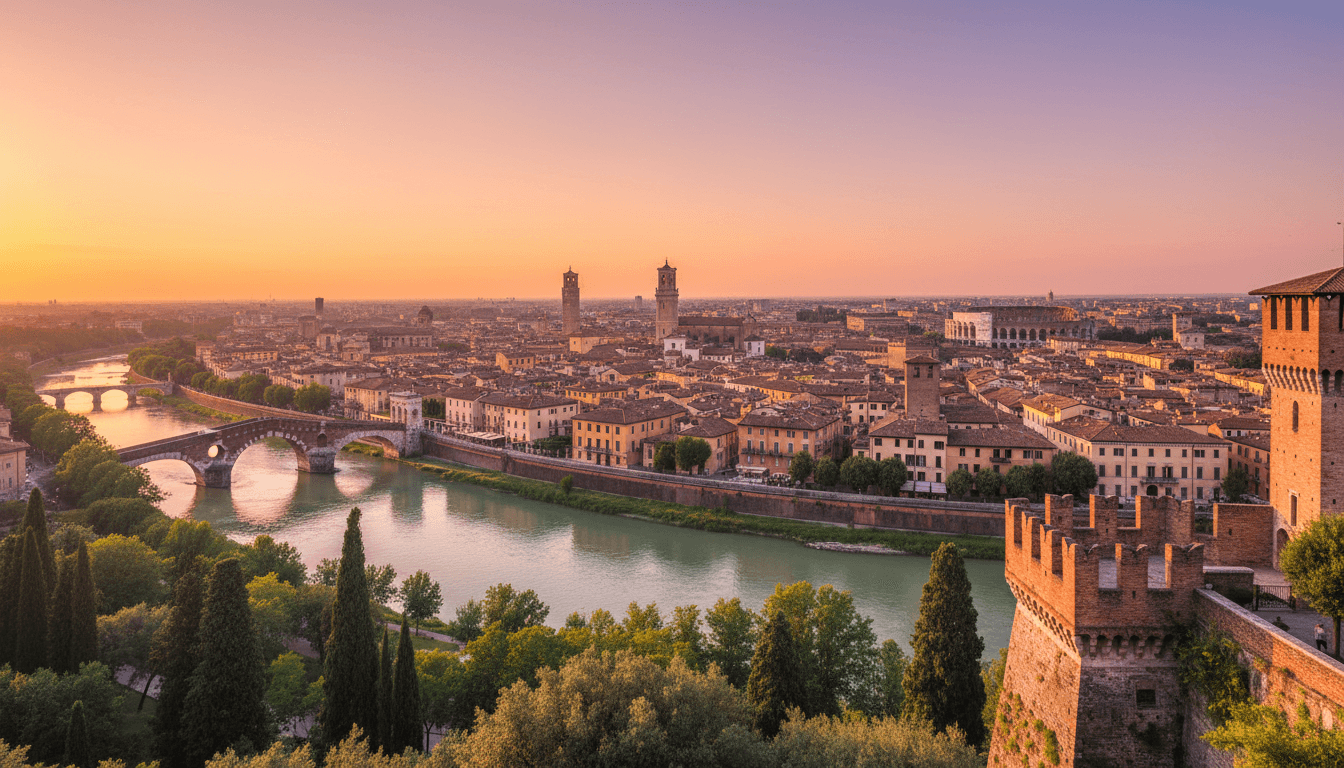
The view from Castel San Pietro—a short but steep climb from the neighborhood—is the best in Verona. Pack a picnic, bring a bottle of wine for the adults, and watch the sunset turn the city pink. My son, who was 12 at the time and committed to being unimpressed by everything, actually put down his phone to take pictures.
Home exchanges in Veronetta often include smaller apartments or portions of historic houses. You might find a 2-bedroom flat with a rooftop terrace, or a quirky space carved into a medieval building. The trade-off for character is sometimes less square footage—worth it for some families, dealbreaker for others.
Borgo Trento: Spacious Homes, Suburban Feel
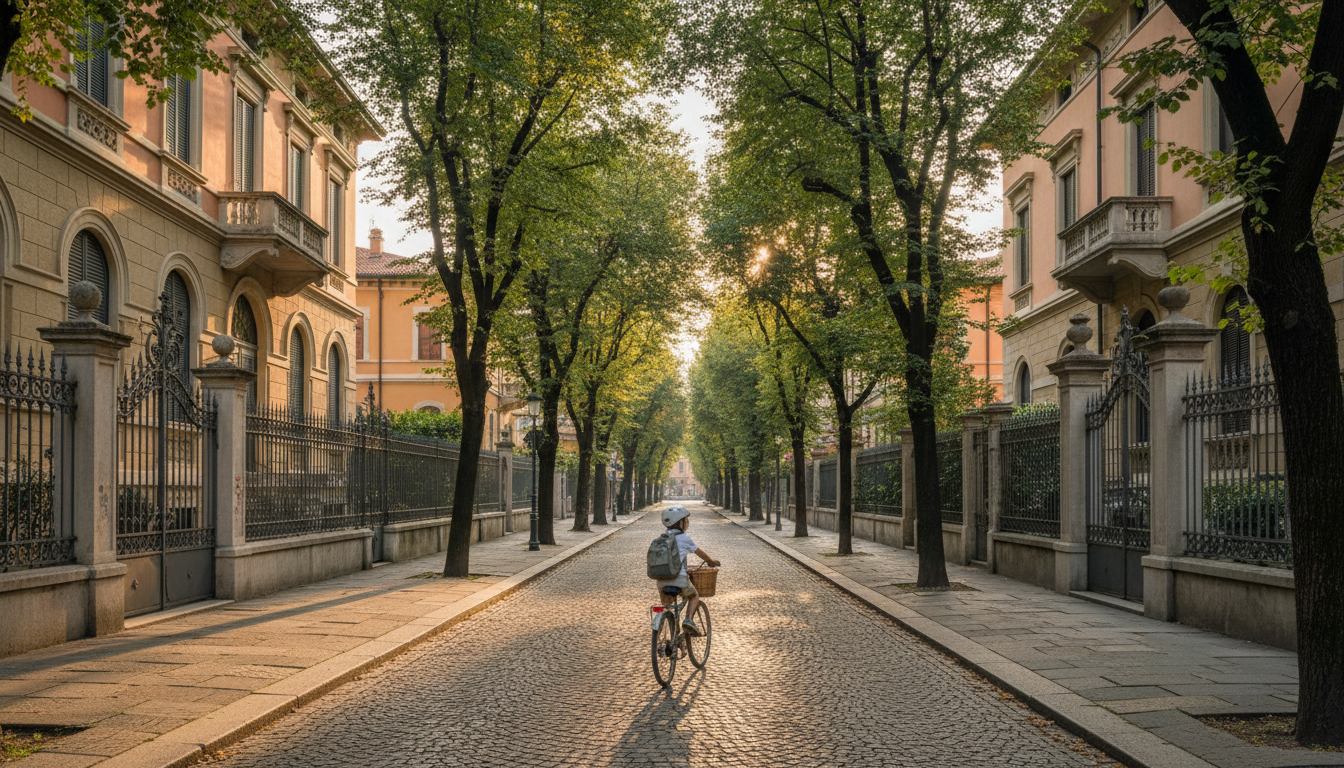
If your family needs serious space—maybe you're traveling with grandparents, or you have four kids, or you simply can't function without a backyard—Borgo Trento is your neighborhood. Located north of the historic center across the Adige, this is where Verona's professionals raise their families.
 A tree-lined residential street in Borgo Trento, elegant early 20th century villas with wrought iron
The homes here are actual houses. Four bedrooms. Gardens. Sometimes pools. The catch? You're a 20-minute walk or short bus ride from the centro storico. For some families, that's a feature, not a bug. Coming home to a garden where kids can run wild after a day of sightseeing? Priceless.
Borgo Trento also has Verona's best playground—Parco dell'Arsenale, a sprawling green space with equipment for all ages, shaded benches for exhausted parents, and usually a gelato cart lurking nearby. Saturday mornings here feel like a scene from an Italian movie: families everywhere, dogs running, grandparents chatting on benches.
Safety Essentials for Family Home Exchanges in Verona
Let me be direct: Verona is remarkably safe for families. Violent crime is rare, and the biggest risks are the same ones you'd face anywhere in Europe—pickpockets in tourist areas, traffic near busy roads, and the ever-present danger of your children eating so much gelato they refuse dinner.
That said, safety in a home exchange context requires some specific planning.
Before You Book: Questions to Ask Your Host
I've developed a standard list of questions I send to potential exchange partners when traveling with kids. Feel free to steal it:
- Is the home childproofed, or should I bring outlet covers and cabinet locks?
- Are there any safety concerns I should know about (steep stairs, unfenced balconies, pools)?
- What's the neighborhood like after dark?
- Is there secure storage for strollers/bikes?
- How far is the nearest pharmacy and hospital?
- Are there any local hazards I should know about (aggressive dogs, construction, etc.)?
Most hosts are incredibly forthcoming—they're parents too, often, and they get it. The SwappaHome messaging system makes these conversations easy to have before you commit to anything.
Childproofing a Temporary Home
I travel with a small "safety kit" that weighs almost nothing but has saved me multiple times: 6 outlet covers, 2 cabinet locks, a nightlight, a small first-aid kit, and a door stopper to prevent little fingers getting caught. Total weight: maybe 200 grams. Total peace of mind: immeasurable.
Italian homes, particularly historic ones, often have features that require attention. Those gorgeous marble floors? Slippery when wet. The romantic balconies? Sometimes have railings spaced wide enough for a toddler to squeeze through. The ancient wooden shutters? Heavy enough to hurt small fingers. None of this is dangerous with basic awareness, but it's worth doing a walk-through when you arrive.
Health and Medical Considerations
Verona has excellent healthcare. The main hospital, Ospedale Civile Maggiore Borgo Trento, has a pediatric emergency department. EU citizens with a European Health Insurance Card (EHIC) get free emergency care; everyone else should have travel insurance that covers medical expenses.
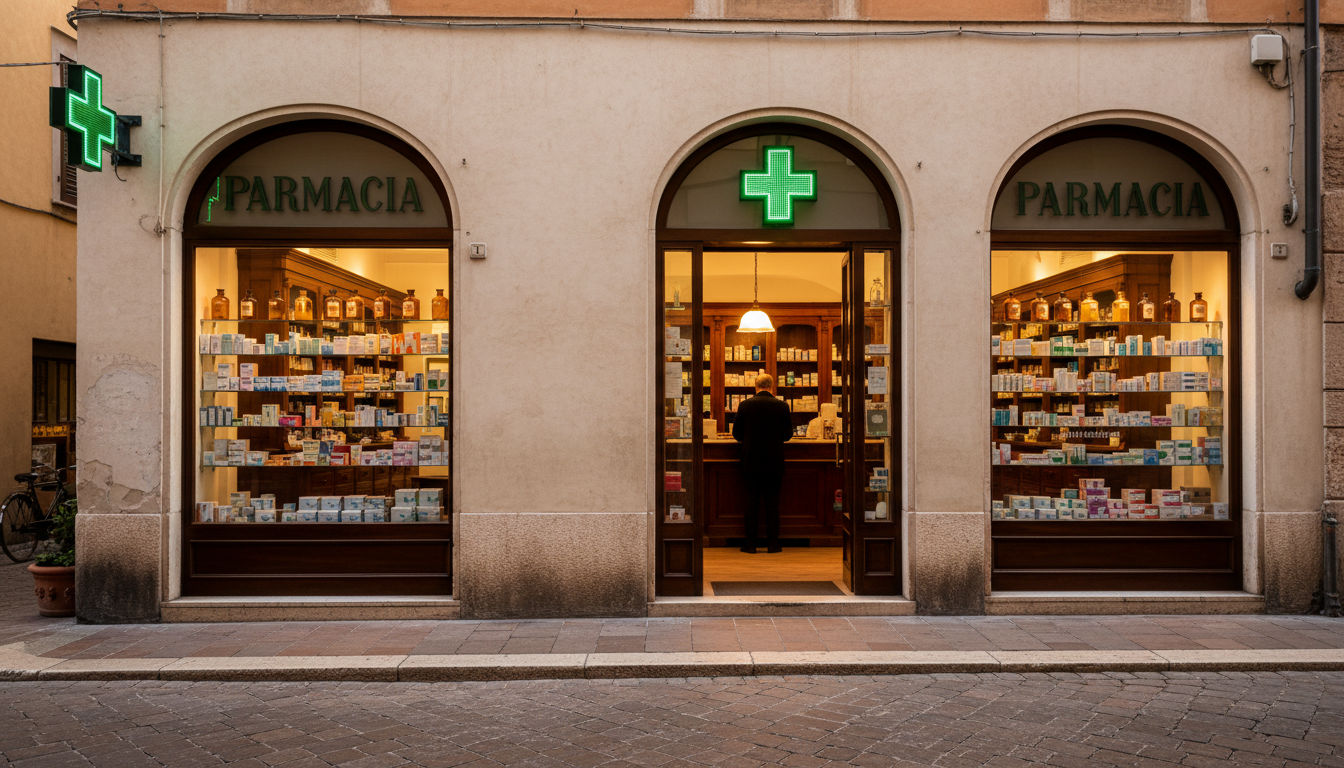 A bright, welcoming Italian pharmacy storefront with green cross sign, traditional wooden cabinets v
Pharmacies (farmacie) are everywhere, and pharmacists can handle minor issues—upset stomachs, scrapes, insect bites—without needing a doctor. They're also your source for Italian children's medications, which work just as well as what you'd buy at home but come in different packaging. Pro tip: "Tachipirina" is the Italian equivalent of children's Tylenol.
One thing I always do: I ask my host to leave a note with emergency numbers, the address of the nearest pharmacy with late-night hours, and any local medical quirks I should know about. Most hosts include this information automatically.
Making Verona Fun for Every Age
Here's where home exchanges really shine. When you're not spending €200+ per night on accommodation, you have budget for experiences. And Verona delivers experiences that work for everyone from toddlers to teenagers.
For the Little Ones (Ages 2-6)
The Giardino Giusti might be Verona's most underrated attraction for young children. Yes, it's a Renaissance garden with centuries of history. But to a four-year-old? It's a magical maze with hidden grottos, a tower to climb, and peacocks wandering around like they own the place. (They do.) Entry is €10 for adults ($11), free for kids under 6.
The Adige River has a walking path that's perfect for scooters and balance bikes. Rent them locally (about €15/day) or ask your home exchange host if they have any you can borrow—many families do. The path runs from Castelvecchio to Ponte Pietra, about 2 kilometers of flat, car-free heaven.
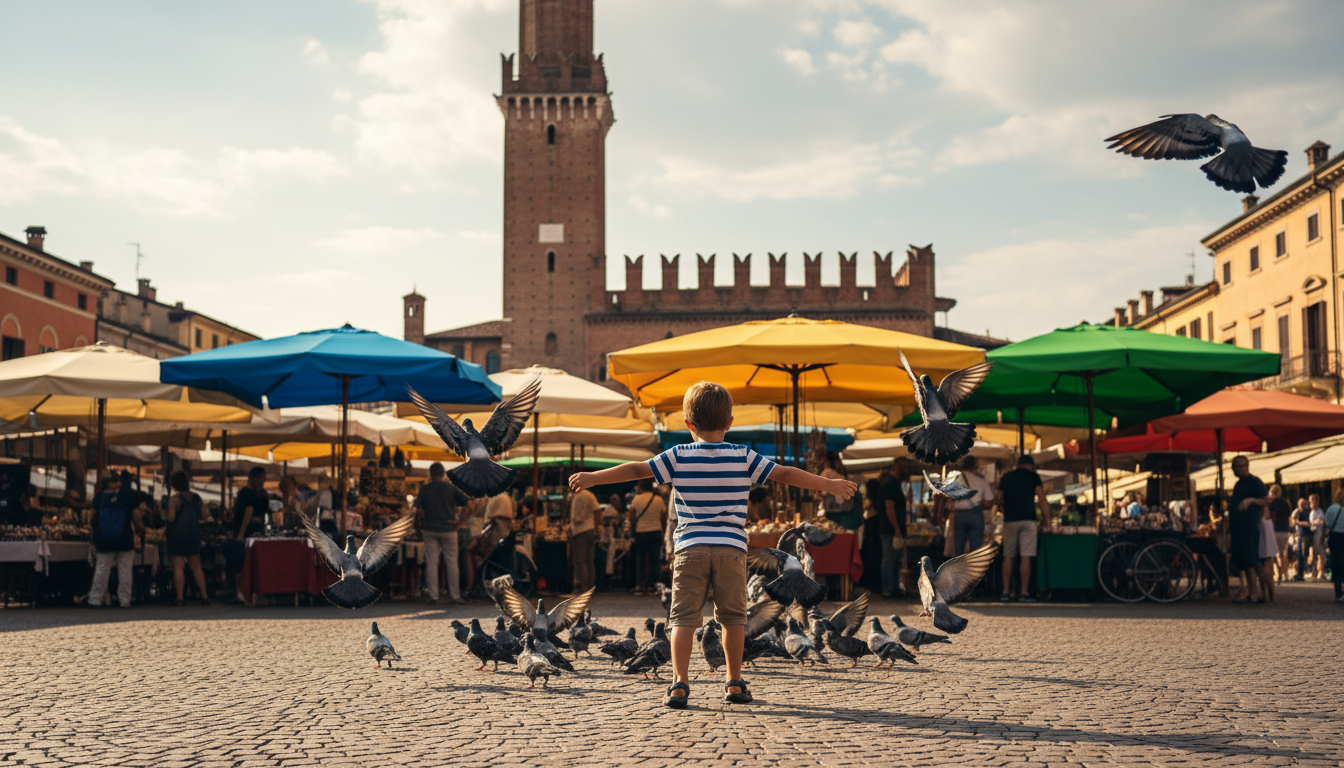 A young child chasing pigeons in Piazza delle Erbe, colorful market umbrellas in the background, the
And then there's gelato. I know, I keep mentioning it. But gelato in Verona isn't just dessert—it's a cultural institution. My favorites for families: Gelateria Savoia (classic flavors, kid-friendly portions, €2.50 for a small cone), and La Romana (they'll put a tiny scoop in a cup for toddlers for €1). Budget approximately €3-4 per person per day for gelato. It's non-negotiable.
For the Middle Years (Ages 7-12)
This is the sweet spot for Verona. Kids this age are old enough to appreciate history but young enough to find sword fights exciting. The Romeo and Juliet story becomes a gateway to everything—suddenly they're interested in medieval architecture because that's where the Montagues and Capulets lived.
Juliet's House (Casa di Giulietta) is touristy, yes, but it's also kind of magical for kids who've heard the story. The famous balcony, the bronze statue, the walls covered in love notes—my daughter was enchanted. Entry to the house and balcony is €6 for adults ($6.50), €1 for kids 8-14, free under 8.
The Arena is a must. Even if you don't attend an opera (though you should—summer performances start at €30/person, kids under 10 free), walking through a 2,000-year-old Roman amphitheater is incredible. The audio guide has a kids' version that explains gladiator fights without being too graphic.
For something different: the Museo di Castelvecchio. It's an art museum, yes, but it's housed in a medieval castle with a working drawbridge, towers to explore, and views over the river. Kids can run through the outdoor sections while adults appreciate the Pisanello paintings. Entry €6 adults, €1 ages 8-14, free under 8.
For Teenagers (Ages 13+)
Teenagers are hard. I get it. But Verona has a few tricks up its sleeve.
The aperitivo scene is genuinely cool and totally appropriate for teens. From about 6-8 PM, bars throughout the city offer drinks—Aperol Spritz for adults, fresh-squeezed orange juice or fancy sodas for kids—with elaborate buffets of snacks. It's a social ritual, not a drinking session, and teenagers love feeling included in something that feels grown-up. Budget €8-12 per person.
For active teens: rent bikes and ride to Valpolicella wine country. It's about 20 kilometers each way, mostly flat, and the scenery is gorgeous. You can stop at vineyards (teens can taste grape juice while adults sample Amarone), pack a picnic, and make a day of it. Bike rental runs about €25/day.
And honestly? Sometimes the best thing for teenagers is just giving them space. In a home exchange, they have their own room, maybe their own bathroom, a place to retreat and recharge. That's worth more than any museum.
The Practical Stuff: Making Your Family Home Exchange Work
How SwappaHome's Credit System Works for Families
I want to be clear about how this works because it's genuinely straightforward. When you host a guest in your home through SwappaHome, you earn 1 credit per night—regardless of whether your home is a studio apartment or a five-bedroom house. When you stay somewhere else, you spend 1 credit per night—same deal, doesn't matter if it's a palace or a cottage.
New members start with 7 free credits. That's 7 nights of accommodation anywhere in the network. For a family trip to Verona, you might spend 7 credits for a week in a three-bedroom apartment that would otherwise cost €1,400+ on the open market.
The system removes the awkwardness of direct swaps ("You stay in my place while I stay in yours"). You can host a family from Tokyo, earn credits, then use those credits in Verona. The flexibility is what makes it work for families with complicated schedules.
What to Look for in a Family-Friendly Listing
When I'm browsing listings for family home exchanges in Verona, I look for photos that show the actual space, not just pretty angles. I want to see the kitchen, the bedrooms, the bathroom. I want to know if there's a washing machine (essential with kids), a dishwasher (helpful), and enough beds that nobody's sleeping on the couch.
I also look for mentions of children in the listing description. If the host says "we have two kids, ages 5 and 8," I know the home is probably already somewhat childproofed and will have things like a high chair or kids' books.
Reviews from other families are gold. If another parent says "perfect for our family of four, the host left us a stroller and beach toys," I know I'm in good hands.
Preparing Your Own Home for Exchange
This goes both ways. If you want to attract families to your home (and thus earn credits for your Verona trip), make your listing family-friendly. Mention if you have kids' beds or cribs available, a fenced yard, a high chair or booster seat, kids' books and toys, safety features like stair gates, or proximity to playgrounds.
I've found that the more specific I am in my listing, the better matches I get. Families seek out families.
A Sample Week: Family Home Exchange in Verona
Let me walk you through what a week might actually look like. This is based on my own experience, adjusted for a family with kids ages 6 and 10.
Day 1 (Saturday): Arrive, settle into your San Zeno apartment, walk to the Saturday market for supplies. Kids will be jet-lagged; let them crash early while you drink wine on the balcony.
Day 2 (Sunday): Lazy morning, then walk to the centro storico. Piazza delle Erbe for lunch (try Osteria al Duca, €40-50 for a family of four). Gelato. Let kids run in Piazza Bra while you admire the Arena.
Day 3 (Monday): Giardino Giusti in the morning—go early, before it gets hot. Afternoon at Parco dell'Arsenale playground. Aperitivo somewhere with outdoor seating.
Day 4 (Tuesday): Day trip to Lake Garda. It's 30 minutes by train (€4.50 each way). Beaches, boat rides, medieval towns. Pack lunch to save money.
Day 5 (Wednesday): Romeo and Juliet day. Juliet's House, then the supposed "Romeo's House" (exterior only), then the "tomb" at San Francesco al Corso. Dramatic readings encouraged.
Day 6 (Thursday): Bike ride along the Adige or, for ambitious families, to Valpolicella. Picnic lunch among the vineyards.
Day 7 (Friday): Castelvecchio and museum in the morning. Final gelato tour in the afternoon—hit all the places you missed. Pack up, prepare for sad goodbyes to your temporary home.
What I Wish I'd Known Before Our First Verona Exchange
A few things that would have saved me stress:
Italian homes often don't have dryers. Plan to do laundry early in your stay so things have time to air-dry. Most apartments have drying racks; some have outdoor lines.
Shops close for riposo (afternoon rest) from roughly 1-4 PM. This is actually great for families—it forces you to slow down, take naps, avoid the midday heat. But plan your grocery shopping for morning or evening.
Restaurants don't open for dinner until 7:30 or 8 PM. This is late for hungry kids. Aperitivo helps—those snack buffets can tide everyone over. Or do what Italians do: have a late, large lunch and a lighter dinner.
The Verona Card (€20 for 24 hours, €25 for 48 hours) is worth it if you're doing multiple attractions. It includes public transport, the Arena, most museums, and several churches. Kids' versions are cheaper.
Why Home Exchange Beats Hotels for Families in Verona
I've done both. Hotels have their place—sometimes you want someone else to make the beds, and room service when kids are sick is genuinely wonderful. But for a week in Verona with children, home exchange wins every time.
It's not just the money, though saving €1,000+ on accommodation is significant. It's the rhythm of life you can establish. Making breakfast in a real kitchen. Having a living room where kids can spread out with coloring books while adults read. Doing laundry without paying €5 per item. Having neighbors who wave hello, who tell you about the bakery around the corner, who make you feel like you belong.
My kids still talk about that Verona apartment. Not the Romeo and Juliet stuff—okay, my daughter still talks about that—but the little things. The cat that visited our balcony every morning. The weird old elevator with the accordion gate. The way the church bells sounded different from home.
That's what family home exchanges in Verona give you. Not just a place to sleep, but a place to live—even if it's just for a week.
If you're considering a family home exchange in Verona, start browsing listings on SwappaHome. Look for the neighborhoods I mentioned, ask hosts the safety questions, and don't be afraid to reach out even if you're just exploring. The community is genuinely welcoming, and Verona is genuinely magical.
Your kids might not remember every museum. But they'll remember the gelato. They'll remember the piazzas. And if they're anything like mine, they'll remember being Juliet—forty-seven times over.
Frequently Asked Questions
Is Verona safe for family home exchanges?
Verona is one of Italy's safest cities for families. Violent crime is extremely rare, and residential neighborhoods like San Zeno and Borgo Trento are particularly secure. Standard precautions apply—watch for pickpockets in tourist areas and supervise children near the river—but overall, family home exchanges in Verona are very safe.
How much can families save with home exchange vs hotels in Verona?
A family-sized apartment (2-3 bedrooms) in central Verona typically costs €150-250 per night on vacation rental sites, or €200+ for comparable hotel rooms. Over a week, that's €1,050-1,750. With SwappaHome, you'd spend 7 credits for the same accommodation. New members start with 7 free credits, making significant savings possible immediately.
What's the best neighborhood in Verona for families with young children?
San Zeno is ideal for families with young children. It's residential and quiet, has a popular Saturday market, includes playgrounds near the basilica, and offers larger apartments typical of the area. The 15-minute walk to central attractions is manageable for small legs, and the neighborhood feels authentically Italian rather than touristy.
Do I need a car for a family home exchange in Verona?
No, a car is unnecessary for most family stays in Verona. The historic center is compact and walkable, public buses are reliable, and the train station connects easily to day-trip destinations like Lake Garda. Parking in central Verona is expensive (€20-30/day) and stressful. Save the car rental for longer Italian road trips.
What should I ask a home exchange host before booking in Verona?
Key questions for family home exchanges in Verona include: Is the home childproofed or should I bring safety items? Are there stairs, unfenced balconies, or pools? What's the neighborhood like after dark? Is there a washing machine? How far to the nearest pharmacy and hospital? Most hosts appreciate thorough questions—it shows you'll care for their home too.

Published by
SwappaHome
SwappaHome Editorial Team
Home Exchange & Slow Travel Editorial
The SwappaHome Editorial Team brings together travel research, home-exchange community insights, and platform data to produce practical guides for first-time and experienced home swappers. Every article cites real platforms, current market rates, and verifiable city-level facts so readers can make informed decisions without guessing.
Ready to try home swapping?
Join SwappaHome and start traveling by exchanging homes. Get 7 free credits when you sign up!
Related articles
Home Swap in Rome: Where to Find the Best Properties for Your Italian Exchange
Discover where to find the best home swap properties in Rome—from Trastevere's cobblestone charm to Testaccio's local authenticity. Real neighborhoods, real advice.

Home Swap in Bangkok: Where to Find the Best Properties for Free Stays
Discover where to find the best home swap properties in Bangkok—from riverside condos in Charoen Krung to family homes in Ari. Real neighborhoods, real savings.
Home Swap for Beach Lovers: 12 Coastal Destinations Ranked for 2026
Discover the best coastal destinations for home swapping in 2026. From Portugal's Algarve to Australia's Gold Coast, find your perfect beach exchange.