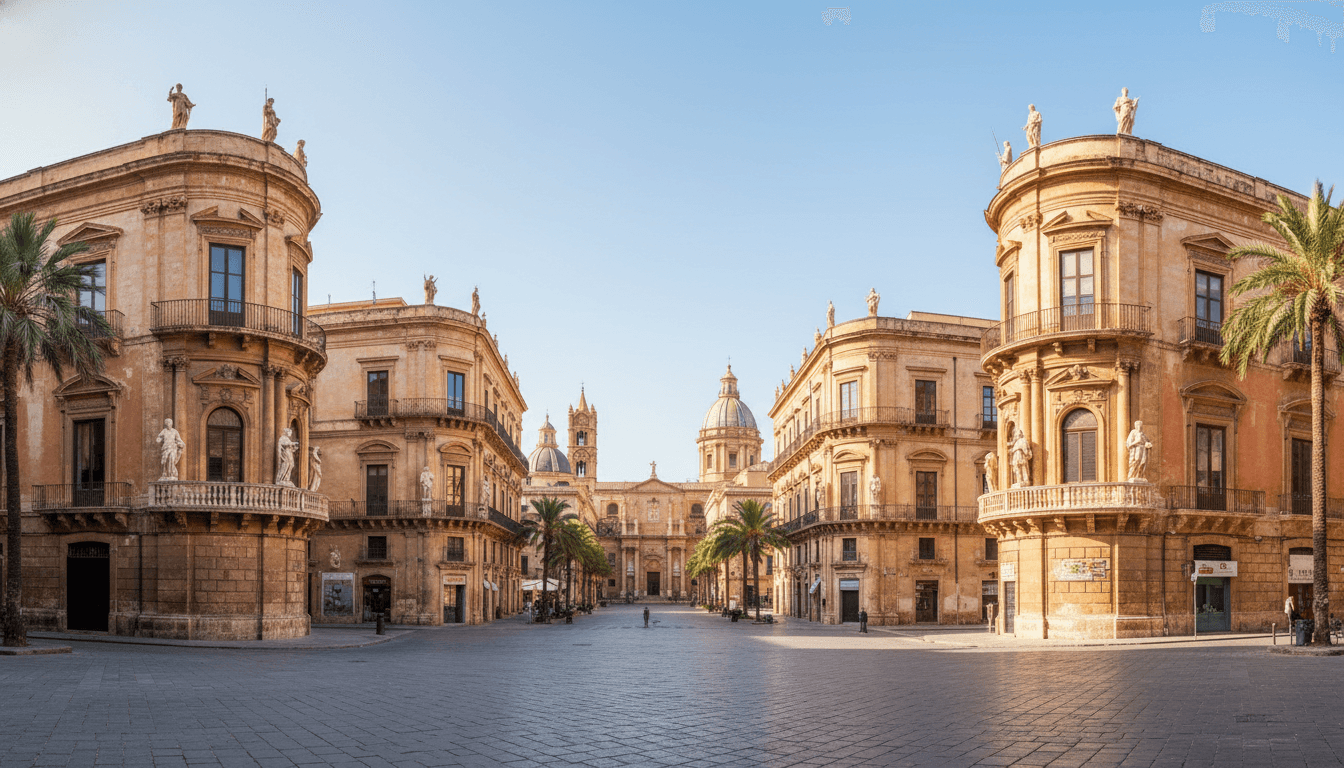
Free Activities in Palermo: Your Complete Guide to Enjoying Sicily's Capital Without Spending a Euro

SwappaHome Editorial Team
Home Exchange & Slow Travel Editorial
Discover the best free activities in Palermo—from hidden chapels to vibrant markets. A home exchanger's insider guide to Sicily's capital on zero budget.
That first morning in my Palermo apartment—a home exchange in the Kalsa district—I did exactly what you'd expect. Grabbed my phone, started Googling "things to do in Palermo," mentally tallying up museum tickets and food tour costs. Classic tourist move.
Then Signora Lucia knocked.
She was my host's neighbor, holding a plate of cassatelle she'd made that morning. Twenty minutes later, I'd learned more about free activities in Palermo than any guidebook could've told me. My carefully researched itinerary? Scrapped entirely.
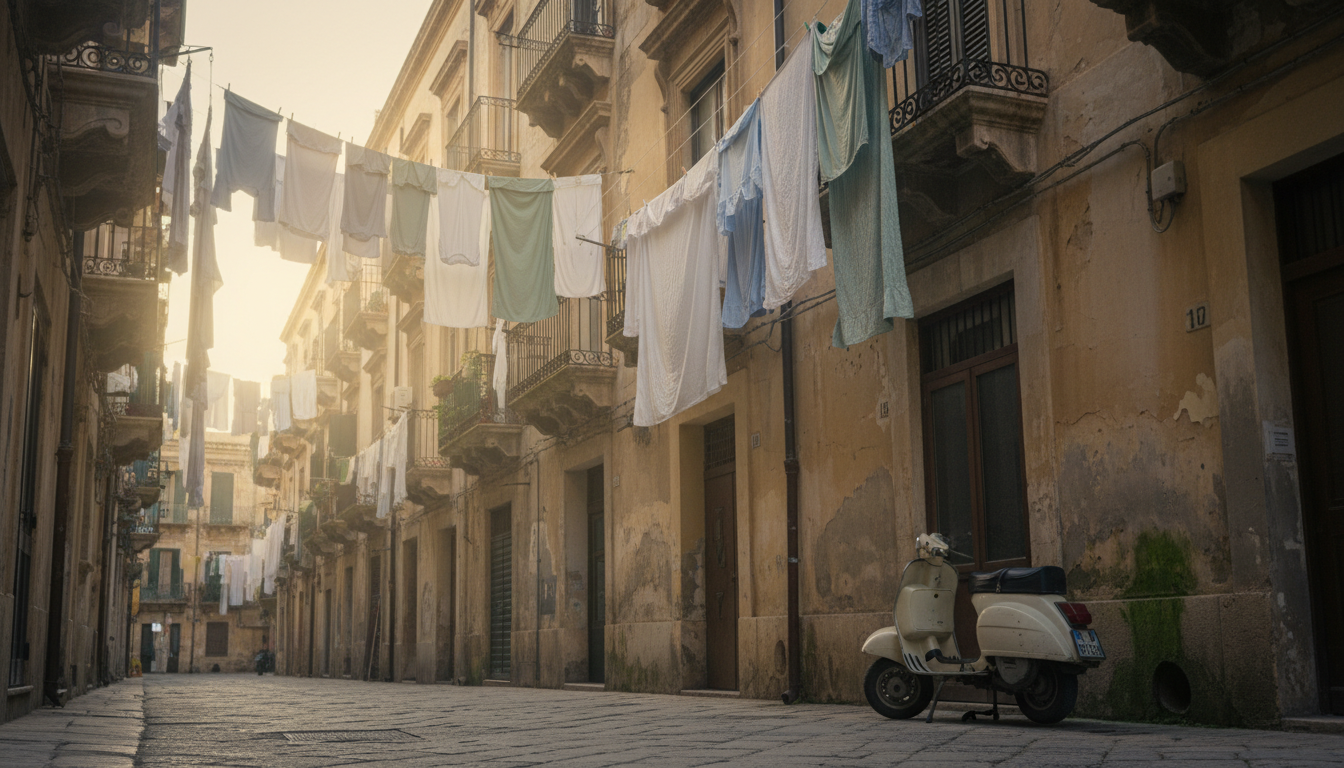 Early morning light filtering through the narrow streets of Palermos Kalsa district, laundry hanging
Seven years of home swapping has taught me something: the best cities aren't the ones with the most famous attractions. They're the ones where you can wander for days, spend almost nothing, and still feel like you've touched something real. Palermo is that city. Chaotic, crumbling, magnificent—and surprisingly generous to travelers who know where to look.
I spent three weeks there. Honestly? You could spend three months doing free activities alone and never get bored.
The Historic Markets: Living, Breathing Theatre
Let's talk about the markets, because they deserve every bit of their reputation. But here's what most guides won't tell you—there's a right way and a wrong way to experience them for free.
The wrong way? Rolling up at 11 AM with a tour group, snapping photos of fish, leaving after twenty minutes.
The right way? Show up at 7:30 AM. Find a wall to lean against. And just... watch.
These markets aren't attractions. They're ecosystems. The vendors know each other's families. Customers have been coming for decades. That rhythm of buying, selling, shouting? It's been running for over a thousand years.
Ballarò: Where Time Collapses
Ballarò is the oldest, the most atmospheric. It sprawls through the Albergheria quarter, and walking through feels less like shopping than time travel. Swordfish the size of small children. Mountains of wild fennel. Mysterious animal parts I still can't identify.
Here's a secret: find the intersection near Piazza del Carmine around 8 AM. There's usually an older man who sets up a small speaker, plays traditional Sicilian folk songs while arranging his vegetable display. Nobody knows his name—everyone just calls him "il cantante." He never asks for money. He just plays.
Vucciria and Capo: Different Energy, Same Magic
Vucciria has transformed over the years. During the day, it's a shadow of its former self—a handful of stalls, touristy stuff. But at night? It becomes Palermo's unofficial outdoor bar scene. Young Palermitani gather in the piazza, buying cheap beers from street vendors, sitting on church steps. Grab a Peroni for €2, or just show up empty-handed and people-watch. Nobody cares.
Capo market, near Teatro Massimo, is my personal favorite. More local. Less photographed. The narrow streets create this incredible acoustic effect where all the vendors' voices blend into something almost musical. Go on a Saturday morning.
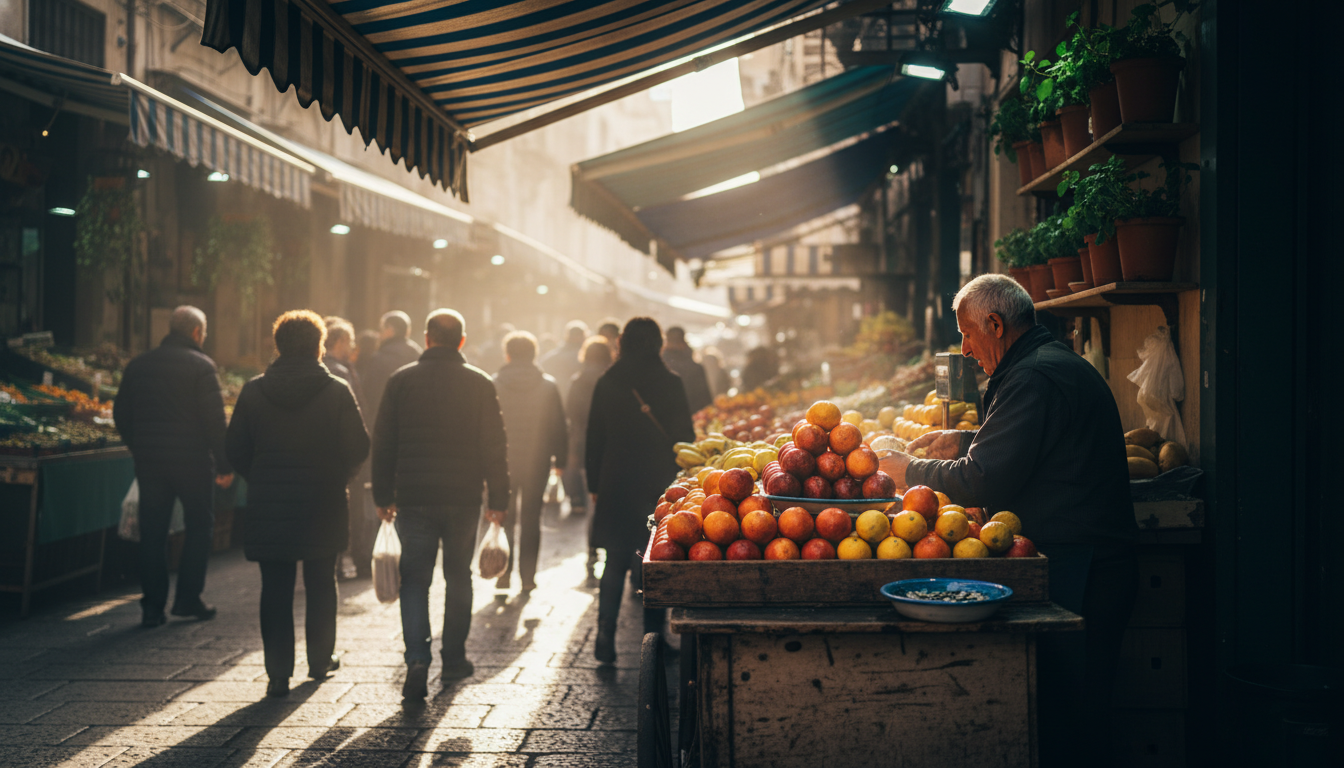 Elderly Sicilian vendor arranging pyramids of blood oranges and lemons at Ballar market, morning sun
Churches That'll Make You Forget Museums Exist
I'm not particularly religious. But Palermo's churches converted me—not to Catholicism, to the idea that the best art isn't behind velvet ropes. Almost every church here is free to enter. Many contain masterpieces that would be headline attractions anywhere else.
Chiesa del Gesù: Baroque Brain Melt
This church broke my brain. Every. Single. Surface. Covered in marble inlay, sculptures, frescoes, gilded everything. Someone took "more is more" and decided it wasn't enough.
I spent two hours here my first visit. Gone back three times since.
The best part? Almost always empty. While tourists queue for the Palatine Chapel (€12, genuinely spectacular, I won't lie), Casa Professa sits quietly in the Albergheria quarter, waiting.
Pro tip: Visit around 4 PM. The afternoon light hits the western windows, illuminates the gold leaf in this way that's almost hallucinogenic.
San Cataldo and La Martorana: The Piazza Bellini Duo
These two churches sit side by side in Piazza Bellini, couldn't be more different. San Cataldo, with its three red domes, looks transported from the Middle East—because architecturally, it kind of was. Arab-Norman style at its finest. Small fee to enter (€2.50), but the exterior and piazza are free.
La Martorana next door? Free. Byzantine mosaics that rival anything in Ravenna. The golden Christ Pantocrator in the dome made me gasp out loud. Embarrassing, but true.
The Cathedral: Architectural Fever Dream
Palermo's cathedral has been rebuilt, added to, modified so many times it contains Norman, Gothic, Baroque, and Neoclassical elements—sometimes on the same wall. The exterior is completely free, and honestly, that's where the most interesting details are.
Walk the entire perimeter. Notice the Arabic inscriptions still visible on the columns (recycled from a mosque). Look up at geometric patterns that would feel at home in Marrakech. Interior costs €7 for the full experience, but the nave itself is free.
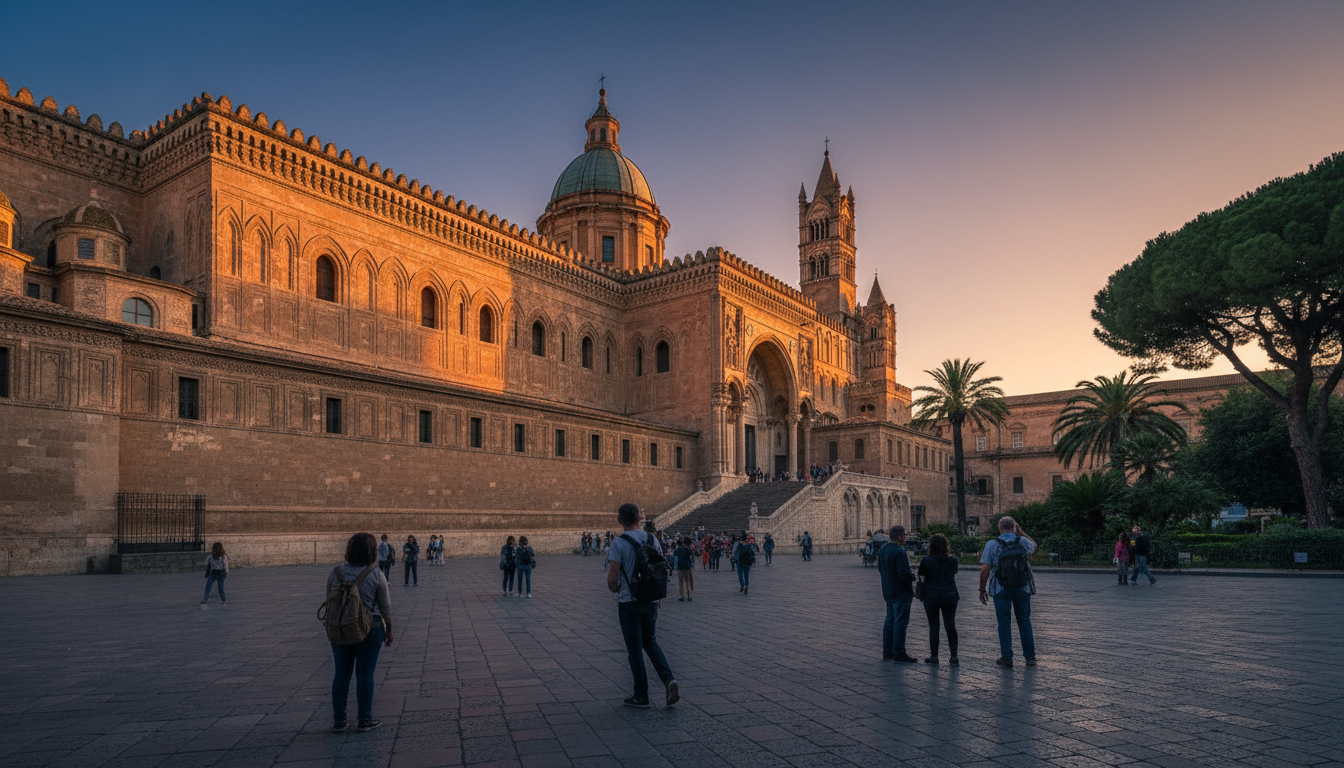 The Arab-Norman exterior of Palermo Cathedral at golden hour, showing the intricate geometric patter
Street Art: Palermo's Secret Open-Air Gallery
Somewhere along the way, Palermo became one of Europe's most interesting street art cities. And nobody seems to have noticed. The historic center is covered in murals, installations, guerrilla art projects—all free to discover.
The Vucciria Murals
The area around old Vucciria market has been transformed. The most famous piece is a massive mural of a traditional Sicilian puppet ("pupo") by Igor Cataldi, but there are dozens hidden in side streets. I spent an entire afternoon just wandering, photographing walls.
Start at Piazza Garraffello, work toward Via Argenteria. Look up—some of the best pieces are on upper floors.
Danisinni: The Neighborhood Art Saved
This is my favorite free activity in Palermo. Almost no tourists know about it.
Danisinni is a small neighborhood behind the Cappuccini catacombs—until recently, one of the city's most neglected areas. Then artists and community organizers started transforming it. Today, murals cover everything. There's even a small urban farm with donkeys, goats, chickens in what used to be an abandoned lot.
The community runs free walking tours on weekends (check their Facebook). But you can wander in anytime. The locals are incredibly welcoming—proud of what they've built.
Getting there: 20-minute walk from the historic center, or bus 389 from Piazza Indipendenza.
Gardens and Green Spaces: Breathing Room
Palermo can overwhelm. The noise, traffic, sensory overload of the markets—sometimes you need escape. The city has several free green spaces offering genuine tranquility.
Orto Botanico: A Small Confession
Okay, I'm cheating. The Botanical Garden charges €6. But here's a local secret: it's part of the University of Palermo, and on certain days (check their website), admission is free for everyone. Even if you pay, it's worth it—one of Europe's most important botanical gardens, plants from five continents, 200 years of history.
Villa Giulia: Actually Free
Right next to the Botanical Garden, Villa Giulia is a public park that's completely free and almost as beautiful. Palermo's first public garden, opened 1778, still has that 18th-century formal layout. Fountains, statues, geometric paths. Pack a picnic from Ballarò and spend an afternoon.
Giardino Inglese: Where Locals Actually Go
Want to see how Palermitani use green space? Head to Giardino Inglese in the newer part of the city. Classic English-style garden with winding paths, mature trees, plenty of benches. Weekends bring families, joggers, elderly men playing cards.
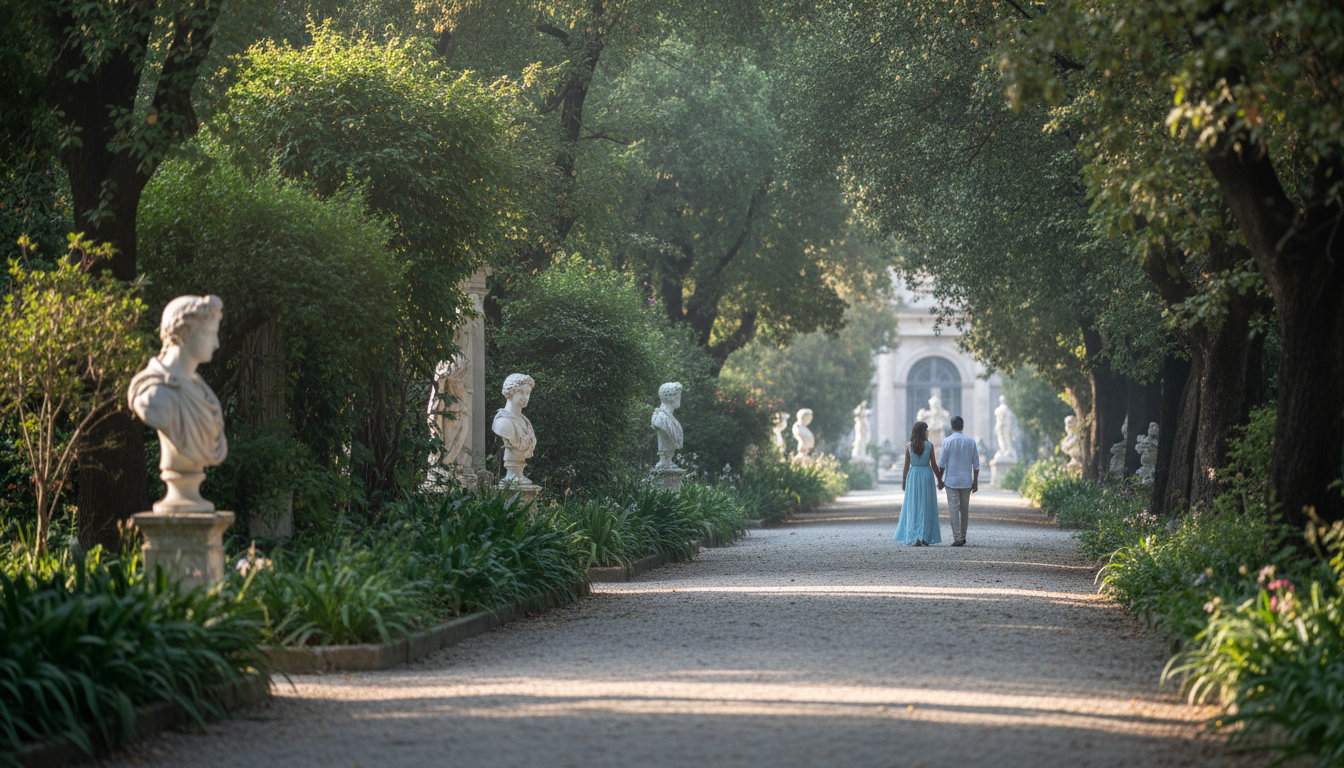 A shaded path in Villa Giulia garden with dappled sunlight, baroque statues visible through the foli
The Waterfront: Free Views, Free Breezes
Palermo's relationship with its waterfront has been complicated. For decades, the port was industrial, inaccessible. Recent regeneration has opened up miles of free walking paths along the sea.
Foro Italico: The Evening Passeggiata
This long promenade stretches from the old port toward Kalsa. It's where Palermo comes to breathe. Evenings, especially weekends, thousands of people walk, cycle, rollerblade, gossip. Free outdoor exercise stations, playgrounds, benches facing the sea.
Be here at sunset. Views toward Monte Pellegrino as the sun drops are spectacular. The atmosphere is pure Italian summer evening—even in spring or fall.
La Cala: The Old Harbor
The small harbor near Piazza Marina is one of my favorite spots. Lined with fishing boats, there's a tiny bar where you can sit with a €1 espresso watching fishermen repair nets. But even without buying anything, it's a beautiful place to wander and photograph.
Neighborhood Walks: Getting Gloriously Lost
Honestly? My favorite free activity in Palermo is having no plan. The city rewards wandering like few places I've been. But if you want structure, here are three walks that cost nothing and deliver everything.
Walk 1: Kalsa District (2-3 hours)
Start at Piazza Marina—one of Palermo's largest squares, home to a massive Ficus tree over 150 years old. Walk through, past Palazzo Chiaramonte (beautiful exterior, paid interior), into the narrow Kalsa streets.
This was the Arab quarter in medieval times. It still feels different—quieter, more residential, unexpected courtyards and hidden churches. Make your way toward Santa Maria dello Spasimo, a ruined church now used as a concert venue. Exterior and courtyard are free.
End at the waterfront for sunset.
Walk 2: Quattro Canti to Palazzo dei Normanni (1-2 hours)
Quattro Canti is the baroque intersection at Palermo's heart—four curved building facades with fountains, statues, balconies. Walk down Corso Vittorio Emanuele toward the cathedral and Norman Palace.
Duck into every open church along the way (most are free). Stop at Piazza Pretoria for the scandalous "Fountain of Shame"—so called because its nude statues shocked the nuns at the adjacent convent. Free to view. Just don't climb on it.
Walk 3: Zisa to Capo Market (2 hours)
Start at the Zisa, a Norman palace in the western part of the city. Exterior and gardens are free (interior museum €6). Walk through residential neighborhoods toward Capo market.
This takes you through "real" Palermo—parts tourists rarely see. Local bakeries. Tiny squares where old men play cards. Streets where laundry hangs between buildings. Not pretty in a postcard way. But authentic.
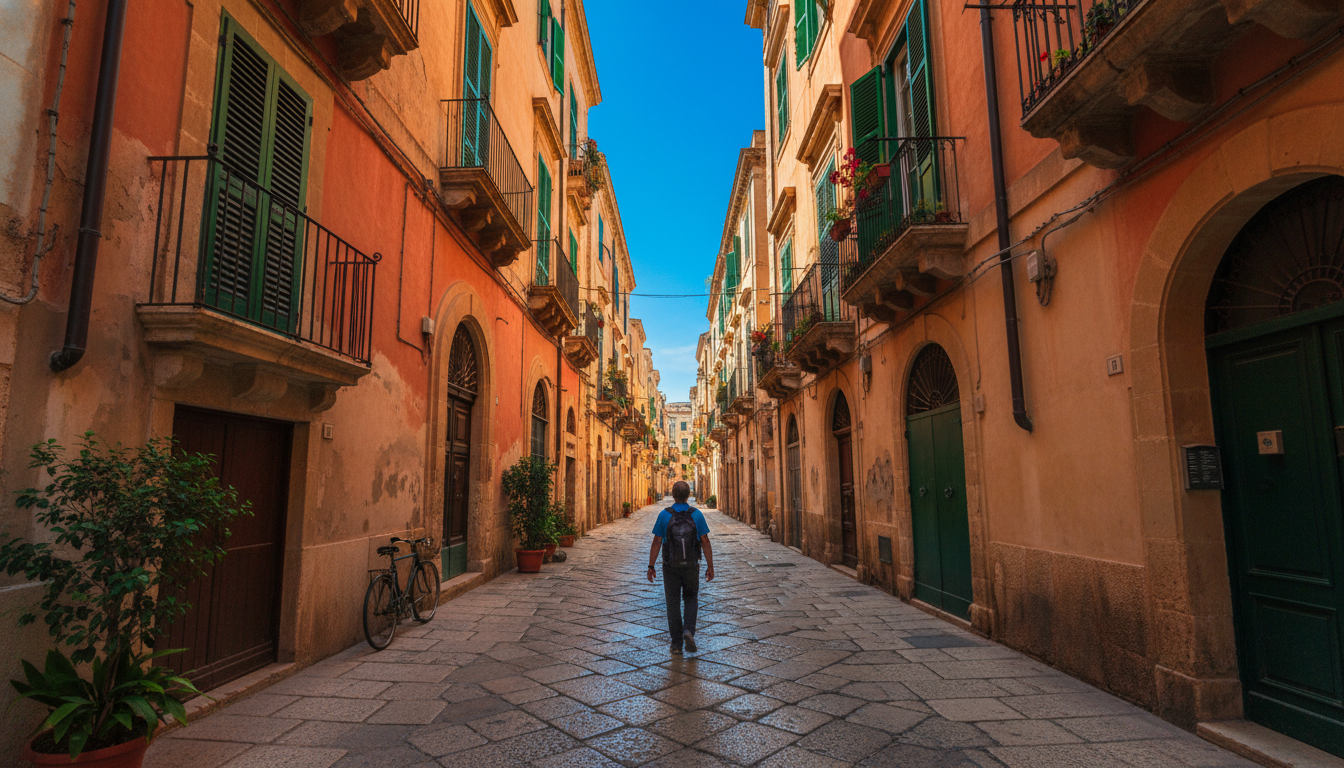 A narrow street in the Kalsa district with weathered palazzo facades in warm ochre and terracotta, g
Free Cultural Events: Check the Calendar
Palermo has a surprisingly active cultural calendar, and many events cost nothing.
Festino di Santa Rosalia (July 14-15)
The big one. The festival honoring Palermo's patron saint takes over the entire city—parades, concerts, fireworks, general mayhem. Everything free. Atmosphere unforgettable. If your home exchange falls during this period? Incredibly lucky.
Free Concert Nights
Many churches and cultural centers host free concerts, especially summer. Check Teatro Massimo listings (the opera house—free to admire from outside) and the Conservatorio di Musica. University events are often free and open to the public.
Neighborhood Festivals
Throughout the year, different neighborhoods host their own saints' days. Street food, music, maybe a small procession. Hyper-local, completely free. Ask your home exchange host if anything's happening during your stay. These are the experiences you can't plan for—often the most memorable.
Practical Tips for Free Activities
After three weeks exploring Palermo on minimal budget, here's what I learned:
Water fountains are everywhere. Palermo has dozens of historic drinking fountains ("nasoni") scattered throughout. Water is safe, cold, free. Bring a refillable bottle.
Sunday mornings are magic. Many locals attend mass, streets are quieter. Perfect for photographing the historic center without crowds. After 11 AM, families emerge for passeggiata, city comes alive differently.
Learn a few Sicilian words. Not quite Italian—locals appreciate the effort. "Chiù" means "more," "picciriddu" means "child," and "minchia" is... well, you'll hear it everywhere. Just don't use it with Signora Lucia.
The best free activity is conversation. Palermitani love to talk. Speak any Italian at all? Strike up conversations with market vendors, café owners, elderly folks on benches. They'll tell you things no guidebook contains.
Why Home Exchange Makes This Better
Here's something I've realized over years of home swapping: staying in someone's actual home transforms how you experience a city's free activities.
In Palermo, my host left a handwritten list of favorite spots—including a tiny church near her apartment that wasn't in any guidebook, a bakery selling sfincione (Palermo's pizza) for €1.50 a slice. She'd told her neighbor I was coming.
That's how I ended up with homemade cassatelle my first morning. An invitation to a neighborhood saint's day celebration I never would've found otherwise.
This is what SwappaHome makes possible. It's not just free accommodation (though saving on hotels means more cannoli money). It's being welcomed into a neighborhood. Having a local contact. Experiencing a city the way residents do.
My Palermo exchange cost 21 credits—21 nights in a real Kalsa apartment, walking distance to everything in this guide. I'd earned those credits hosting travelers in my San Francisco place earlier that year. No money changed hands. I just... lived in Palermo for three weeks.
The Free Activity I Almost Forgot
I want to end with something genuinely free and genuinely important: the art of sitting still.
Palermo isn't a city you conquer. It's a city you absorb. Sometimes the best way to absorb it is to find a bench in Piazza Marina, buy a €1 espresso from the nearest bar, and just... sit.
Watch light change on the buildings. Listen to conversations you don't understand. Notice how the pigeons have their own social hierarchy. Feel the particular quality of Sicilian air—that mix of sea salt, jasmine, and diesel exhaust that somehow works.
This is free. This is Palermo.
Palermo gave me something unexpected: permission to slow down. To stop treating travel like a checklist and start treating it like a conversation. The city doesn't care if you see every museum or check every box. It just wants you to be present.
If you're planning a home exchange in Sicily—or even just considering it—I hope this guide shows you that Palermo doesn't require a big budget. Just open eyes, comfortable shoes, and willingness to get gloriously lost.
And if Signora Lucia offers you cassatelle? For the love of all that is holy, say yes.
Frequently Asked Questions
What are the best free activities in Palermo for families?
Palermo has plenty for families—the Foro Italico waterfront promenade with playgrounds and open spaces, Villa Giulia gardens for picnics, the vibrant markets where kids can see exotic fish and colorful produce. The Danisinni neighborhood urban farm is particularly great for little ones, with donkeys and goats to visit for free.
Is Palermo safe for walking around at night?
The historic center is generally safe for evening walks, especially busy areas like Via Maqueda, Piazza Pretoria, and the Vucciria nightlife zone. Use common sense—stick to well-lit streets, keep valuables secure, avoid deserted areas late at night. The passeggiata culture means streets stay lively until 10-11 PM.
How many days do you need to see Palermo's free attractions?
To properly explore free activities—markets, churches, street art, gardens, neighborhood walks—plan at least 4-5 days. This allows time to wander without rushing, revisit favorites, experience the city's rhythm. A home exchange stay of 1-2 weeks is ideal for deeper exploration.
What is the best time of year to visit Palermo?
Spring (April-May) and fall (September-October) offer ideal conditions—comfortable walking weather, fewer tourists, pleasant temperatures. Summer brings the Festino di Santa Rosalia in July but also intense heat. Winter is mild but some outdoor activities are less enjoyable.
Can you visit Palermo's churches for free?
Yes, most are free to enter, including stunning examples like Chiesa del Gesù, La Martorana, and the cathedral nave. Some request small donations, a few charge for specific areas (cathedral's royal tombs are €7). Always check opening hours—many close for afternoon riposo from 1-4 PM.

Published by
SwappaHome
SwappaHome Editorial Team
Home Exchange & Slow Travel Editorial
The SwappaHome Editorial Team brings together travel research, home-exchange community insights, and platform data to produce practical guides for first-time and experienced home swappers. Every article cites real platforms, current market rates, and verifiable city-level facts so readers can make informed decisions without guessing.
Ready to try home swapping?
Join SwappaHome and start traveling by exchanging homes. Get 7 free credits when you sign up!
Related articles
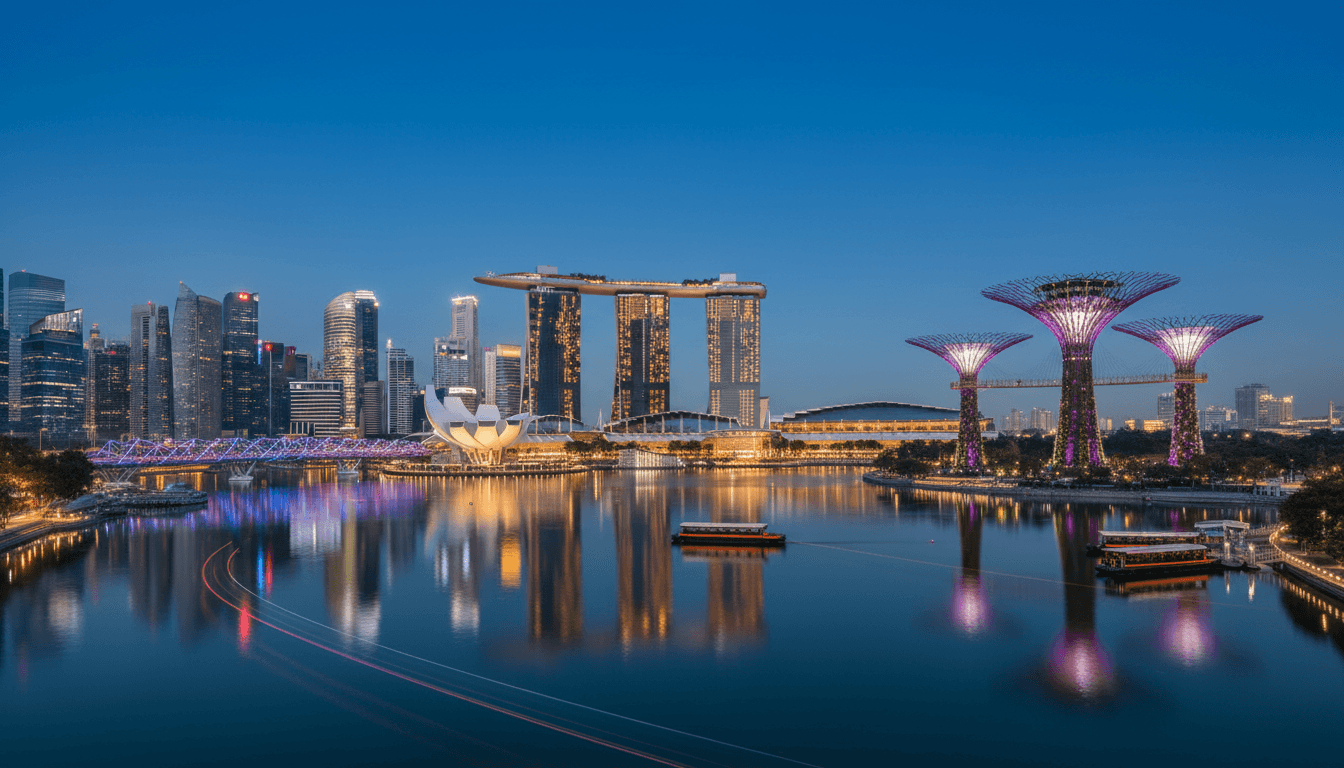
Bachelor and Bachelorette Parties in Singapore: The Complete Home Swap Group Guide for 2026
Planning a bachelor or bachelorette party in Singapore? Discover how home swapping lets groups of 6-12 stay together in luxury condos, saving thousands while partying in Marina Bay.
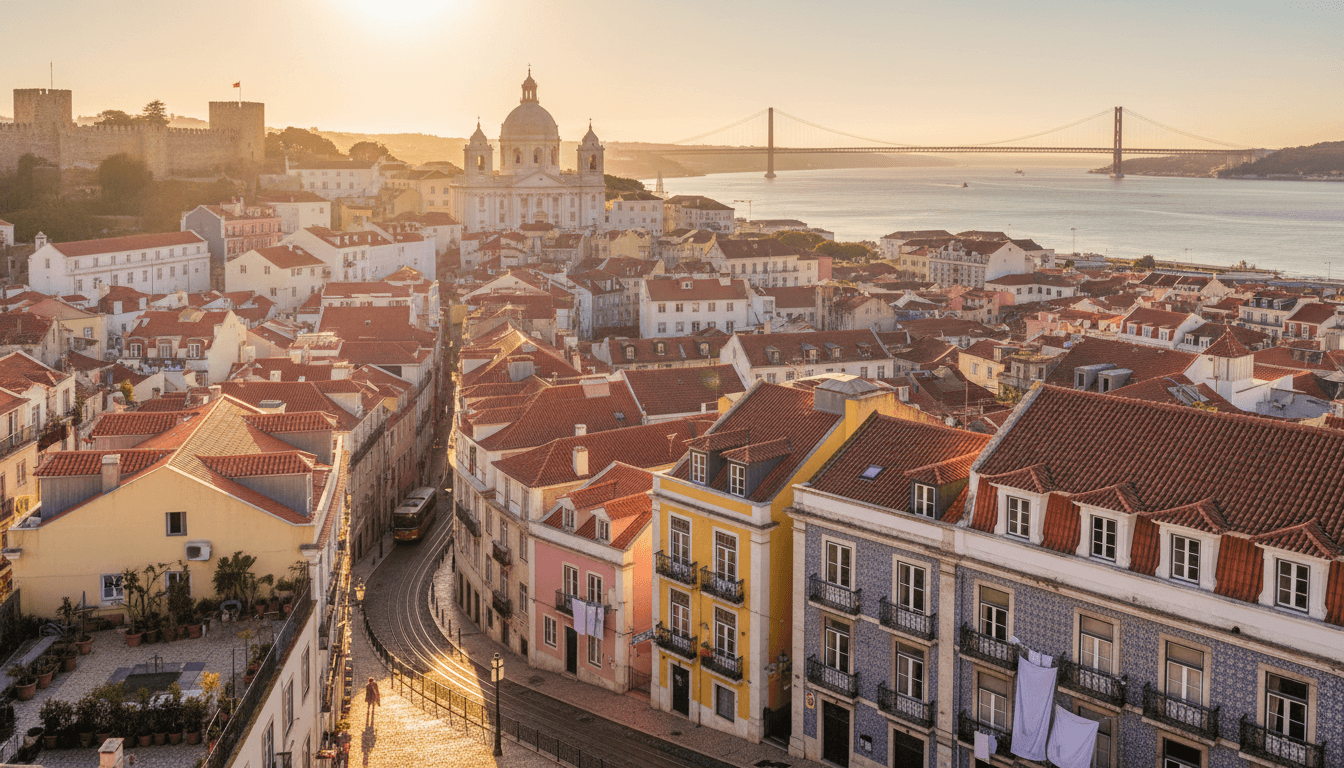
Cycling in Lisbon: 7 Home Swap Bike Tour Itineraries for Every Rider
Discover the best cycling routes in Lisbon with these home swap bike tour itineraries—from waterfront paths to hilltop adventures, all starting from your borrowed home.
Graduation Trip to Barcelona: How Home Swapping Gives New Graduates the Ultimate Celebration
Planning a graduation trip to Barcelona? Discover how home swapping lets new graduates explore Spain's most vibrant city without the hostel crowds or hotel costs.