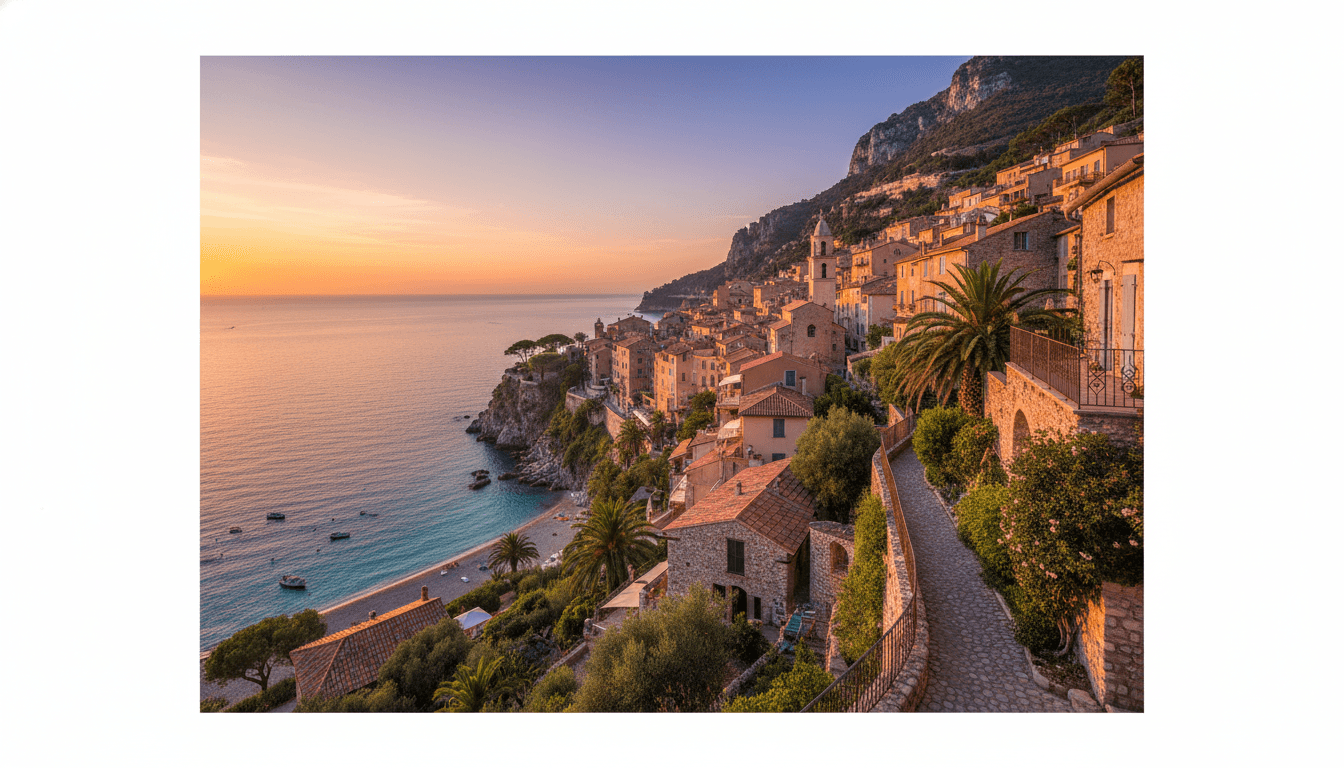
What to Do in French Riviera: The Ultimate Home Exchange Activity Guide for 2024
Maya Chen
Travel Writer & Home Exchange Expert
Discover the best activities in the French Riviera through home exchange—from hidden beaches to local markets, with insider tips from 7 years of swapping.
The first morning I woke up in my home exchange apartment in Nice, I made a terrible mistake. I'd planned every single day with museum visits, restaurant reservations, and a color-coded spreadsheet that would make a project manager weep with joy. By day three, I'd abandoned the entire thing—because figuring out what to do in French Riviera isn't about checking boxes. It's about stumbling into a market in Antibes at 8 AM, buying tomatoes so ripe they're practically illegal, and realizing that this is why people fall in love with the Côte d'Azur.
That was four years ago. I've been back twice since through home exchanges, and I've finally learned how to actually experience this stretch of Mediterranean coastline. Not as a tourist with a guidebook, but as someone temporarily living in a local's space, with their coffee maker, their balcony, their neighborhood bakery.
So here's everything I wish someone had told me about French Riviera activities—the real stuff, beyond the Instagram clichés.
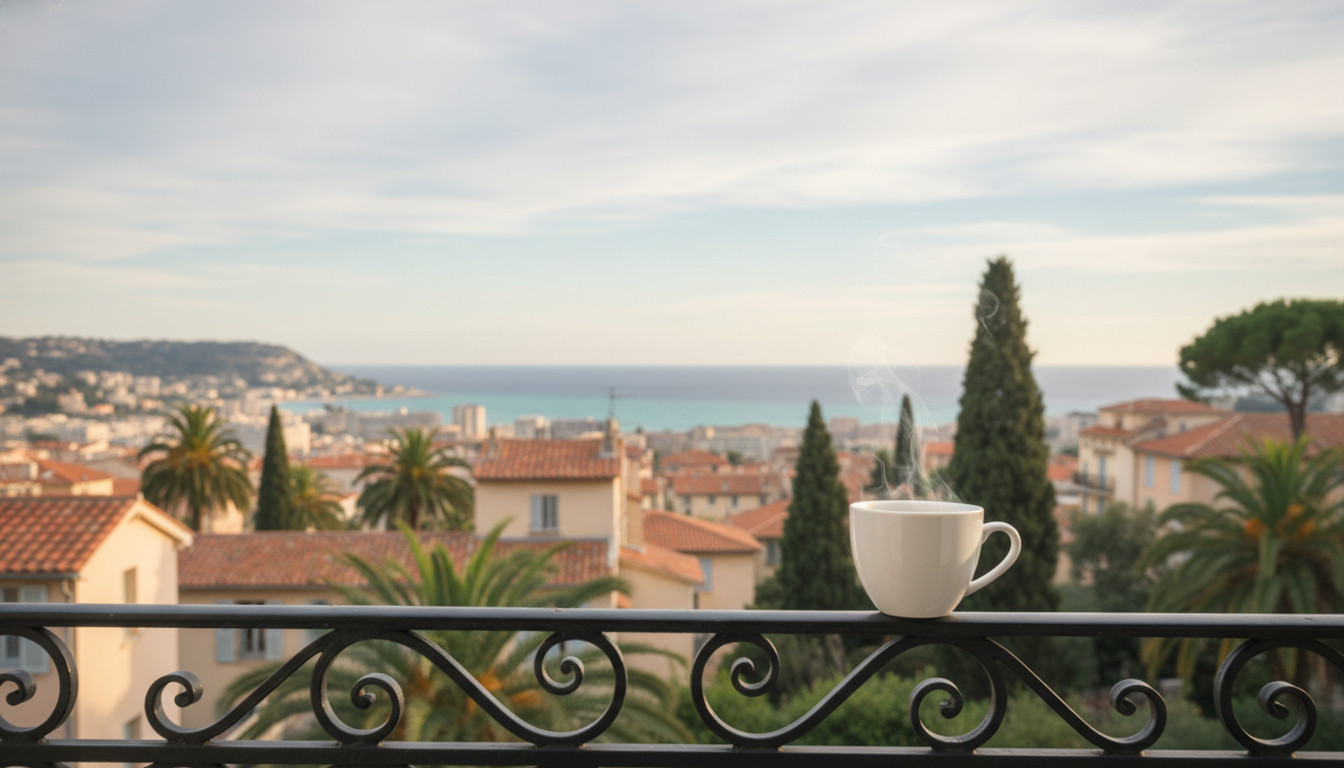 Early morning view from a Nice apartment balcony showing terracotta rooftops, palm trees, and a sliv
Why Home Exchange Changes Everything About French Riviera Activities
Here's the thing about the French Riviera: it's been a tourist destination since British aristocrats started wintering here in the 1800s. That means there's a well-worn path—Nice's Promenade des Anglais, Monaco's casino, Cannes's Croisette—and then there's everything else.
When you're doing a home exchange, you get access to that "everything else."
My first swap was in a two-bedroom apartment in Nice's Libération neighborhood. My host, Sylvie, left me a handwritten note with her favorite vegetable vendor at the market ("Tell Claude that Sylvie sent you—he'll give you the good stuff from the back"). She'd circled three restaurants on a hand-drawn map, none of which appeared in any guidebook I'd read. One of them—a tiny place called Chez Palmyre—served me the best socca of my life for €4.
That's the difference. You're not visiting the French Riviera. You're borrowing someone's life there for a week or two.
Through SwappaHome, I've connected with hosts who've shared everything from their beach parking secrets (there's a free lot in Villefranche that tourists never find) to their favorite hiking trails in the hills above Èze. The platform's credit system means I can host travelers at my San Francisco place, earn credits, and then use them anywhere—including that apartment in Antibes I've been eyeing for next spring.
The Best Outdoor Activities on the French Riviera
Beaches Worth Your Time (And How to Find the Empty Ones)
Let me save you some frustration: the famous beaches? They're crowded, many charge €20-30 ($22-33) for a lounger, and you'll spend half your time dodging selfie sticks.
Here's what actually works instead.
Plage de la Paloma (Saint-Jean-Cap-Ferrat) is tricky to find, which is exactly the point. You'll walk down a steep path through pine trees, and suddenly there's this tiny cove with water so clear it looks photoshopped. Get there before 10 AM or after 4 PM. There's a restaurant, but bring your own picnic if you're on a budget.
Plage de Passable sits on the other side of Cap Ferrat—less dramatic but more space. The water's shallow for a long way out, making it perfect if you're not a strong swimmer.
Then there are the rocks at Cap d'Antibes. Not technically a beach, but locals know. There's a coastal path (Sentier du Littoral) where you can find flat rocks to lay out on, with ladders descending into deep, clear water. Bring water shoes.
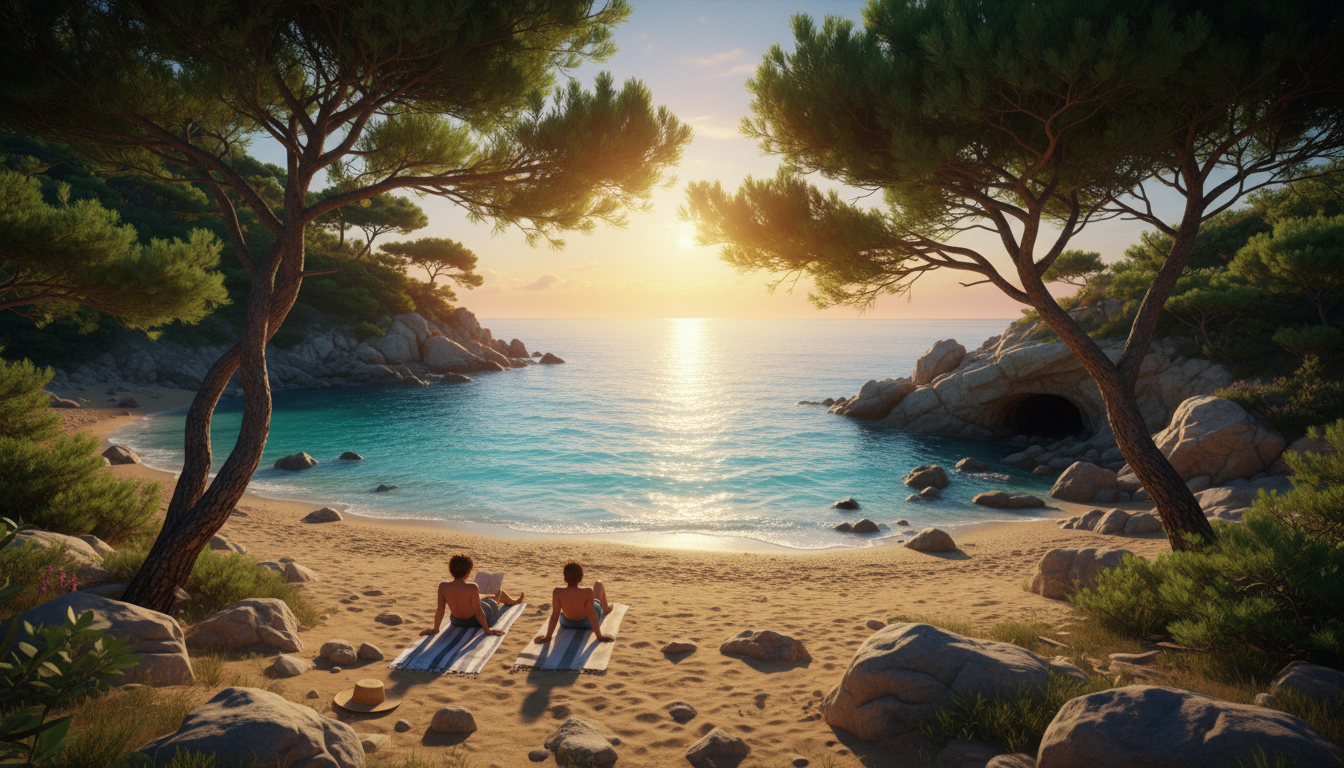 Hidden cove beach with turquoise water, pine trees framing the scene, a few locals on towels rather
One thing my Nice host taught me: the beaches get dramatically emptier during French lunch hours (12-2 PM). While tourists are eating, locals are working, and you'll have stretches of sand almost to yourself.
Hiking the French Riviera's Coastal Paths
I'll be honest—I didn't come to the Riviera to hike. I came to eat cheese and drink rosé. But then my Antibes host mentioned the Sentier du Littoral, and I figured I'd walk for an hour.
Four hours later, I'd circled the entire Cap d'Antibes peninsula, seen three hidden beaches, watched a yacht that probably cost more than my apartment building, and understood why Picasso spent so much time here.
The coastal paths are genuinely special. The Cap d'Antibes loop runs about 5km, taking 2-3 hours depending on how many times you stop to stare at the water. Start at Plage de la Garoupe and go counterclockwise—the section past Villa Eilenroc is the most dramatic.
Èze to Villefranche-sur-Mer follows the Nietzsche Path, named because apparently the philosopher used to walk it while thinking deep thoughts. It's steep (450 meters of descent), but the views are absurd. Budget 90 minutes, bring good shoes, and maybe save the philosophy for the café at the bottom.
The Cap Ferrat coastal walk is easier than the others, mostly flat, about 2 hours for the full loop. The section between Plage de Passable and the lighthouse feels like you've wandered into a Bond film.
Bring sunscreen. I cannot stress this enough. The Mediterranean sun in summer is no joke, and there's almost no shade on these paths.
French Riviera Activities for Culture Lovers
Museums That Are Actually Worth Your Time
I'm going to be controversial here: skip the big-name museums on your first visit.
Yes, the Matisse Museum in Nice is lovely. The Chagall Museum is important. But if you only have a week, there are smaller places that'll hit you harder.
Fondation Maeght (Saint-Paul-de-Vence) is non-negotiable. It's a private modern art museum in a building designed specifically for the collection, with Miró sculptures in the garden and Giacometti figures that'll stop you in your tracks. Entry is €18 ($20). Go on a weekday morning.
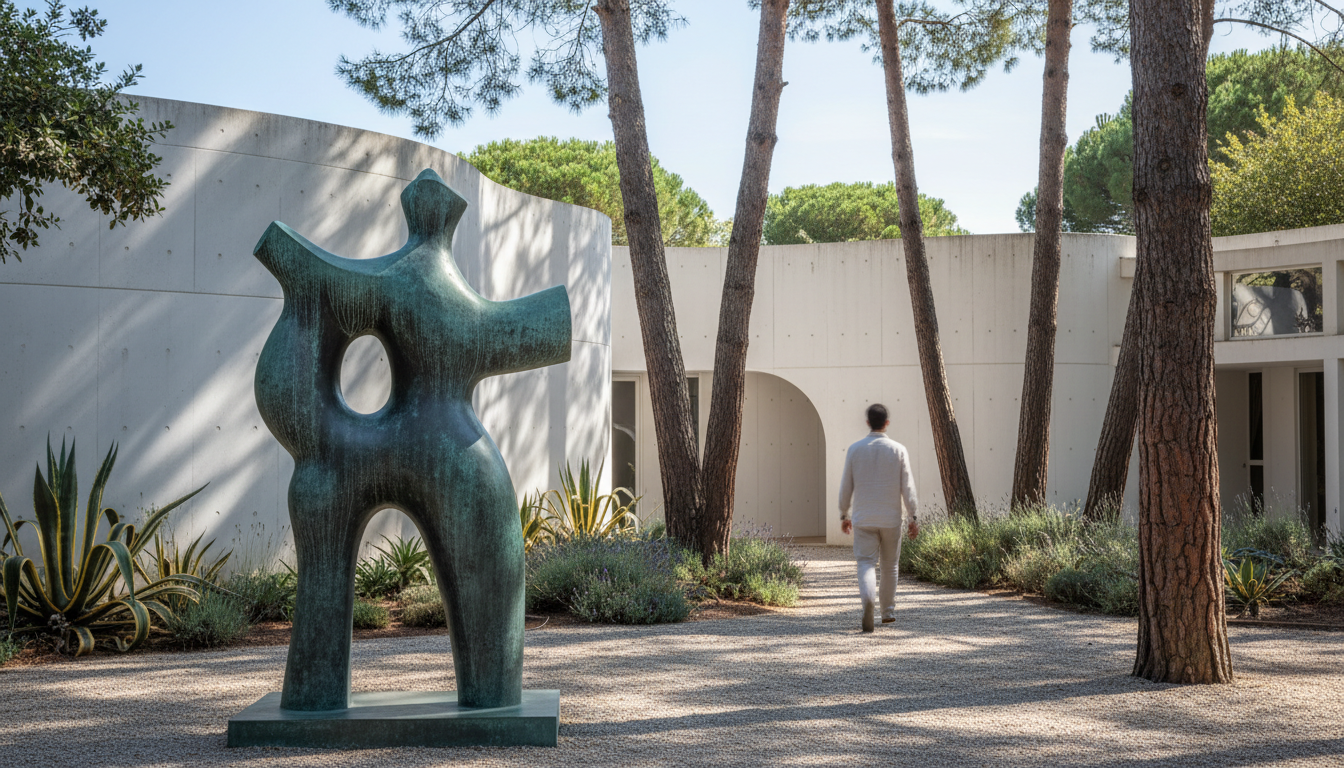 Mir sculpture in the garden of Fondation Maeght, modernist architecture visible behind, dappled sunl
Musée Picasso (Antibes) is housed in the Château Grimaldi, where Picasso actually worked in 1946. The building itself is half the experience—you're looking at art in the same rooms where it was created, with views of the sea he was painting. €8 ($9) entry.
Villa Ephrussi de Rothschild (Cap Ferrat) isn't exactly a museum, but close enough. A Belle Époque mansion with nine themed gardens and views that'll make you reconsider your life choices. The musical fountain show in the French garden happens every 20 minutes. €16 ($18).
The Villages You Should Actually Visit
Every French Riviera guide tells you to visit the "perched villages." What they don't tell you is that some of them have become tourist traps with €8 scoops of mediocre gelato.
Here's my honest ranking.
Saint-Paul-de-Vence—yes, it's famous. Yes, it's crowded. Go anyway, but go at 8 AM before the tour buses arrive, or at 6 PM when they've left. The light at golden hour on those stone walls is worth the cliché.
Èze has legitimately spectacular views, but the village itself has become a bit of a shopping mall. Visit the Jardin Exotique at the top (€7/$8), take your photos, then leave.
Mougins is less famous, more authentic. This is where Picasso spent his final years. Good restaurants, actual residents, and a photography museum that's surprisingly excellent.
Gourdon sits an hour from Nice, perched on a cliff 760 meters up, and almost entirely undiscovered by tourists. The drive up is terrifying in the best way. There's a château, a few restaurants, and views that go on forever.
What to Do in French Riviera: Food and Market Experiences
The Markets You Can't Miss
If you're doing a home exchange, you have a kitchen. Use it.
The markets here aren't just shopping—they're theater. Old men arguing about the ripeness of melons. Grandmothers inspecting fish with the intensity of surgeons. Vendors who've been selling olives from the same stall for forty years.
Cours Saleya (Nice) is the famous one, and it's famous for a reason. Tuesday through Sunday, 6 AM to 1:30 PM. Get there early. The flower section is gorgeous but skip it—head straight for the food vendors in the back. Buy socca from the truck at the end (€3 for a portion that'll fill you up).
Marché Forville (Cannes) is smaller, less touristy, arguably better. Open every morning except Monday. The cheese vendor in the corner sells a local tomme that I still dream about.
Marché Provençal (Antibes) sits under a covered hall, which means it's perfect even when it rains. Open daily in summer, closed Mondays in winter. The prepared food section has excellent pan bagnat (the local tuna sandwich) for €6-8.
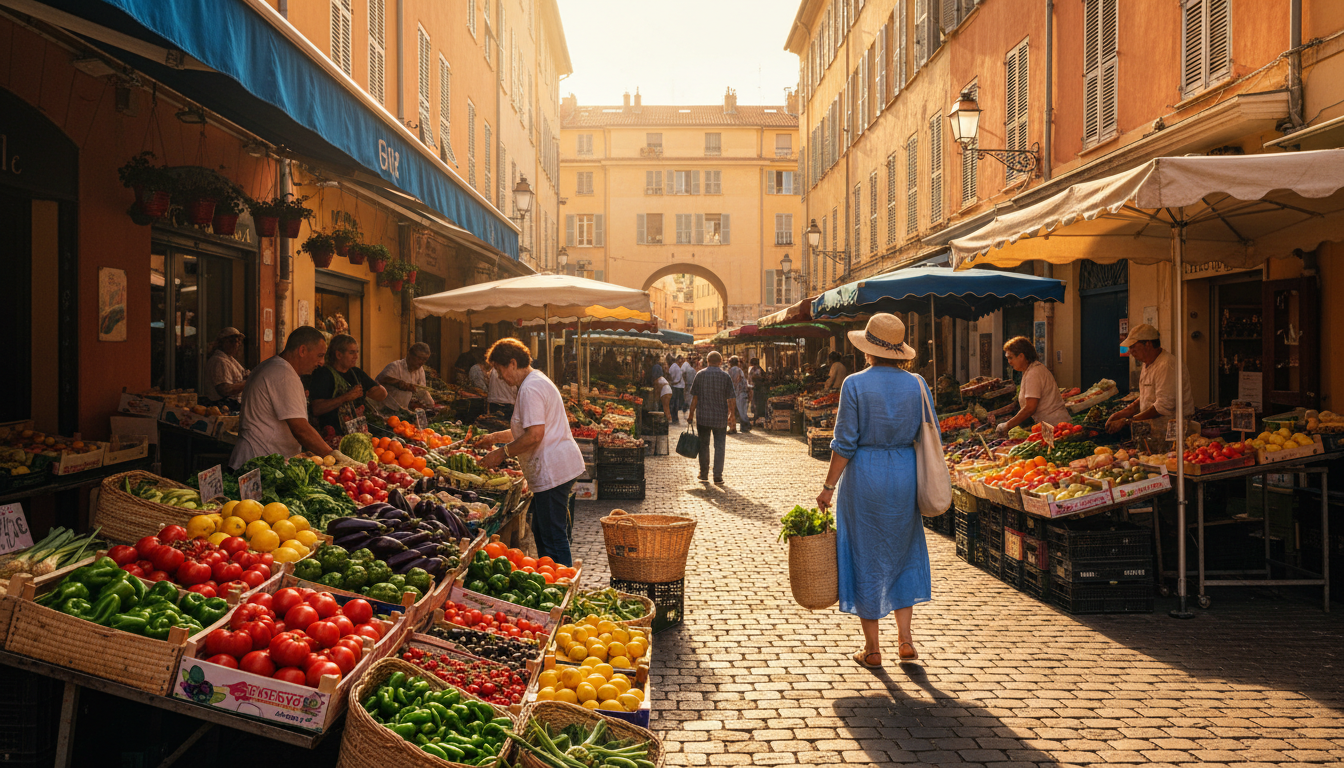 Cours Saleya market in Nice at 7 AM, vendors setting up produce displays, morning light hitting the
Where to Eat (Real Recommendations, Not Tourist Traps)
I'm only including places I've actually eaten at and would return to.
Chez Pipo (Nice) does socca, and only socca. They've been making it since 1923. Cash only, no reservations, expect a wait. €4-6 for a portion.
La Petite Maison (Nice) is a splurge (mains €30-50/$33-55), but the Niçoise cuisine is flawless. The petits farcis (stuffed vegetables) are the best I've had anywhere.
Le Safari (Nice) sits on Cours Saleya, which should make it a tourist trap, but somehow it's not. Good seafood, reasonable prices (€15-25 mains), and excellent people-watching.
La Colombe d'Or (Saint-Paul-de-Vence) is expensive (€40+ mains), but you're eating surrounded by original Picassos, Matisses, and Mirós that artists traded for meals in the 1920s. Make a reservation.
Les Bacchanales (Vence) is Michelin-starred but not stuffy. The lunch menu is €55 for multiple courses, which is genuinely reasonable for this level of cooking.
Day Trips and Excursions From Your Home Exchange Base
Monaco: Worth It or Overhyped?
Real talk: Monaco is weird. It's a country the size of Central Park, filled with more Ferraris per capita than anywhere on Earth, and the whole place feels like a movie set.
Is it worth visiting? Yes, but only for a few hours.
Here's my efficient Monaco itinerary. In the morning, walk through the old town (Monaco-Ville) to the Prince's Palace. Watch the changing of the guard at 11:55 AM if you're into that. The Oceanographic Museum is genuinely excellent (€18/$20)—Jacques Cousteau ran it for decades.
For lunch, skip the overpriced restaurants and grab a slice at a bakery in La Condamine, the working-class neighborhood below the palace.
In the afternoon, walk through the casino (free to enter the atrium, €17/$19 to access the gaming rooms). You don't have to gamble—just absorb the Belle Époque excess. Then get out before you start feeling like you need a shower.
The train from Nice takes 25 minutes and costs €4.30 each way. Don't drive unless you enjoy paying €40 for parking.
The Lérins Islands: The Riviera's Best-Kept Secret
Okay, it's not exactly a secret—but compared to everything else on the coast, the Îles de Lérins feel almost untouched.
Two islands sit just off the coast of Cannes. Île Sainte-Marguerite is the bigger one—forested with Aleppo pines, ringed with rocky beaches, and home to the fort where the Man in the Iron Mask was imprisoned. You can walk the entire island in a few hours. Bring a picnic—there's only one overpriced restaurant.
Île Saint-Honorat is smaller, quieter, and home to a working monastery where monks have been making wine since the Middle Ages. You can buy bottles at the shop (€15-40) and drink them on the rocks overlooking the sea.
Ferries leave from Cannes every 30-60 minutes. Round trip is about €16 ($18). Go on a weekday if possible.
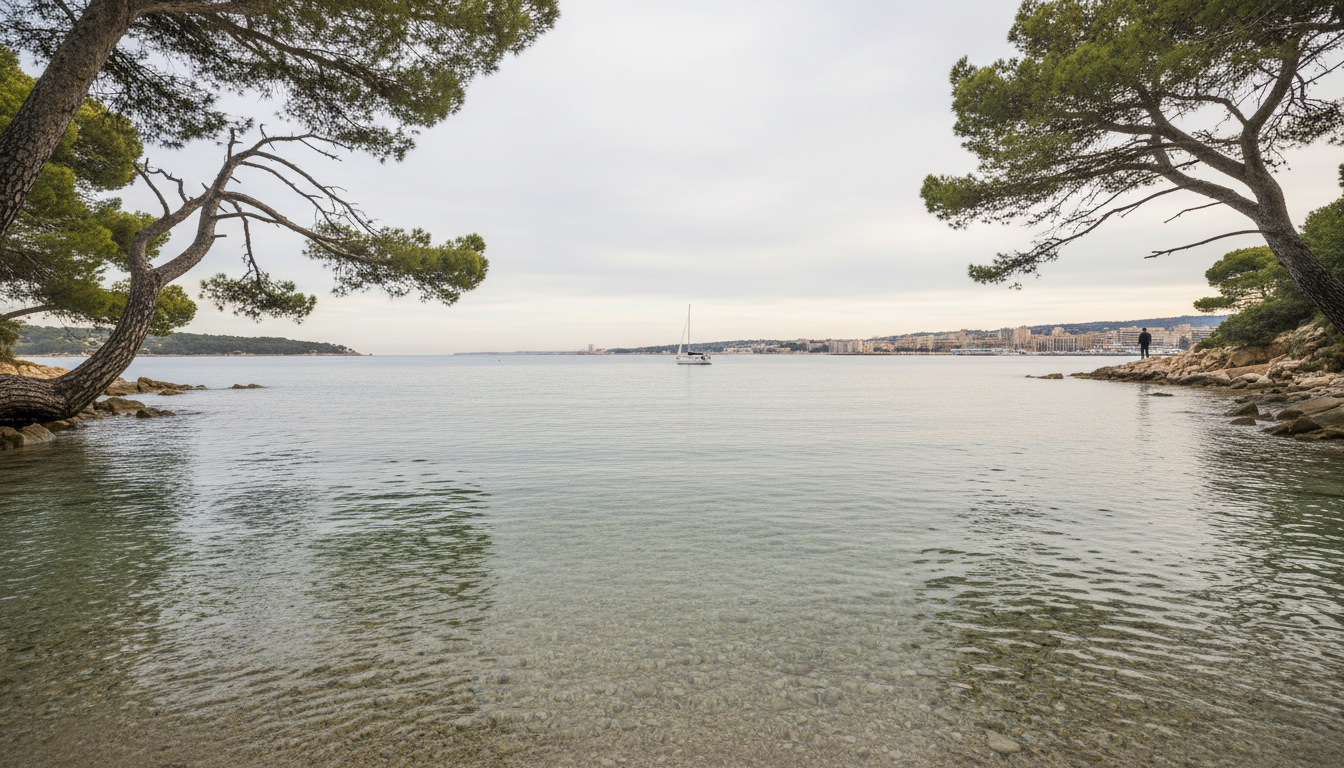 View from le Sainte-Marguerite looking back toward Cannes, pine trees framing the shot, crystal-clea
Evening Activities and Nightlife on the French Riviera
The Aperitivo Hour
Forget nightclubs. The best evening activity on the Riviera is the aperitivo.
Between 6 and 8 PM, the whole coast seems to exhale. People gather at outdoor cafés, order a glass of rosé or an Aperol spritz, and watch the light turn golden over the water.
My favorite spots: Le Plongeoir (Nice) is built on rocks jutting into the sea, accessible by a path near the port. The drinks are overpriced (€12-15), but you're essentially sitting on the Mediterranean. Worth it once.
Any café on Place Garibaldi (Nice) is less scenic, more local. This is where actual Niçois come to unwind. Order a pastis and some olives.
Hôtel Belles Rives (Juan-les-Pins) is where F. Scott Fitzgerald lived while writing "Tender Is the Night." The terrace bar is pure 1920s glamour. Cocktails are €18-22, but the sunset views are free.
Actually Good Nightlife
I'm not really a nightclub person, but I've been dragged to enough places to know what works.
In Nice, the port area (around Quai des Deux Emmanuel) has a cluster of bars that get lively after 10 PM. Wayne's is the expat/tourist spot; Ma Nolan's is the Irish pub that's somehow always packed.
In Cannes, if you want the full Riviera nightclub experience, try Bâoli or Le Baoli Beach. Expect to pay €20+ for drinks and dress like you own a yacht.
Antibes is more low-key. The Absinthe Bar is a weird, wonderful hole-in-the-wall with live music some nights.
Honestly? My favorite Riviera nights have been on my home exchange balcony with a bottle of local rosé (€8 from the supermarket), some cheese from the market, and the sound of the city settling into evening.
Practical Tips for French Riviera Activities
Getting Around Without a Car
You don't need a car for most French Riviera activities. In fact, driving here is often more stressful than it's worth—traffic in summer is brutal, and parking costs add up fast.
The train line runs along the entire coast from Cannes to Monaco, with stops in Antibes, Nice, Villefranche, and more. Trains run every 15-30 minutes, and tickets are cheap (Nice to Cannes is about €7.50).
Buses are even cheaper. The Lignes d'Azur network covers most of the region, and many routes cost just €1.50. The 82 bus from Nice to Monaco is a local secret—same route as the train, but it goes along the coastal road with better views.
For the hilltop villages, you'll either need a car or a willingness to navigate infrequent bus schedules. The 400 bus from Nice to Vence and Saint-Paul-de-Vence runs regularly; for Èze, take the 82 or 112.
What to Budget for Activities
Here's roughly what things cost (in USD): museum entry runs $8-20, beach lounger rental at private beaches is $20-35/day, and coastal path hiking is free. A market lunch (socca, pan bagnat, fruit) costs $10-15, while a Nice restaurant dinner runs $30-50/person and a splurge restaurant dinner is $80-150/person. Day trip ferries to the Lérins Islands are $18 round trip, and the train from Nice to Monaco is $5 each way. Rosé from the supermarket? $8-15/bottle.
One of the biggest advantages of home exchange? You're saving $200-400/night on accommodation, which means you can actually afford to splurge on a nice dinner or that boat trip you've been eyeing.
When to Visit for the Best Experience
I've been to the Riviera in July (mistake), September (perfect), and May (also great). Here's the breakdown.
May-June is warm enough to swim, not yet overrun with tourists. Markets are at their best. Occasional rain, but usually brief.
July-August is hot, crowded, expensive. The French take their summer holidays, and the coast fills up. If you must go, book everything months in advance.
September-October is my favorite. The crowds thin, the water's still warm from summer, and the light turns softer. Restaurant reservations are easier.
November-April is quieter, cheaper, but many restaurants and some museums close or reduce hours. Nice stays lively year-round; smaller towns can feel deserted.
Making the Most of Your Home Exchange
The real magic of doing a home exchange on the French Riviera is that you stop being a tourist.
You learn which bakery has the best croissants (it's never the one closest to your apartment). You figure out the rhythm of the neighborhood—when the streets are quiet, when the café fills up, when the market vendors start packing away the less-perfect tomatoes at a discount.
Through SwappaHome, I've stayed in a tiny studio in Nice's old town with a juliet balcony overlooking a courtyard, and a sprawling villa in Mougins with a pool I had entirely to myself. Both cost me the same: one credit per night. That's how the platform works—no pricing tiers, no premium listings. You host someone at your place, earn credits, and spend them wherever you want.
My Antibes host left me a list of her favorite beaches, ranked by crowdedness. My Nice host texted me when she heard about a pop-up wine tasting in her neighborhood. These aren't things you get from a hotel concierge.
The French Riviera can feel intimidating—all those yachts and designer boutiques and people who look like they stepped out of a magazine. But underneath the glamour, there's a real place with real neighborhoods and real people who've been living here long before it became a playground for the wealthy.
Home exchange is how you find that version of the Riviera. The one where you argue with a vendor about cheese, where you discover a beach that's not in any guidebook, where you come home sunburned and salt-crusted and completely, utterly content.
That's the French Riviera worth experiencing. And honestly? It's the only one I'm interested in anymore.
Frequently Asked Questions
What are the best free activities on the French Riviera?
The French Riviera offers excellent free activities including hiking the coastal paths (Sentier du Littoral around Cap d'Antibes and Cap Ferrat), swimming at public beaches like Plage de la Paloma, wandering the old towns of Nice and Antibes, and exploring the morning markets. The Promenade des Anglais in Nice is perfect for sunset walks.
How many days do you need to explore the French Riviera?
For a satisfying French Riviera experience, plan for 7-10 days minimum. This allows 3-4 days in Nice as your base, plus day trips to Monaco, Cannes, the hilltop villages, and the Lérins Islands. With a home exchange, you'll have the flexibility to settle into local rhythms rather than rushing between attractions.
Is the French Riviera expensive for tourists?
The French Riviera can be expensive, but costs vary dramatically. Budget travelers can manage on $80-100/day with home exchange accommodation, market meals, and free beaches. Mid-range visitors typically spend $150-250/day. The biggest savings come from avoiding private beach clubs ($25-40/day) and tourist-trap restaurants near major attractions.
What is the best base for exploring the French Riviera?
Nice is the ideal base for French Riviera activities—it's centrally located, has excellent train connections to Monaco, Cannes, and Antibes, and offers the best mix of beaches, culture, dining, and nightlife. Antibes is a great alternative if you prefer a quieter, more residential atmosphere with easy access to the Lérins Islands.
Can you visit the French Riviera without a car?
Absolutely. The coastal train line connects all major towns from Cannes to Monaco for under $10 per trip. Buses cost just $1.50 for most routes. You'll only need a car for remote hilltop villages like Gourdon, though buses do reach Saint-Paul-de-Vence and Èze from Nice. Most French Riviera activities are easily accessible by public transport.
40+
Swaps
25
Countries
7
Years
About Maya Chen
Travel Writer & Home Exchange Expert
Maya is a travel writer with over 7 years of experience in the home swapping world. Originally from Vancouver and now based in San Francisco, she has completed more than 40 home exchanges across 25 countries. Her passion for "slow" and authentic travel led her to discover that true luxury lies in living like a local, not a tourist.
Ready to try home swapping?
Join SwappaHome and start traveling by exchanging homes. Get 10 free credits when you sign up!
Related articles
Lyon Home Exchange: Your Complete Guide to France's Hidden Gem for Home Swapping
Discover why Lyon home exchange is booming among savvy travelers. From Croix-Rousse to Presqu'île, find the best neighborhoods and insider tips for your swap.
Zurich Bucket List: 47 Unforgettable Experiences to Enjoy During Your Home Swap
Discover the ultimate Zurich bucket list for home swappers—from secret swimming spots to fondue rituals locals actually do. Save thousands while living like a true Zürcher.
Dublin Home Exchange Utilities Guide: WiFi, Heating & Everything Your Guests Need
Master Dublin home exchange utilities—from dodgy WiFi fixes to heating quirks. Practical tips from 7 years of swapping homes across Ireland.