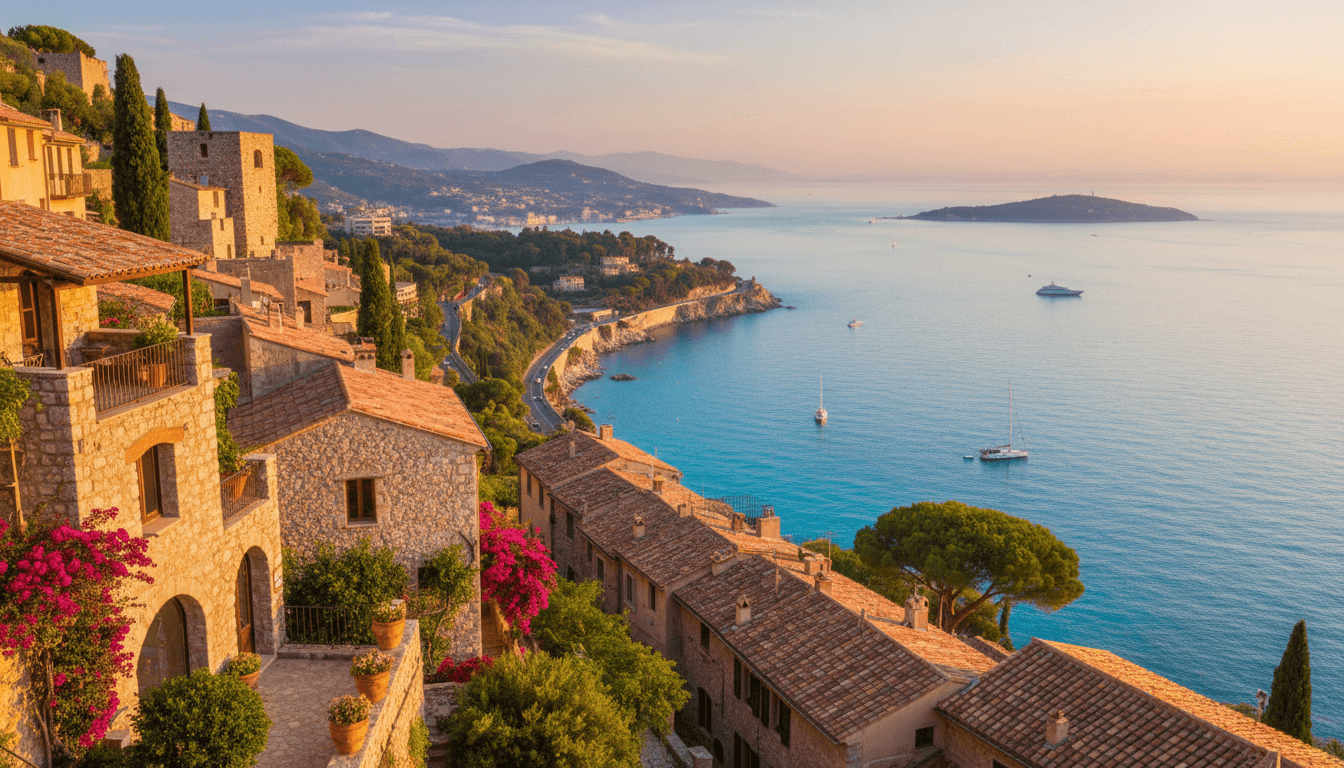
French Riviera on a Budget: How Home Swapping Saves You Thousands

SwappaHome Editorial Team
Home Exchange & Slow Travel Editorial
Discover how home swapping on the French Riviera can save you $3,000+ per week. Real tips from a travel writer who's done it—without sacrificing the glamour.
I'm going to tell you something that still makes me laugh: I once spent a week in a €4 million apartment in Nice, sipping rosé on a terrace overlooking the Baie des Anges, and it cost me exactly zero dollars.
Not a typo. Not a scam. Just smart travel.
The French Riviera on a budget sounds like an oxymoron, right? This is the coast where celebrities dock their yachts, where a beach lounger can cost €50 for the day, where a simple bouillabaisse runs €65 at waterfront restaurants. The Côte d'Azur has never been known for being kind to wallets.
But here's what I've learned after seven years of home swapping: the French Riviera is actually one of the best places to use home exchange. The gap between hotel prices and local living costs? Enormous. And when you eliminate accommodation costs entirely—which typically eat 60-70% of a Riviera vacation budget—suddenly this glamorous coastline becomes genuinely accessible.
Let me break down exactly how this works.
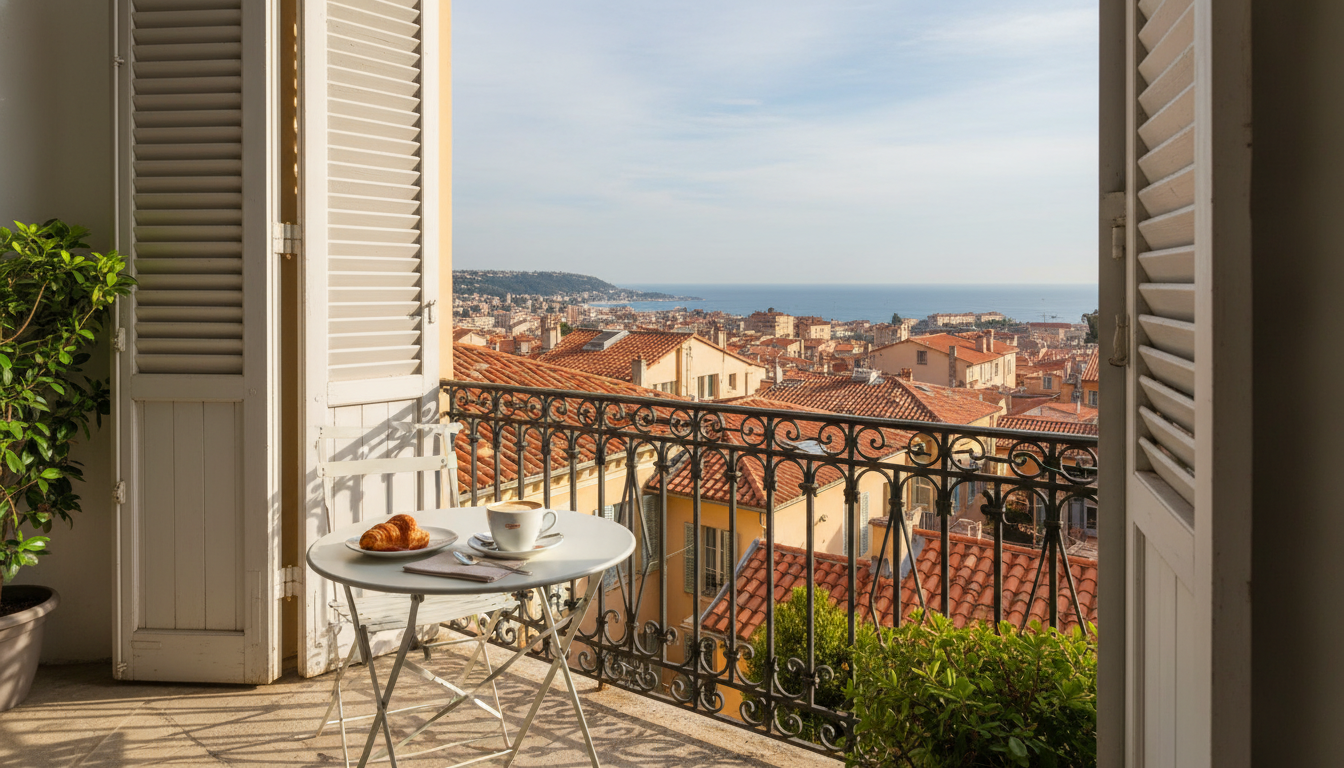 Morning light streaming through shutters onto a wrought-iron balcony in Nices Old Town, with terraco
Why the French Riviera Is Perfect for Budget Home Swapping
The math is brutal when you look at traditional accommodation on the Côte d'Azur.
During peak season (June through September), a decent hotel room in Nice averages $280-350 per night. Cannes during the film festival? You're looking at $500+ for anything remotely central. Saint-Tropez is even worse—I've seen basic rooms listed at $700/night in August.
A two-week Riviera vacation for a couple, staying in mid-range hotels, easily hits $6,000-8,000 just for accommodation. Add flights, food, and activities, and you're pushing $12,000-15,000.
Here's what most travelers don't realize, though: the French Riviera has an incredible density of second homes and vacation properties. Wealthy Europeans have been buying apartments in Nice, Antibes, and Menton for generations. Many of these owners—French, British, Italian, German—travel frequently and are eager to explore other destinations.
This creates a perfect home exchange ecosystem.
My first Riviera swap was back in 2019. I stayed in a two-bedroom apartment in Nice's Carré d'Or (the "Golden Square"—yes, it's as fancy as it sounds). The owner, a retired architect from Lyon, wanted to spend three weeks in San Francisco. We swapped. His place had a rooftop terrace, a kitchen stocked with local olive oil and herbs, and was a seven-minute walk to the Promenade des Anglais.
My total accommodation cost: zero. My total savings compared to a hotel: roughly $4,200.
How Home Exchange Credits Work on the French Riviera
If you're new to home swapping, the credit system might seem confusing at first. Let me demystify it.
On SwappaHome, every night you host someone earns you one credit. Every night you stay somewhere costs one credit. Doesn't matter if you're hosting in a studio apartment in Kansas City or a penthouse in Manhattan—you earn the same: one credit per night. Same goes for spending: whether you're booking a cottage in rural Ireland or a villa in Cap Ferrat, it's one credit per night.
New members start with 7 free credits. You could theoretically book a 10-night French Riviera trip before you've hosted anyone.
This system is particularly advantageous for Riviera travel because you're getting access to properties that would normally command premium rates. That €4 million apartment I mentioned? One credit per night. A beachfront studio in Villefranche-sur-Mer? One credit per night. A converted fisherman's cottage in Èze Village? You guessed it.
The value proposition is almost absurd when you think about it.
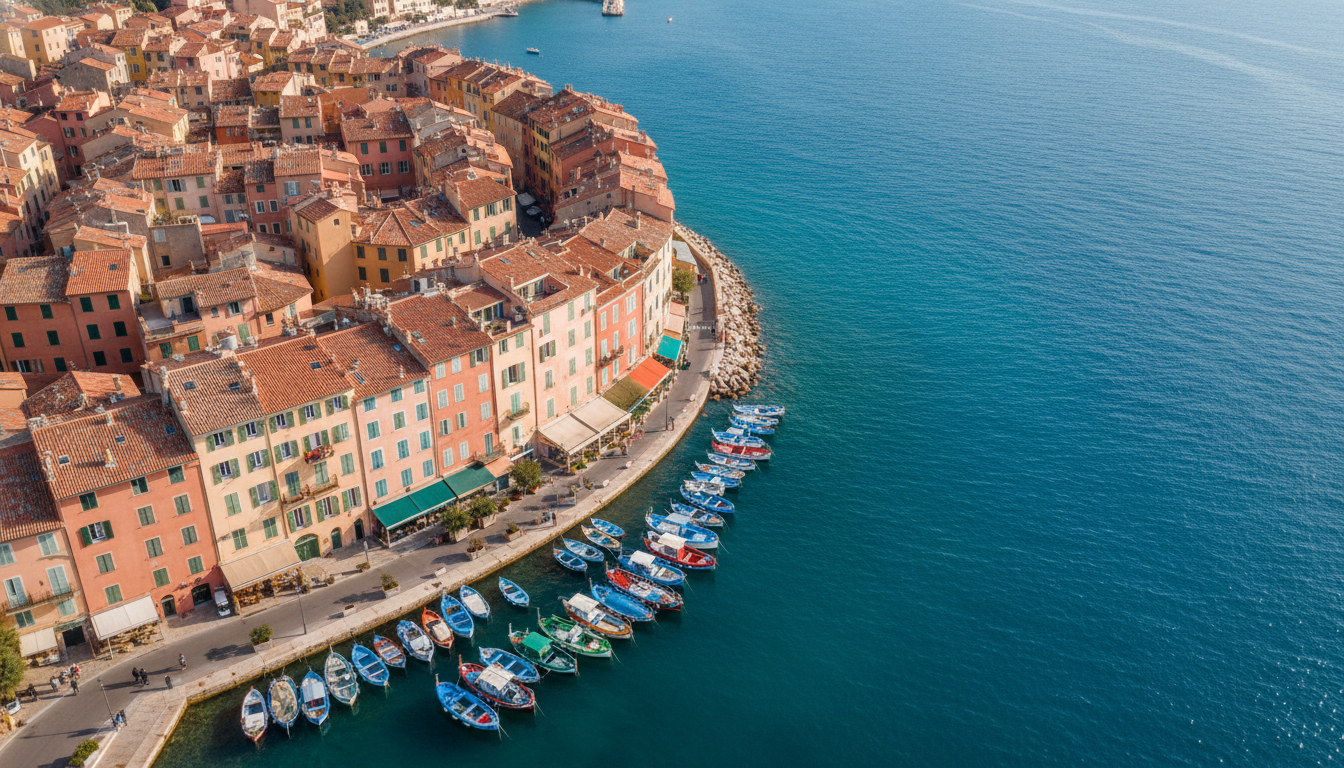 Aerial view of Villefranche-sur-Mers colorful waterfront buildings in ochre, pink, and yellow, with
Best French Riviera Neighborhoods for Home Swapping
Not all Riviera locations are created equal when it comes to home exchange availability. Here's where I've had the most success—and where you'll find the best balance of availability, location, and local experience.
Nice: The Sweet Spot for First-Timers
Nice is my top recommendation for budget-conscious home swappers, and it's not just because of availability (though there's plenty). Nice offers the best value-to-experience ratio on the entire coast.
The Old Town (Vieux Nice) has narrow streets filled with affordable restaurants—you can get a proper Niçoise salad for €12-14 at places like Chez Palmyre, and socca (the local chickpea pancake) for €3 from vendors in Cours Saleya market. The beach is free (bring your own towel to avoid the private beach fees), the bus system connects you to the entire Riviera for €1.50, and Nice's airport is the region's main hub.
For home swapping, focus your search on these Nice neighborhoods:
Vieux Nice: Charming but can be noisy. Great for nightlife lovers.
Carré d'Or/Musiciens: Elegant Belle Époque buildings, quieter streets, walking distance to everything.
Cimiez: Hilltop neighborhood with the Matisse Museum, more residential feel, excellent for families.
Port Area: Up-and-coming, slightly edgier, good restaurant scene, more affordable listings.
I'd avoid the area directly around the train station (Thiers) unless you're on a very tight timeline—it's convenient but lacks charm.
Antibes: Underrated and Swap-Friendly
Antibes flies under the radar compared to glitzier neighbors, but it's become one of my favorite Riviera bases. The old town is genuinely lovely—think ramparts, a Picasso museum, and a morning market that rivals Nice's Cours Saleya.
What makes Antibes great for home swapping? It has a large year-round population (unlike Saint-Tropez, which empties out in winter), which means more locals who actually want to travel and exchange homes. The Cap d'Antibes peninsula has some stunning properties, though these tend to be harder to book.
Antibes is also perfectly positioned: 25 minutes to Nice, 15 minutes to Cannes, easy day trips to Monaco or the hilltop villages.
Budget tip: The covered market (Marché Provençal) sells prepared foods like pan bagnat (the local tuna sandwich) for €6-8. Grab one, walk to the ramparts, and you've got a €10 lunch with a million-dollar view.
Menton: The Budget-Friendly Hidden Gem
Menton sits right on the Italian border, and it shows—in the architecture, the food, and crucially, the prices. This is the most affordable town on the French Riviera, hands down.
Restaurant prices in Menton run 20-30% lower than Nice. A three-course lunch menu at a local spot like Le Nautic costs €18-22. Groceries at the covered market are noticeably cheaper, and the Italian border is a 10-minute walk if you want to stock up on pasta, wine, and cheese at Italian prices.
Menton has fewer home swap listings than Nice, but competition is also lower. I've had two successful swaps here, both in the charming old town with its pastel-colored buildings tumbling down to the sea.
The vibe is quieter, older, more authentically French. If you want beach clubs and nightlife, look elsewhere. If you want to read novels on your terrace and take long walks through lemon groves, Menton is perfect.
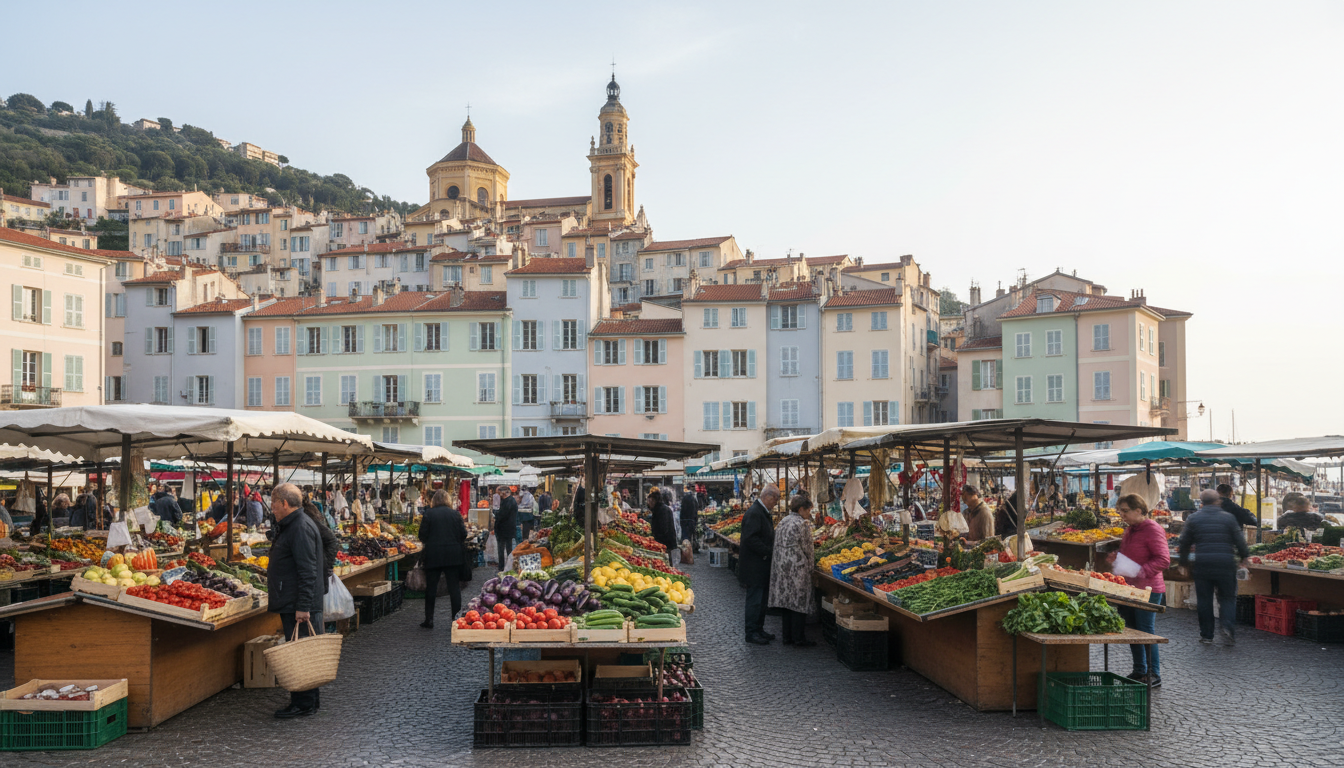 The pastel facades of Mentons old town rising up the hillside, with the Basilique Saint-Michel-Archa
Calculating Your Real French Riviera Savings
Let me get specific about what home swapping actually saves you on a two-week Riviera trip. I'll use real numbers from my 2023 trip.
Traditional Hotel Stay (14 nights, mid-range, Nice):
- Accommodation: $4,480 (avg $320/night)
- Breakfast (hotel or café): $560 ($40/day for two)
- Dinners out (every night): $1,400 ($100/night avg)
- Lunches: $420 ($30/day)
- Total food + lodging: $6,860
Home Swap Stay (14 nights, Nice apartment):
- Accommodation: $0
- Groceries + market shopping: $350
- Cooking breakfast/some dinners: included above
- Dinners out (8 nights): $800
- Lunches (mix of picnics + restaurants): $280
- Total food + lodging: $1,430
Savings: $5,430
That's not a typo. And I ate extremely well—market-fresh tomatoes, local cheeses, bottles of Provençal rosé that cost €8 at the wine shop versus €35 at restaurants.
The kitchen access is the secret weapon. When you're staying in someone's home, you have a refrigerator, a stove, and usually a well-equipped kitchen. You can shop at the incredible Riviera markets—and believe me, shopping at Cours Saleya or the Forville Market in Cannes is an experience in itself, not a compromise.
How to Find French Riviera Home Swaps
Getting a home swap on the Riviera requires some strategy, especially during peak season. Here's what's worked for me.
Start Planning Early
For summer travel (June-August), I start reaching out to potential swap partners in January or February. Riviera homeowners who want to travel during high season book their own trips early, so you want to be on their radar before they've made other arrangements.
Shoulder season (May, September, October) is easier. I've successfully arranged swaps with just 6-8 weeks notice during these months. The weather is still gorgeous—September in Nice averages 75°F (24°C)—and you'll have more options.
Craft a Compelling Profile
French homeowners, in my experience, care deeply about how you'll treat their space. Your SwappaHome profile should include clear, bright photos of your home (they want to see where they might stay), specific details about your neighborhood and what makes it interesting, information about you as a person—your job, interests, travel style—and reviews from previous swaps if you have them.
I always mention that I'm a travel writer. Not to brag, but because it signals that I understand hospitality and I'll treat their home with respect. Whatever your profession or background, find the angle that makes you seem like a trustworthy, interesting guest.
Send Personalized Messages
Generic "I'd love to swap with you" messages get ignored. When I reach out to potential Riviera hosts, I mention something specific about their listing that appeals to me, why I'm visiting the Riviera and what I hope to experience, what my home/city offers that might interest them, and my flexibility on dates.
A message like "Your apartment in the Musiciens quarter looks perfect—I've been wanting to explore the Belle Époque architecture in that area, and being walking distance to the MAMAC would be ideal since I'm hoping to see the Yves Klein collection" gets responses. "Nice apartment, want to swap?" doesn't.
 Flat lay of a French market haul on a rustic wooden table ripe tomatoes, fresh basil, a round of chv
Living Like a Local: Budget Tips Beyond Accommodation
Home swapping gets you free accommodation, but the Riviera can still drain your wallet if you're not strategic. Here's how I keep costs reasonable while still enjoying the glamour.
Transportation Hacks
The Lignes d'Azur bus network is absurdly cheap: €1.50 for a single ticket, €10 for a 10-trip pass. Bus 100 runs the entire coast from Nice to Monaco to Menton, hugging the cliffs with views that rival any scenic drive. It's slow (about 45 minutes Nice to Monaco) but beautiful and budget-friendly.
The TER regional trains are another great option. Nice to Cannes takes 25-40 minutes and costs €7.50. Nice to Monaco is €4.10. Buy tickets at the station or through the SNCF app.
Skip rental cars unless you're planning extensive hill village exploration. Parking in coastal towns is nightmarish and expensive (€20-30/day in Nice, more in Monaco).
Beach Strategy
Here's something that surprises first-time visitors: most Riviera beaches are free. The famous private beach clubs (with their €30-50 lounger fees) occupy only portions of the shoreline. Public sections exist on almost every beach.
In Nice, the entire Promenade des Anglais beach is public. Just bring your own towel and deal with the pebbles (water shoes help). Cannes has free sections of La Croisette beach. Antibes has lovely free beaches at Plage de la Gravette and along the Cap.
If you want the private beach experience once, book a lounger for a half-day (usually €15-20) rather than a full day. Arrive at 2pm, stay through sunset, get the experience without the full price.
Eating Well Without Breaking the Bank
The markets are your best friend. Every town has at least one, usually open mornings until 1pm. My typical market breakfast: fresh fruit, a pain au chocolat from a bakery stall, and coffee made back at the apartment. Cost: maybe €4.
For restaurant meals, lunch is always cheaper than dinner—often the same menu at 30-40% lower prices. Look for "formule" or "menu du jour" offerings: a set two or three-course meal at a fixed price, usually €15-22 for lunch, €25-35 for dinner.
Aperitivo culture has taken hold on the Riviera. Many bars offer free snacks with evening drinks between 6-8pm. A €10 glass of wine with olives, chips, and small bites can substitute for a light dinner.
And please, avoid the obvious tourist traps. If a restaurant has photos of food on the menu and someone standing outside trying to lure you in, keep walking.
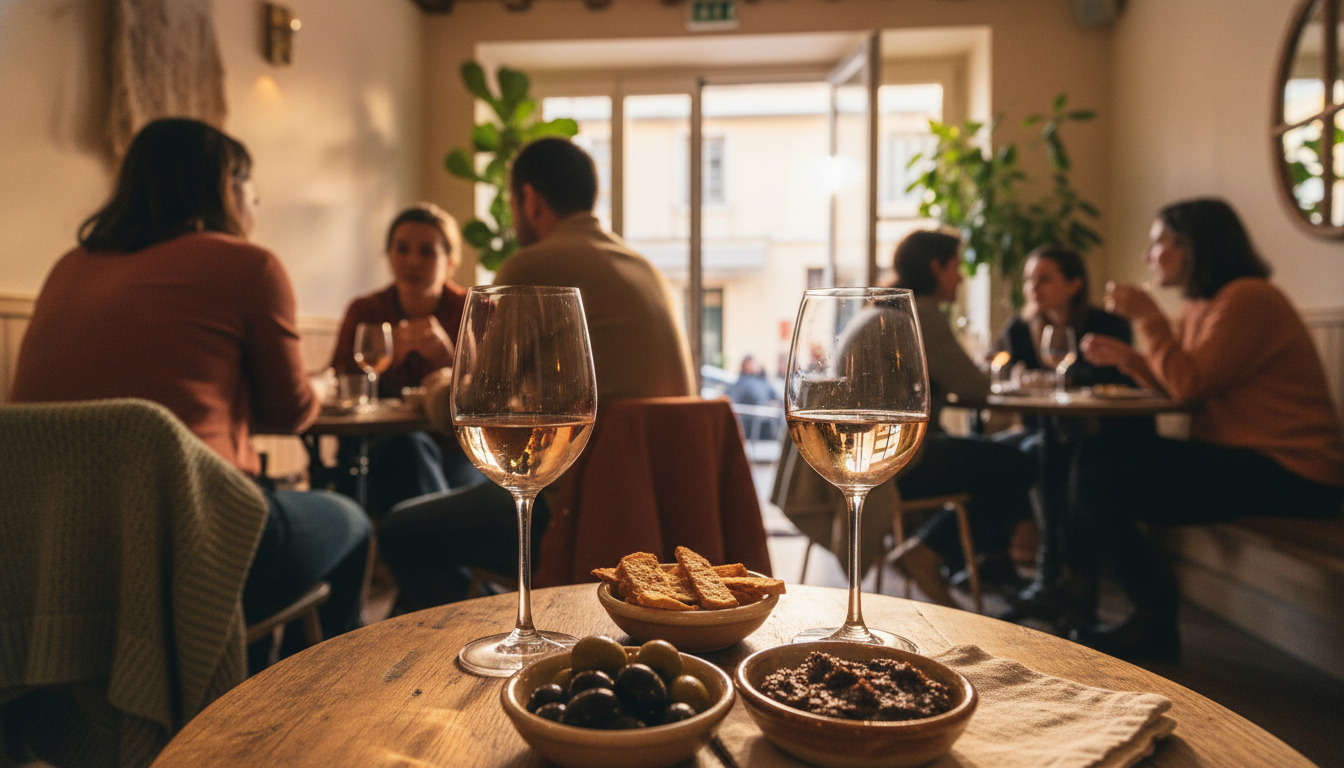 Evening aperitivo scene at a small Nice bar two glasses of pale ros, small dishes of olives and tape
What to Expect from Your French Riviera Host
French home swap hosts, in my experience, tend to be detail-oriented and communicative. Expect to receive a comprehensive guide to their home (appliance instructions, WiFi password, quirks of the building), neighborhood recommendations (their favorite bakery, the butcher they trust, which café has the best terrace), and practical information (garbage collection days, parking if applicable, how to work the shutters).
Many French hosts leave welcome gifts—a bottle of local wine, fresh bread, sometimes a full refrigerator of basics. This isn't universal, but it's common enough that I always try to reciprocate when hosting French guests.
One cultural note: French hosts often want to meet you, either in person for a handover or via video call beforehand. This isn't suspicion—it's relationship-building. They want to know who's staying in their home, and frankly, it makes the whole experience more personal and enjoyable.
Communication Expectations
French hosts generally appreciate prompt responses to messages, respect for their home rules (especially regarding shoes indoors, smoking, noise), a message when you arrive safely, leaving the home clean and tidy, and a thoughtful review after your stay.
Most French people under 50 speak reasonable English, but making an effort with French—even just greetings and thank-yous—goes a long way.
My Honest Assessment: Is Riviera Home Swapping Worth It?
I'll be real with you: home swapping requires more effort than booking a hotel. You need to maintain your own listing, respond to inquiries, sometimes host guests you've never met. There's coordination involved, flexibility required, and occasionally plans fall through.
But for the French Riviera specifically? The value proposition is overwhelming.
This is a destination where traditional travel costs are genuinely prohibitive for most people. A week in a nice Riviera hotel, eating out for every meal, doing the beach clubs and the day trips—you're looking at $5,000-8,000 for a couple, easily. That prices out a huge number of travelers who would absolutely love this coastline.
Home swapping democratizes access. It lets you experience the Riviera the way residents do: shopping at markets, cooking with local ingredients, having a terrace for morning coffee, knowing which bakery makes the best croissants. You're not a tourist passing through; you're temporarily living there.
The savings are real. The experience is richer. And honestly? Staying in someone's actual home, surrounded by their books and art and the life they've built on this stunning coast, is more interesting than any hotel room.
Planning Your French Riviera Home Swap: A Timeline
If you're convinced (and I hope you are), here's how I'd approach planning:
6-8 months before (peak season) or 3-4 months before (shoulder season): Create or update your SwappaHome profile. Start browsing Riviera listings to understand what's available. Begin reaching out to potential hosts with personalized messages.
3-4 months before: Confirm your swap arrangement. Book flights (Nice Côte d'Azur Airport is the main hub). Exchange detailed information with your host. Consider travel insurance that covers your personal belongings.
1 month before: Finalize logistics: key handover, arrival time, any questions about the home. Research your neighborhood: markets, restaurants, beaches, transport. Make any reservations needed (popular restaurants, specific day trips).
1 week before: Confirm arrival details with your host. Download offline maps and translation apps. Check weather and pack accordingly (Riviera casual is still fairly polished).
During your stay: Treat the home with respect. Explore like a local, not a tourist. Take photos of any issues immediately (just in case). Leave a thoughtful review.
Frequently Asked Questions
Is home swapping on the French Riviera safe?
Home swapping on the French Riviera is generally very safe, thanks to community-based accountability. SwappaHome's review system means hosts and guests build reputations over time. Members can verify their identities, and you can read detailed reviews from previous swaps before committing. For extra peace of mind, consider getting your own travel insurance that covers personal belongings.
How much can I save with home exchange versus hotels on the Riviera?
On a two-week French Riviera trip, home swapping typically saves $4,000-6,000 compared to mid-range hotels. Peak season hotel rates in Nice average $280-350/night, while Cannes and Saint-Tropez run even higher. With home exchange, your accommodation cost is zero, plus you save significantly on food by cooking with market-fresh ingredients.
What's the best time of year for French Riviera home swaps?
September and early October offer the best combination of availability, weather, and value for French Riviera home swapping. The summer crowds have thinned, temperatures remain warm (70-77°F/21-25°C), and homeowners are more flexible with arrangements. May is another excellent shoulder-season option with similar benefits.
Do I need to speak French for home swapping on the Côte d'Azur?
You don't need fluent French for Riviera home swapping, but basic phrases help enormously. Most hosts under 50 speak English, and SwappaHome's messaging system handles communication. Learning greetings, thank-yous, and market vocabulary (numbers, "combien," "s'il vous plaît") will enrich your experience and earn goodwill from locals.
Can I find luxury home swaps on the French Riviera?
Yes, luxury properties are available for home swapping on the French Riviera, including apartments in prestigious Nice neighborhoods, villas with pools in the hills above Cannes, and historic properties in villages like Èze. The SwappaHome credit system means these high-value properties cost the same as modest ones: one credit per night, regardless of the home's market value.
The French Riviera will always carry that reputation for glamour and expense. But behind the yacht parties and the €200 beach lunches, there's another Côte d'Azur: one of morning markets and neighborhood cafés, of terrace breakfasts and sunset swims, of real life lived beautifully by the sea.
Home swapping gives you access to that version. And honestly? It's the better one.
I'll see you on the Promenade—rosé in hand, thousands of dollars still in my bank account.

Published by
SwappaHome
SwappaHome Editorial Team
Home Exchange & Slow Travel Editorial
The SwappaHome Editorial Team brings together travel research, home-exchange community insights, and platform data to produce practical guides for first-time and experienced home swappers. Every article cites real platforms, current market rates, and verifiable city-level facts so readers can make informed decisions without guessing.
Ready to try home swapping?
Join SwappaHome and start traveling by exchanging homes. Get 7 free credits when you sign up!
Related articles

Bachelor and Bachelorette Parties in Singapore: The Complete Home Swap Group Guide for 2026
Planning a bachelor or bachelorette party in Singapore? Discover how home swapping lets groups of 6-12 stay together in luxury condos, saving thousands while partying in Marina Bay.
Cycling in Lisbon: 7 Home Swap Bike Tour Itineraries for Every Rider
Discover the best cycling routes in Lisbon with these home swap bike tour itineraries—from waterfront paths to hilltop adventures, all starting from your borrowed home.

Graduation Trip to Barcelona: How Home Swapping Gives New Graduates the Ultimate Celebration
Planning a graduation trip to Barcelona? Discover how home swapping lets new graduates explore Spain's most vibrant city without the hostel crowds or hotel costs.