Home Exchange in Perth: 7 Hidden Gem Neighborhoods the Guidebooks Miss

SwappaHome Editorial Team
Home Exchange & Slow Travel Editorial
Skip Fremantle's tourist crowds. These underrated Perth neighborhoods offer authentic home exchange experiences—from riverside suburbs to artsy enclaves locals actually love.
I almost didn't go to Perth.
My friend had described it as "nice but kind of boring"—the Australian city that gets overshadowed by Sydney's glamour and Melbourne's hipster cred. But then I stumbled across a home exchange listing in a suburb I'd never heard of, saw the photos of a sun-drenched cottage with a lemon tree in the backyard, and thought: why not?
That decision changed how I think about home exchange in Perth entirely.
Here's the thing most travelers don't realize: Perth's magic isn't in its city center or even its famous beaches. It's in the quiet pockets—the riverside suburbs where kookaburras wake you at dawn, the artsy neighborhoods with hole-in-the-wall cafés, the coastal villages that feel like they've been frozen in the 1970s. These are the places where home exchange actually makes sense. You're not just saving money on accommodation. You're genuinely living like a local.
After three separate swaps in Western Australia over the past four years, I've developed strong opinions about where to base yourself. Forget the generic "stay in Fremantle" advice. Let me show you the Perth neighborhoods that'll make your home exchange unforgettable.
Why Perth's Hidden Neighborhoods Are Perfect for Home Exchange
Before I get into specifics, let me explain why Perth is uniquely suited to the home swap lifestyle.
Perth is isolated. Really isolated—closer to Singapore than to Sydney. This geographic quirk means the city developed its own distinct culture, one that's surprisingly community-oriented. Neighbors actually know each other. People leave their doors unlocked. (I know, I was shocked too.) There's a trust culture here that makes home exchange feel natural.
The other thing? Perth sprawls. Unlike compact European cities where you can walk everywhere, Perth spreads along the Swan River and Indian Ocean coastline for over 100 kilometers. The neighborhood you choose dramatically affects your experience. Stay in the wrong area and you'll spend half your trip in traffic. Stay in the right one and you'll wonder why anyone bothers with the tourist zones.
Home exchange costs in Perth typically run around $150-200 USD per night if you were paying hotel rates in decent areas. In the hidden gems I'm about to share? You're looking at saving $3,000-4,000 on a two-week stay. That's real money.
Maylands: The Riverside Suburb Nobody Talks About
I'll start with my personal favorite because I genuinely don't understand why more travelers don't know about Maylands.
Maylands sits on a peninsula that curves into the Swan River, about 6 kilometers northeast of the CBD. It's technically inner-city but feels like a country town. The main strip—Eighth Avenue—has this wonderful mix of Vietnamese restaurants, independent bookshops, and the kind of bakeries where they know your order after two visits.
What makes it perfect for home exchange? The housing stock is incredible. We're talking 1920s character homes with jarrah floorboards, high ceilings, and established gardens. Many have been lovingly restored by young families who've been priced out of trendier suburbs. The home I swapped into had a clawfoot bathtub, a fireplace (yes, Perth gets cold in winter), and a pomegranate tree I raided daily.
Maylands also has direct train access to the city—12 minutes to Perth Underground—and cycling paths along the river. I'd wake up, grab a flat white from Harvest Espresso ($4.50 AUD / $3 USD), and cycle to the Maylands Waterland. It's this bizarre abandoned water park that's become an unofficial sculpture garden.
The vibe is young professionals, artists, and families. Not touristy at all. My swap host left me a list of her favorite spots, and not a single one appeared in any guidebook I checked.
Best for: Couples, solo travelers who want walkable neighborhoods, anyone who values character homes over modern apartments.
Mount Lawley and Highgate: Perth's Answer to Melbourne
Okay, these two suburbs are slightly less "hidden" than the others—locals definitely know them—but international visitors consistently overlook them for Fremantle or the beaches.
Mount Lawley (or "Mt Lawley" as everyone calls it) bleeds into Highgate, and together they form Perth's most culturally interesting pocket. Think vintage shops, record stores, art-house cinemas, and restaurants that would hold their own in any major city.
Beaufort Street is the spine of this area—a long strip of cafés, bars, and boutiques that comes alive at night. I had one of the best meals of my Australian travels at Clarences ($35-50 USD for dinner), a tiny wine bar where the chef changes the menu based on what looks good at the market.
The home exchange options here tend toward renovated workers' cottages and art deco apartments. Smaller than Maylands properties, but you're trading space for walkability. I knew someone who did a three-week swap in a Highgate apartment and didn't rent a car once—everything she needed was within a 15-minute walk.
One thing I love about this area: the Astor Theatre. It's a 1930s cinema that still shows films on actual film reels. Watching a classic movie there, surrounded by original fixtures and velvet seats, felt like time travel.
Best for: Culture lovers, foodies, anyone who wants urban energy without CBD sterility.
Victoria Park: Where Young Perth Actually Lives
Victoria Park—"Vic Park" to literally everyone—is having a moment. But it hasn't fully gentrified yet, which means you get the energy of an up-and-coming neighborhood without the pretension.
The main drag is Albany Highway, a long stretch that's equal parts Greek bakeries (Perth has a significant Greek community), Vietnamese pho joints, and hipster coffee roasters. It's chaotic and wonderful. Not polished. Not curated. Just real.
I did a home exchange here during my second Perth trip, staying in a 1950s brick bungalow that the owners had transformed into something out of a design magazine. They'd kept the original terrazzo floors but added modern touches—a huge kitchen island, indoor plants everywhere, one of those outdoor showers that makes you feel like you're in a resort.
Vic Park is also gateway to some of Perth's best nature experiences. The Causeway connects you to Heirisson Island, where wild kangaroos hang out. Yes, really—in the middle of the city. And you're a short drive from the Perth Hills, which I'll get to later.
The community here skews young—lots of share houses, creative types, and first-time homebuyers. This means the home exchange listings tend to be more eclectic: converted garages, granny flats, and the occasional stunning renovation.
Best for: Budget-conscious travelers, those who want authentic local vibes, people who don't mind a bit of grit.
Cottesloe and Swanbourne: Beach Life Without the Crowds
I know what you're thinking—Cottesloe isn't exactly hidden. It's Perth's most famous beach. But here's the thing: tourists visit Cottesloe for the day. They don't stay there. And there's a massive difference between fighting for parking at 11am and waking up in a cottage three blocks from the sand.
Swanbourne, just north of Cottesloe, is even better for home exchange. It's technically a nude beach area (don't worry, clothing-optional is only at the north end), but the suburb itself is this sleepy pocket of million-dollar homes hidden behind Norfolk pines. Quieter than Cottesloe, less scene-y, more families and retirees.
The home exchange properties in this coastal strip are genuinely special. Heritage homes with ocean glimpses, apartments with sunset balconies, and the occasional beach shack that's been in someone's family for generations. My friend did a swap in Swanbourne last year—a 1960s beach house that still had the original kitchen and a collection of vintage surfboards on the walls.
Both suburbs have train stations (Cottesloe and Swanbourne on the Fremantle line), and you can cycle the coastal path all the way to Fremantle in about 30 minutes. The Indiana Tea House at Cottesloe does a surprisingly good breakfast ($15-25 USD), and the sunsets from the beach are legitimately world-class.
Best for: Beach lovers, families, anyone prioritizing morning swims and evening sunsets.
Guildford and the Swan Valley: Wine Country Home Exchange
Now we're getting into properly hidden territory.
Guildford is Perth's oldest inland town, founded in 1829. It sits at the start of the Swan Valley wine region, about 15 kilometers from the CBD. The main street looks like it was lifted from a period drama—colonial-era buildings, antique shops, and cafés in converted stables.
The home exchange angle here is unique: you're not just getting accommodation, you're getting access to wine country. The Swan Valley has over 40 wineries, most of them small family operations where the winemaker pours your tasting. Sandalford ($15 USD for a tasting flight), Houghton (one of Australia's oldest wineries), and the smaller boutique places along West Swan Road—they're all within a 10-minute drive.
I spent a week in Guildford during a swap, staying in a renovated 1890s cottage with a wrap-around verandah. The owners had left detailed notes on their favorite wineries, the best spots for cheese and charcuterie, and a warning about the cockatoos that would try to steal food off the outdoor table. They weren't kidding.
The area also has incredible food. The Guildford Hotel does excellent pub meals ($18-30 USD), and there's a weekend farmers market where you can stock up on local produce for the week.
Best for: Wine enthusiasts, couples seeking romance, anyone who wants countryside vibes with city access.
Kalamunda and the Perth Hills: Escape the Heat
Here's a secret about Perth: it gets hot. Really hot. Summer temperatures regularly hit 40°C (104°F), and the coastal suburbs offer limited relief. But head 25 kilometers east into the Perth Hills, and the temperature drops 5-8 degrees.
Kalamunda is the main town up here—a former timber settlement that's become a weekend escape for Perth locals. The air smells different: eucalyptus, wildflowers, and the particular freshness that comes with elevation. It's only 300 meters above sea level, but it feels like a different world.
The home exchange opportunities in the Hills tend toward larger properties—often on acreage with bushland views. I've seen listings for converted churches, architect-designed bush retreats, and farmhouses with resident alpacas. If you're traveling with kids or want space to spread out, this is your area.
The hiking here is exceptional. The Bibbulmun Track, one of Australia's great long-distance walks, passes through. You can do day sections or just explore the network of trails through Kalamunda National Park. Lesmurdie Falls is a 30-minute walk to a waterfall that's genuinely impressive after winter rains.
The downside: you'll need a car. Public transport to the Hills is limited, and while the views are stunning, you'll be driving 30-40 minutes to reach the beaches or city center.
Best for: Nature lovers, families wanting space, anyone visiting in summer who wants to escape the heat.
North Fremantle and Mosman Park: The Sophisticated Secret
Fremantle gets all the attention—and don't get me wrong, Freo is wonderful. But the suburbs just north of it, along the river, offer something different: the charm without the tourists.
North Fremantle is a sliver of a suburb wedged between the river and the ocean. It has maybe four streets, a handful of excellent restaurants, and some of the most architecturally interesting homes in Perth. The old wool stores along the water have been converted into apartments, and there's a mix of heritage cottages and striking modern builds.
Mosman Park, slightly further east, is old money Perth. Tree-lined streets, grand homes, and a quietness that feels almost European. The beach here—Mosman Beach—is tiny and usually empty. I've had it entirely to myself on weekday mornings.
The home exchange properties in these suburbs tend to be higher-end: architect-designed homes, river-view apartments, and the occasional heritage mansion. If you're looking for a more luxurious swap experience, this is where to focus your search.
Both suburbs have train stations and are cycling distance to Fremantle proper (10-15 minutes). You get the best of both worlds: peaceful home base, vibrant Freo whenever you want it.
Best for: Design lovers, those seeking quieter luxury, anyone who wants Fremantle access without Fremantle crowds.
Planning Your Perth Home Exchange: Practical Tips
After multiple swaps in Western Australia, I've learned a few things the hard way.
Timing matters enormously. Perth's weather is Mediterranean—hot dry summers, mild wet winters. October to November (spring) and March to April (autumn) are ideal: warm enough for beaches, cool enough for hiking. Summer (December-February) can be brutally hot, especially inland. Winter (June-August) brings rain but also wildflowers in the Hills—genuinely spectacular if you time it right.
Cars are almost essential unless you're staying in the inner suburbs (Maylands, Mt Lawley, Vic Park). Perth's public transport is decent but limited compared to European or Asian cities. Many home exchange hosts include car access or can recommend rental options. Budget around $40-60 USD per day for a rental.
The isolation is real—and wonderful. Perth is the most isolated major city on Earth. Fewer international tourists, more genuine local experiences, and a pace of life that feels genuinely relaxed. It also means flights from the east coast of Australia take 4-5 hours. Plan accordingly.
Home exchange listings in Perth tend to be well-maintained and honest. The community here takes pride in their homes, and I've consistently found that properties exceed their photos. On SwappaHome, you can filter by Perth suburbs specifically—I'd recommend saving searches for 3-4 of the neighborhoods I've mentioned and being flexible on dates.
Making the Most of Your Perth Home Swap
The best advice I can give? Slow down.
Perth isn't a city you rush through. There aren't must-see monuments or bucket-list attractions. The joy is in the everyday: morning swims, long breakfasts, wandering through suburbs you've never heard of, discovering a café that becomes your daily ritual.
Home exchange amplifies this. When you're staying in someone's actual home, in a neighborhood where people actually live, you naturally fall into local rhythms. You shop at the local deli. You nod at the same dog walkers each morning. You discover the beach that locals keep secret from tourists.
I've traveled to over 25 countries through home swapping, and Perth remains one of my favorite experiences. Not because it's flashy or famous, but because it showed me what travel can feel like when you stop being a tourist and start being a temporary local.
The hidden neighborhoods I've shared aren't in guidebooks. They're the kind of places you only discover when you have a reason to look—like a home exchange listing that catches your eye, in a suburb you've never heard of, with a lemon tree in the backyard.
Trust me. Click on it.
Frequently Asked Questions
Is home exchange in Perth safe for first-time swappers?
Perth is consistently ranked among the world's safest cities, and its strong community culture makes home exchange particularly straightforward here. The neighborhoods I've recommended all have low crime rates and friendly, trustworthy communities. SwappaHome's review system helps you verify hosts, though I'd always recommend getting your own travel insurance for peace of mind.
How much can I save with home exchange in Perth compared to hotels?
Decent hotels in Perth's desirable suburbs run $150-250 USD per night. Over a two-week stay, you're looking at $2,100-3,500 in accommodation costs alone. Home exchange eliminates this entirely—you'll only spend credits you've earned by hosting others. Plus, having a kitchen saves another $50-100 daily on restaurant meals.
What's the best time of year for a Perth home exchange?
Spring (September-November) offers ideal weather: warm days around 25°C (77°F), wildflowers blooming in the Hills, and fewer crowds than summer. Autumn (March-May) is equally pleasant. Avoid December-February unless you love extreme heat, and note that June-August brings rain but also lower demand for swaps.
Do I need a car for home exchange in Perth's hidden neighborhoods?
For inner suburbs like Maylands, Mount Lawley, Victoria Park, and North Fremantle, you can manage without a car using trains and cycling. For the Hills, Swan Valley, or beach suburbs, a car significantly improves your experience. Many Perth hosts offer car-sharing arrangements or can recommend local rental companies.
How far in advance should I arrange a Perth home exchange?
I'd recommend starting your search 3-4 months ahead, especially for spring and autumn visits. Perth's home exchange community is active but smaller than European cities, so popular properties book quickly. Being flexible on exact suburbs—say, open to either Maylands or Victoria Park—dramatically increases your options.

Published by
SwappaHome
SwappaHome Editorial Team
Home Exchange & Slow Travel Editorial
The SwappaHome Editorial Team brings together travel research, home-exchange community insights, and platform data to produce practical guides for first-time and experienced home swappers. Every article cites real platforms, current market rates, and verifiable city-level facts so readers can make informed decisions without guessing.
Ready to try home swapping?
Join SwappaHome and start traveling by exchanging homes. Get 7 free credits when you sign up!
Related articles
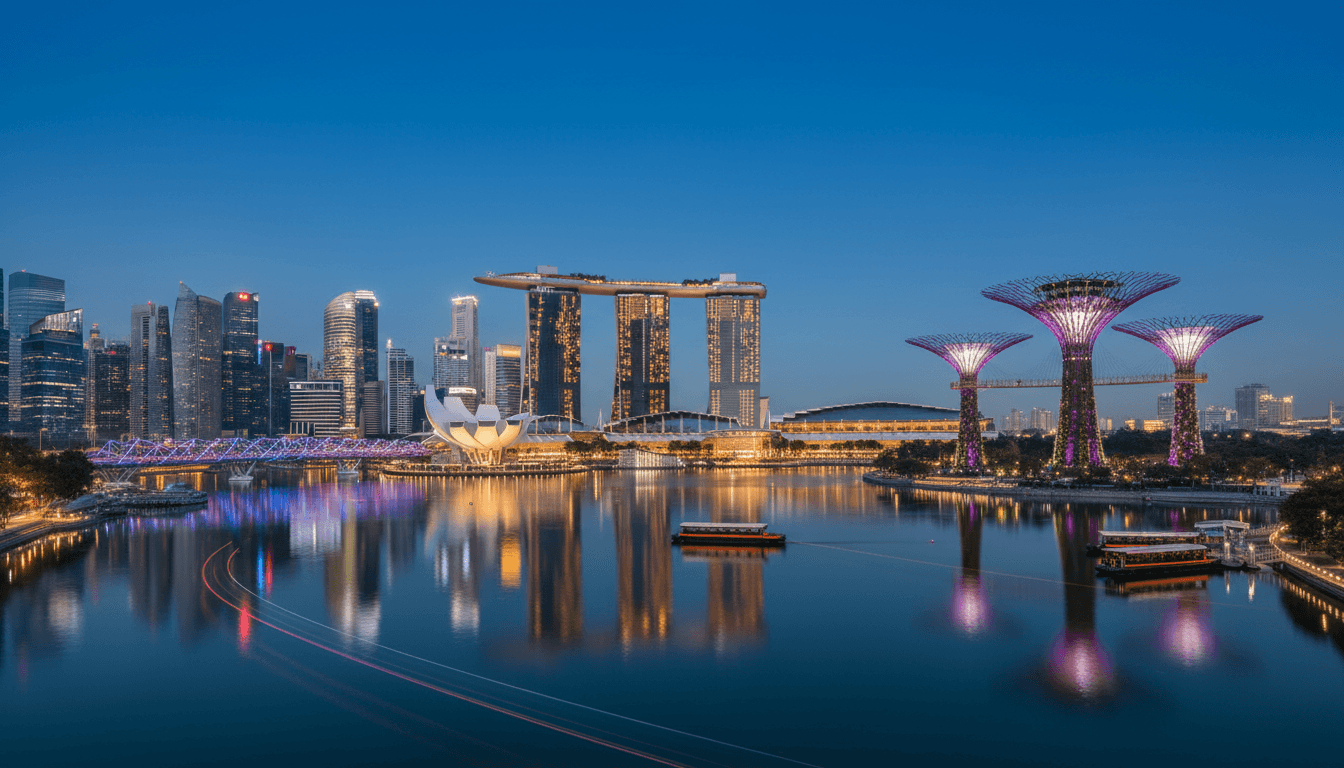
Bachelor and Bachelorette Parties in Singapore: The Complete Home Swap Group Guide for 2026
Planning a bachelor or bachelorette party in Singapore? Discover how home swapping lets groups of 6-12 stay together in luxury condos, saving thousands while partying in Marina Bay.
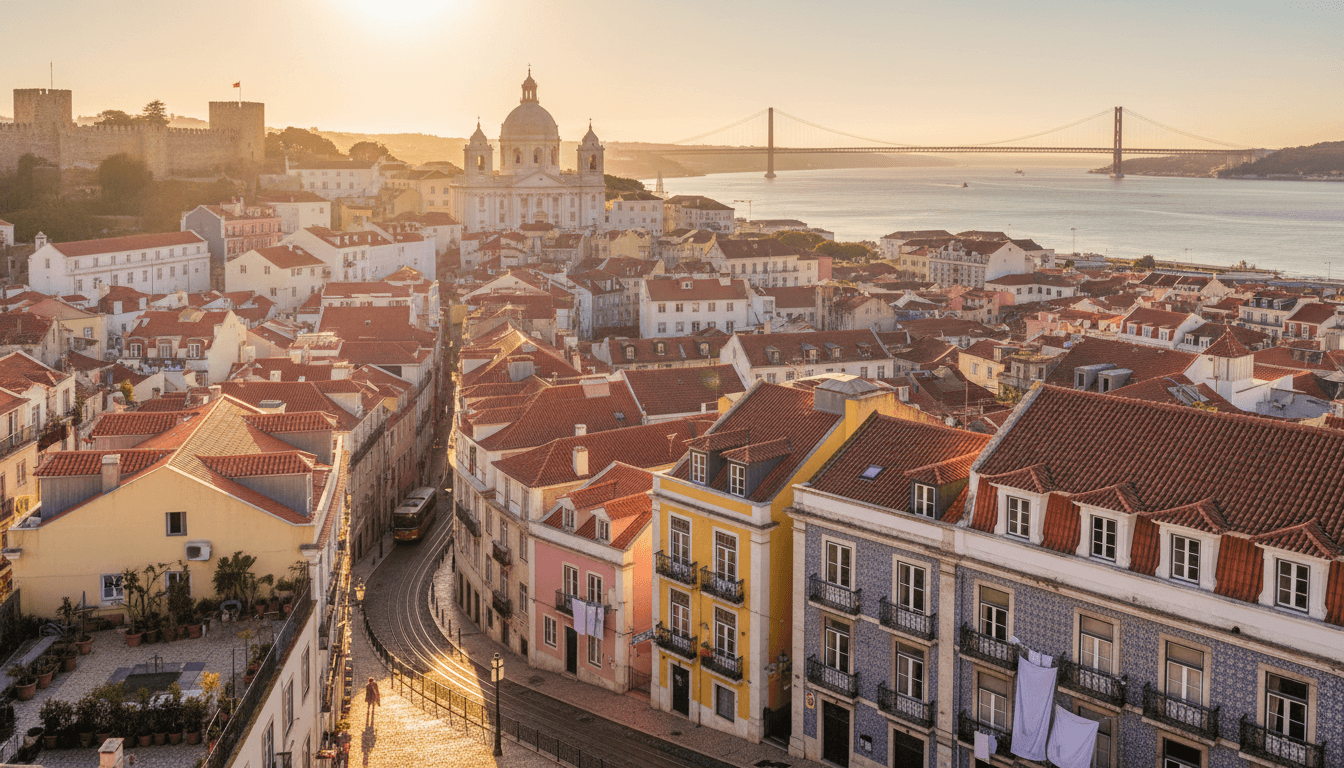
Cycling in Lisbon: 7 Home Swap Bike Tour Itineraries for Every Rider
Discover the best cycling routes in Lisbon with these home swap bike tour itineraries—from waterfront paths to hilltop adventures, all starting from your borrowed home.
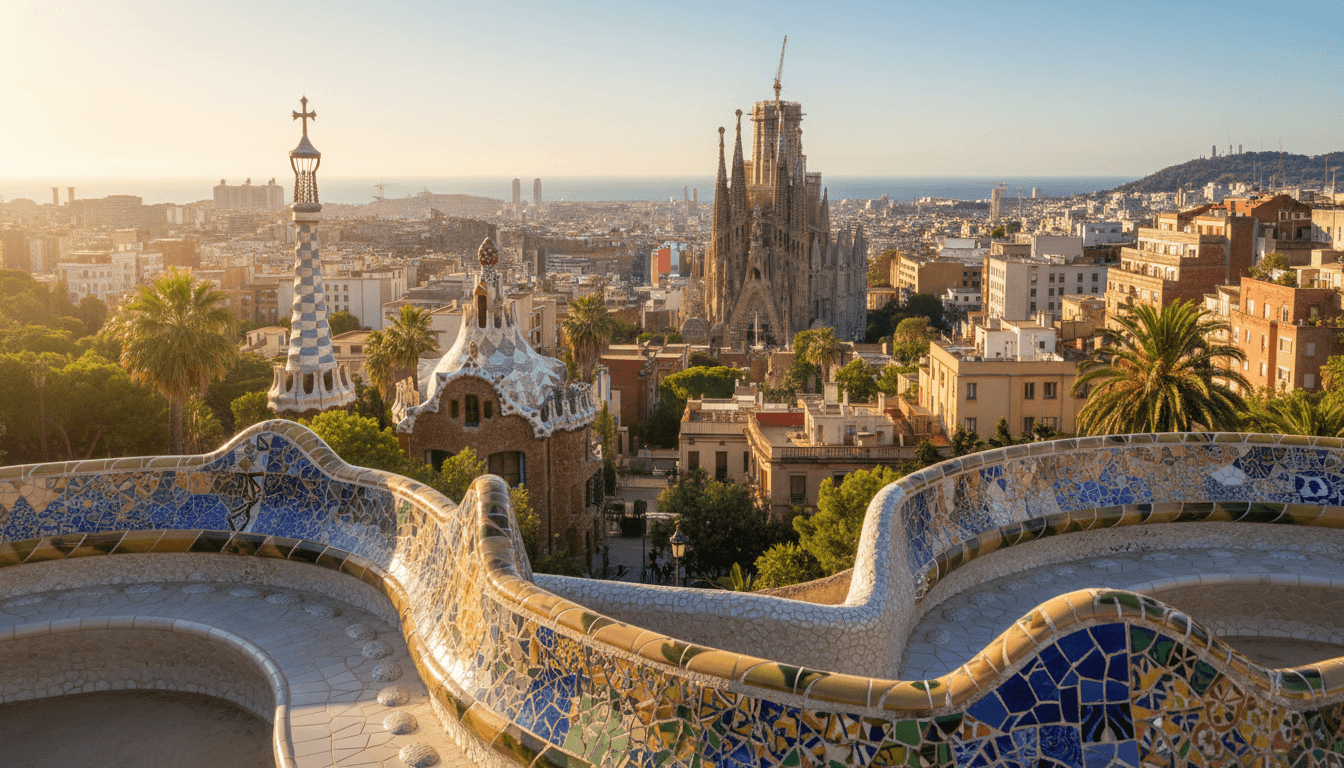
Graduation Trip to Barcelona: How Home Swapping Gives New Graduates the Ultimate Celebration
Planning a graduation trip to Barcelona? Discover how home swapping lets new graduates explore Spain's most vibrant city without the hostel crowds or hotel costs.