
Home Exchange in Taipei: Your Complete Guide to Free Accommodation in Taiwan

SwappaHome Editorial Team
Home Exchange & Slow Travel Editorial
Discover how home exchange in Taipei can save you thousands while living like a local. Real tips from 7 years of swapping homes across Asia.
The night market steam was rising around me, mixing with the scent of stinky tofu and grilled sausages, when it hit me—I'd spent exactly $0 on accommodation for my entire two-week stay in Taipei. Not a hostel bunk. Not a friend's couch. A proper apartment in Da'an District with a balcony overlooking a temple, a kitchen stocked with local tea, and a neighbor who brought me homemade pineapple cakes on my third day.
Home exchange in Taipei changed how I travel through Taiwan. And honestly? It changed what I thought was possible on a budget.
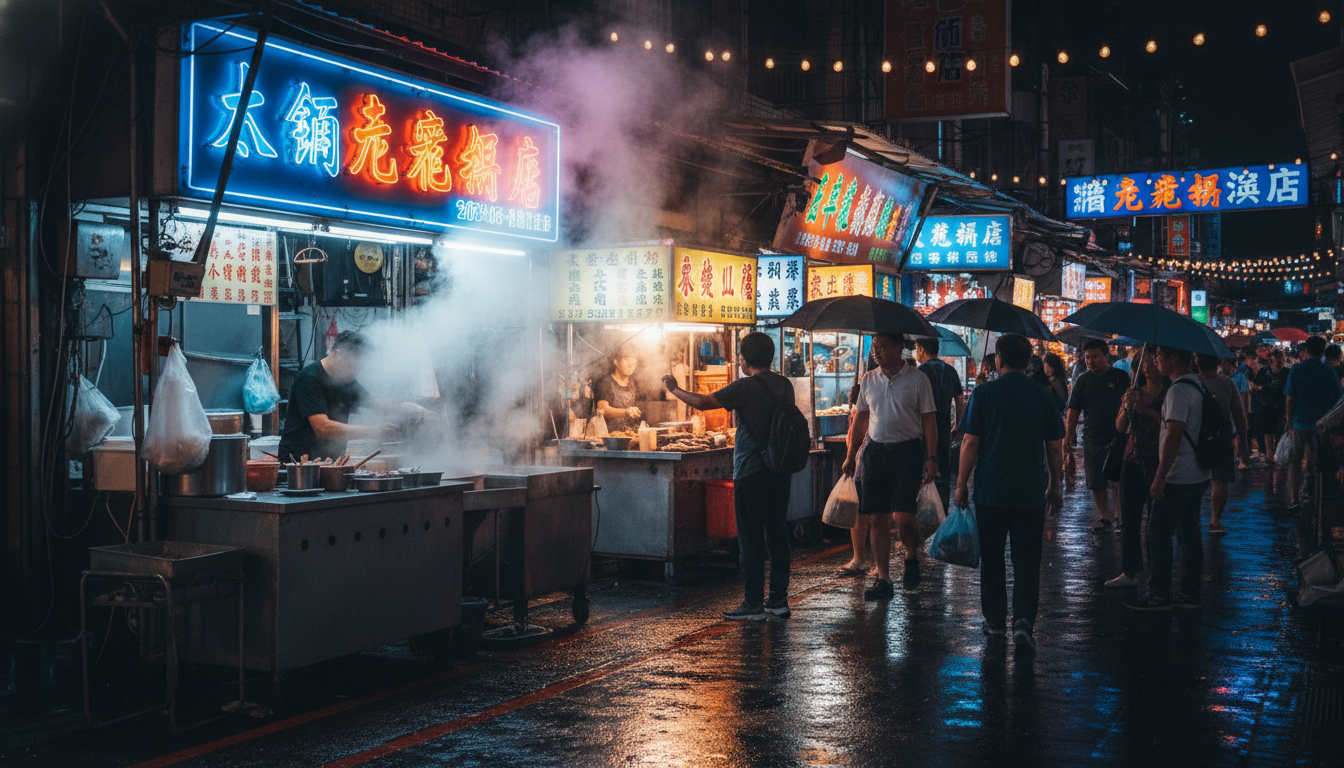 Steam rising from a bustling Taipei night market stall with colorful signs and locals gathered aroun
I've been swapping homes for seven years now, across 25 countries and counting. But Taiwan holds a special place in my heart. There's something about the combination of incredible food, genuine hospitality, and the sheer affordability of everything except accommodation that makes home exchange here feel like unlocking a cheat code.
So here's how to make it happen.
Why Home Exchange in Taipei Makes Financial Sense
The math convinced me to try my first Taipei home swap back in 2019.
A decent hotel in central Taipei runs about $120-180 USD per night. Nothing fancy—we're talking a clean room in Zhongshan or Xinyi, maybe breakfast included if you're lucky. For two weeks, that's $1,680-2,520 USD just to sleep. An Airbnb in a good neighborhood? Slightly better at $80-120 per night, but you're still looking at $1,120-1,680 USD for the same period. Plus cleaning fees. Plus service fees.
It adds up fast.
With home exchange, I spent zero on accommodation. Not reduced. Zero.
That freed up budget for things that actually matter in Taipei: the $3 bowl of beef noodle soup at Lin Dong Fang that I still dream about, the day trip to Jiufen where I bought too many ceramic tea cups, the random Tuesday when I decided to take the high-speed rail to Tainan just because I could.
The financial freedom is real. But honestly? It's not even the best part.
How Home Exchange Actually Works for Taipei Trips
I get this question constantly, so let me break it down.
Home exchange platforms like SwappaHome use a credit system. When you host travelers at your place, you earn credits—one credit per night, regardless of whether you live in a San Francisco apartment or a rural cabin. When you want to travel, you spend credits to stay at other members' homes. Same deal: one credit per night, whether you're booking a studio in Taipei or a villa in Bali.
The beauty is that it's not a direct swap. You don't need to find someone from Taipei who desperately wants to visit your exact city at the exact same time. That would be a logistical nightmare.
Instead, you might host a family from Seoul for a week, earn 7 credits, then use those credits six months later to stay in Taipei. The person whose Taipei apartment you're using might be off traveling somewhere else entirely, using credits they earned from previous guests. It's like a global network of hospitality.
And it actually works.
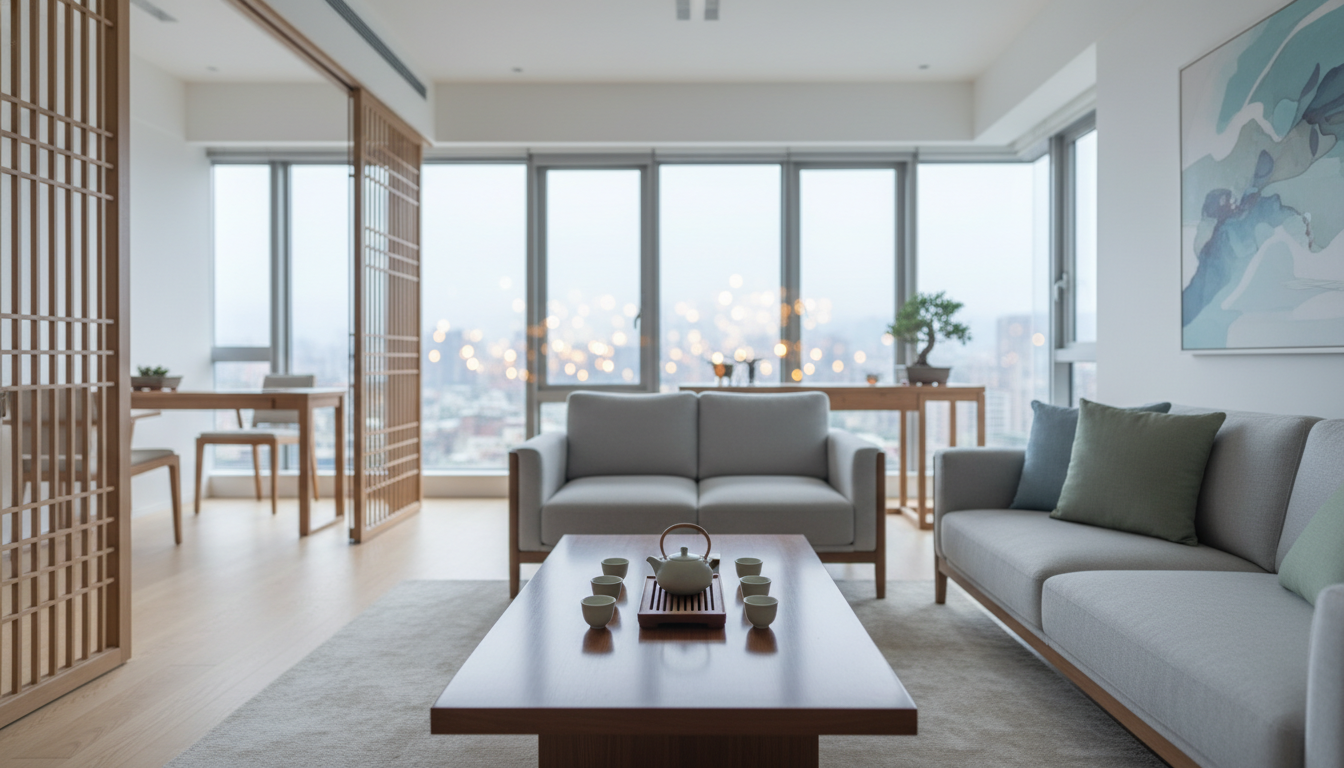 Cozy Taipei apartment interior with large windows showing city lights, modern furniture mixed with t
Best Taipei Neighborhoods for Home Exchange Stays
Not all Taipei neighborhoods are created equal for home swappers. After multiple stays across the city, I've developed strong opinions.
Da'an District: The Sweet Spot
This is where I stayed during my longest Taipei home exchange, and I'd go back in a heartbeat.
Da'an sits right in the center of the city, walking distance to multiple MRT lines, packed with cafes and restaurants, but somehow still feels residential and calm. The apartment I swapped into was on a quiet lane near Daan Forest Park—Taipei's version of Central Park, but smaller and somehow more charming. Morning tai chi practitioners, afternoon picnickers, evening joggers.
I fell into a routine: coffee from a tiny shop on Yongkang Street, work from the apartment balcony, sunset walks through the park.
Homes in Da'an tend to be modern apartments, often in buildings with doormen. You'll find a mix of young professionals and families, which means the neighborhood stays lively but not chaotic.
Zhongshan: For First-Time Visitors
If you've never been to Taipei, Zhongshan might be your best bet for a home exchange. It's central, well-connected, and has that blend of local life and visitor-friendly amenities that makes exploring easy.
The area around Zhongshan MRT station is full of boutique shops, Japanese-influenced cafes (Taiwan's history with Japan shows up everywhere), and some of the best massage spots in the city. I once got a 90-minute foot massage for $25 USD that I'm still not over.
Home exchange options here range from older apartments with character to newer high-rises with rooftop access. Ask your host about building amenities—some of these places have gyms and pools that'll make you forget you're not at a hotel.
Songshan: The Underrated Choice
Most tourists skip Songshan entirely. Which is exactly why I love it for home exchanges.
The neighborhood surrounds Songshan Airport (domestic flights only, so minimal noise) and the famous Raohe Night Market. It's less polished than Da'an, more lived-in than Zhongshan, and gives you that "I actually live here" feeling that makes home exchange worth it.
My friend did a two-week swap in Songshan last year and spent most evenings at Raohe, working her way through every stall. Pepper buns at the entrance, then a slow meander past the game stalls and clothing vendors, ending with medicinal soup from a shop that's been there for decades. She spent maybe $10 a night on dinner and ate like royalty.
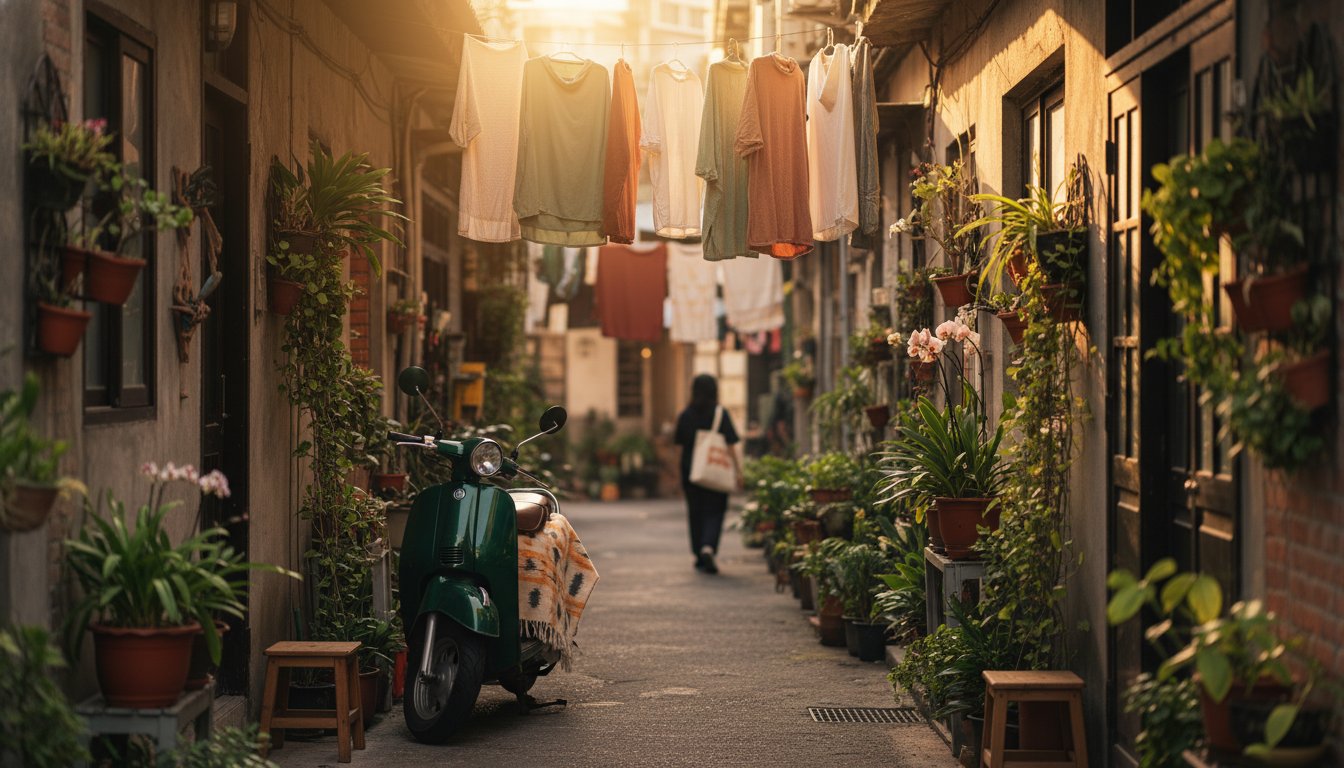 Narrow Taipei alley in Songshan district with potted plants outside doorways, a scooter parked again
Finding Your Perfect Taipei Home Exchange
Alright, let's get practical.
Start Your Search 3-4 Months Early
Taipei isn't like Paris or London where there are thousands of home exchange listings. The pool is smaller, which means you need to plan ahead. I start browsing listings about four months before my trip, and I reach out to potential hosts around the three-month mark.
This gives you time to exchange messages, ask questions about the neighborhood, and build a bit of rapport before committing. I've had hosts share Google Docs full of restaurant recommendations, transit tips, and even introductions to their neighbors. That kind of connection doesn't happen when you're scrambling to book something last-minute.
Write a Genuine Introduction
Your first message to a potential host matters more than you think.
Skip the generic "Hi, I'd love to stay at your place" approach. Instead, mention something specific about their listing—maybe you noticed they have a collection of records, or their balcony garden looks incredible, or you're excited about the night market they mentioned nearby. I always share a bit about myself too: that I'm a travel writer, that I've been home swapping for years, that I treat other people's homes like my own.
Hosts want to know who's staying in their space. A thoughtful message goes a long way.
Ask the Right Questions
Before confirming any Taipei home exchange, I always ask about:
Internet speed and reliability. I work remotely, so this is non-negotiable for me. Taiwan generally has excellent internet, but older buildings can be hit or miss. Ask for a speed test result if you need to work.
Air conditioning situation. Taipei summers are brutal—humid and hot from May through September. Make sure the AC works well and covers the bedroom at minimum. I learned this the hard way during a July swap where the AC only cooled the living room. Never again.
Kitchen equipment. If you're planning to cook (and you should, because Taiwanese groceries are incredible), ask about basics like a rice cooker, pots and pans, and whether there's a nearby traditional market for fresh produce.
Neighborhood noise. Some Taipei streets are quiet; others have temples that play music at 5 AM or night markets that run until midnight. Neither is bad, but you should know what you're getting into.
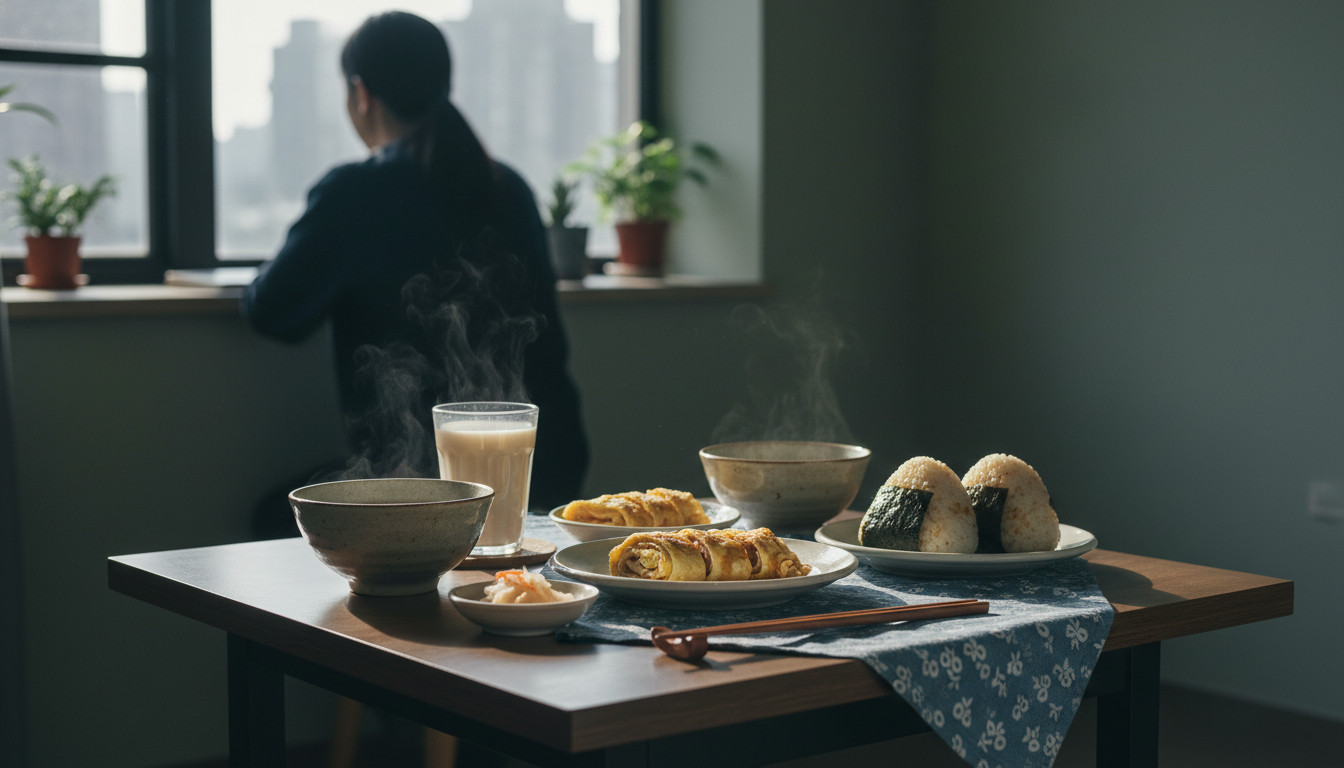 Traditional Taiwanese breakfast spread on a small apartment table soy milk, dan bing egg crepe, rice
Making the Most of Free Accommodation in Taipei
Having a home base changes how you experience a city. Here's how I maximize the home exchange advantage.
Cook Like a Local
One of my favorite Taipei mornings started at 6 AM at the Dongmen Market, a traditional wet market near Yongkang Street.
I wandered through stalls piled with bok choy and winter melon, picked up some fresh tofu, grabbed eggs from a vendor who'd been there for thirty years, and walked back to my swapped apartment to make breakfast. That experience—the market chaos, the neighborhood aunties giving me cooking advice in broken English, the satisfaction of eating something I'd made in a real kitchen—doesn't happen in a hotel.
Traditional markets worth visiting: Dongmen Market (Da'an), Binjiang Market (Songshan), and the smaller morning market near Shuanglian MRT. Go early, bring cash, and don't be afraid to point at things you can't name.
Embrace the Neighborhood Rhythm
When you're staying in someone's home, you inherit their neighborhood. And Taipei neighborhoods have distinct personalities that reveal themselves slowly.
In Da'an, I discovered that the coffee shop three blocks from my swap apartment did a pour-over for 80 TWD (about $2.50 USD). The owner started recognizing me by day three. By day ten, he was recommending beans and asking about my writing.
In Zhongshan, I found a breakfast spot—one of those old-school places with plastic stools and a menu on the wall—where the same elderly couple ate every morning. We never spoke beyond "ni hao," but there was something comforting about sharing that routine.
These aren't tourist experiences. They're life experiences. And they only happen when you have a home base to return to.
Use Your Savings Strategically
Free accommodation means your travel budget goes further.
Day trips become possible. The high-speed rail to Taichung takes 45 minutes and costs about $25 USD each way. Suddenly a day trip to see the National Taichung Theater or explore the Miyahara ice cream shop (yes, it's worth it) is totally reasonable.
Splurge meals happen. I usually keep food spending low—night markets and local spots—but with accommodation savings, I can justify one fancy dinner. Last trip, I did a kaiseki-style meal at a place in Xinyi that cost $150 USD and was genuinely one of the best meals of my life.
Experiences over things. A pottery class in Yingge, the ceramics town outside Taipei. A private tea ceremony in Maokong. A cooking class focused on Taiwanese home cooking. These things cost money, but they're worth it when you're not hemorrhaging cash on a hotel room.
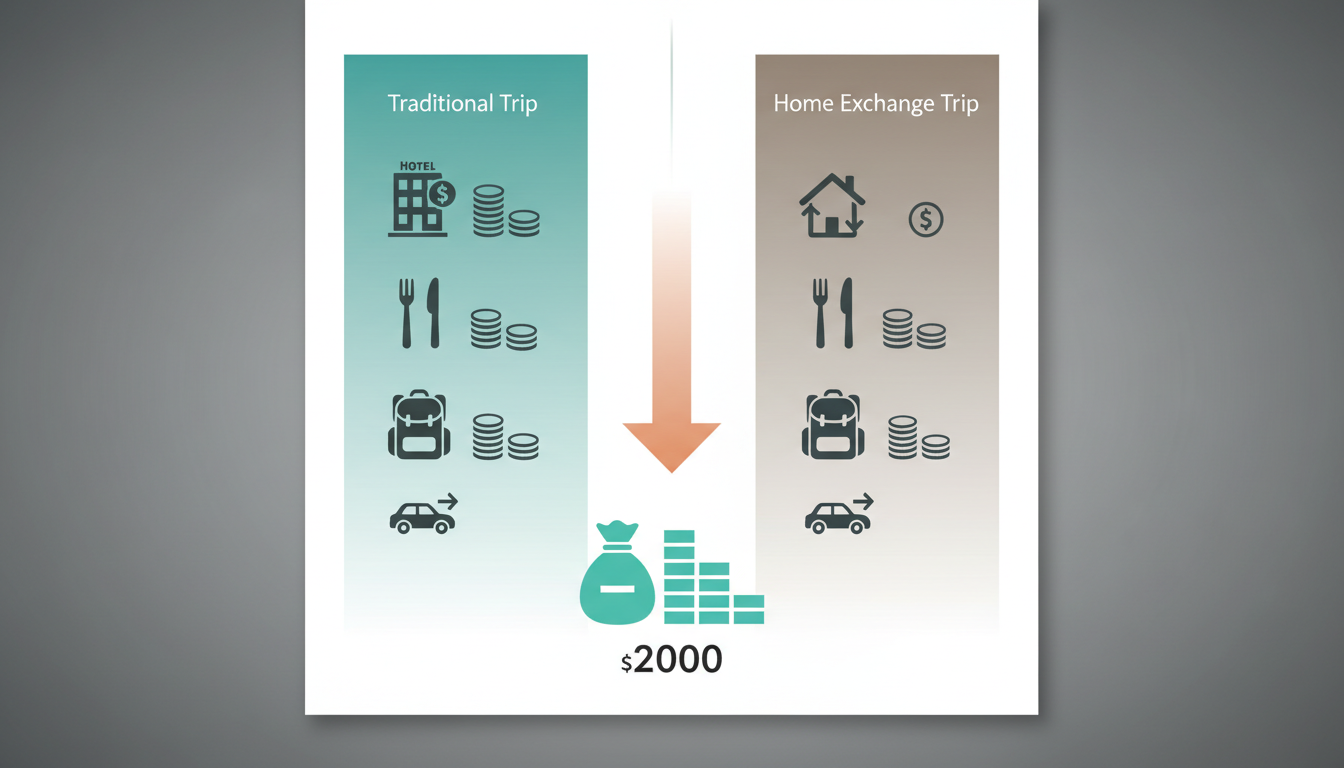 Infographic showing budget comparison - two columns labeled Traditional Trip and Home Exchange Trip
Practical Tips for Taipei Home Exchange Success
After multiple swaps in Taiwan, I've collected some specific advice that might save you headaches.
Transportation From the Airport
Taoyuan International Airport is about 40 minutes from central Taipei by MRT. The airport line is clean, efficient, and costs around $5 USD. Don't bother with taxis unless you're arriving super late or have excessive luggage.
Ask your host if they have an EasyCard (Taiwan's transit card) you can use. Many home exchange hosts leave one for guests, pre-loaded with some credit. If not, buy one at any convenience store—they work on the MRT, buses, and even at 7-Eleven for purchases.
The Weather Factor
Timing matters for Taipei home exchanges.
Spring (March-May) is ideal: comfortable temperatures, occasional rain but nothing dramatic, and the city feels alive without being overwhelmed by tourists.
Summer (June-August) is hot and humid, with afternoon thunderstorms that are actually kind of beautiful if you're watching from a balcony. Just make sure your swap has good AC.
Fall (September-November) brings typhoon season, which sounds scarier than it is. Flights might get delayed, and you'll have a day or two stuck inside, but Taipei handles typhoons well. Stock up on snacks and embrace the forced rest day.
Winter (December-February) is mild but damp. Pack layers. The cold is more of a persistent chill than actual freezing temperatures, but buildings aren't well-insulated, so you'll feel it indoors too.
Communication With Your Host
Taiwanese hosts tend to be incredibly thoughtful, but communication styles can differ. Most prefer LINE (Taiwan's dominant messaging app) over WhatsApp or regular texting. Download it before your trip and exchange LINE IDs with your host.
Don't be surprised if your host leaves you detailed instructions—I've received everything from a hand-drawn map of the neighborhood to a spreadsheet of restaurant recommendations sorted by cuisine type. Taiwanese hospitality is no joke.
Respecting the Space
This should go without saying, but home exchange only works when everyone treats each other's homes with respect.
In Taiwan specifically: take off your shoes at the door (there are usually slippers provided), sort your recycling carefully (Taiwan has strict recycling rules), and leave the apartment cleaner than you found it. A small gift from your home country—nothing expensive, just thoughtful—goes a long way.
I usually bring local chocolates or specialty coffee from San Francisco. My hosts have responded with everything from handwritten thank-you notes to care packages of Taiwanese snacks sent to my home address months later.
Getting Started With SwappaHome for Your Taipei Trip
If you're new to home exchange, the process is simpler than you might think.
SwappaHome gives new members 7 free credits to start—that's 7 nights of accommodation anywhere in the network. For a Taipei trip, that could cover a full week of exploration without spending a dime on lodging.
The platform handles the logistics: verified profiles, secure messaging, a review system that builds trust over time. You can see how other travelers rated their stays, which helps you choose hosts who are responsive and whose homes match their descriptions.
I've been using it for years, and the community aspect is what keeps me coming back. These aren't anonymous transactions—they're connections with real people who share a philosophy about travel.
Beyond Taipei: Using Home Exchange Across Taiwan
Once you've got the hang of home exchange in Taipei, consider extending your Taiwan adventure.
Taichung has a growing home exchange community, and it's become my favorite city for art and food. The old train station area has been transformed into a creative hub, and the night markets are somehow even better than Taipei's.
Tainan, Taiwan's oldest city, offers colonial architecture, temple-hopping, and the best street food in the country. Finding a home exchange here means you can explore at a slower pace—which is exactly what Tainan deserves.
Even Hualien, the gateway to Taroko Gorge, has options. Imagine waking up in a local apartment, making coffee, and driving into one of Asia's most spectacular national parks without fighting the tour bus crowds.
The credit system makes this flexible. Earn credits hosting in Taipei, spend them in Tainan. Or host at home before your trip and have enough credits for a multi-city Taiwan adventure.
The Real Value of Free Accommodation in Taiwan
I'll be honest with you: home exchange isn't for everyone.
If you need daily housekeeping, room service, or the anonymity of a hotel, this isn't your thing. If you're uncomfortable staying in someone's personal space, surrounded by their books and photos and life, stick with traditional accommodation.
But if you're the kind of traveler who wants to understand a place—really understand it, beyond the tourist highlights—home exchange opens doors that money can't buy.
My best Taipei memories aren't from famous attractions. They're from the apartment in Da'an where I learned to make proper Taiwanese tea from my host's detailed instructions. From the Songshan swap where the neighbor invited me to her daughter's birthday party. From the morning I woke up early, made coffee in someone else's kitchen, and watched the sun rise over a city that was starting to feel like home.
That's what free accommodation in Taipei really gives you: not just saved money, but a different way of being somewhere.
And honestly? That's worth more than any hotel could offer.
Frequently Asked Questions
Is home exchange in Taipei safe for solo travelers?
Absolutely. Taiwan consistently ranks as one of the safest countries in Asia, and the home exchange community adds another layer of trust through verified profiles and reviews. I've done multiple solo swaps in Taipei without any concerns. That said, always trust your instincts—read reviews carefully, communicate thoroughly with hosts beforehand, and consider getting your own travel insurance for peace of mind.
How much can I save with home exchange versus hotels in Taipei?
For a two-week trip, you can save approximately $1,500-2,500 USD compared to mid-range hotels, or $1,000-1,500 USD compared to Airbnb. Home exchange costs nothing beyond your platform membership, while Taipei hotels average $120-180 USD per night and Airbnbs run $80-120 USD nightly. Those savings add up fast.
What's the best time of year for a Taipei home exchange?
Spring (March through May) offers the best combination of comfortable weather and availability. You'll avoid summer's intense humidity and winter's persistent dampness. That said, fall can be lovely despite occasional typhoons, and summer works if your swap has reliable air conditioning. Start searching 3-4 months before your preferred dates.
Do I need to speak Mandarin for home exchange in Taipei?
Not at all. Most Taipei home exchange hosts speak English, and the city is generally English-friendly for tourists. Translation apps help for markets and local restaurants. Your host will likely leave instructions in English, and the SwappaHome messaging system makes communication easy before and during your stay.
Can I do a home exchange in Taipei if I live in a small apartment?
Yes—the credit system means your home's size doesn't matter. You earn one credit per night hosted regardless of whether you have a studio or a mansion. Many successful home exchangers live in modest apartments. What matters is that your space is clean, comfortable, and accurately described. Someone will want to visit your city, whatever your home looks like.

Published by
SwappaHome
SwappaHome Editorial Team
Home Exchange & Slow Travel Editorial
The SwappaHome Editorial Team brings together travel research, home-exchange community insights, and platform data to produce practical guides for first-time and experienced home swappers. Every article cites real platforms, current market rates, and verifiable city-level facts so readers can make informed decisions without guessing.
Ready to try home swapping?
Join SwappaHome and start traveling by exchanging homes. Get 7 free credits when you sign up!
Related articles
How to Extend or Modify a Home Swap Mid-Stay: The Complete Flexibility Guide
Need to extend your home swap or change dates mid-trip? Here's exactly how to negotiate changes, handle credits, and keep both parties happy.
How to Visit Bali for Free with Home Exchange: The Complete 2026 Guide
Skip the $150/night villas. Home exchange in Bali lets you stay in Ubud rice field houses and Seminyak beach pads for zero accommodation cost. Here's exactly how.
How to Vet Home Swap Guests: 12 Red Flags Every Host Should Know
Learn how to vet home swap guests before handing over your keys. Spot the 12 red flags experienced hosts watch for—and protect your home with confidence.