Home Swapping in Charleston: Is This Southern Gem Worth Your Credits?

SwappaHome Editorial Team
Home Exchange & Slow Travel Editorial
Discover why Charleston is becoming a home swap hotspot—from historic downtown gems to beach house trades. Real tips from 40+ swaps.
The first time I walked through the iron gates of a Charleston single house—you know, those narrow homes built sideways with the piazzas catching the harbor breeze—I understood why people fall so hard for this city. I was there on a home swap, staying in a 200-year-old place on Tradd Street, and every morning I'd drink my coffee on that second-floor porch watching horse-drawn carriages clip-clop past.
Home swapping in Charleston isn't just possible. It's genuinely one of the best decisions I've made in seven years of exchanging homes across 25 countries.
But here's the thing—Charleston's home swap scene has some quirks you need to understand before you start browsing listings. The city's layout, its seasonal rhythms, and the particular way Charlestonians think about their homes all affect how you should approach a swap here. I've done three exchanges in the Charleston area now, and I've learned a few things the hard way.
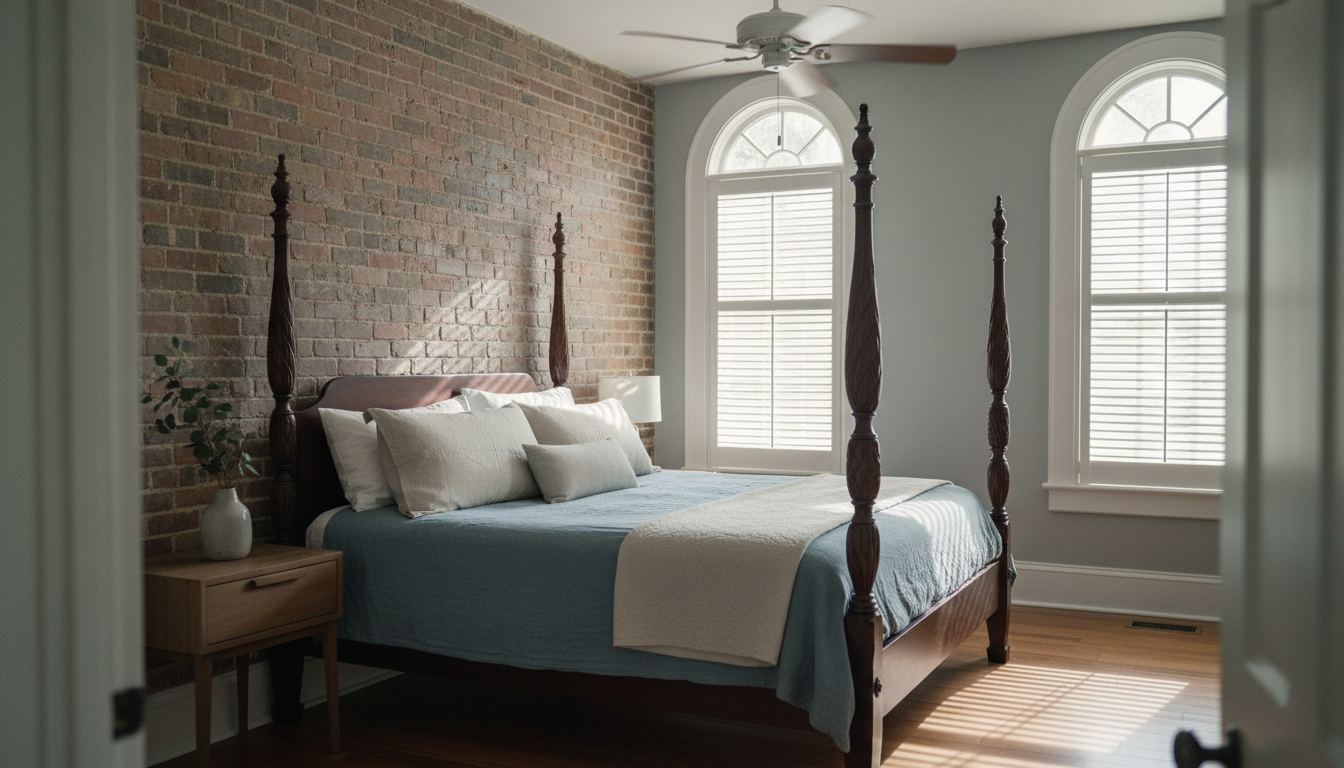 morning light streaming through shuttered windows onto a four-poster bed in a historic Charleston be
Why Charleston Works So Well for Home Exchange
Let me be honest with you—not every destination is equally good for home swapping. Some cities have tons of listings but they're all in inconvenient suburbs. Others have great locations but the homes themselves are nothing special. Charleston hits this sweet spot where the homes are the attraction.
Think about it. When you swap in Charleston, you're not just getting free accommodation—you're potentially staying in a piece of architectural history. The city has one of the largest collections of pre-Civil War buildings in the United States, and many of these are private homes. Hotels can't offer you a night in a genuine 1820s Charleston single house with original heart pine floors and a garden courtyard.
The economics work out remarkably well too. A decent hotel in downtown Charleston runs $250-400 per night during peak season (March through June, then September through November). The charming boutique spots? Those hit $450-600 easily. I've seen Battery-adjacent B&Bs pushing $700 during Spoleto Festival in late May.
Meanwhile, on SwappaHome, you're spending one credit per night regardless of whether you're staying in a modest Isle of Palms condo or a sprawling South of Broad mansion. That credit system levels the playing field in a way that makes Charleston suddenly accessible to travelers who'd otherwise be priced out of the historic district entirely.
The Best Charleston Neighborhoods for Home Swapping
Not all Charleston neighborhoods are created equal for home exchange, and where you stay dramatically shapes your experience. Here's my honest breakdown after staying in three different areas.
South of Broad: The Crown Jewel
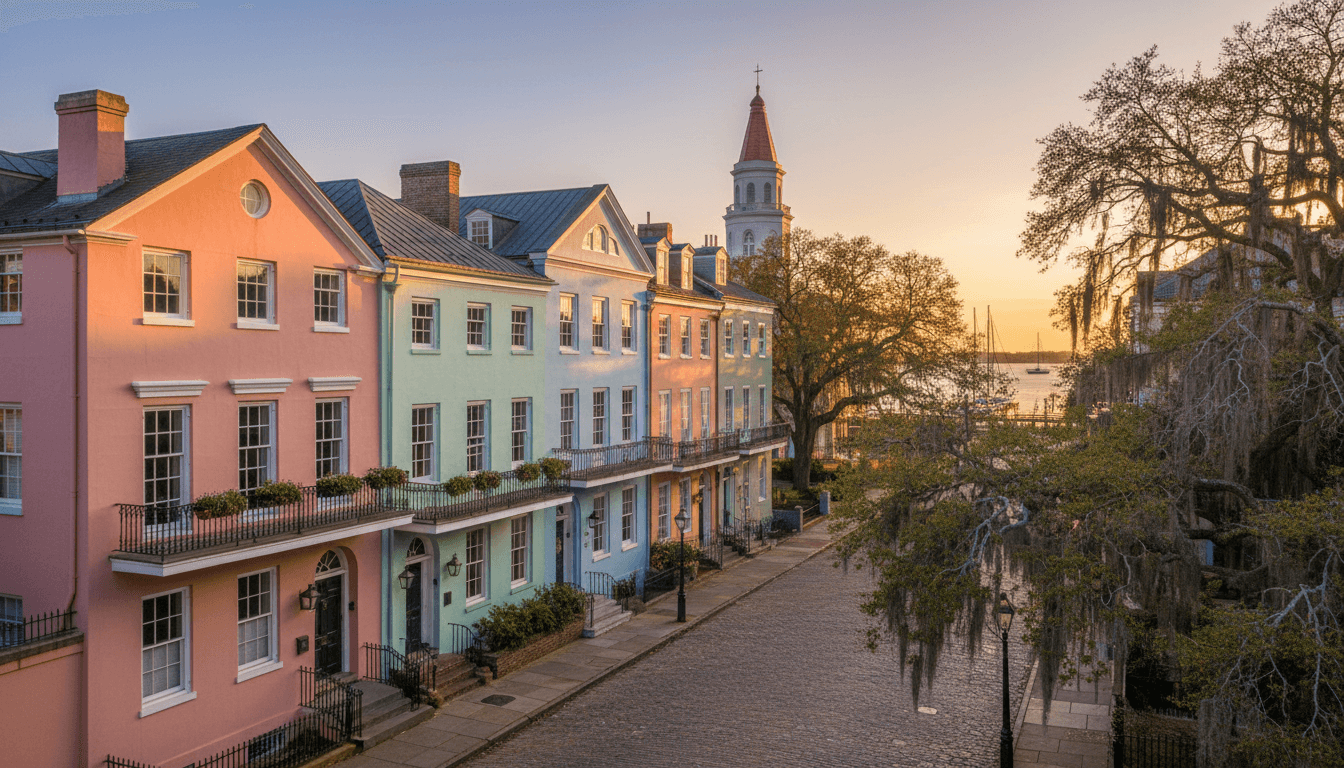
This is the postcard Charleston—Rainbow Row, White Point Garden, those magnificent antebellum mansions with double piazzas. Homes here rarely hit the market for under $2 million, which means the swap opportunities are extraordinary.
I stayed South of Broad on my second Charleston swap, in a carriage house behind a main residence on Church Street. The owners were a retired couple heading to San Francisco (my home turf), and they'd converted their carriage house into this perfect little two-bedroom with exposed brick and a private courtyard garden.
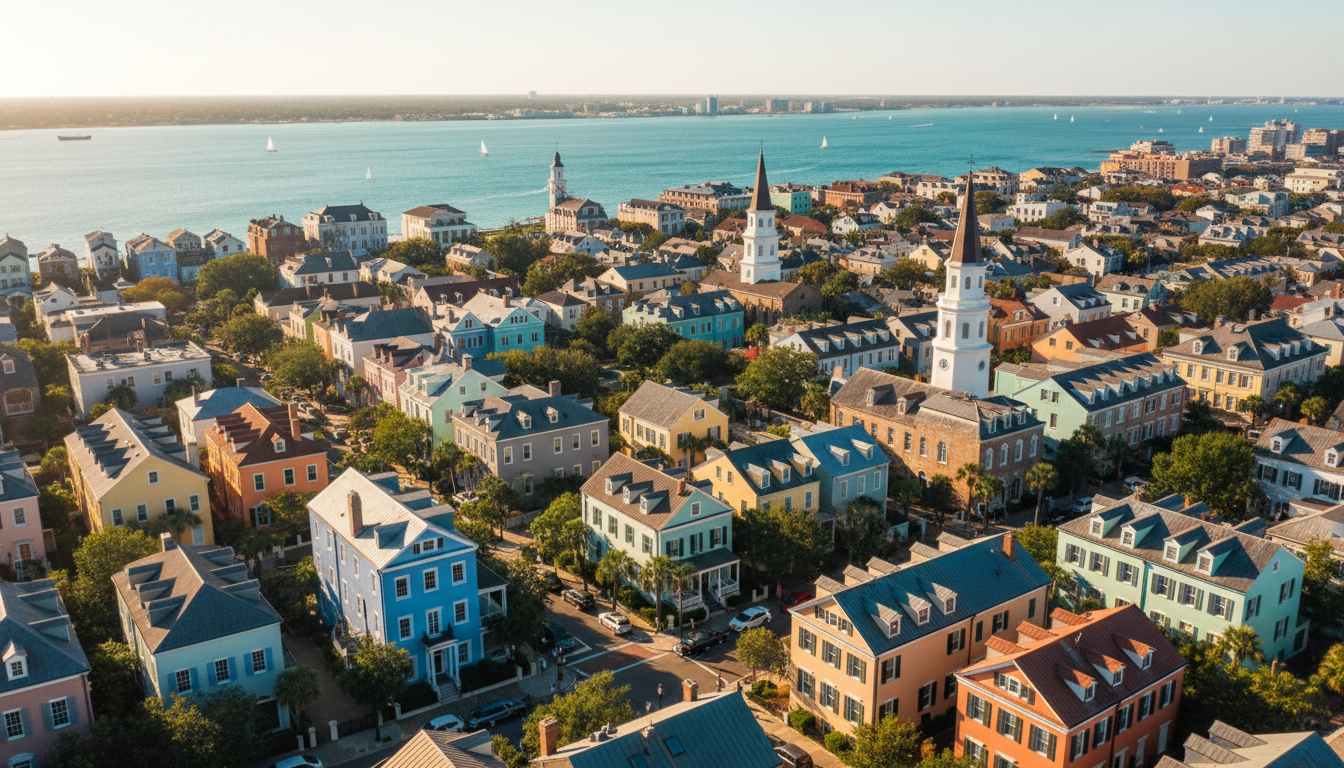 aerial view of Charlestons South of Broad neighborhood showing pastel-colored historic homes, church
The catch? South of Broad listings are competitive. Really competitive. You'll want to reach out 4-6 months in advance, especially for spring dates. And you should know that parking is genuinely terrible—most historic homes don't have driveways, and street parking requires a residential permit. If you're flying in, this won't matter. If you're driving down from, say, Charlotte, factor in $20-30 per day for parking garages.
Harleston Village and Cannonborough-Elliotborough
These adjacent neighborhoods sit just west of the historic district core, and honestly? They might be the smartest choice for a home swap.
You're still walking distance to everything—maybe 15 minutes to the City Market, 10 minutes to Upper King Street's restaurant row. But the vibe is more residential, more neighborhood-y. You'll find young families, SCAD students, and longtime residents who actually use their front porches.
The homes here tend to be slightly smaller than South of Broad mansions, which actually makes them better for swapping. A 2,500-square-foot Victorian is easier to maintain as a guest than a 5,000-square-foot historic showpiece. Prices are lower too (though still Charleston-expensive at $800K-1.5M), so you'll find more listings from regular homeowners rather than just wealthy retirees.
My tip: look for listings on Rutledge Avenue or near Colonial Lake. That lake is gorgeous for morning walks, and you're equidistant to both the historic district and the Hampton Park area.
The Beaches: Isle of Palms, Sullivan's Island, Folly Beach
Here's where Charleston home swapping gets interesting. The city proper is fantastic, but the beach communities 20-30 minutes away offer a completely different swap experience.
Isle of Palms is the most family-friendly—wide beaches, the Wild Dunes resort area, and homes ranging from modest beach cottages to waterfront estates. This is where I'd look if you're traveling with kids or want that classic beach vacation feel. Expect more condo listings here than in the historic district.
Sullivan's Island is where old Charleston money goes to the beach. It's quieter, more exclusive, with strict development rules that keep it feeling like a small town. The homes here are stunning—and the swap opportunities are rare but incredible. Poe's Tavern (yes, named after Edgar Allan Poe, who was stationed here) makes legitimately great burgers.
Folly Beach is the funky, artsy option. More affordable homes, more rental-oriented, younger crowd. If you're in your 20s or 30s and want a surf-and-dive-bar kind of trip, Folly's your spot. The Washout section has the best waves on the East Coast south of the Outer Banks.
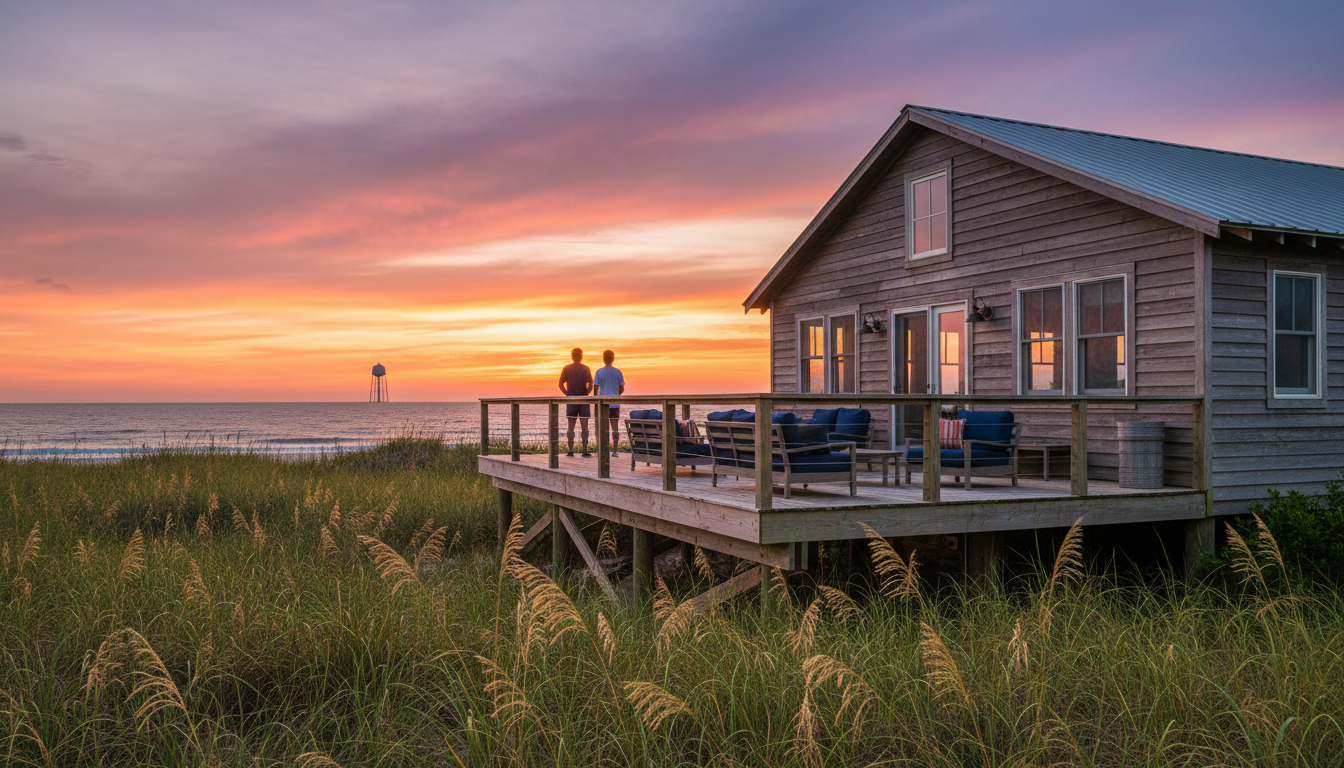 weathered wooden beach house on stilts with wraparound deck, sea oats in foreground, Sullivans Islan
When to Plan Your Charleston Home Swap
Timing matters enormously here—more than most destinations I've swapped in.
Peak season (March-May, September-November): The weather is perfect. Highs in the 70s and 80s, low humidity, everything in bloom or gorgeously autumnal. This is also when everyone else wants to visit, so you'll face more competition for listings. The flip side? Your home becomes more attractive to Charleston hosts looking to escape.
Summer (June-August): Hot. I mean genuinely, oppressively hot—95°F with humidity that makes it feel like 105°F. But here's the secret: this is actually a great time to swap. Locals are desperate to escape, so they're more flexible about accepting exchanges. Beach properties become especially appealing. And tourist crowds thin out significantly after July 4th.
Winter (December-February): Charleston doesn't really do winter the way northern cities do. Temperatures hover in the 50s and 60s, occasionally dipping into the 40s. It's quiet, atmospheric, and the cheapest time to visit. Restaurant reservations that require three weeks' notice in April? Walk-in available in January. The downside is fewer swap opportunities since locals don't have as much reason to leave.
My personal favorite time? Late September through mid-October. The summer heat finally breaks, the light turns golden, and the city settles into this relaxed rhythm after the summer tourist rush.
How to Find Charleston Home Swap Opportunities
Alright, let's get practical. You're sold on Charleston, you understand the neighborhoods, you know when you want to go. How do you actually make a swap happen?
First, make sure your own listing is compelling. Charleston homeowners are often design-conscious people who've put serious thought into their spaces. They're going to look at your listing photos carefully. If your guest room photos are dark and cluttered, you're going to struggle to attract South of Broad hosts.
Second, be specific in your outreach. Don't send a generic "I'd love to swap with you!" message. Mention something specific about their home that appeals to you. Ask a question about the neighborhood. Show that you've actually read their listing and understand what makes their place special.
Third—and this is crucial—be flexible on dates if you can. I've found that offering a range ("We're hoping to visit sometime in October, and we're flexible on exact dates") dramatically increases your success rate. Charleston hosts often have specific weekends they need to be away for weddings, family events, or work trips. If you can accommodate their schedule, you become a much more attractive swap partner.
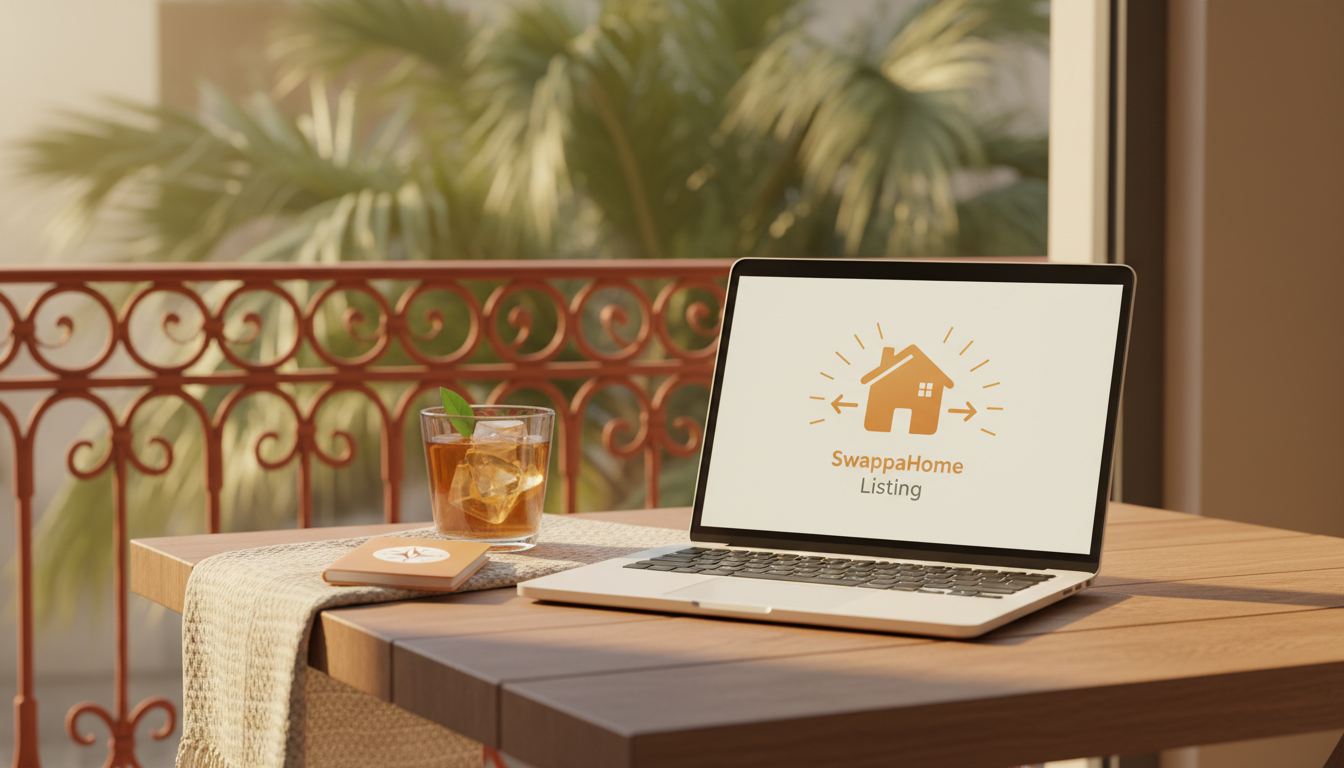 laptop open on a sunny Charleston piazza with SwappaHome listing visible on screen, iced tea and a g
On SwappaHome, I recommend setting up saved searches for Charleston, Isle of Palms, Sullivan's Island, and Folly Beach. The market moves fast—good listings get snapped up within days during peak planning season (January-February for spring trips, June-July for fall trips).
What Charleston Hosts Expect from Guests
I want to be real with you about something. Charleston has a particular culture around hospitality, and understanding it will make your swap go more smoothly.
Charlestonians take pride in their homes. Like, serious pride. Many of these houses have been in families for generations, or they've been painstakingly restored over years. When you stay in someone's Charleston home, you're being trusted with something they care about deeply.
Treat the antiques with respect. That sideboard in the dining room might be a family heirloom from the 1840s. Don't put wet glasses on it. Use coasters. If something seems fragile or valuable, assume it is.
Follow the house rules about the garden. Many Charleston homes have carefully maintained courtyard gardens. Your host might ask you to water certain plants, or to avoid using a particular gate. These aren't arbitrary requests—they're protecting something they've invested years in cultivating.
Be thoughtful about noise. Historic Charleston neighborhoods are dense and quiet. Sound carries through those old walls. If you're planning to have friends over for drinks, keep it reasonable.
Leave a handwritten thank-you note. This might sound old-fashioned, but it matters here. Charleston is a place where manners still mean something. A brief note thanking your hosts and mentioning something specific you loved about the home goes a long way.
I always bring a small gift too—usually something from San Francisco that they can't easily get in Charleston. Local olive oil, a nice bottle of California wine, artisan chocolate. It's not required, but it's the kind of gesture that turns a one-time swap into an ongoing exchange relationship.
The Practical Stuff: Getting Around, Eating, Exploring
Let me save you some trial and error.
Transportation: If you're staying in the historic district, you genuinely don't need a car. The peninsula is walkable, and the CARTA bus system (free downtown trolley route) covers the main tourist areas. But if you want to hit the beaches or explore the surrounding Lowcountry, you'll want wheels. I'd recommend flying in without a car, then renting one for a day or two mid-trip when you want to venture out.
Groceries: There's a Harris Teeter on East Bay Street that's your best bet for downtown groceries. It's pricier than suburban options but incredibly convenient. For better produce and local goods, hit the Saturday farmers market in Marion Square (April through December).
Coffee: Not Starbucks. Please. Go to Second State Coffee on Coming Street, or Kudu Coffee on Vanderhorst. For the best pastries, it's Glazed on East Bay—their gourmet donuts are legitimately worth a detour.
 steaming cup of pour-over coffee on a marble counter at a Charleston coffee shop, morning light thro
Restaurants: This could be its own article, but briefly: FIG for the quintessential Charleston fine dining experience (reserve weeks ahead), Husk for Southern cuisine that actually lives up to the hype, and Leon's Oyster Shop for a more casual but equally excellent meal. For cheap and delicious, Dave's Carry-Out on upper King Street does incredible fried chicken that locals line up for.
The tourist stuff: Yes, do a carriage tour at least once—it's actually a good way to learn the architecture and history. Fort Sumter is worth the ferry ride if you're a history person. Skip Magnolia Plantation unless you're really into gardens; Middleton Place is better if you want the plantation experience.
Potential Challenges (And How to Handle Them)
I'd be doing you a disservice if I didn't mention the complications.
Hurricane season runs June through November. Charleston floods. It just does. The historic district was built on filled-in marshland, and king tides plus heavy rain can put water on the streets. This doesn't mean you shouldn't visit—just be aware that your swap might involve navigating some flooding if you're there during a storm. Most hosts will give you guidance on which streets to avoid.
Bugs are real. Palmetto bugs (giant flying cockroaches, basically) exist in every Charleston home, no matter how clean. Mosquitoes are brutal in summer. No-see-ums at the beaches will eat you alive at dusk. Pack bug spray, and don't freak out if you see a roach—it's not a reflection on your host's cleanliness.
The city is smaller than it seems. Charleston proper has about 150,000 people. After a week, you'll start recognizing faces at your regular coffee shop. This is charming, but it also means the home swap community is relatively tight-knit. Treat every swap like you might run into your hosts at a dinner party, because in Charleston, you actually might.
Some homes are genuinely old. This means quirky plumbing, uneven floors, windows that stick, and HVAC systems that struggle in August. Part of the charm is also part of the challenge. If you need everything to work perfectly, a newer Isle of Palms condo might suit you better than a 1790s downtown row house.
Making Your Charleston Swap Unforgettable
Here's what I wish someone had told me before my first Charleston home swap.
Slow down. The city rewards patience. Sit on the piazza in the afternoon and watch the light change. Walk the same streets at different times of day—King Street at 7 AM is completely different from King Street at 7 PM. Let yourself get lost in the alleys south of Broad.
Talk to your neighbors. Charleston people are genuinely friendly, not just politely friendly. The couple next door to my Tradd Street swap invited me over for wine on my third evening. I learned more about the neighborhood from that conversation than from any guidebook.
Use the swap to live like a local, not a tourist. Cook breakfast in the kitchen. Buy flowers at the farmers market and put them on the dining table. Read the Post and Courier on the porch. The magic of home swapping in Charleston isn't just the free accommodation—it's the chance to inhabit a place rather than just visit it.
I'm already planning my next Charleston swap. There's a listing I've had my eye on in Ansonborough, a converted warehouse space with 14-foot ceilings and a rooftop deck. The owners want to come to San Francisco in October. I think we can make something work.
That's the beautiful thing about the home exchange community—once you start, you find yourself collecting future possibilities everywhere you go. Charleston gave me that feeling from day one. I suspect it'll do the same for you.
Frequently Asked Questions
Is home swapping in Charleston safe?
Home swapping in Charleston is generally very safe. The city has a strong sense of community, and the home exchange culture here attracts responsible, respectful travelers. SwappaHome's review system helps you verify hosts before committing, and Charleston's tight-knit neighborhoods mean neighbors often keep an eye out. I'd recommend getting your own travel insurance for extra peace of mind, but I've never had a safety concern during my Charleston swaps.
How much can I save with home swapping in Charleston versus hotels?
The savings are substantial. Downtown Charleston hotels average $250-400 per night during peak season, with boutique options reaching $500-700. A two-week stay could cost $3,500-7,000 in hotels alone. With SwappaHome, you spend credits (one per night) regardless of home value—meaning you could stay in a $2 million South of Broad home for the same credits as anywhere else. For a two-week trip, you're potentially saving $3,000-7,000.
What's the best time of year for a Charleston home swap?
Late September through mid-October offers the ideal combination: pleasant weather (highs in the 70s), fewer tourists than spring, and motivated local hosts looking to escape before the holidays. Spring (March-May) is gorgeous but competitive—book 4-6 months ahead. Summer offers more available listings since locals want to flee the heat, but you'll face 95°F+ temperatures.
Are there enough home swap listings in Charleston?
Charleston has a growing home swap community, though it's smaller than major cities like New York or London. You'll find listings across the historic district, surrounding neighborhoods, and beach communities like Isle of Palms and Sullivan's Island. The key is flexibility—being open to different neighborhoods and dates significantly increases your options. Set up saved searches for multiple Charleston-area locations.
Can I do a home swap in Charleston if I have pets?
Pet-friendly swaps exist but require extra planning. Some Charleston hosts welcome pet swaps, especially if they have pets themselves and need someone to care for them. Others have strict no-pet policies due to antique furnishings or rental restrictions. Be upfront about your pet situation in your initial message, and search specifically for pet-friendly listings. Beach properties tend to be more accommodating than historic downtown homes.

Published by
SwappaHome
SwappaHome Editorial Team
Home Exchange & Slow Travel Editorial
The SwappaHome Editorial Team brings together travel research, home-exchange community insights, and platform data to produce practical guides for first-time and experienced home swappers. Every article cites real platforms, current market rates, and verifiable city-level facts so readers can make informed decisions without guessing.
Ready to try home swapping?
Join SwappaHome and start traveling by exchanging homes. Get 7 free credits when you sign up!
Related articles
How to Extend or Modify a Home Swap Mid-Stay: The Complete Flexibility Guide
Need to extend your home swap or change dates mid-trip? Here's exactly how to negotiate changes, handle credits, and keep both parties happy.

How to Visit Bali for Free with Home Exchange: The Complete 2026 Guide
Skip the $150/night villas. Home exchange in Bali lets you stay in Ubud rice field houses and Seminyak beach pads for zero accommodation cost. Here's exactly how.
How to Vet Home Swap Guests: 12 Red Flags Every Host Should Know
Learn how to vet home swap guests before handing over your keys. Spot the 12 red flags experienced hosts watch for—and protect your home with confidence.