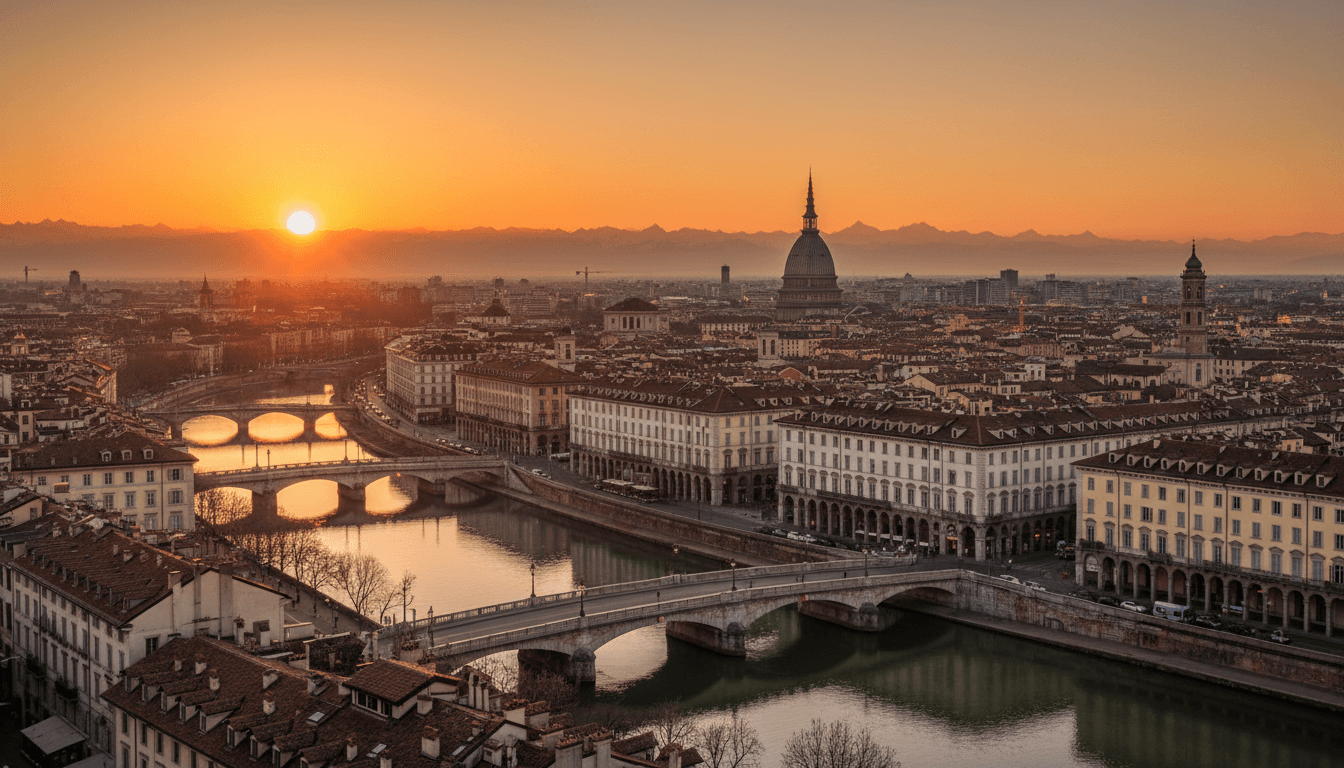
Home Exchange in Turin: 7 Underrated Neighborhoods Locals Actually Love
Maya Chen
Travel Writer & Home Exchange Expert
Skip the tourist traps. These hidden Turin neighborhoods offer authentic home exchange experiences—from riverside aperitivo spots to industrial-chic lofts locals don't want you to know about.
I almost didn't go to Turin.
Seriously. I had a flight booked to Milan, plans to eat my weight in risotto, and then a friend mentioned she'd just done a home exchange in Turin and couldn't stop talking about it. "It's like Milan's cooler, weirder cousin," she said. "The one who actually has good taste."
Three weeks later, I was standing in a converted textile factory in Aurora, watching the sun set over the Alps through floor-to-ceiling windows, wondering why I'd never heard anyone talk about this city. That was four years ago. I've been back three times since, always through home exchange in Turin, and I'm still discovering neighborhoods that make me want to cancel my return flight.
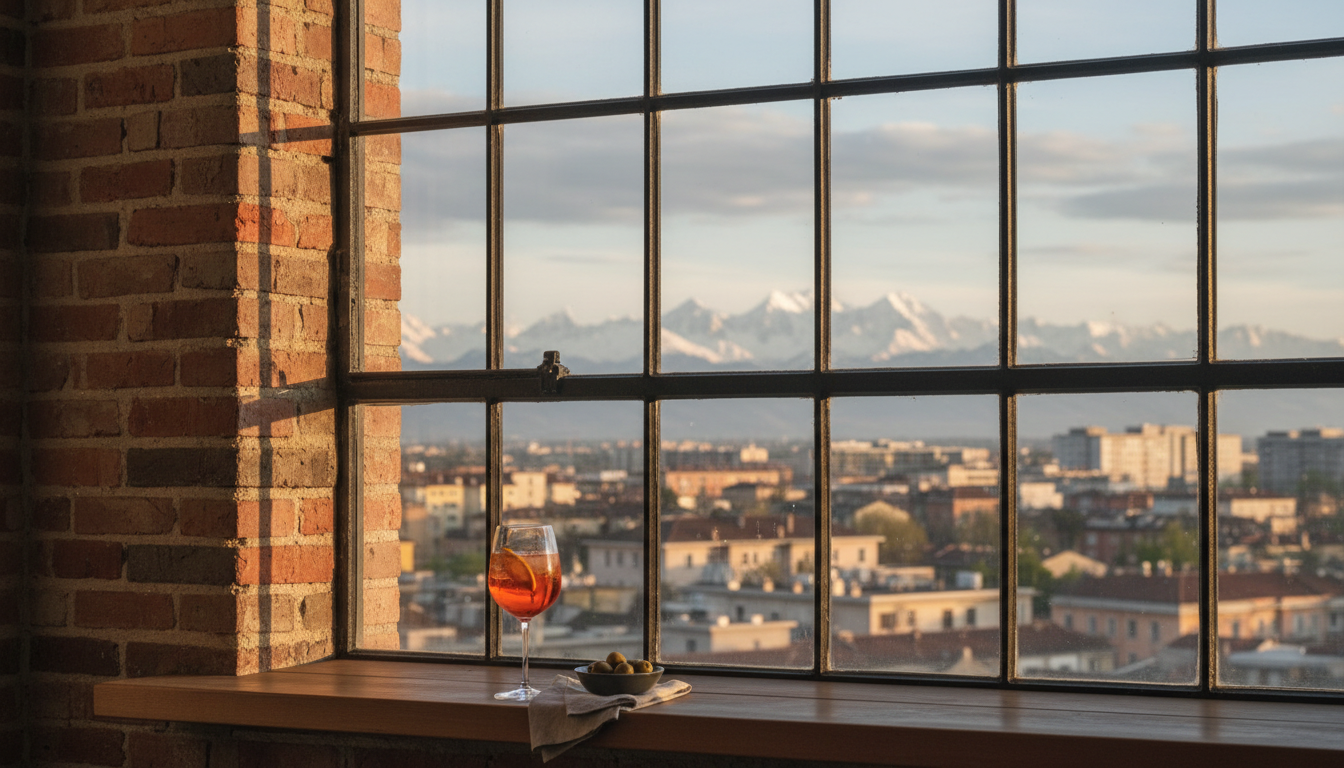 golden hour view from an industrial loft window in Turins Aurora district, exposed brick walls, dist
Here's the thing about Turin: most travelers either skip it entirely or spend 24 hours hitting the Egyptian Museum and Mole Antonelliana before rushing off to the lakes. That's a mistake. This is a city that rewards slowness—long lunches that turn into aperitivo that turns into dinner, morning walks through porticoed streets, afternoons spent in neighborhoods where you might be the only tourist for blocks.
And when you're staying in someone's actual home instead of a hotel near Porta Nuova? You see a completely different city.
Why Home Exchange in Turin Makes More Sense Than Hotels
Let me be direct: Turin's hotel scene is fine. Perfectly adequate. But it's concentrated almost entirely in the centro storico and around the train stations, which means most visitors experience maybe 10% of what makes this city interesting.
Home exchange flips that equation entirely. Suddenly you're living in San Salvario because that's where your host's apartment is, and you discover it has the best Ethiopian food outside of Addis Ababa. Or you're in Vanchiglia and realize the nightlife there puts the tourist bars to shame. Or you're waking up in Cit Turin to church bells and the smell of fresh bread from the bakery downstairs.
The economics work too. Turin hotels in decent areas run €120-180/night ($130-195 USD). A two-week stay? You're looking at €1,680-2,520 ($1,820-2,730 USD). With SwappaHome's credit system—where every night hosted or stayed is simply one credit, regardless of the property—that same two weeks costs you nothing but the credits you've earned hosting travelers in your own home.
But honestly? The money isn't even the main thing. It's the access. It's having a kitchen to make breakfast with ingredients from the Porta Palazzo market. It's getting recommendations from your host about their favorite wine bar. It's living in a neighborhood instead of visiting a city.
San Salvario: Turin's Most Underrated Neighborhood for Home Exchange
I'll start with my favorite, and I'm not even going to pretend to be objective about it.
San Salvario sits just south of the train station, and ten years ago it had a reputation. Not a great one. It was gritty, a little rough around the edges, the kind of place guidebooks told you to avoid after dark.
Now? It's the most vibrant, diverse, genuinely interesting neighborhood in the city—and it still flies completely under the tourist radar.
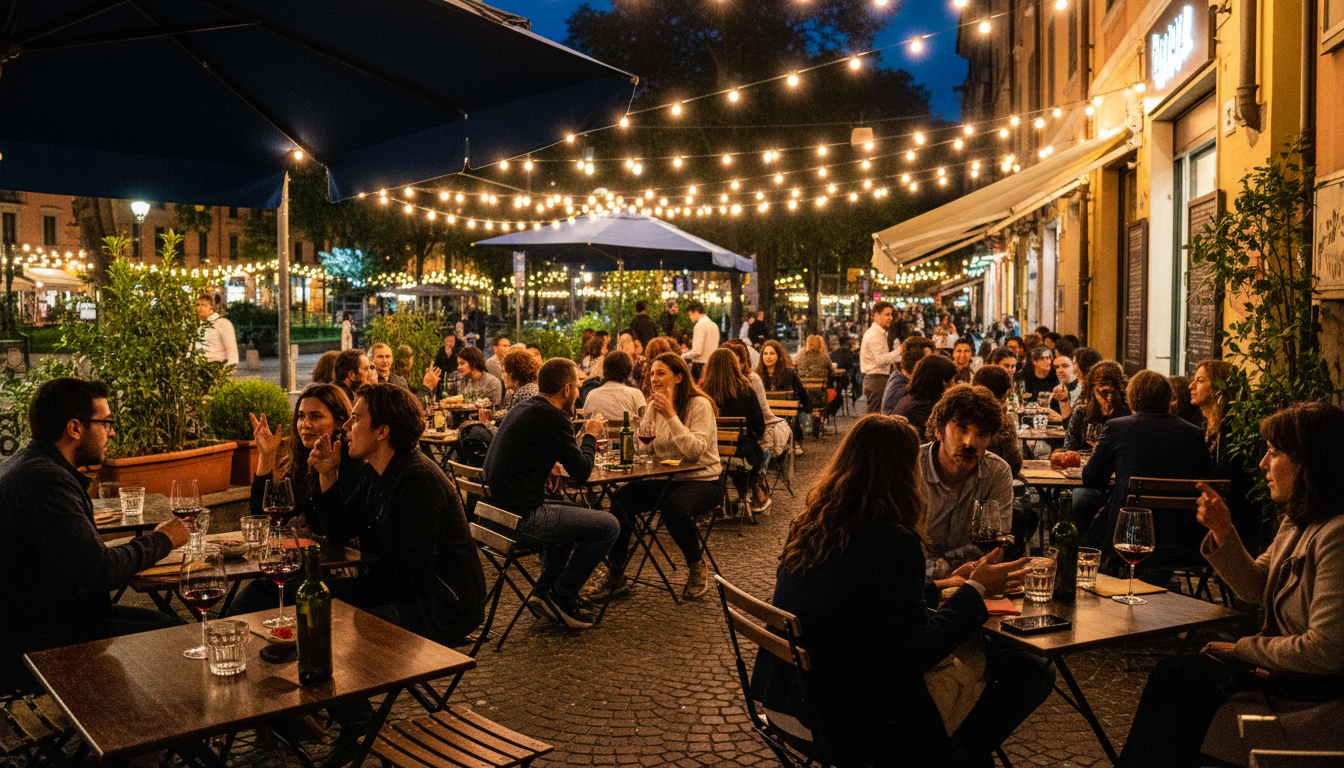 bustling evening scene on Via Madama Cristina in San Salvario, outdoor caf tables spilling onto the
The transformation happened organically. Artists moved in because rents were cheap. Then came the Ethiopian and Eritrean restaurants (Turin has Italy's largest East African community, something most visitors never learn). Then the natural wine bars. Then the vintage shops. Now it's this incredible mix of old-school Italian nonnas, university students, African families, and creative types who couldn't afford Milan.
For home exchange, San Salvario is perfect. The housing stock is mostly late 19th-century apartments—high ceilings, original tile floors, those massive Italian windows that let in ridiculous amounts of light. Many have been beautifully updated while keeping their character. I stayed in a third-floor apartment on Via Berthollet that had a tiny balcony overlooking a courtyard garden, and I'd drink my morning espresso watching the neighborhood wake up.
What You'll Find in San Salvario
The daily market on Piazza Madama Cristina is the real deal—not a tourist market, but where actual residents buy their vegetables, cheese, and fresh pasta. Get there before 10am on Saturdays for the best selection.
For dinner, Ristorante Asmara on Via Sant'Anselmo serves injera and zighinì that transported me straight to my trip to Asmara years ago. Expect to pay around €15-20 ($16-22 USD) for a feast. Then walk ten minutes to Pastis Torino for natural wines and the kind of aperitivo spread that makes you skip dinner entirely.
The neighborhood is also home to the Parco del Valentino's southern entrance, so you're a five-minute walk from one of Europe's most stunning riverside parks.
Aurora: Industrial Charm and the Best Home Exchange Lofts in Turin
Aurora is where I had that sunset-over-the-Alps moment I mentioned, and it's probably the most underrated area in Turin for travelers who appreciate industrial architecture and emerging creative scenes.
This was Turin's manufacturing heart. Textile factories, metalworks, the kind of brick-and-iron buildings that powered Italy's industrial revolution. When the factories closed, the buildings sat empty for decades. Now they're being converted into some of the most spectacular living spaces I've seen anywhere in Europe.
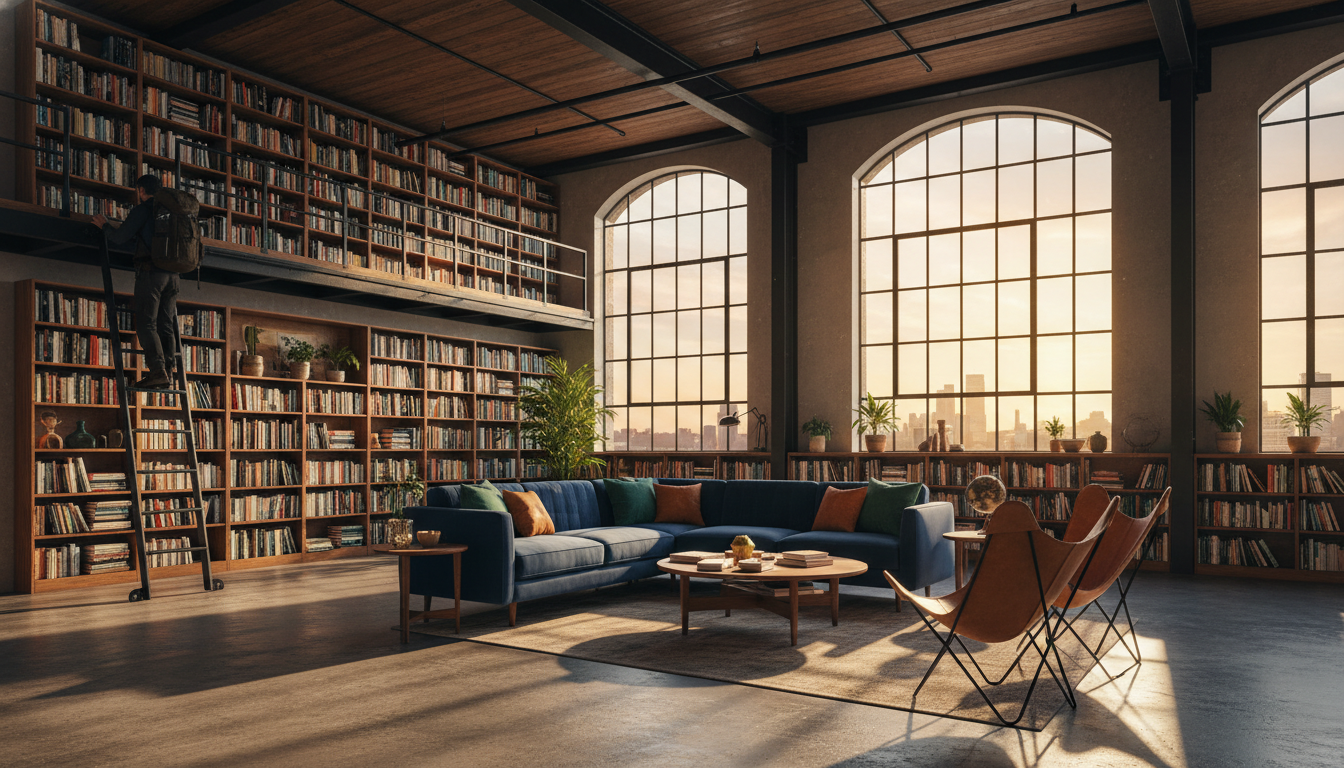 interior of a converted factory loft in Aurora, exposed steel beams, polished concrete floors, enorm
I'm talking about lofts with 20-foot ceilings. Original freight elevators converted to residential use. Rooftop terraces with views that would cost you a fortune in New York or London.
The neighborhood itself is still transitioning, which is part of its appeal. You'll find contemporary art galleries next to working-class cafés that haven't changed their prices since 1985. The Balon flea market—the largest in Piedmont—happens here every Saturday, and the second Sunday of each month it expands into the Gran Balon, a massive antiques fair that draws collectors from across Europe.
For home exchange in Turin's Aurora district, you're looking at a very different experience than San Salvario. It's quieter, more residential in a post-industrial way, and you'll need to walk or take transit to reach the historic center (about 20 minutes on foot to Piazza Castello). But if you're someone who gets excited about adaptive reuse architecture and emerging neighborhoods, this is your spot.
Aurora Essentials
The Lavazza headquarters and museum is here—worth visiting even if you're not a coffee obsessive, because the building itself (designed by Cino Zucchi) is architectural eye candy. Admission runs €15 ($16 USD) and includes a tasting.
For meals, Scannabue on Largo Saluzzo serves traditional Piedmontese cuisine at prices that feel almost apologetic—full lunch with wine for under €25 ($27 USD). And if you're into craft beer, Open Baladin has a location here with over 100 Italian craft beers on tap.
Vanchiglia: Where Turin's Creative Class Actually Lives
If San Salvario is diverse and Aurora is industrial, Vanchiglia is artistic. This compact neighborhood wedged between the university and the Po River has been Turin's bohemian quarter for decades, and it still feels like the kind of place where poets and painters might actually be able to afford rent.
The streets here are narrower than in other parts of the city, the buildings a bit scruffier, the vibe distinctly less polished. I mean that as a compliment. Vanchiglia has character that can't be manufactured—the patina of generations of students, artists, and eccentrics who've called it home.
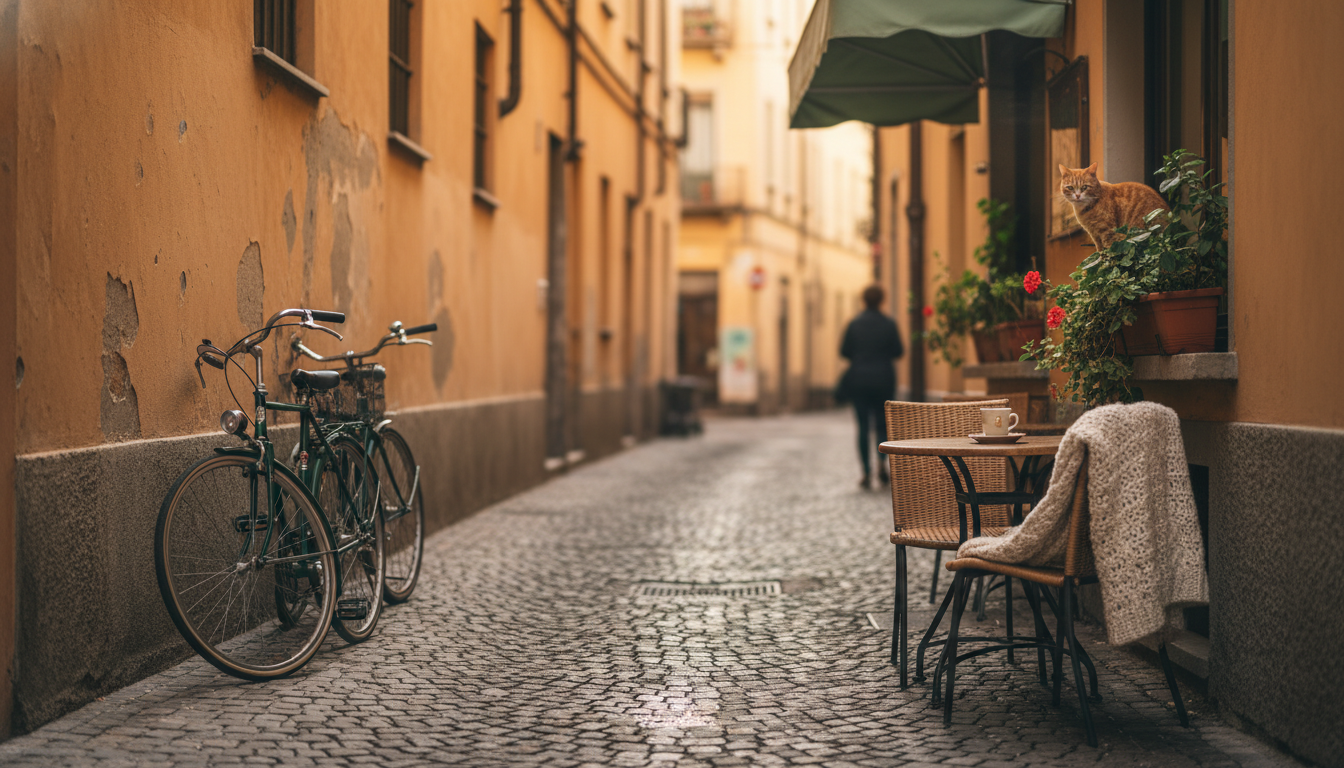 quiet morning on a cobblestone street in Vanchiglia, bicycles leaning against weathered ochre walls,
For home exchange, Vanchiglia offers mostly smaller apartments—studios and one-bedrooms in buildings that have seen better days but have incredible bones. The trade-off for less space is location: you're walking distance to the Mole Antonelliana, the university area's excellent cheap eats, and the Murazzi riverside promenade.
The nightlife here deserves special mention. While tourists crowd the bars around Piazza Vittorio, locals head to Vanchiglia for places like Fluido (a legendary LGBTQ+ club that's been around since the 90s) and the cluster of wine bars along Via Santa Giulia.
Vanchiglia Tips
Breakfast at Orso Laboratorio Caffè—possibly the best specialty coffee in Turin, with pastries that justify waking up early. A cappuccino and cornetto runs about €4.50 ($5 USD).
The neighborhood borders the Giardini Reali (Royal Gardens), which are free to enter and provide a peaceful morning walk before the crowds arrive at the adjacent Palazzo Reale.
One thing to know: Vanchiglia can get noisy on weekend nights. If you're a light sleeper, ask your potential home exchange host about their apartment's street noise situation.
Cit Turin: Old Money Elegance Without the Tourist Crowds
This is the neighborhood I recommend when someone tells me they want "classic Italian" but doesn't want to fight through crowds.
Cit Turin (pronounced "chit") sits west of the centro storico, and it has a completely different feel from the neighborhoods I've mentioned so far. This is where Turin's bourgeoisie built their Liberty-style (Italian Art Nouveau) mansions in the early 1900s. The streets are wider, lined with mature trees, and the architecture is the kind of ornate, decorative style that makes you stop and look up constantly.
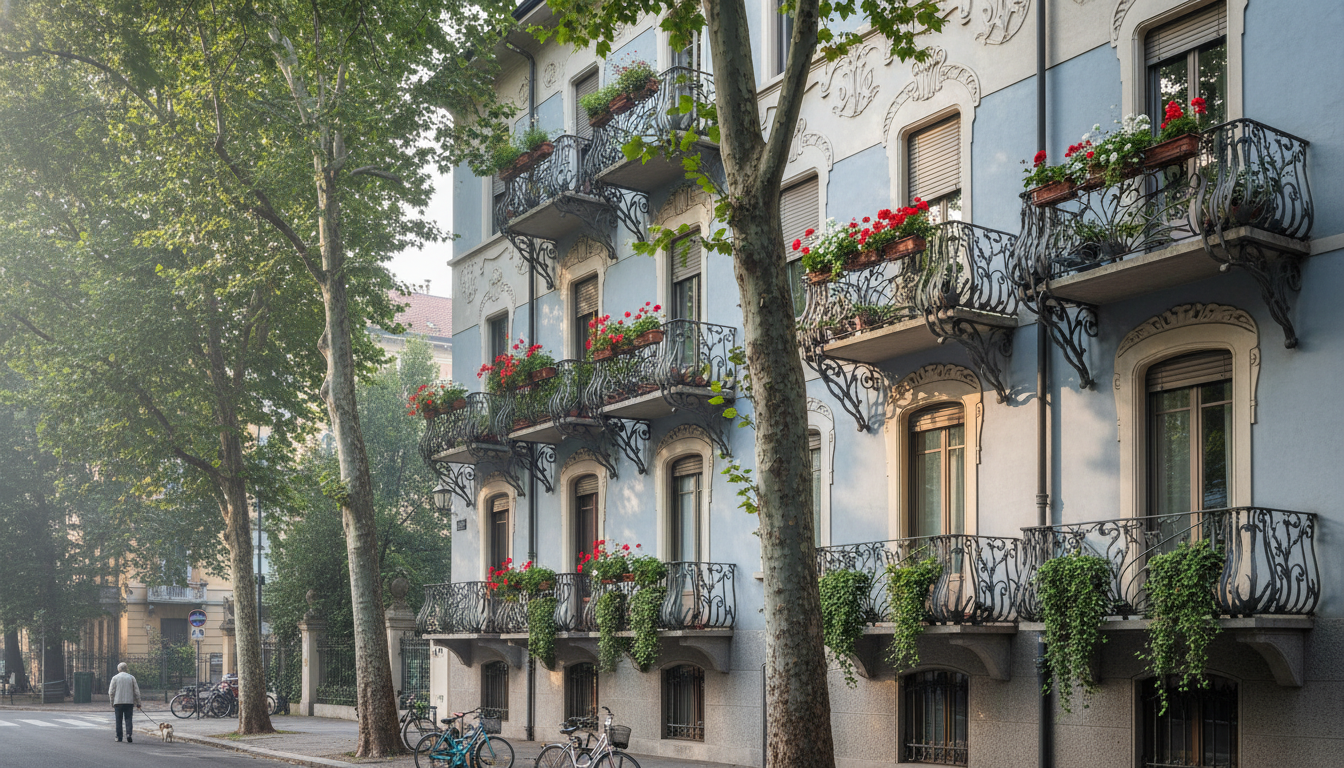 elegant Liberty-style building facade in Cit Turin, ornate wrought-iron balconies, flowering window
The vibe here is residential and refined. You won't find many bars or restaurants—this is a neighborhood for living, not nightlife. But that's exactly what makes it ideal for certain types of home exchange travelers. Families with kids appreciate the quiet streets and proximity to Parco Ruffini. Longer-term visitors love having a neighborhood that feels like a real community rather than a tourist zone.
The apartments in Cit Turin tend to be larger than in other neighborhoods—proper family-sized flats with multiple bedrooms, formal dining rooms, and those incredible original details: parquet floors, ceiling frescoes, marble fireplaces. If you're traveling with family and want space, this is where to look.
Getting Around from Cit Turin
The neighborhood is about a 25-minute walk to Piazza Castello, or you can hop on tram line 10, which runs along Corso Francia and deposits you right in the center. A single transit ticket costs €1.70 ($1.85 USD) and is valid for 100 minutes.
For local dining, Trattoria Valenza on Via Borgaro serves the kind of old-school Piedmontese cooking that's becoming rare—bollito misto, agnolotti del plin, bagna càuda—at prices that haven't caught up with the neighborhood's increasing desirability. Budget €35-40 ($38-43 USD) for a full meal with wine.
Lingotto: From Fiat Factory to Cultural Hub
I'll be honest—Lingotto isn't for everyone. It's south of the center, it's modern, and it doesn't have the historic charm of the neighborhoods I've described so far.
But if you're interested in 20th-century architecture, contemporary art, or simply want to stay somewhere that feels dramatically different from typical Italian cities, Lingotto is fascinating.
The neighborhood is dominated by the former Fiat factory—a massive structure that Renzo Piano converted into a cultural complex housing a concert hall, cinema, shopping mall, and two hotels. The famous rooftop test track where Fiat used to test cars is still there, along with a helipad and a glass-enclosed meeting room called "The Bubble" that dangles over the edge of the building.
The residential areas around Lingotto are mostly mid-century apartment blocks—not architecturally exciting, but often spacious and affordable. For home exchange, this neighborhood makes sense if you're planning to spend significant time at the Pinacoteca Giovanni e Marella Agnelli (the Fiat family's art collection, including works by Picasso, Matisse, and Canaletto) or if you're arriving by train and want to be near Porta Nuova station.
The Eataly flagship store is also here—the original location of what's now a global chain. It's touristy, yes, but the quality is genuinely excellent, and it's a convenient place to stock up on ingredients for cooking in your exchange home.
Borgo Po and Crimea: Riverside Living and Hill Views
I'm combining these two adjacent neighborhoods because they share a character: both sit on the eastern bank of the Po River, both offer views of the hills and the Basilica di Superga, and both feel like escapes from the urban intensity of central Turin.
Borgo Po is the more established of the two, with elegant 19th-century buildings along the riverside and a pleasant, almost suburban feel. Crimea is slightly grittier, slightly more interesting, with a mix of architecture and a more diverse population.
What makes these neighborhoods special for home exchange is the access to the hills. The Sassi-Superga rack railway starts near here, climbing through chestnut forests to the Basilica di Superga with its panoramic views. The Monte dei Cappuccini is a 15-minute walk from Borgo Po and offers one of the best viewpoints in the city—completely free, rarely crowded, perfect for sunset.
The riverside promenade—the Murazzi—runs along the Po and comes alive on summer evenings with temporary bars and outdoor gatherings. It's where Torinese go to escape the heat, and it has a festive, almost beach-town atmosphere that surprises visitors who think of Turin as purely industrial.
Practical Considerations for Borgo Po and Crimea
These neighborhoods require crossing the river to reach the centro storico, which takes about 15-20 minutes on foot via one of several bridges. It's a pleasant walk, but something to consider if you want to be in the thick of things.
The Gran Madre di Dio church, with its neoclassical columns and riverside setting, is the neighborhood's landmark. The cafés around Piazza Gran Madre are touristy but pleasant for a morning coffee.
How to Find the Perfect Turin Home Exchange
Alright, practical stuff. You've decided Turin sounds interesting (it is), and you want to try home exchange there. Here's how I'd approach it.
First, think about what kind of experience you want. A bustling neighborhood where you can walk to everything? San Salvario or Vanchiglia. Architectural drama and creative energy? Aurora. Classic Italian elegance? Cit Turin. Nature and views? Borgo Po.
On SwappaHome, you can filter by neighborhood and look at photos to get a sense of the space and location. Read the descriptions carefully—hosts who've put thought into their listing usually put thought into their homes. Check the reviews, obviously, but also look at how the host responds to messages. Quick, detailed responses suggest someone who'll be helpful throughout your stay.
I always send a personalized message when requesting a stay. Mention something specific about their home that appeals to you. Explain why you're visiting Turin. Ask a question that shows you've actually read their listing. Hosts get generic requests constantly—standing out helps.
One thing I've learned: flexibility with dates dramatically increases your options. Turin isn't overrun with tourists, but it does have busy periods—the Salone del Gusto food festival in September, the Torino Film Festival in November, various trade fairs throughout the year. If you can avoid those peak times, or at least be flexible by a few days, you'll have more choices.
What to Expect from Your Turin Home Exchange Host
Turinese people have a reputation in Italy for being reserved, almost cold. This is... partially true. They're not going to hug you at the airport or insist you join them for Sunday lunch with their extended family.
But once you break through that initial reserve? Some of the most generous, thoughtful hosts I've encountered anywhere.
My first Turin host left me a hand-drawn map of her favorite spots in San Salvario, complete with notes like "order the agnolotti, ignore the menu" and "the owner is grumpy but the wine is incredible." Another host in Aurora arranged for his neighbor—an elderly woman who'd lived in the building for 60 years—to show me around the former factory spaces that had been converted to apartments.
Expect detailed instructions about the apartment (Italians take their home systems seriously), recommendations for local spots, and possibly some Piedmontese wine left in the fridge as a welcome gift. Return the favor by being a thoughtful guest—leave the apartment clean, replace anything you use up, and maybe leave a small gift from your home city.
Making the Most of Your Turin Home Exchange
A few final thoughts, because I could talk about Turin forever and I should probably stop.
Learn to love aperitivo. This isn't just a drink before dinner—it's a social institution, and Turin arguably invented the modern version. From around 6pm, bars set out elaborate spreads of snacks, and a €8-12 ($9-13 USD) spritz or vermouth comes with enough food to call it dinner. The ritual matters as much as the food.
Take the transit. Turin has an excellent tram and metro system, and a daily pass costs just €4 ($4.35 USD). The trams in particular are a pleasure—some of the historic ones are still running, and they give you a completely different view of the city than walking.
Get out of the city at least once. The Piedmont region surrounding Turin is extraordinary—Barolo wine country, the Langhe hills, Alba (truffle capital of the world), the Sacra di San Michele monastery. Having a home base through home exchange makes day trips so much easier than hotel hopping.
And finally: slow down. Turin rewards patience. It's not a city that gives up its secrets to people rushing through. Stay a week, stay two, let the rhythm of the place seep in. That's when the magic happens.
I found SwappaHome a few years into my home exchange journey, and the credit system—one credit per night, period, whether you're hosting or staying—made everything simpler. No negotiating, no complicated direct swaps, just a community of travelers helping each other see the world differently.
Turin is one of those cities that changes how you think about travel. It's not trying to impress you. It's not performing for tourists. It's just being itself—elegant, slightly melancholic, full of surprises if you know where to look.
The underrated neighborhoods I've shared are where that real Turin lives. Go find it.
Frequently Asked Questions
Is home exchange in Turin safe for first-time swappers?
Absolutely. Turin is one of Italy's safest major cities, and the neighborhoods I've recommended—San Salvario, Aurora, Vanchiglia, Cit Turin—all have strong community vibes. SwappaHome's verification system and member reviews help you find trustworthy hosts. I'd recommend getting your own travel insurance for peace of mind, but I've never had a safety concern during my Turin exchanges.
How much can I save with home exchange in Turin compared to hotels?
Significant amounts. Mid-range Turin hotels run €120-180 ($130-195 USD) per night. A two-week stay costs €1,680-2,520 ($1,820-2,730 USD) in hotels. With home exchange, you use credits earned by hosting—no cash for accommodation. Factor in kitchen access reducing restaurant costs, and you're looking at savings of €2,000+ ($2,170 USD) on a two-week trip.
What's the best neighborhood in Turin for families doing home exchange?
Cit Turin is ideal for families. The Liberty-style apartments tend to be larger with multiple bedrooms, the streets are quiet and tree-lined, and you're near Parco Ruffini for outdoor play. Borgo Po is another excellent option with easy access to riverside walks and the hills for family hiking.
When is the best time to do a home exchange in Turin?
Spring (April-May) and fall (September-October) offer the best combination of pleasant weather and availability. Summer can be hot, and many Torinese leave the city in August. Avoid major event weeks—Salone del Gusto, Torino Film Festival—unless you book far in advance, as both home exchange availability and hotel prices spike.
Do I need to speak Italian for home exchange in Turin?
It helps but isn't essential. Most SwappaHome hosts in Turin speak at least basic English, and the platform's messaging system handles communication before arrival. Learning a few Italian phrases goes a long way with neighbors and shopkeepers. In the underrated neighborhoods I recommend, you'll encounter less English than in tourist areas—but that's part of the authentic experience.
40+
Swaps
25
Countries
7
Years
About Maya Chen
Travel Writer & Home Exchange Expert
Maya is a travel writer with over 7 years of experience in the home swapping world. Originally from Vancouver and now based in San Francisco, she has completed more than 40 home exchanges across 25 countries. Her passion for "slow" and authentic travel led her to discover that true luxury lies in living like a local, not a tourist.
Ready to try home swapping?
Join SwappaHome and start traveling by exchanging homes. Get 10 free credits when you sign up!
Related articles
Lyon Home Exchange: Your Complete Guide to France's Hidden Gem for Home Swapping
Discover why Lyon home exchange is booming among savvy travelers. From Croix-Rousse to Presqu'île, find the best neighborhoods and insider tips for your swap.
Zurich Bucket List: 47 Unforgettable Experiences to Enjoy During Your Home Swap
Discover the ultimate Zurich bucket list for home swappers—from secret swimming spots to fondue rituals locals actually do. Save thousands while living like a true Zürcher.
Dublin Home Exchange Utilities Guide: WiFi, Heating & Everything Your Guests Need
Master Dublin home exchange utilities—from dodgy WiFi fixes to heating quirks. Practical tips from 7 years of swapping homes across Ireland.