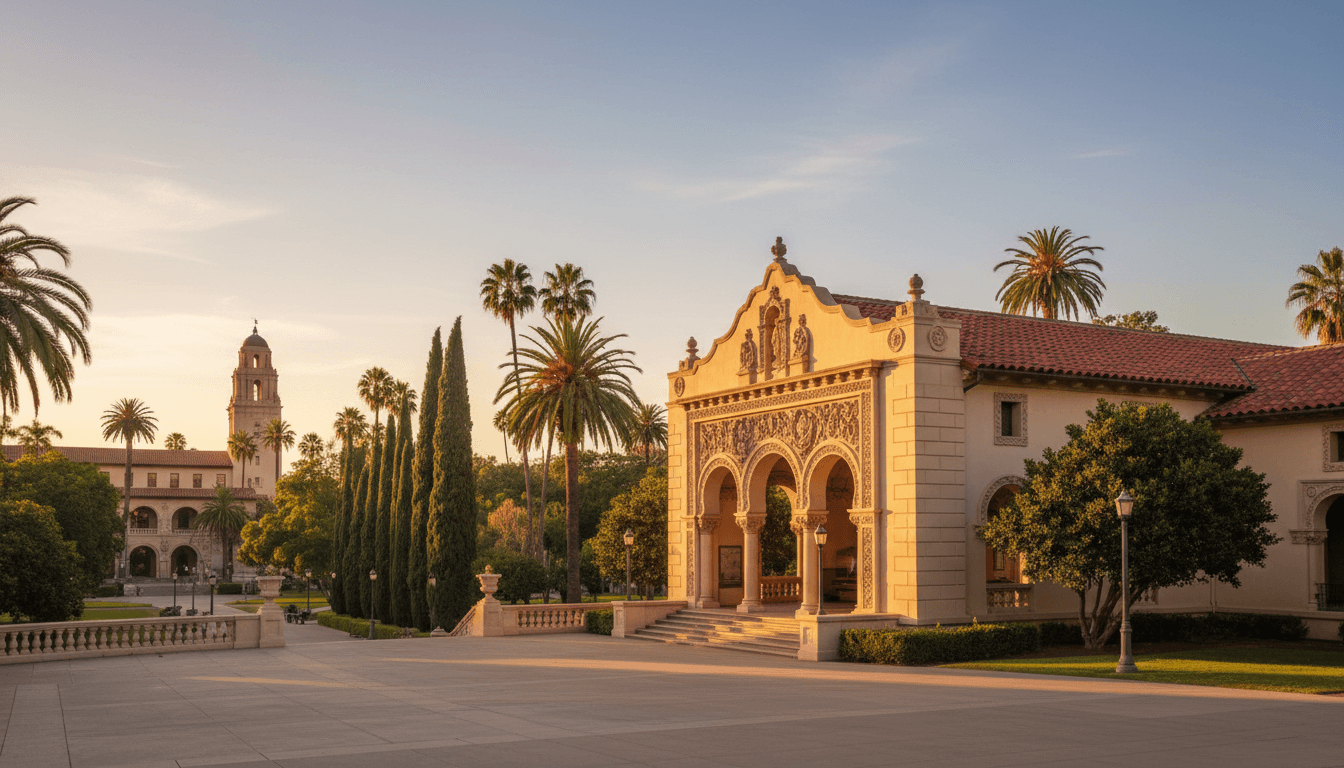
Home Swap in San Diego: Your Complete Guide to Neighborhoods, Tips, and Local Secrets

SwappaHome Editorial Team
Home Exchange & Slow Travel Editorial
Discover the best San Diego neighborhoods for home swapping, insider tips from a local expert, and secrets to finding your perfect beach-side exchange.
The first time I drove into San Diego for a home swap, I missed my exit because I was too busy staring at the Pacific. The sun was doing that thing it does here—turning everything gold and pink like the city hired a professional lighting designer. I ended up in a cozy Craftsman bungalow in North Park, and by the end of that two-week stay, I understood why people who move to San Diego never seem to leave.
A home swap in San Diego isn't just about free accommodation (though saving $200-400 per night on hotels certainly doesn't hurt). It's about waking up in a real neighborhood, making coffee in someone's kitchen while their cat judges you from the windowsill, and discovering that the best fish tacos aren't in the guidebooks—they're at the place three blocks from your borrowed home that doesn't even have a sign.
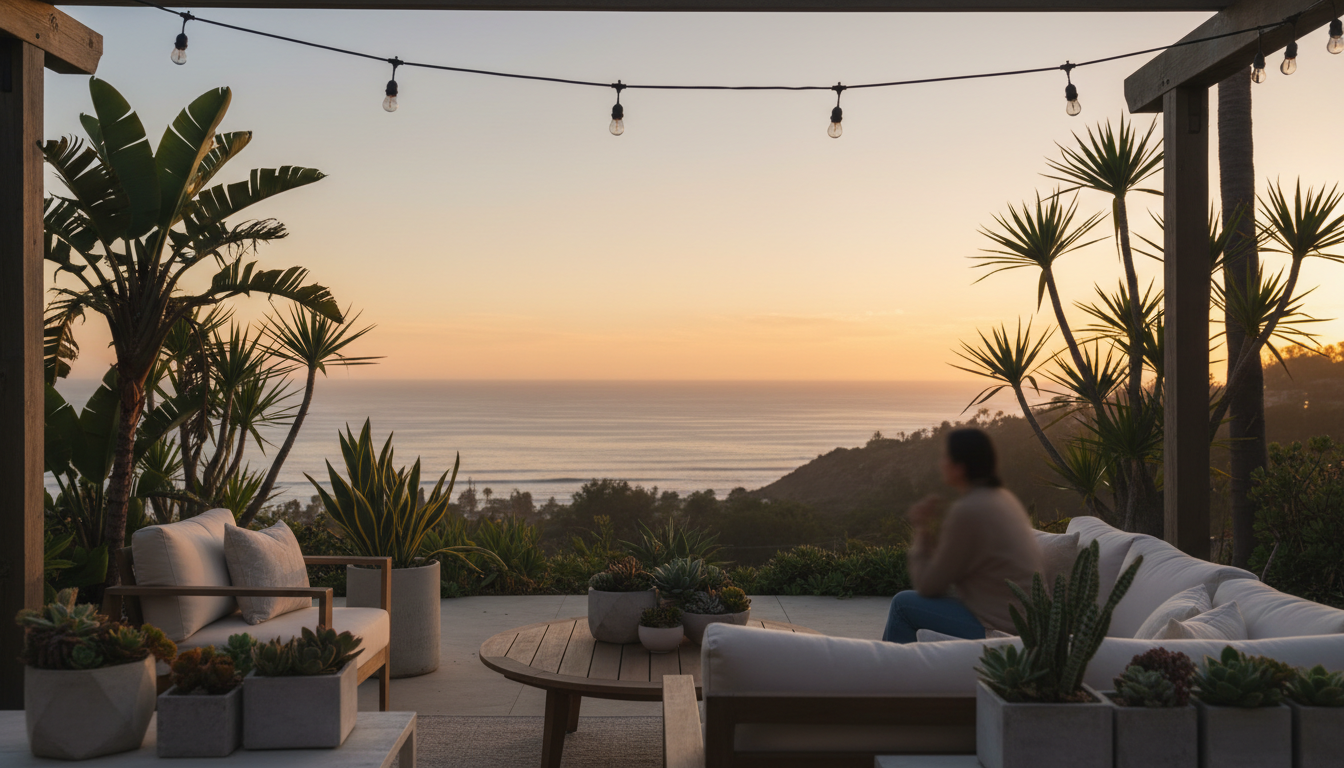 Golden hour view from a hillside home in San Diego, showing the Pacific Ocean in the distance, palm
I've done four home exchanges in San Diego over the past five years, staying everywhere from a modern condo in Little Italy to a sprawling mid-century place in La Jolla with a pool I used exactly once (the ocean was right there, you know?). This guide is everything I wish someone had told me before my first swap here—the neighborhoods that actually make sense for different types of travelers, the local secrets that'll make you feel less like a tourist, and the practical stuff that'll help your San Diego home swap go smoothly.
Why San Diego Is Perfect for Home Swapping
Here's something I've noticed after 40-plus home exchanges worldwide: some cities are made for hotels, and some cities are made for living in. San Diego falls firmly in the second category.
The thing is, San Diego's magic isn't concentrated in one touristy area. It's spread across dozens of distinct neighborhoods, each with its own personality, its own taco shops, its own secret sunset spots. When you stay in a hotel downtown, you're getting maybe 10% of what this city offers. When you do a home swap in San Diego, you're dropped into a real community—and that changes everything.
There's also the practical math. A decent hotel room in San Diego runs $250-400 per night during peak season (basically March through October, because the weather here is absurdly consistent). A beachfront vacation rental? You're looking at $400-600 easily. With SwappaHome's credit system, you're spending one credit per night regardless of whether you're staying in a studio in Hillcrest or a four-bedroom house in Point Loma. If you've been hosting guests at your place, those credits translate to serious savings—we're talking $3,500-8,400 for a two-week stay.
But honestly? The money isn't even the best part. The best part is having a local's refrigerator to stock with Seaside Market's tri-tip sandwiches, a local's beach chairs to drag down to the sand, a local's recommendations scribbled on a notepad by the coffee maker.
Best San Diego Neighborhoods for Home Exchange
Not all neighborhoods are created equal for home swapping, and the "best" one depends entirely on what kind of trip you're planning. I've broken this down based on what actually matters.
North Park: Best for First-Time Visitors Who Want Personality
North Park was my introduction to San Diego home swapping, and I'm still a little biased toward it. This is the neighborhood where young San Diegans actually hang out—craft breweries every few blocks, vintage shops, coffee roasters taking their work very seriously, and some of the best casual restaurants in the city.
The homes here are mostly Craftsman bungalows and Spanish-style houses from the 1920s-40s, which means character. Hardwood floors, built-in bookshelves, front porches where you'll end up chatting with neighbors whether you planned to or not.
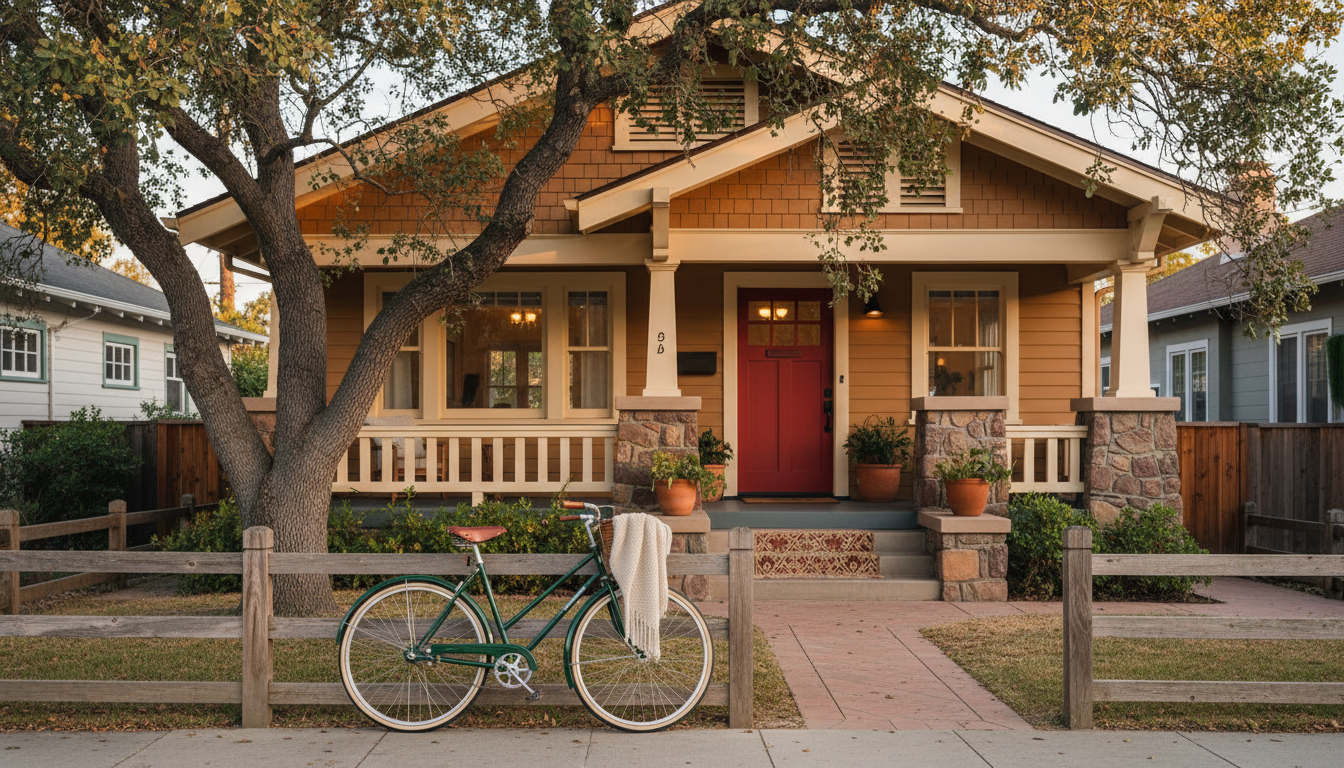 A charming 1920s Craftsman bungalow in North Park with a red front door, white porch railings, matur
Practical stuff: North Park is about 15 minutes from the beach (Coronado and Ocean Beach are your closest options), 10 minutes from Balboa Park, and walking distance to probably 30 restaurants you'll want to try. Street parking can be tricky on weekend evenings, so if your swap home has a driveway, consider that a bonus.
My favorite North Park discovery: Holsem Coffee for morning work sessions (their lavender latte shouldn't work but absolutely does), and Tribute Pizza for the kind of Neapolitan pies that make you question every pizza you've eaten before.
La Jolla: Best for Beach Access and Upscale Vibes
La Jolla is where San Diego gets fancy. The homes here tend to be larger, newer, and often come with ocean views that'll make your Instagram followers deeply envious. It's also where you'll find some of the best beaches in Southern California—La Jolla Cove for snorkeling with leopard sharks (yes, really, and they're harmless), Windansea for surfing, and La Jolla Shores for families.
The trade-off? La Jolla can feel a bit... quiet. The restaurant scene is more white-tablecloth than taco-truck, and the nightlife is essentially nonexistent. If you're looking for a relaxing, beach-focused trip, it's perfect. If you want to experience San Diego's creative energy, you might feel isolated.
Home swap options in La Jolla range from condos near the village ($350-500/night hotel equivalent) to cliffside estates that would normally rent for $800+ per night. I stayed in a mid-century modern place here once with floor-to-ceiling windows facing the ocean, and I spent an embarrassing amount of time just... sitting. Watching the water. Not being productive at all.
Ocean Beach: Best for Laid-Back Beach Culture
OB, as locals call it, is San Diego's last true beach town. It's a little scruffy, proudly weird, and feels like it hasn't changed much since the 1970s. The main drag, Newport Avenue, is lined with surf shops, dive bars, antique stores, and restaurants that don't take themselves too seriously.
The homes here are a mix—some cute beach cottages, some apartment buildings that have seen better days, some surprisingly nice renovations hiding behind unassuming exteriors. What you're really paying for (or in our case, swapping for) is location: most of OB is within a 10-minute walk of the beach and the pier.
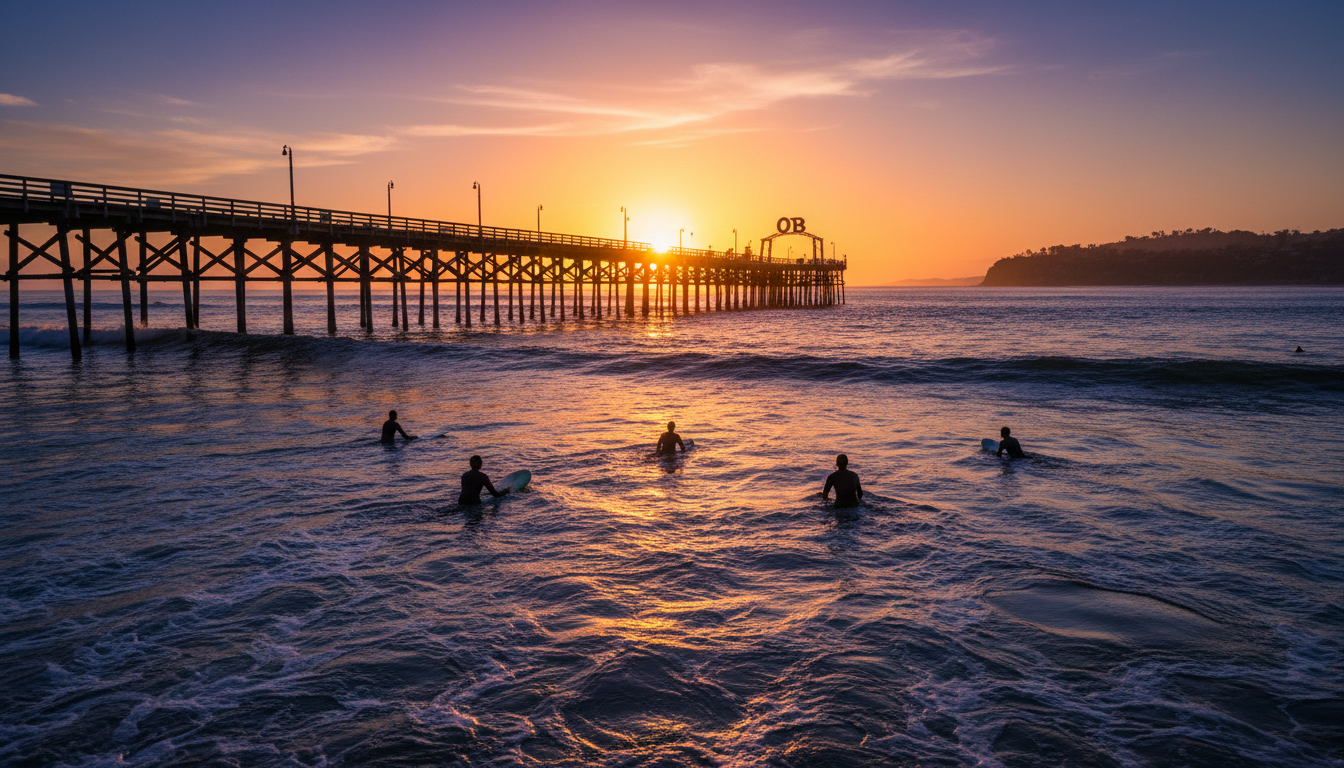 Ocean Beach pier at sunset with silhouettes of surfers in the water, the iconic OB sign visible in t
Fair warning: OB isn't for everyone. It's louder than other beach neighborhoods, parking is genuinely terrible, and the homeless population is visible. But if you want the authentic Southern California beach experience—morning surf sessions, fish tacos for lunch, sunset beers at a dive bar—this is your spot.
Don't miss: Hodad's for burgers (cash only, expect a line), OB Noodle House for surprisingly excellent Thai food, and the Wednesday farmers market on Newport Avenue.
Hillcrest: Best for Walkability and LGBTQ+ Travelers
Hillcrest is San Diego's historically LGBTQ+ neighborhood, and it's evolved into one of the most walkable, livable areas in the city. You can genuinely go days without needing a car here—grocery stores, restaurants, bars, coffee shops, and Balboa Park are all within walking distance.
The housing stock is mostly apartments and condos, with some charming older homes on the quieter streets. It's urban by San Diego standards, which means you might hear traffic noise, but you're also never more than a few minutes from whatever you need.
I did a three-week home swap in Hillcrest while working on a project, and it was ideal for the digital nomad lifestyle. Coffee shop in the morning, work from the apartment, walk to dinner. The neighborhood has genuine community feel—I ended up recognizing the same faces at the farmers market by week two.
Point Loma: Best for Families and Nature Lovers
Point Loma is this interesting peninsula that juts out into the bay, and it feels completely different from the rest of San Diego. The neighborhoods here are established, quiet, and family-oriented. You've got Cabrillo National Monument at the tip (tide pools, whale watching, incredible views), Liberty Station (a former naval base turned shopping and dining complex), and some of the best access to San Diego Bay for kayaking and paddleboarding.
Homes in Point Loma tend to be mid-century ranches and newer construction, often with actual yards—a rarity in San Diego's beach communities. It's a great choice if you're traveling with kids or just want a more residential, less touristy experience.
The downside: you'll need a car for almost everything, and the peninsula geography means you're always driving "out" to get anywhere else in the city.
How to Find the Perfect San Diego Home Swap
So you've decided on a neighborhood (or at least narrowed it down). Now comes the actual work of finding a home swap that'll work for you.
Start Early, Especially for Summer
San Diego is a year-round destination, but summer is peak season. If you're hoping to swap during July or August, I'd recommend starting your search 3-4 months in advance. The best properties—especially those with pools, ocean views, or beach proximity—get snapped up quickly.
On SwappaHome, I filter by neighborhood first, then by amenities that actually matter for my trip. For San Diego, that usually means: parking (essential unless you're in Hillcrest), outdoor space (because you'll want to be outside constantly), and air conditioning (not every older home has it, and August can get warm).
Read Between the Lines in Listings
After years of home swapping, I've learned to decode listing language. "Cozy" usually means small. "Charming" often means old with quirks. "Steps from the beach" could mean 500 steps or 50. None of these are dealbreakers—I love cozy, charming places—but you want to know what you're getting.
Look for listings with lots of photos, including the less glamorous spaces (bathroom, kitchen, bedroom closet). If someone only shows you the living room and the view, ask yourself what they're not showing.
 Interior of a bright, airy San Diego home with white walls, a comfortable sectional sofa, large wind
The Message That Gets Responses
When I reach out to potential swap partners, I always include: who I am (brief), why I'm interested in their specific home (shows I actually read the listing), my travel dates, and what my home offers in return. I also mention any flexibility I have—can I shift my dates by a few days? Am I open to a non-simultaneous exchange?
Real talk: San Diego homeowners get a lot of swap requests. A thoughtful, personalized message stands out from "Hi, I want to stay at your place in August."
What to Expect from Your San Diego Home Swap
Every home exchange is different, but here's what I've found typical for San Diego swaps.
The Pre-Arrival Communication
Good swap partners will send you a house guide—how to work the TV, where the extra towels are, which day is trash pickup. Great swap partners will send you their personal recommendations: the breakfast spot they hit every weekend, the beach parking lot that's never full, the hiking trail that tourists don't know about.
If your host doesn't offer this information, ask for it. Most people are happy to share; they just might not think of it.
Stocking Up When You Arrive
Unless you're doing a simultaneous swap where your hosts are literally in your home, don't expect a fully stocked kitchen. Plan to do a grocery run on your first day. My go-to San Diego grocery strategy: Trader Joe's for basics and snacks, Seaside Market in Cardiff (worth the drive) for their legendary tri-tip, and whatever local farmers market is happening that week.
Some hosts leave basics—coffee, cooking oil, spices—but I never assume. I always travel with a small bag of my coffee essentials because I'm a person who needs good coffee to function, and I've learned not to trust other people's coffee situations.
The Car Situation
You need a car in San Diego. I know, I know—it's California, there should be public transit. There is, technically. But unless you're staying exclusively in Hillcrest or downtown and have zero interest in beaches outside walking distance, you'll want wheels.
Some home swaps include car use (ask!), which is incredible value. Otherwise, rental cars from the airport run $40-80 per day depending on season. I've also had good luck with Turo for longer stays.
Local Secrets for Your San Diego Home Swap
Alright, here's the stuff I've collected over four swaps and countless conversations with San Diego locals.
The beach timing trick: Marine layer (that gray morning fog) is real and common May through July. Don't panic if you wake up to clouds—by 11 AM, it usually burns off. Locals call it "May Gray" and "June Gloom." By afternoon, it's almost always sunny.
The taco hierarchy: Everyone will tell you to go to a different taco shop, and everyone is right because San Diego tacos are universally good. But if you want the real experience, look for places with handmade tortillas. Tacos El Gordo in Chula Vista is worth the drive for adobada. City Tacos in North Park is my go-to for fish tacos. Obscure side-of-the-road spots in Barrio Logan often beat the famous names.
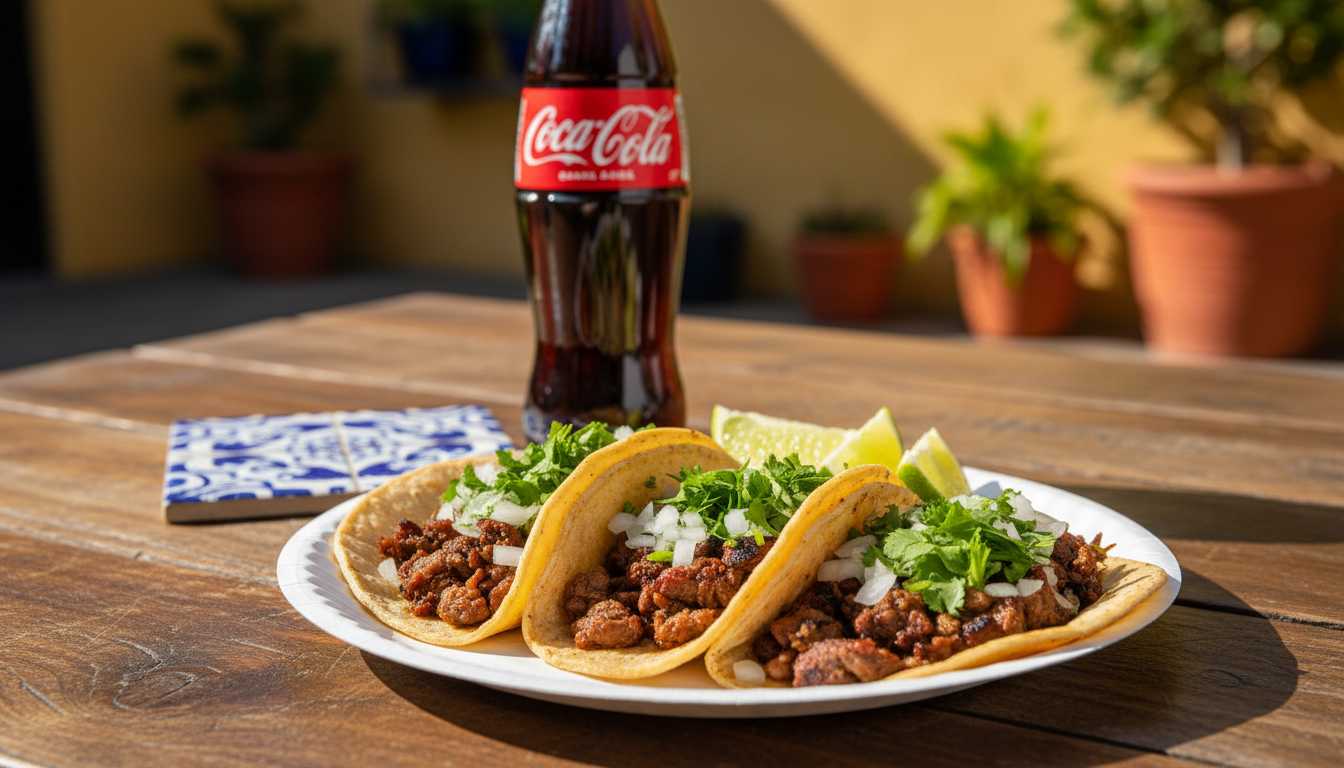 Close-up of authentic San Diego street tacos on a paper plate, with carne asada, fresh cilantro, dic
The parking reality: Beach parking in summer is genuinely competitive. Get there before 9 AM or after 4 PM. La Jolla Shores has a big lot but fills by 10 AM on weekends. Coronado is easier but requires the bridge or ferry. Ocean Beach is chaos—just accept it.
The neighborhood exploration method: San Diego's neighborhoods are so distinct that I recommend picking a new one to explore each day of your trip. Coffee in South Park, lunch in Little Italy, sunset in Encinitas. You'll get a much richer sense of the city than if you stick to one area.
The day trip that's worth it: If you have a car and a free day, drive up to Encinitas and Cardiff-by-the-Sea (about 30 minutes north). Smaller beach towns, excellent surf, great restaurants, and a completely different vibe from San Diego proper. Swami's Beach is iconic for a reason.
Making Your San Diego Home Swap Successful
After enough exchanges, you develop a sense for what makes them work. Here's my approach.
Communication Is Everything
I message my swap partners before arrival to confirm logistics, during the stay if any questions come up (kept minimal—nobody wants a needy guest), and after to thank them and leave a review. This builds the trust that makes the home swap community work.
On SwappaHome, reviews are visible to future swap partners, so treating someone's home well isn't just the right thing to do—it's an investment in your reputation for future exchanges.
Leave It Better Than You Found It
My personal rule: leave the home cleaner than I found it. Run the dishwasher, take out the trash, strip the beds. Some swappers hire a cleaning service for the final day (usually $100-150 in San Diego), which I think is worth it for longer stays.
Small touches matter too. I usually leave a small gift—local coffee from wherever I traveled from, a nice candle, a handwritten thank-you note. It's not required, but it's remembered.
Handle Issues Like Adults
Things occasionally go wrong. The WiFi stops working. You can't figure out the thermostat. The neighbor's dog won't stop barking. In seven years of swapping, I've found that 99% of issues are solved with a quick message to your host. They know their home's quirks and can usually talk you through it.
For the rare bigger issues, remember that SwappaHome connects you with your host through secure messaging, and most problems are just miscommunications that a conversation can fix.
Planning Your San Diego Home Swap Timeline
Here's how I'd approach planning a San Diego home exchange.
4-6 months before: Start browsing SwappaHome for San Diego listings. Get a sense of what's available in your target neighborhoods. Make sure your own listing is updated with great photos and an accurate description.
3-4 months before: Send messages to your top choices. Be flexible on dates if you can—it dramatically increases your options.
2 months before: Confirm your swap, exchange detailed information about your homes, discuss any logistics (parking, pets, plants that need watering).
2 weeks before: Final check-in with your swap partner. Share arrival times, key exchange details, emergency contact numbers.
During your stay: Enjoy San Diego. Send a quick message if anything comes up. Take photos of the sunset from your borrowed balcony.
After: Leave a thoughtful review on SwappaHome. Start dreaming about your next San Diego home swap.
The Real Value of Home Swapping in San Diego
I want to end with something that's hard to quantify but feels important.
Last year, I did a two-week home swap in Normal Heights—a neighborhood I'd never even heard of before. The house was nothing fancy, just a comfortable 1950s ranch with a lemon tree in the backyard. But my host had left me a notebook full of recommendations, and I spent those two weeks living like a local. Morning walks to Dark Horse Coffee. Sunset drives to different beaches. A neighborhood bar where the bartender started recognizing me by day four.
On my last night, I sat on the back patio, watching the sky turn pink, eating fish tacos from a place I never would have found in a guidebook. And I thought: this is what travel is supposed to feel like.
Hotels are fine. Vacation rentals are fine. But there's something about staying in someone's actual home—sleeping in their guest room, using their beach towels, following their recommendations—that transforms a trip from tourism into something closer to living.
That's what home swapping in San Diego offers. Not just free accommodation (though that's nice). Not just savings (though those are real). But a different way of experiencing a place. A way that feels more honest, more connected, more like the trip you actually wanted to take.
If you're considering your first San Diego home swap, my advice is simple: just do it. Find a neighborhood that speaks to you, reach out to a few hosts on SwappaHome, and see what happens. The worst case is a perfectly nice trip. The best case is the kind of travel experience that changes how you think about travel entirely.
I'll probably be back in San Diego next spring. Maybe I'll see you at that taco shop with no sign, three blocks from wherever you're staying.
Frequently Asked Questions
Is home swapping in San Diego safe?
Home swapping in San Diego is generally very safe, especially when using platforms like SwappaHome that include member verification and review systems. The community is built on mutual trust—you're staying in someone's home while they potentially stay in yours. Most experienced swappers recommend getting your own travel insurance for additional peace of mind, and always communicating thoroughly with your swap partner before arrival.
How much can I save with a San Diego home swap versus hotels?
A San Diego home swap can save you $250-500 per night compared to hotels, or $350-700 per night compared to vacation rentals in popular areas like La Jolla or the beaches. For a two-week stay, that's potentially $3,500-9,800 in savings. On SwappaHome, you spend one credit per night regardless of the property's market value, and new members start with 7 free credits.
What are the best neighborhoods for a San Diego home exchange?
The best San Diego neighborhoods for home swapping depend on your priorities. North Park and Hillcrest offer walkability and local culture. La Jolla and Point Loma provide beach access and family-friendly environments. Ocean Beach delivers authentic surf-town vibes. Most home swappers find the best experience in residential neighborhoods rather than touristy downtown areas.
Do I need a car for a San Diego home swap?
Yes, you'll almost certainly need a car for a San Diego home swap unless you're staying exclusively in Hillcrest or downtown. San Diego is spread out, and public transit is limited. Some home swap hosts include car use in their exchange—always worth asking. Otherwise, expect to pay $40-80 per day for a rental car.
When is the best time for a home swap in San Diego?
San Diego has excellent weather year-round, making it ideal for home swapping any season. Summer (June-August) is peak season with the warmest weather but also the most competition for swaps and crowded beaches. Spring (March-May) and fall (September-November) offer perfect weather with fewer crowds. Winter (December-February) is mild and least crowded, with occasional rain.

Published by
SwappaHome
SwappaHome Editorial Team
Home Exchange & Slow Travel Editorial
The SwappaHome Editorial Team brings together travel research, home-exchange community insights, and platform data to produce practical guides for first-time and experienced home swappers. Every article cites real platforms, current market rates, and verifiable city-level facts so readers can make informed decisions without guessing.
Ready to try home swapping?
Join SwappaHome and start traveling by exchanging homes. Get 7 free credits when you sign up!
Related articles
How to Extend or Modify a Home Swap Mid-Stay: The Complete Flexibility Guide
Need to extend your home swap or change dates mid-trip? Here's exactly how to negotiate changes, handle credits, and keep both parties happy.

How to Visit Bali for Free with Home Exchange: The Complete 2026 Guide
Skip the $150/night villas. Home exchange in Bali lets you stay in Ubud rice field houses and Seminyak beach pads for zero accommodation cost. Here's exactly how.
How to Vet Home Swap Guests: 12 Red Flags Every Host Should Know
Learn how to vet home swap guests before handing over your keys. Spot the 12 red flags experienced hosts watch for—and protect your home with confidence.