
Honeymoon in Buenos Aires: Why Home Swapping Beats Luxury Hotels Every Time
Maya Chen
Travel Writer & Home Exchange Expert
Planning a honeymoon in Buenos Aires? Discover why savvy couples are choosing home swapping over hotels for a more authentic, romantic, and affordable experience.
The tango drifted up from the street below—some neighbor's stereo, probably—and there we were, my husband and I, slow-dancing in our borrowed Palermo apartment at 2 AM. Still buzzing from the milonga we'd just left. No hotel concierge about to knock. No checkout time hanging over our heads. Just us, a bottle of Malbec, and the kind of spontaneous romance that only happens when you're actually living somewhere instead of just passing through.
That's the thing about doing a honeymoon in Buenos Aires through home swapping. It stops being a curated tourist experience and starts feeling like the actual beginning of your married life together. And honestly? After seven years of exchanging homes across 25 countries, I'm convinced Buenos Aires might be the single best city in the world for newlyweds to try this.
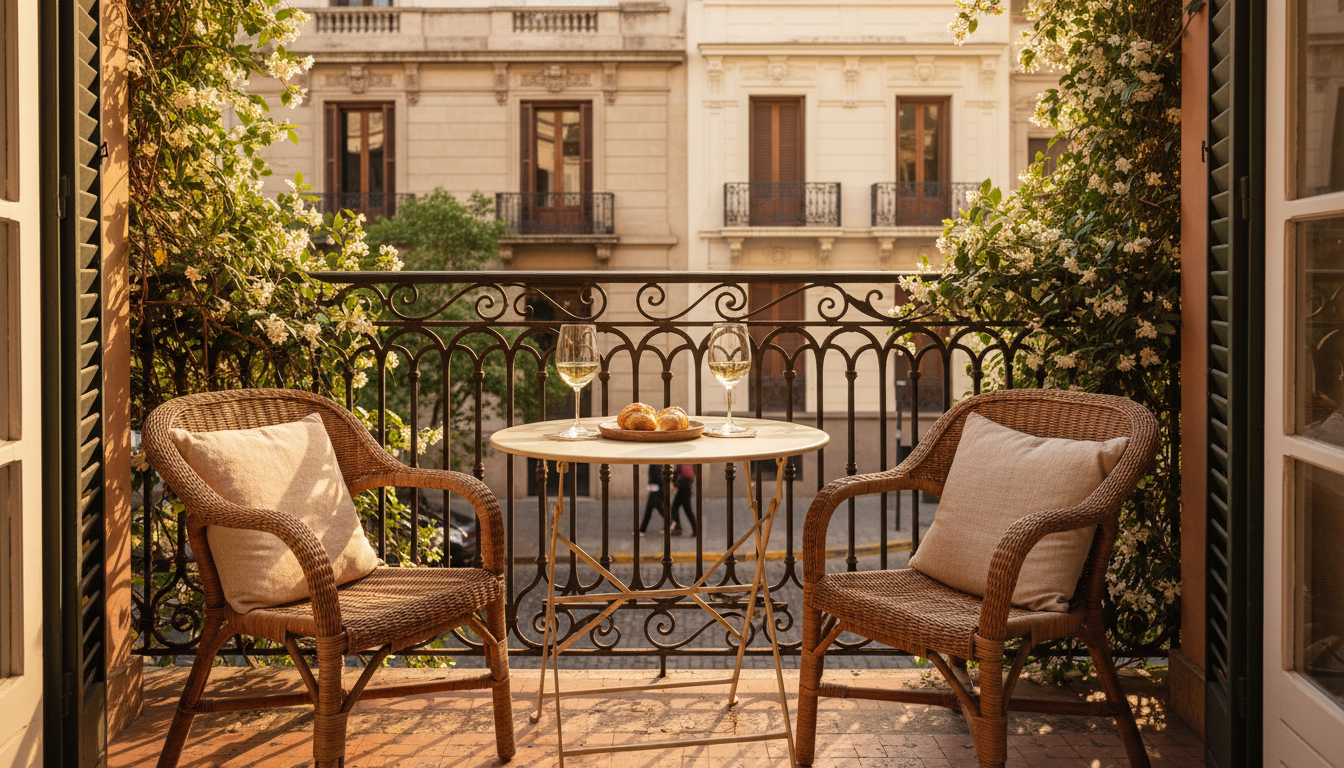 Elegant Palermo Soho apartment balcony at golden hour, wrought-iron railings draped with jasmine, sm
Why a Buenos Aires Honeymoon Home Swap Changes Everything
Let me paint you two pictures.
Scenario A: You're in a gorgeous five-star hotel in Puerto Madero. Immaculate room. Astronomical thread count. You order room service breakfast for $47 USD, eat it in bathrobes, and then... what? Head to the hotel pool with fifteen other couples? Ask the concierge for the same restaurant recommendations every tourist gets? Feel vaguely guilty about the $600/night bleeding from your bank account?
Scenario B: You wake up in a sun-flooded apartment in San Telmo. Pad to the kitchen in bare feet. Make coffee in a moka pot you found in the cabinet. Eat fresh facturas from the bakery on the corner—$3 USD for both of you. Your host left a handwritten note about their favorite hidden parrilla two blocks away. Tonight, you'll grill steak on the balcony and watch the sunset over a city you're starting to feel like you belong in.
I'm not saying luxury hotels are bad. But for a honeymoon in Buenos Aires specifically? Home swapping unlocks something hotels simply can't: the feeling that you're building a life together, not just taking a vacation.
The Real Economics (Because I Know You're Wondering)
A solid four-star hotel in a desirable Buenos Aires neighborhood runs $180-250 USD per night. The luxury spots in Puerto Madero or Recoleta? $350-600+ nightly. For two weeks, that's anywhere from $2,500 to $8,400 just for a place to sleep.
With SwappaHome's credit system, you'd use 14 credits for two weeks—credits you earned hosting travelers in your own home before the wedding. One credit per night, regardless of location or property size. Modest apartment or stunning penthouse, same exchange rate.
But here's what the math misses: the money you save means you can actually do more. Take that private tango lesson ($80 USD for both of you). Book the seven-course tasting menu at Aramburu ($150 USD per person—worth every peso). Hire a photographer for a couples shoot in La Boca ($200 USD). Stay an extra week.
My husband and I extended our Buenos Aires honeymoon by five days because we weren't hemorrhaging money on hotel rooms. Those five extra days? That's when we discovered our favorite neighborhood. Made friends with the couple who owned the wine bar downstairs. Had what I still consider the most romantic night of the entire trip—cooking together during a thunderstorm while the city sparkled through rain-streaked windows.
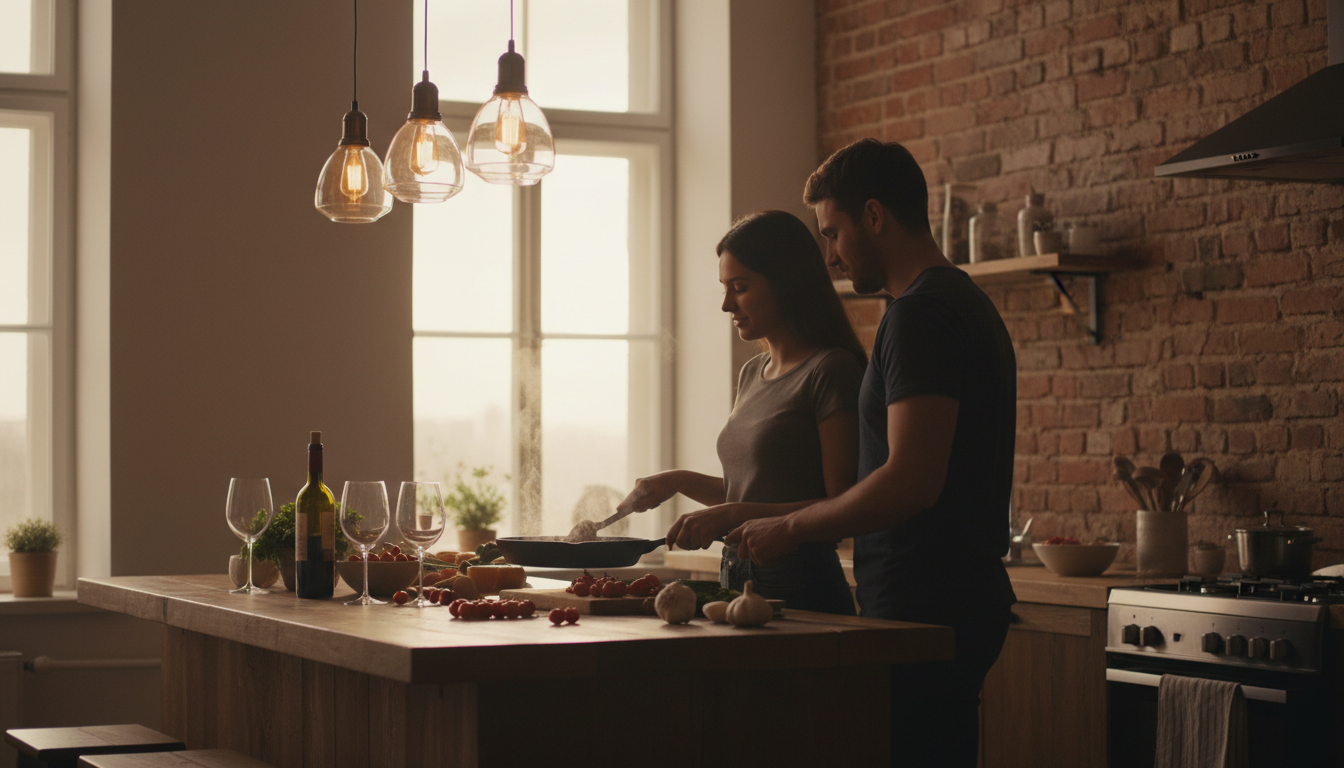 Cozy apartment kitchen with exposed brick, couple cooking together, steam rising from a cast iron pa
Best Neighborhoods for a Honeymoon Home Swap
Not all Buenos Aires neighborhoods are created equal when you're looking for romance. Here's my honest breakdown after my own experience and countless conversations with other home swappers.
Palermo Soho: For Foodie Couples
This is where I stayed. I'm biased, but for good reason.
Palermo Soho has the highest concentration of incredible restaurants, trendy cocktail bars, and boutique shops in the city. Jacaranda trees line the streets—they bloom purple in November. The architecture mixes colonial townhouses with modern renovations, and there's energy here without feeling overwhelming.
Expect apartments in converted casas chorizo (traditional long, narrow houses), often with private patios or rooftop terraces. Many have been recently renovated with that industrial-chic look—exposed brick, polished concrete, designer furniture.
You're walking distance to Don Julio (arguably the best steakhouse in South America—make reservations weeks ahead), Florería Atlántico (a speakeasy hidden behind a flower shop), and dozens of sidewalk cafes perfect for watching the world go by.
The vibe? Young, hip, energetic. Quieter on weekday mornings, buzzing on weekend nights.
San Telmo: For History and Tango Lovers
If you want to feel like you've stepped into a Carlos Gardel song, this is your neighborhood.
Old Buenos Aires lives here—cobblestone streets, antique shops, crumbling grandeur, tango halls where locals actually dance (not just tourists performing for each other). The apartments tend to be in historic buildings with original details: ornate moldings, marble fireplaces, wooden shutters. Some have been modernized inside; others embrace the vintage aesthetic fully.
Plaza Dorrego's Sunday antique market is a must. Café Tortoni is touristy but iconic. Multiple milongas within walking distance, including La Catedral and El Beso.
The vibe is bohemian, artistic, slightly gritty. More authentic than Palermo, less polished—which is exactly what some couples want.
Recoleta: For Classic Romance
Think Parisian elegance transported to South America.
Grand Belle Époque architecture. Manicured parks. World-class museums. Sophisticated dining. The apartments here tend to be spacious, in French-style buildings, often with balconies overlooking tree-lined avenues. Higher ceilings, more formal layouts, sometimes with separate dining rooms.
Yes, visiting Recoleta Cemetery is romantic—trust me on this. MALBA contemporary art museum is exceptional. The weekend artisan fair in Plaza Francia makes for a perfect lazy afternoon.
The vibe is upscale, quiet, cultured. Best for couples who prefer museums to nightclubs.
Villa Crespo: For Budget-Conscious Romantics
Palermo's less famous neighbor offers similar energy at lower intensity.
The restaurant scene here is exploding, and you'll find some of the best value in the city. Your credits stretch further—larger apartments, sometimes with dedicated home offices or extra bedrooms. Mix of old and new buildings.
Sarkis (legendary Armenian restaurant) is here. So is the Mercado de Pulgas flea market. Easy access to both Palermo and Chacarita.
The vibe is up-and-coming, local, unpretentious. Fewer tourists, more real porteño life.
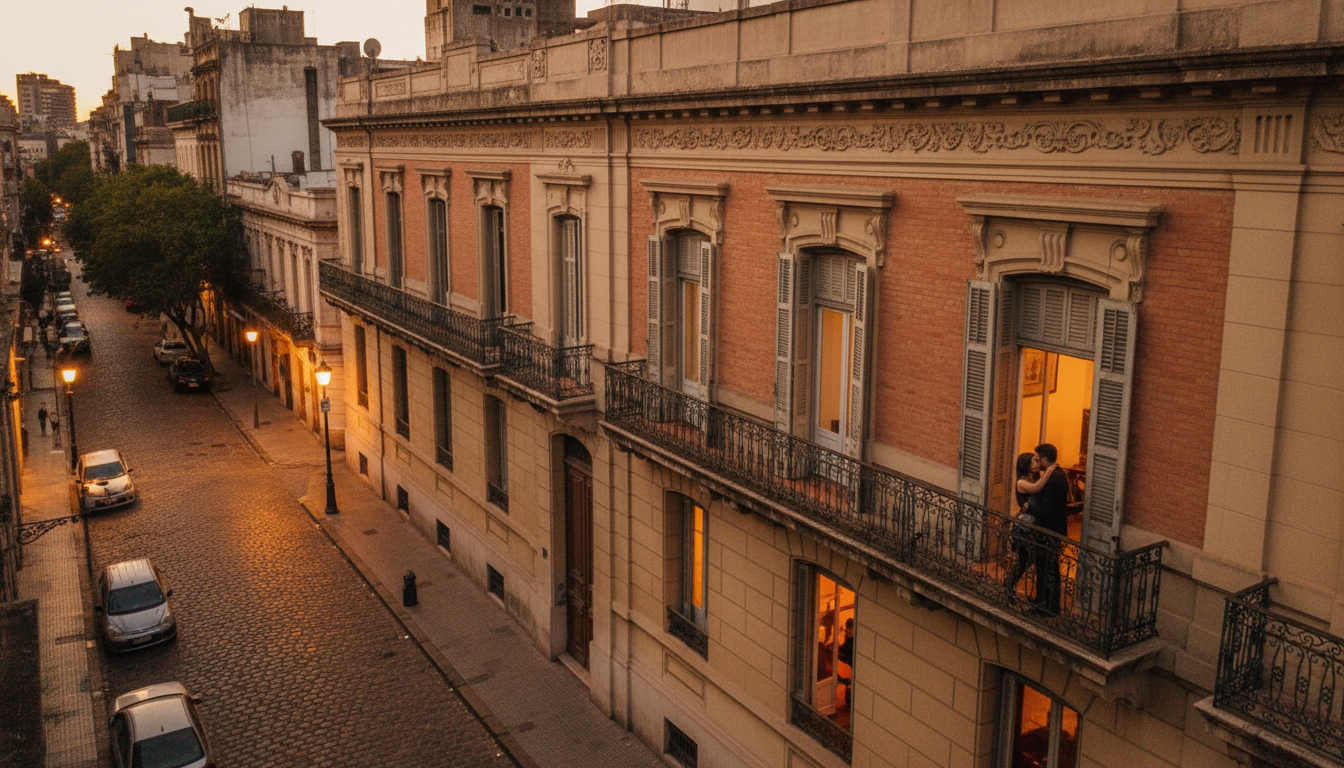 Aerial view of San Telmos cobblestone streets at dusk, warm light spilling from apartment windows, a
What Makes Buenos Aires Perfect for This
I've done home swaps in Paris, Tokyo, Barcelona, and a dozen other romantic destinations. Buenos Aires hits differently for newlyweds. Here's why.
The City Runs on Late Nights
Dinner doesn't start until 9 or 10 PM. Bars don't fill up until midnight. Milongas peak around 2 AM.
This schedule is perfect for honeymooners who want lazy mornings, long afternoons exploring, and nights that stretch until dawn. In a hotel, you'd feel the pressure of breakfast service ending, checkout times, the general structure of hospitality schedules. In a home swap? Sleep until noon. Make brunch at 3 PM. Leave for dinner at 11. Live on Buenos Aires time.
The Food Culture Rewards Home Cooking
Argentine beef is legendary, and here's a secret: the best way to experience it isn't always at a restaurant.
Head to a carnicería (butcher shop) in any neighborhood. For about $15-20 USD, you'll get enough premium cuts to feed four people. Most Buenos Aires apartments have parrillas (grills) on balconies or rooftops.
Some of my favorite honeymoon memories involve standing at a grill with my husband, glass of Malbec in hand, arguing about whether the entraña was ready yet. Can't do that at the Hilton.
The Tango Scene Actually Welcomes Beginners
Unlike some cities where traditional dances feel inaccessible, Buenos Aires has beginner-friendly milongas specifically designed for tourists and newcomers. Having a home base where you can practice your steps, watch YouTube tutorials, and laugh at your mistakes in private makes the whole experience less intimidating.
We practiced in our Palermo living room for three days before we had the courage to try a real milonga. By the end of our trip, we were dancing (badly, but joyfully) until 4 AM.
The Café Culture is Made for Long Conversations
Porteños treat coffee as an event, not a transaction. Cafes have been the heart of Buenos Aires social life for over a century. You're expected to linger for hours over a single cortado.
When you're staying in a neighborhood rather than a hotel district, you'll find your café—the one where the waiter starts to recognize you, where you develop a routine, where you can sit in comfortable silence with your new spouse and just... be married.
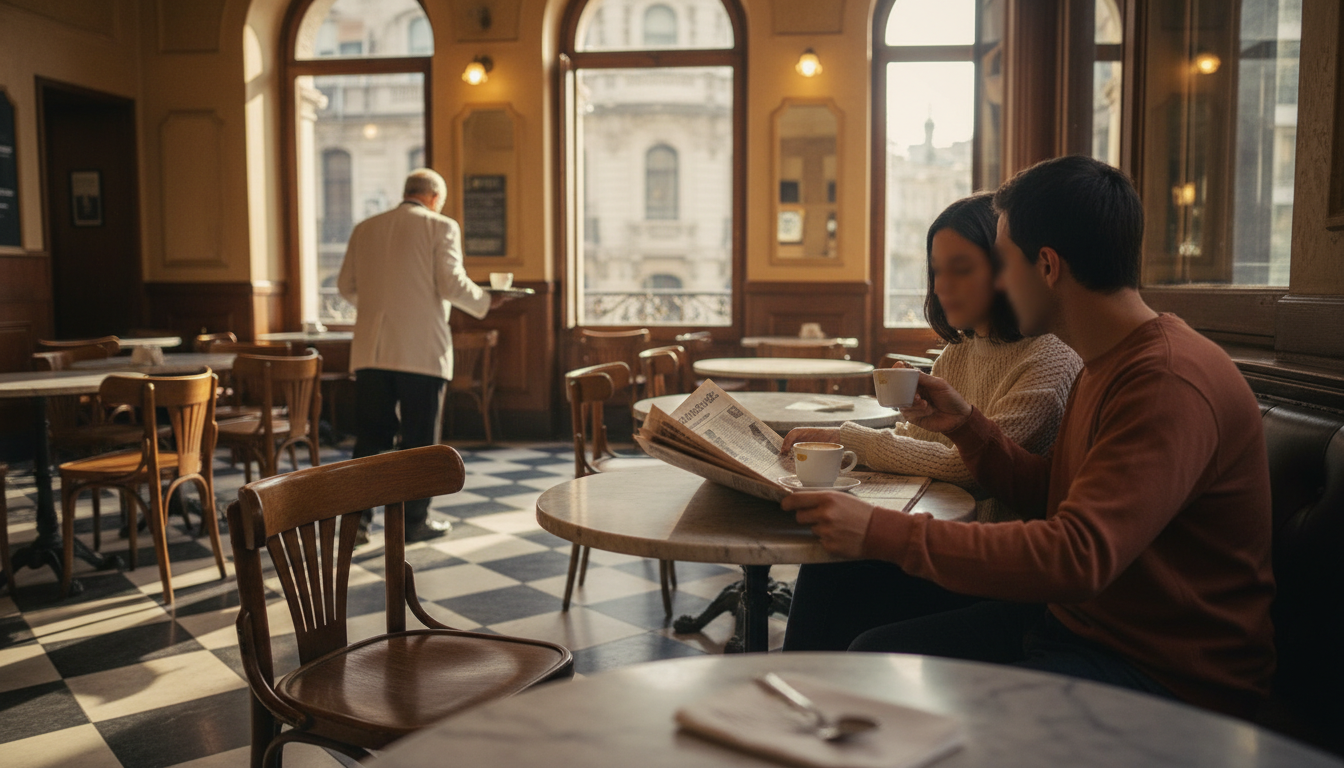 Interior of a classic Buenos Aires caf with checkered floor tiles, marble-topped tables, elderly wai
How to Find the Right Home Swap
Alright, let's get practical.
Start 4-6 Months Ahead
Buenos Aires is increasingly popular for home swapping, but the best properties—especially those with balconies, good natural light, and central locations—get booked. Don't wait.
Be Specific When You Search
On SwappaHome, filter for neighborhood (prioritize Palermo Soho, San Telmo, or Recoleta for honeymoons), outdoor space (essential for those late-night wine moments), kitchen quality (look for photos showing a real cooking setup, not just a microwave), and natural light (Buenos Aires apartments can be dark—look for corner units or upper floors).
Read Between the Lines
"Authentic neighborhood feel" often means farther from tourist attractions. "Cozy" sometimes means small. "Character" can mean the building is older with quirks. None of these are dealbreakers—just manage expectations.
Message Hosts Like Humans
Mention you're honeymooning. Ask specific questions: What's your favorite restaurant within walking distance? Is the neighborhood quiet enough to sleep with windows open? Any local secrets you'd recommend for a couple?
The best hosts love sharing their city. Their answers tell you a lot about whether this is the right fit.
Think About What You're Offering
Home swapping is a community. Before your honeymoon, you might host travelers in your own home to build up credits. Make your listing appealing—great photos, detailed descriptions, honest assessments of your neighborhood. The more desirable your home, the more options you'll have in Buenos Aires.
What to Expect from Your Host
Argentine hosts tend to be incredibly generous with local knowledge. My Palermo host left us a hand-drawn map with her personal recommendations marked in different colors—restaurants in red, cafes in blue, "don't miss" spots in gold stars.
Many hosts offer to meet you for coffee or drinks during your stay. Say yes. These connections often lead to the most memorable experiences: invitations to asados (barbecues), introductions to friends, tips on events happening that week.
A few practical notes: Argentine apartments often have different quirks than North American or European ones. The electrical system might include both 220V and 110V outlets. Water heaters (calefones) sometimes need to be turned on manually before showering. Ask your host for a quick orientation video or detailed instructions.
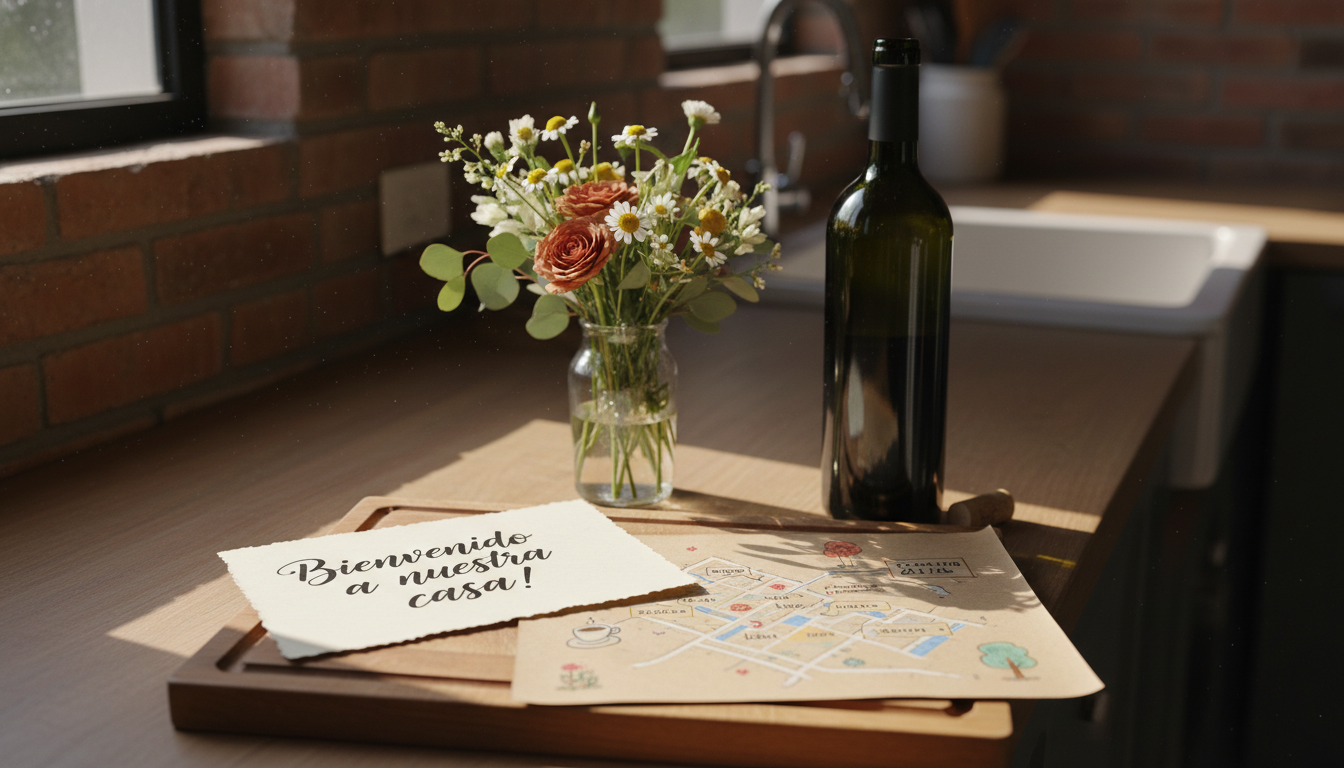 Handwritten welcome note on a kitchen counter with a small vase of fresh flowers, a bottle of Argent
Experiences Only Home Swappers Get
Here's what hotels can't give you.
The Neighborhood Asado Invitation. Our third night, we met our downstairs neighbors on the shared rooftop terrace. By the following Sunday, we were invited to their family asado—five hours of grilled meats, homemade chimichurri, and three generations of porteños teaching us to say "che" correctly. This doesn't happen when you're staying at the Four Seasons.
The Secret Milonga. Our host's note mentioned a "práctica" (informal tango practice) in a community center three blocks away. No tourists. No fancy outfits. Just locals practicing their moves on a Wednesday night, happy to dance with beginners. We never would have found it on TripAdvisor.
The Morning Market Ritual. Every Thursday, a small produce market set up on our street. By week two, the fruit vendor knew we liked the white peaches. The cheese guy started saving us samples of new arrivals. We weren't tourists buying souvenirs; we were neighbors stocking our kitchen.
The Thunderstorm Night. Buenos Aires gets spectacular summer storms. One hit during our second week—the kind where the sky turns green and the rain comes sideways. We lit candles, opened all the windows, and watched the lightning over the city from our borrowed living room. No restaurant reservation. No hotel bar. No plans. Just us and the storm and the beginning of our marriage.
Practical Stuff You Need to Know
Money Matters
Argentina's economy is... complicated. There's often a significant difference between the official exchange rate and the "blue dollar" rate. Research current conditions before you go—many home swap hosts can advise on the best way to handle money during your stay.
Rough budget: nice dinner for two with wine runs $40-80 USD. Casual lunch, $15-25 USD. Coffee and pastry, $5-8 USD. Private tango lesson, $60-100 USD per couple. Taxi across the city, $5-10 USD.
Safety
Buenos Aires is generally safe, but like any major city, it requires street smarts. Stick to well-lit streets at night. Don't flash expensive jewelry or electronics. Use registered taxis or ride-share apps rather than hailing cabs on the street. Your home swap host will have specific advice for their neighborhood. Follow it.
When to Go
Argentine spring (September-November) and fall (March-May) offer the best weather. Summer (December-February) is hot and humid, and many porteños leave the city. Winter (June-August) is mild but can be grey.
For honeymoons, I love late October—jacaranda trees blooming purple everywhere, warm but not oppressive, city fully alive.
Language
Spanish helps enormously, but you can get by with English in tourist areas. Download Google Translate offline. Learn a few key phrases: "La cuenta, por favor" (the check, please), "Una mesa para dos" (a table for two), "¿Dónde está...?" (where is...?).
Porteños appreciate any effort, even if your Spanish is terrible.
Why This Matters for Your Marriage
I'm going to get a little philosophical here, but stay with me.
A honeymoon sets the tone for your marriage. The traditional luxury hotel honeymoon says: "We deserve to be pampered. Someone else will handle the details. Our job is to relax and be served." There's nothing wrong with that.
But a home swap honeymoon says something different: "We can build a life anywhere. We're resourceful together. We find adventure in the ordinary. We don't need luxury to be happy—we need each other and a sense of discovery."
My husband and I still talk about that Buenos Aires trip. Not because of any single spectacular moment, but because of how it felt to wake up in our apartment, walk to our bakery, sit at our café, cook in our kitchen. We were practicing being married, not just celebrating a wedding.
That practice mattered. Seven years later, we still approach travel—and life—with that same spirit.
Getting Started
If you're new to home exchange, here's the simplest path forward.
Create a profile on SwappaHome and list your home with honest, appealing photos and descriptions. You'll receive 10 free credits to start—enough for almost two weeks of accommodation anywhere in the network.
Before your honeymoon, consider hosting a few travelers in your own home. This builds your reviews, increases your credits, and helps you understand the home swap experience from the host side. Plus, you'll meet interesting people and maybe get tips for your Buenos Aires trip.
When you're ready to search, filter for Buenos Aires and start messaging hosts whose homes appeal to you. Be genuine, be specific about your dates and interests, and don't be afraid to ask questions.
The community aspect means you're not just booking accommodation—you're connecting with real people who want you to love their city as much as they do.
That thunderstorm night in Buenos Aires, my husband turned to me and said, "I can't believe we almost booked a hotel."
I think about that moment whenever someone asks me about honeymoon planning. The best trips aren't about thread counts or room service or Instagram-perfect lobbies. They're about feeling like you belong somewhere, even if just for two weeks. They're about the unexpected moments that become the stories you tell for decades.
A honeymoon in Buenos Aires through home swapping gave us that. It might give you that too.
Just don't blame me when you extend your trip by a week. That's what happens when you stop being a tourist and start being a temporary local.
Frequently Asked Questions
Is home swapping safe for a honeymoon in Buenos Aires?
Home swapping through platforms like SwappaHome includes member verification and a review system that builds accountability. Most experienced swappers report positive experiences, but getting your own travel insurance is wise for added peace of mind. Read reviews carefully, communicate thoroughly with hosts, and trust your instincts about listings that feel right.
How much can I save with home exchange vs hotels?
A two-week Buenos Aires honeymoon in a four-star hotel runs $2,500-5,000 USD for accommodation alone. With home swapping, you'd use 14 credits—no cash exchanged between members. Most couples redirect those savings toward experiences: private tango lessons, fine dining at places like Don Julio, or extending their trip by several days.
What's the best neighborhood for a Buenos Aires honeymoon home swap?
Palermo Soho tops my list for most honeymooners—best restaurant scene, charming tree-lined streets, walkable nightlife. San Telmo suits couples who love tango, history, and bohemian atmosphere. Recoleta appeals to those preferring classic elegance and cultural attractions. Villa Crespo offers great value with authentic local character.
When should I start planning?
Begin searching 4-6 months before your travel dates. The best properties—especially those with balconies, good natural light, and prime locations—book early. This timeline also gives you opportunity to host travelers beforehand, building credits and reviews that make your profile more appealing to Buenos Aires hosts.
Do I need to speak Spanish?
Basic Spanish helps significantly, but you can manage with English in tourist areas and translation apps. Your home swap host's notes and recommendations often bridge language gaps for neighborhood-specific needs. Learning key phrases and showing effort with the language earns goodwill from locals who appreciate the attempt.
40+
Swaps
25
Countries
7
Years
About Maya Chen
Travel Writer & Home Exchange Expert
Maya is a travel writer with over 7 years of experience in the home swapping world. Originally from Vancouver and now based in San Francisco, she has completed more than 40 home exchanges across 25 countries. Her passion for "slow" and authentic travel led her to discover that true luxury lies in living like a local, not a tourist.
Ready to try home swapping?
Join SwappaHome and start traveling by exchanging homes. Get 10 free credits when you sign up!
Related articles
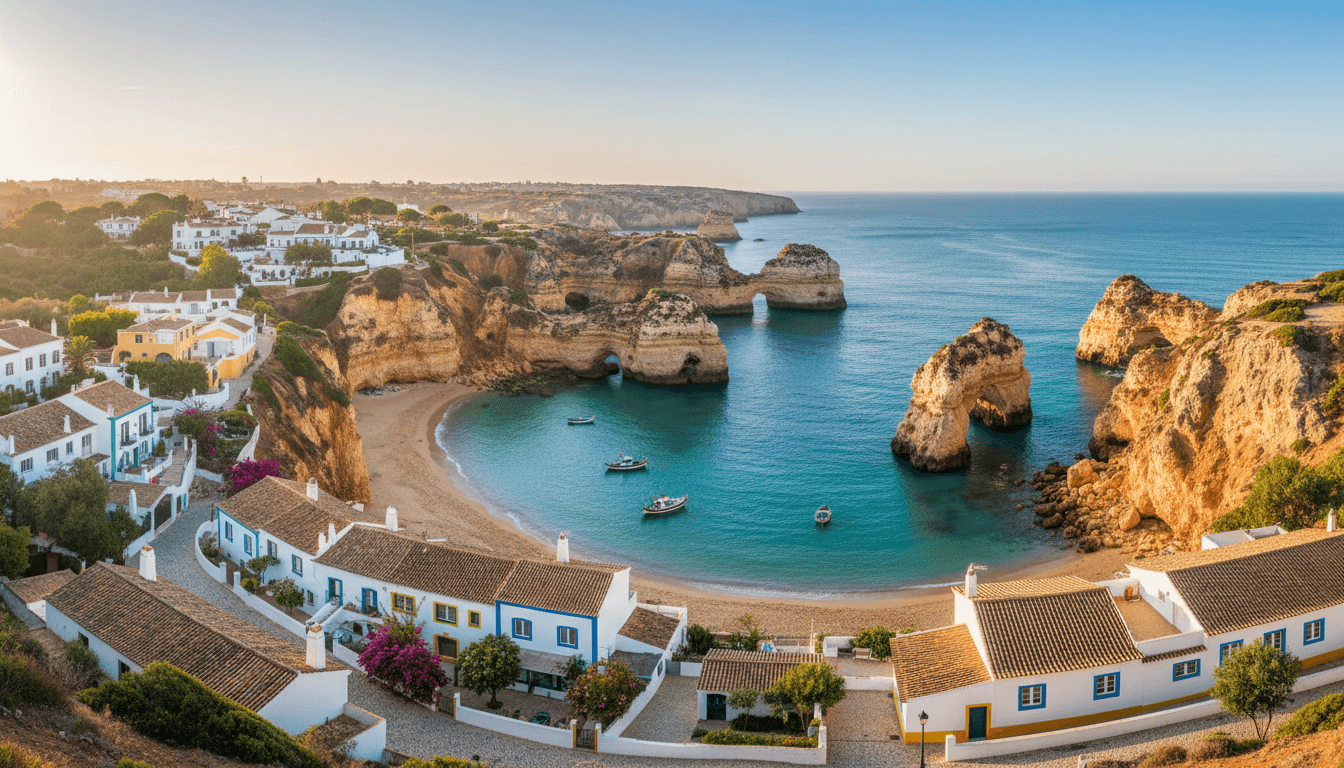
Algarve Neighborhood Guide for Home Swappers: From Trendy Lagos to Traditional Tavira
Discover the best Algarve neighborhoods for home exchange—from surf-town vibes in Lagos to authentic fishing villages in the east. Your insider guide to Portugal's sun-drenched coast.

Santiago Bucket List: 27 Unforgettable Experiences to Enjoy During Your Home Swap
From secret wine bars to Andean day trips, discover the ultimate Santiago bucket list experiences that only home swap travelers get to enjoy like locals.
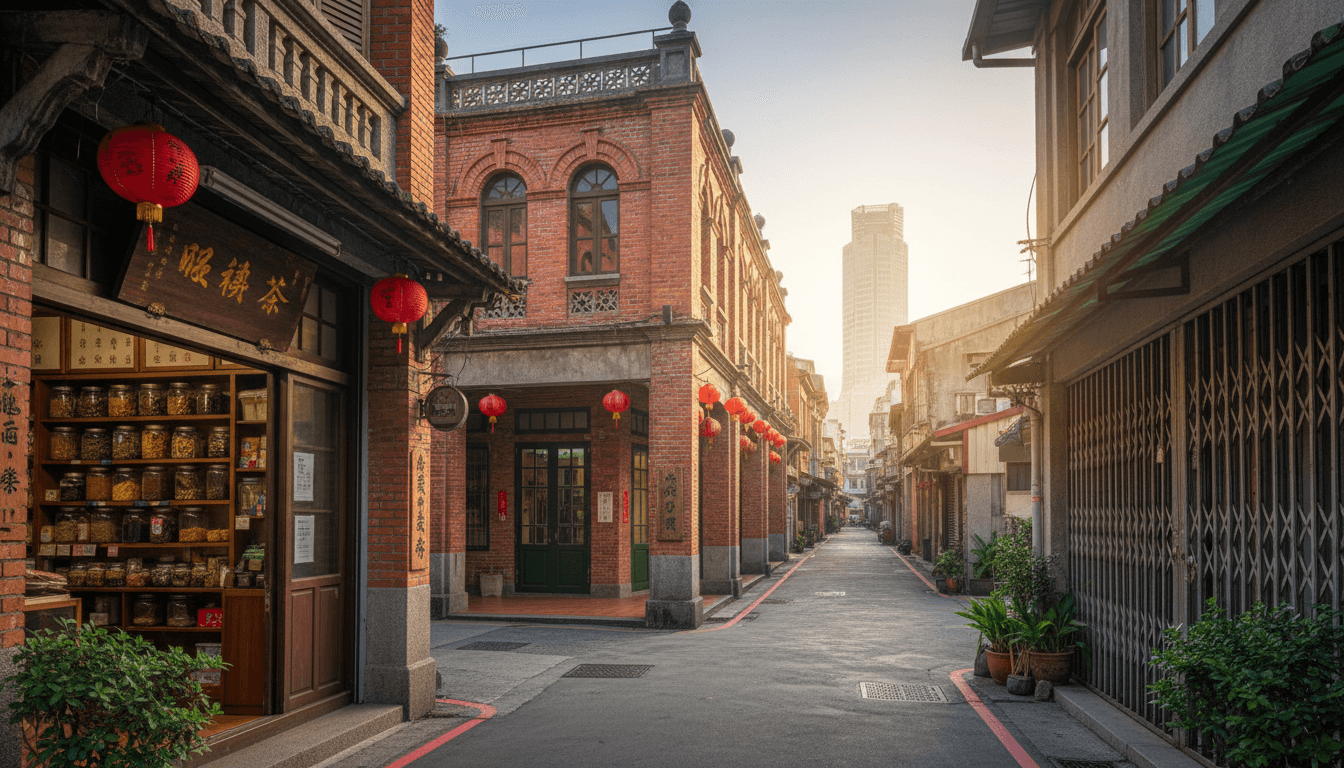
Taipei Neighborhoods for Home Swappers: Your Complete Guide from Trendy Xinyi to Traditional Dadaocheng
Discover the best Taipei neighborhoods for home exchange—from hipster cafés in Zhongshan to century-old temples in Wanhua. A local-tested guide to finding your perfect swap.