
How to choose national park vacation packages for an unforgettable US adventure

SwappaHome Editorial Team
Home Exchange & Slow Travel Editorial
Key Takeaways The best national park trip balances the places you want to see with the time, energy, and comfort you actually have. A thoughtful package…
Key Takeaways
The best national park trip balances the places you want to see with the time, energy, and comfort you actually have. A thoughtful package comparison can make that balance much easier to achieve.
- Decide whether you want a guided, independent, or hybrid trip.
- Compare what transportation, lodging, meals, and activities really include.
- Choose destinations that match your interests and available days.
- Build around seasonal access, weather, crowds, and reservations.
- Check safety planning, cancellation terms, and responsible travel practices.
Define your ideal national park vacation
Before comparing national park vacation packages, picture the experience you want to have. A quiet cabin-based escape feels very different from a busy coach tour or a hiking-focused itinerary. The right choice depends less on the number of attractions included than on whether the pace suits you.
Choose the right travel style
Guided trips are useful when you prefer a planned route, local interpretation, and someone else handling much of the logistics. Independent travel gives you more control over sunrise hikes, meal stops, and spontaneous detours, but it requires more research. A hybrid approach can work well: arrange lodging and transportation in advance, then keep several days open for your own exploration.
Think about how much decision-making you want during the trip. A package should reduce friction, not remove every moment of discovery.
Decide between one park and a multi-park itinerary
One park usually allows a deeper experience, with time for short walks, longer hikes, scenic drives, and unhurried wildlife viewing. A multi-park route offers variety, but long transfers can quietly consume the trip. If you are drawn to several western parks, compare the actual driving distances rather than relying on a map that makes the region look compact.
Rail-based itineraries can be another way to connect major landscapes without driving every mile; this multi-park rail travel is worth considering when the journey itself is part of the appeal. Keep the number of hotel changes low enough that the trip still feels like a vacation.
Match the trip to your available time
For a long weekend, choose one gateway town and one principal park, allowing room for delays and weather changes. A week can support a two-park pairing if the route is sensible. Longer trips make it easier to include a second region, but only if you reserve recovery time after travel days.
A useful test is to count full days inside the park rather than counting nights away from home. That small distinction often reveals whether a proposed itinerary is pleasantly ambitious or simply rushed.
Set priorities for scenery, wildlife, hiking, and relaxation
Write down your top two priorities before looking at package names. Wildlife watchers may value early departures and flexible observation time, while hikers may care more about trail access and baggage arrangements. Travelers seeking rest should look for fewer transfers, comfortable lodging, and unstructured afternoons.
Your priorities should drive the itinerary, not the other way around. Share those priorities with the operator or travel companions so everyone understands what the package is designed to deliver.
Compare what national park vacation packages include
Package prices are meaningful only when you know what sits behind them. Two trips with similar headline costs may differ substantially in lodging location, transportation, guide time, meals, and park-related charges. Read the inclusions line by line, then ask what you would otherwise have to arrange yourself.
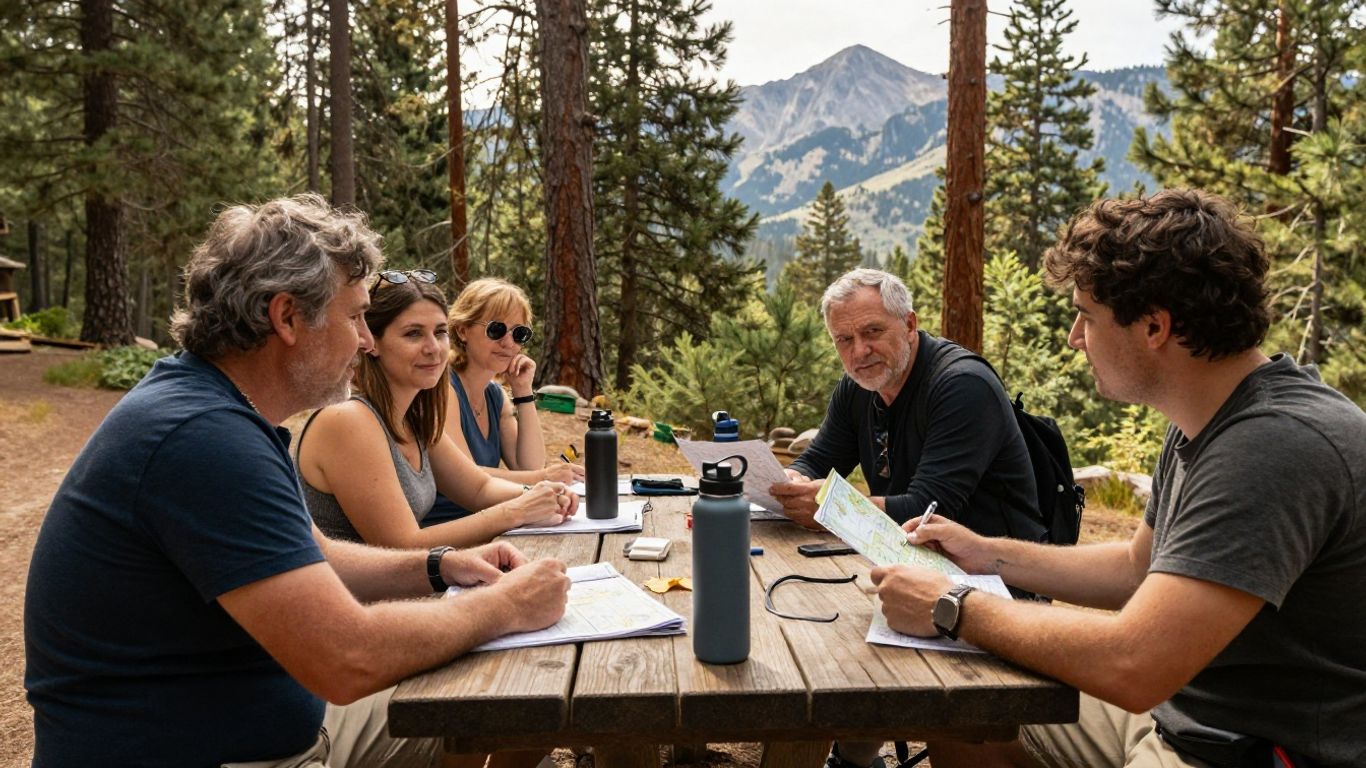 Travelers reviewing a national park itinerary outdoors
A clear comparison makes it easier to spot convenience that is genuinely valuable rather than merely expensive. It also helps you decide whether a home exchange could serve as a practical base before or after the organized portion; budget-friendly home exchange can provide a different accommodation model for travelers who want local living and kitchen access.
Transportation, lodging, and park entry
Check whether the package includes airport transfers, intercity travel, local shuttles, and transportation inside the park. Lodging may be inside the boundary, in a nearby gateway, or several hours away, and that location affects every morning and evening. Confirm whether park entry is included and whether you need to make separate reservations for timed access or popular facilities.
A lower-cost package can still be good value if its location and transport plan suit you. Conversely, a modestly priced trip may feel tiring when daily transfers are lengthy.
Guided tours and independent exploration
Ask how many hours are guided and how much free time remains. A knowledgeable guide can add context to geology, ecology, and local history, while independent hours let you set your own pace. Some guided Yellowstone vacation options focus on couples and small groups, which may appeal to travelers who want interpretation without a large-group atmosphere.
Look for practical details: group size, guide qualifications, departure times, walking expectations, and what happens if weather disrupts the planned route. These details tell you more than promotional language does.
Meals, equipment, and optional activities
Meals may range from daily breakfasts to a fully planned menu, and equipment may include only basic items or specialized gear. Ask whether dietary needs can be accommodated and whether you need to bring boots, trekking poles, layers, or binoculars. Optional activities should be priced separately in your notes so the total remains realistic.
The following checklist is useful when reviewing an itinerary or speaking with a booking agent:
- Identify every included meal and excluded meal.
- List equipment supplied, rented, or required.
- Price optional hikes, excursions, and transfers.
- Confirm luggage limits and storage arrangements.
Afterward, compare the package's convenience with the cost of arranging those elements independently. Sometimes the value is time saved; sometimes it is simply the reassurance of having a coordinated plan.
Hidden fees, gratuities, and cancellation terms
Look for resort fees, fuel surcharges, baggage charges, permit costs, guide gratuities, and taxes. Cancellation policies should be read alongside the payment schedule, especially when lodging or park reservations are nonrefundable. Travel insurance may help with certain risks, but it does not automatically cover every change of plan.
Ask for the final expected price in writing. A transparent quote should make clear what is included, what is optional, and which costs could arise during the trip.
Select the best national park destination
There is no single best national park for every traveler. The western parks often reward ambitious scenic routes, while eastern parks can offer greener surroundings and easier access from major population centers. Match the landscape to your interests, then check whether the season supports the experience you have in mind.
Yellowstone and Grand Teton for wildlife and geothermal features
Yellowstone and Grand Teton make a natural pairing for travelers interested in wildlife, mountain scenery, and geothermal features. The parks are large, so a package should explain where you will spend each night and how much time is devoted to viewing areas rather than simply naming both destinations.
Early starts can improve wildlife-viewing opportunities, while geothermal boardwalks require attention to distance, weather, and footing. Leave room for changing conditions; animals and road delays do not follow a fixed schedule.
Yosemite for dramatic landscapes and iconic hikes
Yosemite suits travelers who want sheer granite walls, waterfalls, forests, and memorable trail options. Its popularity makes lodging location and entry arrangements especially influential. A package that allows only a brief stop may deliver photographs but not much time to experience the valley or surrounding trails.
Ask whether hikes are strenuous, optional, or guided, and whether the itinerary includes time outside the busiest central areas. Good planning can turn a famous destination into a more personal experience.
Zion and Bryce Canyon for canyon scenery
Zion and Bryce Canyon offer contrasting forms of canyon scenery: towering walls and narrow routes in one park, and intricate hoodoos and high-elevation viewpoints in the other. Their proximity makes a pairing attractive, though elevation, heat, and shuttle systems can affect the pace.
Check how much walking is involved and whether the itinerary accounts for midday heat. A shorter route with time for overlooks may be more enjoyable than trying to complete every signature trail.
Great Smoky Mountains for forests, waterfalls, and accessibility
Great Smoky Mountains National Park is a strong option for travelers who prefer forested mountains, waterfalls, historic structures, and numerous access points. Its roads and trails can make it easier to create a gentler itinerary, although traffic and seasonal demand still require planning.
The region also works well for families and mixed-ability groups when the package offers choices rather than expecting everyone to follow one hiking schedule. Look for nearby lodging that limits unnecessary daily driving.
Plan the itinerary around the season
Season changes more than the temperature. It can affect road openings, trail conditions, wildlife patterns, lodging prices, shuttle operations, and the availability of entire sections of a park. Build the package around what will actually be accessible when you travel, rather than assuming every advertised highlight operates year-round.
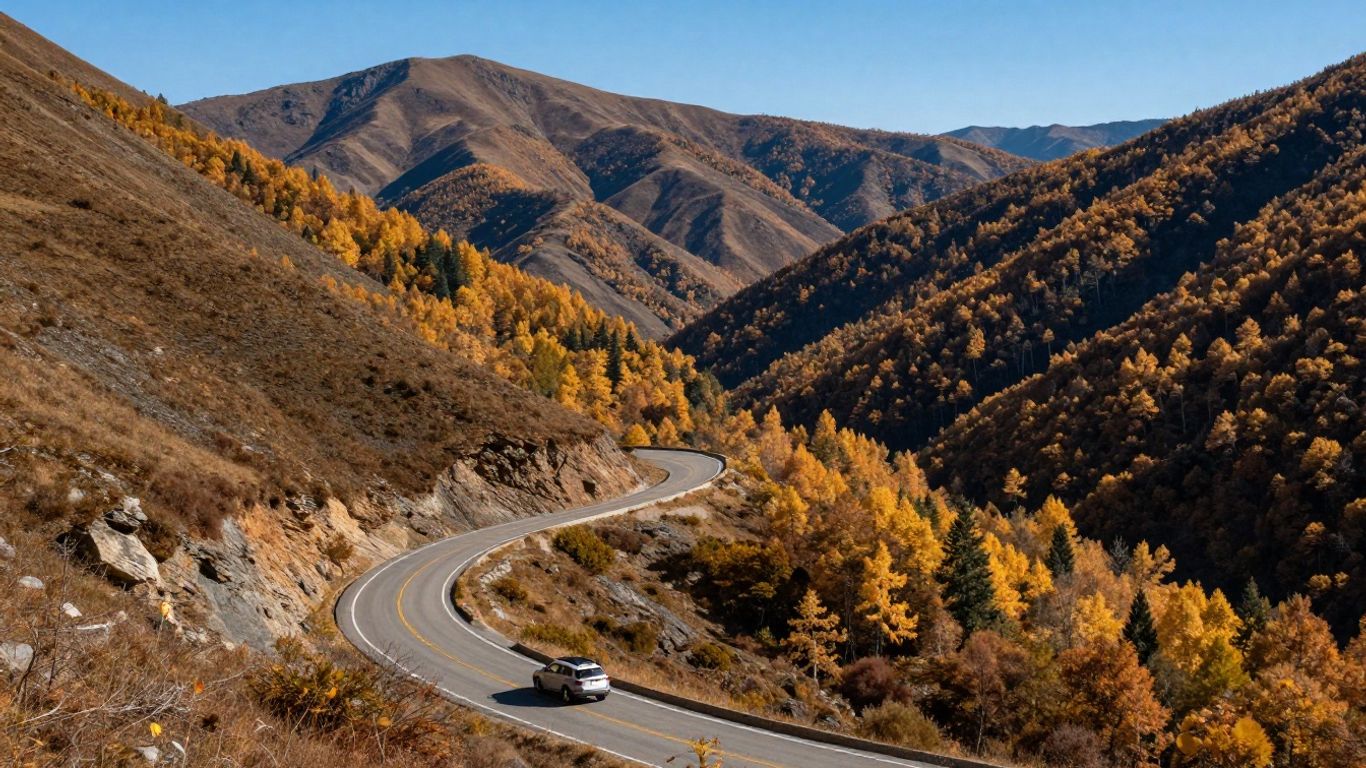 Mountain road winding through an American national park
Seasonal planning guides can help you compare destinations and timing, while seasonal travel planning offers a broader reminder to consider local calendars and demand. Whatever month you choose, leave a little flexibility for storms, smoke, heat, or an unexpectedly busy entrance station.
Summer access, crowds, and peak pricing
Summer often offers the broadest access to high-elevation roads and trails, but it also brings crowds and peak pricing. Reserve lodging, transportation, and popular activities early when possible. A package with prearranged entry logistics may be worthwhile if it prevents long waits or difficult parking searches.
Plan strenuous walks for cooler hours and treat midday as a time for meals, scenic drives, or rest. More access does not necessarily mean more usable time if every viewpoint is congested.
Spring and fall advantages
Spring can bring rushing waterfalls and fresh vegetation, while fall may offer cooler temperatures and changing foliage, depending on the region. Shoulder seasons often feel calmer, though some high routes and facilities may not yet be open or may already be closing.
Ask for a current operating picture rather than assuming a lower price means a complete version of the summer itinerary. Shoulder-season value depends on what remains available.
Winter conditions and seasonal closures
Winter can transform parks through snow, quiet trails, and distinctive light. It can also limit roads, lodging, guided activities, and emergency access. Packages built for winter should state whether snowshoes, cold-weather equipment, or specialized transportation are needed.
Do not treat a closure as a minor inconvenience. A road or facility shutdown can change the shape of the entire trip, so the operator should explain the backup plan before you pay.
Weather, road access, and reservation requirements
Read the itinerary for specific assumptions about driving, walking, and reservations. Mountain weather can change quickly, and road access may be affected by snow, flooding, construction, or wildfire response. Confirm who monitors those changes and how rerouting decisions are made.
Use the video as visual preparation, not as a substitute for current official information. Before departure, verify conditions with the relevant park service and review every reservation deadline attached to your package.
Choose accommodations and transportation
Where you sleep and how you move between stops shape the trip's rhythm. A room near an entrance may cost more but save hours of driving, while a comfortable home base farther away may offer better space and dining options. Compare the complete day, not just the nightly rate.
Hotels, lodges, cabins, and camping
Hotels generally offer predictable services, while lodges and cabins can place you closer to the landscape or provide a more atmospheric stay. Camping may reduce costs and deepen the outdoor experience, but it adds equipment, weather, and comfort considerations. Confirm bed arrangements, bathrooms, heating, kitchen access, and check-in times before booking.
For travelers who value a residential base, SwappaHome describes home exchanges in real homes, with curated options and a credit system using one credit per night. That model is not a substitute for every package, but it may fit an extension where local living and a walkable neighborhood matter.
Rental cars, coaches, trains, and airport transfers
A rental car provides flexibility but places the burden of navigation, fuel, parking, and long driving days on you. Coaches simplify logistics and can be sociable, though their fixed schedules may limit spontaneous stops. Trains and airport transfers can reduce driving on selected routes, but they rarely eliminate the need for local transportation.
Ask how much luggage you will handle, where transfers occur, and whether a driver-guide is included or merely a vehicle is provided. Those distinctions affect both comfort and responsibility.
Location, comfort, and travel time trade-offs
A property outside the park may offer more space and lower rates, yet add an hour or more to each day's route. Staying inside or near a park can make dawn departures easier and allow a midday break. Decide which benefit matters most for your group before comparing room categories.
When evaluating a package, estimate the number of hours spent in transit on ordinary days. Small location choices matter when repeated across a week.
Accessibility and family-friendly considerations
Ask whether rooms, vehicles, trails, restrooms, and meal stops match the needs of everyone traveling. Families may need refrigerators, laundry access, flexible meal timing, and sleeping arrangements that preserve some privacy. Travelers with mobility, hearing, vision, or medical needs should request precise details rather than relying on general accessibility labels.
A good operator will discuss alternatives without making the traveler feel like an exception. Build slower mornings and rest stops into the plan when children, older adults, or mixed-ability groups are involved.
Make your package safer and more sustainable
A memorable park trip should leave you with good stories rather than avoidable emergencies. Preparation means understanding the environment, carrying the right supplies, and knowing what support is available. It also means respecting the places and communities that make the journey possible.
Prepare for altitude, heat, and remote areas
Altitude can affect visitors who feel perfectly healthy at home, while desert heat and exposed trails can create risks even on short walks. Carry water, sun protection, layers, food, and a way to communicate when reception is unreliable. Share your route and expected return time with someone responsible.
Follow the guide's pace and turn back when conditions change. A package should make realistic demands of the group rather than treating every trail as an obligation.
Check travel insurance and emergency support
Review coverage for medical care, evacuation, trip interruption, delays, and pre-existing conditions. Then ask who to contact after hours, what happens if transportation fails, and whether the operator has a documented emergency procedure. Keep policy numbers, reservation details, and emergency contacts accessible offline.
Insurance cannot prevent a problem, but clear support arrangements can reduce confusion when plans change. Make sure every traveler knows where those details are stored.
Follow wildlife and Leave No Trace guidelines
Keep a safe distance from animals, never feed them, and follow instructions about food storage and roadside viewing. Stay on durable surfaces, pack out waste, and avoid taking rocks, plants, or other natural objects. Quiet behavior benefits both wildlife and fellow visitors.
These habits are simple, but they matter most when a park is crowded. Responsible travel is part of the experience, not an extra task added afterward.
Verify operator credentials and responsible tourism practices
Look for clear business contact information, current terms, qualified guides, appropriate vehicle and activity coverage, and a realistic itinerary. Ask how the operator manages group size, waste, local suppliers, and disruptions. Be cautious when descriptions promise every major highlight without explaining travel time or seasonal limits.
If a package includes lodging outside the organized tour, a platform such as SwappaHome documents verified members, secure communication, mutual reviews, and a one-credit-per-night exchange model. Treat those details as points to verify for your own booking, alongside the operator's cancellation and emergency policies.
Conclusion
The strongest national park vacation packages are not necessarily the fullest or most expensive. They are the ones that fit your interests, energy, season, budget, and tolerance for logistics, leaving enough room to notice the landscape rather than hurry through it.
Frequently Asked Questions
How far in advance should I book a national park vacation package?
For popular parks and summer travel, booking several months ahead is sensible, especially when lodging, timed entry, or small-group departures are involved. Shoulder-season and winter trips may offer more flexibility, but always check reservation deadlines.
Are guided national park packages worth the cost?
They can be worthwhile if you value interpretation, coordinated transportation, and reduced planning. Compare the guide time, group size, included services, and free hours rather than judging value from the price alone.
Should I visit one national park or several?
Choose one park when you want depth, flexible days, or fewer transfers. Add parks when they are geographically close and you have enough full days to enjoy them without turning the trip into a sequence of long drives.
What should I look for in package cancellation terms?
Check payment deadlines, refundable and nonrefundable components, weather provisions, supplier penalties, and the process for requesting a change. Ask whether travel insurance is recommended and what it would cover.
What is the best season for a national park vacation?
The best season depends on the destination and your priorities. Summer generally offers broader access, while spring and fall may bring cooler conditions and fewer visitors; winter can be beautiful but often involves closures and specialized preparation.
Do national park packages include park entrance fees?
Some do and some do not. Confirm whether entrance fees, permits, timed reservations, shuttles, and campground charges are included, and ask whether you need to arrange anything separately.
How can I make a national park trip more sustainable?
Use established trails, keep distance from wildlife, pack out waste, share transportation when practical, and support local businesses responsibly. Choose operators that explain their environmental and community practices clearly.

Published by
SwappaHome
SwappaHome Editorial Team
Home Exchange & Slow Travel Editorial
The SwappaHome Editorial Team brings together travel research, home-exchange community insights, and platform data to produce practical guides for first-time and experienced home swappers. Every article cites real platforms, current market rates, and verifiable city-level facts so readers can make informed decisions without guessing.
Ready to try home swapping?
Join SwappaHome and start traveling by exchanging homes. Get 7 free credits when you sign up!