
How to choose the best universal orlando vacation packages for your trip

SwappaHome Editorial Team
Home Exchange & Slow Travel Editorial
Key Takeaways The best package is the one that fits your group, schedule, and comfort level—not necessarily the one with the most extras. Start with the parks,…
Key Takeaways
The best package is the one that fits your group, schedule, and comfort level—not necessarily the one with the most extras.
- Start with the parks, attractions, and pace your group actually wants.
- Compare the hotel, ticket type, transportation, dining, and add-ons separately.
- Include meals, parking, souvenirs, and upgrades in the real trip budget.
- Choose ticket flexibility based on how firmly your dates and plans are set.
- Read deadlines, occupancy rules, and cancellation terms before paying.
Define your trip goals and travel priorities
Before comparing universal orlando vacation packages, decide what a successful trip looks like. A family chasing major rides may need a different plan from a group focused on themed lands, pool time, or a relaxed first visit. Your priorities will shape the right hotel, ticket length, and daily schedule. Write down those preferences before looking at prices, since a low headline rate can be misleading when it does not suit the way you travel.
Choose the right parks and attractions for your group
Begin with the parks and attractions that matter most to everyone in your group. List the experiences that are non-negotiable, then consider height requirements, interests, walking tolerance, and whether anyone needs regular breaks. A trip built around a few headline attractions may need less time than one that includes shows, meals, shopping, and repeated visits to favorite areas.
A useful planning reference is this guide to Universal Orlando Resort, which can help you think through the parks and on-site experience before you compare package details. Keep the list short enough to be practical; trying to do everything can turn a vacation into a sequence of rushed queues.
Match the package to your trip length
The number of nights should reflect both your ticket plan and your energy. A short visit can work when your priorities are narrow and your arrival and departure times are favorable, while an extra night may make the schedule much easier for families or first-time visitors. Check whether your package dates cover the full period you need, including the night before an early park day.
For a longer stay, leave room for slower mornings, weather changes, and an unplanned afternoon. That flexibility often feels more valuable than squeezing in one more scheduled activity.
Plan around school breaks, holidays, and seasonal events
School holidays and major travel periods can affect hotel rates, crowds, and availability. If your dates are fixed, compare packages early and avoid assuming that a discount will appear later. If you have some freedom, look across several date ranges and weigh the savings against the weather and events your group cares about.
Seasonal programming can be a reason to travel at a busier time, but only if it is genuinely part of your plan. Otherwise, a quieter period may make the same number of days feel more comfortable.
Balance convenience, flexibility, and overall value
Price is only one part of value. A package may be worthwhile because it reduces transfers, puts you closer to the parks, or makes an early start easier, while another may win because it leaves more money available for meals and souvenirs. Choose for the whole trip, not just the booking screen total.
If you enjoy researching travel arrangements beyond traditional hotels, family travel planning offers another perspective on comparing destinations, stays, and booking strategies. The point is not to replace a theme-park plan, but to clarify which conveniences you would actually use.
Compare what different vacation packages include
Package names can sound similar while covering quite different components. Read the room description, ticket dates, transportation terms, and listed benefits line by line. Then compare the total value rather than treating every extra as equally useful. A simple side-by-side review can expose costs that are easy to miss in an attractive starting price.
 Family planning a Universal Orlando vacation
Review hotel accommodations and room options
Check the room category, bed arrangement, maximum occupancy, and included dates. A room that looks inexpensive may not work for your group if it requires an additional room or does not provide the sleeping arrangement you need. Also look for taxes, resort charges, parking terms, and any restrictions tied to the package rate.
Think about how much time you will spend at the hotel. If the room is mainly a place to sleep, a basic option may be sufficient; if you expect pool afternoons or midday rests, the setting and facilities deserve more weight.
Understand park tickets and admission types
Ticket value depends on how many days you will visit and whether you need to move between parks on the same day. Single-park admission can be simpler for a focused itinerary, while park-to-park access may be useful for groups that want more freedom. Confirm the valid dates and any park-specific conditions before assuming a ticket will work for every plan.
Do not compare a package with multi-day admission against one with a shorter ticket as if the hotel price were the only difference. Separate the lodging cost from the admission value so the comparison stays clear.
Check for transportation, dining, and other extras
Transportation may mean airport transfers, hotel-to-park service, or another arrangement, so identify exactly what is included and when it operates. Dining benefits also deserve careful reading: check whether they cover everyone, every day, or only certain meals and venues. Small details can affect both convenience and the final bill.
A broader vacation deals guide can be useful when you are comparing booking approaches, but apply its general advice to the specific terms of your selected package. Theme-park offers change, so the reservation details remain the authority.
Separate included benefits from optional add-ons
Make two columns: benefits included in the quoted price and upgrades you would have to purchase. This helps prevent a tempting package from appearing more complete than it really is. It also gives you a clearer basis for deciding which extras are worth paying for.
| Package element | Question to ask | Why it matters |
|---|---|---|
| Hotel | What room and dates are included? | Confirms the stay suits your group |
| Tickets | Which parks and dates are covered? | Prevents admission surprises |
| Transportation | What routes and times apply? | Shows whether transfers fit your schedule |
| Dining | Who is covered and what is excluded? | Keeps meal value realistic |
After making this comparison, price only the add-ons that support your actual itinerary. A benefit has little value if your group would not use it.
Select the right Universal Orlando Resort hotel
The hotel can influence the rhythm of the entire trip. Staying close may make early starts and midday rests easier, while a lower-cost off-site room may leave more money for other priorities. Compare the hotel as part of the daily experience, not as a separate line item. The best choice depends on how much convenience your group needs and how much time it will spend away from the parks.
Compare on-site hotel categories and price points
Look at the available hotel categories, room types, occupancy limits, and total nightly cost. A higher category may provide benefits or a setting your group values, but that does not automatically make it the better deal. Compare the extra cost with the number of nights and the practical advantages you would receive.
For families, sleeping arrangements and access to a quiet break can matter more than decorative details. For adults traveling together, location and shared-room comfort may be the deciding factors.
Consider early park admission and other hotel perks
Some hotel packages may advertise early admission or other benefits, but eligibility, participating parks, attractions, dates, and operating conditions can vary. Read the current terms rather than relying on an old review or a memorable promise from a previous trip. Valid park admission may also be required.
Treat perks as useful additions, not the sole reason to choose a more expensive room. They should fit a schedule you already want, especially if using them means waking much earlier than your group can manage.
Evaluate location, transportation, and convenience
Map the hotel-to-park routine in practical terms. Consider how your group will get there, how long transfers may take, whether you will return during the afternoon, and how easy it is to carry purchases or manage tired children. A convenient location can reduce friction several times a day.
That convenience has a personal value. If your group prefers long park days with no breaks, it may matter less than it would for travelers who plan pool time or an afternoon nap.
Decide when an off-site hotel may be a better fit
An off-site hotel can be sensible when the room price is substantially lower, your group has a car, or you want more space and a different neighborhood. Compare the full cost after parking, transportation, taxes, and travel time. The cheapest nightly rate is not necessarily the cheapest complete stay.
Home-exchange resources such as family stays in the United States can broaden the way you think about accommodation, although a theme-park vacation requires especially careful attention to commute time and ticket logistics. Choose the arrangement that makes the trip easier, not simply the one that looks cheapest in isolation.
Build a realistic budget for your Universal Orlando vacation
A package price is a starting point, not a complete budget. Estimate the major costs before you commit, and leave a little room for weather-related changes or spontaneous purchases. A clear budget also makes it easier to decide whether an upgrade is genuinely useful. Write the numbers down rather than relying on a rough mental total.
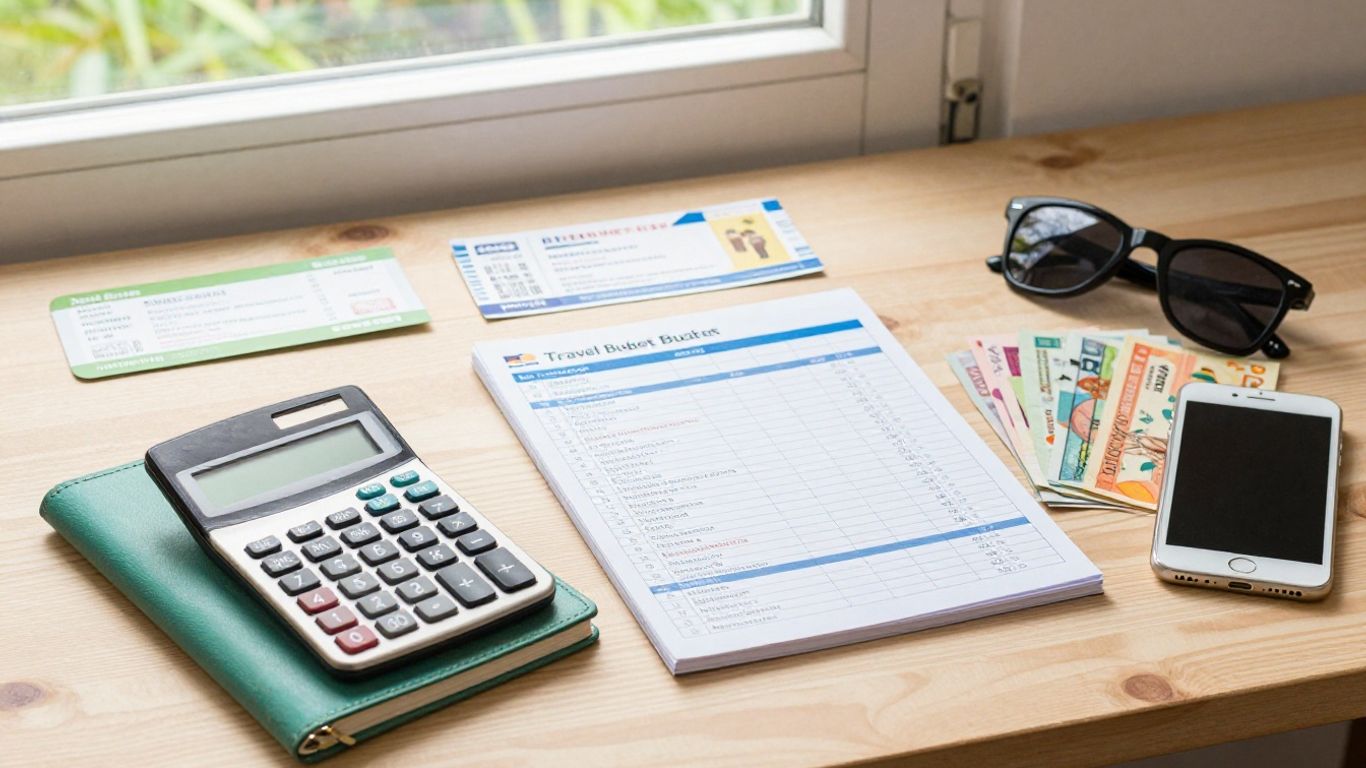 Colorful theme park vacation budget planning
Estimate the total cost beyond the package price
Add travel to and from Orlando, local transportation, meals, tips, parking, souvenirs, and incidental purchases. Include taxes and fees wherever they apply. If you are traveling with children, set a souvenir limit before arrival; it is easier to agree on a rule at home than in the busiest shop of the day.
A modest emergency buffer can cover an extra meal, a replacement item, or a change in transportation. It protects the rest of the itinerary from one unexpected expense.
Compare bundled savings with booking separately
Request a complete total for the package, then price the hotel, tickets, and transportation separately using comparable dates and conditions. Booking separately may offer more flexibility, while bundling may simplify payments or produce a lower combined price. The comparison is only fair when room categories, ticket validity, and cancellation terms match.
Record both totals and the meaningful differences between them. A small saving may not justify giving up a policy or feature that matters to your group.
Account for meals, parking, souvenirs, and upgrades
Daily spending tends to drift when it is not assigned a limit. Create a simple allowance for each category and decide which items are planned versus optional. This quick checklist keeps the estimate grounded:
- Set a daily meal range for the group.
- Add parking or transfer costs for every relevant day.
- Reserve a separate amount for souvenirs and snacks.
- Price upgrades only after the basic itinerary works.
Once those figures are visible, you can see whether an upgrade replaces another expense or simply increases the trip total. That distinction is useful when comparing packages with different headline prices.
Look for seasonal promotions and payment options
Promotions can change by travel dates, room type, ticket length, and booking conditions. Read the qualifying terms and calculate the final price rather than assuming a headline discount applies to your whole reservation. If a payment schedule is available, check the deposit, due dates, and consequences of a missed payment.
For general budgeting ideas, a guide to affordable home exchange can offer useful ways to think about accommodation costs, though its model differs from a theme-park package. Keep the comparison focused on your actual reservation.
Choose tickets and upgrades that fit your itinerary
Tickets should follow your schedule, not drive it by default. Decide how many park days you can comfortably handle, whether moving between parks matters, and how much flexibility you need if plans change. Then price the simplest ticket that supports those decisions. Extra access is valuable only when it solves a real problem for your group.
Compare single-park and park-to-park admission
Single-park admission works well for a day centered on one park and its attractions. Park-to-park admission can be more useful when you want to change parks, revisit a favorite area, or keep your options open. Check the current ticket conditions and whether a particular experience requires the broader admission type.
Build a sample day before buying. If you cannot name a realistic reason to switch parks, the added flexibility may not earn its cost.
Decide whether an express access upgrade is worthwhile
An express-style upgrade should be judged against expected waits, crowd levels, group priorities, and the number of days you will use it. It may be more appealing to a group with limited time or a short list of must-do attractions than to travelers planning a slower visit. Confirm which attractions and dates are covered.
Do not let the upgrade turn every day into a race. If a relaxed pace is the goal, the money may be better directed toward another night, a meal, or a comfortable room.
Consider multi-day tickets for a slower-paced visit
Multi-day admission can spread major attractions across several days and reduce pressure to finish everything at once. It also gives you more room for weather changes, breaks, and repeat visits. Compare the incremental ticket cost with the extra hotel night and meals required to use it.
The right length is the one your group can enjoy. A longer ticket is not automatically better if the schedule becomes exhausting or the final day is unlikely to be used.
Match ticket flexibility to your travel plans
Firm dates may make a date-specific ticket practical, while uncertain travel plans call for closer attention to change and cancellation terms. Check validity windows, blackout dates, and the process for modifying a reservation. Also make sure every traveler is covered under the same conditions where necessary.
Use the ticket rules to test your itinerary before finalizing it. That small review can prevent a mismatch between arrival times, hotel nights, and admission dates.
Book and customize your package with confidence
Once the itinerary and budget are clear, booking becomes a verification exercise rather than a guess. Keep the quoted package, room details, ticket terms, and payment schedule together. Read the confirmation immediately and save copies somewhere accessible. A few minutes of checking now can spare a stressful correction later.
Compare package policies, deadlines, and cancellation terms
Read the rules for deposits, final payment, cancellations, changes, refunds, and name corrections. Pay attention to deadlines stated in local time and to differences between hotel and ticket policies. A flexible rate may cost more but provide useful protection when dates are uncertain.
Do not assume that every component follows the same policy. Ask which terms apply to the package as a whole and which apply only to individual elements.
Check dates, occupancy rules, and booking details
Review arrival and departure dates, the number of guests, ages where required, room configuration, and the exact ticket start date. Confirm spelling on the reservation and check that the selected hotel matches the package you priced. These details are especially important when children, adjoining rooms, or multiple households are involved.
A second adult review is often worthwhile. Fresh eyes can catch a one-night mismatch or an overlooked occupancy restriction.
Add dining reservations, transportation, and special experiences
Customize only after the core reservation is correct. Add transportation that matches arrival and departure times, then consider dining or special experiences your group genuinely wants. Keep confirmation numbers together and note which items require separate reservations or payment.
When exploring broader travel options, budget-friendly stays can prompt useful questions about accommodation trade-offs, but do not let a different travel model distract from the terms of your selected package. Your final plan should remain easy to follow.
Recheck prices and package benefits before finalizing
Prices, availability, and listed benefits can change before payment, so review the final screen carefully. Compare it with your original notes, including the room, dates, ticket type, transportation, and any upgrade. If something differs, pause and ask for clarification before completing the booking.
Save the confirmation, payment record, and policy pages. With those details in one place, you can focus on enjoying the trip instead of reconstructing what you purchased.
Conclusion
The best universal orlando vacation packages make sense as a complete plan: the parks suit your group, the hotel supports your pace, the tickets match your days, and the final cost fits your budget. Compare the details calmly, leave room for real-life needs, and book only after the terms are clear.
Frequently Asked Questions
How far in advance should I book a vacation package?
Book as soon as your dates are reasonably firm, especially for school breaks, holidays, or preferred room types. Earlier planning usually gives you more choices, while flexible travelers can compare a wider range of dates.
Are vacation packages always cheaper than booking separately?
No. A package can offer a convenient combined price, but separate bookings may provide better flexibility or a different room and ticket combination. Compare matching dates, conditions, taxes, and fees before deciding.
How many days should I plan for a theme-park vacation?
Choose enough days for your priority attractions without creating an exhausting schedule. More days can support breaks and repeat visits, while a shorter trip may work for a focused list of experiences.
Should I stay on-site or off-site?
Stay on-site when convenience and included hotel benefits are central to your plans. An off-site hotel may be a better fit when you prioritize lower lodging costs, extra space, or a particular location, provided transportation remains practical.
Is park-to-park admission worth paying for?
It can be worthwhile when you expect to visit more than one park in a day or want additional scheduling freedom. If each day is dedicated to one park, single-park admission may be sufficient.
Should I buy an express access upgrade?
Consider it when your time is limited, your group has several must-do attractions, or expected waits would undermine the trip. Compare the cost with your itinerary and confirm the upgrade’s current conditions.
What costs are commonly forgotten in a vacation budget?
Travel, meals, parking, transportation, tips, souvenirs, taxes, and optional upgrades are easy to overlook. Adding each category before booking gives you a more realistic total and a useful spending limit.

Published by
SwappaHome
SwappaHome Editorial Team
Home Exchange & Slow Travel Editorial
The SwappaHome Editorial Team brings together travel research, home-exchange community insights, and platform data to produce practical guides for first-time and experienced home swappers. Every article cites real platforms, current market rates, and verifiable city-level facts so readers can make informed decisions without guessing.
Ready to try home swapping?
Join SwappaHome and start traveling by exchanging homes. Get 7 free credits when you sign up!