
Iceland vacation packages all inclusive: How to choose the right trip

SwappaHome Editorial Team
Home Exchange & Slow Travel Editorial
Key Takeaways An all-inclusive Iceland trip can simplify a destination where weather, transport, and activity logistics often need careful coordination. Check…
Key Takeaways
An all-inclusive Iceland trip can simplify a destination where weather, transport, and activity logistics often need careful coordination.
- Check exactly what the package includes before comparing prices.
- Choose between a self-drive plan, guided tour, or a more tailored stay.
- Prioritize fewer regions rather than rushing around the entire island.
- Leave room in the budget for meals, weather changes, and optional activities.
- Read cancellation, insurance, and transportation terms before paying.
What all-inclusive Iceland vacation packages typically include
The phrase “all-inclusive” does not mean exactly the same thing from one provider to another. Some packages bundle airfare, hotels, transfers, breakfast, and sightseeing, while others focus on accommodation and guided activities. Before you compare Iceland vacation packages all inclusive, ask for a written list of inclusions and exclusions.
Flights, airport transfers, and accommodations
Airfare may be included, offered as an add-on, or left entirely to you. The same applies to airport transfers: a package might include a shared shuttle, a private vehicle, or only directions to your hotel. Accommodation can range from a Reykjavík hotel to countryside guesthouses, so check the room category, location, number of nights, and whether all nights are covered.
A useful itinerary should also explain how you move between stops. Driving yourself offers independence, while a coach or private transfer reduces the work of navigating unfamiliar roads and changing conditions.
Meals, drinks, and dining options
Many Iceland packages include breakfast but not lunch and dinner. That distinction matters because restaurant prices can add up quickly, particularly on a multi-day road trip. Confirm whether meals are prepaid, provided as vouchers, included only at selected hotels, or simply recommended by the itinerary.
Drinks are often treated separately, and “full board” may still exclude alcoholic beverages or specialty coffee. If you have dietary needs, ask whether suitable meals can be arranged in advance rather than assuming every stop will offer the same choices.
Guided tours, activities, and entrance fees
Sightseeing may be included as a guided excursion, a reserved entrance, or an item on a self-drive route that you visit independently. Look for specific wording about glacier walks, lagoon access, museum tickets, whale watching, or other activities. A package that lists “selected attractions” without naming them deserves a follow-up question.
Local expertise can be especially useful for weather-sensitive outings. A well-planned itinerary leaves enough time between activities instead of treating every attraction as a quick photo stop.
Travel insurance, taxes, and other exclusions
Insurance, baggage fees, fuel, parking, and road tolls may sit outside the headline price. Taxes and service charges are sometimes included, but you should verify this rather than infer it from the word “all-inclusive.” Also check whether the package covers cancellations caused by illness, delayed flights, or severe weather.
The most reliable comparison is based on the final payable amount. The fine print changes value when a low starting price leaves you responsible for transfers, meals, or changes to booked excursions.
How to choose the right Iceland package for your travel style
Iceland rewards travelers who match the itinerary to their pace and comfort level. A couple seeking quiet landscapes may want a very different plan from a family with young children or an experienced hiker. Start with the kind of days you want to have, then choose the package structure that supports them.
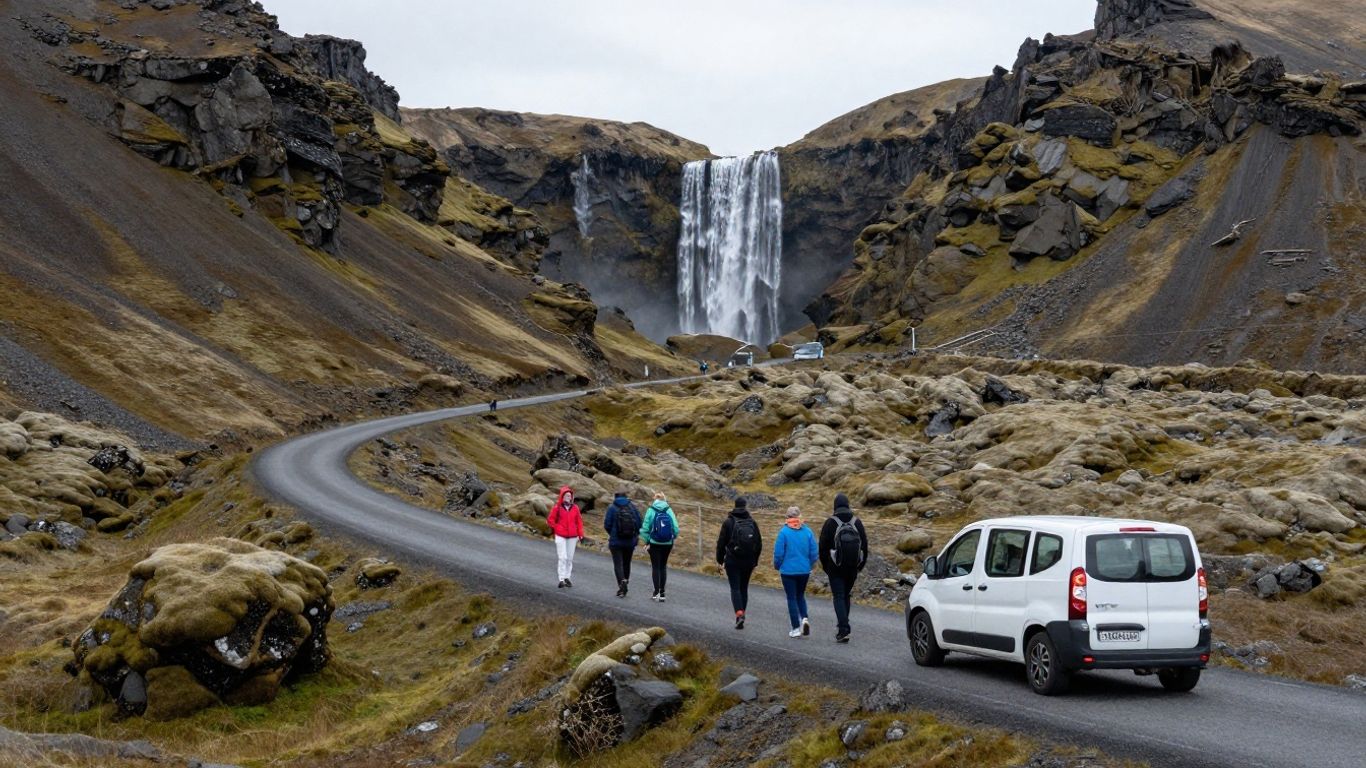 Traveler beside Icelandic mountain road
Self-drive itineraries versus guided group tours
Self-drive packages suit travelers who enjoy choosing their own stops and adjusting the day as they go. They also require confidence with route planning, fuel stops, parking, and changing road conditions. Guided group tours provide a set schedule and a driver-guide, which can make popular sights easier to experience without managing every logistical detail.
A flexible self-drive option can pair well with local accommodation. For travelers considering an alternative to standard hotels, SwappaHome describes home exchange in Iceland as a way to stay in real homes while using credits rather than conventional nightly payment. That is a different travel model, not a substitute for a conventional all-inclusive package, but it may suit an independent traveler comparing accommodation costs.
Adventure packages for hiking, glaciers, and volcanoes
Adventure-focused packages should explain the difficulty, equipment, age limits, and guide arrangements for every demanding activity. A glacier outing or volcano experience can be memorable, but it may require suitable clothing, physical stamina, and a willingness to change plans if conditions turn unsafe. Avoid choosing by the number of excursions alone; a shorter itinerary with enough recovery time is often more enjoyable.
Ask whether transfers to trailheads and activity sites are included. It is also sensible to confirm what happens if an excursion is canceled and whether you receive a refund, a replacement activity, or simply free time.
Family-friendly packages with flexible activities
Families generally benefit from shorter driving days, dependable bathrooms, kitchen access, and activities that can be shortened or skipped. A package built around one base or a small number of hotels may be easier than moving every night. Check room layouts carefully, since a family “room” can mean anything from two connected rooms to a single space with an extra bed.
SwappaHome presents family-oriented Iceland home exchanges with spacious homes, kitchens, laundry, Wi-Fi, and kid-friendly neighborhoods. Those features may be useful to families building an independent trip, especially when self-catering and downtime matter more than having every meal or tour prepaid.
Luxury packages with private guides and premium hotels
Luxury packages are usually defined by privacy, service, location, and flexibility rather than by a long list of activities. Compare room categories, private transfers, guide-to-guest arrangements, and the ability to reshape a day around weather or personal interests. A premium hotel far from the sights may be less convenient than a smaller property in a better position.
Ask whether private experiences are genuinely private or merely marketed as upgraded group outings. The answer can make a substantial difference to both the atmosphere and the price.
Which destinations and experiences to prioritize
Iceland is compact enough to tempt visitors into covering too much, yet its roads and weather can make a full itinerary tiring. Select a few anchor experiences and allow time for unplanned viewpoints, café stops, and weather delays. Iceland travel packages commonly frame the Golden Circle and Blue Lagoon as part of a coordinated itinerary, which illustrates how a package can connect major sights without requiring separate planning for each one.
Reykjavík and the Golden Circle
Reykjavík is a practical starting point for museums, restaurants, pools, and the first or final night of a trip. The Golden Circle then offers a concentrated introduction to geothermal landscapes, waterfalls, and historic sites. It can work as a day trip, but an overnight nearby may create a calmer schedule and an earlier start.
Do not judge the area only by its famous stops. A good plan leaves time for weather changes and avoids stacking several long excursions on consecutive days.
South Coast waterfalls, beaches, and glaciers
The South Coast is one of the most visually varied parts of a first Iceland visit, with waterfalls, black-sand beaches, and glacier views along the route. It is tempting to drive all the way to distant highlights in one day, but that often leaves little time to explore safely. Several nights in the region can make the journey more comfortable.
Beach conditions deserve respect, particularly at exposed coastal sites. Follow local barriers and instructions, and choose a package whose guides or itinerary notes clearly explain the risks rather than treating every stop as casual sightseeing.
The Blue Lagoon and geothermal experiences
Geothermal bathing can be a gentle counterpoint to long drives and outdoor excursions. Compare the specific facility, entry level, towel arrangements, transfer time, and booking window before assuming a spa visit is included. Other public pools and geothermal areas may offer a more local atmosphere and a lower cost.
If the lagoon is central to your plans, schedule it with some margin around your arrival or departure. Airport traffic, delayed flights, and road conditions can turn a tightly timed reservation into an avoidable worry.
Northern lights tours and seasonal attractions
Northern lights viewing is a possibility, not a guaranteed performance. Winter packages may include a guided search, but cloud cover and solar conditions still determine what you see. Choose an itinerary that gives you more than one opportunity and does not make the entire trip depend on a single evening.
Seasonal attractions also affect what is practical. Summer brings long daylight hours for road trips, while winter offers darker skies but shorter days and more demanding travel conditions.
How to compare Iceland package prices and value
A package price is useful only when you know what it buys. Two trips with similar totals may differ greatly in hotel location, transport, meals, activity quality, and cancellation terms. Treat the headline figure as a starting point, then rebuild the trip in comparable categories.
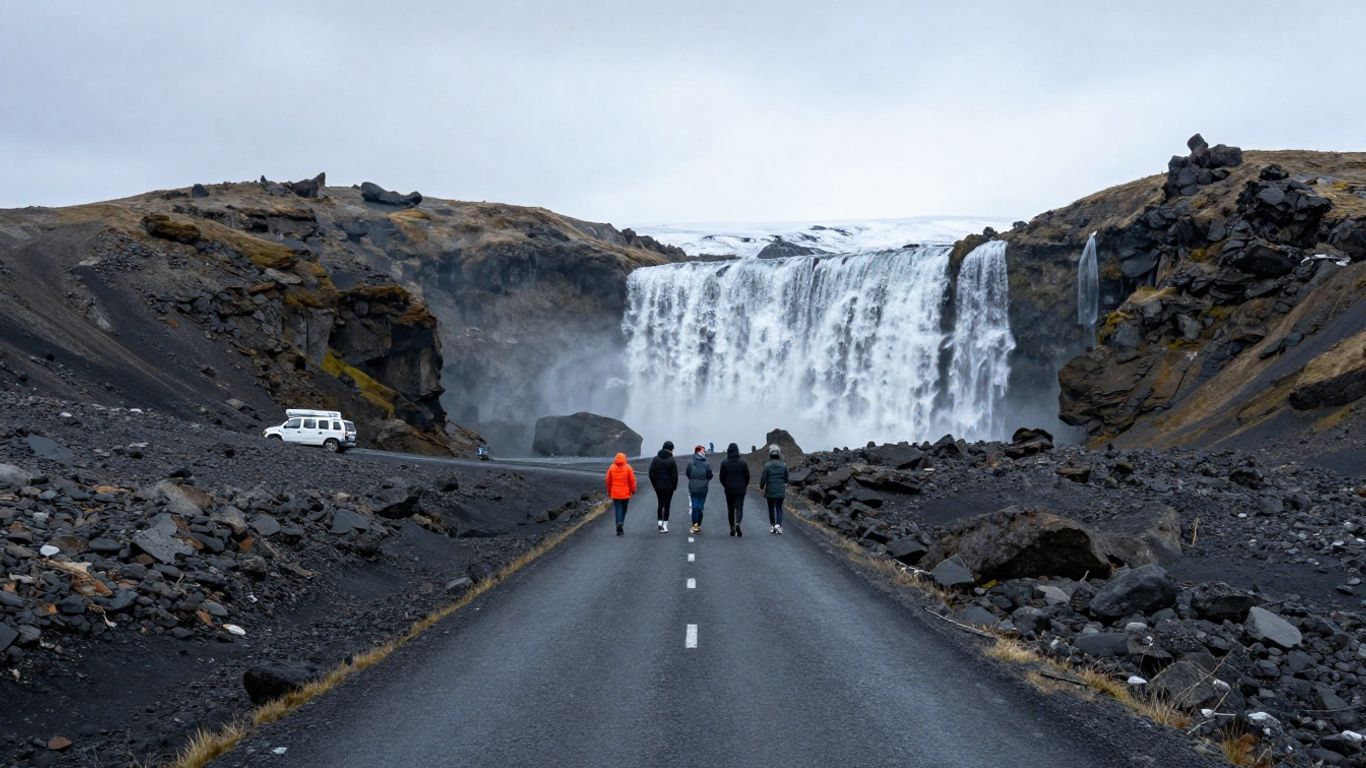 Iceland road trip with waterfalls
What affects the total cost of a package
Season, trip length, room type, airfare, vehicle category, and group size all influence the final amount. Summer demand can raise accommodation and rental-car costs, while winter packages may trade lower crowd levels for more weather uncertainty. Private guides and premium transfers add convenience, but they can change the economics of the trip quickly.
The number of included nights matters too. A package advertised for a week may include fewer hotel nights than you expect if arrival and departure times are awkward.
Comparing airfare, hotels, meals, and excursions
Break every quote into the same basic components before deciding which one is cheaper. This simple table can help reveal where two apparently similar offers diverge.
| Cost category | Questions to ask | Why it matters |
|---|---|---|
| Airfare | Are bags, seat selection, and changes included? | A basic fare may cost more after additions. |
| Accommodation | What hotel level, room type, and locations are included? | Location affects transfers and daily travel time. |
| Meals | Is it breakfast only, or are other meals prepaid? | Dining costs can be significant over several days. |
| Excursions | Which tours, tickets, and transfers are named? | Vague activity language makes value difficult to judge. |
After making this comparison, calculate the cost per traveler and per usable day. A slightly higher quote may be better value if it includes convenient transfers, well-located accommodation, and activities you would otherwise purchase separately.
Identifying resort fees, optional add-ons, and hidden costs
Iceland does not have a universal resort-fee structure, but properties and providers can still charge for extras such as parking, luggage handling, upgrades, or equipment. Rental-car insurance, fuel, and one-way fees are common areas to investigate. Ask for a list of every compulsory charge and every optional add-on before confirming.
Read the booking screen as carefully as the brochure. Optional excursions can also become effectively compulsory when the itinerary leaves no practical alternative for seeing a key destination.
Setting a realistic budget for extras
Keep a separate allowance for food outside the package, snacks, souvenirs, fuel, tips where appropriate, and replacement plans for canceled activities. A modest cushion is especially valuable on a self-drive trip, where small daily costs are easy to overlook.
For travelers focused on lowering lodging expenses, SwappaHome describes Iceland home exchange as a credit-based way to stay in local homes and prepare some meals independently. It is best considered an alternative trip structure rather than an included feature of a tour package, and availability should be checked before relying on it.
When to book an all-inclusive Iceland vacation
The best booking window depends on the season, the size of your group, and how fixed your itinerary needs to be. Popular summer rooms, rental cars, and excursions can disappear well before departure. Winter offers different trade-offs, especially when daylight and road conditions affect the number of usable sightseeing hours.
Summer travel for long days and road trips
Summer is attractive for long daylight, easier road-trip planning, and broad access to outdoor activities. It is also a high-demand period, so prices may rise and popular accommodations can sell out. Book earlier if you need a family room, an automatic vehicle, or a particular hotel location.
Long days should not become an excuse to overfill the itinerary. Even with generous daylight, driving, walking, and changing weather can make a packed schedule exhausting.
Winter travel for northern lights and fewer crowds
Winter can bring quieter attractions and better darkness for northern lights searches. It also requires more flexibility because storms, icy roads, and limited daylight may alter transport plans. Choose providers with clear procedures for rescheduling excursions and changing routes.
A city-based itinerary can be a sensible winter choice for travelers who do not want to drive. You can add guided day tours while keeping a stable hotel base and easier access to restaurants and indoor activities.
Shoulder seasons for lower prices and mild conditions
Spring and autumn can offer a middle ground between summer demand and winter conditions. Daylight, temperatures, and road access vary, so research the specific weeks rather than treating an entire season as uniform. Some seasonal businesses and excursions may operate on reduced schedules.
These periods can suit travelers who value quieter experiences and are comfortable keeping parts of the itinerary flexible. They may also make it easier to find a preferred room or vehicle without booking as far ahead.
Booking timelines for flights, hotels, and popular tours
For summer, begin comparing options several months ahead, especially for family travel and multi-region routes. Winter can allow more last-minute flexibility, but fixed northern lights tours, special rooms, and holiday dates still need advance planning. Whatever the season, reserve nonrefundable components only after checking the cancellation terms.
Keep confirmation numbers, emergency contacts, and activity details in one accessible place. That small bit of organization is useful if a flight delay or weather closure forces a same-day change.
How to evaluate providers before booking
A polished itinerary is not enough to establish that a package suits you. The provider should explain what happens before arrival, during transport, and when conditions disrupt the plan. Spend as much time reading the operational details as you do admiring the photographs.
Checking reviews, credentials, and cancellation policies
Look for recent reviews that mention communication, punctuality, accommodation accuracy, and how problems were handled. A high rating alone cannot tell you whether the travel style matches yours. Read the cancellation policy line by line, including deadlines, deposits, supplier penalties, and credit or refund options.
Check who actually operates each component. A package may be sold by one company while flights, hotels, transfers, and excursions are supplied by several others, each with different rules.
Confirming transportation and itinerary details
Ask where airport pickup occurs, how luggage is handled, and whether transfers are shared or private. For guided routes, confirm departure times, group size, vehicle type, and the amount of walking involved. For self-drive plans, ask about vehicle insurance, road guidance, and what support is available if the car develops a problem.
A day-by-day itinerary should name the overnight location rather than simply listing a region. That detail helps you estimate driving time and spot unrealistic transitions before payment.
Understanding weather-related changes and refunds
Weather can affect flights, roads, boat trips, glacier activities, and northern lights searches. A responsible provider should describe its substitution, rescheduling, and refund process in advance. “Subject to weather” is not a complete policy unless you also know what the provider does next.
Ask whether a canceled activity is replaced with another experience or refunded at its individual value. Also find out who makes the decision and how quickly you will be notified.
Choosing flexible bookings and customer support options
Flexible terms often cost more, but they can be worthwhile when your trip includes multiple transport connections or weather-sensitive excursions. Look for a reachable support channel during the trip, not just an automated booking confirmation. Confirm the hours, response method, and whether support can help with suppliers outside the main package.
Before booking, write down the promises that matter most to you: included meals, transfer type, room arrangement, activity access, and change conditions. If the final contract does not reflect those promises, pause and ask for clarification.
Conclusion
The best all-inclusive Iceland vacation is not necessarily the one with the longest itinerary or the most impressive starting price. It is the plan whose transport, lodging, meals, activities, flexibility, and exclusions match the way you actually want to travel. Compare the details carefully, leave room for weather, and choose a pace that lets Iceland feel remarkable rather than rushed.
Frequently Asked Questions
What does an all-inclusive Iceland vacation package usually include?
It may include flights, accommodation, airport transfers, breakfast, guided activities, and attraction entry, but the exact mix varies. Always request a complete list of inclusions and exclusions.
Are meals usually included in Iceland packages?
Breakfast is common, while lunch and dinner may cost extra. Check whether drinks, dietary requests, restaurant reservations, and meal vouchers are part of the quoted price.
Is it better to drive around Iceland or join a guided tour?
Self-drive suits independent travelers who want control over timing, while guided tours reduce navigation and planning. Weather, driving confidence, group size, and desired pace should guide the choice.
How many days are enough for Iceland?
A short trip can cover Reykjavík, the Golden Circle, and selected South Coast sights. More days allow a slower pace and additional regions, but the ideal length depends on the season and activities.
Can I see the northern lights on an all-inclusive trip?
A winter package may include one or more northern lights searches, but sightings depend on darkness, cloud cover, and solar conditions. Choose a plan with flexibility rather than treating the lights as guaranteed.
What should I budget beyond the package price?
Plan for meals not included, fuel, parking, snacks, souvenirs, tips where appropriate, optional excursions, and emergency changes. A separate daily allowance makes the final cost easier to manage.
When should I book an Iceland vacation package?
Book earlier for summer travel, family rooms, rental cars, and fixed activities. Winter and shoulder seasons may offer more flexibility, although holiday periods and popular tours still benefit from advance reservations.

Published by
SwappaHome
SwappaHome Editorial Team
Home Exchange & Slow Travel Editorial
The SwappaHome Editorial Team brings together travel research, home-exchange community insights, and platform data to produce practical guides for first-time and experienced home swappers. Every article cites real platforms, current market rates, and verifiable city-level facts so readers can make informed decisions without guessing.
Ready to try home swapping?
Join SwappaHome and start traveling by exchanging homes. Get 7 free credits when you sign up!