Málaga for Retirees: Your Guide to Relaxed Home Exchange Experiences on the Costa del Sol

SwappaHome Editorial Team
Home Exchange & Slow Travel Editorial
Discover why Málaga is perfect for retirees seeking affordable, authentic home exchange experiences. Real tips from 7 years of swapping homes across Spain.
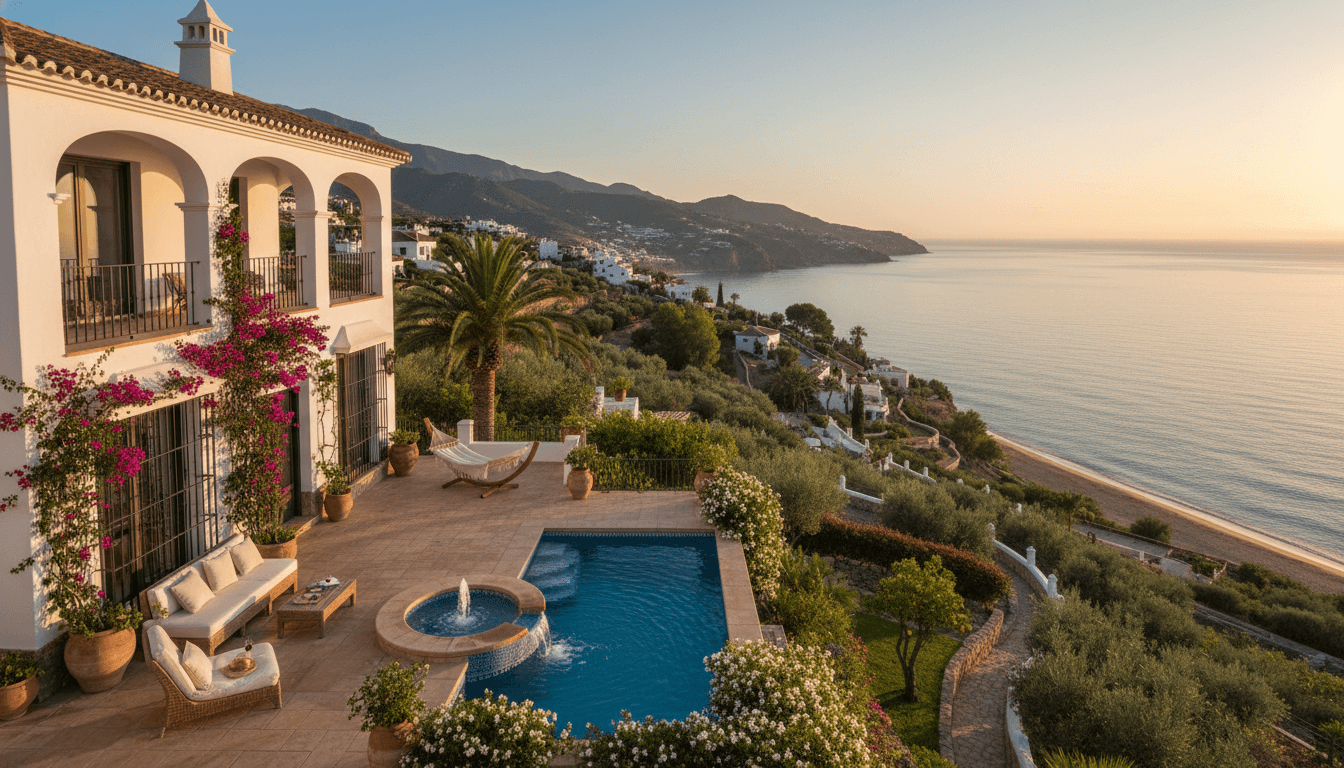
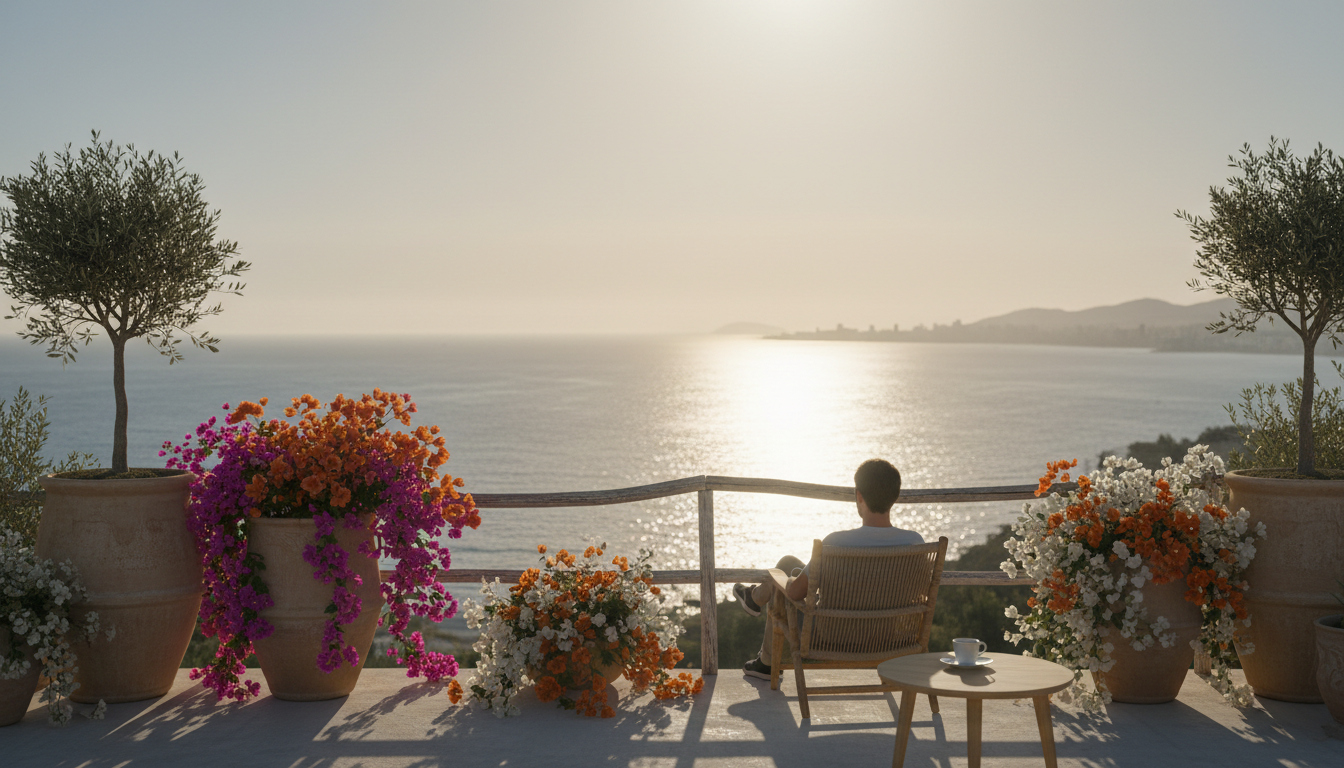
The first time I watched the sun set from a borrowed terrace in Málaga's El Limonar neighborhood, I understood why so many retirees fall completely in love with this city. I was 28 then, surrounded by neighbors in their 60s and 70s who'd traded their northern European winters for this impossibly golden light. Málaga for retirees isn't just a trend—it's become one of the most compelling destinations for anyone seeking a slower, richer way to travel in their post-work years.
That was six years ago. Since then, I've returned to Málaga four more times through home exchanges, each stay revealing new layers of why this Andalusian gem works so brilliantly for the retirement crowd. And I'll be honest: even at 32, I found myself fantasizing about my own eventual retirement here.
 Golden hour view from a traditional Mlaga terrace with terracotta pots, bougainvillea, and the Medit
Why Málaga Is Becoming the Retirement Home Exchange Capital of Spain
Here's something the glossy travel magazines don't tell you: Málaga has quietly become one of Europe's most sought-after home exchange destinations for retirees. The numbers tell part of the story—over 300 sunny days per year, healthcare ranked among Europe's best, and a cost of living roughly 35-40% lower than major UK or German cities.
But numbers don't capture the feeling of walking to your local market at 10 AM, buying fresh sardines for €4 ($4.30), and having the fishmonger remember your name by your third visit. They don't explain why the retired Danish couple I met during my last swap had extended their original two-week stay to three months.
"We came for the weather," Ingrid told me over café con leche at a tiny place near Plaza de la Merced. "We stayed for the people."
Málaga operates on a rhythm that suits retirement beautifully. Lunch happens around 2 PM. Dinner rarely starts before 9. The Spanish concept of sobremesa—that lingering conversation after a meal—isn't rushed. Nobody looks at you strangely for spending three hours over coffee and a book.
For home exchangers specifically, Málaga offers something rare: a massive inventory of apartments perfectly suited to longer stays. Many Spanish retirees maintain second homes here, and they're increasingly open to swapping. Unlike the cramped tourist rentals in Barcelona or Madrid, Málaga properties tend toward spacious, light-filled apartments with proper kitchens and—crucially for anyone with mobility considerations—elevators.
Best Málaga Neighborhoods for Retiree Home Exchanges
Not all Málaga neighborhoods are created equal, especially when you're prioritizing walkability, quiet evenings, and easy access to healthcare. After five stays here, I've developed strong opinions.
El Limonar and Pedregalejo: The Sweet Spot
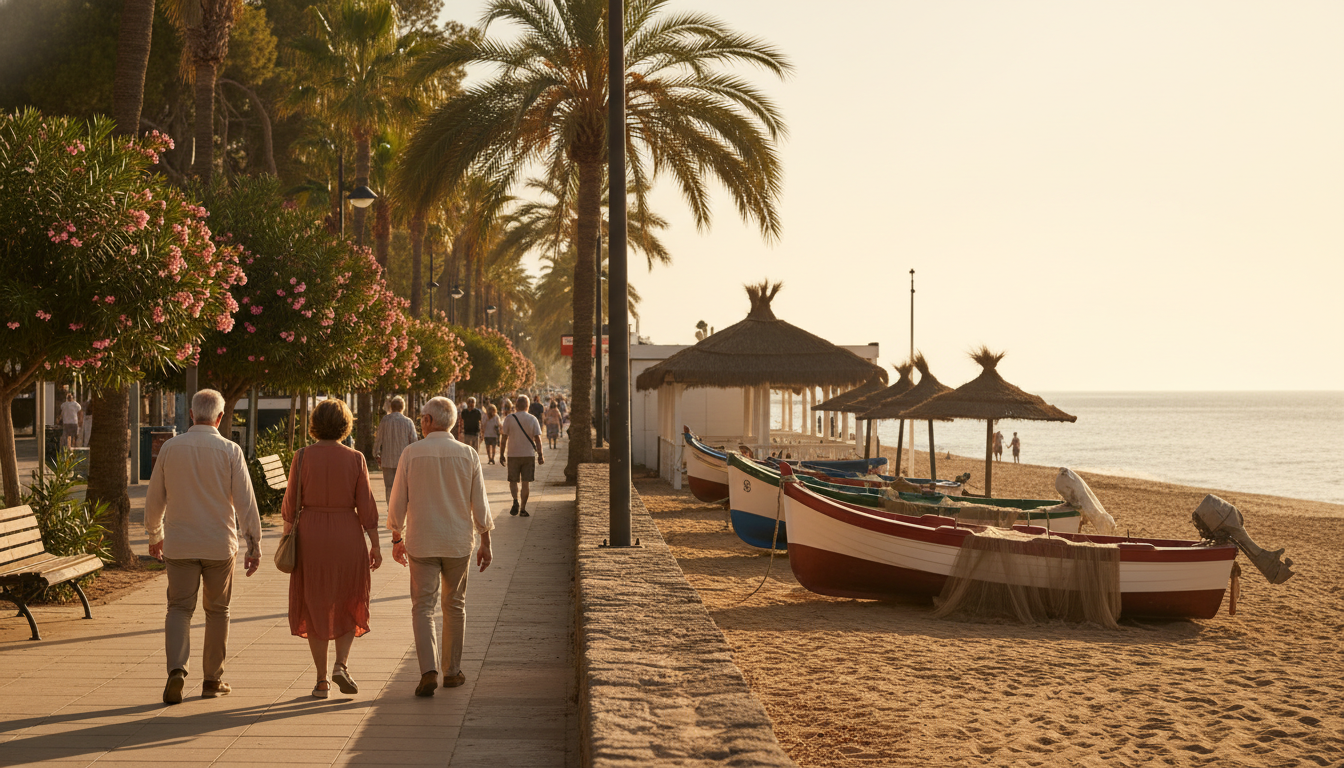
This is where I'd point any retiree looking for their first Málaga home exchange. El Limonar sits about 3 kilometers east of the city center, hugging the coastline. The neighborhood is residential, genuinely Spanish (not tourist-dominated), and flat enough that daily walks don't require mountaineering skills.
 Tree-lined promenade in Pedregalejo with elderly couples strolling past traditional chiringuitos bea
Pedregalejo, its neighboring beach district, maintains working fishing traditions. The espetos—sardines grilled on bamboo skewers over beach fires—are legendary. Expect to pay around €8-12 ($8.60-$13) for a generous portion with a glass of local wine.
Healthcare access here is excellent. The Hospital Regional Universitario is a 10-minute taxi ride, and several private clinics serving the international community are even closer. Many doctors speak English—a genuine comfort for longer stays.
Home exchange listings in El Limonar typically feature 2-3 bedroom apartments ranging from 80-120 square meters. Most buildings have elevators, and ground-floor units with private gardens exist for those who prefer avoiding stairs entirely.
Centro Histórico: For the Culturally Hungry
If your retirement plans involve daily museum visits, flamenco performances, and being able to walk everywhere, the historic center delivers. The Picasso Museum, Thyssen Collection, and Centre Pompidou are all within a 15-minute stroll of each other.
The trade-offs are real, though. Streets are narrower, buildings older, and elevators less common. Noise levels increase significantly—Spanish nightlife doesn't quiet down until 2 or 3 AM on weekends. I'd recommend Centro Histórico for active retirees who prioritize culture over tranquility.
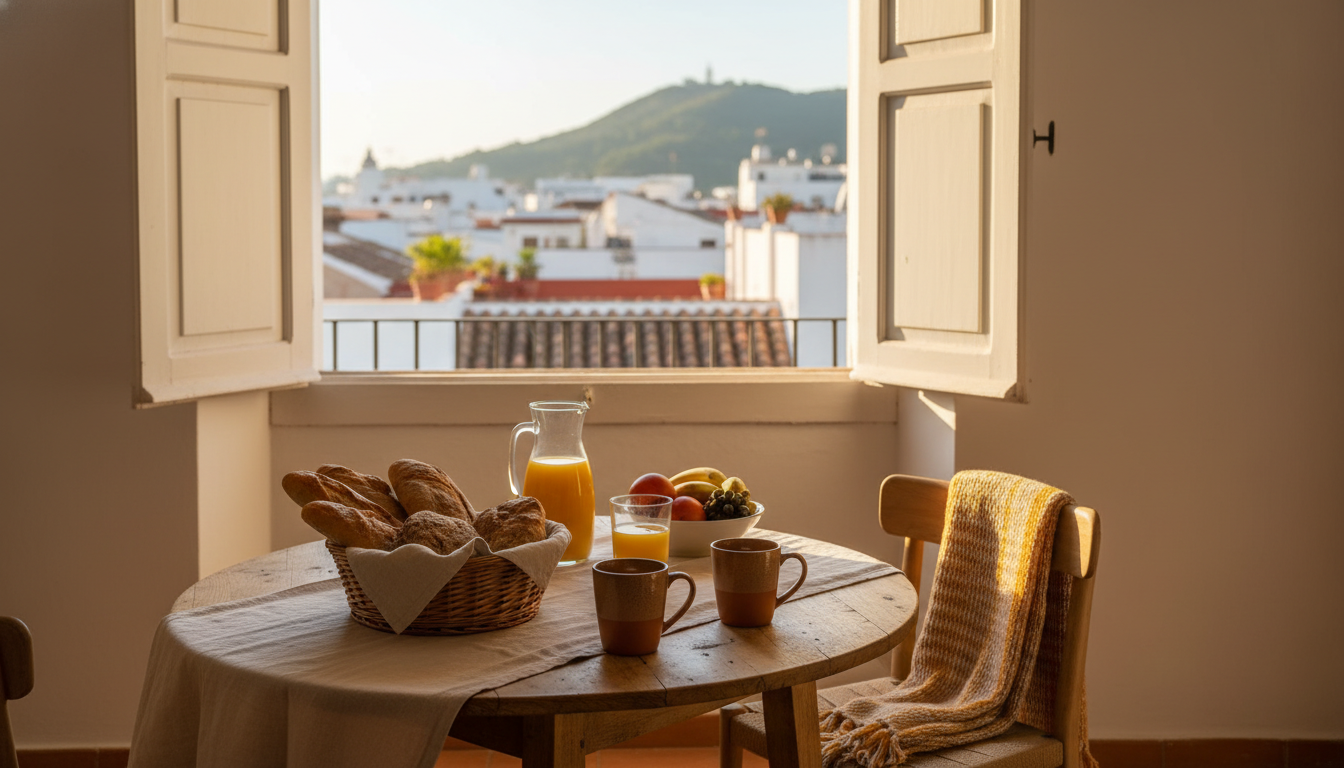
Apartments here tend toward the characterful: high ceilings, original tile work, interior courtyards. They're often smaller than suburban options but infinitely more atmospheric. A two-bedroom in a restored building might run 60-80 square meters.
Teatinos: Modern and Accessible
This newer district northwest of the center won't win any charm awards, but it's worth considering for retirees prioritizing accessibility and modern amenities. Buildings are recent constructions with reliable elevators, wide doorways, and accessible bathrooms. The University of Málaga campus creates a youthful energy, and the metro connects directly to the center and airport.
I stayed in Teatinos during my most recent swap—a favor for a Spanish professor on sabbatical who wanted to experience San Francisco. His apartment was admittedly generic, but the underground parking, modern kitchen, and community pool made daily life effortless.
Planning Your Retired Home Exchange in Málaga: Practical Wisdom
Seven years of home swapping has taught me that successful exchanges—especially longer ones—depend on preparation and clear communication. Here's what I've learned specifically about Málaga.
Timing Your Stay
Málaga's climate is genuinely mild year-round, but "mild" means different things to different people. Summer temperatures regularly hit 35°C (95°F), which some retirees find exhausting. The sweet spots are October through November—still warm enough for beach days (20-24°C/68-75°F), but the summer crowds have vanished. This is when I've found the most willing exchange partners, as Spanish families return to work and school routines. February through April brings almond blossoms, comfortable temperatures (15-22°C/59-72°F), and Semana Santa celebrations if you time it right. Easter in Málaga is extraordinary—haunting processions, emotional crowds, and a cultural experience unlike anything in Northern Europe or North America.
Avoid August unless you genuinely love heat and crowds. Many local businesses close for vacation, and the city transforms into a tourist zone.
Length of Stay Considerations
For retirees, I always recommend planning home exchanges of at least three weeks, ideally a month or longer. Here's why:
The first week in any new place involves adjustment—figuring out which bakery makes the best churros, learning the bus routes, discovering that the pharmacy closes between 2 and 5 PM. By week two, you've established routines. By week three, you're actually living rather than visiting.
 Cozy Mlaga apartment interior with morning light streaming through shuttered windows, a small breakf
Longer stays also make the logistics of home exchange more appealing to potential partners. A Spanish retiree might not want to swap homes for a week—too much hassle for too little benefit. But a month? That's a proper adventure, a chance to genuinely experience your city.
On SwappaHome, I've noticed that listing availability for 3-4 weeks dramatically increases response rates. The credit system works identically regardless of stay length—one credit per night, whether you're staying 7 days or 70—so there's no financial penalty for extended exchanges.
Healthcare and Insurance
I need to be direct about this: if you're planning extended stays in Málaga as a retiree, sorting out healthcare coverage is essential. Spain's public healthcare system is excellent but requires either EU citizenship (with a European Health Insurance Card) or private insurance for non-EU visitors.
Several companies specialize in travel insurance for retirees on extended trips. I've heard good things about SafetyWing and World Nomads for the 60+ crowd, though policies and coverage vary. Do your research before committing to a longer exchange.
For day-to-day healthcare needs, Málaga has numerous private clinics with English-speaking staff. Consultation fees typically run €50-80 ($54-86), and prescription medications are often significantly cheaper than in the US or UK.
What to Communicate With Your Exchange Partner
Clear communication prevents 90% of home exchange problems. For Málaga specifically, I recommend discussing air conditioning expectations (not all Spanish apartments have AC, and those that do sometimes have usage restrictions since electricity is expensive), siesta culture (many Spanish buildings have quiet hours between 2-5 PM), parking if you're planning to rent a car for day trips, and internet quality for video calls with grandchildren or reliable connectivity for hobbies.
Day-to-Day Life: What Retired Home Exchangers Actually Do in Málaga
I've asked every retiree I've met during my Málaga swaps about their daily routines. The consistency surprised me—and reassured me that this city genuinely works for this life stage.
 Morning scene at Atarazanas Market with elderly shoppers examining fresh produce, hanging jamn, and
Morning Rituals
Most wake early—old habits die hard—and head to a neighborhood café for desayuno. The classic Málaga breakfast is pitufo (a small crusty roll) with tomato pulp, olive oil, and jamón, plus café con leche. Budget around €3-4 ($3.25-4.30).
The Atarazanas Market opens at 8 AM and is genuinely worth the early wake-up. This 19th-century iron-and-glass structure houses dozens of vendors selling the freshest fish, produce, olives, and cheese you'll find anywhere. The social aspect matters as much as the shopping—regulars chat with vendors, compare recipes, debate the best way to prepare boquerones (anchovies).
Afternoon Pleasures
After the substantial Spanish lunch (typically the main meal, eaten around 2-3 PM), the city slows. This is when I've seen retirees walking the Paseo del Parque, a shaded botanical garden stretching along the port, or visiting the Alcazaba fortress during the cooler hours. Others take Spanish classes—several schools cater specifically to retirees, with courses starting around €150/$162 per week. Many simply read on their borrowed terrace.
The Málaga beach promenade—stretching from Malagueta beach through Pedregalejo—is flat, well-maintained, and perfect for afternoon strolls. Benches appear every 50 meters or so. The Mediterranean isn't dramatic here, but it's reliably beautiful.
Evening Traditions
Dinner happens late by northern standards—9 PM at the earliest. The Spanish tapeo tradition works brilliantly for retirees: rather than committing to one large meal, you wander between bars, sampling small plates. A generous evening of tapas with wine might cost €20-30 ($21.50-32.30) per person.
My favorite tapas route for the mobility-conscious: start at El Pimpi (touristy but genuinely good, with excellent sweet Málaga wine), walk to Antigua Casa de Guardia (standing room only, but worth it for the barrel-aged wines), and finish at any of the small places on Calle Granada.
The Social Side: Building Connections Through Home Exchange
One thing I've observed repeatedly: retirees who home exchange tend to form deeper connections than those who hotel-hop. Part of this is simply time—longer stays allow relationships to develop. But there's something about living in someone's actual home, surrounded by their books and photos and quirky kitchen gadgets, that creates a sense of intimacy.
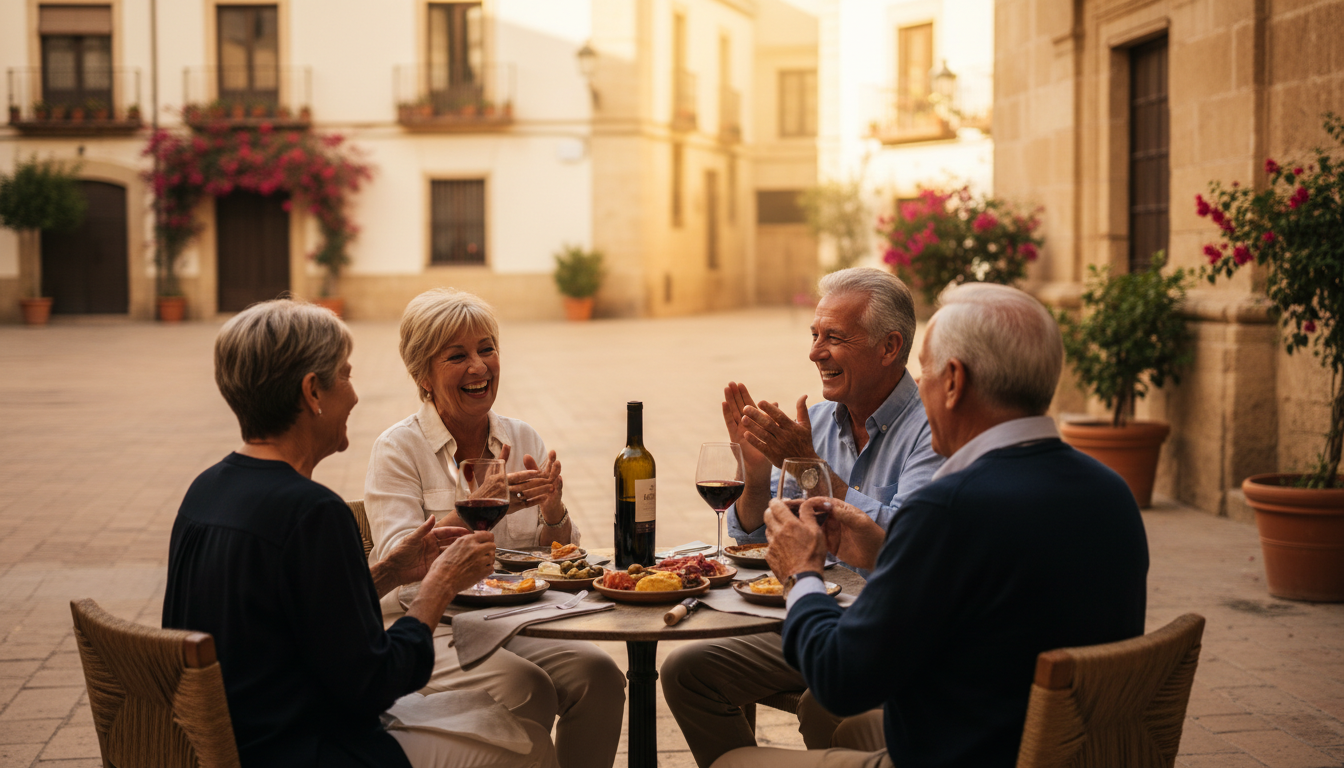 Two couples sharing wine and tapas at a small plaza table in Mlagas evening light, clearly mid-conve
Several retirees I've met maintain ongoing exchange relationships with their Málaga partners. Hans and Brigitte, a German couple in their late 60s, have swapped with the same Málaga family four times now. They've attended each other's family celebrations. Their grandchildren have met.
"It's not really about free accommodation anymore," Hans told me. "We could afford hotels. But why would we want to? We have friends here now."
The SwappaHome community tends toward this kind of connection. Because the platform operates on credits rather than direct swaps, there's no transactional pressure. You're not calculating whether their apartment is "worth" yours. You're simply two parties who want to experience each other's cities.
For retirees specifically, I'd recommend including something personal in your listing and initial messages. Mention your hobbies, your reasons for visiting Málaga, what you hope to experience. The exchanges that work best start with genuine human connection, not just logistics.
Practical Costs: What to Actually Budget
One of the most common questions I get from retirees considering Málaga home exchanges: "What will I actually spend?"
The beautiful thing about home exchange is that accommodation—typically the largest travel expense—costs nothing beyond your SwappaHome membership. You're exchanging credits, not currency. But daily life has costs.
Here's a realistic monthly budget for a retired couple living comfortably (not luxuriously) in Málaga: groceries run €400-500 ($430-540) since Spanish supermarkets like Mercadona and Carrefour are significantly cheaper than UK or US equivalents, and local markets are even better for fresh produce and fish. Dining out 3-4 times per week costs €300-400 ($325-430), though you could easily spend more or less depending on your habits. Transportation runs €50-100 ($54-108)—the city is walkable, and the bus system costs €1.30 per ride (€0.82 with a rechargeable card). Taxis are reasonable, with airport to center running about €20 ($21.50). Entertainment and culture—museum entries, flamenco shows, day trips—comes to €100-150 ($108-162), and many museums offer senior discounts. The Picasso Museum is free on Sundays after 5 PM. Utilities are typically included in home exchanges, but confirm with your partner.
Total: €850-1,150 ($920-1,240) per month for a couple, excluding flights and insurance.
Compare this to hotel accommodation alone—a decent Málaga hotel runs €80-120 ($86-130) per night, or €2,400-3,600 per month. The home exchange savings are substantial.
Getting Started: Your First Málaga Retiree Home Exchange
If you're convinced—or at least intrigued—here's how I'd approach your first Málaga exchange.
Create a compelling listing first. Photograph your home in good light. Write honestly about your space, your neighborhood, and what visitors can expect. Mention that you're a retiree seeking a relaxed pace—this attracts like-minded partners.
Then search strategically. On SwappaHome, filter for Málaga properties with elevators, specify your desired dates, and look for listings from other retirees or those mentioning "quiet neighborhood" or "walkable to amenities."
Reach out personally—don't send generic requests. Mention something specific about their listing. Explain why Málaga appeals to you. Ask questions about the neighborhood.
Before confirming any exchange, I always recommend a video call. You'll get a sense of the person, see the space in real-time, and build the foundation for a good exchange relationship.
And if it's your first Málaga exchange, start with 2-3 weeks. A shorter initial stay lets you test the waters. You can always return for longer once you know you love it.
A Final Thought
I'm not retired yet—decades away, if I'm being optimistic about my freelance writing career. But every time I leave Málaga, I understand more clearly why so many retirees choose to spend significant chunks of their post-work lives here.
It's not just the weather, though the weather is genuinely glorious. It's not just the affordability, though your retirement savings stretch remarkably far. It's the pace, the warmth, the sense that life here is meant to be savored rather than rushed through.
Home exchange makes this accessible in a way that traditional travel doesn't. You're not a tourist consuming Málaga from the outside. You're borrowing someone's life for a few weeks, inhabiting their neighborhood, becoming a temporary local.
The retired couple whose Pedregalejo apartment I stayed in last spring left me a handwritten note: "Welcome to our home. We hope you'll love Málaga as much as we do. The key to happiness here is simple: walk slowly, eat well, and always say good morning to the neighbors."
They were right about all of it.
Frequently Asked Questions
Is Málaga safe for retired home exchangers?
Málaga is considered one of Spain's safest cities, with low violent crime rates and a strong police presence in tourist and residential areas. Standard precautions apply—secure valuables, be aware of pickpockets in crowded areas—but retirees consistently report feeling safe walking at all hours. The home exchange community adds another layer of security through verified profiles and reviews.
How much can retirees save with home exchange in Málaga versus hotels?
A comfortable Málaga hotel costs €80-120 ($86-130) per night, totaling €2,400-3,600 monthly. Home exchange eliminates this cost entirely—you exchange credits, not money. A retired couple can realistically save €2,000-3,000+ ($2,150-3,230) per month compared to hotel stays, making extended Málaga visits financially accessible.
What's the best time of year for retirees to visit Málaga?
October-November and February-April offer ideal conditions: comfortable temperatures (15-24°C/59-75°F), fewer tourists, and willing exchange partners. Avoid August's extreme heat and crowds. Spring brings almond blossoms and Semana Santa celebrations; autumn offers warm seas and golden light without summer's intensity.
Do I need to speak Spanish for a Málaga home exchange?
While Spanish helps tremendously, many Málaga residents in popular neighborhoods speak basic English, and the international retiree community is substantial. Translation apps bridge most gaps. However, learning basic phrases significantly enriches your experience—locals appreciate the effort, and it opens doors to deeper connections and better service.
How do I find retiree-friendly home exchange listings in Málaga?
On SwappaHome, search for Málaga properties mentioning "elevator," "accessible," or "quiet neighborhood." Filter by your desired dates and look for listings from other retirees or those emphasizing walkability. Neighborhoods like El Limonar, Pedregalejo, and Teatinos offer the most retiree-suitable properties with modern amenities and flat terrain.

Published by
SwappaHome
SwappaHome Editorial Team
Home Exchange & Slow Travel Editorial
The SwappaHome Editorial Team brings together travel research, home-exchange community insights, and platform data to produce practical guides for first-time and experienced home swappers. Every article cites real platforms, current market rates, and verifiable city-level facts so readers can make informed decisions without guessing.
Ready to try home swapping?
Join SwappaHome and start traveling by exchanging homes. Get 7 free credits when you sign up!
Related articles

Bachelor and Bachelorette Parties in Singapore: The Complete Home Swap Group Guide for 2026
Planning a bachelor or bachelorette party in Singapore? Discover how home swapping lets groups of 6-12 stay together in luxury condos, saving thousands while partying in Marina Bay.

Cycling in Lisbon: 7 Home Swap Bike Tour Itineraries for Every Rider
Discover the best cycling routes in Lisbon with these home swap bike tour itineraries—from waterfront paths to hilltop adventures, all starting from your borrowed home.

Graduation Trip to Barcelona: How Home Swapping Gives New Graduates the Ultimate Celebration
Planning a graduation trip to Barcelona? Discover how home swapping lets new graduates explore Spain's most vibrant city without the hostel crowds or hotel costs.