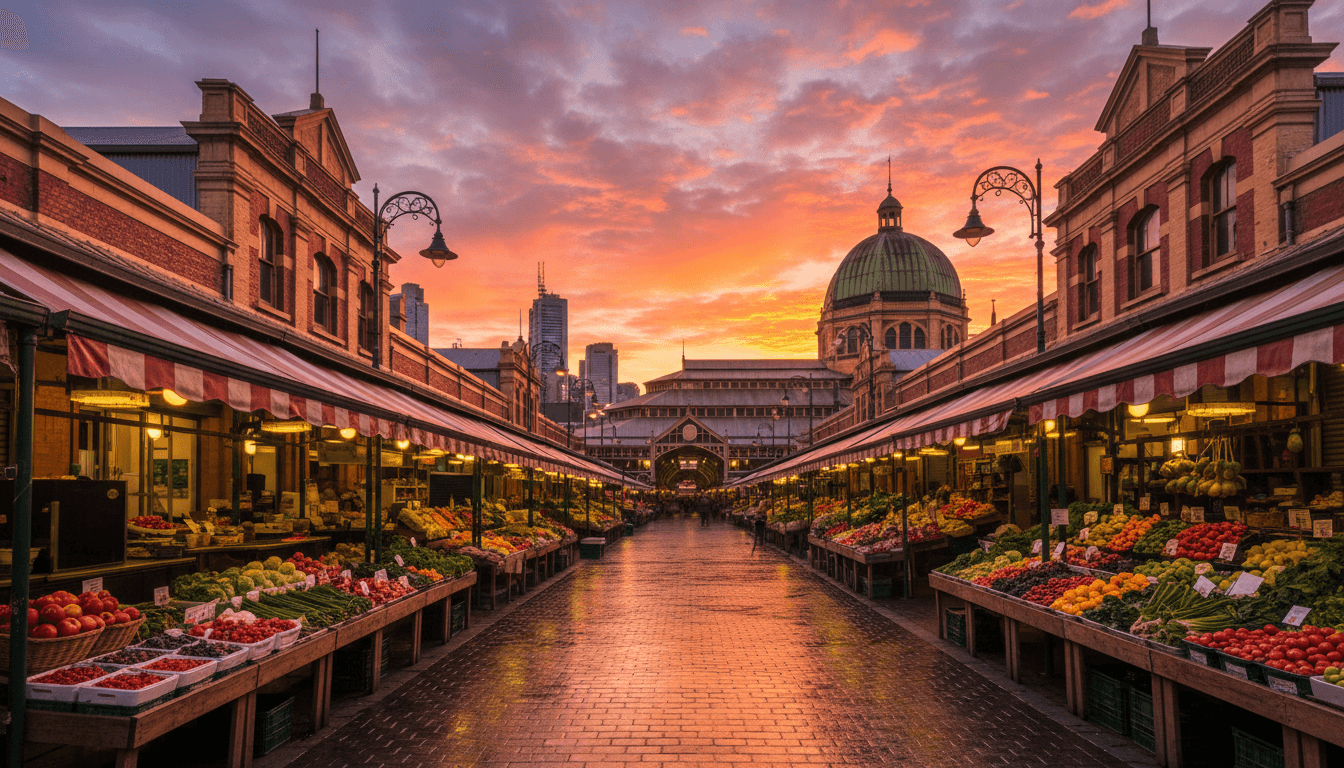
Melbourne Markets and Local Shopping: The Home Swapper's Complete Guide

SwappaHome Editorial Team
Home Exchange & Slow Travel Editorial
Navigate Melbourne's best markets like a local—from Queen Victoria's pre-dawn wholesalers to Prahran's artisan cheese caves. Your home swap advantage, decoded.
The 5 AM tram rattles down Elizabeth Street, mostly empty except for restaurant owners clutching coffee cups and heading toward Queen Victoria Market. By the time most tourists wake up, the best cuts at the Meat Hall will be gone, the mushroom guy will have sold out of his wild-foraged porcini, and the flower vendors will be packing up their premium proteas. This is Melbourne market culture—a city where shopping isn't just commerce, it's competitive sport.
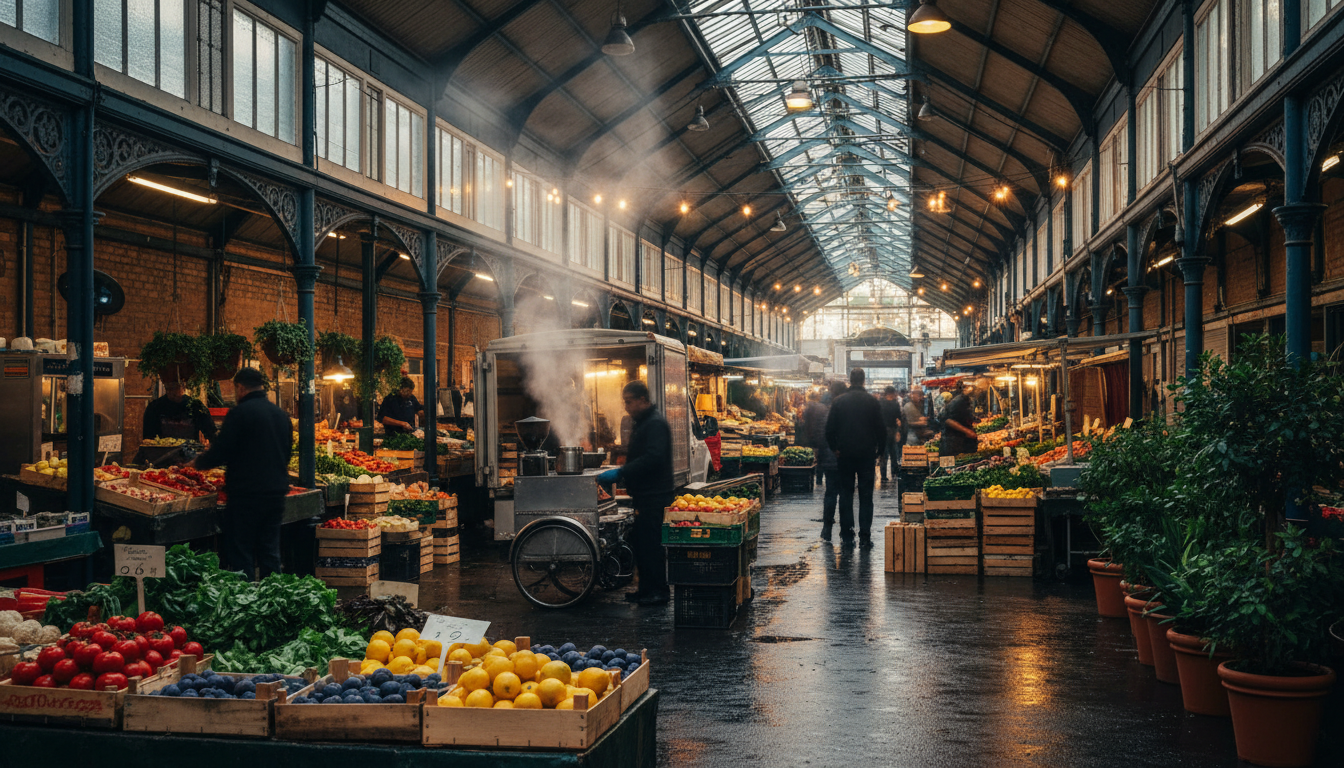 Pre-dawn Queen Victoria Market with vendors setting up stalls under heritage sheds, steam rising fro
Here's what makes Melbourne markets different from Sydney's or Brisbane's: the city's laneways culture extends to how people shop. Melburnians don't just buy ingredients—they curate them. They have a cheese guy, a fish guy, a specific stall for their sourdough. And when you're staying in a home swap rather than a hotel, you're not just observing this culture. You're living it.
The home swap advantage in Melbourne shopping isn't subtle. It's the difference between buying a $6 AUD flat white every morning and making your own with beans from Market Lane Coffee at Prahran Market. It's having a full kitchen to transform those Flinders Street mushrooms into something memorable. It's storing your South Melbourne dim sum haul in an actual refrigerator instead of eating it all in one sad hotel-room sitting.
Why Melbourne Markets Matter for Home Exchange Travelers
Melbourne consistently ranks among the world's most liveable cities, and food culture drives a significant part of that ranking. The market scene here isn't tourist infrastructure—it's genuine civic infrastructure. Queen Victoria Market has operated since 1878. South Melbourne Market opened in 1867. These aren't attractions; they're where locals actually provision their lives.
For home swappers, this creates a specific opportunity. SwappaHome members staying in Melbourne's inner suburbs—Fitzroy, Carlton, St Kilda, Prahran—typically find themselves within walking distance of at least one major market. The credit system means you're not paying nightly accommodation costs, which frees up budget for the kind of quality ingredients that make cooking in your swap home worthwhile.
The math works out clearly. A hotel breakfast in Melbourne's CBD runs $25-40 AUD ($16-26 USD) per person. The same money at Queen Victoria Market buys you a week's worth of breakfast ingredients: sourdough from Noisette, eggs from the organic stall in Dairy Hall, bacon from the heritage pork vendor, and coffee beans that'll outlast your stay.
Queen Victoria Market: The Essential Melbourne Shopping Experience
Locals call it "Vic Market" or just "the Queen." Tourists call it overwhelming. Both are accurate.
Sprawling across seven hectares in Melbourne's CBD, Queen Victoria Market is the largest open-air market in the Southern Hemisphere. The heritage-listed sheds house over 600 traders, and navigating them efficiently requires strategy—or several visits.
The Meat and Fish Hall Strategy
The Meat Hall opens at 6 AM Tuesday through Saturday, and the wholesale buyers arrive first. By 8 AM, the best dry-aged beef and specialty cuts start disappearing. The fish hall follows similar patterns—the dhufish and King George whiting go early.
For home swappers cooking dinner, the sweet spot is 7-8 AM. You'll beat the tourist crowds but catch full selection. Prices here run 20-40% below supermarket equivalents for comparable quality. A quality eye fillet steak costs around $45-55 AUD per kilo ($15-18 USD per pound), versus $70+ at Coles or Woolworths.
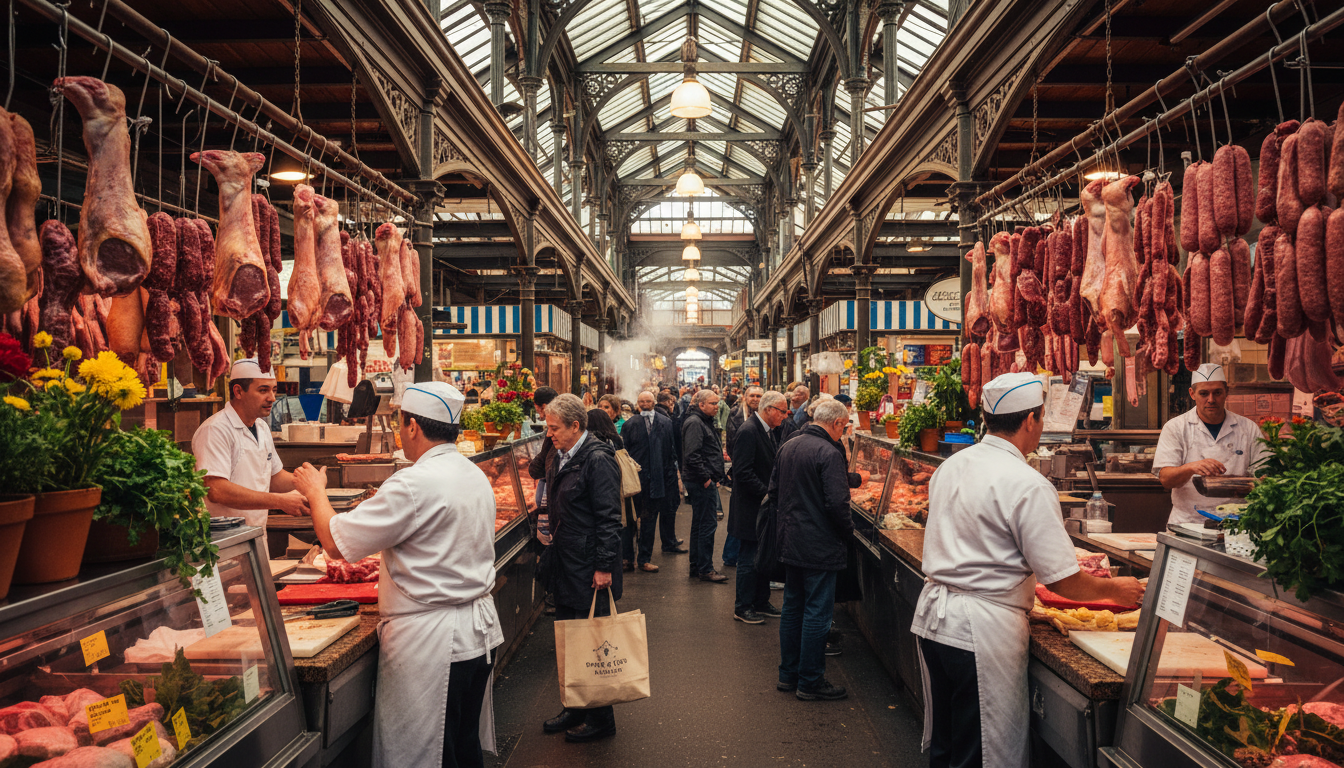 Queen Victoria Market Meat Hall interior showing heritage architecture, hanging meats, and vendors i
The Deli Hall: Where Cheese Dreams Happen
The Dairy Produce Hall—everyone calls it the Deli Hall—is where Melbourne's multicultural food heritage becomes tangible. Greek feta sits next to Italian pecorino sits next to Australian washed-rinds from Yarra Valley. The Cheese Cave (yes, that's its actual name) stocks over 300 varieties.
Here's a tip worth remembering: buy smaller quantities of more varieties. Without hotel minibar constraints, you can actually store a proper cheese board. A selection of five Australian artisan cheeses runs about $30-40 AUD ($20-26 USD) and pairs perfectly with the $12 sourdough from the bakery section.
Organics and Specialty Produce
The outdoor produce section operates Tuesday, Thursday, Friday, and Saturday. Sunday is general merchandise only—skip it unless you want discount clothing and tourist souvenirs.
The organic section clusters near the Elizabeth Street entrance. Prices run higher than conventional produce but lower than organic grocery stores. Expect to pay $6-8 AUD for a bunch of organic kale, $4-5 for heritage tomatoes per kilo.
The fruit and vegetable vendors here engage in theatrical price-slashing toward closing time (around 2 PM on weekdays, 3 PM Saturdays). Boxes of imperfect produce go for $5-10 AUD. If you're staying in a swap home nearby—Carlton, North Melbourne, or the CBD—this is excellent value for cooking-focused travelers.
Night Market Sessions
Wednesday evenings from November through March, Queen Victoria Market transforms into the Summer Night Market. Street food vendors, live music, and a distinctly different energy from daytime shopping. The food here trends toward Instagram-ready fusion—Korean fried chicken tacos, loaded fries, açaí bowls.
Worth experiencing once, but not where you'll find cooking ingredients. Think of it as Melbourne's version of a food festival that happens to occur at a market.
South Melbourne Market: The Local's Local Market
If Queen Victoria Market is Melbourne's grand civic statement, South Melbourne Market is its comfortable living room. Smaller, more navigable, and with a slightly more upscale clientele, this 1867-established market serves the inner-south suburbs with serious food credentials.
The Dim Sum Situation
South Melbourne Market's dim sum scene deserves special attention. The Dim Sum House and similar vendors here produce some of Melbourne's best dumplings, and the prices—$12-18 AUD for a substantial portion—make hotel restaurant dim sum look absurd.
Home swappers in St Kilda, South Melbourne, or Albert Park can walk here, load up on dumplings, and reheat them in their swap kitchen. This is the kind of eating that hotels make impossible and home exchange makes routine.
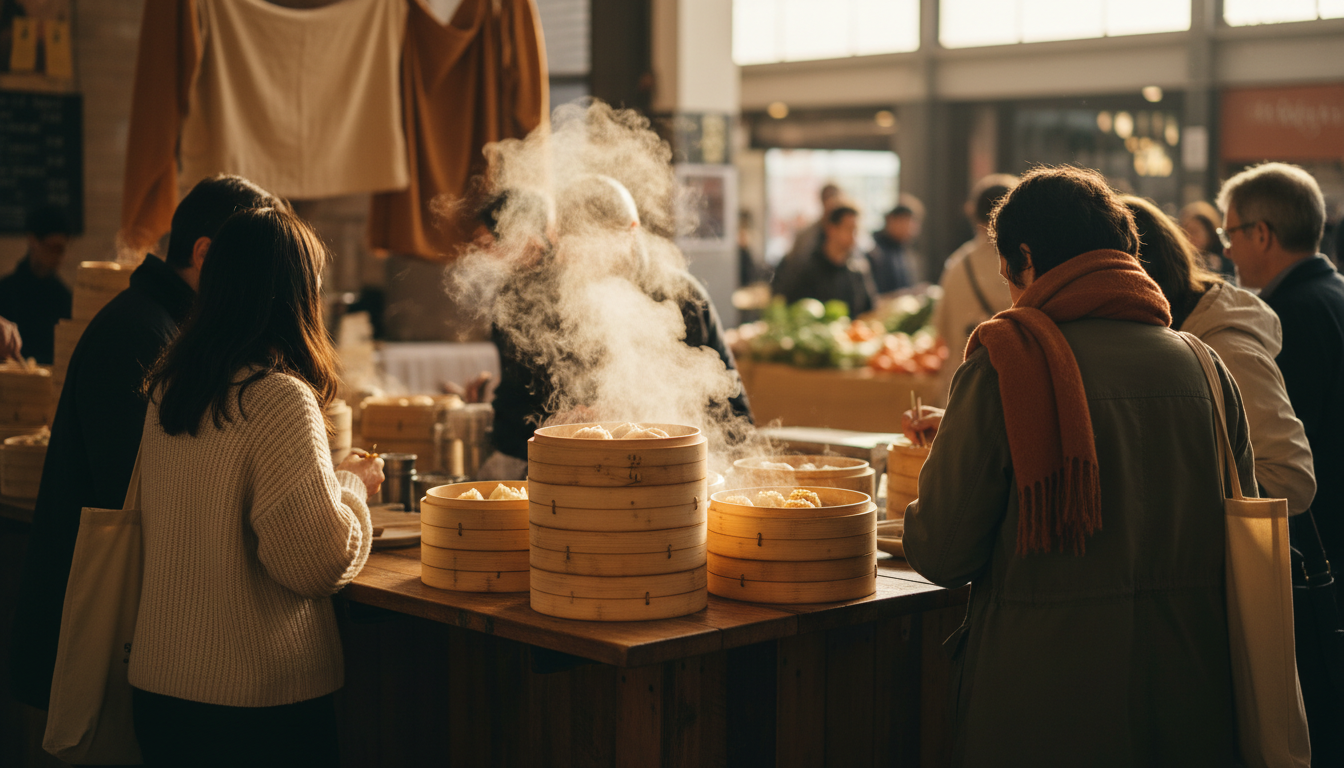 Steaming bamboo baskets of dim sum at South Melbourne Market with customers gathered around the coun
The Mussel Man and Seafood Row
Claringbold's Fish has operated here since 1948. The seafood section overall offers exceptional quality, with prices reflecting the market's slightly more affluent customer base. Live mussels run about $8-10 AUD per kilo, oysters $25-35 per dozen depending on variety.
The practical advantage: South Melbourne Market is less overwhelming than Queen Vic. You can learn the layout in one visit, develop vendor relationships quickly, and shop efficiently. For a two-week home swap, this market makes more sense as your "regular" than the larger alternatives.
Specialty Groceries and Prepared Foods
The market's interior houses several excellent specialty grocers. Gewürzhaus carries over 300 spices in bulk—far cheaper than supermarket jars and significantly fresher. The oil and vinegar specialists offer tastings, and a quality bottle of Australian olive oil runs $15-25 AUD.
Prepared food options here skew toward quality over quantity. The roast chicken from Aptus is legitimately excellent ($18-22 AUD whole), and several vendors offer meal components—marinated meats, prepared salads, fresh pasta—that make home cooking easier without sacrificing quality.
Prahran Market: Melbourne's Gourmet Heartland
Prahran Market doesn't try to be everything to everyone. It tries to be the best at what food obsessives actually want: exceptional quality, curated selection, and vendors who know their products deeply.
Market Lane Coffee
The Prahran location of Market Lane Coffee is a pilgrimage site for Melbourne's coffee culture. Single-origin beans, precise roasting, and baristas who can discuss processing methods in uncomfortable detail. A bag of beans runs $18-25 AUD, which sounds expensive until you calculate how many $5 flat whites it replaces.
For home swappers, this is the kind of purchase that transforms your stay. Good coffee in the morning, made in your swap kitchen, sets a completely different tone than hotel instant or expensive café visits.
The Cheese and Charcuterie Situation
Prahran Market's cheese selection rivals specialty shops anywhere in Australia. The Essential Ingredient stocks high-end cooking supplies alongside artisan cheeses. Gary's Quality Meats offers dry-aged beef that restaurants pay premium prices for.
Prices here run 15-25% higher than Queen Victoria Market for comparable items. The tradeoff is curation—you're not sorting through 600 vendors to find quality. It's already been sorted for you.
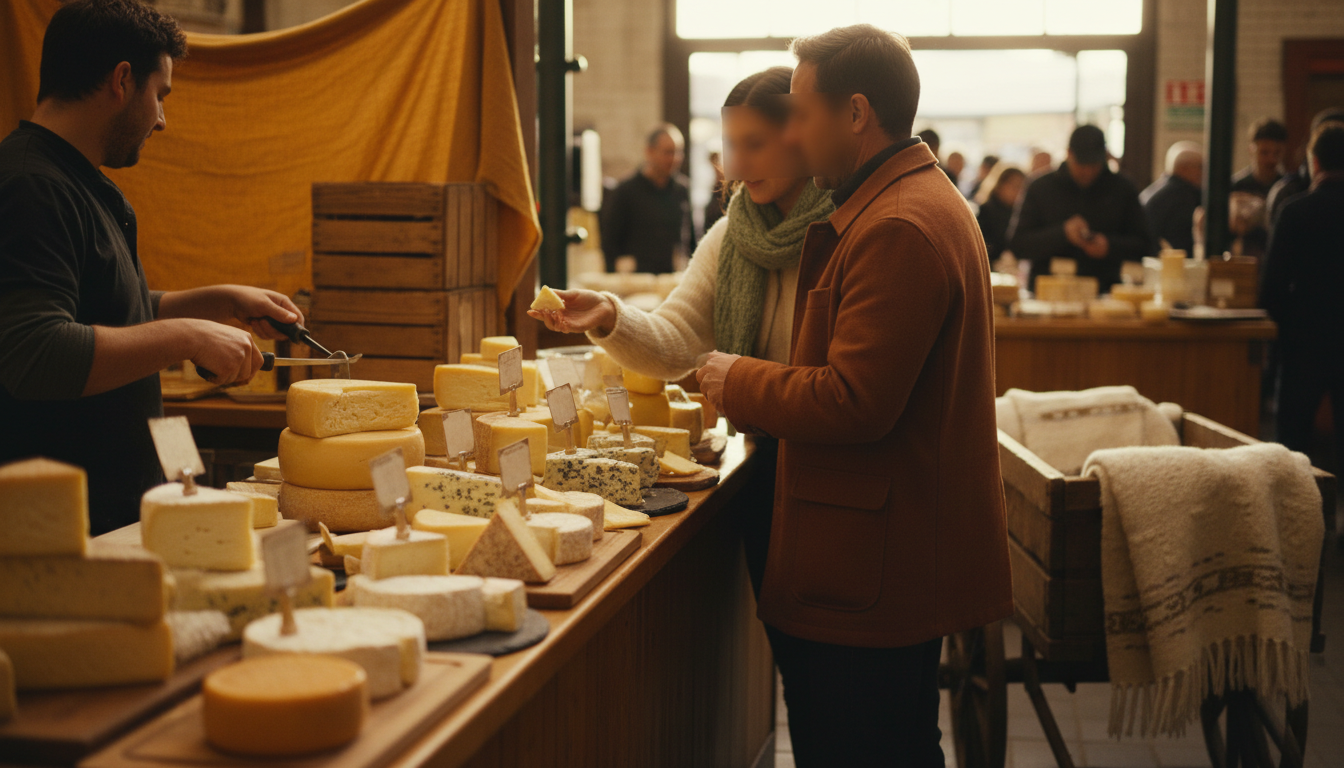 Prahran Market cheese counter with wedges of artisan cheese, handwritten labels, and a vendor slicin
The Prahran Location Advantage
Prahran sits in Melbourne's inner-southeast, accessible via the Sandringham train line (Prahran Station) or tram routes 6, 72, and 78. Home swaps in South Yarra, Windsor, St Kilda, and Armadale put this market within easy reach.
The surrounding neighborhood—Chapel Street's cafés, Greville Street's boutiques—makes Prahran Market a destination rather than just a shopping errand. Come for the groceries, stay for the brunch scene.
Neighborhood Markets Worth Your Time
Beyond the big three, Melbourne's neighborhood markets offer more intimate shopping experiences. These work particularly well for home swappers staying in specific suburbs.
Camberwell Sunday Market
Melbourne's largest outdoor market for secondhand goods operates Sunday mornings in the Camberwell Junction car park. This isn't food—it's vintage furniture, books, clothing, and household items. For home swappers looking to pick up a beach towel, a decent wine glass, or a cast-iron pan for their temporary kitchen, prices here beat retail significantly.
The market runs 6 AM to 12:30 PM, and serious buyers arrive early. A vintage Le Creuset pot might go for $40 AUD; new ones cost $400+.
Preston Market
Melbourne's multicultural north finds its culinary expression at Preston Market. Greek, Italian, Lebanese, Vietnamese, and Indian ingredients cluster here, often at prices well below inner-city equivalents. A kilo of quality feta runs $15-18 AUD, versus $25+ at South Melbourne.
The market's location—accessible via the South Morang train line—makes it practical for home swaps in Northcote, Thornbury, or Preston itself. The surrounding suburbs offer some of Melbourne's best-value home exchange opportunities, with larger properties than inner-city equivalents.
Footscray Market
For Southeast Asian ingredients, Footscray Market is unmatched in Melbourne. Vietnamese herbs, Thai curry pastes, fresh rice noodles, and produce varieties you won't find elsewhere. Prices reflect the market's working-class roots—significantly cheaper than CBD alternatives.
The neighborhood itself has gentrified somewhat but retains authentic character. Home swaps in Footscray or nearby Yarraville offer excellent value and genuine local immersion.
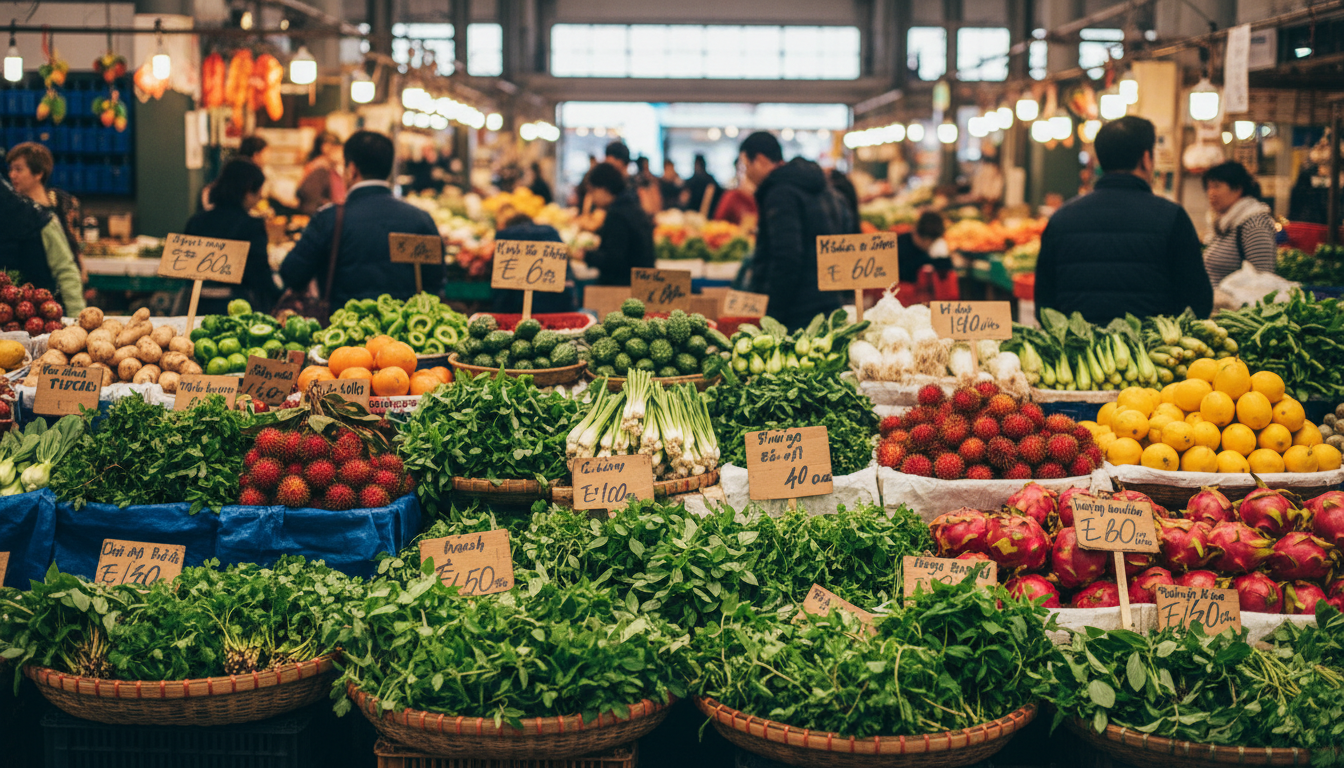 Footscray Market produce section showing Vietnamese herbs, tropical fruits, and Asian vegetables wit
The Home Swap Shopping Advantage: Practical Applications
Having a kitchen transforms how you engage with Melbourne's market culture. Here's how seasoned home swappers tend to approach it.
The First-Day Reconnaissance
Don't buy everything on day one. Visit your nearest market, walk the entire space, note what's available and where. Most markets have free maps—grab one. Identify your coffee vendor, your bread source, your produce section.
The second visit is when you actually shop. You'll know the layout, understand the price ranges, and avoid the tourist trap of buying everything that looks interesting.
The Rotation Strategy
For stays longer than a week, rotating between markets pays off. Queen Victoria for bulk protein and produce, Prahran for specialty items, South Melbourne for prepared foods when cooking feels like too much effort. This prevents market fatigue and lets you experience Melbourne's full shopping culture.
Storage and Planning
Check your swap home's kitchen before your first big market trip. Freezer space determines how much meat you can buy. Pantry staples already present might save you money. Some SwappaHome hosts leave basic supplies—oil, salt, spices—which changes your shopping list significantly.
Community feedback from Melbourne-based SwappaHome members suggests asking hosts about local shopping recommendations. Many will share their vendor preferences, market timing tips, and neighborhood secrets that guidebooks miss.
Beyond Food: Melbourne's Shopping Laneways
Melbourne's laneway culture extends beyond street art into serious retail. For home swappers, these narrow alleys offer everything from kitchen supplies to gifts worth bringing home.
Hardware Lane and the Kitchen District
Hardware Lane in the CBD houses several kitchen supply stores alongside its famous restaurants. Matchbox Kitchen & Bar supplies sits here, along with specialty cookware shops. If your swap home's kitchen lacks a decent knife or proper pan, this is where you upgrade.
The Arcade Shopping Experience
Royal Arcade (1870) and Block Arcade (1892) offer heritage shopping environments with specialty retailers. The tea shops, chocolate makers, and gift stores here provide higher-end options for those who want to bring something distinctive home.
Chapel Street and High Street Armadale
For fashion, homewares, and lifestyle shopping, these inner-south strips offer Melbourne's best curated retail. Prices range from accessible to aspirational, and the café culture surrounding the shops makes it a full-day experience.
Practical Market Information for Home Swappers
Transport and Timing
Melbourne's tram network—free within the CBD—connects most major markets. The myki card ($6 AUD for the card, then pay-as-you-go fares) covers all public transport. A single zone fare runs $5.30 AUD, with daily caps around $10.60.
Market timing matters enormously:
- Queen Victoria Market: Tuesday and Thursday 6 AM-2 PM, Friday 6 AM-5 PM, Saturday 6 AM-3 PM, Sunday 9 AM-4 PM (general merchandise only). Closed Monday and Wednesday (except Night Market season).
- South Melbourne Market: Wednesday-Friday 8 AM-4 PM, Saturday-Sunday 8 AM-4 PM. Closed Monday-Tuesday.
- Prahran Market: Tuesday-Saturday 7 AM-5 PM, Sunday 10 AM-3 PM. Closed Monday.
Payment and Pricing
Cash remains king at many market stalls, particularly for negotiating end-of-day discounts. ATMs exist at all major markets but charge fees. Withdraw cash before arriving.
Prices are generally fixed at specialty food stalls but negotiable for produce, especially near closing time. The phrase "What's your best price for the lot?" works when buying multiple items.
Bringing It Home
Most markets sell reusable shopping bags for $1-3 AUD. Bring your own if your swap home has them—Melbourne's single-use plastic bag ban means you'll need alternatives. A wheeled shopping trolley, common in Melbourne households, makes larger hauls manageable on public transport.
What to Buy: A Home Swapper's Market Shopping List
Not everything at Melbourne markets represents good value. Here's what savvy market shoppers prioritize:
Worth the premium:
- Dry-aged beef (significantly better than supermarket, 30-40% cheaper than butcher shops)
- Artisan cheese (better selection and prices than specialty stores)
- Fresh seafood (quality and price both superior to retail)
- Specialty coffee beans (fresher than café-purchased bags)
- Seasonal produce (taste difference is significant)
- Prepared foods from quality vendors (restaurant-quality at takeaway prices)
Skip these:
- Imported packaged goods (supermarkets are cheaper)
- Tourist-oriented souvenirs (overpriced and generic)
- Out-of-season produce (imported, expensive, mediocre quality)
- Anything you could buy at Woolworths (markets aren't discount grocers)
Making the Most of Your Melbourne Market Experience
The home exchange model transforms market shopping from tourist activity to genuine local living. You're not buying ingredients to cook in a cramped hotel kitchenette—you're provisioning a real kitchen in a real neighborhood.
SwappaHome members frequently mention Melbourne's markets as a highlight of their stays. The combination of world-class food culture, walkable neighborhoods, and kitchen-equipped homes creates something hotels simply can't replicate.
The credit system means your accommodation costs nothing beyond your annual membership, which leaves more budget for the quality ingredients that make cooking worthwhile. A $50 AUD market haul becomes dinner for four, breakfast for a week, and coffee for the duration—try matching that value at Melbourne's restaurant scene.
The markets will still be there when you wake up tomorrow. The question is whether you'll be walking there from a swap home in Carlton, loading up on sourdough and mushrooms, or ordering room service from a CBD hotel. One of those experiences is Melbourne. The other is just accommodation.
Frequently Asked Questions
What are the best markets in Melbourne for home swap travelers?
Queen Victoria Market offers the largest selection and best prices for bulk shopping. South Melbourne Market provides a more manageable experience with excellent dim sum and seafood. Prahran Market focuses on gourmet quality over quantity. For home swappers with kitchens, Queen Vic handles weekly provisioning while Prahran supplies specialty items worth the premium.
How much should I budget for Melbourne market shopping per week?
A home swapper cooking most meals can expect to spend $80-120 AUD ($52-78 USD) weekly at Melbourne markets for quality ingredients. This covers breakfast supplies, several dinner proteins, produce, and specialty items like cheese and coffee. The same eating pattern at restaurants would cost $300-500 AUD weekly, making market shopping a significant budget advantage.
Is Queen Victoria Market worth visiting on Sunday?
Sunday at Queen Victoria Market is general merchandise only—no food halls, no produce, no meat or seafood. Unless you specifically want discount clothing, souvenirs, or household goods, skip Sunday. The food experience requires Tuesday through Saturday visits, with Saturday being busiest and Tuesday/Thursday offering the best selection-to-crowd ratio.
Can I use credit cards at Melbourne markets?
Most established vendors accept cards, but many smaller stalls remain cash-only. Produce vendors especially prefer cash and may offer better prices for cash payment. ATMs at markets charge $2-3 AUD fees. Bring $50-100 cash for flexibility, particularly if you plan to negotiate end-of-day discounts on produce.
What's the best time to arrive at Melbourne markets for the freshest selection?
For Queen Victoria Market's Meat and Fish Halls, 7-8 AM offers optimal selection before crowds arrive. Produce sections peak around 9-10 AM when all vendors have fully stocked. South Melbourne and Prahran markets see less extreme timing pressure—arriving within the first two hours of opening ensures full selection without the intensity of Queen Vic's wholesale-buyer rush.

Published by
SwappaHome
SwappaHome Editorial Team
Home Exchange & Slow Travel Editorial
The SwappaHome Editorial Team brings together travel research, home-exchange community insights, and platform data to produce practical guides for first-time and experienced home swappers. Every article cites real platforms, current market rates, and verifiable city-level facts so readers can make informed decisions without guessing.
Ready to try home swapping?
Join SwappaHome and start traveling by exchanging homes. Get 7 free credits when you sign up!
Related articles
Bachelor and Bachelorette Parties in Singapore: The Complete Home Swap Group Guide for 2026
Planning a bachelor or bachelorette party in Singapore? Discover how home swapping lets groups of 6-12 stay together in luxury condos, saving thousands while partying in Marina Bay.

Cycling in Lisbon: 7 Home Swap Bike Tour Itineraries for Every Rider
Discover the best cycling routes in Lisbon with these home swap bike tour itineraries—from waterfront paths to hilltop adventures, all starting from your borrowed home.

Graduation Trip to Barcelona: How Home Swapping Gives New Graduates the Ultimate Celebration
Planning a graduation trip to Barcelona? Discover how home swapping lets new graduates explore Spain's most vibrant city without the hostel crowds or hotel costs.