
Short unique travel quotes for every adventure and mood

SwappaHome Editorial Team
Home Exchange & Slow Travel Editorial
Key Takeaways The best short unique travel quotes feel personal, specific, and suited to the moment. Use them as inspiration, then shape the wording until it…
Key Takeaways
The best short unique travel quotes feel personal, specific, and suited to the moment. Use them as inspiration, then shape the wording until it sounds like something you would actually say.
- Match the quote’s mood to the experience you want to remember.
- Choose concrete details instead of familiar travel clichés.
- Keep short quotes clear enough to understand at a glance.
- Use them in captions, journals, postcards, albums, and creative projects.
- Write original lines by noticing one vivid moment and expressing it simply.
How to choose a short unique travel quote
A good travel quote does more than fill an empty caption space. It gives a feeling a little shape, whether that feeling is nervous excitement, deep calm, or gratitude for a shared afternoon. The strongest short unique travel quotes sound connected to a real place or memory. Before choosing one, consider what you want the reader to feel.
Match the quote to your travel mood
Start with the emotional temperature of the trip. A sunrise hike might call for a line with momentum, while a quiet train ride deserves something softer. If the quote clashes with the image, even beautiful words can feel artificial.
Try sorting your options into broad moods such as wonder, courage, stillness, gratitude, or connection. This small step makes the final choice easier because you are selecting for meaning, not just length.
Look for vivid, specific language
Vivid wording gives a short quote somewhere to stand. “The road opened” is pleasant, but “Dust rose behind the last turn” creates a scene the reader can see. Details such as salt on your skin, a late bus, warm bread, or blue-shadowed hills make a line feel lived-in.
You can browse a collection of classic travel quotes for inspiration, but notice the images and ideas that stay with you rather than copying a familiar phrase. Let another writer’s perspective prompt your own observation.
Balance originality with clarity
An unusual quote should still be understood on the first read. If the language becomes too abstract, the reader may spend more time decoding it than feeling it. Clarity gives originality room to breathe, especially when the quote will appear beneath a busy photograph.
A useful test is to read the line aloud. If you stumble over the syntax or need to explain what it means, remove a word, replace a grand phrase with an ordinary one, or begin again with the actual moment.
Avoid overused travel clichés
Clichés are not always wrong, but they rarely tell anyone why this journey mattered to you. Replace broad words such as “amazing,” “paradise,” or “wanderlust” with one detail only you would have noticed. A quote about a crooked streetlamp or a shared umbrella can carry more personality than a sweeping statement about seeing the world.
The goal is not to sound clever at all costs. It is to sound awake to the experience, with enough freshness that the line could belong to this trip and no other.
Short unique travel quotes for adventure
Adventure quotes work best when they leave a little space for uncertainty. They can suggest a first step, a sudden detour, or the rush of realizing that the planned route is no longer the interesting one. Keep the energy active, but avoid making every adventure sound loud or reckless.
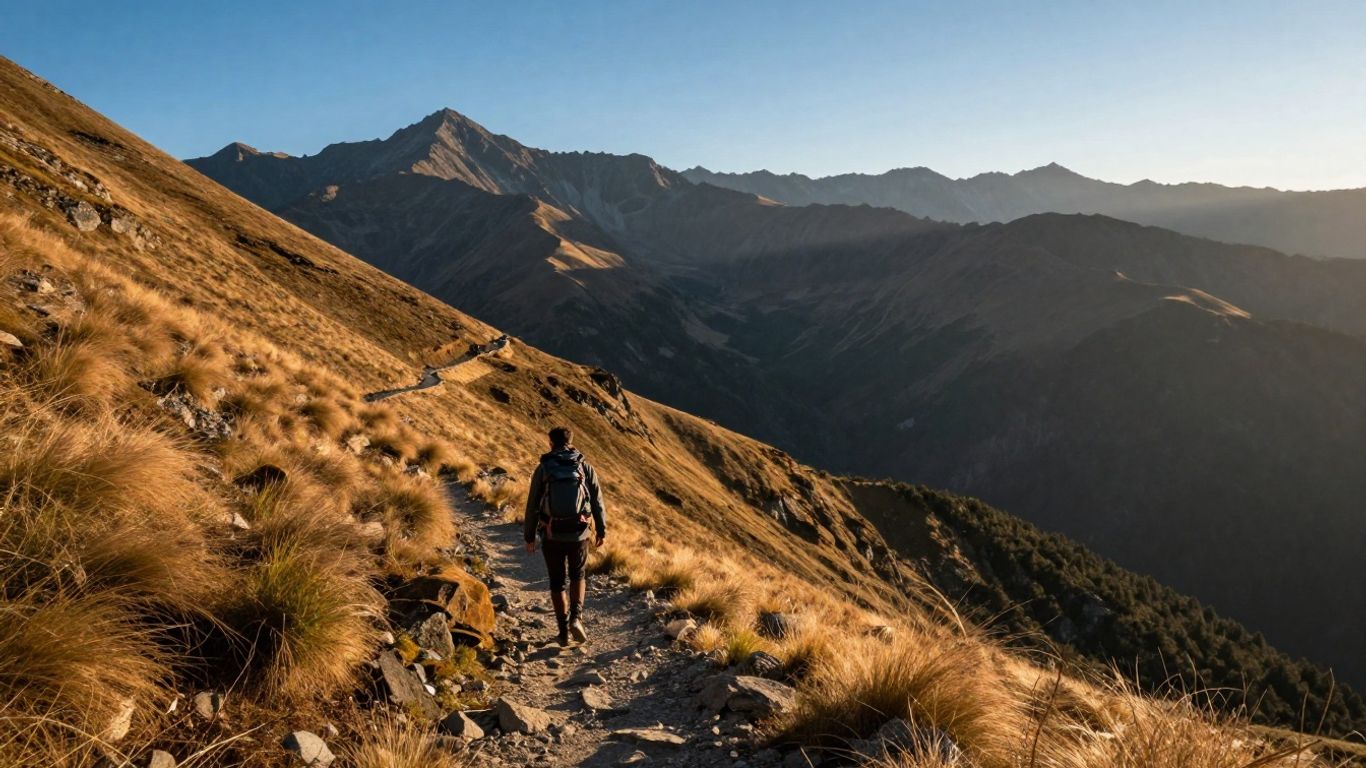 A lone hiker crossing a rugged mountain pass
Quotes about stepping into the unknown
The unknown often begins quietly: a door you have not opened, a path without a familiar name, or a ticket booked before you feel completely ready. Short lines can capture that tension without resolving it too quickly. Try language that acknowledges hesitation while leaving room for curiosity.
A line such as “The map ended; the morning didn’t” feels adventurous because it holds uncertainty and possibility together. It does not tell the reader what to think; it lets the image complete the thought.
Words that capture excitement and discovery
Excitement comes from movement and surprise. Verbs like “turn,” “climb,” “chase,” “follow,” and “find” create forward motion, while a specific noun keeps the line grounded. Pair one active idea with one sensory detail and the quote will usually feel more alive.
Consider the difference between “Chase every dream” and “I chased the orange light past the harbor.” The second line is smaller, but its particularity makes it more memorable.
Lines for road trips and spontaneous escapes
Road-trip quotes have a natural rhythm because the journey itself is made of changing scenes. Think about the ordinary pieces that become meaningful later: a paper cup in the console, an unplanned roadside stop, or the song everyone knows by heart.
For a compact set of ideas, begin with one of these approaches:
- Write about the next turn instead of the final destination.
- Pair a passing landscape with a familiar human detail.
- Mention the small inconvenience that became part of the story.
- Let the sentence sound conversational rather than polished.
These prompts keep spontaneous-escape quotes from becoming generic. The best line may be about the wrong exit, the roadside peaches, or the silence after everyone falls asleep.
Quotes that inspire brave travel decisions
Bravery in travel does not always mean taking the most dramatic route. It may mean dining alone, asking for help, changing plans, or staying long enough to understand a place. A useful quote encourages action without pretending that fear is absent.
For practical trip inspiration, a solo travel guide can sit beside more poetic words, helping you pair an emotional nudge with grounded planning. If you use SwappaHome, remember that its documented experience centers on home exchange and connecting with a global community for local living; keep any accompanying quote focused on independence and discovery rather than promises about a particular outcome.
Short unique travel quotes for peaceful journeys
Peaceful travel has its own kind of movement. It may be the slow drift of a ferry, the patient climb toward a viewpoint, or an afternoon with nowhere else to be. Quotes for these moments should leave some air around the words instead of pushing the reader toward the next experience.
Quotes about slowing down and being present
A quiet quote can remind us that attention is part of the journey. Rather than describing everything in view, focus on one sensation: warm stone beneath your hand, wind through an open window, or the pause before rain. These details invite the reader to linger.
Try writing in the present tense when you want the line to feel immediate. “The morning is still teaching me” has a softer presence than a sentence that explains the entire trip afterward.
Words for beaches, mountains, and quiet places
Natural landscapes provide plenty of imagery, so resist the urge to use every beautiful word at once. Choose one shape, color, sound, or change in light. A beach quote might center on the tide erasing footprints; a mountain quote might notice clouds moving below the trail.
A compact comparison can help you select the right image:
| Setting | Detail to notice | Possible emotional tone |
|---|---|---|
| Beach | Tides, shells, salt, distant boats | Release and spaciousness |
| Mountains | Wind, shadow, stone, changing weather | Perspective and patience |
| Quiet village | Bells, bread, shutters, evening light | Belonging and ease |
| Forest | Moss, birdsong, filtered sun | Renewal and wonder |
The table is not a formula, but it can move a draft away from vague praise. Once you have one concrete detail, the emotional meaning often arrives naturally.
Lines about rest, reflection, and renewal
Restful travel quotes do not need to promise transformation. Sometimes renewal is simply returning to yourself after several days of paying attention to something else. Use gentle verbs and allow the sentence to end without a dramatic conclusion.
“Nothing to solve beneath this sky” is short because it does not over-explain its relief. A line like this works well with a photograph that already carries visual richness.
Quotes that celebrate traveling at your own pace
There is freedom in refusing to measure a trip by how much ground you cover. A slow itinerary can hold just as much discovery as a crowded checklist, especially when it leaves time for ordinary life. Quotes about pace feel most honest when they sound encouraging rather than defensive.
You might write, “I took the long way and kept it.” That kind of line celebrates choice, not productivity, and leaves the reader with a small sense of permission.
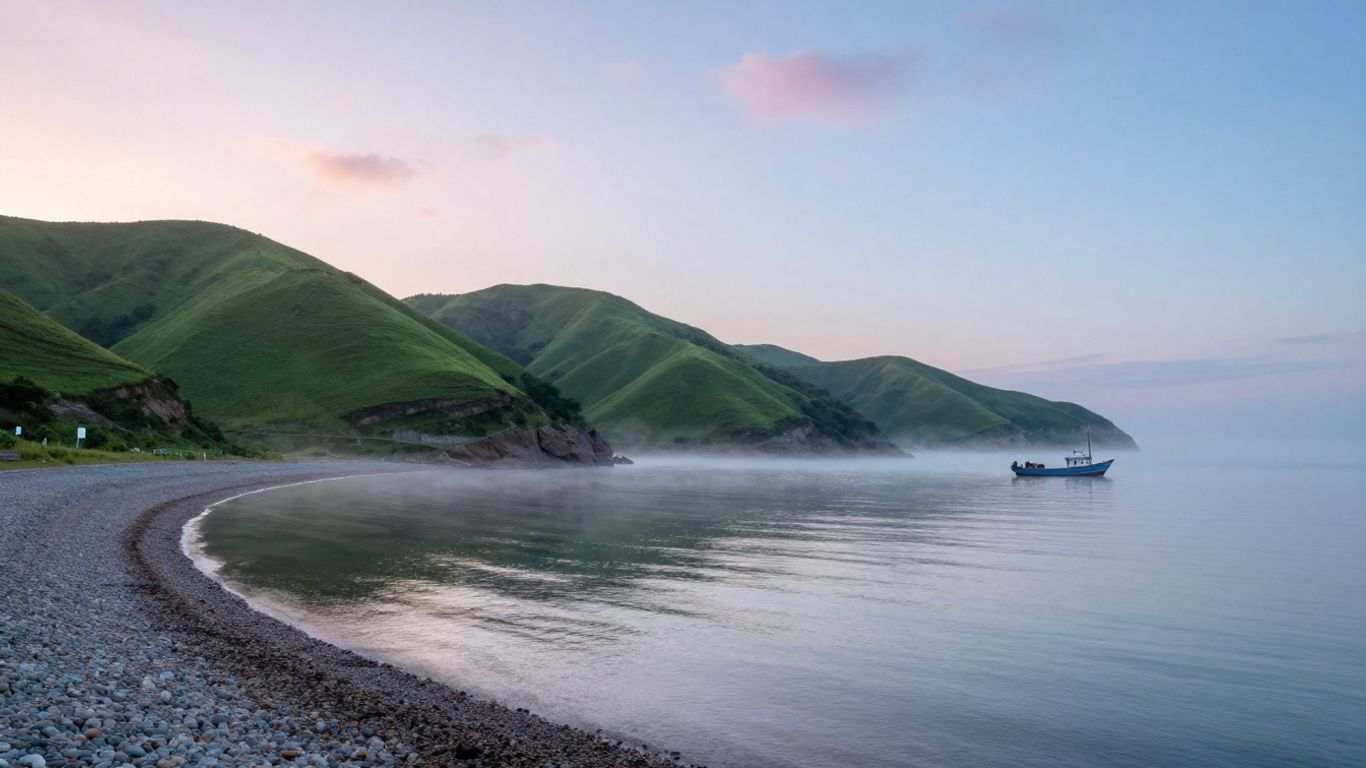 Quiet shoreline beside green hills at dawn
Short unique travel quotes about people and culture
Travel becomes richer when the focus shifts from collecting sights to noticing encounters. A shopkeeper’s joke, a neighbor’s recipe, or a shared attempt to understand a phrase can stay with you longer than a landmark. Quotes about culture should be curious and respectful, never treat local life as a backdrop.
Quotes about meaningful connections
Connection often appears in a small exchange rather than a grand friendship. Maybe someone points out the right platform, offers a taste of something unfamiliar, or laughs with you when translation fails. Write about the gesture itself and let its meaning remain human-sized.
When describing home exchange, SwappaHome’s documented offering is living in real homes and connecting with local communities rather than staying in a hotel. That makes it a natural fit for a quote about neighborhood rhythms, welcome, and the everyday texture of a destination.
Words that honor local traditions
A respectful quote observes before it interprets. Name the practice, object, sound, or meal only when you understand enough to describe it accurately, and avoid turning a living tradition into a decorative mystery. Humility can make a line feel more generous.
Instead of writing that a tradition is “timeless magic,” describe the hands folding dough, the lamps being lit, or the elders teaching a song. Specific attention is more honoring than exaggerated praise.
Lines about learning from different perspectives
Travel can challenge the assumptions we carry from home. A quote about perspective should suggest listening and adjustment, not the idea that one brief visit gives complete knowledge of a place. Leave room for the fact that learning continues after the suitcase is unpacked.
A line such as “I left with better questions” expresses growth without claiming mastery. It also fits a range of images, from a museum visit to a long conversation over coffee.
Quotes for shared memories and new friendships
Shared memories are often built from simple scenes: a late meal, a missed connection, a walk taken after dark, or a joke that survives translation. Keep the language warm and concrete. If the quote is for a group photo, include a detail that belongs to everyone in the frame.
SwappaHome describes a credit-based home-exchange experience and a global community, so a related caption can stay close to the documented idea of meeting people through local living. The quote itself should remain personal, such as “Strangers became the story we carried home.”
How to use short travel quotes creatively
A quote does not have to live only under a social-media photograph. The same few words can become a journal heading, a note tucked into a gift, or a recurring thread in a travel film. Choose the format based on how long you want the memory to last and how much context the reader will have.
Captions for Instagram and social media
Social captions usually work best when the image does most of the explaining. Keep the quote short, use line breaks deliberately, and avoid adding several unrelated sentiments beneath one photograph. A fresh caption can be as simple as a private observation made public.
If the image is visually busy, choose a quieter line. If the image is minimal, a more evocative sentence can give it an emotional center without competing with it.
Text for travel journals and photo albums
Journals and albums allow more room than social posts, so pair a short quote with the date, place, and one sentence of context. That extra information will matter later, when the emotional details have softened. A quote can act as a doorway into the fuller memory.
Try placing one line at the start of each day’s entry or beside a photograph that lacks an obvious story. The repetition creates a gentle structure without turning the album into a scrapbook of slogans.
Messages for postcards and gifts
A postcard quote should sound as though it was chosen for one person. Mention the quality you hope they could have shared—sea air, slow mornings, mountain quiet—then add a personal sentence. The quote becomes warmer when it is not asked to carry the whole message.
For a small gift, write the line on the inside cover of a notebook or on a separate card. Short wording leaves space for handwriting, which is part of the keepsake.
Quotes for blogs, videos, and scrapbooks
Longer creative projects benefit from a quote that provides a recurring motif. Use one at the opening of a video, return to a variation of it halfway through, or place different lines beside photos from the same journey. Keep the wording consistent with the actual story rather than using it to manufacture drama.
A single YouTube video can also give a travel piece a visual pause, especially when the quote introduces a new mood.
After the video, add a sentence explaining what the viewer should notice: the change in light, the pace of the streets, or the small interactions between larger scenes. That interpretation makes the quote part of the narrative instead of a decorative interruption.
How to write your own unique travel quotes
Writing an original travel quote begins with noticing more, not with trying to sound profound. The best lines usually grow from an ordinary moment that has been observed carefully. Keep a few rough phrases in your phone during the trip, then edit them when the memory has had time to settle.
Start with a specific travel moment
Choose one scene rather than the entire vacation. It could be the first view from a balcony, the moment your train began moving, or the sound of dishes being stacked after dinner. A narrow starting point gives the sentence shape.
Ask yourself what changed in that moment. Did you feel less hurried, more curious, unexpectedly welcome, or simply awake? That answer can become the emotional center of the quote.
Use sensory details to create imagery
Sensory details let readers enter a scene without a long explanation. Note what you heard, touched, smelled, tasted, or saw at the edge of your attention. One precise detail is usually stronger than a string of beautiful adjectives.
“Rain tapped the hostel window” gives the reader something physical. From there, you can decide whether the feeling was comfort, loneliness, anticipation, or relief.
Keep the wording concise and natural
Short does not mean stripped of personality. Read your draft as if you were telling a friend about the moment, then remove the phrases you would never say aloud. Strong verbs and ordinary nouns often create a more lasting rhythm than ornate language.
A useful draft may be longer than the final quote. Let yourself write the full thought first, then keep the few words that still carry its shape after the rest is gone.
Revise for rhythm, meaning, and originality
Revision is where a familiar idea can become yours. Check whether the line depends on a cliché, whether every word earns its place, and whether the rhythm suits the mood. Replace a general statement with the detail you first noticed.
Read the sentence aloud twice: once quickly and once slowly. If it feels natural both ways, it is probably close. If not, adjust the order, cut a syllable, or choose a simpler ending.
Conclusion
The most memorable travel quote is rarely the grandest one; it is the line that preserves a particular feeling, place, or person in a few honest words. Choose language that matches the mood, notice what others might miss, and let your own observations lead. A short sentence can hold an entire journey when it sounds true to the moment.
Frequently Asked Questions
What makes a travel quote feel unique?
Specific details make a quote feel unique. Mentioning an unexpected sound, small gesture, or fleeting change in light gives the line a connection to a real experience.
How short should a travel quote be?
There is no fixed word count, but one sentence or a brief phrase is usually easy to remember and reuse. Keep cutting until the central image and feeling remain clear.
Can I use a famous travel quote as a caption?
You can, but check the wording, attribution, and usage rights before publishing it. An original line based on your own experience will usually feel more personal.
How do I avoid travel-caption clichés?
Replace broad claims with one concrete observation. Instead of describing a place as perfect or magical, describe what happened there and let the reader sense why it mattered.
Should a peaceful travel quote be positive?
Not necessarily. Peaceful writing can include uncertainty, homesickness, or quiet sadness. The key is a reflective pace and an honest emotional tone.
What is a good subject for an adventure quote?
Try writing about a detour, first attempt, unexpected meeting, or moment when plans changed. These subjects naturally contain movement and discovery.
Where can I use my original travel quotes?
Use them in captions, journals, photo albums, postcards, video openings, scrapbook pages, or personal notes. Match the length and tone to the format and audience.

Published by
SwappaHome
SwappaHome Editorial Team
Home Exchange & Slow Travel Editorial
The SwappaHome Editorial Team brings together travel research, home-exchange community insights, and platform data to produce practical guides for first-time and experienced home swappers. Every article cites real platforms, current market rates, and verifiable city-level facts so readers can make informed decisions without guessing.
Ready to try home swapping?
Join SwappaHome and start traveling by exchanging homes. Get 7 free credits when you sign up!