
Single man vacation: How to plan the perfect solo getaway

SwappaHome Editorial Team
Home Exchange & Slow Travel Editorial
Key Takeaways A memorable solo trip starts with an honest idea of what you want, followed by practical choices that keep the journey comfortable. Choose a…
Key Takeaways
A memorable solo trip starts with an honest idea of what you want, followed by practical choices that keep the journey comfortable.
- Choose a destination that matches your energy, interests, and confidence level.
- Build a loose itinerary with a few reservations and plenty of breathing room.
- Pick lodging that balances privacy, location, and opportunities to socialize.
- Budget for single supplements, unexpected costs, and an emergency cushion.
- Stay observant, flexible, and open to meeting people naturally.
Define your ideal single man vacation
A single man vacation can mean almost anything: a few quiet days beside the sea, a busy city break, a hiking trip, or a week built around food and music. The best version is not the one that looks most impressive online. It is the one that fits your current mood, available time, and willingness to step outside familiar routines.
Before booking anything, decide what you want the trip to give you. A clear purpose makes later decisions easier and prevents you from filling every day with activities you do not actually want.
Choose between adventure, relaxation, nightlife, and culture
Start with the feeling you want at the end of the trip. Adventure might mean diving, trekking, skiing, or exploring somewhere by motorcycle; relaxation could be a quiet beach, long lunches, and an afternoon with no plan. Nightlife and culture can overlap, especially in cities where music, galleries, markets, and restaurants keep the evening moving.
You do not have to choose only one category. A good week might combine two days of sightseeing, one demanding outdoor activity, and several slow mornings. Browse a guide to destinations for singles if you want ideas that include nightlife, social opportunities, and different budget levels.
Decide how much solitude or socializing you want
Solo travel gives you control over your company, but that does not mean you need to be alone all the time. Think about whether you would rather eat at a counter, join a walking tour, share a dorm room, or have a private base where you can retreat each evening.
Be specific about your social limit. You might want one organized activity per day and quiet time afterward, or you may prefer a full schedule of group excursions. Both are valid, and recognizing your preference early helps you avoid a trip that feels either isolating or exhausting.
Match the trip to your budget and travel style
Your travel style affects more than the nightly rate. A central hotel may cost more but reduce taxi fares and simplify late returns. A rental with a kitchen can help with meals, while a hostel may offer a social atmosphere without requiring you to arrange every interaction yourself.
Make a rough budget before choosing a destination, then leave space for the way you actually behave on holiday. If you enjoy spontaneous dinners and memorable experiences, a strict low-cost plan may create more stress than pleasure. Comfort is part of the budget, not a reward you add only if money remains.
Set realistic expectations for solo travel
A solo trip will probably include a few awkward meals, a wrong turn, or an evening when everyone else seems to be traveling in pairs. That does not mean the vacation is failing. It simply means you are handling ordinary travel without a companion to absorb every minor inconvenience.
Expect some quiet moments and treat them as part of the design. You may discover that choosing your own pace is more satisfying than constantly negotiating plans. The goal is not to create a flawless story; it is to return with a stronger sense of what you enjoy.
Choose the right destination
Destination choice shapes nearly every part of a solo getaway, from how easy it is to move around to how comfortable you feel dining alone. Look beyond a list of famous places and ask whether the practical details suit you. A compact city and a remote mountain region can both be excellent, but they require very different preparation.
Compare the kind of days each place makes possible. Then check transport, weather, local expectations, and the distance between the experiences you care about most.
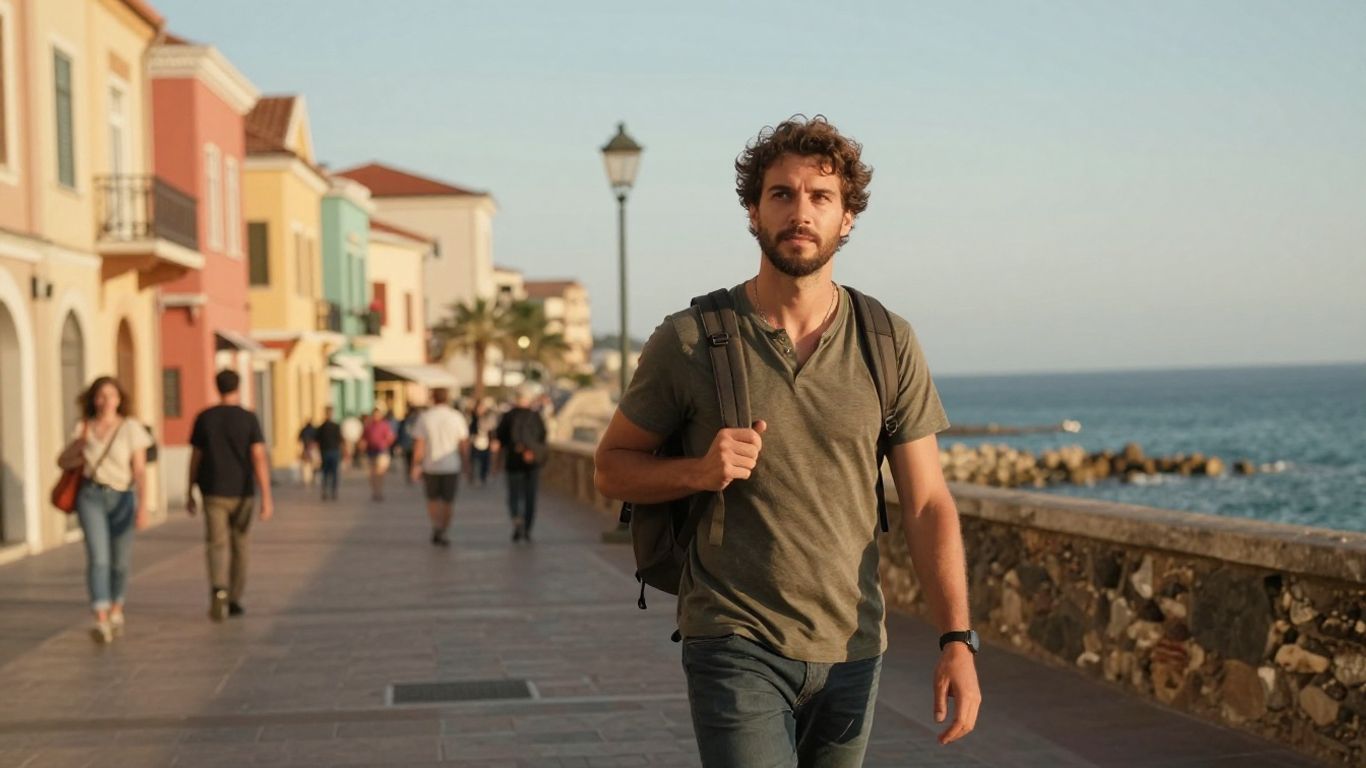 A solo traveler exploring a lively coastal city
Compare cities, beaches, resorts, and outdoor escapes
Cities offer museums, restaurants, public transit, and plenty of places to sit alone without feeling conspicuous. Beaches encourage slower days, though some coastal areas become quiet outside peak season. Resorts simplify meals and activities, while outdoor escapes deliver solitude but may demand more planning, equipment, and self-reliance.
Consider the rhythm you want. If you like variety, choose a place where neighborhoods, attractions, and restaurants are close together. If your priority is recovery, a smaller beach town or resort may be a better match than a packed capital.
Consider destinations known for solo travelers
Places with strong hostel, walking-tour, café, or group-activity cultures can make it easier to meet people without committing to a packaged tour. You can also look for destinations where English is commonly used in visitor areas, public transportation is understandable, and independent dining feels normal.
A home exchange can offer another style of solo travel, especially if you want a neighborhood base rather than a conventional hotel. Resources covering solo home exchange can help you think through local living, communication, and finding a suitable stay.
Evaluate safety, transportation, and local customs
Read current government travel guidance, understand how you will get from the airport to your lodging, and save the official address offline. Check whether taxis are metered, ride services operate legally, and public transit continues after dinner. Small logistics often matter more than a destination’s reputation.
Learn a few local habits before leaving. Dress expectations, tipping, photography rules, and quiet hours vary widely. Respectful preparation makes interactions easier and reduces the chance of treating a local custom as an inconvenience.
A useful planning video can help you visualize routes and common travel patterns, but use it as a starting point rather than a substitute for current official information.
Plan around weather, crowds, and seasonal events
High season may bring better weather but also higher prices, longer lines, and fuller accommodations. Shoulder season can offer a more relaxed experience, although some tours or restaurants may operate on reduced schedules. Festivals can be a wonderful reason to visit, but they can also change transport and room availability.
Check average conditions, not just ideal photographs. A little rain may be manageable in a city, while poor visibility or heat can change an outdoor itinerary completely. Choose the season that supports the activities you are actually planning.
Build a practical trip itinerary
A useful itinerary gives the trip shape without turning every hour into an obligation. Reserve the pieces that would be difficult to replace, then let the rest respond to weather, energy, and discoveries. This approach is especially valuable alone because you are responsible for every decision, including when to stop.
Write down a daily priority rather than a rigid sequence. One meaningful anchor is often enough to make a day feel purposeful.
Balance sightseeing with unplanned time
Group nearby attractions together and avoid crossing a large city several times in one day. Plan one major sight or activity, then leave a few hours for a market, café, neighborhood walk, or simple rest. You will notice more when you are not rushing toward the next reservation.
A flexible day also gives you room to recover from travel. If the first morning disappears into sleep, the itinerary can bend without making you feel as though you have lost the whole trip.
Select activities that make it easy to meet people
Choose settings where conversation happens naturally: a small cooking class, a guided walk, a shared table, a language exchange, or a group hike suited to your ability. Arrive with curiosity rather than the expectation of making instant friends.
A few repeatable options make socializing less intimidating:
- Join a small group tour focused on a genuine interest.
- Eat at a communal table or take a class with hands-on activities.
- Stay in a common area for a while instead of returning immediately to your room.
- Ask locals or hosts for one specific recommendation.
These choices create openings without turning the trip into a search for constant company. If a conversation goes nowhere, you can simply return to your own plans.
Book key experiences and accommodations in advance
Reserve flights, the first night’s lodging, and activities with limited capacity before departure. This is particularly helpful when arriving late or traveling during a major event. Keep confirmations, addresses, and cancellation terms in one accessible place.
Do not prepay every meal or excursion. A few firm commitments provide security, while too many remove the freedom that makes solo travel attractive in the first place.
Leave room for spontaneous detours
A detour might be a neighborhood recommended by a bartender, a coastal train you had not considered, or an extra morning at a museum. Keep at least one unassigned block each day and avoid booking transport so tightly that a small delay ruins the next step.
Use simple boundaries for spontaneity: know when you must be back, keep enough battery and cash for the return, and tell someone you trust where you are headed when the plan changes substantially.
Find accommodations that fit solo travel
Your lodging becomes more than a place to sleep when you are traveling alone. It is where you recharge, store important items, ask practical questions, and decide what to do next. Location and atmosphere may matter as much as the room itself.
Think about the hours you will spend there. A small, well-located room can be ideal for an active city trip, while a comfortable apartment may be worth the cost if you expect to spend more time cooking or resting.
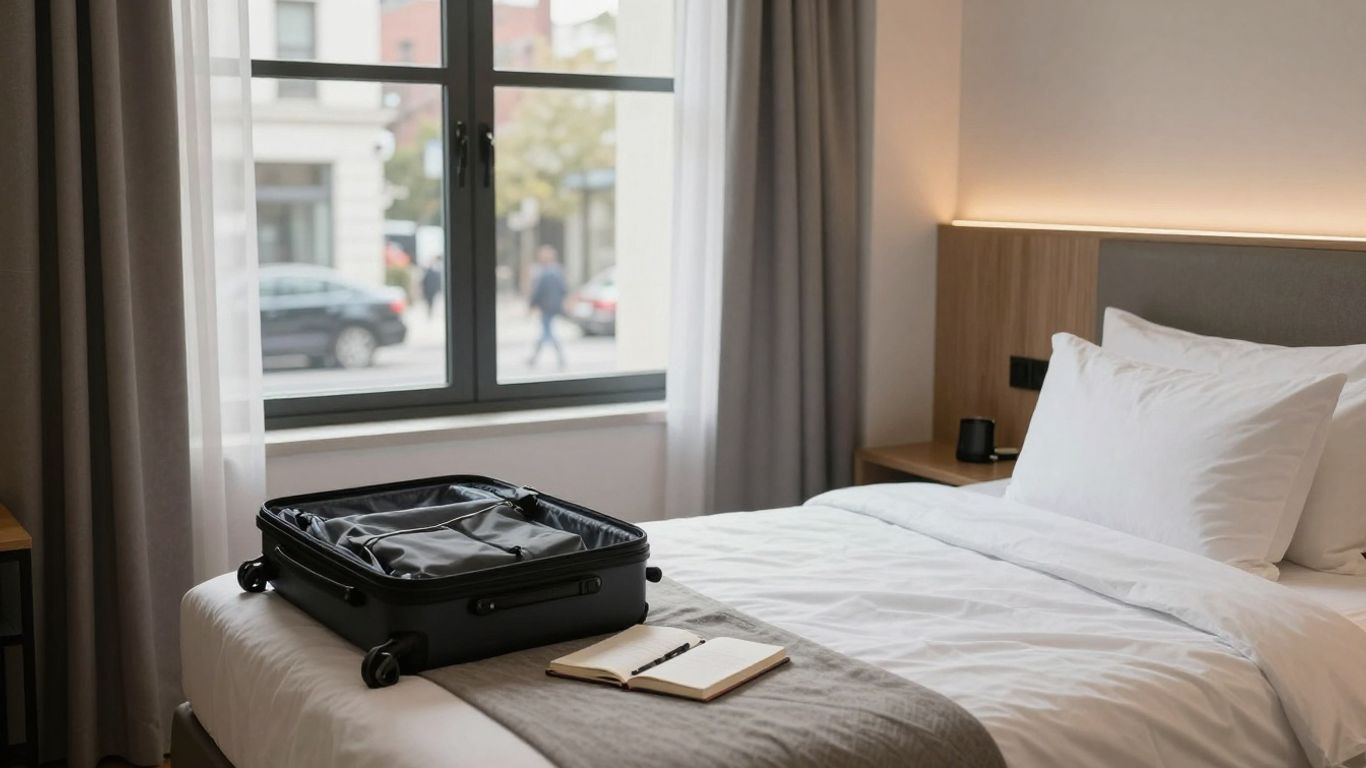 A comfortable solo travel room near a city neighborhood
Compare hotels, hostels, resorts, and vacation rentals
Hotels offer predictable service and private rooms. Hostels can make meeting travelers easier, particularly when they offer organized activities, but a private room may be a worthwhile compromise if you need better sleep. Resorts simplify the experience, while vacation rentals provide space and neighborhood context.
Read the details carefully. A low headline rate may exclude cleaning fees, resort charges, parking, or a single-occupancy supplement. Compare the total cost and the practical benefits rather than choosing from the nightly price alone.
Look for central locations and social common areas
A central address can reduce transport costs and make it easier to return briefly between activities. Look for a lobby, lounge, courtyard, bar, or breakfast area where being alone feels ordinary. A social space is useful even if you only spend ten minutes there.
At the same time, avoid assuming that a lively property will suit you. Check reviews for noise, late-night activity, and the quality of the surrounding streets. A central location is only helpful if you can sleep comfortably.
Decide whether an adults-only or all-inclusive resort is worthwhile
An adults-only property may offer a quieter atmosphere, while an all-inclusive stay can make the cost of meals and activities easier to predict. These formats are most useful when you genuinely want resort amenities and do not plan to spend every day elsewhere.
Calculate what you will use before paying for convenience. If you prefer local restaurants, independent excursions, and changing scenery, a flexible hotel or rental may offer better value and a more authentic routine.
Check privacy, security, and guest reviews
Look for secure entry, a functioning front desk or clear host communication, in-room locks, and recent reviews that mention cleanliness and neighborhood conditions. Confirm how late you can check in and what happens if your arrival is delayed.
Reviews are most useful when several guests describe the same pattern. Pay attention to practical comments about noise, water, Wi-Fi, stairs, and transport rather than relying only on star ratings.
Budget for a stress-free getaway
Solo travel can be affordable, but you do not have another person to share a taxi, room, or rental car with. Build the budget around the full trip, including arrival costs, daily transport, tips, baggage, and the occasional decision to pay for convenience.
A realistic plan should help you enjoy the trip, not monitor every small purchase. Estimate generously, then decide where you are comfortable trimming.
Estimate transportation, lodging, food, and activity costs
Price the large categories first and use a daily allowance for meals and local transport. Include airport transfers, admission fees, insurance, data access, and any equipment needed for outdoor activities. Check whether taxes and service charges appear at checkout or later.
A simple comparison makes tradeoffs clearer:
| Cost area | Questions to ask | Planning approach |
|---|---|---|
| Transportation | What are the arrival, local, and return costs? | Price the full route, not only the flight. |
| Lodging | What is included beyond the room rate? | Add taxes, fees, breakfast, and transfers. |
| Food | Will you cook, eat casually, or book special meals? | Set a daily range with one flexible splurge. |
| Activities | Which experiences need advance payment? | Reserve priorities and keep a smaller discovery fund. |
Once you see the categories together, you can make deliberate choices. Spending more on a central room might allow you to spend less on taxis, while a cheaper base may leave room for a memorable day trip.
Identify where to save without sacrificing comfort
Save on convenience you do not value, not on the basics that keep the trip pleasant. You might travel with a carry-on, use public transit during the day, choose a casual lunch, or stay one neighborhood farther from the main attraction.
Protect sleep, safe transportation at night, and activities that are central to the trip. A bargain is not helpful if it leaves you exhausted or stranded far from where you want to be.
Prepare for solo traveler fees and resort premiums
Single rooms, private transfers, and some tours cost more per person because there is no second traveler sharing the expense. Check these charges before booking rather than discovering them at checkout. A group activity can sometimes provide a better social experience and a lower per-person rate.
Compare the total value of a package with booking separate elements. The cheapest room may not be the cheapest overall once transport, meals, and required extras are included.
Set aside an emergency travel fund
Keep a separate reserve for a missed connection, replacement phone, medical expense, unexpected lodging, or a last-minute ride. Store access to it securely and avoid carrying the entire amount in one place.
The reserve is there to make decisions easier when plans go wrong. You may never touch it, but knowing it exists can keep a minor disruption from taking over the vacation.
Stay safe, comfortable, and connected
Good safety habits should support the trip rather than dominate it. Share your broad itinerary with someone at home, keep important documents backed up, and pay attention to your surroundings without assuming every unfamiliar situation is dangerous.
Preparation is most useful when it is simple enough to maintain. A few reliable routines can protect your privacy, health, and ability to get help.
Protect your documents, money, and personal information
Carry only what you need for the day and keep copies of your passport, insurance details, reservations, and emergency contacts in a secure location. Use strong device passcodes, avoid unknown charging accessories, and be cautious when entering financial information on public networks.
Separate payment methods when possible. If one card or wallet disappears, you should still have a way to pay for transport and contact someone.
Learn essential local laws and cultural expectations
Research rules that could affect ordinary tourist behavior, including photography, alcohol, medication, public conduct, and dress. Learn a few polite phrases and understand whether bargaining, tipping, or entering religious sites follows local norms.
You do not need to master the culture before arriving. Basic awareness and a willingness to observe go a long way, especially when a custom differs from what feels normal at home.
Use reliable transportation and communication options
Download offline maps, save your accommodation’s address in the local script when useful, and confirm how you will reach your first lodging. Keep your phone charged and consider a local SIM or eSIM if your existing plan is expensive abroad.
Use official taxi ranks, reputable ride services, or well-established public transport. If a route feels confusing late at night, paying for a straightforward option may be the sensible choice.
Handle nightlife, alcohol, and unfamiliar situations responsibly
Set a limit before going out, keep track of your drink, and avoid accepting open beverages from strangers. Tell a trusted person where you are going and use a clear plan for returning. If a situation feels wrong, leave early without worrying about appearing impolite.
Solo travel means you are your own backup. Stay around people and places that make good decisions easier, and do not let the desire for a memorable night override basic judgment.
Make the most of the experience
The best parts of a solo vacation are often small: a conversation over breakfast, an unexpected street, or the confidence that comes from solving a problem yourself. Give those moments enough room to register. You do not need to document every hour or turn every interaction into a lasting connection.
Travel with a loose sense of purpose, then let the place change your understanding of what a good trip looks like.
Meet new people without forcing social interactions
Choose environments where people already have a reason to talk, such as a class, tour, communal meal, or local event. Ask open but uncomplicated questions, and accept that some exchanges will last five minutes. That is still a meaningful part of the day.
Being alone can also make you more approachable, but it does not create an obligation to be social. Keep your boundaries clear and spend time with people only when the interaction feels comfortable.
Capture memories while staying present
Take a few photographs, write down a detail each evening, or record a short voice note about what surprised you. These small habits preserve the texture of the trip without making you experience everything through a screen.
Put the phone away during meals, walks, and conversations that deserve your attention. You will remember the atmosphere more clearly when you were actually inside it.
Adjust your plans when circumstances change
Flights get delayed, weather shifts, and attractions close. When something changes, protect the day’s main purpose rather than every original detail. A museum can replace a hike, a long lunch can replace a rushed excursion, and a quiet afternoon can be the right answer after a difficult arrival.
Keep cancellation terms, local contacts, and alternative routes handy. Flexibility is easier when you have already identified a few low-effort backup options.
Reflect on what you want from your next solo trip
On the journey home, note what felt energizing, what felt excessive, and which practical choices made the trip easier. Maybe you wanted more nature, a slower base, better lodging, or more structured social time. Those observations are more useful than a generic rating of the destination.
A single man vacation does not have to prove anything. It can simply show you how you like to move through the world when the decisions are yours.
Conclusion
Plan enough to feel secure, leave enough space to stay curious, and choose a trip that reflects your real preferences rather than someone else’s idea of adventure. With that balance, traveling alone becomes less about escaping routine and more about building a richer one.
Frequently Asked Questions
Is a solo vacation a good idea for a single man?
Yes, provided the destination and itinerary match your experience, comfort level, and interests. Start with a manageable trip if you are new to traveling alone.
How long should a first solo vacation be?
Three to five days is often long enough to practice independent travel without feeling overwhelmed. Extend the trip once you know how much planning and downtime suit you.
What is the best destination for a solo vacation?
The best destination is one with the activities you want, practical transportation, suitable lodging, and safety conditions you can manage confidently. Personal fit matters more than a universal ranking.
How can I meet people while traveling alone?
Join a small tour, take a class, use communal spaces, or attend an event connected to your interests. These settings create natural conversation without requiring constant social effort.
Should I stay in a hostel when traveling solo?
A hostel can be useful if you want social contact and flexible pricing, but it is not mandatory. A private hotel room or rental may suit you better if sleep and privacy are priorities.
How much money should I bring on a solo trip?
Cover your planned transportation, lodging, food, activities, and fees, then add an emergency reserve. Keep payment methods and backup funds separate for added security.
What should I do if I feel lonely on vacation?
Change the setting rather than judging the feeling. Visit a busy café, join an activity, call someone at home, or adjust the itinerary to include more structured social time.

Published by
SwappaHome
SwappaHome Editorial Team
Home Exchange & Slow Travel Editorial
The SwappaHome Editorial Team brings together travel research, home-exchange community insights, and platform data to produce practical guides for first-time and experienced home swappers. Every article cites real platforms, current market rates, and verifiable city-level facts so readers can make informed decisions without guessing.
Ready to try home swapping?
Join SwappaHome and start traveling by exchanging homes. Get 7 free credits when you sign up!