Slow Travel and Home Swapping: How This Trend is Transforming Modern Tourism

SwappaHome Editorial Team
Home Exchange & Slow Travel Editorial
Discover how slow travel through home swapping is revolutionizing the way we explore the world—saving money while living like a local for weeks or months.
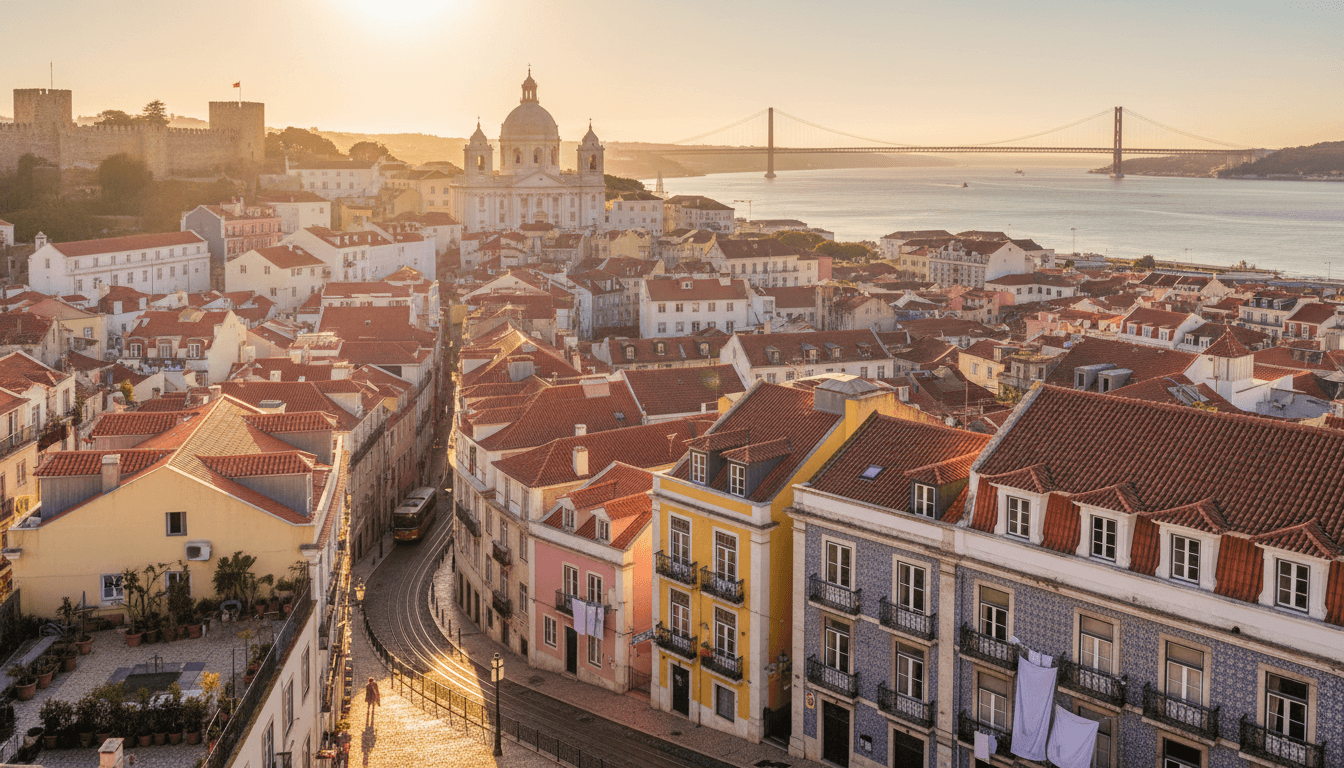
I was three weeks into my Lisbon apartment swap when I realized I'd stopped counting days. Not because I'd lost track—but because it no longer mattered. I knew which bakery made the best pastéis de nata (Manteigaria, if you're wondering, around €1.20 each), which tram to avoid during rush hour (the 28, always), and that the elderly woman in 4B would wave at me every morning from her window.
That's when slow travel clicked for me. And home swapping? It made the whole thing possible.
What Slow Travel Actually Means (And Why It's Not Just for Retirees)
Slow travel isn't about moving at a snail's pace or having unlimited vacation days. It's a mindset shift—choosing depth over breadth, connection over collection.
I used to be a checkbox traveler. Paris for 3 days, Amsterdam for 2, Prague for a weekend. I'd come home exhausted, with hundreds of photos and weirdly fuzzy memories. Sound familiar?
Slow travel flips that script. Instead of racing through a highlight reel, you settle into a place. You shop at the neighborhood market. You have a "usual" coffee spot. You learn that the pharmacy closes for lunch (the hard way, usually).
The movement's been building since the early 2000s, but it really took off after the pandemic. People realized that rushing through bucket lists felt hollow—they wanted experiences that actually stuck.
So here's what it looks like in practice: staying 2-4 weeks minimum in one location, cooking most of your meals, walking instead of cabbing everywhere, and letting yourself get a little bored. That boredom? It's where the magic happens. It's when you wander into that tiny gallery, strike up a conversation with a local artist, and end up at their friend's dinner party.
You can't schedule that kind of thing.
How Home Swapping Makes Slow Travel Actually Affordable
Let's talk money, because slow travel has one obvious problem: staying somewhere for weeks or months gets expensive fast.
I ran the numbers on my last trip. Three weeks in Barcelona—here's what hotels would have cost me: a budget hotel in Eixample at roughly $90/night would've run $1,890. A mid-range Airbnb in Gràcia? About $2,520. A decent hotel in the Gothic Quarter? We're looking at $3,150.
My home swap cost? Zero dollars for accommodation. I used 21 credits on SwappaHome—credits I'd earned by hosting travelers at my San Francisco apartment earlier that year.
This is what makes home swapping revolutionary for slow travel. The credit system is dead simple: you earn 1 credit for every night you host someone, and you spend 1 credit for every night you stay somewhere else. New members start with 7 free credits to get going. No money changes hands between members. No complicated pricing tiers based on location or home size. A night in a Tokyo apartment costs the same as a night in a rural French farmhouse: one credit.
The financial freedom this creates is hard to overstate. Suddenly, a month in Italy isn't a fantasy—it's a realistic plan. You're not bleeding $150/night on accommodation, so you can actually afford to eat at that trattoria everyone raves about, take the cooking class, buy the handmade ceramics.
I've met teachers, nurses, remote workers—people with normal jobs and normal budgets—doing extended trips that would've been impossible otherwise.
The Slow Travel Home Swap Experience: What Actually Changes
Staying in someone's actual home transforms how you travel. This isn't a hotel room designed to feel the same whether you're in Denver or Dubai. This is someone's life, temporarily yours.
My Tuscany swap last fall was in a converted barn outside Cortona. The owners left a handwritten guide—not the generic "here's the WiFi password" kind, but pages of their actual life. Where they buy olive oil (Frantoio Pieve Vecchia, cash only). The hiking trail behind the property that leads to a crumbling medieval watchtower. Which neighbor's dog will bark but is actually friendly.
I spent three weeks there. By the end, I was nodding hello to the postman, knew that Tuesday was market day in the piazza, and had a standing invitation to play cards with the elderly couple next door. My Italian is terrible, but we made it work with gestures and laughter.
That's not a vacation. That's a life, borrowed.
Home swapping also changes your daily rhythm. Hotels encourage you to be out—the room is for sleeping, everything else happens elsewhere. But a home invites you to stay. To make coffee in the morning and drink it slowly. To cook dinner and eat it at a real table. To read a book on someone else's couch.
This slower pace isn't lazy—it's restorative. And it leaves space for spontaneity. When you're not exhausted from museum-hopping, you notice things. The street musician who plays every evening at 6. The light hitting the cathedral just so. The conversation you overhear that leads you somewhere unexpected.
Why Slow Travel Through Home Swapping is Better for Local Communities
Here's something I've been thinking about a lot: the impact of how we travel.
Mass tourism has real consequences. Venice is literally sinking under the weight of cruise ship passengers. Barcelona residents protest against tourist apartments that price them out. Amsterdam's red light district is overwhelmed.
Slow travel through home swapping offers a different model. When you stay in a residential neighborhood for weeks, you're not adding to the tourist crush—you're filling a space that already exists. You shop at local stores, not tourist traps. You eat where residents eat.
The money you save on accommodation? It tends to flow into the local economy anyway. I spend more at neighborhood restaurants, local markets, and independent shops when I'm not hemorrhaging cash on hotels. My coffee budget alone in Lisbon probably kept that corner café in business for a week.
There's also something to be said for the exchange itself. When I host travelers in San Francisco, I'm not just earning credits—I'm sharing my city. I leave recommendations for the taco truck in the Mission ($3.50 tacos that'll change your life), the hidden stairway gardens, the beach where locals actually go. My guests experience something real, not a sanitized tourist version. And when I swap, I get the same gift in return. It's a form of cultural exchange that hotels simply can't replicate.
Practical Guide: How to Plan Your First Slow Travel Home Swap
Alright, let's get into the how. If you're convinced that slow travel through home swapping sounds appealing, here's what I've learned from 40+ exchanges.
Choosing Your Destination for Extended Stays
Not every city is equally suited for slow travel. You want somewhere with walkable neighborhoods that have daily-life infrastructure—groceries, pharmacy, laundromat. Enough to explore that three weeks won't feel repetitive. A cost of living that lets your savings stretch. Good public transit or easy bike access.
My top picks for slow travel home swaps? Lisbon offers incredible value with endless neighborhoods to explore. Mexico City has world-class food and $4 lunches. Kyoto is quiet, beautiful, traditional—perfect for deep immersion. And smaller Italian cities like Bologna or Lecce give you fewer tourists and more authenticity.
Avoid the obvious tourist capitals for your first extended swap. Paris and London are fantastic but expensive for everything except accommodation—and the crowds can wear you down.
Timing Your Swap
Shoulder seasons are your friend. September-October and April-May typically mean better weather than you'd expect, fewer tourists competing for swaps, hosts more likely to travel themselves (meaning more available homes), and lower prices on everything else—flights, food, activities.
I avoid peak summer and Christmas/New Year unless I'm heading somewhere counter-seasonal (hello, New Zealand in February).
Finding the Right Home
On SwappaHome, I filter for homes in residential neighborhoods, not tourist centers. I look for detailed descriptions that suggest a real person lives there, photos of the kitchen (you'll be cooking—is it functional?), mention of nearby daily-life spots like markets, cafés, and transit, and reviews from previous guests mentioning extended stays.
Message potential hosts before committing. Ask about the neighborhood, what they love about living there, any quirks you should know. This conversation tells you a lot—both about the home and whether you'll click with the host.
Preparing Your Own Home for Guests
Your home is your currency in this system. Make it appealing. Clear out closet space and drawers because guests need room for their stuff. Create a genuinely useful guidebook with your actual favorites, not TripAdvisor's. Stock basics: coffee, tea, oil, salt, toilet paper for the first few days. Be responsive to messages—the community runs on communication.
I've hosted everyone from solo travelers to families of five. The best guests are the ones who treat my home like they'd want theirs treated. The review system helps here—people with good track records tend to be good guests.
The Mindset Shift: From Tourist to Temporary Local
This is the part that's hard to explain until you've experienced it.
Somewhere around day 10 of a swap, something shifts. You stop feeling like a tourist and start feeling like... yourself, just somewhere else. The novelty fades, and what's left is daily life in a different context.
I remember the exact moment it happened in Lisbon. I was walking to "my" grocery store (Pingo Doce, nothing fancy) and realized I was annoyed that they'd moved the yogurt. Annoyed! About yogurt placement! In a foreign country!
That's when I knew I wasn't visiting anymore. I was living there, temporarily.
This shift changes what you notice. Instead of monuments, you see how people actually spend their time. The retired men playing cards in the park. The after-school rush at the ice cream shop. The rhythm of a place that tourists never see because they're too busy checking boxes.
It also changes what you remember. I have hundreds of photos from my 3-day trips, but I couldn't tell you much about them. My slow travel swaps? I remember specific conversations, specific meals, specific moments of connection. Those memories have weight.
Common Concerns About Extended Home Swapping (And Why They're Usually Overblown)
I hear the same worries from people considering their first slow travel swap. Let me address them honestly.
"What if something goes wrong with the home?"
Things can go wrong—a pipe might leak, the WiFi might die. But here's the thing: you're in someone's actual home. They have a plumber, an internet provider, a neighbor with a spare key. You're not stranded in an anonymous hotel room waiting for a faceless maintenance team.
I've had minor issues on maybe 3 of my 40+ swaps. Each time, the homeowner helped me sort it out quickly because it's their home and they want it taken care of. The community aspect creates accountability that hotels can't match.
That said, SwappaHome is a platform connecting members—it doesn't provide insurance or damage coverage. If you want that peace of mind, get your own travel insurance. I use World Nomads for longer trips; it's about $50-70 for a month and covers most scenarios.
"What about my stuff while strangers are in my home?"
I won't pretend this isn't a real concern. But the review system creates strong incentives for good behavior. People with bad reviews don't get accepted for swaps. People who damage homes get called out publicly.
I lock one closet with personal items and important documents. Everything else stays accessible. In 7 years, I've never had anything stolen or damaged beyond normal wear. The verification system on SwappaHome helps too—you can see if someone's identity has been verified before accepting their request.
"Won't I get bored staying so long?"
Honestly? Sometimes. But boredom isn't the enemy—it's the doorway to discovery. When you're bored, you wander. You try things you wouldn't otherwise. You strike up conversations because you have time.
My most memorable experiences have come from boredom. The flamenco show in Seville I wandered into. The pottery class in Kyoto I took because I had nothing planned. The friendship with a local writer in Mexico City that started over a shared café table.
The Future of Travel is Slower (And That's a Good Thing)
I've been watching travel trends for years, and the shift toward slow travel feels different from other fads. It's not about a new destination or a viral photo spot—it's about fundamentally rethinking why we travel.
The pandemic accelerated this. Remote work made extended stays possible for millions of people who'd never considered them. The climate conversation made people question flying somewhere for 48 hours. The burnout epidemic made rest feel more valuable than another stamp in the passport.
Home swapping fits perfectly into this moment. It removes the financial barrier to slow travel. It creates connections between travelers and locals. It offers depth instead of breadth.
I'm not saying every trip needs to be a month-long immersion. Sometimes you just want a quick weekend getaway, and that's fine. But if you've never tried slow travel—never let yourself settle into a place long enough to feel at home—you're missing something.
The world looks different when you're not rushing through it. Richer. More textured. More human.
My next swap is lined up for October: a small apartment in Porto's Ribeira district, three weeks. The host says there's a wine bar downstairs where the owner will teach me about port if I show up often enough.
I plan to show up often.
If you're curious about trying home swapping for your own slow travel adventure, SwappaHome is where I've done all my exchanges. New members get 7 free credits to start—enough for a full week somewhere new. The community is genuinely welcoming, especially to first-timers.
Start with a shorter swap if a month feels daunting. Even a week in one place, living like a local, will change how you think about travel. I promise.
Frequently Asked Questions
What is slow travel and how does home swapping support it?
Slow travel means staying longer in fewer places—typically 2-4 weeks minimum—to experience a destination like a local rather than a tourist. Home swapping supports this by eliminating accommodation costs, making extended stays financially realistic. Instead of paying $100+ nightly for hotels, you exchange homes with other travelers using a credit system, freeing your budget for experiences.
How much money can you save with home swapping for slow travel?
Savings vary by destination, but they're substantial. A three-week stay that might cost $2,000-$3,500 in hotels or Airbnbs costs zero dollars in accommodation through home swapping. You only spend credits earned by hosting others. Most slow travelers report saving $1,500-$4,000 per month on accommodation alone, depending on the destination.
Is home swapping safe for extended stays abroad?
Home swapping has strong safety mechanisms through community accountability. Review systems mean members with poor behavior get flagged publicly. Identity verification adds another layer of trust. For peace of mind, many slow travelers get their own travel insurance (around $50-70/month) to cover unexpected issues. In my 40+ swaps over 7 years, I've never experienced theft or significant problems.
How long should your first slow travel home swap be?
Start with 1-2 weeks for your first swap to test the experience without overcommitting. This gives you enough time to settle in and experience the slow travel mindset while leaving room to adjust if something doesn't work. Once you're comfortable, extend to 3-4 weeks—that's when the real magic of becoming a temporary local happens.
What are the best destinations for slow travel home swapping?
Ideal slow travel destinations combine walkable neighborhoods, affordable daily costs, rich culture, and good home swap availability. Top picks include Lisbon (great value, endless exploration), Mexico City (incredible food, low costs), Kyoto (cultural depth, tranquility), and smaller European cities like Bologna, Porto, or Seville. Avoid major tourist capitals for your first extended swap—they're pricier and more crowded.

Published by
SwappaHome
SwappaHome Editorial Team
Home Exchange & Slow Travel Editorial
The SwappaHome Editorial Team brings together travel research, home-exchange community insights, and platform data to produce practical guides for first-time and experienced home swappers. Every article cites real platforms, current market rates, and verifiable city-level facts so readers can make informed decisions without guessing.
Ready to try home swapping?
Join SwappaHome and start traveling by exchanging homes. Get 7 free credits when you sign up!
Related articles

Bachelor and Bachelorette Parties in Singapore: The Complete Home Swap Group Guide for 2026
Planning a bachelor or bachelorette party in Singapore? Discover how home swapping lets groups of 6-12 stay together in luxury condos, saving thousands while partying in Marina Bay.
Cycling in Lisbon: 7 Home Swap Bike Tour Itineraries for Every Rider
Discover the best cycling routes in Lisbon with these home swap bike tour itineraries—from waterfront paths to hilltop adventures, all starting from your borrowed home.

Graduation Trip to Barcelona: How Home Swapping Gives New Graduates the Ultimate Celebration
Planning a graduation trip to Barcelona? Discover how home swapping lets new graduates explore Spain's most vibrant city without the hostel crowds or hotel costs.