Solo Travel Home Swap in Las Vegas: Your Complete Guide to Safe, Affordable Stays
Maya Chen
Travel Writer & Home Exchange Expert
Discover how solo travelers can use home swapping in Las Vegas for safe, affordable accommodation. Real tips from 40+ exchanges, plus neighborhood guides and safety strategies.
The elevator doors slid open on the 23rd floor, and I just stood there for a second, completely thrown.
This was not what I'd pictured when I booked a solo trip to Vegas.
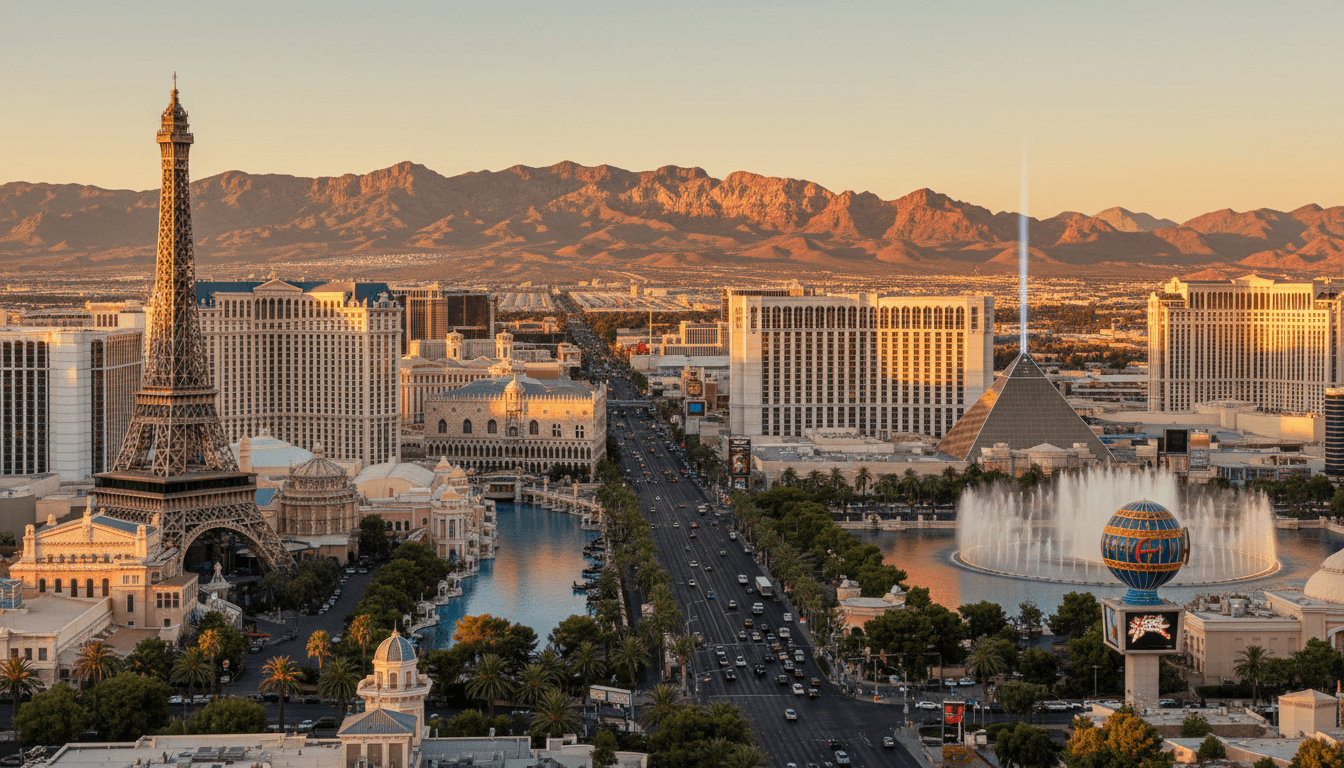
No casino carpet underfoot. No slot machine symphony bleeding through the walls. Just floor-to-ceiling windows framing the desert mountains, a kitchen that actually had food in it, and—this was the wild part—silence. Real, honest-to-god silence. I hadn't paid a dime for this view. My first solo home swap in Las Vegas, and honestly? It rewired how I think about this entire city.
 panoramic view from a high-rise condo window in Downtown Las Vegas at golden hour, desert mountains
Most people hear "home exchange" and "Vegas" in the same sentence and their brain short-circuits. They're picturing overpriced hotel rooms with mystery resort fees that materialize at checkout, the relentless sensory assault of the Strip. But here's what seven years of swapping homes has drilled into me: the cities that seem least suited to this kind of travel? They're often the ones that surprise you most.
So if you're solo and wondering whether a Vegas home swap actually makes sense—whether it's safe, whether you'll save real money, whether there's anything beyond the neon chaos—stay with me. I've done this exact trip three times now. I'm going to tell you everything.
Why Solo Travelers Should Consider a Las Vegas Home Swap
Let me just say it: Las Vegas is expensive. Aggressively so.
Strip hotels run $150-300 a night, and that's before mandatory resort fees ($30-50/night), parking ($20-30/night if you've got a rental), and all the other nickel-and-diming Vegas has elevated to high art. A week-long solo trip? You're staring down $1,500-2,500 just for somewhere to sleep.
A home swap costs one credit per night. That's it.
But the money isn't even the biggest win here. It's the entire experience shift. When you're staying in someone's actual home—maybe a mid-century place in the Arts District, or a Summerlin condo with a backyard pool—you're not visiting Vegas. You're living in it.
You wake up. Make coffee in a real kitchen. Have space to decompress after a day of wandering. You're not eating every single meal at restaurants because what else are you going to do. For solo travelers especially, this matters more than you'd think. Hotel rooms can feel isolating in a weird way. A home just feels like... home.
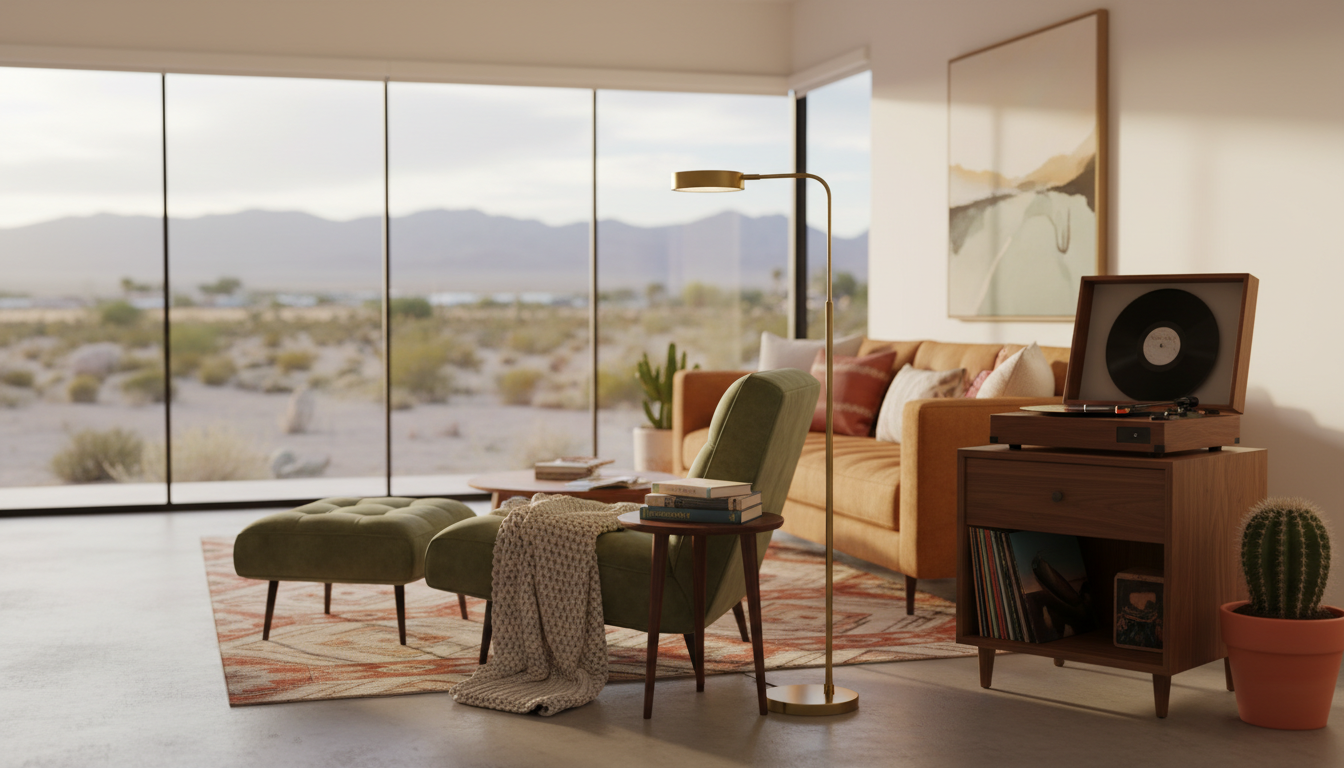 cozy mid-century modern living room in Las Vegas with desert-inspired decor, record player, large wi
The Solo Traveler Advantage
Here's something I've noticed after years of doing this: solo travelers actually have an edge in the home swap world.
Hosts are often more willing to accept single guests. Less wear on the space. Fewer variables to worry about. When I browse SwappaHome listings, I constantly see notes like "perfect for solo travelers or couples"—hosts specifically welcoming us.
And then there's flexibility. As a solo traveler, you can say yes to last-minute opportunities that families simply can't. A host in Henderson suddenly has availability next week? You can grab it. That spontaneity opens doors that would otherwise stay shut.
Best Las Vegas Neighborhoods for Solo Home Swapping
Vegas is not just the Strip. I cannot stress this enough.
The city sprawls across the desert in distinct neighborhoods, each with its own personality—and some are dramatically better for home exchanges than others.
Downtown Las Vegas and the Arts District
This is where I'd point most solo travelers, especially first-timers.
Downtown has completely transformed over the past decade. The Arts District—roughly bounded by Charleston, Las Vegas Boulevard, Sahara, and I-15—is now packed with galleries, coffee shops, breweries, and genuinely good restaurants. It's walkable, which is rare for Vegas, and has this creative, slightly gritty energy that feels nothing like the manufactured glitz a few miles south.
Home swap options here tend to be condos in converted buildings or small houses with actual character. Expect mid-century architecture, local art on the walls, hosts who are probably artists or creative professionals themselves.
What you'd pay in hotels: $100-180/night for something decent. What you'd spend with a home swap: 1 credit/night (plus your 10 free credits when you join SwappaHome). Walkability score: 8/10. Solo safety: 7/10—stick to well-lit areas at night, like you would anywhere urban.
Summerlin
If you want the opposite of Downtown chaos, Summerlin delivers.
This master-planned community on the western edge of the valley is all wide streets, hiking trail access, and suburban calm. It's where locals actually live—families, retirees, people who work on the Strip but have zero interest in living near it.
For solo travelers who want to hike Red Rock Canyon (absolutely do this), explore the desert, or just have a quiet home base, Summerlin is ideal. The homes here are typically larger, often with pools, and hosts tend to be established professionals with well-maintained properties. It's about 20-25 minutes to the Strip by car. The vibe is suburban, peaceful, nature-adjacent. Best for hikers, introverts, anyone who needs genuine downtime.
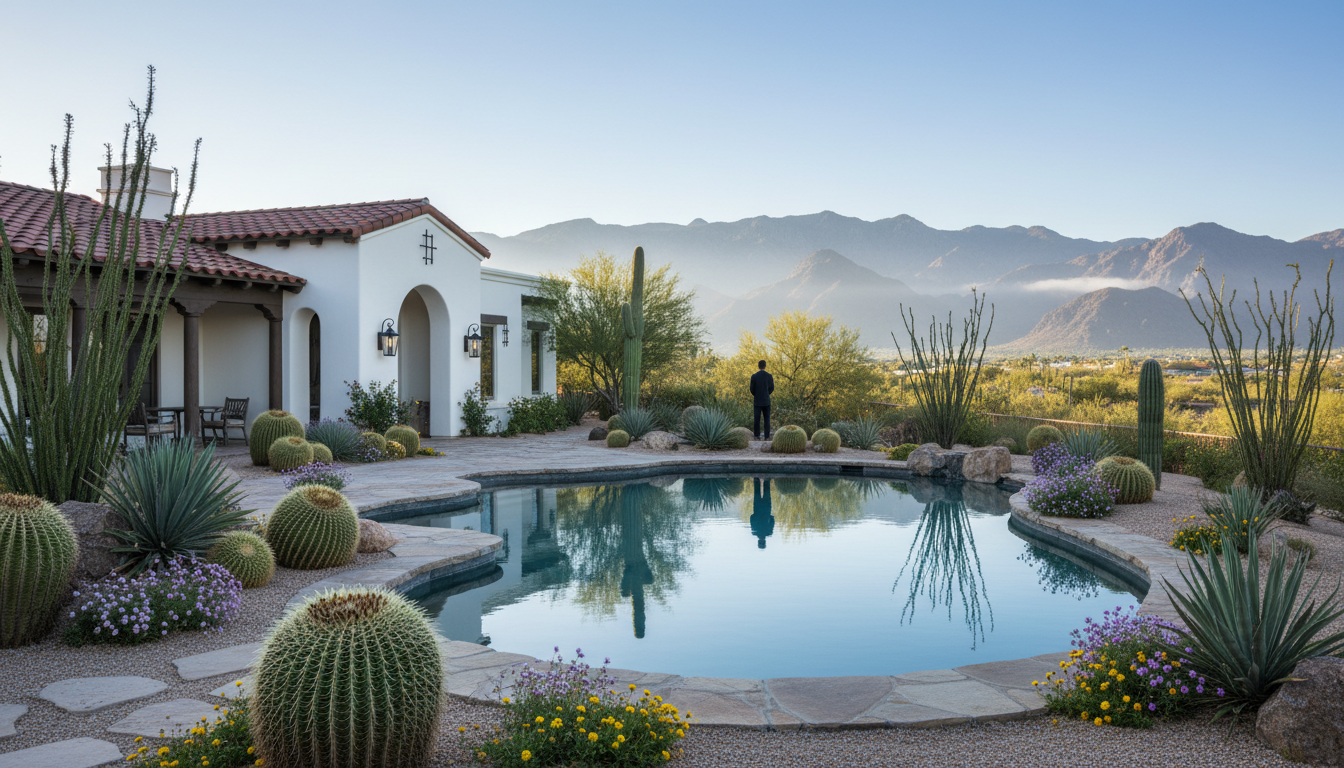 Spanish-style home exterior in Summerlin with desert landscaping, mountain views in the background,
Henderson
Henderson is Vegas's quieter, more affordable sibling city—technically separate but functionally part of the metro area.
I stayed here on my second Vegas home swap, in a townhouse near the Water Street District. The area has its own downtown with local restaurants, a farmers market on Saturdays, and none of the tourist markup. My host left me a list of her favorite spots, and I ended up spending an entire afternoon at a used bookstore I never would have found otherwise.
For solo travelers on longer trips—a week or more—Henderson offers the best value and most residential experience. You'll need a car, but you'd need one anyway unless you're staying Downtown. It's 15-20 minutes to the Strip, quiet and residential, perfect for longer stays and budget-conscious travelers who want real neighborhood immersion.
The Strip-Adjacent Areas
I'm including this because some travelers genuinely want to be near the action—and that's valid.
The neighborhoods immediately surrounding Las Vegas Boulevard have condo complexes and smaller homes that put you within Uber distance of everything while avoiding the chaos. These aren't the most charming areas, but they're practical.
Just know: the closer you get to the Strip, the more transient the vibe. Home swap hosts in these areas tend to have investment properties rather than primary residences, which can mean less personality but also fewer personal items to navigate.
Safety Considerations for Solo Home Swapping in Las Vegas
Alright. Let's talk about what you're actually worried about.
Solo travel anywhere requires baseline awareness, and Vegas has its own specific considerations. But I want to be clear: I've done three solo home swaps here, and I've never felt unsafe. The key is choosing wisely and communicating clearly.
Choosing a Safe Property
When browsing listings, look for security features mentioned upfront—gated communities, doorman buildings, security cameras, smart locks. In Vegas, many homes have these standard. The desert heat means people spend a lot of time inside, and home security is taken seriously here.
Pay attention to neighborhood context. Use Google Street View to virtually walk around the property. Is it on a quiet residential street or a busy thoroughfare? Are there businesses nearby that might attract foot traffic late at night?
Host responsiveness matters too. Before committing, message potential hosts with specific questions. How they communicate tells you a lot. Detailed, thoughtful responses suggest someone who takes their home exchange seriously. And look for reviews from other solo travelers—if other single guests have had positive experiences, that's a strong signal.
Communication Strategies That Actually Matter
This is where solo travelers need to be slightly more intentional than couples or groups.
Before your swap, ask about emergency contacts—a neighbor, building manager, someone local. Confirm the exact check-in process; you don't want confusion arriving alone at night. Request a video tour if photos don't show enough detail. Discuss any security systems and get codes in writing.
During your stay, share your itinerary with someone back home. Keep the host's contact information easily accessible. And trust your instincts—if something feels off about a listing or communication, move on. There are always other options.
 smartphone screen showing a SwappaHome message conversation with a host, discussing check-in details
A Note on Insurance
I want to be transparent here because this matters for solo travelers especially.
SwappaHome connects you with hosts, but it doesn't provide insurance coverage for your belongings or for any issues that might arise during your stay. This isn't a criticism—it's just how the platform works, similar to other home exchange services.
What I do: I carry travel insurance that covers personal liability and my belongings. For home swaps specifically, I also check whether my renters or homeowners insurance extends any coverage when I'm traveling. Some policies do; many don't. This isn't meant to scare you—I've never had an incident in 40+ swaps. But as a solo traveler, you're your own safety net, and being prepared is part of traveling smart.
How to Find the Perfect Solo Home Swap in Las Vegas
Let's get practical. Here's exactly how I approach finding a Las Vegas home swap when I'm traveling alone.
Timing Your Search
Vegas has extreme seasonality that affects availability. Peak seasons—major conventions like CES in January, March Madness, big fight weekends, NYE—have limited availability, so book 2-3 months ahead. Shoulder seasons (late January through February, September through early November, weekdays generally) offer the best availability; 3-4 weeks ahead is usually fine.
Summer is a mixed bag. It's brutally hot—110°F+—so tourism drops, but many Vegas residents also leave town. You might find great availability from hosts escaping the heat, or very little because homes are sitting empty.
Crafting Your Listing
Home swapping is reciprocal by nature. Even with SwappaHome's credit system, hosts still look at your profile. Make it appealing.
For Vegas hosts specifically: mention if you're in a desirable location (coastal cities, international destinations). Highlight amenities that might interest them—pool, outdoor space, proximity to attractions. Be specific about your travel style; Vegas hosts often appreciate knowing you're not planning to throw parties. Include clear photos of your space, even if it's modest.
What to Look For
Beyond location and security, here's my solo traveler checklist: kitchen basics (you'll want to cook some meals—Vegas restaurants drain budgets fast), workspace if you're working remotely, parking situation if you're renting a car, laundry access for stays longer than a few days, and AC reliability. That last one sounds obvious, but Vegas heat is no joke. If reviews mention any AC issues, hard pass.
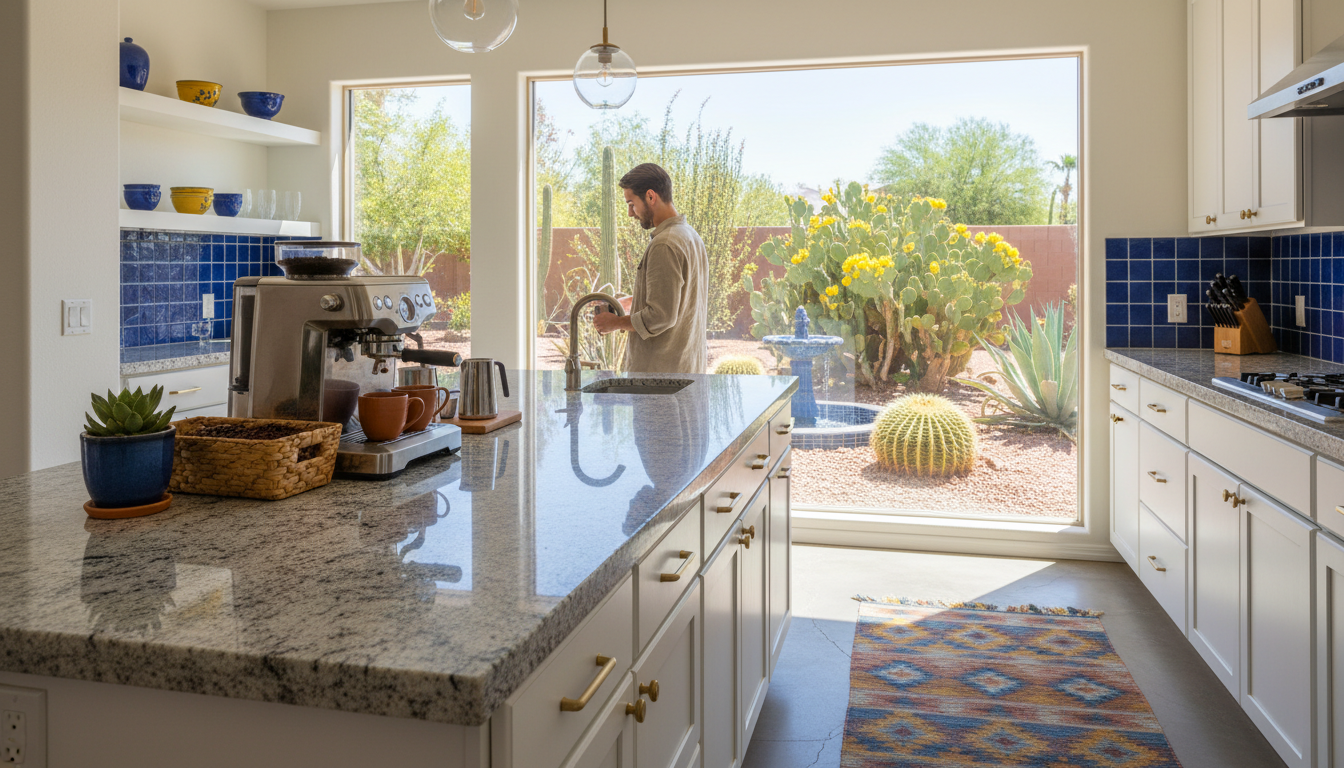 bright, modern kitchen in a Las Vegas home with granite countertops, coffee station, and a window lo
Making the Most of Your Solo Las Vegas Home Swap
Once you've secured your swap, here's how to actually enjoy it.
Beyond the Strip
Your host will likely leave recommendations, but here are experiences I've loved:
Red Rock Canyon National Conservation Area ($15 vehicle entry) has a stunning 13-mile scenic drive, but the hiking trails are the real draw. Calico Tanks trail—moderate, 2.5 miles—ends with views of the entire valley. Go early morning to beat the heat.
Springs Preserve ($19 admission) is a 180-acre nature preserve with botanical gardens, museums, and trails. Weird and wonderful, very Vegas-underneath-the-neon.
Fremont Street at off-hours is worth experiencing. Yes, it's touristy. But walking the pedestrian mall at 10am on a Tuesday, coffee in hand, watching the city wake up? Different experience entirely.
And the local coffee shops—PublicUs in the Arts District, Makers & Finders, Mothership Coffee Roasters. These are where actual Vegas residents hang out.
The Solo Traveler's Vegas Budget
Here's a realistic breakdown for a week-long solo trip using home swapping: accommodation runs 7 credits (essentially free with your signup bonus), flights $150-400 depending on origin, rental car $200-350/week (or skip if staying Downtown), groceries $75-100 for the week, dining out selectively $150-200, activities $100-150, and misc expenses like Uber and tips around $50-75.
Total: $725-1,275.
Compare that to the $1,500-2,500 you'd spend on hotels alone, before food or activities. The math is pretty compelling.
Connecting with Your Host
One of my favorite parts of home swapping is the human connection—even when you never meet in person.
My Downtown Vegas host and I exchanged messages for weeks before my trip. She told me about a gallery opening happening during my stay, recommended her favorite breakfast spot (a place called Eat that's cash-only and always packed), and warned me about a construction detour near her building.
When I arrived, there was a handwritten note on the counter with her wifi password and a small bag of local coffee. We've stayed in touch; she's visited my place in San Francisco twice now.
This is the stuff that makes home swapping different from hotels. You're not a room number. You're a guest in someone's actual life.
Common Concerns—Addressed Honestly
"What if I don't feel safe in the neighborhood?"
Do your research before committing. Use Google Street View, read reviews carefully, and don't hesitate to ask hosts direct questions about safety. If something feels off, trust that instinct and keep looking. Vegas neighborhoods vary block by block. A listing might technically be in a "good" area but on an unusually busy street. Specificity matters.
"What if something goes wrong with the property?"
Have a backup plan. Know the location of nearby hotels, keep your host's contact information accessible, and understand that home swapping requires some flexibility. In seven years and 40+ swaps, I've had exactly two issues: a broken garbage disposal and a wifi outage. Both resolved with a quick message to the host.
"Isn't Vegas too crazy for a relaxing home swap?"
This is actually the biggest misconception. Vegas-the-city is enormous and diverse. Vegas-the-Strip is a specific, concentrated area you can visit or ignore as you choose. When you're staying in Summerlin or Henderson or even the Arts District, you're in a completely different environment. I've had some of my most peaceful travel experiences in Vegas, specifically because I wasn't trapped in the casino ecosystem. Morning hikes, afternoon pool time, evening dinners at local spots. The chaos is optional.
Getting Started with Your First Las Vegas Home Swap
If you've made it this far, you're probably at least home-swap-curious. Here's how to actually make it happen.
Create your SwappaHome profile first—be thorough, because hosts want to know who's staying in their home. Include clear photos, describe your travel style, mention that you're a solo traveler. Then browse Las Vegas listings, filtering by your dates, preferred neighborhood, and any must-haves like pool, workspace, or parking. Save a few options.
Reach out to hosts with personalized messages. Mention something specific about their listing, explain why you're visiting Vegas, ask any questions you have. Once confirmed, communicate clearly about arrival times, key handoff, and any house rules. Get everything in writing through the platform.
Then show up, enjoy, and leave the place better than you found it. This is how you build a reputation that opens doors for future swaps.
Your first 10 credits are free when you sign up, which covers more than a week in Vegas. That's a pretty low-risk way to test whether this travel style works for you.
I think about that first Vegas home swap often—standing at those floor-to-ceiling windows, watching the sun set over the desert, realizing I'd found a version of this city I didn't know existed.
Vegas will always have the Strip, the spectacle, the sensory overload. But it also has quiet neighborhoods and local coffee shops and hiking trails and real people living real lives. Home swapping lets you access that other Vegas, the one tourists rarely see.
And doing it solo? That's not a limitation. It's freedom.
Frequently Asked Questions
Is solo home swapping in Las Vegas safe for women?
Yes, with standard precautions. Choose properties in established residential neighborhoods like Summerlin, Henderson, or gated Downtown condos. Read reviews from other solo travelers, communicate clearly with hosts about security features, and trust your instincts. I've completed three solo Vegas home swaps without safety issues.
How much money can I save with a Las Vegas home swap versus hotels?
A typical week-long solo trip saves $1,000-1,500 on accommodation alone. Strip hotels average $150-250/night plus $40-50 in resort fees, totaling $1,400-2,100 weekly. Home swapping costs 7 credits (free with your SwappaHome signup bonus), reducing your total trip cost to under $1,000 including flights and food.
What neighborhoods are best for solo home swaps in Las Vegas?
Downtown/Arts District offers walkability and culture. Summerlin provides suburban peace and hiking access. Henderson delivers quiet residential vibes at lower costs. Avoid areas immediately adjacent to the Strip unless you specifically want that energy—they tend to be more transient and less neighborhood-oriented.
Do I need a car for a Las Vegas home swap?
It depends on location. Downtown and Arts District are walkable with rideshare backup. Summerlin, Henderson, and most residential areas require a car for groceries, hiking, and general exploration. Rental cars run $200-350/week, still cheaper than hotel parking fees plus resort fees.
What if something goes wrong during my solo home swap?
Have your host's contact information readily available, know the location of nearby hotels as backup, and carry travel insurance that covers personal liability. SwappaHome facilitates connections but doesn't provide damage coverage—members resolve issues directly. In 40+ swaps, I've had only minor issues resolved quickly via host communication.
40+
Swaps
25
Countries
7
Years
About Maya Chen
Travel Writer & Home Exchange Expert
Maya is a travel writer with over 7 years of experience in the home swapping world. Originally from Vancouver and now based in San Francisco, she has completed more than 40 home exchanges across 25 countries. Her passion for "slow" and authentic travel led her to discover that true luxury lies in living like a local, not a tourist.
Ready to try home swapping?
Join SwappaHome and start traveling by exchanging homes. Get 10 free credits when you sign up!
Related articles

Lyon Home Exchange: Your Complete Guide to France's Hidden Gem for Home Swapping
Discover why Lyon home exchange is booming among savvy travelers. From Croix-Rousse to Presqu'île, find the best neighborhoods and insider tips for your swap.

Zurich Bucket List: 47 Unforgettable Experiences to Enjoy During Your Home Swap
Discover the ultimate Zurich bucket list for home swappers—from secret swimming spots to fondue rituals locals actually do. Save thousands while living like a true Zürcher.
Dublin Home Exchange Utilities Guide: WiFi, Heating & Everything Your Guests Need
Master Dublin home exchange utilities—from dodgy WiFi fixes to heating quirks. Practical tips from 7 years of swapping homes across Ireland.