
The Ultimate Guide to Being a South America Digital Nomad in 2026

SwappaHome Editorial Team
Home Exchange & Slow Travel Editorial
Thinking about packing your laptop and heading south? Life as a South America digital nomad in 2026 is a wild mix of city buzz, mountain air, and endless WiFi…
Thinking about packing your laptop and heading south? Life as a South America digital nomad in 2026 is a wild mix of city buzz, mountain air, and endless WiFi hunts. The continent is full of color, food, and people who actually want to chat with you at the market. Sure, there are things to figure out (paperwork, internet, not blowing your budget), but if you want a work-life switch-up, few places beat South America. Here’s what you really need to know before booking that one-way ticket.
Key Takeaways
- South America keeps growing as a digital nomad hotspot, thanks to its mix of culture, cost, and natural beauty.
- Visa rules are changing, but you’ll need to check each country’s requirements before you go.
- Cities like Medellín, Lima, Buenos Aires, and Rio all have coworking spaces, good internet, and nomad communities.
- Living costs are usually lower than in North America or Europe—if you keep an eye on your spending.
- Building a solid routine, staying safe, and connecting with locals will make your South America digital nomad adventure way better.
Embracing the South America Digital Nomad Lifestyle
So, you're thinking about ditching the cubicle for a hammock and the daily grind for a life on the move? South America is calling, and for good reason. It's a continent that offers an incredible mix of vibrant cultures, stunning landscapes, and, importantly for us remote workers, a growing infrastructure to support the digital nomad dream. Forget the old image of backpackers; this is about building a career while exploring some of the most dynamic places on Earth.
Understanding the Appeal of South America for Remote Work
What makes South America such a draw for people like us? For starters, the cost of living can be significantly lower than in North America or Europe. This means your money goes further, allowing for longer stays, more experiences, and a generally more relaxed financial situation. Think about enjoying amazing local food, exploring ancient ruins, or learning to dance salsa without constantly worrying about your bank balance. Plus, the sheer diversity is mind-blowing. From the Andes mountains to the Amazon rainforest, the Caribbean coast to the Patagonian plains, there's a landscape and a climate for every preference. The people are generally warm and welcoming, and the pace of life, while sometimes challenging, often encourages a better work-life balance than many of us are used to back home.
Key Considerations for Your South American Adventure
Before you pack your bags, there are a few things to keep in mind. Internet connectivity can be a mixed bag. While major cities are improving rapidly, you'll want to do your research for specific locations. Power outages can also happen, so having a backup plan for work is smart. Language is another factor; while English is spoken in tourist areas, knowing some basic Spanish or Portuguese will open up so many more doors and make daily life much easier. It's also important to be aware of local customs and safety. Doing your homework on each destination will help you avoid common pitfalls and have a smoother experience.
Here are some points to ponder:
- Connectivity: Research Wi-Fi speeds and reliability in your chosen cities. Look for coworking spaces if consistent internet is a must.
- Language: Start learning basic phrases in Spanish or Portuguese. Even a little effort goes a long way.
- Culture: Understand local etiquette, holidays, and social norms to be a respectful visitor.
- Pace of Life: Be prepared for things to move at a different speed. Patience is key!
Navigating Visa Requirements and Legalities
This is where things can get a bit tricky, but it's totally manageable. Visa rules vary wildly depending on your nationality and the country you plan to visit. Many South American countries offer tourist visas that can be extended, but they aren't designed for long-term stays or work. Some countries are starting to introduce digital nomad visas, which are a game-changer if available. It's absolutely vital to check the specific requirements for each country well in advance of your trip. Don't rely on outdated information; government websites are your best bet. Overstaying your visa can lead to fines, deportation, and future travel bans, so it's not something to mess around with. Planning your entry and exit dates carefully, and understanding the renewal process if needed, will save you a lot of stress down the line. For many, a strategy of moving between countries every few months on tourist visas is common, but this requires careful tracking.
The allure of South America for digital nomads lies in its affordability, cultural richness, and natural beauty. However, successful integration requires preparation, adaptability, and a willingness to embrace the unexpected. Understanding local nuances and legal frameworks is just as important as having a reliable laptop.
When considering accommodation, think beyond traditional hotels. Home exchange platforms, for instance, can offer a more local and cost-effective way to stay, allowing you to live in a real neighborhood and potentially save a lot of money. This approach can also provide a more stable base with amenities like kitchens and dedicated workspaces, which are often hard to find in standard hotels. Exploring options like home swapping can really change the game for longer stays.
Top South American Destinations for Digital Nomads
South America is a huge continent, and picking just one spot can feel overwhelming. But don't worry, there are some real gems out there that are becoming super popular with remote workers. These places offer a good mix of affordability, decent internet, and a vibrant culture that makes living and working there a blast.
Colombia: Bogotá and Medellín's Thriving Coworking Scenes
Colombia has really stepped up its game for digital nomads. Both Bogotá and Medellín have a lot going for them. Bogotá, the capital, is a massive city with a buzzing energy. You'll find tons of coworking spaces, especially in areas like Chapinero and Usaquén. The cost of living is pretty reasonable, and the food scene is incredible. Medellín, often called the "City of Eternal Spring," is famous for its pleasant climate year-round. It's got a more laid-back vibe than Bogotá but still boasts a strong digital nomad community and plenty of modern amenities. The city has invested a lot in infrastructure, making it a comfortable place to set up shop.
- Bogotá: Great for those who love big city life, endless food options, and a strong professional network.
- Medellín: Ideal for those seeking great weather, a slightly slower pace, and a well-established expat and nomad scene.
- Connectivity: While generally good in major cities, always double-check specific neighborhood speeds.
Peru: Lima's Culinary Delights and Coastal Vibes
Lima, Peru's capital, is a foodie paradise. Seriously, the food here is world-class, from ceviche to lomo saltado. Beyond the amazing cuisine, Lima offers a long coastline perfect for evening strolls or catching a sunset. Neighborhoods like Miraflores and Barranco are popular with nomads, offering a good mix of cafes, coworking spots, and cultural attractions. While Lima can be busy, it's a gateway to exploring the rest of Peru's wonders, like Machu Picchu.
Peru offers a unique blend of ancient history and modern city life, making it an exciting place for remote workers. The culinary scene alone is worth the trip.
Argentina: Buenos Aires' European Charm and Vibrant Culture
Buenos Aires feels a bit like Europe dropped into South America. The architecture is stunning, the tango is everywhere, and the cafe culture is strong. It's a city that really comes alive at night. You'll find plenty of coworking spaces, especially in areas like Palermo and Recoleta. Argentina can be a bit more complex economically, but for digital nomads, it often means good value if you manage your money wisely. The city has a huge amount to offer, from world-class museums to lively street art.
- Neighborhoods: Explore Palermo for trendy cafes and parks, Recoleta for its elegant architecture, and San Telmo for its bohemian vibe and antique markets.
- Cost: While inflation can be a factor, your money can go far here, especially if you're mindful of exchange rates.
- Activities: Immerse yourself in tango classes, explore local markets, and enjoy the vibrant nightlife.
Brazil: Rio de Janeiro's Beaches and São Paulo's Urban Energy
Brazil is massive, and its two biggest cities offer very different experiences. Rio de Janeiro is iconic for its beaches, stunning natural beauty, and lively atmosphere. Working from a cafe with views of Sugarloaf Mountain or Ipanema beach is a dream for many. São Paulo, on the other hand, is a sprawling metropolis, the economic heart of Brazil. It's a city of endless opportunities, incredible food, and a fast-paced urban energy that can be really stimulating for work. Both cities have growing digital nomad communities and a lot to explore.
- Rio de Janeiro: Perfect for beach lovers and those who enjoy an outdoor lifestyle, with plenty of coworking spots near the coast.
- São Paulo: A hub for business and culture, offering a more intense urban experience with a vast array of dining and networking opportunities.
- Getting Around: Public transport is available in both cities, but traffic can be heavy, so factor that into your commute times. Consider home exchange options for longer stays to truly live like a local.
Essential Logistics for the South America Digital Nomad
Alright, let's talk about the nitty-gritty of actually making this South America digital nomad thing work. It’s not all about the views and the coffee, though those are pretty great. You've got to get the practical stuff sorted, and honestly, it's way less complicated than it sounds.
Securing Reliable Internet Connectivity Across the Continent
This is probably your biggest concern, right? "Will I be able to work?" The good news is, internet in South America has gotten a lot better, especially in the cities. Major hubs like Bogotá, Medellín, Buenos Aires, and Lima generally have decent Wi-Fi, often fiber optic in newer buildings or business districts. However, it's not always a given, especially if you venture off the beaten path or stay in older accommodations. Always confirm the internet speed and reliability before booking anything.
Here’s a quick rundown:
- Major Cities: Expect speeds comparable to what you're used to, especially in coworking spaces and well-rated Airbnbs. Many places now advertise speeds, so look for those details.
- Smaller Towns/Rural Areas: This is where it gets trickier. You might find slower connections, or even rely on mobile data. Having a local SIM card with a good data plan is a smart backup.
- Coworking Spaces: These are your best friends for guaranteed connectivity. They're popping up everywhere and are designed for remote workers.
Don't forget about mobile hotspots. Getting a local SIM card is usually pretty straightforward and affordable in most countries. You can often get a decent data package that will keep you connected even when your accommodation's Wi-Fi decides to take a siesta.
Affordable Accommodation Options: Beyond Hotels
Hotels are fine for a short stay, but for a digital nomad, they can get pricey fast. You need a place that feels more like home, with a decent workspace. Thankfully, South America offers a ton of options that won't break the bank.
- Apartment Rentals (Airbnb, Local Sites): This is a popular choice. You get a kitchen, more space, and often a better feel for local life. Look for places with good reviews mentioning Wi-Fi and quietness.
- Home Swapping: This is a really interesting option if you're open to it. You essentially trade your home with someone else, cutting out accommodation costs entirely. It requires a bit more planning and flexibility, but the savings can be huge. It’s a fantastic way to live like a local in places like Bogotá or Rio de Janeiro.
- Coliving Spaces: These are becoming more common, offering a room and shared common areas, often with built-in community and amenities. They can be a good middle ground between a private apartment and a hostel.
- Hostels (Private Rooms): Many hostels now offer private rooms that are more comfortable than dorms but still cheaper than hotels, and they usually have social areas and decent Wi-Fi.
Getting Around: Transportation and Local Travel Tips
Moving between cities and within them is generally quite manageable. You'll find a mix of options, and often, the most budget-friendly ways are also the most interesting.
- Inter-city Travel: Long-distance buses are the backbone of travel in South America. They range from basic to surprisingly luxurious (think lie-flat seats and onboard service). For longer distances, budget airlines are plentiful, but book in advance for the best prices. Many countries offer official digital nomad visas which can simplify longer stays and reduce the need for constant travel.
- Within Cities: Most major cities have decent public transport systems, including subways (like in Santiago, Buenos Aires, and São Paulo) and extensive bus networks. Ride-sharing apps like Uber and local equivalents are widely available and usually very affordable. Taxis are also an option, but agree on a price beforehand or ensure the meter is used.
- Walking and Biking: Many South American cities are becoming more walkable and bike-friendly, especially in central areas and neighborhoods popular with expats and locals alike. It's a great way to explore at your own pace.
Planning your travel routes and booking transport in advance, especially for longer journeys or flights, can save you a significant amount of money and hassle. Don't be afraid to ask locals for the best ways to get around; they often have the most practical advice.
Getting these logistical pieces in place will make your transition into the South American digital nomad life much smoother. It’s all about being prepared and knowing your options.
Cost of Living and Budgeting for Nomads
Alright, let's talk about the money side of things. Being a digital nomad in South America is often pitched as super affordable, and for the most part, it is. But "affordable" can mean different things to different people, right? It really boils down to where you go and how you live.
Understanding Daily Expenses in Major South American Cities
So, what can you actually expect to spend day-to-day? It's not a one-size-fits-all answer. Big cities like Buenos Aires or Rio de Janeiro will naturally cost more than smaller towns. You're looking at a range, and keeping track of your spending is key to staying on budget.
Here's a rough idea of what you might see for daily expenses (excluding accommodation, which we'll get to):
- Food: Eating out can be surprisingly cheap, especially if you stick to local spots. Think $5-$15 for a decent meal. Groceries are even cheaper if you cook at home.
- Transportation: Local buses and subways are usually a few dollars per ride. Ride-sharing apps are also widely available and reasonably priced.
- Activities: Entrance fees for museums, tours, or national parks can add up, but many experiences are free or low-cost.
Strategies for Maximizing Your Budget
Want to make your money stretch further? There are some smart ways to do it.
- Embrace Local Markets and Street Food: This is where you'll find the most authentic flavors at the best prices. Just be mindful of hygiene, of course.
- Cook Some of Your Own Meals: Even if you have a kitchen, eating out for every meal adds up fast. Hitting up local markets for fresh produce is a great way to save and eat healthy.
- Consider Home Swapping: Instead of paying for hotels or even hostels, you can explore options like home swapping. This can drastically cut down accommodation costs, sometimes to almost nothing, allowing you to live like a local in a real home. It's a fantastic way to save thousands on accommodation and immerse yourself more deeply.
- Travel Slower: Moving between cities every few days is expensive. Staying put for a month or more in one place often comes with discounts on accommodation and allows you to get a better feel for the local rhythm.
The biggest budget drain for most travelers is accommodation. While hostels and budget hotels are options, exploring alternative models like home swapping or pet sitting can eliminate lodging costs almost entirely. This approach not only saves money but also offers a more authentic way to experience a place, living in a real home within a local neighborhood rather than a transient hotel room.
Banking and Money Management Abroad
Handling your money internationally requires a bit of planning.
- ATMs: Most major cities have ATMs that accept international cards. Just be aware of potential foreign transaction fees from your bank and ATM withdrawal fees from the local bank.
- Credit Cards: Visa and Mastercard are widely accepted in larger establishments. American Express is less common. Always have a backup card, preferably from a different network.
- Digital Wallets: Services like Wise (formerly TransferWise) or Revolut can be super helpful for managing multiple currencies and getting better exchange rates than traditional banks.
Being smart about your money means you can focus more on the adventure and less on the stress. It's all about finding that sweet spot between experiencing South America fully and keeping your bank account happy. For more on budget travel strategies, there are some great resources out there.
Staying Connected and Building Community
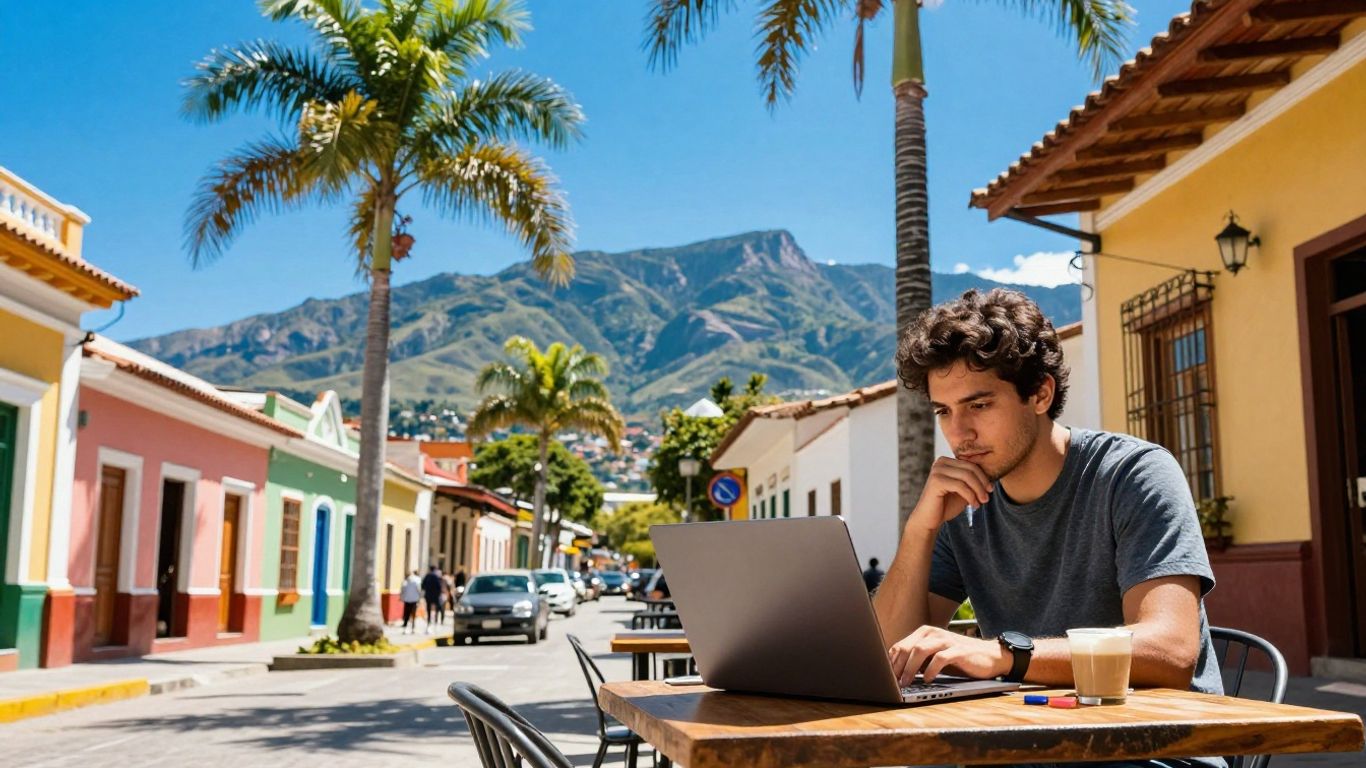 Digital nomad working outdoors in a South American city.
Finding Digital Nomad Hubs and Coworking Spaces
Okay, so you've picked your South American city, you've got your laptop humming, but where do you actually go to work and meet people? It's easy to feel isolated when you're in a new place, especially if you're working solo. That's where the digital nomad hubs and coworking spaces come in. These places are basically designed for people like us – people who need good Wi-Fi, a decent desk, and, most importantly, other humans to bounce ideas off or just grab a coffee with.
Think of them as your home base away from home. Many cities in South America are really stepping up their game with these spots. You'll find everything from sleek, modern offices with all the amenities to more laid-back, bohemian spaces that feel more like a shared living room. The key is to do a little digging before you arrive. A quick search for "digital nomad coworking [city name]" usually brings up a good list. Some popular ones even have online communities you can join before you get there, which is a great way to get the lay of the land.
Leveraging Local Communities and Social Events
Beyond the dedicated coworking spots, there's a whole world of local communities and events waiting for you. This is where you really start to feel like you're living somewhere, not just visiting. It’s about getting out there and actually interacting with the place and its people.
- Language Exchange Meetups: Even if your Spanish or Portuguese is a bit rusty, these are fantastic for meeting locals and other travelers. You help someone with English, they help you with their language. Win-win.
- Local Festivals and Markets: Keep an eye on local event listings. Whether it's a neighborhood street fair, a music festival, or a bustling weekend market, these are prime spots for experiencing local culture and striking up conversations.
- Hobby Groups: Love hiking? Into photography? There's probably a local group for that. Joining a group based on your interests is a natural way to connect with people who share your passions.
Don't be shy! Most people are happy to share their city with newcomers. A friendly "Hola" or "Oi" can go a long way.
Maintaining Work-Life Balance in Diverse Environments
This is the big one, right? South America is amazing, full of incredible sights and sounds, but it's also super easy to get caught up in the 'work' part and forget to actually live. Or, the flip side, get so caught up in the 'living' part that work suffers. Finding that sweet spot is key to making this lifestyle sustainable and enjoyable.
The temptation to constantly be 'on' – either working or exploring – is huge. It's important to build in downtime, not as a reward, but as a necessity. Schedule it like you would a client call. Whether it's an afternoon reading in a park, a quiet evening at your accommodation, or a day trip with no agenda, these moments of rest are what prevent burnout and keep you appreciating the journey.
Here are a few things that help:
- Set Clear Work Hours: Even if they're flexible, having a general idea of when you're working and when you're not makes a huge difference. Try to stick to them.
- Explore Your Immediate Surroundings: You don't always need to go on a massive adventure. Sometimes, just exploring your local neighborhood, finding a great coffee shop, or a nice park can be incredibly refreshing.
- Connect with Other Nomads: Talking to people who are in the same boat can be super helpful. They understand the unique challenges and joys of this lifestyle. Sharing tips and experiences can make a big difference. You can find these connections through various travel communities that cater to digital nomads.
Remember, the goal is to build a life that works for you, not just a series of work stints in different locations. It's about finding a rhythm that allows you to be productive, connected, and genuinely happy.
Health, Safety, and Well-being on the Road
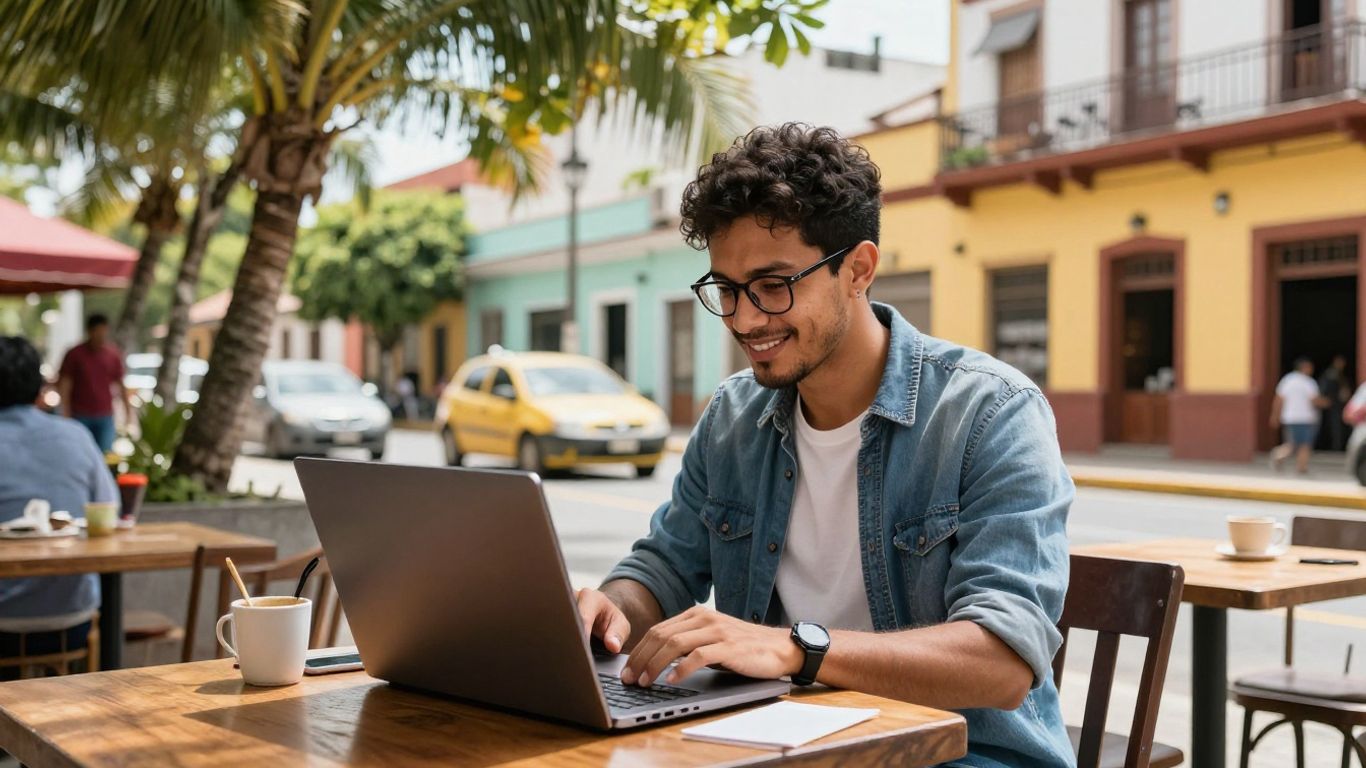 Digital nomad working outdoors in South America.
Keeping yourself healthy and safe while bouncing between South American cities sounds easy in theory, but the reality can be different. Here’s what life on the road really means when you’re a digital nomad in 2026.
Navigating Healthcare Systems and Travel Insurance
Healthcare in South America is a mixed bag—every country operates differently, and even cities within the same country offer varying standards. Public healthcare is usually affordable, but you might encounter long wait times and sometimes patchy service in rural areas. Private clinics, while more reliable, can get expensive fast.
- Secure comprehensive travel insurance that covers medical care, emergencies, and any pre-existing conditions.
- Keep digital and paper copies of your health records and insurance details.
- Know the location of English-speaking clinics or international hospitals in your destination before you go.
| Country | Public Healthcare | Recommended for Foreigners? | Private Clinics/Cost |
|---|---|---|---|
| Colombia | Decent in cities | Sometimes | $35-$100 per visit |
| Peru | Basic | Usually not | $25-$80 per visit |
| Argentina | Good in BA | Yes in BA | $40-$120 per visit |
| Brazil | Basic-Good | Not always | $50-$140 per visit |
You never really appreciate having a flu shot until you’re shivering in a Lima hostel at 3 a.m., Googling “24-hour doctors near me.” Always prep your health basics for the unexpected.
Safety Precautions and Local Awareness
Staying safe isn’t just about crime statistics—it’s also about how you move, where you stay, and how plugged in you are to street life.
- Use ride-sharing apps and vetted taxis after dark—avoid hailing cabs on the street.
- Ask locals or other nomads which neighborhoods are best to avoid, whether you’re inbound to Bogotá or Sao Paulo.
- Always keep digital backups of your passport and other IDs.
Serious about stretching your travel budget? Staying in homes listed through authentic home exchange networks can boost your sense of safety, as many hosts provide local safety tips and neighbor connections you don't get from hotels.
Maintaining Physical and Mental Health While Traveling
It’s easy to let healthy habits slip when you’re changing locations, but ignoring your well-being can catch up to you fast.
- Find a daily movement routine, even if it’s just a walk around the plaza or a few yoga poses before breakfast.
- Carry your own water bottle, but always buy filtered or bottled water unless the locals insist tap water’s safe.
- Check in with your mental state regularly. Loneliness, burnout, and decision fatigue are real issues when you’re constantly moving.
If you’re in it for the long haul, building downtime into your schedule isn’t lazy—it’s necessary. You’re not just visiting; you’re living.
Headspace, fresh fruit, and an actual rest day can make the difference between thriving and burning out as a nomad in South America.
Wrapping It Up
So, there you have it. South America is totally doable for digital nomads in 2026. We've talked about getting set up, finding places to stay, and just generally making it work. It’s not always going to be perfect, sure, but that’s kind of the point, right? You’re out there exploring, working, and living a different kind of life. Remember to stay flexible, keep an open mind, and just go for it. The continent is huge and full of amazing experiences waiting for you. Happy travels and happy working!
Frequently Asked Questions
What's the biggest draw for digital nomads to South America?
Many people love South America because it's often more affordable than other places, the culture is super vibrant and exciting, and the landscapes are amazing, from beaches to mountains. Plus, there are growing communities of other remote workers, making it a fun place to live and work.
Is it easy to find good internet in South America?
It's getting much better! Big cities usually have fast internet, especially in popular areas and coworking spots. However, in smaller towns or more remote places, the internet might be slower or less reliable. It's always a good idea to check internet speeds before you book accommodation.
What are the visa rules like for digital nomads in South America?
Visa rules can be tricky and change often. Some countries are starting to offer special 'digital nomad visas' that make staying longer easier. For others, you might need to enter on a tourist visa and be mindful of how long you can stay. Always research the specific country's rules well in advance.
How much does it cost to live as a digital nomad in South America?
It really depends on where you go! Big cities like Buenos Aires or Medellín can be quite affordable, especially for rent and food. Smaller towns or popular tourist spots might cost a bit more. Generally, your money can go a lot further here than in North America or Europe.
How can I meet other digital nomads or locals?
Look for coworking spaces – they are great places to connect with other remote workers. Many cities also have online groups (like on Facebook) for digital nomads where people organize meetups and events. Simply exploring local cafes and parks is also a good way to meet people.
What are the safety concerns for digital nomads in South America?
Like anywhere, it's important to be aware of your surroundings. Stick to well-lit areas at night, be careful with your valuables, and research neighborhoods before you go. Many digital nomads have safe and wonderful experiences by taking basic precautions and staying informed about local conditions.

Published by
SwappaHome
SwappaHome Editorial Team
Home Exchange & Slow Travel Editorial
The SwappaHome Editorial Team brings together travel research, home-exchange community insights, and platform data to produce practical guides for first-time and experienced home swappers. Every article cites real platforms, current market rates, and verifiable city-level facts so readers can make informed decisions without guessing.
Ready to try home swapping?
Join SwappaHome and start traveling by exchanging homes. Get 7 free credits when you sign up!