
The ultimate guide to choosing the best Italy trip packages

SwappaHome Editorial Team
Home Exchange & Slow Travel Editorial
Key Takeaways Planning a trip to Italy requires careful consideration of various logistical aspects to ensure a seamless experience. The following points…
Key Takeaways
Planning a trip to Italy requires careful consideration of various logistical aspects to ensure a seamless experience. The following points summarize the essential steps to prepare for your journey.
- Define your travel style to choose between guided tours or independent exploration.
- Establish a clear budget that accounts for excursions, dining, and incidental costs.
- Research the best times to visit to balance crowd levels with pricing and weather.
- Select your regions based on personal interests like history, food, or coastal relaxation.
- Verify all credentials and booking terms before confirming your reservations.
Understanding the different types of Italy trip packages
Selecting the right structure for your Italian adventure is the first major step in your planning process. You can choose from various formats, each offering a distinct way to experience the country's culture and iconic landscapes. Whether you prefer the structure of a group trip or the freedom of self-guided travel, there is a configuration that matches your specific preferences.
Escorted tour packages vs. independent travel
Escorted tours provide a structured environment where every detail, from transport to museum entries, is handled by professionals. Conversely, independent travel puts you in the driver’s seat, allowing for spontaneity but requiring more personal coordination. While independent travelers might find Italy vacation packages at their own speed, escorted tours often offer access to experts and skip-the-line privileges that are difficult to replicate on your own.
Guided group vacations for history enthusiasts
Travelers focused on the deep history of the peninsula often benefit from group vacations designed by academics or specialized guides. These packages frequently include deep dives into Roman ruins or Renaissance art centers where every site is contextualized by professional historians. This focus allows you to absorb complex historical data through curated narration rather than just walking through an exhibit.
Customizable multi-city itinerary packages
Flexibility remains a top priority for travelers who want to hit several major cities without the stress of local booking. These packages provide a foundational loop through top spots like Venice, Florence, and Rome, while offering modular add-ons that change the scope of your stay. You get the benefit of established transport infrastructure while keeping some autonomy over your nightly schedule and free time.
All-inclusive luxury resort options
For those seeking relaxation, all-inclusive luxury resort packages remove the burden of daily decision-making by housing you in high-end estates. These options often focus on coastal regions or the peaceful Tuscan countryside to provide an escape from the frantic pace of major tourist hubs. By bundling fine dining and leisure activities into the upfront cost, these packages focus on comfort and high-touch service.
Key factors to consider before you book
Careful planning prevents common frustrations during your transition from home to the Italian landscape. You should examine the fine print of any package agreement to ensure that every aspect of the service meets your expectations. Aligning your chosen travel style with the reality of the logistics will yield a much smoother trip and avoid unnecessary trip stress.
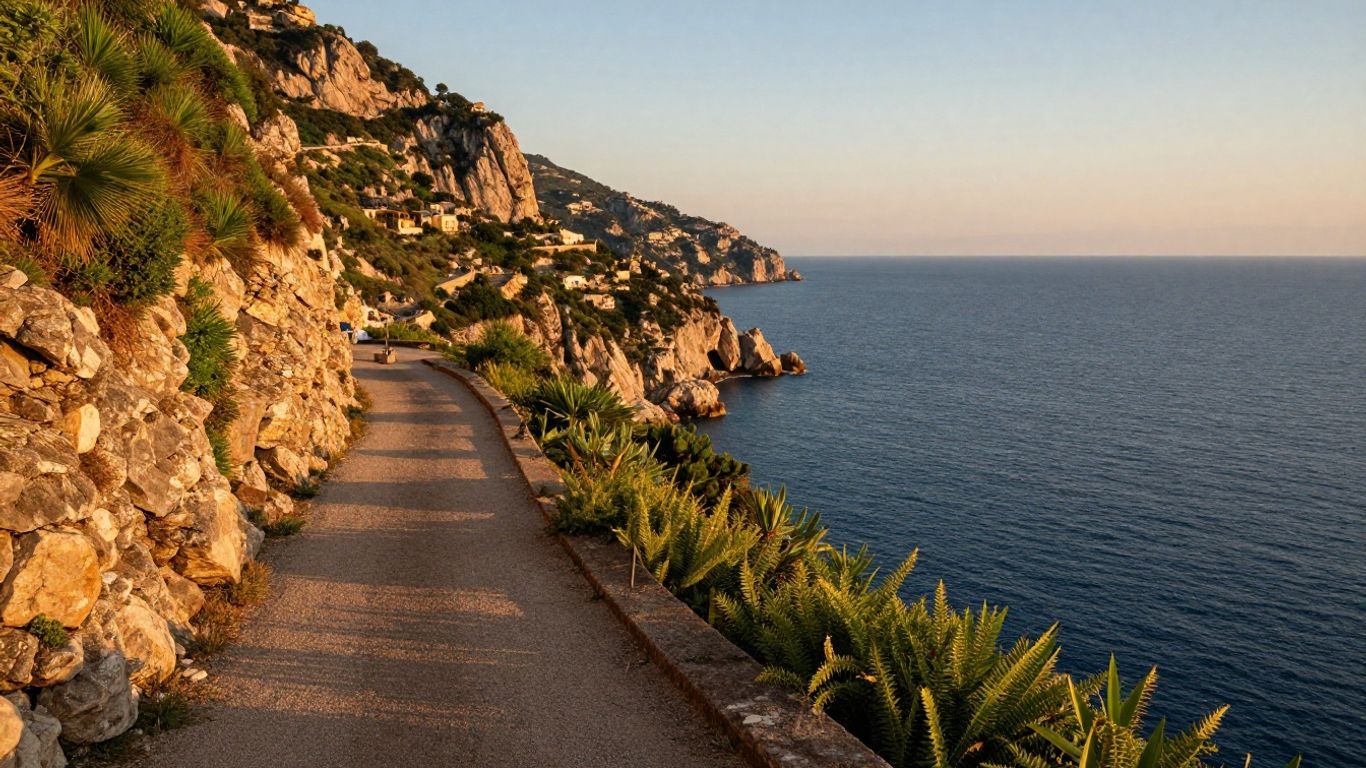 Scenic path along the Italian coastline
Budgeting for extra excursions and dining costs
Most base packages cover the essentials like accommodation and regional transport but rarely include every meal or optional trip. You must factor in these secondary costs when assessing the total value of your investment. It is wise to set aside a contingency fund to allow for surprises like spontaneous cooking classes or high-quality local wine tastings.
Travel flexibility and cancellation policies
Unforeseen events can occur, making the clarity of a provider's cancellation fee structure highly relevant to your financial security. You should read policies about non-refundable deposits or rescheduling credits before committing to a firm date. If a provider lacks transparent terms, consider adding independent travel insurance to mitigate any potential loss of funding.
Assessing group size and travel pace
Matching your endurance to the pace of a tour is critical for maintaining an enjoyable outlook throughout the journey. Large groups generally move slower, whereas boutique or specialized tours may demand higher daily activity levels.
| Tour Type | Group Size | Daily Walking Goal |
|---|---|---|
| Classic Bus | 30-40 | 1-2 Miles |
| Boutique | 8-12 | 2-4 Miles |
| Adventure/Hike | 6-10 | 5+ Miles |
Selecting a group size that aligns with your preferred pace will prevent you from feeling overwhelmed or stagnant during your visit.
Evaluating hotel locations and quality standards
Hotel placement can drastically alter how you interact with a city, turning a long commute into a pleasant walk through historic streets. Prioritizing locations that are central ensures you spend less time in traffic and more time at cultural landmarks.
- Proximity to major public transportation hubs
- Walking access to the city center or main site
- Available on-site facilities like breakfast or concierge support
- Verified reviews regarding nighttime noise levels
These elements ensure the quality of your accommodation supports your overall travel goals without adding undue complexity.
Best times of year to book your Italian vacation
Choosing your travel dates requires weighing the desire for perfect Mediterranean weather against the reality of seasonal crowds. Each season provides a completely different experience of the countryside and cityscapes across Italy. Whether you opt for peak summer warmth or the quiet of winter, your choice will dictate your budget and your degree of access to popular spots.
 Picturesque hillside village in northern Italy
Peak season travel pros and cons
Traveling between June and August offers the most reliable weather for swimming and outdoor dining, but it also brings the highest density of tourists. You should expect long lines at major cathedrals and museums during these peak months, often necessitating pre-booked tickets for every attraction.
The beauty of travel lies in intentional pacing, where the goal is deeper connection rather than just checking off landmarks. Proper planning creates space for the serendipity that makes the experience truly memorable.
By ensuring you account for these lulls in the activity schedule, you can maintain a high-quality experience regardless of which season you select for your getaway.
Choosing the shoulder season for better value
Shoulder months like April, May, September, and October offer a balance of temperate weather and fewer crowds in major hubs. This window is often the favorite for experienced travelers looking for a blend of value and accessibility. You will often find more availability for dining and less competition for guides.
Winter travel for budget-conscious explorers
Winter allows you to explore iconic landmarks with fewer people in your photos and lower costs for lodging. While the weather is colder, museums and indoor culture remain accessible and vibrant, providing comfort for those who prefer cozy, atmospheric experiences.
Major local festivals and their impact on package availability
Local festivals can cause massive fluctuations in supply and demand, often filling hotels months in advance. You must check calendars for events like the Siena Palio or the Venice Carnival before booking, as these events will drastically inflate the cost of your standard travel package.
Popular regions covered by top-rated packages
Understanding the regional identity of Italy allows you to tailor your itinerary to the experiences you find most compelling. From the ancient stones of the capital to the vineyards of the north, each region offers its own cultural narrative. Selecting a region that matches your interests ensures that the package content will be exactly what you hope for.
Historic highlights of Rome, Florence, and Venice
These cities comprise the classic "Golden Triangle" for new visitors and offer the most concentrated historical experiences. Packages here are typically highly refined, offering access to world-renowned museums and architecture while ensuring you navigate the dense urban landscape with ease.
Coastal escapes along the Amalfi Coast
This region is famous for its dramatic cliffs and ocean views that dominate the skyline from every angle. Packages in this area usually revolve around leisure and stunning scenery, often featuring boat tours or relaxed seaside dining as the centerpiece of the trip.
Gastronomic adventures in Tuscany and Emilia-Romagna
These regions represent the heart of Italian culinary heritage, with tours focusing on vineyard visits and authentic farm-to-table dining experiences. These specialized packages emphasize slow life and sensory engagement, making them perfect for those who prioritize food and wine over checking off monument lists.
Island hopping through Sicily and Sardinia
For those who want to see a different, more rugged side of the nation, the southern islands present a unique cultural blend of Greek, Arabic, and Italian influences. Packages covering these areas often require a mix of flight and ferry travel to properly navigate the diverse terrain and coastal cities.
Navigating the booking process and avoiding common pitfalls
Handling the mechanics of your booking with care will ensure that your trip remains stress-free from the final transaction to the end of your stay. Knowing exactly what is on your contract allows you to address potential issues before they escalate. Consistent home exchange tips often apply here, as preparation protects your wallet and your time.
Comparing travel agencies vs. direct tour groups
Travel agencies offer a layer of advocacy if something goes wrong, often mediating between you and the operator. Direct tour groups can sometimes be cheaper but leave you with less leverage if plans fall apart during the voyage.
Checking for hidden fees and service charges
Always analyze the fine print for resort fees, city taxes, or fuel surcharges that might appear on your final invoice. Being aware of these items ahead of time ensures you do not feel blindsided when final payments are requested before your departure.
Ensuring your package includes airport transfers
Reliable transportation directly to your accommodation is vital when arriving in a foreign country exhausted from long-haul flights. Confirm that your package explicitly lists private or shared transfers, as the cost of individual taxis can add up very quickly in European urban centers.
Verification of tour guide qualifications and language support
Quality guides are the difference between a static lecture and an engaging narrative that connects past to present. Always request confirmation that your tour provider uses licensed professionals who are fluent in your preferred language to ensure clear communication and reliable facts.
Conclusion
Embarking on an Italian journey through a well-vetted package allows you to navigate the complexities of travel while focusing on the beauty of the experience. By carefully selecting your tour type, timing your visit for optimal value, and staying attuned to logistical details, you can turn a standard vacation into a lifelong memory of art, history, and excellent cuisine.
Frequently Asked Questions
Can I customize my tour itinerary?
Most modern packages allow for some level of customization, though the degree of flexibility depends on whether you have chosen a private tour or an escorted group plan.
Is airfare usually included in vacation packages?
Airfare is often optional, allowing you to choose between land-only pricing or a bundled deal that includes your international flights.
Do I need travel insurance for my trip?
While insurance is not legally required for all entry types, it is highly recommended to protect your investment in case of unexpected cancellations or travel delays.
How far in advance should I book my package?
Booking at least six months in advance is recommended to ensure you secure your preferred dates and lodging, especially for spring or autumn departures.
Are meals included in the package price?
Inclusions vary by provider, so you should carefully check if your package features daily breakfast, specific pre-planned dinners, or if all food costs are for you to manage.
Can I book a solo-friendly package easily?
Many operators cater to solo travelers, though you may encounter supplements depending on the type of rooms available within the standard itinerary.
What happens if my tour guide speaks local dialects?
Tour operators typically guarantee that guides assigned to international groups speak your required language fluently as part of the formal agreement.

Published by
SwappaHome
SwappaHome Editorial Team
Home Exchange & Slow Travel Editorial
The SwappaHome Editorial Team brings together travel research, home-exchange community insights, and platform data to produce practical guides for first-time and experienced home swappers. Every article cites real platforms, current market rates, and verifiable city-level facts so readers can make informed decisions without guessing.
Ready to try home swapping?
Join SwappaHome and start traveling by exchanging homes. Get 7 free credits when you sign up!