
The Ultimate Travel Backpack: Your Perfect Companion for Every Journey

SwappaHome Editorial Team
Home Exchange & Slow Travel Editorial
Picking the right travel backpack can make or break your trip. Here are the most important things to keep in mind when choosing yours: Key Takeaways Look for…
Picking the right travel backpack can make or break your trip. Here are the most important things to keep in mind when choosing yours:
Key Takeaways
- Look for weather-resistant materials and smart compartments for easy packing and protection.
- Comfort is key: padded straps and a good back panel make a huge difference when carrying your pack.
- Size matters! Pick a backpack that fits your trip length and follows airline carry-on rules if needed.
- Versatility is a bonus – a pack that works for business, fun, or adventure is a great investment.
- Don't forget security features like lockable zippers and hidden pockets to keep your belongings safe.
Essential Features Every Travel Backpack Travel Bag Should Have
Travel backpacks are the backbone of any trip, whether you’re heading out for a weekend away or setting off for a month-long adventure. Choosing one that actually works for your habits makes a massive difference. Here’s what really matters:
Weather-Resistant Materials and Construction
- Weather can change fast while you’re on the road, so a good pack shouldn’t leave you scrambling for a garbage bag to protect your stuff.
- Look for coated fabrics, sealed seams, and zipper flaps that help keep out rain and dust.
- Some packs use DWR (Durable Water Repellent) fabric, keeping moisture off but not always totally waterproof—know your needs.
- Water-resistant zippers and reinforced bottoms help stop leaks when setting your bag down on wet surfaces.
| Material Type | Water Protection | Typical Use Cases |
|---|---|---|
| Nylon w/ DWR | Very Good | Most day-to-day travel |
| Ballistic Polyester | Good | Urban, heavy-duty use |
| PVC-coated Canvas | Excellent | Outdoor or adventure trips |
Reliable weather protection means you can focus on the journey, not panic whenever it drizzles.
Multiple Compartments for Organization
- Packing cubes help, but if your bag isn’t built with organization in mind, you’ll constantly be digging.
- Choose packs with:
- Main compartment for bulkier items like clothes
- Separate tech/laptop sleeves (usually padded)
- Front or side pockets for chargers, snacks, and smaller gear
- Mesh divider pockets for toiletries or laundry
There’s a ton of variety here—some love highly-structured bags, while others want the flexibility of a big open space. If you want details on special pocket designs, take a look at smarter layouts with more independent pockets.
Thoughtful Security Elements
- Airports, buses, hostels—all of them require your attention, especially when it comes to keeping your stuff safe.
- Good packs offer these built-in features:
- Lockable zipper pulls; some brands even provide TSA-ready locks
- Hidden pockets for your passport, cash, and valuables
- Zippers that are covered or tucked near your back to keep access difficult for pickpockets
Don’t underestimate the peace of mind you get when your bag has safety features built-in. Plus, they save you the hassle of buying and fiddling with after-market locks.
- Lockable zips
- Concealed compartments
- Zippers that face your back
For some travelers, expandable sections (like those found in a carry-on travel bag with clever folds and zippers) also add a sneaky layer of security, making your bag less predictable!
When you combine practical organization, weather resistance, and simple security details, you seriously reduce stress on every trip and actually enjoy the experience of living out of a backpack.
Comfort and Ergonomics for All-Day Carrying
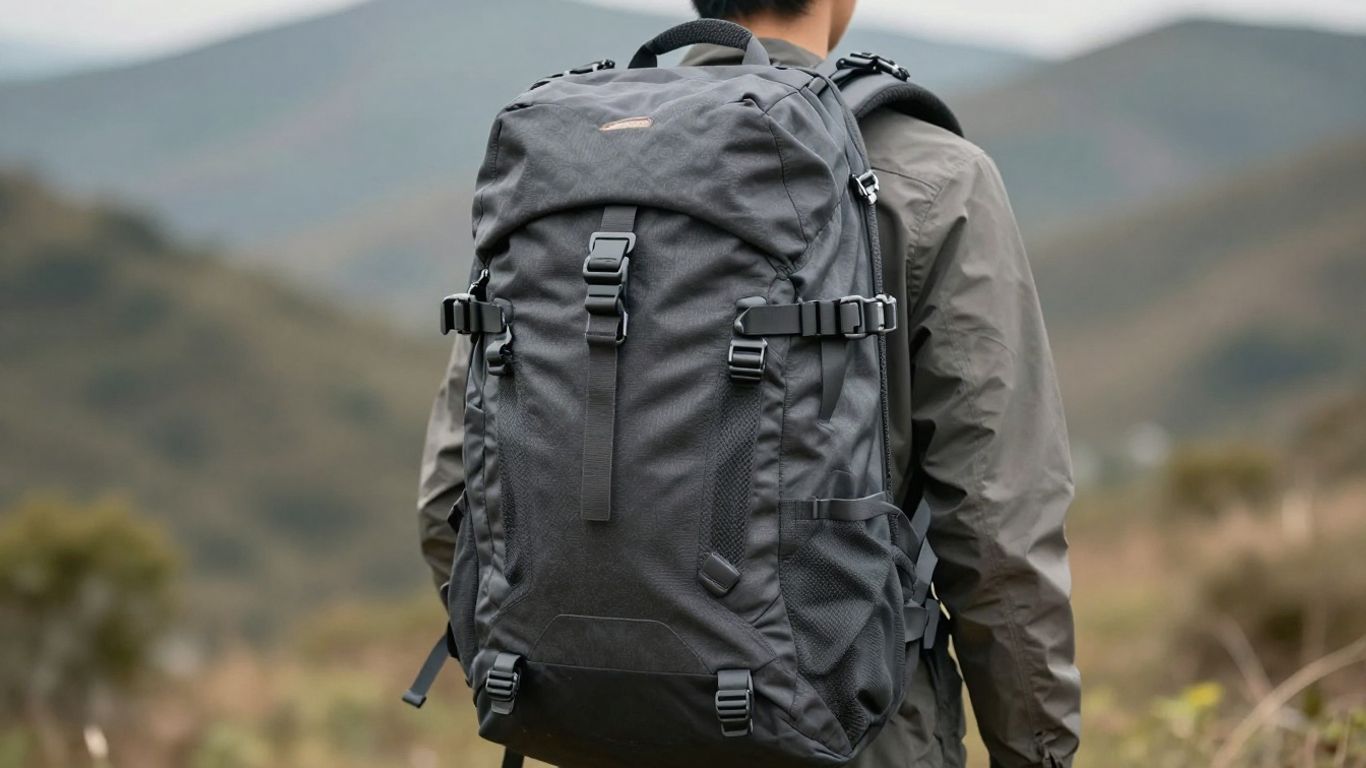 Travel backpack with padded straps against a natural background.
Traveling with a backpack shouldn't turn into a test of endurance. Long days on the move demand a bag that feels comfortable, even when fully loaded. Thoughtful ergonomic features can make all the difference, letting you focus on the adventure instead of sore shoulders or sweaty backs.
Padded Shoulder and Hip Straps
Wider, well-padded shoulder straps help distribute weight evenly, reducing pressure on any one area. Hip belts are more than just an accessory—they let your hips do some of the heavy lifting, which is crucial for heavier bags.
- Wide straps help spread the load across your shoulders.
- Thick, dense padding prevents the straps from digging into your skin.
- Adjustable hip belts shift a chunk of the weight off your back and onto your legs, making long hauls easier.
- Sternum straps keep everything stable and stop the straps from sliding off when you're on the move.
Breathable Back Panel Designs
Nobody likes a damp back after an hour on the sidewalk or trail. Back panels with ventilation channels or mesh construction encourage airflow, cutting down on sweat and heat.
Here's a quick look at some common back panel types:
| Back Panel Type | Breathability | Comfort Level |
|---|---|---|
| Solid Foam | Low | Medium |
| Mesh/Lifted design | High | High |
| Molded/Egg crate foam | Medium | Medium-High |
If you’re looking for more comfort tips, even something like choosing the right office chair relies on similar ergonomic principles.
Load-Balancing Compression Straps
Compression straps seem simple, but they keep your belongings steady and prevent awkward shifting as you walk. Well-placed straps can cinch your load closer to your body, keeping everything compact and reducing strain.
- Pull in excess space, making your pack feel lighter and less bulky.
- Stop gear from jolting around and throwing off your balance.
- Help keep heavier items closer to your core, which is the strongest part of your body.
Pick a backpack with a mix of adjustability, padding, and smart ventilation. It’ll pay off when you’re several hours into a day trip and your pack still feels manageable, not like a burden.
Some purpose-built backpacks even add safety touches or hydration options, perfect for outdoor adventures. Look for details like reflective accents or an integrated sternum whistle—little things that make a difference on those all-day journeys (outdoor enthusiast favorites).
Choosing the Right Size for Your Travel Needs
Figuring out the right backpack size is a big deal. It’s not just about stuffing more in; it’s about making your trip easier. Think about how long you usually travel and what you'll be doing. A tiny pack might be fine for a quick day trip, but it won't cut it for a week-long adventure.
Day Trip Versus Extended Journey Requirements
For a quick jaunt around town or a short hike, a backpack under 30 liters is usually plenty. It’s enough space for water, snacks, a light jacket, and maybe a book. But if you're heading out for several days, or even weeks, you'll need something bigger. Bags in the 30-50 liter range are good for weekend getaways or short trips where you need to pack a few more outfits and toiletries. If you're planning a long haul, like months abroad or extensive travel through different climates, you might be looking at 60 liters or more. Just remember, bigger bags often mean checking them at the airport.
Carry-On Compatibility and Regulations
This is where things get tricky. Most airlines, especially in the US, allow carry-on bags up to about 45 liters. However, every airline has its own rules, and dimensions matter just as much as volume. A bag that’s 40 liters but shaped like a tall hiking pack might not fit in the overhead bin. Always check your specific airline’s carry-on size and weight limits before you buy. Sticking to carry-on size can save you time and money, and it’s a great way to travel light. You can find some great options for carry-on travel, like the ones that fit within airline restrictions.
Balancing Packing Capacity with Portability
Finding that sweet spot between having enough room and being able to carry it comfortably is key. A bag that’s too small will leave you wishing you’d packed that extra sweater. A bag that’s too big can be a burden, especially if you’re moving around a lot. Consider bags that offer some flexibility, like those with expandable compartments or compression straps. These let you adjust the size based on your needs for a particular trip. It’s all about making your travel gear feel like a helpful friend, not a heavy chore.
The goal is to find a backpack that feels right for you. Think about how much you actually need to carry and where you're going. Don't just grab the biggest bag you can find; it might end up being more trouble than it's worth. A well-chosen pack makes all the difference.
Here’s a quick look at typical sizes:
- Day Trips (Under 30L): Essentials only, like water, snacks, and a light layer.
- Weekend/Multi-Day Trips (30-50L): Extra clothes, toiletries, and some electronics.
- Extended Travel (50L+): For longer journeys, multiple climates, or if you need more gear. Often requires checking the bag.
Choosing the right size is a big step towards a smoother trip. It’s worth taking the time to figure out what works best for your travel style, whether you’re planning a quick city break or a long adventure. For more tips on packing for different kinds of trips, check out these home exchange guides.
Versatility for Every Type of Traveler
Business, Adventure, and Leisure Use Cases
The best travel backpacks aren't just for one kind of trip. Think about it: you might need a bag that can handle a business trip one week, then switch gears for a weekend adventure the next. A truly versatile pack can do both. For business, it needs to look sharp enough to bring into a meeting and have dedicated spots for your laptop and work essentials. Then, when it's time for adventure, it should be rugged enough to handle the elements and have space for extra layers or gear. And for pure leisure, like a beach getaway, it needs to be comfortable and easy to access. The goal is a single bag that adapts to your life, not the other way around.
Convertible Functionalities for Diverse Trips
Some backpacks offer clever features that make them adaptable. Maybe it's a removable laptop sleeve that doubles as a slim messenger bag, or perhaps the shoulder straps can be tucked away so you can carry it like a duffel. These little touches make a big difference when you're moving between different environments. For instance, a pack with a removable hip belt can be great for heavy loads on a hike, but you can ditch it for a cleaner look when you're just walking around a city. It's all about having options.
Easy Transitions Between Different Travel Modes
Getting from point A to point B should be smooth, no matter how you're traveling. A versatile backpack makes this easy. If you're hopping on a train, you want something that's easy to lift into overhead compartments. If you're navigating crowded streets, you need a pack that sits comfortably and doesn't snag on everything. And if you're trying to maximize your travel budget and save on accommodation, a pack that can easily transition from a carry-on to a day bag is a lifesaver. It means you can potentially live like a local without needing multiple bags. This adaptability is key for anyone who travels frequently and wants to keep things simple. It's about making sure your bag works for you, whether you're heading to a conference, a mountain trail, or just exploring a new city.
A good travel backpack should feel like an extension of yourself, ready for whatever your journey throws at you. It's not just about carrying stuff; it's about making your travel experience smoother and more enjoyable, no matter the destination or purpose.
Organization Systems That Simplify Packing
Let's be honest, nobody enjoys digging through a black hole of a backpack trying to find that one specific charger or a clean pair of socks. That's where smart organization systems come into play, turning packing from a chore into a breeze. A well-organized backpack means less time searching and more time exploring.
Built-In Laptop and Tech Sleeves
Most modern travel backpacks understand that our devices are practically glued to us. You'll often find dedicated, padded sleeves designed specifically for laptops and tablets. These aren't just random pockets; they're usually positioned for easy access, often near the back panel for comfort and security. Some even have separate compartments so your tech doesn't get scratched by keys or pens. It's a small detail, but it makes a huge difference when you need to pull out your laptop for a quick email or to show your boarding pass.
Hidden and Quick-Access Pockets
Beyond the main compartment, the real magic happens with the smaller pockets. Think about those items you need in a hurry: your passport, a snack, your phone, or maybe some lip balm. Bags with strategically placed quick-access pockets, often on the hip belt or the front panel, are lifesavers. Then there are the hidden pockets – usually on the back panel or inside the main compartment – perfect for stashing valuables like your wallet or extra cash. They add a layer of security without making you forget where you put things.
Expandable and Modular Compartments
Flexibility is key, especially when your travel plans might change or you pick up a few souvenirs. Some backpacks offer expandable sections, usually via a zipper, that give you a few extra liters of space when you need it. Others go a step further with modular systems. This might mean internal dividers you can rearrange, or even compatible packing cubes that slot perfectly into the main compartment. This way, you can customize the internal layout to suit exactly what you're carrying, whether it's camera gear or just a week's worth of clothes. It’s like having a custom-built closet on your back, ready for anything.
The best organization systems aren't just about having a lot of pockets; they're about intuitive design. You should be able to pack efficiently and find what you need without a second thought. This means considering how you actually use your bag on a daily basis, not just how it looks when it's perfectly packed.
Durability for Years of Global Adventures
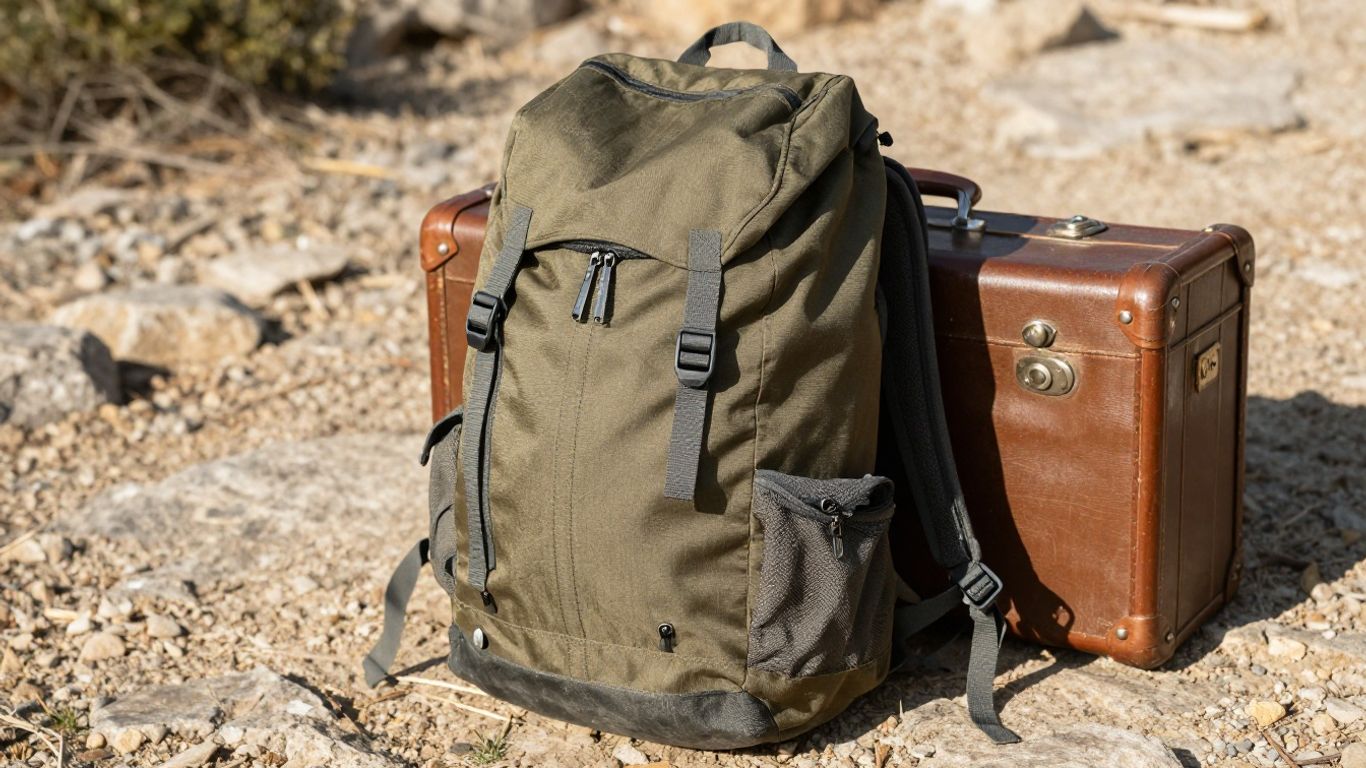 Durable travel backpack ready for global adventures.
When you're investing in a travel backpack, you want it to last. Nobody wants to buy a new bag every year because the old one fell apart. That's why looking at how a bag is put together is super important. A well-built backpack is your best bet for handling all the bumps and scrapes that come with travel.
Reinforced Stitching and Zipper Quality
Think about the stress points on a backpack: where the straps meet the bag, the bottom corners, and especially the zippers. Good manufacturers use strong, reinforced stitching, often double or triple-stitched, in these areas. This stops seams from splitting open when you've packed it a little too full. Zippers are another common failure point. Look for sturdy, reputable zipper brands like YKK. Water-resistant zippers are a bonus, but even standard ones should feel robust and move smoothly without snagging. A bag that uses high-quality zippers will save you a lot of headaches down the line.
Lifetime Warranties and Customer Support
What happens if something does go wrong? A company that stands behind its product with a good warranty shows they believe in its durability. Many top brands offer lifetime warranties, which can be a huge selling point. This means if a strap breaks or a zipper fails through normal wear and tear, they'll fix or replace it. It's a sign of confidence from the manufacturer and a great safety net for you. Always check the warranty details before you buy; some are more comprehensive than others. It's worth looking into brands that have a good reputation for customer service, especially if you're planning on taking your bag on extended journeys, perhaps even exploring places like Madeira.
Sustainable and Long-Lasting Materials
The fabric itself matters a lot. Materials like high-denier nylon (think Cordura or ballistic nylon) or tough polyester are common for a reason – they're abrasion-resistant and can take a beating. Some brands are also using recycled materials, which is great for the planet and can be just as durable. Look for fabrics that feel substantial and have a tight weave. A waterproof or water-resistant coating on the fabric adds another layer of protection against the elements, keeping your gear dry even if you get caught in a sudden downpour. This kind of attention to material choice is what separates a bag that lasts a few trips from one that becomes a trusted travel companion for years.
When you're choosing a backpack, don't just look at the price tag. Consider the materials, the construction details, and the company's commitment to quality. A slightly more expensive bag that's built to last can actually save you money and hassle in the long run, especially when you're comparing different carry-on size travel backpacks.
Here's a quick checklist to consider:
- Stitching: Look for reinforced seams, especially at stress points.
- Zippers: Opt for reputable brands (like YKK) and check for smooth operation.
- Fabric: Choose tough, abrasion-resistant materials like high-denier nylon or polyester.
- Hardware: Metal buckles and adjusters are generally more durable than plastic ones.
- Warranty: A strong warranty indicates manufacturer confidence in their product's longevity.
Security Features for Peace of Mind
When you're out exploring, especially in busy spots, keeping your stuff safe is a big deal. You don't want to be constantly worried about your wallet or passport. Thankfully, good travel backpacks come with smart security features built right in.
Lockable Zippers and Concealed Pockets
This is pretty straightforward but super effective. Look for bags where the main compartments have zippers you can lock. It’s a simple step, but it makes a huge difference. Many bags also have hidden pockets, often on the back panel, that are perfect for stashing things like your passport, extra cash, or important documents. These are usually against your body, making them hard for anyone to get to without you noticing. It’s like having a secret stash spot only you know about.
RFID Protection for Digital Information
In today's world, your credit cards and passport often have chips that can be read wirelessly. This is where RFID-blocking pockets come in. They act like a shield, stopping unauthorized scans of your personal data. It’s a small feature, but it adds a solid layer of protection against identity theft, which is becoming more common. Think of it as digital armor for your sensitive information.
Anti-Theft Designs for Crowded Environments
Beyond just lockable zippers, some backpacks have more advanced anti-theft measures. This can include things like slash-resistant materials that are tough to cut through, or straps that are reinforced to prevent them from being sliced off. Some designs even have zippers that are hidden or secured under flaps, making them less obvious targets for pickpockets. A well-designed anti-theft backpack can make you feel much more relaxed when you're navigating crowded markets or public transport. If you're planning a trip to a bustling city, checking out bags with these kinds of features is a smart move, like those from PacSafe.
Here are a few things to look for:
- Lockable main zippers: For securing your primary storage.
- Hidden back pockets: Ideal for passports and emergency cash.
- RFID-blocking lining: Protects your cards and personal data.
- Slash-resistant materials: Adds a physical barrier against determined thieves.
- Cut-proof straps: Prevents opportunistic strap cutting.
Choosing a backpack with these security features isn't about being paranoid; it's about being prepared. It lets you focus on enjoying your trip instead of worrying about your belongings. A good 15L anti-theft backpack can be a game-changer for city exploration.
Conclusion
Choosing the right travel backpack is a big deal, kind of like picking a good travel buddy. Everyone travels for different reasons, and luckily, there are tons of backpacks out there. The main idea is that a good pack helps you move easily and comfortably, carrying all your stuff without a fuss. Some focus on packing a lot, others are like fancy duffel bags, and some are built for heavy loads. We hope this guide helps you find the perfect travel backpack for whatever adventure you're planning.
Frequently Asked Questions
What makes a travel backpack different from a regular one?
Travel backpacks are usually built tougher and have more pockets and ways to organize your stuff. They're designed to be carried for longer periods, so comfort features are a big deal. Think of them as more organized and comfortable than your average school backpack.
How do I know what size backpack I need?
Think about how long your trips usually are. For short trips or day use, a smaller bag (under 30 liters) is fine. For longer trips, you'll want something bigger, maybe between 30 and 50 liters. If you pack a lot or travel for a really long time, you might need even more space, but watch out for carry-on size limits.
Are carry-on backpacks really allowed on planes?
Most of the time, yes! Many travel backpacks are made to fit the size limits for carry-on luggage, which means you can keep them with you on the plane. This saves time at the airport and helps you keep your important stuff close. Always double-check with your airline, though, as sizes can vary.
Is it important for my backpack to be waterproof?
It's not always a must, but being water-resistant is super helpful. If you travel in rainy places or just want extra protection for your gear, a bag that can handle a little water is a smart choice. Some bags have special coatings or covers to keep rain out.
How can I keep my backpack organized?
Using packing cubes is a game-changer! They help you sort your clothes and other items, making it easy to find what you need without unpacking everything. Also, use the smaller pockets for things like chargers, pens, and your passport so they don't get lost.
What are 'lockable zippers' and why do I need them?
Lockable zippers have small holes that let you put a small travel lock through them. This makes it harder for someone to open your bag without you noticing, especially in busy places like train stations or crowded markets. It's a simple way to add an extra layer of security.

Published by
SwappaHome
SwappaHome Editorial Team
Home Exchange & Slow Travel Editorial
The SwappaHome Editorial Team brings together travel research, home-exchange community insights, and platform data to produce practical guides for first-time and experienced home swappers. Every article cites real platforms, current market rates, and verifiable city-level facts so readers can make informed decisions without guessing.
Ready to try home swapping?
Join SwappaHome and start traveling by exchanging homes. Get 7 free credits when you sign up!